Adverse cognitive effects linked to polychlorinated biphenyls (PCBs) exposure, a type of endocrine-disrupting chemical (EDC), have the potential to be passed down through generations, according to an animal study being presented Thursday at ENDO 2023, the Endocrine Society’s annual meeting in Chicago, USA.
PCBs can mimic the effect of oestrogen on the body, contributing to a variety of neuroendocrine, metabolic and reproductive problems.
“Endocrine-disrupting chemicals present in our food, air, water and personal products may cause cognitive-behavioural disorders like attention-deficit/hyperactivity disorder or overeating in future generations,” said Emily N. Hilz, PhD, a postdoctoral fellow at the University of Texas at Austin.
To explore this further, Hilz and colleagues administered a common PCB mixture called Aroclor 1221 to pregnant female rats. The adults (n=40), their offspring (n=80), and their future grandchildren (n=80) were all tested on behavioural tasks to assess pleasure-seeking, ability to pay attention, and cognitive flexibility.
“The grandchildren of rats exposed to EDCs while pregnant performed significantly worse on these tasks, showing impaired cognitive function and increased pleasure-seeking,” Hilz said. “This suggests EDCs program potential cognitive disorders or behavioural problems that only emerge in later generations.”
Grandchildren of rats that were exposed to the PCB mixture were more interested in eating for pleasure, according to the results of the sucrose preference test. While all of the tested animals preferred the sucrose solution to water, the grandchildren of mothers exposed to the PCB mixture consumed more of the sucrose solution.
The same rats had an impaired ability to switch between tasks or learn new rules. However, only the male grandchildren were more likely to become fixated with a visual cue, which is common in disorders such as ADHD.
The PCB mixture impaired different aspects of cognitive behavior between male and female rats, depending on the life stage when they were exposed. It’s not yet clear which biological systems might be driving this.
“Our findings suggest regulating EDCs in industrial and consumer products could reduce the prevalence of certain cognitive or behavioural disorders in the future,” Hilz said.
Concussions are commonplace in contact sports at junior and senior levels. Now, the investigators of a study published in the Journal of Science and Medicine in Sport are suggesting extended recovery times may be needed for youth athletes suffering from head trauma. The new research shows a concussion can increase future injury risk by 50%.
The world-first study from the University of South Australia tracked and evaluated the long-term impact of concussion and subsequent injury risk of 1455 sub-elite junior Australian rules football players.
This builds on previous UniSA research that found an approximate 1.5-fold increased risk of injury of sub-elite Australian rules football players returning from an injury, compared to those with no injury.
Tracking injuries over a seven-season period, researchers found that football players who suffered a concussion were also about 1.5 times more likely to be reinjured in the future when compared to players who had never been injured. This increased risk was the same as players returning from upper and lower limb injuries.
The finding comes ahead of the Australian Senate’s report into concussion injuries, and follows the AFL’s announcement for a $25 million study into the long-term effects of concussions and head knocks.
In the AFL, concussions are one of the most common injuries, with an average of six concussions every 1000 hours played, which involve around 70 to 80 male players every year.
In junior elite football as well as AFL and AFLW, the guidelines for concussion say that the earliest a player can return to play post-concussion is 12 days after the injury, after following the graded progression through a return-to-play program.
Lead researcher, UniSA’s Dr Hunter Bennett, says the significant and elevated risk of injury after a concussion may suggest a longer recovery time is required for some players to better recover before returning to play.
“The current recommendation of 12 days post-concussion may not be sufficient to allow full recovery in elite under-18 footballers,” Dr Bennett says.
It may also indicate that the physical qualities impacted by concussion should be assessed more thoroughly before an athlete is cleared to return to the sport.
“Concussion is a common injury in Australian rules football that can lead to impairments in balance, coordination, reaction time, and decision making – and these impairments can increase the risk of other injuries if an athlete returns to play before being fully recovered.”
A recent consensus statement on concussion in sport also indicates that children and teenagers may take up to four-weeks to recover from a sport related concussion.
“Concussions are a unique injury that occur without muscle tissue damage, instead impacting aspects of motor control,” Dr Bennett says.
“Recurrent injuries can significantly impact team success, player health, and career longevity.
“In elite sports, there is the potential for young athletes to overplay their readiness to return to sport after an injury, as they worry that missing games can exclude them from senior drafting or competition.
“When we know that athletes have a greater risk of another injury post a concussion, it suggests we need unique and careful rehabilitation strategies to monitor when an athlete is fully recovered and ready to return to play.”
Researchers say that future research should seek to identify optimal rehabilitation and injury prevention strategies for athletes who suffer from concussions.
Treating a mouse model of multiple sclerosis with the pregnancy hormone oestriol reversed the breakdown of myelin in the brain’s cortex, a key region affected in multiple sclerosis, according to a new UCLA Health study.
In multiple sclerosis, inflammation spurs the immune system to strip away the protective myelin coating around nerve fibres in the brain’s cortex, hampering electrical signals sent and received by the brain. Atrophy of the cortex in MS patients is associated with permanent worsening of disability, such as cognitive decline, visual impairment, weakness and sensory loss.
No currently available treatments for MS can repair damage to myelin. Instead, these treatments target inflammation to reduce symptom flare-ups and new nerve tissue scarring. Previous UCLA-led research found that oestriol, a type of oestrogen hormone produced in pregnancy, reduced brain atrophy and improved cognitive function in MS patients.
In the new study, researchers treated a mouse model of MS with oestriol and found that it prevented brain atrophy and induced remyelination in the cortex, indicating that the treatment can repair damage caused by MS, rather than just slow the destruction of myelin.
This is the first study to identify a treatment that could repair myelin in the cortex, undoing some of the damage caused by MS.
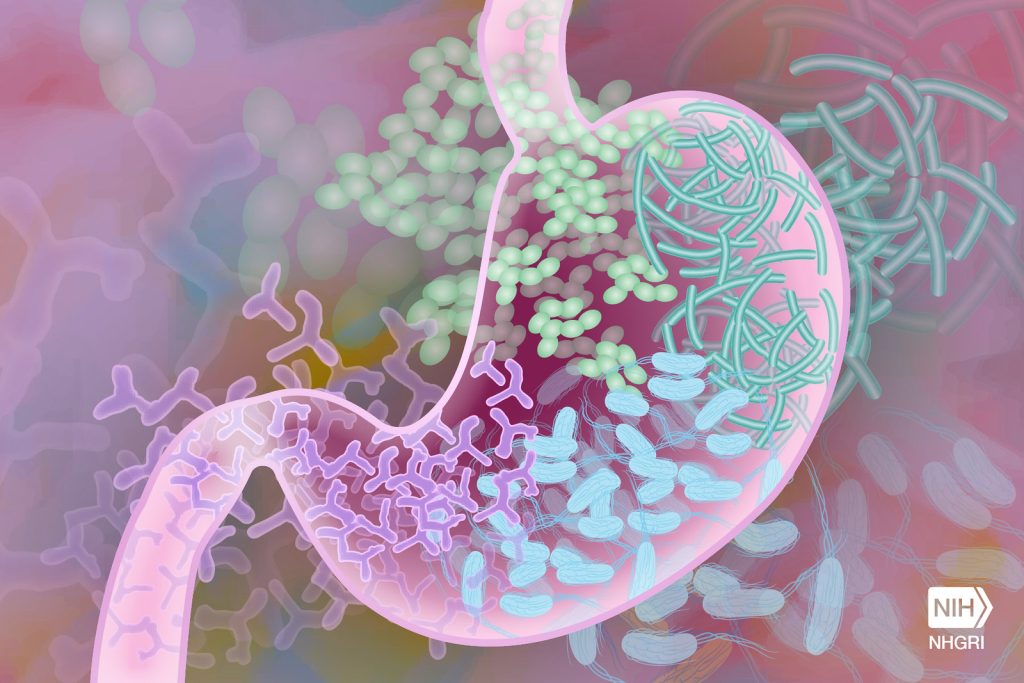
Gut Microbiome. Credit Darryl Leja National Human Genome Research Institute National Institutes Of Health
Diarrhoeal disease outbreaks are on the increase in South Africa owing to unsafe or unhygienic water sources, which is being compounded by the effects of loadshedding.1 Equally, the deadly floods that affected particularly the Eastern Cape and KwaZulu-Natal in April last year damaged an already ailing sewerage and water system, with millions of litres of untreated sewage spilling onto beaches, rivers, harbours and the ocean in and around Durban.2
This has resulted in an increased incidence of gastroenteritis, which is caused by intestinal infection owing to the contamination of food, water or hands.3 Acute-onset vomiting and diarrhoea is second only to respiratory illnesses as a cause of childhood deaths worldwide.3
Diarrhoea accounts for 19% of deaths of under-fives in South Africa and for 46% on the African continent.4 Acute diarrhoea has several risks and complications, and may lead to life-threatening dehydration and electrolyte disturbances.3 When diarrhoea is not halted, there is a risk of disturbed digestion and absorption of nutrients with nutritional deterioration.3
Guidelines published in the South African Medical Journal (SAMJ) state that acute diarrhoea is predominantly a problem of fluids and feeding – both being heavily dependent on the caregiver’s understanding and reactions.3
It is vital that healthcare practitioners and caregivers understand the ‘what’ and the ‘how’ of oral rehydration therapy (ORT) and re-feeding, and that they are given guidance on the need to seek further help in the event of the following:3
• Ongoing vomiting despite small fluid sips, especially if associated with abdominal distension or pain
• Persisting fever after 24 hours of ORT
• Increasing lethargy and failure to feed
• Deteriorating hydration and failure to pass urine
• Presence of blood in the stools
• Diarrhoea persisting for more than 1 week.
Momeena Omarjee, Consumer Healthcare Country Head: Scientific Affairs, at Sanofi South Africa, outlines an ambitious campaign by Sanofi in partnership with non-profit organisation (NPO), Save the Children, to impact over 2 000 000 lives by 2025, through education on hygiene and nutrition and improved access to water.
“Sanofi is committed to ensuring that no child dies of a preventable disease. Since October 2022, Sanofi has donated 15 water tanks and 14 hand-washing stations to Early Childhood Development centres in KwaZulu-Natal communities in need, to ensure access to clean, drinkable water. This will help to curb the prevalence of diarrhoea and diarrhoea-associated deaths in children under five, which are entirely avoidable,” says Omarjee.
“Children living in poverty-stricken environments are approximately 10 times more likely to die from diarrhoea than their more privileged counterparts.5 Providing adequate access to clean, drinkable water and quality early childcare and development will impact the lives and health of so many vulnerable children,” says Omarjee.
Several studies have shown that probiotics shorten the duration of diarrhoea and prevent recurrence of other episodes.6 Furthermore, probiotics can prevent diarrhoea from infection in infants with malnutrition.6
The World Gastroenterology Organisation states that oral administration of probiotics shortens the duration of acute diarrheal illness in children by approximately 1 day.7 There is also evidence of efficacy in adults or children who are receiving antibiotic therapy, for prevention of antibiotic-associated diarrhoea.7
“Healthcare professionals should encourage parents to give children a daily, regular probiotic, which could go a long way in preventing diarrhoea and illness,” concludes Omarjee.
Wittenberg, DF. 2012. Management guidelines for acute infective diarrhoea/gastroenteritis in infants. SAMJ, vol. 102, No. 2.
Awotione, O.F., et al. 2016. Systematic review: Diarrhoea in children under five years of age in South Africa (1997-2014). Tropical Medicine and International Health, 21(9), 1060-1070.
Chola, L., et al. 2015. Reducing diarrhoea deaths in South Africa: costs and effects of scaling up essential interventions to prevent and treat diarrhoea in under five children. BMC Public Health, 15, 394.
Solis, B. et al. 2002. Probiotics as a help in children suffering from malnutrition and diarrhoea. European Journal of Clinical Nutrition, 56, S57-59.
Latest Consensus Statement on Concussion in Sport includes:
New and updated age appropriate tools to aid identification and management of condition
New versions of return to active sport and education strategies
Stronger evidence for benefits of light intensity exercise within first 48 hours to aid recovery
New targeted approach to rehabilitation
Call for interdisciplinary working group to guide research into potential long term effects
A group of more than 100 expert researchers and clinicians from around the world, co-chaired by Professor Jon Patricios of Wits Sport and Health (WiSH), University of the Witwatersrand (Wits University), has distilled and synthesised new scientific evidence and updated existing recommendations with the aim of optimising the care of athletes at all levels of participation who have, or who are at risk of, concussion.
Based on the outcomes from the International Conference on Concussion in Sport, held in Amsterdam in October 2022, and published in the British Journal of Sports Medicine (BJSM), the Statement is informed by 10 systematic reviews and methodology outlining the new consensus process. The entire process more than 4 years to complete.
In a bid to be more transparent and inclusive than in previous years, the process adopted anonymous voting, alternative viewpoints, open declarations of potential conflicts of interest, and included the views of athletes, a focus on para-athletes, and ethical perspectives.
The Statement includes a series of new (SCOAT6, Child SCOAT6) and updated (CRT6, SCAT6, Child SCAT6) age-appropriate tools for clinicians and sports organisations to help them better identify and manage sports related concussion in the short and longer term.
It features new evidence-based strategies for returning to active sport and education after concussion; early exercise and treatment recommendations; approaches to prevention; targeted rehabilitation; and a call for a working group to be set up to guide further research on the potential long term effects of concussion on health.
Among the key recommendations:
Prevention
Policy or rule changes to minimise collisions, such as disallowing body checking in ice hockey – a defensive move in which the player tries to separate the puck from his/her opponent
Neuromuscular training – aerobic, balance, strength, agility exercises +/-neck-specific components – in warm ups
Mouthguard use in ice hockey (all ages)
Implementing laws and protocols, such as mandatory removal from play after actual or suspected concussion; healthcare professional clearance to return to play; and education of coaches, parents, and athletes on the signs and symptoms of concussion
Early interventions
Strict rest isn’t recommended. There’s now stronger evidence that light intensity physical activity, such as routine activities of daily living, and aerobic exercise, such as walking and stationary cycling, can aid recovery, as can limiting screen time during the first 48 hours.
Rehabilitation
For those experiencing dizziness, neck pain and/or headaches for more than 10 days, the Statement recommends cervico-vestibular rehabilitation – physiotherapy exercises to reduce symptoms and improve function.
Rehabilitation should be targeted to the needs of the individual.
Persisting symptoms
Multidisciplinary team assessment to identify the types, pattern, and severity of symptoms and any other contributory factors is advised for those with symptoms lasting more than 4 weeks.
Recovery
Advanced neuroimaging, biomarkers (chemical signals from nerves or blood vessels), genetic tests, and other emerging technologies to assess recovery are useful for research into the diagnosis, outlook, and recovery from sports related concussion. But as yet, they are some way off from being used in clinical practice, says the Statement.
Return to education and sport
Academic support may be needed for some athletes in the form of a return to learn strategy: this can include modified school attendance, limiting screen time, avoiding any contact sports or game play, extra time to complete assignments/homework or tests.
Light intensity activity in the early phases of the return to sport strategy is now recommended, with full sports participation usually occurring within 1 month of injury.
But it’s best to manage athletes on an individual basis, accounting for specific factors that may affect their recovery, such as a history of migraine, anxiety, and social factors.
Potential long term effects
The Statement notes the “increasing societal concern about possible problems with later in life brain health in former athletes, such as mental health problems, cognitive impairment and neurological diseases.”
Studies tracking the mental health of people over time (cohort studies) have found that former amateur and professional athletes don’t seem to be at heightened risk of depression or suicidality later in life.
Similarly, no heightened risk of neurological disease has been reported in former amateur athletes in these types of study. But some studies of former professional athletes have reported an association between playing professional American football and professional soccer and neurological disease in later life.
But the studies to date on the links between early sports participation and later life dementia and neurological disease are limited because they haven’t been able to adjust for a range of potentially highly influential factors, says the Statement.
It recommends setting up an interdisciplinary working group to guide appropriate research into the potential long term effects of concussion on health.
Evidence gaps still to be filled
There’s limited evidence on the management of sports related concussion in 5-12 year olds and in para sport athletes, who are known to be at heightened risk of sports related concussion.
And little research on concussion exists for certain regions of the world, diverse cultural contexts, sex and genders.
Commenting on the Statement, Consensus Statement co-chair, Dr Kathryn Schneider of the University of Calgary, Canada, says: “This Statement sets out a range of new evidence-based recommendations, including those for concussion prevention as well as new versions of the concussion assessment tools and return to sport and school/learning strategies”.
“We encourage clinicians and sports organisations around the globe to adapt these recommendations to their own geographic and cultural environments to optimise the care of athletes who have sustained, or who are at risk of, concussion,” she adds.
“The differentiating aspects of this latest Concussion Consensus are the rigorous methodological process we adopted, the new generation of tools available to clinicians, and the emphasis on the positive impact of exercise and targeted rehabilitation as effective interventions,” explains Consensus Statement co-chair, Professor Jon Patricios of Wits University, Johannesburg, South Africa.
“These have the potential to positively change the management of sport-related concussion.”
A study of the DNA of more than 55 000 people worldwide has shed light on what goes wrong in a glucose challenge that might lead to type 2 diabetes. The findings, published today in Nature Genetics, suggests that genetic changes relating to a protein called GLUT4 could be involved.
Several factors contribute to an increased risk of type 2 diabetes, such as older age, being overweight or having obesity, physical inactivity, and genetic predisposition. If untreated, type 2 diabetes can lead to complications, including eye and foot problems, nerve damage, and increased risk of heart attack and stroke.
Most studies to date of insulin resistance have focused on the fasting state when insulin is largely acting on the liver. But most people’s time is spent in the fed state, when insulin acts on muscle and fat tissues.
It’s thought that the molecular mechanisms underlying insulin resistance after a so-called ‘glucose challenge’ play a key role in the development of type 2 diabetes. Yet these mechanisms are poorly-understood.
Professor Sir Stephen O’Rahilly, Co-Director of the Wellcome-MRC Institute of Metabolic Science at the University of Cambridge, said: “We know there are some people with specific rare genetic disorders in whom insulin works completely normally in the fasting state, where it’s acting mostly on the liver, but very poorly after a meal, when it’s acting mostly on muscle and fat. What has not been clear is whether this sort of problem occurs more commonly in the wider population, and whether it’s relevant to the risk of getting type 2 diabetes.”
To examine these mechanisms, an international team of scientists used genetic data from 28 studies, encompassing more than 55 000 participants (none of whom had type 2 diabetes), to look for key genetic variants that influenced insulin levels measured two hours after a sugary drink.
The team identified new 10 loci (genome regions) associated with insulin resistance after the sugary drink. Eight of these regions were also shared with a higher risk of type 2 diabetes, highlighting their importance.
One of these newly-identified loci was located within the gene that codes for GLUT4, the critical protein responsible for taking up glucose from the blood into cells after eating. This locus was associated with a reduced amount of GLUT4 in muscle tissue.
To look for additional genes that may play a role in glucose regulation, the researchers turned to cell lines taken from mice to study specific genes in and around these loci. This led to the discovery of 14 genes that played a significant role in GLUT 4 trafficking and glucose uptake – with nine of these never previously linked to insulin regulation.
Further experiments showed that these genes influenced how much GLUT4 was found on the surface of the cells, likely by altering the ability of the protein to move from inside the cell to its surface. The less GLUT4 that makes its way to the surface of the cell, the poorer the cell’s ability to remove glucose from the blood.
Dr Alice Williamson, who carried out the work while a PhD student at the Wellcome-MRC Institute of Metabolic Science, said: “What’s exciting about this is that it shows how we can go from large scale genetic studies to understanding fundamental mechanisms of how our bodies work – and in particular how, when these mechanisms go wrong, they can lead to common diseases such as type 2 diabetes.”
Given that problems regulating blood glucose after a meal can be an early sign of increased type 2 diabetes risk, the researchers are hopeful that the discovery of the mechanisms involved could lead to new treatments in future.
The Southern African HIV Clinicians Society has just released their updated 2023 guidelines for Antiretroviral Therapy in Adults. These updates reflect the changing treatment paradigms of the current era, specifically the consolidation towards dolutegravir- and darunavir-based treatment regimens, rather than efavirenz- or lopinavir-ritonavir based ones.
They are optimised for accessibility and are available in a PDF format for download, or are viewable as an online version directly on the website. The online version is in an easily navigable form, with the menu guiding readers to the different modules.
The new guidelines also incorporate numerous other changes to ensure that they stay up-to-date and helpful to the healthcare workers who use them. Some of the key changes include:
• Recommendation to shift most patients to a dolutegravir-based regimen if possible.
• For patients requiring a protease inhibitor (PI), recommendation for darunavir as the PI of choice, and for lopinavir/ritonavir to only be considered where a PI is required to be co-administered with rifampicin-based tuberculosis treatment.
• New recommendations on the move away from routine use of zidovudine (AZT) in second-line therapy in favour of recycling tenofovir or, inpatients with renal dysfunction, abacavir.
• Advice on how to assess the increase in serum creatinine seen with dolutegravir/tenofovir fixed dose therapy.
• Guidance on the role of tenofovir alafenamide; TAF.
• Inclusion of enhanced baseline screening for tuberculosis and sexually transmitted infections.
• Expansion of the module on HIV and mental health.
While many antiretroviral therapy (ART) guidelines are available internationally, the current guidelines have been written to address issues relevant to Southern Africa. Only treatment and diagnostic options available in Southern Africa are included. These guidelines also consider affordability because of the region’s low- and middle-income countries. The guideline authors also recognise and addressed the need to bridge the gap in treatment recommendations between public and private sector programmes, as many patients transition between the two sectors for treatment.
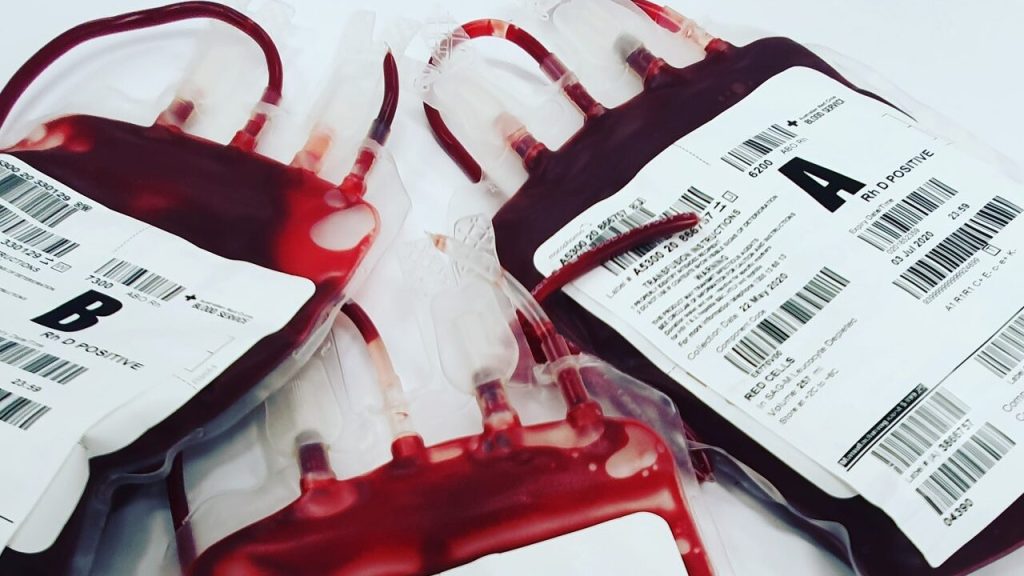
The chances of surviving massive blood loss from a traumatic injury such as a gunshot wound are around 50%. To survive, a patient urgently needs a large infusion of blood and coagulation at the wound to stop the bleeding.
The problem is one of these solutions prevents the other. Introducing a large amount of blood to those suffering a massive haemorrhage impairs the blood’s ability to clot, a condition known as coagulopathy.
Now, Tulane University researchers have uncovered the cause of coagulopathy in trauma victims receiving a blood infusion. They also found that a synthetic compound called dimethyl malonate – often used in perfume manufacturing – has the potential to stop coagulopathy during a massive hemorrhage. The researchers’ findings are part of a new study published in Science Advances.
“Coagulopathy of trauma is a major contributor to mortality, but no treatment has shown to be fully effective,” said Olan Jackson-Weaver, PhD, assistant professor of surgery at Tulane University School of Medicine and corresponding author on the study. “We were getting 60 percent mortality with our animal model. With dimethyl malonate, we got zero percent mortality, and the coagulopathy completely went away.”
Recent studies have shown that coagulopathy during massive haemorrhage treatment is most likely caused by the shedding of the glycocalyx, a barrier of sugars that surrounds and protects cells. In blood vessels, the glycocalyx lines the vessel walls and prevents blood from clotting. However, this is the first study to identify the cellular events that cause the glycocalyx to be ripped apart.
The study found that a large infusion of blood creates a spike in cellular metabolism which causes a change in structure to the cell membrane. This exposes the glycocalyx, allowing it to be chewed up by enzymes and mixed into the bloodstream, where it prevents clotting.
“People have been trying to figure out ways to move the needle a little bit on the death rate from massive haemorrhage for the last 20 or so years and nothing has really worked,” Jackson-Weaver said. “We’re hopeful that understanding these cellular-level events can help to develop something that actually does make a big difference.”
In animal models, dimethyl malonate was effective at inhibiting excessive cellular metabolism, which prevented the glycocalyx from shedding and causing coagulopathy.
But Jackson-Weaver said more research needs to be done to determine if dimethyl malonate is safe for humans or if an equivalent drug that targets cellular metabolism can be developed.
“We’ve established this pathway that causes coagulopathy, so if we can target it therapeutically with a pre-hospital drug or injection, we can hopefully save some lives,” Jackson-Weaver said.
By Martin Versfeld, Prelisha Singh, Glenn Penfold & Robert Appelbaum, Partners at Webber Wentzel
With the National Health Insurance Bill having recently been approved by the National Assembly, many questions and concerns about the practical implementation of the scheme remain unresolved.
The National Health Insurance Bill (the Bill) was recently adopted by the Parliamentary Portfolio Committee on Health and was approved by National Assembly on 14 June 2023. It will now be tabled before the National Council of Provinces.
The Bill provides for the establishment of the National Health Insurance Fund (the Fund) aimed at promoting the laudable purpose of universal access to quality health care. It is envisaged that the Fund will purchase health care services and products from accredited health care service providers and health establishments (including hospitals) (which we refer to, collectively, as “service providers”), including private service providers that choose to contract with the Fund.
Many stakeholders and experts have raised concerns that the National Health Insurance (NHI) scheme envisaged in the Bill is simply unaffordable, particularly as it would require an extensive administrative apparatus. A related concern is the extent to which the NHI will rely on the public health care system to deliver services, and the capacity of that system to provide an acceptable quality of services. Given the dire state of public health care in our country, it is surprising that the Government persists with plans to spend vast resources on implementing the NHI. Those resources would greatly improve the delivery of quality health care – and universal access to that care – if they were deployed directly in the public health sector.
In view of the questions about the affordability of the NHI, the provisions of the Bill providing for the income of the Fund are of particular interest. Clause 49 states that the Fund’s chief source of income will be money appropriated annually by Parliament. This must be appropriated from collections of, among others, general tax revenue, a payroll tax and a surcharge on personal income tax. This taxation regime is, however, difficult to reconcile with clause 2, which states that the Fund will be funded through “mandatory prepayment” (a term that is defined as “compulsory payment for health services before they are needed in accordance with income levels”), and clause 55(1)(t), which empowers the Minister to make regulations on “all fees payable … to the Fund”.
One of the challenges in interrogating the NHI scheme envisaged in the Bill is that it leaves many of the key issues to be determined later. For example, the extent of the benefits to be covered by the Fund and the rate of reimbursement – both of which are crucial to assessing both the affordability of the NHI and its impact on the provision of quality health care – are not yet known (eg see clause 10(1)(g)). The Bill also leaves a broad range of matters for the Minister of Health (the Minister) to prescribe through regulations. These matters include the rules on portability, which will allow patients to be treated by service providers other than those with whom they are registered (clause 7(2)(b)); the referral pathways between service providers (clause 7(2)(d)(ii)); the coding systems to be employed (clause 39(5)(b)); the relationship between the Fund and medical schemes (clause 55(1)(n)); and “the scope and nature of prescribed health care services and programmes and the manner in, and the extent to which, they must be funded” (section 55(1)(w)).
The Bill’s preamble states that its purposes include to “create a single framework … for the public funding and public purchasing of health care services, medicines, health goods and health related products” and to “eliminate the fragmentation of health care funding”. A key question that arises is what role medical schemes will continue to play and, indeed, whether they will be able to continue to exist. Clause 33 of the Bill stipulates that, once the Minister has determined that the NHI has been fully implemented, medical schemes “may only offer complementary cover to services not reimbursable by the Fund”. Similarly, clause 6(o) states that users of health care services are entitled to “purchase health care services that are not covered by the Fund through a complementary voluntary medical insurance scheme”. In other words, medical schemes may not cover health care services that are covered by the Fund. Since the Fund is intended ultimately to cover a comprehensive range of benefits, the Bill envisages that the businesses of medical schemes will shrink dramatically which may, of course, threaten their continued existence. This regime is likely to face constitutional challenge, including on the basis that it infringes: (a) the right to access health care services, by forcing many people who currently access private medical care via medical scheme funding to rely on what is currently a woefully inadequate public health care system; (b) the property rights of medical schemes and their administrators; and (c) the right to freedom of trade, occupation and profession.
Another crucial issue is how the Bill will regulate accredited service providers. Clause 39(2) imposes onerous requirements for accreditation, including the submission of a “budget impact analysis”. One area of concern, as mentioned above, is that the Bill does not clarify how reimbursement rates will be determined. Clause 10(1)(g) simply states that the Fund must set payment rates annually “in the prescribed manner and in accordance with the provisions of this Act”. Given its importance to sustainable access to health care, one would at least have expected the Bill to make clear that the payment rates must be set at a level that allows providers to cover their efficient costs and make a reasonable return. Another cause for concern is that clause 38(6) envisages that an accredited service provider must procure health-related products (including medicines and medical devices) according to the Fund’s formulary, and that suppliers listed in the formulary must deliver directly to the service provider or establishment. To the extent that this clause requires private service providers to procure from suppliers chosen by the Fund, this blurs the line between public and private procurement, reduces competition, and unduly restricts private service providers in the conduct of their business.
The role that the Bill contemplates for the Minister is also potentially problematic. For example:
Clauses 4(1) and 7(1) provide that the Fund must purchase health care services “in consultation with the Minister” (which our courts have held means that the Minister’s concurrence is required). It is wholly impractical to require the Minister to concur in the purchase of health care services.
It is unclear to us why the Minister must agree on detailed issues that require the application of clinical judgement, such as the benefits to be determined by the Fund’s Benefits Advisory Committee and the formulary to be employed by the Fund (clauses 25(5)(c) and 38(5)).
While seeking to secure universal access to quality health care is generally supported and rightly so, the Bill represents an over-hasty effort to fundamentally restructure the country’s public health service with potentially devastating consequences for healthcare providers and consumers alike.
Surgical knot tied on a rigid support. Credit: Alain Herzog / EPFL
Surgeons knot sutures intuitively. While simple square and granny sliding knots are often used in surgery, it takes years to master them so that they stay in place without loosening or breaking. Much mathematical research has been done on knot topology and geometry, but little is known about the physics of knot mechanics, like the material properties of knotted filaments. Now, in Science Advances, researchers have published the first physics-based study on the mechanics of surgical knots, and exactly what properties influence their strength.
“It’s astonishing to think how much we rely on knots, when we don’t really understand how they work,” says Pedro Reis, head of the Flexible Structures Lab in the School of Engineering (Institute of Mechanical Engineering). Reis and PhD student Paul Johanns teamed up with Lausanne-based plastic surgeon Samia Guerid to lead the study.
“Understanding surgical knot mechanics can raise awareness among experienced surgeons, be incorporated into training programs, and advance robotic surgery by enabling more effective knot-tying capabilities,” says Guerid. “Such knowledge could also influence the development of suture materials that enhance slippage resistance in sliding knots.”
The power of plasticity
Reis, an avid climber, has a personal interest in secure knots and has conducted several previous studies on knot mechanics. He explains that many knots can be described as free-ended structures that provide a holding force, with their functionality dictated by the variables of topology, geometry, elasticity, contact, and friction. But for the study of surgical knots, Reis and his colleagues considered a key sixth factor: polymer plasticity of the suturing filament.
The strength of sutures made from polypropylene filaments used in surgery depends on the tension applied during the tying of the knot (pretension). This pretension permanently deforms, or stretches the filament, creating a holding force. Too little pretension causes the knot to come undone; too much snaps the filament.
The team analyzed 50-100 knots tied by Guerid, and found that the surgeon was able, thanks to her years of experience, to intuitively target the pretension ‘sweet spot’. Using precision experiments, X-ray micro-computed tomography, and computer simulations, the scientists defined a threshold between ‘loose’ and ‘tight’ knots, and uncovered relationships between knot strength and pretension, friction, and number of throws.
“Surprisingly, despite the complex interplay between all six factors, we observed a simple, robust emergent behavior vis-à-vis knot strength. But we still don’t have a predictive model to fully explain the relationship between knot pretension and strength, which seems to be consistent, even outside surgical knots. We’re already looking into this question.”
A training tool for surgeons…and robots
The team’s findings could be a valuable tool for training surgeons, as they could allow the parameters of a secure knot to be translated into practical guidelines. While experience would remain important, the idea is that safe knot-tying could be taught using predictive models, rather than intuition gained only through years of practice.
“Our data gives us a recipe for determining the ideal pretension and number of throws, for example, depending on the type of filament used,” Reis says
“The lack of physics-based analysis has been a limitation,” Guerid adds. “Quantifiable data on knot mechanics could be integrated into training programs to assess the tensile strength of each knot, ensuring trainees acquire necessary skills for successful surgeries. The data could also facilitate development of robotic surgery via the programming of robotic systems.”