Day: April 30, 2026

New Brain Stimulation Technique Improves Short Term Social Skills in Children with Autism

Accelerated continuous theta burst stimulation (a-cTBS) may be a “viable and scalable therapeutic option” say researchers 

Photo by Emily Wade on Unsplash

A new non-invasive brain stimulation technique known as accelerated continuous theta burst stimulation (a-cTBS) improves social communication at one month follow up and has a favourable safety profile in children with autism, finds a trial from China published by The BMJ today.

The researchers say the findings suggest that a-cTBS may be “a viable and scalable therapeutic option for children with autism spectrum disorder.”

Preliminary results from a recent pilot study suggest that a-cTBS is safe and effective for enhancing social communication in children with autism. A key advantage of a-cTBS is its shorter sessions compared with conventional brain stimulation, making it more suitable for children.

To build on this work, the researchers investigated the effectiveness and safety of a five day a-cTBS protocol in improving social communication among children with autism, including younger children and those with intellectual disability.

The trial involved 200 children (167 boys and 33 girls) aged 4-10 years with autism recruited from three academic hospitals in China from July 2023 to October 2024, half of whom also had intellectual disability.

The children were randomised to receive either active a-cTBS (intervention) or sham (control) treatment for five consecutive days (10 sessions each day). The stimulation targeted the brain’s left primary motor cortex, which is linked to movement, language, and social cognition.

The researchers used the Social Responsiveness Scale (SRS-2) to measure changes in social communication impairment from baseline to post-intervention and from baseline to one month follow-up. Language improvements were also assessed using three recognised measures.

A total of 193 participants completed the full five day intervention course. Compared with the sham group, the a-cTBS group showed significantly greater improvements in social communication from baseline to post-intervention and from baseline to one month follow-up, with mean difference impairment score reductions of -6.25 and -6.17, respectively.

The a-cTBS group also showed greater improvements in language abilities. This finding was supported by a small effect size (Cohen’s d) ranging from 0.12 to 0.47, representing the difference between the two group means.

Adverse events were more frequent in the a-cTBS group than in the sham group (54.5% v 29.3%), with restlessness and scalp discomfort being the most common. All adverse events were mild to moderate and resolved spontaneously.

The researchers acknowledge some limitations with the SRS-2 measure and potential bias from greater treatment expectancy in the intervention group. The trial also had a short one-month follow-up and more than 80% of participants were boys.

However, they point out that the inclusion of young children and those with intellectual disability supports the protocol’s broad applicability, and consistent effects across sensitivity analyses provides greater confidence in their conclusions.

As such, they say their results suggest that a-cTBS may be “a feasible, effective, and scalable therapeutic option for children with autism spectrum disorder, including those with intellectual disability” and their protocol “represents a major advancement towards equitable autism care worldwide.”

In a linked editorial, researchers in Hong Kong agree that the findings show promise, but advocate for cautious optimism.

They note that while “a-cTBS should not replace psychosocial support or educational adaptation,” it “may become an important component of a multimodal pathway for children with autism with significant social communication difficulties,” provided it is “further replicated and integrated thoughtfully with behavioural care.”

Source: The BMJ Group
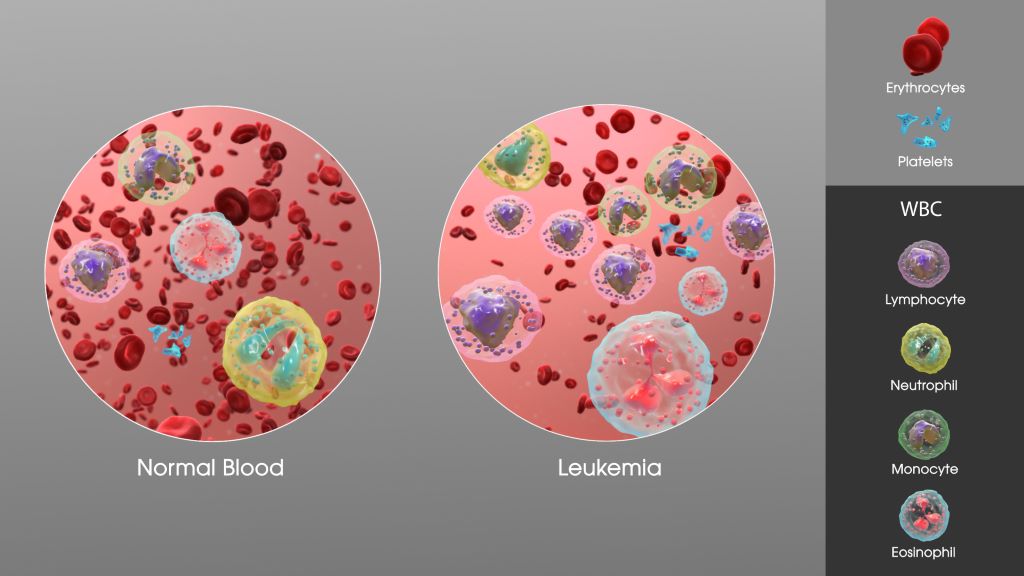
Common Genetic Marker May Guide New Treatment for Acute Leukaemia

SAG Leukaemia. Credit: Scientific Animations CC0

A genetic alteration that is already routinely analysed in patients with acute myeloid leukaemia can be used to identify patients who respond to a new targeted therapy, according to a study published in the journal Discover Oncology.

Acute myeloid leukaemia (AML) is an aggressive blood cancer in which treatment outcomes vary widely between patients. In the new study, the researchers have identified a way to better select which patients may benefit from a drug that blocks the enzyme DCPS.

Some patients respond better to the treatment

The researchers show that AML patient samples with low levels of the protein FHIT are sensitive to DCPS inhibition. The proportion of patients with low FHIT levels varies between 5 and 24%, with the highest proportion seen in children. In the related blood disorder myelodysplastic syndrome (MDS), around 36% of patients showed silencing of the FHIT gene.

The key finding is that patients with a mutation in the IDH2 gene often have low FHIT levels and respond better to DCPS-targeted treatment. Since IDH2 is already part of routine diagnostic testing at AML diagnosis, the marker can be used without introducing any additional tests.

“Many promising cancer drugs fail in clinical trials because they are tested in very broad patient groups,” says Francesca Grassi, doctoral student at the Department of Medicine, Huddinge and first author of the study. 

“By using a biomarker that is already available in healthcare, patient selection can be made both simpler and more precise,” says Francesca Grassi.

May lead to more targeted cancer treatment

The researchers tested 24 primary AML samples with the compound RG3039, which inhibits DCPS, and also analysed publicly available patient data to explore the link between FHIT levels and different genetic alterations.

“The IDH2 mutation captures the information we need to identify the right patients, without additional analyses. This could facilitate the planning of future clinical trials, particularly for patient groups with limited treatment options,” says Francesca Grassi.

The next step is to validate the findings in larger patient cohorts and to gain a deeper understanding of the biological link between IDH2 mutations and FHIT expression. In the longer term, the researchers hope that the results will support the design of a clinical trial of DCPS-targeted therapy in AML.

Source: Karolinska Institutet

One of the World’s Most Common Knee Surgeries not Helpful – May Even Be Harmful

Partial meniscectomy does not improve patient symptoms or function, reveals a 10-year follow-up of the FIDELITY, a placebo-surgery controlled trial

Photo by Towfiqu barbhuiya

Trimming a degenerated meniscus, or partial meniscectomy, is one the most common orthopaedic surgeries in the world. Even though the number of procedures in Finland has decreased significantly in recent years, the surgery continues to be performed widely internationally.

A 10-year follow-up study has revealed that, compared to sham surgery, partial meniscectomy did not improve patients’ symptoms or function. On the contrary, the 10-year follow-up of patients who had undergone partial meniscectomy found them to have more symptoms, more reduced function, increased progression of osteoarthritis and a higher probability of subsequent knee surgery when compared to sham surgery. 

The Finnish Degenerative Meniscal Lesion Study (FIDELITY) study is unique both with regard to its research design, ie, the sham surgery control group, and its 10-year patient follow-up. In the study, patients with degenerative meniscal tears were randomised to undergo a partial meniscectomy or sham surgery.

Teppo Järvinen, Professor at the University of Helsinki and the principal investigator of the FIDELITY emphasises the broader significance of the results: “Our findings suggest that this may be an example of what is known as a medical reversal, where broadly used therapy proves ineffective or even harmful.”

“The surgery is based on the assumption that pain in the inside of the knee is caused by a medial meniscus tear, which can be treated surgically. Such reasoning – assumption based on biological credibility – is still very common in medicine but in this case, the assumption does not withstand critical examination. Based on current understanding, pain in various joints, such as the knee joint in this case, is related to degeneration brought about by aging,” says Raine Sihvonen, Specialist in Orthopaedics and Traumatology and the other principal investigator of the FIDELITY study. 

Concerns about the adverse effects of surgery

The registry and other observational data published in recent years have elicited concern about the potential harm caused by partial meniscectomy.  Based on this data, the risk of arthroplasty, or joint replacement surgery, as well as a potentially higher risk of complications following the surgery has been associated with partial meniscectomy. However, the evidence provided by observational studies is inherently indirect and cannot be used to demonstrate a causal effect.

“Several randomised studies have already demonstrated that partial meniscectomy has not improved patients’ symptoms or function in the short (1–2 years) or medium (5 years) term. Regardless, the procedure has remained widely used in many countries,” says Doctoral Researcher and Specialist in Orthopaedics and Traumatology, Dr Roope Kalske.

“For nearly a decade, many independent, non-orthopaedic organisations providing clinical guidelines have recommended that the procedure should be discontinued. Still, for example, the American Academy of Orthopaedic Surgeons (AAOS) and the British Association for Surgery of the Knee (BASK) have continued to endorse the surgery.

This effectively illustrates how difficult it is to give up inefficient therapies,” Järvinen sums up.

“The study conducted in five hospitals is an example of smooth multicentre collaboration, as well as the commitment of research patients to an interesting project. Of the original 146 participants, more than 90% took part in the final stage of the study,” says the research manager Pirjo Toivonen

Source: University of Helsinki

Kidney Disease is Growing in Africa: Big New Study Casts Light on Genetic Risk Factors

Chronic kidney disease (CKD). Credit: Scientific Animations CC4.0

Segun Fatumo, Queen Mary University of London

Every minute your kidneys are hard at work, filtering around 200 litres of blood, removing waste, balancing salts and fluids, and regulating blood pressure. This happens without any conscious effort on your part.

But when your kidneys begin to fail, the consequences are devastating, including fatigue, fluid buildup and heart complications. Some people eventually need dialysis or a transplant to stay alive.

Kidney disease is one of the fastest-growing causes of death across the world. Around 850 million people are living with some form of it, more than the combined number of people affected by diabetes and cancer. Chronic kidney disease – when your kidneys slowly lose the ability to do their job – causes approximately 1.5 million deaths each year globally and that toll is rising.

But kidney disease develops silently, with few symptoms until it is already severe.

And the burden is not shared equally. People of African ancestry are four times more likely to develop the most severe form of kidney failure than people of European ancestry. In sub-Saharan Africa, rates of high blood pressure and type 2 diabetes are rising too. Both are leading drivers of kidney damage. Around 30% of adults in sub-Saharan Africa have high blood pressure, and 25 million (one in 20 adults) have diabetes) – mostly undiagnosed and untreated.

Sub-Saharan Africa has lower numbers of kidney specialists, dialysis facilities and transplant services per capita than the rest of the world. Africa as a whole has fewer than one nephrologist per million people. In some African countries there are no kidney specialists at all. The global median is around 10 per million. In high-income countries the figure reaches 23 per million. For most Africans who reach kidney failure, there is simply no treatment available.

Identifying who is at risk before their kidneys fail is therefore vital.

Our recently published research fills a big gap here. We are members of the KidneyGenAfrica consortium, a pan-African partnership that aims to deliver research and training excellence in genomics of kidney disease.

We found new genetic variants that point to kidney disease risk in African populations. And we uncovered differences between the genetic risks faced by people living in Africa, on one hand, and people of African descent living in the North America and Europe, on the other.

This shows how important it is for medicine to be based on relevant research.

Understanding kidney disease

Kidney disease does not appear suddenly. It often develops gradually, shaped by a combination of factors. Some people carry genetic variants, small differences in their DNA, that make their kidneys more susceptible to damage.

Others face environmental risks such as high-salt diets, uncontrolled high blood pressure or diabetes infections. The use of herbal medicines, contaminated water and environmental toxins are risks too.

In most cases, it is the combinations of these factors that determine who gets sick and how quickly. But until recently, African populations had barely featured in the scientific conversation about this. Africa, home to the most genetically diverse human populations on Earth, have been represented in only a small fraction of the world’s genomic research.

That is beginning to change.

Large genetic study of Africans

We analysed genomic data from about 26,000 individuals across eastern, western and southern Africa, and around 81,000 individuals of African ancestry living elsewhere. It’s the largest genetic study of kidney function in continental Africans ever conducted.

Our study sheds new light on the genetics of chronic kidney disease across diverse African populations. It will also support future work aimed at improving prevention, diagnosis and treatment of kidney disease among these populations and worldwide.

The team used a method called a genome-wide association study, which scans the entire human genetic code to find variants linked to a particular trait or disease. Here, the trait of interest was estimated glomerular filtration rate, a standard blood test result that measures how efficiently the kidneys are filtering waste. A lower score signals poorer kidney function and higher risk of disease.

Analysing continental African populations alone, the study identified four relevant locations on genes, including two that hadn’t been reported before.

Adding African-ancestry populations across the diaspora, the number rose to 19 locations, three of them new. Four of these genetic locations were pinpointed with high precision. This means the team was able to identify the specific genetic variant most likely driving the effect, rather than simply flagging a region of the genome where something relevant was happening.

Each newly discovered location is now a potential target for future drugs or diagnostic tools.

The study also examined polygenic scores, which are tools that estimate a person’s overall risk of developing a disease. A key finding here was that scores built using data from genetically similar African populations performed better than scores derived from larger but genetically distant datasets.

This matters enormously for medicine in Africa: the science only works if the reference data matches the population it is meant to serve.

A gene that behaves differently on either side of the Atlantic

An important finding from the study concerns a gene called APOL1. Two variants of the APOL1 gene, known as G1 and G2, increase the risk of several serious forms of kidney disease in African Americans. It was widely assumed that the same risk would apply equally to people living on the African continent.

However, the data suggests otherwise. In continental Africa, these high-risk APOL1 variants occur at lower frequencies (and vary across regions of Africa). Their association with reduced kidney function is markedly weaker than in the African diaspora.

The same gene appears to behave differently depending on where a person lives and what population they descend from.

The finding matters for drug development. Clinical trials for kidney disease treatments must include people living in Africa and not just people of African descent living elsewhere.

What must happen now

Several things must follow from this research if it is to benefit people’s health:

  • African health systems must invest in early kidney disease detection. Simple, affordable blood and urine tests can identify kidney damage when lifestyle changes and medication can still make a difference. Genetic risk tools can help identify who needs screening most urgently.
  • Pharmaceutical companies must include continental African populations in their clinical trials.
  • The global research community must continue investing in African genomic infrastructure – research cohorts and large groups of consenting participants whose genetic and health data are collected and stored for analysis.

This research is evidence that African scientists, working with African communities, can generate knowledge that shifts the global picture. The world’s understanding of one of its most urgent health challenges will be sharper for it.

Segun Fatumo, Professor and Chair of Genomic Diversity, Queen Mary University of London

This article is republished from The Conversation under a Creative Commons license. Read the original article.

South Africa’s Weight-loss Revolution is Testing Medical Discipline

Photo by I Yunmai on Unsplash

One in every two South African adults is considered overweight or obese. It is not surprising, then, that potentially lifesaving prescription-based metabolic medicines are surging in popularity. The challenge: demand is rising faster than the clinical structure needed to support it, leaving many patients unsure what responsible, medically supervised care should look like.

It is a concern Dr Gerhard Vosloo, a prominent sports, exercise, and lifestyle physician, says he is encountering more frequently in clinical practice. “Expectations are becoming unreasonably high, while few understanding the level of medical oversight required to manage these therapies responsibly. It’s just not as simple as prescribing an aggressive regime and standing back.”

To address issues in today’s weight management sector, Dr Vosloo established Dr GL Vosloo Medical Practice, managed by BioWell, as a formal online medical practice built around sound clinical judgment, structured care, and meaningful patient oversight. He says, “We’re building a model – one that could serve as a stable structure for the wider industry, where sound medical judgment is consistently prioritised over the public’s growing appetite for weight loss drugs.”

The danger of normalising prescription therapy

Dr Vosloo cautions that the rapid rise of these medicines in the mainstream is oversimplifying a highly complex subject and making pharmaceutical use seem routine, when it should remain a final option after disciplined nutrition- and exercise-led approaches have been fully explored.

“Misinformation spreads like wildfire online. People are starting to view prescribed medicines as a routine diet option, when they should be a last resort. Pharmaceuticals are powerful tools for people who struggle to lose weight, but they should be introduced only when medically appropriate, and only after nutrition, exercise, and appropriate supplementation have been fully explored.”

He maintains that prescribed medicines should form part of a structured metabolic management programme that, when used correctly, will reduce cardiometabolic risk, improve insulin sensitivity, regulate appetite, and support meaningful body composition change. The goal is to improve metabolic health under disciplined supervision, and when treatment is not medically necessary, doctors must refuse to prescribe.

“Clinical eligibility must be determined by medical rationale,” he says. “A patient’s preference for medication, emotional pressure to start treatment, or the ability to pay cannot override clinical judgement. Where medical need is absent, a BioWell doctor will decline to prescribe and direct the patient to a non-pharmaceutical, doctor-supported metabolic management pathway.”

Dosing with discipline

Beyond unnecessary prescribing practices, Dr Vosloo stresses that the industry is undermined by over lenient dosing habits. As practiced on the BioWell platform, dosing decisions should instead follow a conservative model guided by clinical responses and tolerability rather than speed of weight loss. The objective is to protect overall health while supporting steady progress that the body can sustain.

“An unfortunate consequence of aggressive dosing is the loss of muscle mass. It’s easier for the body to draw from muscle than it is to mobilise fat, particularly when calories and protein are low – a hallmark of aggressive dosing protocols. The nutritional and training commitment needed to offset muscle loss under more radical regimens are difficult to manage for most people. It’s far safer and more sustainable to take low doses over a longer period.”

“BioWell doctors are more measured in our approach. Conservative dosing and escalation protocols help keep muscle loss to a minimum, while structured nutrition and exercise support plans strengthen the muscular system. This also reduces the risk of nutritional deficiency and limits the physiological stress that often accompanies poorly managed treatments.”

The end goal, Dr Vosloo explains, is to safely and gradually bring South Africa’s obesity crisis under control without creating any additional harm. “Prescription-based metabolic medicine is an undeniably powerful tool in the fight against obesity – one we cannot afford to lose. It’s a lifeline for people battling weight-related illness, but it’s also become a dangerous crutch for those willing to gamble with their health just to lose a few kilograms quickly. If we want to change the health trajectory of millions, we need to rein in aggressive dosing practices and establish a common-sense structure across the sector.”