Research into the link between disordered sleep and disease show an outsized burden on the most vulnerable. It’s sounding alarms for sleep equity to have a place on the public health agenda, reports Ufrieda Ho.
Scientists are increasingly connecting the dots on how a lack of sleep places a disproportionate health burden on at-risk population groups, including people living with HIV, women, informal workers, the elderly and the poor.
This year’s World Sleep Day on 15 March focuses on sleep equity. Researchers say that tackling sleep inequity and raising awareness for the importance of sleep as a pillar of good health could help stave off several looming public health pressures.
The lack of healthy sleep is linked to cardiovascular disease, obesity, hypertension, diabetes, mental health conditions and dementia. In South Africa, understanding the connection between sleep and HIV is also key to managing the health of the large ageing population of people living with the disease.
Karine Scheuermaier is associate professor at the Wits University Brain Function Research Group. The country’s oldest sleep laboratory founded in 1982 is based at the university’s medical school in Parktown, Johannesburg.
“Society understands the role of exercise and diet in good health but somehow sleep has not had the same kind of awareness or priority, even if sleep is linked to how well your body functions and your chances of developing disease,” she says. “We do everything else at the expense of sleep. Sleep is somehow a symbol of laziness in a work-driven society and we need to change this thinking.”
Sleep inequity in SA
Sleep inequity is linked to socio-economic realities, she says. Sleep inequity might affect the person who lives in an environment where safety and security is neglected or where there is a high threat of gender-based violence. It could also be having to navigate apartheid city planning that forced black people to live far from job hubs. This legacy means today many workers still wake up early to face long work commutes daily. There could also be inequity in division of labour in households, when one person wakes up to take care of children or elderly family members in the home.
Living in overcrowded informal settlements also presents disturbances for good sleep, including high levels of noise and bright floodlights as street lighting. Those who work in unregulated or informal sectors, including shift work or digital platform workers, like e-hailing drivers, are prone to lose out on quality sleep.
clinic that does clinical work, research, and training. Chandiwana says homing in on the intersection of HIV and sleep is critical in a South African context.
“The average person living with HIV who has started antiretroviral treatment on time should live as long as a person who doesn’t have HIV. But what we know is that the person with HIV is on average, living 16 years less of good health. They are more likely to develop type II diabetes, mental health issues, obesity, and heart disease – and we know poor sleep is linked to this,” she says.
Chandiwana says sleep science is still a relatively new field of medicine and the nascent research is still looking to better understand how sleep deprivation triggers immune pathways and chronic inflammation in people living with HIV, even those who are healthy and respond positively on treatment.
A current study at the clinic is looking into the intersection of obesity, sleep apnoea, and women living with HIV. Chandiwana says because so much is unknown, the issue of sleep equity extends to support and funding for more locally appropriate sleep research. Medical school curricula needs to change and more avenues to train people in sleep research needs to be established, she says.
“We have very little African data on sleep disorders and disordered sleep,” she says. She argues we need better data on things like how many people are affected by poor sleep, a better understanding of what is causing it and what it means, and then we need to present these findings to public health authorities to look at it as a public health issue.
“We do have specific challenges in our country. If you are trying to explain to someone, who isn’t South African, how the impact of load-shedding affects sleep or how living in a shack affects sleep, it’s not always easy to do,” she says.
Chandiwana says countries in the global North are already counting insufficient quality sleep as an economic cost measured in loss of productivity, efficiency, safety and society’s well-being. They are also changing public health policies accordingly. South Africa and the rest of the continent stand to be left behind, she says.
How to get better sleep in SA
Chandiwana says: “There is no lab in South Africa that does sleep studies for people in the public sector and no place in the public sector for people to even be diagnosed for a sleep disorder – so services are extremely limited. With something like sleep apnoea, we can’t offer patients in the public sector the gold standard intervention of CPAP [continuous positive airway pressure, which is a device of a face mask, a nose piece, and a hose that delivers a steady flow of air pressure to keep airways open while someone sleeps] because this is financially out of reach. Instead, we have to work with patients to help them lose weight and do positional therapy like training them to sleep on their backs.”
Other ways to get better sleep without costly intervention or sleeping tablets, the two scientists say, include getting exercise, not having food, stimulants or alcohol two to three hours before bedtime, limiting screen time of all kinds in the hour around bedtime, getting exposure to the early morning sunlight each day, keeping sleeping areas dark, quiet and at a comfortable temperature, and developing fixed sleep routines and sleep time rituals – like brushing your teeth, putting on pyjamas, reading for a short period and then going to sleep.
Ultimately, Chandiwana suggests it all comes back to building awareness that healthy sleep is part of health rights.
“We have to fight for sleep equity and we need people to know that sleep is not elitist – it’s not just reserved for some,” she says, “and we should not be accepting poor sleep as the norm”.
On 05 January 2023, the COVID Care Alliance NPC and other applicants brought an urgent court application against the South African Health Products Regulatory Authority (SAHPRA), including the President of the Republic of South Africa and others to prevent people from being vaccinated.
The applicants wanted the court to order that all COVID-19 vaccines programs must be stopped and that all COVID-19 vaccination sections in healthcare facilities in South Africa must be closed, and the effective withdrawal from circulation of the vaccines. The applicants also sought an order interdicting the approval of vaccines for emergency authorisation or registration.
On 27 February 2024, the Pretoria High Court dismissed with costs an application filed by the applicants on the grounds that the applicants do not have the right to prevent others, who do not share in their beliefs or opinions, from being vaccinated.
SAHPRA submitted evidence to the Court to show that the applicants’ attempt to prevent government from using vaccines to address the COVID-19 pandemic was misguided, and the applicants heavily relied on hearsay and speculation, as well as supported their arguments with the opinion of persons who were not experts.
By Rodney Africa, Partner, Adriano Esterhuizen, Partner & Daveraj Sauls, Associate at Webber Wentzel
The Minister of Health (the Minister) in terms of section 22A(2) of the Medicines and Related Substances Act 101 of 1965 (the Medicines Act), and on the recommendation of the South African Health Products Regulatory Authority, has invited interested persons to submit substantiated comments or representations on the proposed update of Schedule 6 to the Medicines Act.
The proposed update to Schedule 6 of the Medicines Act intends to exclude certain cannabis products containing Tetrahydrocannabinol (THC), the psychoactive compound in cannabis, from the operation of the Schedules to the Medicines Act and will, inter alia, permit the manufacturing of cannabis consumer items and products, with no limitation on the percentage of THC content, provided that the items and products have no pharmacological action or medicinal purpose. This will also allow adults to cultivate and possess cannabis in private for personal consumption, with no limitation on the percentage of THC content.
This proposed update appears to be a move away from utilising THC content as a threshold to distinguish between consumable and industrial cannabis. This shift seemingly comes in response to the growing South African market for cannabis products and aims to augment the Cannabis for Private Purposes Bill 2023 [B19 – 2020] recently passed by the National Council of Provinces and submitted to the President for his assent and signature.
Photo by Miguel Á. Padriñán: https://www.pexels.com/photo/syringe-and-pills-on-blue-background-3936368/
A company headquartered in Johannesburg will start making flexible silicone rings to protect women from HIV. The move signals a strong vote of confidence in an African firm to supply the ring at adequate scale and affordable prices, and a crucial step to making the continent self-reliant, reports Catherine Tomlinson.
A South African company has secured the rights to manufacture a vaginal ring used to prevent HIV infection. The ring, which is inserted and removed by the user, provides protection for a month, after which it has to be replaced with a new ring. The ring contains an antiretroviral drug called dapivirine.
While studies show that the dapivirine vaginal ring is less effective at preventing HIV than HIV prevention pills and injections, it has benefits over other tools that have led the World Health Organization (WHO) to recommend its inclusion in the package of sexual health services available to women.
One advantage of the ring over HIV prevention pills is that it can be used discreetly by women, allowing users to use the ring without having to negotiate or discuss its use and purpose with their sexual partners. This is particularly important in the context of South Africa where women face high rates of gender-based violence, which erodes their autonomy over their bodies and sexual and reproductive health.
“We need to give women more control over their health and bodies and access to a range of safe and effective options, including the dapivirine ring, to choose from so they can decide to use what works best for them at different times of their lives,” wrote several prominent women African activists in 2022.
Limited access
While the WHO recommended that the ring is offered to women, its current price is a barrier to broad use and rollout in South Africa. The only dapivirine vaginal ring approved by the South African Health Products Regulatory Authority that is currently available in the country is called the DapiRing.
The DapiRing is manufactured by a Swedish company, Sever Pharma Solutions, under a licence from the Population Council (formerly the International Partnership for Microbicides). It can be bought in South Africa’s private sector for R320, excluding dispensing fees.
The DapiRing is not available in South Africa’s public sector outside of study and pilot sites, as the National Essential Medicines List Committee, the body that determines which health technologies should be available in the country’s public health facilities, determined that the product is unaffordable at its current price. They estimate that the product will become affordable for South Africa’s public sector at a threshold price of R52 per ring.
Local company to boost access
The Population Council, the entity that owns the intellectual property on the dapivirine vaginal ring, selected South African pharmaceutical company Kiara Health to manufacture and supply the ring across Africa.
Kiara Health’s CEO, Dr Skhumbuzo Ngozwana, told Spotlight that while it is not yet known what the price of the Kiara manufactured ring will be, it is expected to be lower than the current price of the Swedish-manufactured DapiRing.
Licensc to manufacture
The council told Spotlight that the initial focus of the licence and partnership will be to develop manufacturing capacity at Kiara Health to supply the dapivirine vaginal ring across Africa. In the long term it is hoped that Kiara will be able to serve markets outside of Africa where there is a need for the ring.
The Population Council’s selection of an African-based manufacturing partner is notable as holders of intellectual property protections on HIV health technologies have typically sought out companies in Asia, and India in particular, as manufacturing partners.
Professor Linda-Gail Bekker, CEO of the Desmond Tutu HIV Foundation, told Spotlight: “If the “COVID-19 pandemic taught us anything, it is the value of being self-reliant as a region – being able to manufacture the vaginal ring is a step closer to Southern African self-reliance.”
Ngozwana said that Kiara Health appreciates that the Population Council have bucked the trend by not going to the East. “[A]ll these new technologies tend to go to the East, but instead they’ve partnered with an African company”.
Dapivirine vaginal ring. Credit: Columbia University Mailman School of Public Health
He added that future technology transfers to other manufacturers in Africa may be pursued if there is a need.
Exclusive supply licence
The Council told Spotlight that it intends to pursue an exclusive supply licence with Kiara Health for the sole supply of the dapivirine ring in Africa. The pursuit of an exclusive supply licence is a strong vote of confidence by the Population Council in the ability of Kiara Health to supply the ring at adequate scale and affordable prices.
Since Kiara Health’s exclusivity is for the supply of the ring, if there is a need, the company will be able to supply a dapivirine vaginal ring that is made by the Population Council’s Swedish manufacturing partner, Sever Pharma Solutions, that is already widely authorised for use in countries in Africa.
This would also guard against supply shortfalls that sometimes occur when only one manufacturer supplies a market, doctor Brid Devlin, the Population Council’s chief scientific officer, told Spotlight. “We would have two registered manufacturers right out the gate to guard against any shortfalls and have the opportunity to continue the supply as the demand grows.”
Why Kiara Health was chosen
Devlin added that the Population Council did not have a formal bid process through which Kiara Health was selected as the manufacturing partner for the ring, but rather that Kiara Health was selected following years of engagement with the company.
“We had a team that went to Kiara last year to see this site and it was a really impressive operation, both in terms of the staff but also the entire manufacturing operation,” she said.
Ngozwana told Spotlight that Kiara Health has existing manufacturing facilities in Johannesburg where capacity to produce the ring will be established.
Kiara Health’s manufacturing facilities already hold the quality assurance certifications (cGMP certification) required to manufacture medicines and have adequate space in Johannesburg to establish and scale manufacturing capacity for the ring, Ngozwana told Spotlight.
What is needed to manufacture the ring locally?
Critical steps include technology transfer, securing financing, procuring and importing manufacturing equipment, developing validation batches, and seeking regulatory approvals.
At this stage, there are still unknowns regarding the extent of data and testing that will be required to gain regulatory approval of Kiara Health’s dapivirine vaginal ring. To aid regulatory authorisation, Ngozwana and Devlin noted that Kiara Health would use the same manufacturing technology and inputs, including active pharmaceutical ingredients (API) used by Sever Pharma Solutions. This will require Kiara Health to import manufacturing equipment and API from Europe.
However, in the long term, Ngozwana said that Kiara Health would hope to increasingly procure manufacturing inputs, including potentially dapivirine API from the Pretoria-based API manufacturer CPT Pharma. (Spotlight previously reported on CPT Pharma’s work on API production here).
Ngozwana and Devlin told Spotlight that the anticipated time-limiting factors for establishing manufacturing capacity are securing financing and procuring and importing manufacturing equipment.
Funding has long been a challenge for African-based pharmaceutical companies since it has historically been scarce and only available on unfavourable terms. However, Ngozwana told Spotlight that Kiara Health is already engaging potential funders for support and exploring different financing sources, including grants and debt instruments.
Ngozwana and Devlin noted that technology transfer, which is a process for transferring manufacturing skills and knowledge, has already begun.
Can this license boost further domestic manufacturing capacity?
While vaginal rings are a relatively new type of health technology, they have multiple potential applications. A vaginal ring to prevent pregnancy has been available since the early 2000s and work is underway to develop a ring that is effective in combating both HIV and pregnancy. A dapivirine ring that reduces one’s risk of contracting HIV for three months – as opposed to one month – is also under development.
Kiara Health will seek to position itself to manufacture other vaginal rings entering the market, Ngozwana said. He added that in the long term, the company hoped that the partnership with the Population Council will be broadened to allow for local manufacturing of other sexual and reproductive health technologies in their product portfolio.
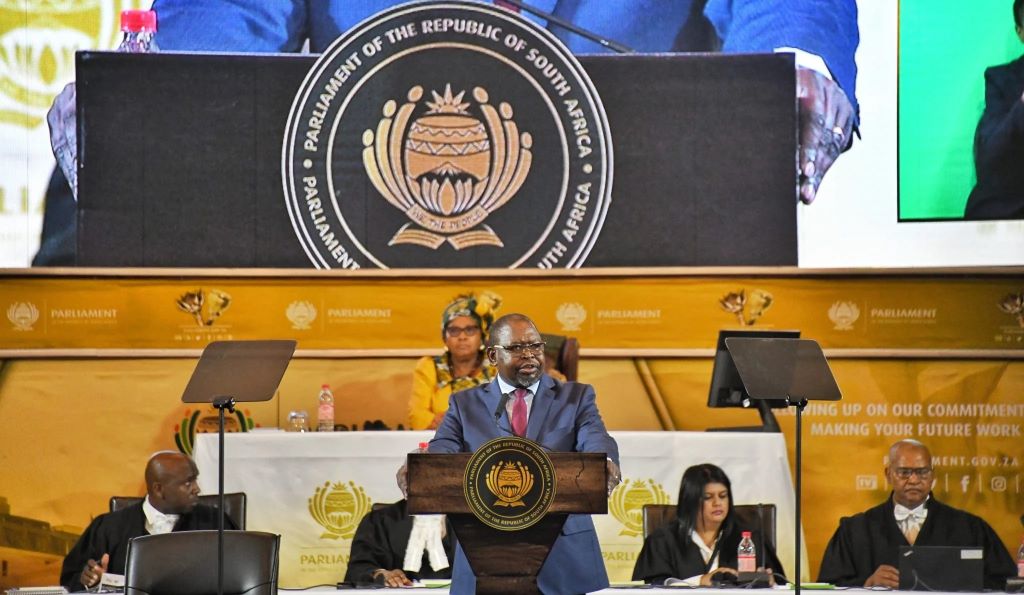
Finance Minister Enoch Godongwana tables his 2024 Budget during a joint seating of the National Assembly in the Cape Town City Hall. (Photo: National Treasury)
By Wanga Zembe, Donela Besada, Funeka Bango, Tanya Doherty, Catherine Egbe, Charles Parry, Darshini Govindasamy, Renee Street, Caradee Wright and Tamara Kredo
The 2024 national budget offers some glimmers but allocations for direct health benefits fall short of making a difference to people’s health and wellbeing. These include a ring-fenced allocation to crack down on corruption in health to inspire trust for theNational Health Insurance, taxing accessories for e-cigarettes, a jacked up child-support grant, clarity on plans dealing with climate change and its impacts on human health, and finally greater investment to enhance women’s capabilities alongside the Covid-19 grant, researchers from the South African Medical Research Council write exclusively for Spotlight.
The 2024 national budget presented last week by Finance Minister Enoch Godongwana contained several key elements that have an impact on systems, services and wellbeing from a health perspective.
Importantly, not only direct health spend, but budget allocated to social protection and climate infrastructure has implications for health outcomes such as nutrition, growth and food security. Health taxes, to address illness caused by alcohol, cigarettes and e-cigarettes amongst others, are also key revenue streams with taxation intended to deter use.
As researchers at the South African Medical Research Council we are dedicated to improving the health of people in South Africa through research and innovation. We wish to share some insights into positive areas in the budget and to point out areas where there are gaps with potentially dire consequences for the health of our nation.
In real terms, the health budget is shrinking.
Health has been allocated a total of R848-billion over the medium-term expenditure framework. This includes R11.6-billion to address the 2023 wage agreement, R27.3-billion for infrastructure and R1.4-billion for the National Health Insurance (NHI) grant. Compared to the medium-term budget policy statement in October last year, government is now adding R57.6-billion to pay salaries of teachers, nurses and doctors, among other critical services.
In real terms, the health budget is shrinking. The allocation to cover last year’s higher-than-anticipated wage settlement is a positive step to try to fill posts for essential health workers. But this allocation falls short of fully funding the centrally agreed wage deal, meaning that provincial health departments will be unable to fill all essential posts.
Treasury’s Chief Director for Health and Social Development, Mark Blecher, was quoted as saying that the “extra money would not be sufficient to hire all the recently qualified doctors who have been unable to secure jobs with the state, and provincial Health Departments will need to determine which posts should be prioritised”. He added: “There will be less downsizing, and more posts will be filled, but it is unlikely they all will be.”
South Africa has a ratio of only 7.9 physicians per 100 000 people in the public health system, while it has been estimated that there are more than 800 unemployed newly qualified doctors. Considering the health-workforce shortfalls, the amount of money allocated appears optimistic for service coverage for the increasing population.
The World Health Organization (WHO) considers building a health workforce a highly cost-effective strategy. Salaries continue to consume the largest share of provincial health budgets, estimated at 64% since 2018. The Human Resources for Health strategy lacks clarity on the implementation of workforce-planning approaches with significant implications for how provinces prioritise workforce cadres to keep up with the increasing needs – particularly in light of NHI.
Nutrition support on the decline
The Minister described protecting the budgets of critical programmes such as school-nutrition programmes, which includes almost 20 000 schools. He noted that the early childhood development (ECD) grant will be allocated R1.6-billion rising to R2-billion over the medium term.
Ensuring nutrition support to children under-five for optimal physical and cognitive growth is vital. The 2023 National Food and Nutrition Security Survey by the Human Sciences Research Council found that 29% of children under five in South Africa are stunted (short for their age). The proportion of children experiencing both acute and chronic under-nutrition has increased over the past decade. Stunted children are more likely to earn less and have a higher risk of obesity and non-communicable diseases such as diabetes and heart disease as adults.
Currently, only registered or conditionally registered Early Learning Programmes (ELPs) serving poor children (determined by income-means testing) are eligible to receive the ECD subsidy. This is not aligned with inflation and the real value of the R17 per child per day subsidy and the contribution to nutrition costs have decreased over time. The subsidy is not enough to cover the costs of running quality programmes, let alone the costs of providing nutritious meals. The World Bank suggests a minimum of R31 per child per day.
There is also concern about the children missed who attend informal or unregistered programmes. According to the 2021 Early Childhood Development Census, only 41% of ELPs are registered and only 33%, registered or not, receive the subsidy. Unregistered ELPs are more likely to be based in vulnerable communities and attended by children from vulnerable households. Further, although about 1.7 million children are enrolled in ELPs, enrolment rates vary across provinces from 40% in Gauteng to 26% in the Eastern Cape. This means many young children are not enrolled, and, of those enrolled, most do not benefit from the subsidy.
Child grants increase not keeping up with inflation
Child grants appear in the budget every year, but the increases do not keep up with inflation, and particularly not with the basket of goods needed for a growing child. In real terms grant amounts are decreasing – visible in the way hunger is increasing throughout the country, particularly in the Eastern Cape where uptake of social grants is very high.
The Social Relief of Distress Grant and women’s economic empowerment
As part of pandemic recovery efforts, we commend government for the roll-out of the Social Relief of Distress (SRD) grant and its plans to extend this beyond March 2025. While SRD continues to suffer implementation challenges related to the amount and roll-out; it presents an opportunity for renewed attention to a comprehensive and inclusive approach to women’s economic empowerment.
The recent Stats SA labour survey reported a higher unemployment rate among women (35.7%) versus men (30.7%). Our research also finds that women caregivers of children and adolescents living with HIV are particularly vulnerable to poor health and economic outcomes. Greater investment in programmes that enhance women’s opportunities alongside the SRD could promote the sustainability of pandemic-recovery efforts.
The NHI, health-system reforms and dealing with corruption in health
The Minister indicated that the allocation for NHI – government’s policy for implementing universal health coverage – demonstrates commitment to this policy. He also noted that there are a range of system-strengthening activities, that are key enablers of an improved public healthcare system, including strengthening the health-information system; upgrading facilities; enhancing management at district and facility level; and developing reference pricing and provider payment mechanisms for hospitals. He recognised that these require further development before NHI can be rolled out at scale.
The NHI allocation must show a tangible commitment to health-system reforms. Funding needs to be allocated for the creation of organisational infrastructure that ensures transparent, trustworthy decisions will be made about the benefits package and programmes to be funded. Specifically, funding for conducting Health Technology Assessments with credible processes that manage interests and ensure coverage decisions are informed by independent appraisal of the best-available evidence, measures of affordability, and with public input. Some areas of government already undertake such work, for example the National Essential Medicine Committee, but how these processes will expand beyond medicine to include decisions about health-systems arrangements and public-health interventions remain unclear, and apparently unfunded.
Undoubtedly, facilities need to be upgraded. It’s positive to see this as a named activity. It is however unclear how the upgrade of health facilities and quality of care will be ensured, given that tertiary infrastructure grants have been reduced due to underspending of conditional grants. Currently, health facilities’ quality is assessed by the Office of Health Standards Compliance whose role is to inspect and certify facilities. This is a prerequisite for accreditation under NHI. This means the watchdog agency will need adequate budget. Implementation research is also required to test out the different NHI public-private contracting models. Furthermore, a ring-fenced allocation to deal with corruption in health, would be welcomed and inspire trust for NHI.
‘Sin’ taxes vs ’health taxes’
The Minister proposed excise duties and above-inflation increases of between 6.7 and 7.2% for 2024/25 for alcohol products and indicated that tobacco-excise duties will be increased by 4.7% for cigarettes and cigarette tobacco and by 8.2% for pipe tobacco and cigars. And, based on inputs from citizens, the Minister also tabled an increase in excise duties on electronic nicotine and non-nicotine delivery systems (vapes).
While there may be a concern that increasing taxes on products consumed by the poor is regressive, there are ways to direct revenue gained back to those sub-populations and it’s not fair to deny them the benefits of consuming less alcohol products.
It is notable that excise taxes on wine have been increased to a greater percentage than spirits, but the health effects of alcohol come from the ethanol not the type of liquor product so it would make more sense to make the excise tax rate per litre of absolute alcohol equal across all products. The budget has not moved this forward in any meaningful way.
The proposed tax on tobacco products is not in line with WHO recommendations and is below inflation. This should be at least 70% of the retail price to have a positive impact on public health by reducing tobacco use, especially in a country with one of the highest tobacco-use rates in the region. In South Africa, the tax is currently between 50 – 60%. Although the tax on electronic cigarettes has increased, it is still below inflation. We hope that this increase will deter more young people from starting to use e-cigarettes and encourage current users to quit. We also hope that this increase is not just once-off and that future increases are made with the goal of reducing e-cigarette use.
Overall, the taxes on tobacco products and electronic nicotine and non-nicotine delivery systems are below inflation. This means that manufacturers can absorb the increases, and consumers may not be deterred from using them. This is a missed opportunity, as there is a clear link between these products and the development of non-communicable diseases, like hypertension, and the worsening of communicable diseases, like tuberculosis.
The impact of climate change on lives and livelihoods
Climate and health are closely related, with more attention being paid by the global research community to potential impacts of climate change and natural disasters on lives and livelihoods. The Minister noted a multi-layered risk-based approach to manage some of the fiscal risks associated with climate change. These include a Climate Change Response Fund; disaster-response grants; support and funding from multilateral development banks and international funders to support climate adaptation, mitigation, energy transition and sustainability initiatives; and, municipal-level adaptation and mitigation initiatives.
There are numerous health co-benefits to these strategies. For example, investing in renewable energy sources can improve air quality, leading to reduced respiratory illness. There is a need to highlight these co-benefits and to foster intersectoral collaboration.
Overall, from the perspective of health researchers, we note the mention of NHI plans, social protection, nutrition, health workforce, health taxes and climate. However, we all agree that the allocations for direct health benefits and to address social determinants of health, such as education and poverty-alleviation, fall short of what is recommended, from global and national research evidence, to make a difference to people’s health and wellbeing.
Scores of unemployed doctors, nurses and other health workers marched to the Union Buildings in Pretoria on Monday, calling for the Presidency to intervene in the ongoing financial problems facing the health sector.
One of their main demands is for the health budget to be increased to absorb about 800 medical professionals.
Joining the march, Mandla Matshabe, said he never imagined being unemployed when he completed his community service at Sefako Makgatho University in December last year after studying in Cuba.
“Now I’m sitting at home with a medical qualification when there is a dire need. It’s appalling to think there are medical professionals at home,” he said.
Matshabe, who lives in Hazyview in Mpumalanga, said many unemployed health workers were becoming depressed at home. He said hiring qualified doctors could help alleviate some of the burnout among doctors in the public sector.
“Doctors in communities are overburdened because we don’t have enough medical professionals, including physiotherapists and dieticians or everyone in the hospital,” he said.
University of Cape Town graduate Lerato Jaca said it was discouraging to be an unemployed doctor. “I come from KwaNzimakwe in Port Shepstone where there were literally no doctors when I was growing up.”
Jaca was raised by an unemployed single mother who relied on the money she made during Jaca’s three-year community service employment at Ermelo Hospital.
She said they now rely on her brother’s disability grant and his children’s child support grants to buy food.
Deputy President of the South African Medical Association, Dr Nkateko Minisi, said: “Other health professionals in the allied sectors, including pharmacy, are here with us to hand over a memorandum to build up the health system. But to do so, we feel that human capital must be optimised by hiring all these unemployed professionals. Not tomorrow, not next week but now!” she said.
Mnisi said more than 80% of the population depends on public health services. “Healthcare is not a privilege that should be enjoyed by some; it is a basic human right that every single person deserves.”
Communications Manager at The Presidency, Phil Mahlangu accepted the group’s memorandum.
He said that the presidency was “immensely worried as the presidency about the negative issues affecting the medical industry”. He promised the protestors a response within a week.
Researchers at the University of Cape Town (UCT) have found that in most cases, the Older Persons Grant is not sufficient to meet the needs of elderly people in South Africa.
Professor Elena Moore and other researchers from Family Caregiving, based in the Department of Sociology at UCT, interviewed 30 families in rural KwaZulu-Natal and 50 families in the Western Cape to find out how families headed by pensioners are making ends meet and whether older persons are able to get the care they need.
About 3.9 million people in South Africa receive the monthly Older Persons Grant, also known as the Old Age Grant, currently at R2080 per person per month.
Family Caregiving analysed data from Wave 5 of UCT’s National Income Dynamics Study (NIDS), which shows that the vast majority of beneficiaries live in households of five people where the average household income is R6850.
Older people have significant and unique care needs, the researchers argue. According to StatsSA data from 2021, the majority of older people need chronic medication and need to access healthcare facilities: 24% of older persons in South Africa have diabetes, 68% live with hypertension, and 14% have arthritis. Older people also often have difficulties with sight, mobility and cognition, meaning they need additional support to go about their day-to-day lives, say the researchers.
In a rural area in KwaZulu-Natal, Family Caregiving found that most households had between eight and nine members and were struggling to cover the cost of food, medical supplies, and transport to clinics.
In this area, accessing healthcare is expensive, the team found. A round trip to town by taxi cost R46 and a trip to the closest clinic and back costs R82. Physically disabled older people often have to hire a car for between R200 and R600 to get to a clinic and back. A pack of adult incontinence products costs R219 and lasts only seven days.
Because of the costs of transport and medical supplies, many of these large households were spending an average of only R1000–R1500 a month on food, according to the report. A lack of access to water and electricity creates an additional burden for older people in rural areas.
In urban areas, such as Cape Town, there is greater access to water and electricity, health facilities are closer, and households are smaller, meaning the Older Persons Grant is not stretched as far. But still, the researchers found, older people are often required to carry households at the expense of their own care.
Low income and low-middle income families in Khayelitsha and Eerste River told the researchers that the only way to make ends meet is to spend less on food. Many families are stuck in debt cycles, borrowing from loan sharks from month-to-month with extremely high interest rates. Unpaid utility bills stack up, and electricity tariff hikes and rising rental prices put further pressure on older persons.
The monthly cost of nutritious food for a family of seven is R5324, according to Pietermaritzburg Economic Justice and Dignity’s household affordability index. Family Caregiving found that low-income households headed by older persons are often spending less than half that amount on food because of other household expenses. This has serious consequences for older people, especially those who need to eat before taking medication.
The report recommends additional investment by the government to care for older people, such as free transport to health facilities and consistent supply of incontinence products.
The common yellow commelina, one of the popular plants used to treat children. Photo by Bernard DUPONT via Wikimedia Commons. CC2.0
In 2021, almost 33 of every 1 000 South African children under five years old died.
This under-five mortality rate is far worse than in similar middle-income countries such as Brazil (14.4 per 1000 births), Cuba (5 per 1000), India (30.6), Indonesia (22.2) and Egypt (19.0).
South Africa’s under-five mortality rate also lags behind the UN’s Sustainable Development Goal of reducing these figures worldwide by 2030 to 25 deaths per 1000.
Significant progress has been made. In 1994, South Africa’s under-five mortality rate was 60.4 per 1000. The government’s Expanded Programme on Immunisation was one health intervention that made a difference.
However, inequalities persist. The underfunded public health sector has been stretched to serve 71% of the population.
Worldwide, many people, particularly those in rural settlements, depend on medicinal plants for their health. In August 2023, the World Health Organization held the first global summit on traditional medicine, in India.
Of the province’s population, 49.2% live below the poverty line with no access to proper housing, water and sanitation. These conditions have an impact on children’s health.
Despite the high reliance on traditional medicine by rural populations, the role of medicinal plants for the treatment of childhood diseases remains speculative and lacks systematic documentation.
Our study yielded the first comprehensive inventory of medicinal plants and indigenous knowledge related to children’s healthcare in the area.
Evidence shows traditional health practitioners continue to play an important role in managing childhood illness in sub-Saharan Africa.
South Africa is endowed with a rich wealth of flora and is often acclaimed as a biodiversity hotspot. Thousands of plants are used for traditional medicine for the management of diverse health conditions.
In the North West, we interviewed 101 participants, including traditional health practitioners, specifically those with expertise in managing and treating diseases among children, and herbal vendors operating in the selected study areas.
Gender distribution among the participants was 78% female and 21% male. This signifies the importance of women as active custodians of indigenous knowledge related to childhood health needs.
Of the participants, 63% had completed a secondary level of education, 21.8% had no formal education and 5% had attended primary school. Although 79% of the participants lived in villages, 15.8% were based in urban areas.
The participants were asked which plants they used to treat children. Of the 61 plants identified, 89% were recorded for the first time as botanicals used for childhood-related diseases by traditional health practitioners.
Carpet plant (Geranium incanum), common yellow commelina (Commelina africana) and elephant’s root (Elephantorrhiza elephantina) were the most popular medicinal plants.
Carpet plant was used as a treatment for diverse health problems such as umbilical cord conditions, muscle fits, measles, weight loss and appetite loss.
Roots and rhizomes were the parts most frequently used as treatments (40%), followed by leaves (23%) and whole plants (20%).
Boiling plants or softening them in liquid were the main preparation methods. The plant remedies were mainly administered orally (60%) and used on the skin (39%).
The study also confirmed there are similarities in indigenous practices, techniques and plant matter for specific conditions that were previously reported in other provinces: KwaZulu-Natal and the Eastern Cape.
The way forward
There is increasing support from governments for promoting traditional medicine as part of primary healthcare in African countries such as Cameroon and South Africa.
We recommend that:
Government provide institutional and financial support to determine the role of herbal medicine in primary healthcare. Working with traditional health practitioners, medicinal plants must be documented and testing laboratories need to be set up to establish their efficacy and to determine appropriate dosages.
Botanical gardens should be created to ensure the sustainability of plants and their continued role in providing much-needed medical care. In the North West province, 40% of the ecosystems are under severe stress, with 11 of the 61 vegetation and 14 of the 18 river types classified as threatened. Medicinal plants are mostly harvested from the wild, so it’s possible that many could face extinction from uncontrolled harvesting.
Authors
Tshepiso Ndhlovu Lecturer and researcher, University of Mpumalanga
They demand permanent jobs and no budget cuts to healthcare
Doctors marched to the Department of Health offices in Pietermaritzburg on Monday to demand jobs. Photo: Joseph Bracken.
Over 80 unemployed doctors marched from UNISA campus on Longmarket Road to the KwaZulu-Natal Department of Health’s offices in Langalibele Street, Pietermaritzburg, on Monday.
They went to hand over their CVs and a memorandum demanding that the healthcare budget be increased to accommodate over 700 qualifying medical practitioners. The department was given 14 days to respond.
Eighty-four unemployed doctors also signed a register handed to the department.
The doctors were met by Deputy Health Minister Sibongiseni Dhlomo who said health minister Joe Phaahla had another engagement. Dhlomo said the department was working to address the issue of unemployed doctors, and that the minister would raise it this week in Parliament and ask that healthcare be exempt from budget cuts.
Dr Siya Shozi, part of a “small committee” of unemployed doctors with no political affiliation mandated to liaise with the department, said the march was coordinated through a WhatsApp group. Shozi was happy with the turnout but said it did not represent the large number of unemployed doctors in KZN and its rural areas.
Busiziwe Mancotywa, a grade one medical officer who has been unemployed since completing her training at the end of last year, said, “You apply for some positions where you meet the minimum requirements but for whatever reason you are never contacted”.
Mancotywa was joined by her brother, Nqaba, who is finishing his internship at Greys Hospital. He said if action is not taken now, he won’t find a job in the future.
Nomfundo Mbanjwa, also a grade one medical officer, complained about the cost of applying for jobs, including printing applications and transport to interviews. Mbanjwa says she had to sell her car to cover these costs.
Representatives from the South African Medical Association Trade Union (SAMATU) and the Public Servants Association of South Africa (PSA) joined the march and pledged support for the doctors.
A patient-centred health system will remain an illusion under the NHI unless the public health system is ramped up to better serve users and a clear path is outlined for public-private partnerships, argue Bernard Mutsago and Haseena Majid.
By Bernard Mutsago and Haseena Majid
National Health Insurance (NHI) is South Africa’s chosen financing vehicle for Universal Health Coverage (UHC). The plan is a step closer to being a reality after the NHI bill was passed by Parliament’s National Council of Provinces on 6 December 2023. The legislation aims for a single NHI fund that will buy services from public and private providers, it will be free at the point of delivery, and will prevent medical schemes from covering services that the NHI provides. The bill is likely to soon be signed into law by President Cyril Ramaphosa, although it may take years before all sections of the bill will come into force.
However, achieving a universal, affordable, high-quality, comprehensive, and patient-focused health system under the NHI will remain an illusion unless shortcomings of the public health system is fixed to meet the needs of the public. This can be achieved through a structured system that enables efficient and equitable pooling and distribution of resources across the public, private, and civil society sectors to improve service delivery.
As it stands, the absence of a clear framework for public-private partnerships in health service delivery is a barrier to progressive planning.
South Africa, over the last decade, has seen a significant decline in the state of its health sector. Despite initiatives such as the primary healthcare (PHC) re-engineering programme, and outreach services to improve service access, the health system faces a myriad of challenges. Budget constraints have crippled our human resource capacity. Corruption, maladministration, and neglect have resulted in the decay of facilities and their inability to withstand the increasing demands for basic and complex health services.
Most importantly, the data management system, public administration processes, and the referral pathways require significant intervention to align with the digital age and the potential role of artificial intelligence to improve health service delivery. The result is a poorly representative and possibly outdated set of data indicators to inform health service delivery needs that are contextual to geographic and institutional needs.
Applying a blanket approach to health interventions, in the absence of a significantly strengthened data collection and assessment pathway has led to questionable methods to achieving universal healthcare via NHI. The implementation of NHI pilot sites in the build-up to delivering the NHI has failed to show how the health system will move from the current curative approach to a more patient-centred approach. Failing to establish the patient-centred pathway at the onset from the public administration and health service delivery system, will result in the ongoing reality of some people being unable to access the health services closest to them at the lowest cost. It also has an extended impact on preventive strategies for better health outcomes.
South Africa has a fragmented, two-tiered and inequitable health system in which about only 17% of the population in 2018 had medical aid coverage, while more than 80% of the population are largely dependent on the public health sector. This is according to the Competition Commission’s final Health Market Inquiry report, released in November 2019.
The pathway to universal healthcare should entail crucial actions like maintaining and strengthening healthcare infrastructure and implementing strategic initiatives to bolster the workforce through robust recruitment, retention drives, and public-private collaborations.
But attention to these vital steps have been diverted by the government’s emphasis on a specific funding model -the NHI – The plan has faced considerable pushback with criticism, , largely rooted in the government’s inability to deliver essential services, theft due to corruption and cadre deployment, to the detriment of health users. These concerns have been ignored. Instead, the determination to move ahead with the NHI amid outcries from the health sector, academics, and civil society is likely driven by politics.
Lessons from Ghana
Ghana’s failed NHI experiment is a luminous example for many countries attempting different financing models for delivering UHC. Ghana’s attempted NHI approach was taken off the national policy agenda due to public political opposition, weak civil society mobilisation, and low trust in the political leadership. This begs the question of whether due diligence was taken by the crafters of the NHI to establish the viability and sustainability of this model within the South African context.
Government needs fertile collaboration to materialise any policy goals. Whereas the NHI Bill has already been passed by the legislature, the successful implementation of the policy is dependent on people beyond the political realm. Engagements to structure and implement the operational plan for the NHI requires that government take on an approach that shows its willingness and commitment to take input from across all sectors, embrace the criticism, and find an approach that unifies all actors within the health sector and financing space.
Public-private partnership
A well-designed public-private partnership model, with strong monitoring and evaluation processes could offer an opportunity to create the foundation for a medium-term solution. This could improve resource capacity in the public health sector to address the current health service backlogs, improve health infrastructure and technology, and create a functional system between the public and private health sectors to harvest accurate health data. A strengthened data collection system that is inclusive and reflective of all users of the health system is after all essential to craft a responsive health system rather than a reactive one, thus placing the patient central to the health system.
Additionally, structures for community participation to inform healthcare service delivery, such as clinic committees and hospital boards, need to be bolstered as they are currently poorly functioning or non-existent. Including all voices, especially those of the public and clinicians, is critical for establishing a capable health system that offers equitable health access for all people. This is only achievable through amplified voices and a united call for government to urgently re-evaluate its current approach toward NHI implementation.
*Mutsago is a health policy analyst, health equity activist, and primary healthcare enthusiast and Majid is a Global Atlantic Fellow for Health Equity in South Africa and director of public health programmes at civil society organisation Usawa.