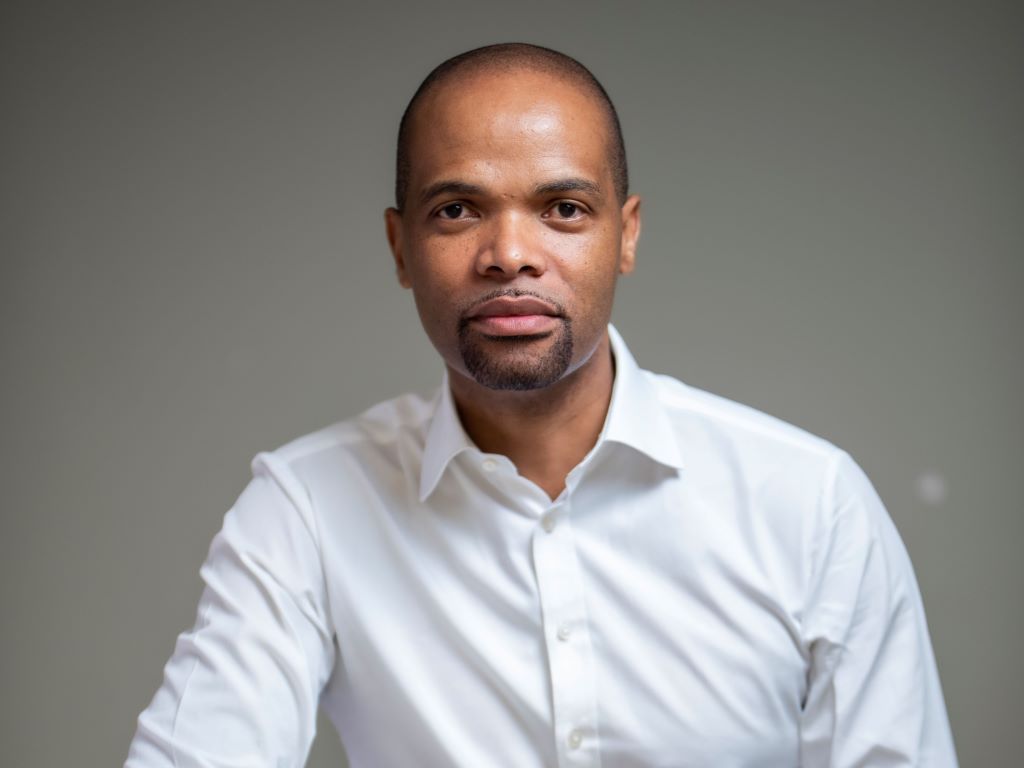
Zwelethu (Zweli) Bashman, has been appointed chairman of the Pharmaceutical Industry Association (PTG), and Dr Stavros Nicolaou as deputy chairman. Four pharmaceutical associations, representing more than 80% of the industry, comprise the membership of the PTG.
Bashman is president of the Innovative Pharmaceutical Association South Africa (IPASA), and managing director of MSD South Africa and sub-Saharan Africa.
“Our goal is to contribute towards an environment that promotes growth and investment in the South African pharmaceutical industry while aspiring to broaden access to medicines for all people living in South Africa,” said Bashman.
Stavros Nicolaou has assumed the role of deputy chairman after serving as chairman of the PTG for several years.
Amongst the intricacies of South Africa’s healthcare landscape, a silent but significant challenge lurks – the prevalence of rare diseases. Behind the curtain of mainstream medical discourse, millions grapple with the complexities of these often overlooked conditions, a stark reality often overshadowed by the glare of more prevalent health concerns.
With more than 7000 identified rare diseases to date, they affect as many as 4.2 million South Africans, of which 50 – 70% are children1. These conditions are more prevalent than predicted, each posing unique and often debilitating challenges for patients and families alike.
With 29 February commemorated as Rare Diseases Day, Rare Diseases South Africa (RDSA), is hosting its third biennial rare diseases conference, Rare-X 2024, at the Indaba Hotel in Fourways, from 14 to 17 February.
More than just a conference, Rare-X 2024 will focus on patient advocacy, education, policy reform, and improving equitable access to ensure better outcomes and support for individuals living with rare diseases.
As the first in-person conference since the COVID-19 pandemic, the event brings together patients, policymakers, academics, government and pharmaceutical companies to discuss the plight of rare diseases and find collaborative ways to improve patients’ lives and treatment efforts.
The conference will comprise several activities, including keynote speeches by renowned experts in rare diseases; interactive panel discussions; workshops and training sessions; scientific presentations; networking opportunities and policy roundtables.
Some of the renowned speakers to share their insights and global developments on rare diseases include Prof Alex van den Heever, Chair of Social Security Systems Administration and Management Studies at the Wits School of Governance; Professor Fatima Suleman, Professor in the School of Health Sciences at the University of KwaZulu-Natal; and Professor Chris Hendriksz, Global Clinical Development Lead for Rare Diseases at Nestle Health Science, amongst others. Bringing a wealth of practical experience following his work with health professionals, will be traditional health practitioners (THPs), Mr Elliot Makhathini and Dr Conradie from North-West University’s Centre for Human Metabolomics, to name a few.
A rare disease relates to a condition that is considered rare when it affects one person in 20002. Currently, South Africa does not have its own definition of a rare disease, which is one of the major issues that need to be addressed by the government3.
As a patient-focused non-profit organisation, RDSA was launched in 2013 by CEO and Rare-X Director, Kelly du Plessis. The mother of a child with a rare condition, du Plessis realised the dire need for support for a highly under-acknowledged community, with the organisation advocating that people living with rare diseases and congenital disorders experience greater recognition, support, improved health services, and overall, a better quality of life.
“Despite the need for increased representation, the rare diseases community remains vulnerable from a medical and policy perspective,” says du Plessis. “As part of our mandate, RDSA brings together international best practice and local medical innovation, driving a collective voice and playing a fundamental role in bridging the gap between vulnerable communities and medical advancement.”
To date, RDSA has successfully launched initiatives that have positively impacted the lives of over 6500 patients including engaging with various governmental departments, organs of state, industry players and strategic stakeholders to raise awareness and move rare disease policy forward.
For more information on the Rare-X conference, kindly visit www.rare-x.co.za
The medical aid industry is at a crucial turning point, driven by innovative technologies, and an ever-growing need for inclusive and affordable healthcare solutions.
According to Bestmed CEO and Principal Officer, Leo Dlamini, this sector is likely to witness the emergence of a more collaborative ecosystem as a result of partnerships between tech businesses, insurance companies and healthcare providers – those that offer an integrated experience – to align to shifting consumer demands.
“In fact, there are several pressure points that continue to challenge the industry,” says Dlamini. “Compliance, with its evolving regulations and policies, including those related to data protection and member privacy, are high on the list, along with balancing the budget within a tight economic environment remain key priorities.”
Increasing health costs
The cost of providing healthcare cover is increasing faster than the economic growth rate and the consumer price index (CPI) which renders medical scheme membership unaffordable for the majority of South Africans. “Balancing the rising costs of healthcare and affordability for members is delicate and critical aspect of a running a sustainable medical scheme,” adds Dlamini. “Driving the increase in costs of healthcare is also the utilisation rate (claims ratio) by the members. This is partly due to a rise in elective procedures post-COVID and the more aggressive clinical interventions. Much of this, we believe, is a consequence of people neglecting their regular health screenings, which is now translating into more serious health issues that require deeper intervention, more exploratory procedures and specialised treatment.”
The biggest cost driver in healthcare in 2024 continues to be hospitals, followed by specialists. “Although the number of hospital admissions are currently lower than they were in 2019/2020, the average cost of admission has risen substantially. This is why it is very important to establish collaborative ecosystems that are inclusive and beneficial to all stakeholders.”
Personalised prevention over cure
Now more than ever, consumers are demanding transparency, simplicity and responsiveness when it comes to their medical aid, says Dlamini, which means a focus on more digitally integrated platforms for easier access to service, information and support. “Digital health technologies, including telemedicine, AI-driven diagnostics and personalised medicine options are increasingly shaping the medical landscape, allowing for more efficient and tailored healthcare solutions.”
“There is also a growing trend towards preventive healthcare,” adds Dlamini. “Medical schemes are, therefore, focusing more on wellness programmes, health screenings and preventive measures to improve members costs and reduce downstream / future costs. This also includes recognising the importance of mental health, and providing broader coverage and services, which include access to counselling, psychiatric treatments and support programmes.”
Retaining control while innovating for the future
2024 will see Bestmed mark 60 years since inception. Bestmed is South Africa’s fourth largest open medical scheme and the country’s largest self-administered entity.
“As we celebrate our 60th anniversary, it’s an opportune time to take stock of how we’ve fared thus far and what the future outlook is,” adds Dlamini. “Embracing technological advancements to create an integrated healthcare ecosystem, as well as focus on delivering innovative health solutions that are competitively priced are key. Equally important is the ability to adapt our offering to the changing healthcare needs of our members whilst also maintaining our Personally Yours brand promise.”
Bestmed achieved over 20% growth rate over the last few years which Dlamini attributes to the organisation’s ability to retain existing members, attract new ones (members) with our value-for-money product offering as well as being responsiveness to members’ needs. “As a self-administering medical scheme, we pride ourselves with being more agile and responsive to members whilst also ensuring that every interaction is not transactional but personal,” adds Dlamini.
As for healthcare advice this year, Dlamini urges consumers to take control. “Do not neglect regular screenings, particularly as you grow into the senior years. Committing to these does not only prove life-saving, but also ensures that your money is not consumed unnecessarily and that your medical scheme is able to safeguard your contributions (reserves) to cover future medical expenses. Make sure that every procedure recommended is necessary and relevant to your condition.”
“It is going to be a tough year as economic growth remains flat and disposable income under sustained pressure from high interest rates and inflation. The national election and the outcomes therefrom will most likely impact all of us in some form or other. As medical schemes we must remain focused on providing value–for–money from our offerings and actively working to improve the health of members,” concludes Dlamini.
South Africa is barrelling towards its most consequential and most competitive national and provincial elections since 1994, expected to take place in May. That the ANC’s share of the vote, will be further eroded this year seems inevitable, given ongoing power cuts, failing railways, water management problems, high crime rates, and dysfunctional basic education and public health systems.
Covering elections is tricky at the best of times for media houses. At Spotlight, we plan to follow the advice of Jay Rosen, journalism professor at New York University, to focus on reporting “not the odds, but the stakes”. As far as the odds does go, however, it seems likely that the ANC – alone or in coalition – will govern nationally, but they could lose power in the country’s two most populous provinces, Gauteng and KwaZulu-Natal.
The stakes in these two provinces could not be higher when it comes to healthcare. The day-to-day running of our public healthcare system is after all the domain of provincial health departments.
Limping from crisis to crisis
Take Gauteng. From alleged health department corruption worth more than R1.2 billion in 2007/2008, to the Life Esidemini tragedy of 2016, to more recent issues such as the lacklustre response to alleged corruption at Tembisa Hospital, ongoing problems with food and security contracts, and the persecution of whistleblowers like Dr Tim de Maayer, the province’s health department has stumbled from crisis to crisis under the ANC for well over a decade now. New starts under new members of the executive council (MECs) and heads of department have been a dime a dozen, but if anything, the quality of governance has decayed over time. What is at stake is literally basics like whether there is sufficient food available for people in hospital.
There is, of course, no guarantee that this atrocious situation will be turned around if, for instance, a multi-party coalition of the DA, Action SA and others run the province – but the prospect of such a change certainly is intriguing. Just imagine the DA’s Jack Bloom having a go as Gauteng’s MEC for Health after decades of holding other MECs and heads of department to account from the sidelines.
The future of NHI
The year’s other headlining health story seems set to again be National Health Insurance (NHI), which promises healthcare for all – employed or unemployed – South Africans, permanent residents, refugees, inmates, and specific categories of foreign nationals. After making it through parliament at the end of last year, the NHI Bill is likely to be signed into law by President Cyril Ramaphosa any day now. Much of the bill won’t come into effect for quite some time, and we are sure to see several court cases challenging its constitutionality. There is also an outside chance that later this year the balance of power in parliament could shift against NHI, or at least certain elements of NHI. It is not too much of a stretch to say the future of NHI is one of several important things on the line at the ballot box.
Also at stake in the elections is government’s response to seemingly intractable problems like South Africa’s shortage of healthcare workers, budget shortfalls, and health sector corruption. It would be naïve to think a change in power will solve these problems overnight – much of the world is struggling with shortages of healthcare workers and South Africa’s budget restraints are all too real, but some will argue that a change in power may nevertheless be a necessary first step given the extent to which all three of these issues have been allowed to drift in recent years. There is certainly an argument to be made that the current lack of progress is rooted in a lack of state capacity and that the lack of state capacity, in turn, is a consequence of the ANC’s explicit policy of cadre deployment.
Whether or not voters again back the ANC, some specific questions should provide a good gauge of progress in 2024. Will we finally see convictions for the alleged corruption uncovered by public servant Babita Deokaran? Will government publish an implementation plan for addressing our healthcare worker crisis (we already have a good strategy) and, this is the key, put money and political capital behind its implementation? Will the new parliament pass a good State Liability Bill (which could help reduce the state’s liability for medico-legal claims) and finally get round to amending South Africa’s Patents Act to better balance medicine monopolies with the right to health (as set out in a policy adopted by cabinet back in 2018)? Will the establishment of the National Public Health Institute of South Africa remain stalled? Will government continue to ignore recommendations from the Competition Commission’s Health Market Inquiry on how to better regulate private healthcare in South Africa (the commission’s very impressive report was published in 2019)? Will the new health MECs and heads of provincial health departments appointed after the elections bring real change?
HIV, TB and NCDs
The National Department of Health has generally produced good HIV and tuberculosis (TB) policy over the last decade or so. In some respects, those policies have been well implemented – think the massive amount of HIV testing done in the country, in other respects they have been undermined by the general dysfunction in the public healthcare system – think long queues, staff shortages, and poor TB screening and infection control. Some innovations, like pills to prevent HIV or new TB treatments, could have been rolled out more quickly and better marketed to users.
At stake in the elections is thus not so much whether we produce good policies in areas such as HIV, TB and non-communicable diseases (NCDs), but whether we will get the leadership we need to ensure better and faster implementation of those policies.
On the HIV front, we will be keeping a close eye this year on the ongoing rollout of HIV prevention pills. While the rollout has gathered some momentum in recent years, the pills are generally still too hard to get hold of for those who could most benefit from it. Pilot projects should shed light on how to best make breakthrough new HIV prevention injections available in South Africa, but the high price of these injections is likely to mean the many young women who could most benefit from it won’t be able to get it.
New HIV figures from Thembisa, the leading mathematical model of HIV in South Africa, will be keenly watched this year since it will integrate recent findings from the Human Sciences Research Council (HSRC) survey (which contained some unexpectedly positive numbers). On the negative side, the HSRC survey also indicated that condom use was significantly down in 2022 compared to 2017 – this while a recent HIV investment case found that condoms are the only cost-saving HIV intervention for the health system. Either way, the extent to which condoms are made easily available will remain an important measure of government’s commitment to fighting HIV, both now and after the elections.
Last year, we saw significant changes in how TB is tested for and treated in South Africa. In short, many more people became eligible for TB tests and eligibility for TB preventive therapy was dramatically expanded. How impactful these new policies will be this year will depend on how well they are implemented, which again brings us back to the ongoing problems of healthcare worker shortages and a lack of management capacity in most of our provincial health departments. Maybe then, in a context of generally reasonable HIV and TB policy, what matters is not so much what different political parties have to offer on these diseases specifically, but what they can do to improve the functioning of our healthcare system more generally.
That said, one notable thing with TB is that, despite South Africa having often made good TB policy and having played an important role in raising the profile of TB at the United Nations, TB has never really become a political or elections issue here in the way one might expect from a disease that claims over 50 000 lives, of mostly poor people, in the country per year. So far, there is no indication that any political parties are set to change this in 2024.
Finally, while the long-term trends with HIV and TB are downward, the trend with non-communicable diseases (NCDs) like diabetes and hypertension in South Africa is in the opposite direction. Government has set HIV-style diabetes and hypertension targets and published a national plan, but again there are serious questions about whether these plans will be implemented and whether the public health system has the capacity to offer the levels of testing, treatment and care that is required. Meanwhile, breakthrough weight loss medicines that made headlines in 2023 are likely to remain out of reach for most people in South Africa and interventions like the sugar tax will remain highly contested before and after the elections.
Whatever happens at the ballot box, one thing is clear, given the rising NCD threat, healthcare worker shortages, budget shortfalls, and endemic corruption, whoever is in power nationally and provincially after this year’s elections will have their work cut out for them. While we will not endorse any political parties at Spotlight, we do urge voters to consider what is at stake in these elections when it comes to healthcare. Part of the picture will of course be painted by political party manifestos (which we will analyse in detail in the coming months), but as important as the policies, is the track record of what parties have done when they’ve held power. Whether in Gauteng, the Western Cape, or nationally, voters will hopefully send a clear message on whether or not they think those currently in power are on the right track.
*Low is editor of Spotlight.
NOTE: Spotlight is editorially independent and is not affiliated with, nor does it endorse any political parties. Spotlight is a member of the South African Press Council.
The 2024 Top Employers have been announced and GEMS (Government Employees Medical Scheme) has again been recognised as a Top Employer in South Africa.
Being certified as a Top Employer showcases an organisation’s dedication to a better world of work and exhibits this through excellent HR policies and people practices.
GEMS Principal Officer, Dr Stan Moloabi says this of the accolade, “The Scheme takes immense pride in this achievement as we believe in the adage, ‘batho pele’– people first.” He adds, “It is our focus on investing in our more than 400 employees that enables us to fulfil our mission to provide all members with equitable access to affordable and comprehensive healthcare; promoting member wellbeing.”
The Top Employers Institute programme certifies organisations based on the participation and results of their HR Best Practices Survey. This survey covers six HR domains consisting of 20 topics including People Strategy, Work Environment, Talent Acquisition, Learning, Diversity, Equity & Inclusion, Wellbeing and more.
To the Scheme, it is heartwarming that it is the third year in a row that it has received this recognition.
Top Employers Institute CEO David Plink says: “Exceptional times bring out the best in people and organisations. And we have witnessed this in our Top Employers Certification Programme this year: exceptional performance from the certified Top Employers 2024. These employers have always shown that they care for the development and well-being of their people. By doing so, they collectively enrich the world of work. We are proud to announce and celebrate this year’s group of leading people-oriented employers: the Top Employers 2024.”
The programme has certified and recognised over 2 300 Top Employers in 121 countries/regions across five continents.
Technology is reshaping and closing the gap between patients, healthcare providers, and the healthcare system. By embracing this digital shift, South Africa’s healthcare sector can benefit both now and in the long term, resulting in a healthier and more prosperous society, writes Bada Pharasi, Chief Executive Officer of The Innovative Pharmaceutical Association South Africa (IPASA).
As technologies such as Artificial Intelligence (AI) and big data disrupt multiple industries, it has proven its worth in simplifying, analysing and speeding up processes, and the healthcare sector is no different.
Technology in the sector has come a long way since the inception of the stethoscope and X-rays. Today, it is becoming the cornerstone of modern healthcare in developed countries across the globe and is growing at an unprecedented rate. So much so that studies suggest that while the global digital health market was valued at over US$330 billion in 2022, this number is expected to skyrocket to a staggering US$650 billion by 20251.
While the likes of the United States and the United Kingdom lead the charge in the adoption of digital health, South Africa is quickly growing its share of the pie as well. Insights suggest that in South Africa revenue in the digital health market is projected to reach US$831.20 million this year. Moreover, it is envisioned to grow by an annual growth rate of as much as 7.57%, resulting in a projected market volume of US$1,113.00 million by 20282.
From revolutionising patient access to cutting-edge medicine and AI-driven diagnostics tools to virtual consultations with healthcare specialists and genomic breakthroughs, the capabilities of digital health technologies are far-reaching.
The advent of technology such as AI and big data brings with it the capacity to interpret analytics and enhance patient care through faster diagnosis than was ever thought possible. Google’s DeepMind AI system, for example, recognises eye diseases with a correct diagnosis of up to 94.5%, while teledermatology companies have developed apps that utilise smartphone and computer cameras to aid patients in finding out the cause of lesions or certain conditions3.
Moreover, technologies such as the Phillips Lumify Portable Ultrasound allow for an examination anywhere, be it a refugee camp or an accident scene, while IBM Watson has leveraged the power of AI to accelerate the early detection of oncological diseases and analyse data to compile treatment programmes for those with cancer3.
It is a dynamic realm that enables better collaboration around patient-centred care, and one that promises a future where healthcare can be delivered to patients quickly and more effectively than ever before.
This is particularly relevant in the South African context, where as many as 45 million people, or 82 out of every 100 South Africans, fall outside of the medical aid cohort4. This is compounded by the fact that nearly 32% of the population resides in rural areas5 where access to healthcare is limited, meaning the adoption of digital healthcare has the potential to address many of the health issues that plague the country and create a healthier and more productive society.
And the shift has already begun, with provincial departments such as the Free State Health Department heeding the digital call. In late 2023, the department announced its intention to utilise digital innovations to streamline healthcare services and improve patient and healthcare outcomes in the province6.
The department’s first project in the province is focused on telemedicine, where patients and specialists consult online from the comfort of their local clinic, regardless of their different locations. The second sees the mountain of paper patient records being done away with in favour of a streamlined, digital system where patient records can be accessible electronically, thus greatly improving efficiency, reducing errors, and ensuring continuity of care6.
Importantly, amidst the promising potential that these technologies yield, it is critical for healthcare workers to remain steadfast in their digital fluency and technological relevance.
Gone are the days of specialists only being adept in their professions. Professionals of the future need an understanding of the technologies at their disposal, how they work and how they will better serve their patients. In this way, they will remain at the forefront of the latest innovations specific to their fields of expertise, thus propelling the advancements forward.
In doing so, this ongoing upskilling ensures not only the advancement of their professions but will also benefit patient outcomes for decades to come.
On the 2nd of January 2024, Simphiwe*, needing emergency oral healthcare, turned to the Cala District Hospital in the Eastern Cape. However, she was confronted with a note on the door that read, “Dear Community Members, starting from the 18th of December 2023 to the 12th of January 2024 there is no dentist. The dentist will start working on the 15th of January 2024.”
Many such notices hang in front of oral health clinic doors, mostly where dentists work alone to respond to the myriad of emergency oral health needs within their catchment area. Having previously worked alone at a provincial government funded hospital in the rural Eastern Cape, similar notices would be placed on the door to the oral health clinic I operated, until such time as a colleague joined me at the facility.
Oral diseases affect more than 3 billion people globally, while in Africa, it affects an estimated 400 million people.
Oral diseases and conditions that affect people include trauma-related oral injuries, oral cancers, dental decay, and periodontal disease amongst others.
While dental decay remains the most common form of oral disease, untreated, it can lead to life-threatening complications. The closure of dental services at any oral health clinic may subject people to the risk of developing conditions such as Ludwig’s angina, a life-threatening condition that is linked to delayed access to care.
Fewer than 200 dentists
The Eastern Cape is predominantly a rural province, with most of the province’s 7.2 million people largely depending on public healthcare services for the majority, if not all their healthcare needs. The province employs fewer than 200 dentists, a majority of whom are concentrated in the more urban/peri-urban centres.
Cala, a rural town in the province’s Sakhisizwe Local Municipality, is home to an estimated 63 000 people and Cala District Hospital provides access to oral health services to this population. The hospital’s closed dental clinic over the festive period deprived the people of Cala of much-needed care.
It is well known that the festive period results in an increased need for emergency healthcare, including oral healthcare services. People often present with jaw fractures, tooth fractures -often a result of violence or accidents associated with an increase in alcohol consumption -, oral pain and sepsis. While the festive period may result in the increased need for managing these conditions, these are the usual conditions, amongst others, that are managed in many public oral health clinics in most provinces.
Oral health professionals, in particular dentists, are trained to manage the complete spectrum of general oral diseases and often refer to dental specialists for complex and specialised management. In a province like the Eastern Cape, characterised by a dire shortage of dental specialists, dentists are the last defence for many of the people in the province.
A significant portion of dentists in the province work alone, with limited options to manage their leave, often leaving clinics closed in their absence.
However, the closure of dental clinics without a detailed and well-communicated plan is unacceptable and places the lives of populations in danger. At times, people have been known to resort to harmful and dangerous home practices to relieve themselves of their anguish.
We need a plan
A comprehensive plan must be put in place for efficient management and referral of emergency oral healthcare cases during the festive period so that we avoid a repeat of this year’s unacceptable situation at Cala District Hospital 12 months down the line. People in need of oral health services must be made aware of where they can access such services without any delay.
Beyond this, there is a need to invest in building adequate human resource capacity for oral health in the province, to ensure that services are readily available. A mix of oral health professionals and the prioritisation of “lone dentist” clinics for community service placements should help alleviate some of the problems in the system.
It is concerning that the challenges faced in the Eastern Cape is very similar to those in other parts of the country. Fewer than 3000 dentists are working in the public healthcare sector nationwide. With such numbers it is unlikely that what happened to Simphiwe was an isolated incident. Her experience should serve as an important case study, highlighting the significant problems faced by communities and oral health professionals.
Those responsible for managing oral healthcare services in South Africa must take note and recognise that the continued deprioritisation and neglect of the population’s oral health cannot be allowed to continue. We must work together to ensure that oral health is given the attention it deserves as a critical aspect of general health and well-being.
*Dr Vava is the President of the Public Oral Health Forum, a network of public oral health professionals striving for oral health equity, dignity and well-being for all.
The Kensington Treatment Centre, one of few in-patient rehabilitation centres in Cape Town, has stopped accepting adults because of financial constraints.
The Western Cape Department of Social Development (DSD) confirmed that the Kensington Treatment Centre no longer takes adults “due to the need to accommodate more children in secure care without any additional funds”.
In the past financial year, the facility had treated 120 people.
The department says it is necessary to focus on youth at risk.
Its budget for substance abuse programmes has been cut by R600 000 for the 2023/24 financial year.
New applications will be directed to other substance treatment centres funded by the department, which currently has six in-patient facilities: Metro South, North, East, Cape Winelands, Overberg and West Coast. Enquiries and admissions can be made through self-referral or external referrals.
Bianca Rabbaney, who works for U-Turn Homeless Ministries, has personal experience of how difficult it is to access rehab facilities in times of need. She lived on the streets for more than 20 years, because her family couldn’t cope with her. For most of that time she had a substance use problem.
“My life just spiralled down to almost completely nothing, and in that time I did search for help,” she says.
“There are so many of us who want to come out of drug addiction but we can’t do that when we’re out on the street. From my personal experience when I walked my journey, there were so many places I went to that rejected me.”
“They used to send us away because we didn’t have money to come into the facility or we didn’t have a place to stay. It made it difficult for someone like me to access that kind of assistance,” she says.
Rabbaney eventually got help at the Matrix Rehabilitation Programme Parkwood. She has been abstinent for eight years now.
“I never forgot the struggle that I had to go through to get to a shelter, get myself into a rehabilitation program and to get my life back together. We don’t have many of those facilities at the moment.
“I would like to send a message out there that there is hope after addiction. There is hope after being homeless. We just need more facilities.”
Budget cuts
The provincial DSD is concerned about possible further cuts to its budget.
“We will only know the impact on this programme next year after the final budget allocation,” said Monique Mortlock-Malgas, spokesperson to MEC Sharna Fernandez.
The department is also looking to regulate illegal rehabilitation centres.
“This process may assist with the demand for services to the extent that DSD can help more centres provide proper quality services to the public. Centres that are unable to comply will, however, need to be closed,” said Mortlock-Malgas.
Lise van den Dool, chief programme officer at U-Turn, says there are also state-funded beds in registered facilities but there is a long waiting period for these and this is a problem because people may lose motivation. “When a person is ready to walk that journey you’ve got a short window period,” she said.
Van den Dool said the biggest issue is what happens after the rehabilitation process. She said work programmes are fundamental to recovery – not just preparing people to be ready for work, but helping them keep their jobs.
According to data from the 2022 census, after loss of income, substance abuse is the main cause of homelessness in the country. Some studies, including one by U-Turn, suggest that there are at least 14 000 homeless people in Cape Town.
HFA outlines presidential petition to prevent decimation of the SA healthcare system
The NHI Bill presented to President Cyril Ramaphosa cannot be permitted, as in its current form, it will infringe the rights of all South Africans by destroying the South African healthcare system. The Health Funders Association (HFA) has petitioned the President to withhold assent of the Bill on constitutional and procedural grounds and intends to take the matter as far as necessary and to the Constitutional Court if need be.
“We have taken a strong stand by respectfully urging the President to withhold assent of the Bill, citing constitutional and procedural concerns that pose a significant threat to the integrity of the country’s healthcare system,” remarks HFA Chairperson Craig Comrie.
“Should the need arise, the HFA is prepared to escalate the matter to the courts. Our goal is to meticulously align the legislation with the authentic objectives of Universal Health Coverage and the principles enshrined in the South African Constitution.
“Our action in opposing the NHI Bill being signed into law protects the interests of ALL South Africans who will require healthcare in future, including the people we are duty-bound to safeguard through the medical schemes and healthcare administrators we represent,” Comrie says.
While expressing unwavering support for achieving Universal Health Coverage (UHC) in South Africa, the HFA questions Parliament’s endorsement of a bill that raises significant constitutional and procedural concerns and fundamentally cannot achieve a sustainable system of UHC.
Some of the primary concerns outlined in the letter include:
Constitutional concerns: The NHI Bill’s clear infringement on constitutional rights, particularly the right to access healthcare and freedom of choice for South Africans, and by implication, the right to life. The Bill is seriously flawed in that regard, undermining the rule of law.
Procedural concerns: Questioning the extent and effectiveness of public consultation during the drafting and review of the NHI Bill, where thousands of submissions resulted in no meaningful changes to the Bill, the HFA advocates for a more inclusive and consultative approach.
The letter implores President Ramaphosa to exercise the powers granted by the Constitution to refer the NHI Bill back to Parliament for review.
“In addition to petitioning the President directly as guardian of the Constitution, the HFA will oppose the NHI Bill in its current form through every possible avenue, including approaching the courts to set aside the Bill on constitutional and procedural grounds.
“The HFA will also seek a High Court interdict against implementation of the NHI Act until the merits of our case have been heard and ruled upon by the High Court.
Craig Comrie concludes, “It is with a heavy heart that we make this plea, urging the President to secure the rights and wellbeing of our people. We will persist to ensure that what is right triumphs in our nation. South Africa deserves leadership that prioritises the welfare of all of its citizens, above all.”
2023 was a busy year for healthcare in South Africa. There were several policy developments, landmark court cases, important pieces of legislation, and some changes in leadership. Yet, take a step back and not much seems to have changed. Shortages of healthcare workers persist, corruption is still rife, budgets tight, and our health governance crisis remains as acute as ever.
Start with some positives. Following the release in 2022 of a non-communicable disease policy with important diabetes and hypertension targets, this year saw the release of South Africa’s overdue new mental health policy, an obesity policy, and a new strategic plan for HIV, TB and STIs. These policy documents were generally welcomed, although most experts we spoke to had questions over the state’s ability to implement them.
That ability to implement was dealt another blow this year with continued budget cuts in the public healthcare sector and the freezing of posts in some areas. As shown in several of the community healthcare monitoring group Ritshidze’s excellent provincial reports this year, staff shortages remain acute across much of the country – something that is unlikely to change given budget constraints. Though South Africa has a good healthcare worker strategy on paper, another year has passed with no clear indication that the state is committed to implementing it.
Instead, much of the political oxygen in 2023 was again consumed by National Health Insurance (NHI). As the year draws to an end, the NHI Bill has cleared parliament and chances are the President will sign it ahead of next year’s national and provincial elections – though actual implementation will take years.
Reforms to South Africa’s procurement legislation are also making its way through parliament, although critics have slammed the bill for not doing enough to clamp down on corruption. The State Liability Bill was delayed again because a report from the South African Law Reform Commission on medico-legal claims has still not been finalised.
In the courts, an important judgment in the Eastern Cape limited the extent to which the state can be held financially liable for medical negligence, although the law in this area remains somewhat unsettled. There were also major court victories for the right to transparency, with a court ordering the disclosure of COVID-19 contracts entered into by government, and for the ability of pharmacists to provide antiretrovirals without a script from a doctor – this latter judgment is being appealed. This year also saw the pieces put in place for what is set to be a landmark court case for access to medicines, as Cheri Nel and others challenge a monopoly on life-changing cystic fibrosis medicines.
As for leadership changes, this year South Africa got a new health ombud (we interviewed the outgoing ombud here) and a new registrar of the Health Professions Council – the latter institution remains in urgent need of reform. Maybe the most important leadership change this year, however, was the controversial removal in September of Dr Rolene Wagner as head of the Eastern Cape Health Department. Wagner’s removal seems symptomatic of ongoing and excessive political interference in the running of provincial health departments.
Several of these departments again made the headlines for the wrong reasons. Current and former Officials in both the North West and Northern Cape Department of Health are facing serious charges, but maybe most dispiriting was the ongoing dysfunction in the Gauteng Department of Health. From botched food and security contracts to the lacklustre response to alleged corruption at Tembisa Hospital, those who hoped for a turnaround in the department were disappointed. The end of the inquest into the Life Esidimeni tragedy this year served as reminder that the department’s problems are entrenched and long-standing.
South Africa’s TB response was given a boost this year with the adoption of an ambitious new test-and-treat strategy, whereby people who test positive for TB are treated and at-risk people who test negative are offered preventive therapy. Some new TB treatment regimens have been rolled out, but we are unfortunately still waiting for others. A reduced price for the DR-TB drug bedaquline was secured, largely due to the work of South African and international TB activists, and two philanthropies put up the money for a critically important phase 3 TB vaccine trial.
Photo by Sergey Mikheev on Unsplash
Pilot programmes testing HIV prevention injections and HIV prevention rings in South Africa were set to start at the beginning of the year, but the injection part of those pilots ended up being delayed. It is still not clear when the many young women in South Africa who could benefit from the prevention injection will be able to get it. A recently announced price for the injection is calculated to be far too high for our healthcare system.
There was some good news this year in that more people in South Africa are finally able to access breakthrough hepatitis C cures developed over the last decade. The picture looks less promising with new weight loss medicines – high prices, supply constraints, and monopolies are likely to keep these exciting medicines out of reach for most people in South Africa, despite the rising number of people with obesity who could benefit from them.
As for the numbers, the WHO this year estimated that in 2022 280 000 people fell ill with TB in South Africa and 54 000 people died of TB. According to the latest estimates from the Thembisa model, in 2022 around 13% of the population were living with HIV, 164 000 people were newly infected with HIV, and 48 000 died of HIV-related causes (there is substantial overlap since many people with HIV die of TB). The Human Sciences Research Council (HSRC) raised some eyebrows when it estimated that 91% of people diagnosed with HIV were on treatment in 2022, UNAIDS and the Thembisa model have this number at well under 80%. New UNAIDS and Thembisa estimates due in 2024 will be closely watched to see how they are impacted by the HSRC findings.