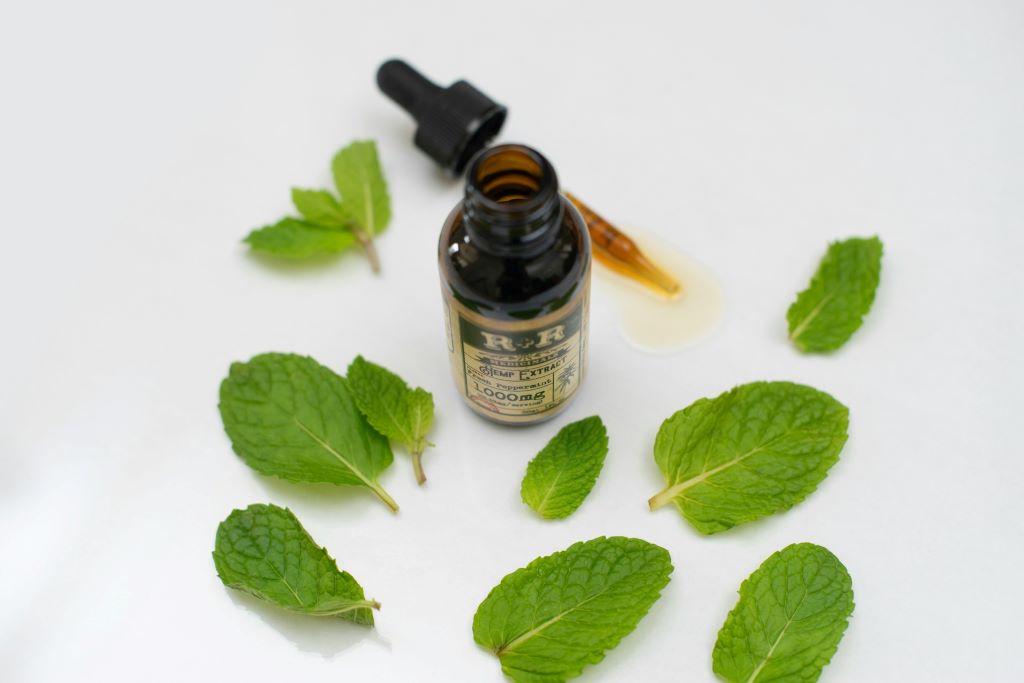
Daily doses of peppermint oil have been proved to lower blood pressures for patients with mildly high readings, new research has found.
A team of University of Lancashire academics discovered a daily intake of 100 microlitres of peppermint oil, taken twice a day over 20 days, lowered the systolic blood pressure by an average of 8.5mmHg.
The findings have been published in PLOS One Journal and prove there could be a simple, inexpensive, and well‑tolerated way to help treat people with slightly raised blood pressure.
Lead author Dr Jonnie Sinclair, Reader in Sport and Health Sciences, said: “High blood pressure is one of the biggest causes of heart disease and death worldwide, and it costs a huge amount of money to treat. Although medicines are commonly used to treat it, it’s not always clear how well they work in the long-term, and they can cause unwanted side effects.”
Peppermint oil is low in calories and price so it’s proved to be a very simple and cost-effective solution to potentially treat millions of people around the world.
– Lead author Dr Jonnie Sinclair, Reader in Sport and Health Sciences
Peppermint contains substances like menthol and flavonoids and in the study, 40 18 to 65-years-olds were randomly split into two groups. One group in the pre‑hypertension and stage 1 hypertension phases took a small daily dose of oil and saw the improvement while the other took a peppermint‑flavoured placebo that did not contain the active oil and saw no real change.
Researchers measured the change in systolic blood pressure, but they also looked at body measurements, blood results, diastolic blood pressure (the bottom number in a blood pressure reading), heart rate, mental wellbeing and sleep quality.
Dr Sinclair added: “Our findings were very positive and they have significant clinical implications, especially given arterial hypertension is the most common preventable risk factor for cardiometabolic disease and the greatest single risk factor for global mortality.
“Peppermint oil is low in calories and price so it’s proved to be a very simple and cost-effective solution to potentially treat millions of people around the world.”
A plant long used in traditional medicine is now at the centre of research that could shape future cancer treatment options in South Africa and beyond.
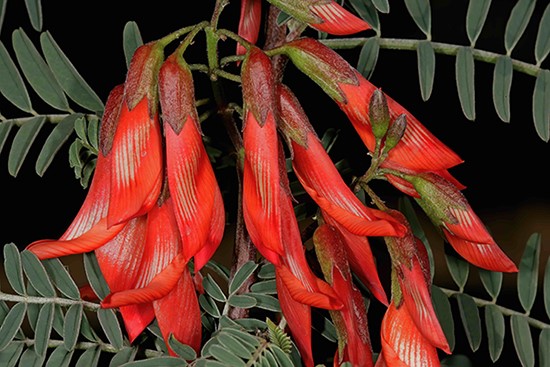
Researchers at the North-West University(NWU) are investigating the anti-cancer potential of Lessertia frutescens, commonly known as cancer bush, after laboratory studies showed activity against several forms of cancer, including drug-resistant small cell lung cancer and colorectal cancer.
According to Prof Chrisna Gouws, a research professor in the Centre of Excellence for Pharmaceutical Sciences in the Faculty of Health Sciences, the research team tested extracts from the indigenous plant on cultured human cancer cells and more advanced laboratory-grown “mini-tumours” known as spheroids.
“Lessertia frutescens has shown significant anticancer activity against several different cancer types in our research,” she says.
Targeting cancers considered incurable
She says the findings became more important when the team observed activity in cancers that no longer respond to conventional treatment.
“What is very interesting and exciting is the apparent activity in drug-resistant cancers such as resistant small cell lung cancer where known chemotherapies have limited to no activity,” Prof. Gouws says.
“This provides us with new avenues to investigate for treatment options to treat cancers currently considered incurable.”
The research team said another factor attracting attention is the plant’s longstanding use in traditional medicine and its safety profile.
“An important consideration is that this plant has a long history of use and is considered non-toxic and safe for use,” Prof. Gouws says.
“It’s anticancer activity comes without the significant side-effects known to occur with most standard chemotherapies.”
Other systems in the body may benefit
Researchers also found that the plant may support other systems in the body during treatment.
“Lessertia has known boosting effects for the digestive and immune systems, and it can have mood-enhancing activities as well,” she says.
“It may therefore not only target the cancer but positively impact the patient as a whole at the same time.”
The team is now studying the plant’s phytochemicals to identify the molecules responsible for the anticancer activity and understand how they work.
“Although many molecules have been identified and shown to contribute to the anticancer activity of the plant, the mechanism of action remains mostly unclear,” says Prof. Gouws.
“We are therefore delving deeper now to try and understand how and why this plant works.”
The next phase of the study will include animal model testing later this year to confirm safety and efficacy before future clinical trials can be considered.
At the same time, the researchers are developing a complementary medicine product that may be available in pharmacies by 2027.
Prof. Gouws says the project could also create economic opportunities.
“Chemotherapy can be very expensive and inaccessible in rural areas. A new plant-based treatment will be much more cost-effective and may be more accessible because it can be manufactured locally,” she says. “An increase in demand for the plant material will also create economic opportunities through farming.”
More about Prof Chrisna Gouws
Prof Gouws leads the strategic project for Human-Based New Approach Methodologies for Biomedical Research. She holds a PhD in biochemistry and has more than 15 years’ experience in utilising cell culture-based models for human health and disease research, including developing new complex in vitro models for applications in drug research, including traditional medicinal remedies and plant materials for cancer treatment.
She is the founder and executive committee chair for the Society for Advanced Cell Culture Modelling for Africa, a board member of International Microphysiological Systems Society, and co-editor of the NAM Journal.
The common yellow commelina, one of the popular plants used to treat children. Photo by Bernard DUPONT via Wikimedia Commons. CC2.0
In 2021, almost 33 of every 1 000 South African children under five years old died.
This under-five mortality rate is far worse than in similar middle-income countries such as Brazil (14.4 per 1000 births), Cuba (5 per 1000), India (30.6), Indonesia (22.2) and Egypt (19.0).
South Africa’s under-five mortality rate also lags behind the UN’s Sustainable Development Goal of reducing these figures worldwide by 2030 to 25 deaths per 1000.
Significant progress has been made. In 1994, South Africa’s under-five mortality rate was 60.4 per 1000. The government’s Expanded Programme on Immunisation was one health intervention that made a difference.
However, inequalities persist. The underfunded public health sector has been stretched to serve 71% of the population.
Worldwide, many people, particularly those in rural settlements, depend on medicinal plants for their health. In August 2023, the World Health Organization held the first global summit on traditional medicine, in India.
Of the province’s population, 49.2% live below the poverty line with no access to proper housing, water and sanitation. These conditions have an impact on children’s health.
Despite the high reliance on traditional medicine by rural populations, the role of medicinal plants for the treatment of childhood diseases remains speculative and lacks systematic documentation.
Our study yielded the first comprehensive inventory of medicinal plants and indigenous knowledge related to children’s healthcare in the area.
Evidence shows traditional health practitioners continue to play an important role in managing childhood illness in sub-Saharan Africa.
South Africa is endowed with a rich wealth of flora and is often acclaimed as a biodiversity hotspot. Thousands of plants are used for traditional medicine for the management of diverse health conditions.
In the North West, we interviewed 101 participants, including traditional health practitioners, specifically those with expertise in managing and treating diseases among children, and herbal vendors operating in the selected study areas.
Gender distribution among the participants was 78% female and 21% male. This signifies the importance of women as active custodians of indigenous knowledge related to childhood health needs.
Of the participants, 63% had completed a secondary level of education, 21.8% had no formal education and 5% had attended primary school. Although 79% of the participants lived in villages, 15.8% were based in urban areas.
The participants were asked which plants they used to treat children. Of the 61 plants identified, 89% were recorded for the first time as botanicals used for childhood-related diseases by traditional health practitioners.
Carpet plant (Geranium incanum), common yellow commelina (Commelina africana) and elephant’s root (Elephantorrhiza elephantina) were the most popular medicinal plants.
Carpet plant was used as a treatment for diverse health problems such as umbilical cord conditions, muscle fits, measles, weight loss and appetite loss.
Roots and rhizomes were the parts most frequently used as treatments (40%), followed by leaves (23%) and whole plants (20%).
Boiling plants or softening them in liquid were the main preparation methods. The plant remedies were mainly administered orally (60%) and used on the skin (39%).
The study also confirmed there are similarities in indigenous practices, techniques and plant matter for specific conditions that were previously reported in other provinces: KwaZulu-Natal and the Eastern Cape.
The way forward
There is increasing support from governments for promoting traditional medicine as part of primary healthcare in African countries such as Cameroon and South Africa.
We recommend that:
Government provide institutional and financial support to determine the role of herbal medicine in primary healthcare. Working with traditional health practitioners, medicinal plants must be documented and testing laboratories need to be set up to establish their efficacy and to determine appropriate dosages.
Botanical gardens should be created to ensure the sustainability of plants and their continued role in providing much-needed medical care. In the North West province, 40% of the ecosystems are under severe stress, with 11 of the 61 vegetation and 14 of the 18 river types classified as threatened. Medicinal plants are mostly harvested from the wild, so it’s possible that many could face extinction from uncontrolled harvesting.
Authors
Tshepiso Ndhlovu Lecturer and researcher, University of Mpumalanga
A Japanese study published in Frontiers in Immunology shows that a traditional herbal mix called daikenchuto reduced the severity of colitis in lab mice by preventing the loss of important gut bacteria and by raisin levels of anti-inflammatory immune cells in the colon.
Colitis is a chronic inflammation of the colon, characterised by an imbalance in gut bacteria and an abnormal immune response. Its prevalence has doubled over the last 20 years and although there are many treatments, they are only partially effective. This has led some researchers to take a closer look at traditional Asian herbal medicines.
Daikenchuto (DKT) is a formula containing specific amounts of ginger, pepper, ginseng, and maltose, and is one of 148 herbal medicines called Kampo, which have been developed in Japan and are often prescribed by doctors to treat a variety of illnesses. Numerous studies conducted in Japan and the United States have provided clinical evidence of DKT’s effect on colonic transit and postoperative ileus.
DKT was shown by previous research to have possible use in colitis treatment, but molecular level evidence has been lacking. Researchers at the RIKEN Center for Integrative Medical Sciences (IMS) in Japan conducted a detailed examination of its effects on a mouse model of colitis.
Colitis was induced in mice using dextran sodium sulfate, which is toxic to the cells that line the colon. When these mice were given DKT, their body weights remained normal, and they had lower clinical scores for colitis. Additional analysis revealed much less damage to the cells lining the colon. Having thus shown that DKT does indeed help protect against colitis, the researchers proceeded to analyze the gut microbiome of the mice and expression levels of anti-inflammatory immune cells.
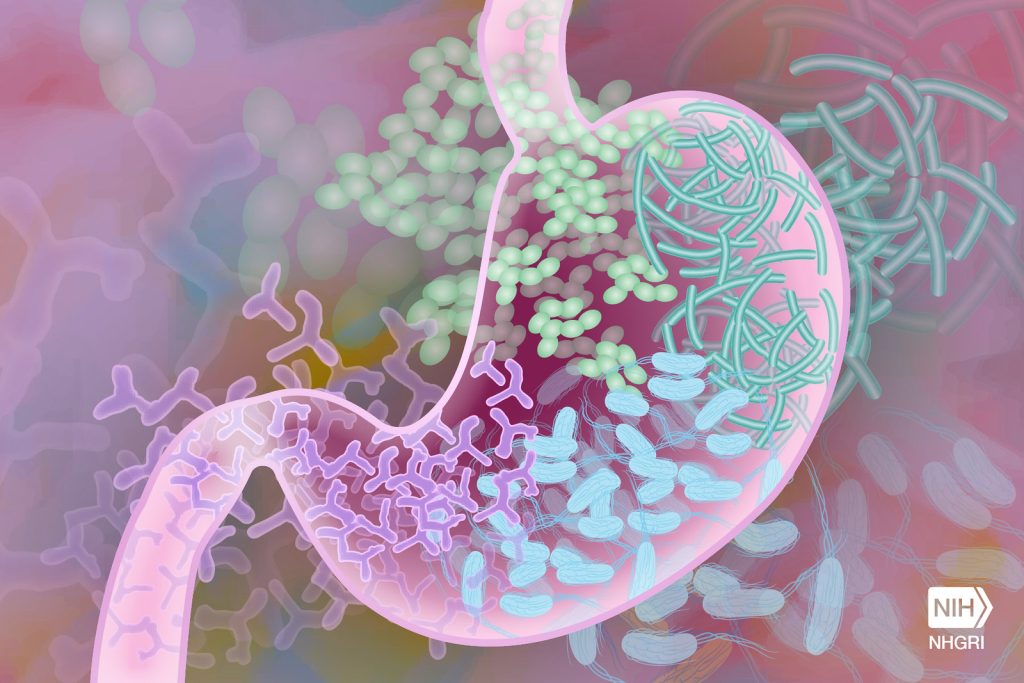
Colitis is associated with an imbalance in gut microbiota, and analysis showed that a family of lactic acid bacteria were depleted in the colitic mice of this study. Also depleted was one of their metabolites, a short-chain fatty acid called propionate. Treating the model mice with DKT restored much of these missing bacteria – particularly Lactobacillus – and levels of propionate were normal.
Colitis is also associated with an abnormal immune response that causes the characteristic intestinal inflammation. When the team looked at innate intestinal immune cells, they found that levels ILC3 cells were lower in the untreated colitic mice than in the DKT-treated colonic mice, and that mice engineered to lack ILC3 suffered more and could not benefit from DKT treatment. This means that ILC3s are critical for protecting against colitis and that DKT works by interacting with them. Lastly, qPCR analysis indicated that these important immune cells had receptors for propionate, called GPR43, on their surface.
“Daikenchuto is commonly prescribed to prevent and treat gastrointestinal diseases, as well as for reducing intestinal obstruction after colorectal cancer surgery,” said Naoko Satoh-Takayama. “Here we have shown that it can also alleviate intestinal diseases like colitis by rebalancing Lactobacillus levels in the gut microbiome. This likely helps reduce inflammatory immune responses by promoting the activity of type 3 innate lymphoid cells.”