Theta oscillations during learning predicted which experiences were remembered after sleep
Photo by Cottonbro on Pexels
The brain may “tag” experiences during learning to better consolidate the memory of them during sleep, according to a study published August 27th in the open access journal PLOS Biology by Dan Denis from the University of York, United Kingdom, and colleagues.
Most people do not remember every experience they’ve ever had. Instead, the brain consolidates some experiences – but not others – into long-term memory during sleep, suggesting that some experiences are “tagged” during learning for later encoding into memory.
To better understand how the brain selected experiences for later memory consolidation during sleep, the authors of this study collected data from 31 participants using electroencephalography (EEG) to measure patterns of brain activity. The participants learned sets of object-word pairs and were tested on them immediately and after a two-hour break. During one visit, participants were allowed to sleep, and in the other, they remained awake. As they learned and rested, the scientists analysed their EEG readings, matching the repetitive oscillations of brain activity during learning to those that were remembered after the participants’ sleep period.
The authors found that word-object pairs associated with theta oscillations between 3-8Hz during learning were more likely to be remembered after a period of sleep, but not after staying awake. The theta activity during learning predicted more coupling between slow neural oscillations during sleep and sleep spindles – bursts of brain activity. The slow oscillations and the sleep spindles were in turn associated with better memory performance after sleep. While the study only tested memory after two hours, and further studies would be needed to determine if memories persisted, the authors suggest that theta oscillations may indicate a mechanism by which the brain identifies experiences to consolidate into memories during sleep.
The authors add, “How the brain decides what is important to remember and what can be forgotten is still a mystery. These new findings help to answer that question, by uncovering for the first time a signature of neural activity which instructs the brain which experiences to process during sleep and form into long-term memories.
“If we remembered everything that we experienced, our brains would quickly reach system overload. By selectively prioritising important events in our lives, be they emotionally salient or important for the future, we are able to use our past experiences to help guide our interactions in the world.
“Although it is typically adaptive to prioritise certain kinds of information, there are cases where this becomes maladaptive. For example, in depression, individuals tend to over allocate attentional resources to negative information, whilst disregarding or downplaying more positive experiences. Our new findings shed new light on the brain processes that dictate what is ultimately remembered, and may open new avenues for understanding and treating common mental health problems such as depression.”
A world-first clinical trial conducted by Monash University researchers has shown that cholesterol-lowering medication can reduce heart attack and stroke in people aged over 70 years.
Statins are commonly prescribed to manage high cholesterol in people up to 75 years, and are known to reduce the risk of heart attack and stroke. But until now it was unclear whether they were effective in older people.
New research from Monash University, published in the New England Journal of Medicine and presented concurrently at the European Society of Cardiology Congress 2026, found the medication decreases the risk of a first major cardiovascular event by 30 per cent for adults aged over 70 living independently.
The Statins in Reducing Events in the Elderly (STAREE) Trial is the first randomised controlled trial of statin therapy to examine whether the drugs could help in older people who have historically been overlooked in clinical trials.
This landmark, ten-year trial analysed the cardiovascular outcomes of almost 10 000 participants while they took either a statin or placebo.
Lead researcher Adjunct Professor Sophia Zoungas, from the Monash School of Public Health and Preventive Medicine, said the findings will change the way clinicians manage cardiovascular risk in older people.
“What we hope to see, now that we have provided such strong evidence, are updated treatment guidelines to help clinicians make use of this new finding,” Professor Zoungas said.
The global prevalence of cardiovascular disease is expected to almost double from 600 million in 2025 to more than one billion affected adults in 2050. An estimated 2 ,000 older Australians suffer from major cardiovascular events, like heart attack and stroke, each year. The risk increases with age, so people aged over 70 are automatically in a high risk category regardless of lifestyle or other factors.
“The risk of heart attack and stroke is a major concern for older people,” Professor Zoungas said. “Knowing there is a safe and effective measure for lowering that risk will be a huge reassurance to older people and their families.
“Anyone who has seen a loved one impacted by cardiovascular disease will know just how important prevention is.”
Co-author Professor Mark Nelson, a prominent general practitioner, Adjunct Professor at the Monash School of Public Health and Preventive Medicine and Research Fellow at Menzies Institute for Medical Research at the University of Tasmania, said this is critical evidence to support GPs in their decision-making around cardiovascular health in older people.
“This was a particularly important trial because it was conducted in the community, with more than 3400 GPs taking part across Australia,” Professor Nelson said. “In light of this new evidence, older patients should have a conversation with their GP about whether statins are an appropriate treatment for their cardiovascular health to help them remain fit and healthy.”
For generations, a stethoscope has been one of the most essential tools for diagnosing pneumonia. But a new study suggests that what doctors hear through it may depend on who is listening.
In this cohort study, US investigators who are part of the Pediatric Emergency Care Applied Research Network analysed data from children and teens diagnosed as having community-acquired pneumonia (CAP). The findings showed that clinicians often disagreed about their findings on physical exam, including decreased breath sounds, crackles (wet, bubble-likes sounds when air flow is blocked), and rhonchi (abnormal breathing that sounds like snoring or rattling) – symptoms frequently associated with pneumonia.
Current US guidelines recommend diagnosing CAP based on clinical findings rather than chest X-rays in children who are treated as outpatients.
Same patient, different findings
For the study, published in JAMA Network Open, researchers analysed data from 252 participants, ages 3 months to 17 years, diagnosed with CAP at one of seven academic paediatric emergency departments across the United States. Two clinicians independently examined each patient within 60 minutes of one another and recorded their findings.
None of the physical exam findings met the researchers’ predetermined threshold for acceptable interrater reliability, a measure of how much different clinicians agree when analysing the same data or event. Wheezing (kappa value [κ], 0.50) and chest retractions (κ, 0.49) were the exam findings clinicians agreed on the most. Even so, agreement was modest.
Agreement was significantly lower for decreased breath sounds and crackles, which both had κ values under 0.25.
The findings raise questions about how heavily clinicians should rely on listening to the lungs when diagnosing pneumonia.
“This variability is not a trivial concern,” write Susan Lipsett, MD, of Boston Children’s Hospital, and Mark Neuman, MD, MPH, of Harvard Medical School, in an accompanying commentary. When examination findings vary depending on the observer, “their utility as diagnostic anchors is diminished” and their ability to appropriately guide treatment is compromised.
“If physicians cannot consistently agree on the presence of auscultatory findings, treatment decisions may hinge more on examiner interpretation than underlying pathology,” Lipsett and Neuman write. “This variability may contribute to well-documented differences in antibiotic prescribing and chest radiograph use across institutions.”
Why lung sounds can be hard to interpret
Several factors could explain the disagreement. Accurately interpreting lung sounds can depend on background noise, patient cooperation, and clinician experience—factors that “become even more challenging in a busy emergency department,” write Lipsett and Neuman. Children also have more flexible chest walls, which may make it harder to determine exactly where the sounds originate. What’s more, clinicians may also use terms like “crackles” to refer to slightly different things.
The commentators argue that the results strengthen the case for objective risk-assessment tools that combine factors such as fever, oxygen saturation, demographics, and selected clinical findings rather than relying on individual lung sounds.
“By quantifying risk and reducing dependence on subjective auscultatory interpretation, clinical prediction tools may mitigate interobserver variability and promote more consistent decision-making regarding imaging and antibiotic therapy,
Russell Rensburg is the Divisional Director of the Rural Health Advocacy Project which hosts the TB Accountability Consortium. (Photo: Supplied)
In March 2024, a pivotal clinical trial was launched to evaluate what might well become the first new tuberculosis vaccine on the market in more than a century. As anticipation mounts for the trial to deliver results, Russell Rensburg argues that we need to start preparing for a rollout of the jab, but that we should think of preparation more widely than just the technicalities of regulatory approval and drug supply.
Over the past few weeks, there have been ongoing discussions about a potential new TB vaccine coming to South Africa.
The leading new vaccine candidate M72/AS01E TB or M72 for short is currently being evaluated in a large phase three clinical trial that started in March 2024. The trial has been running ahead of schedule and it is possible that results might be ready in the next year. If those results are positive, registration with the South African Health Products Regulatory Authority should follow quite soon after.
As all this happens, preparations for possible future manufacturing of the jab are already underway. In July, the Serum Institute of India announced an agreement with the Gates Medical Research Institute to prepare for large-scale production should the trial be successful and the vaccine approved.
And at the same time South Africa’s National Department of Health has started to engage in discussions about the roadmap for a possible vaccine rollout.
The optimism is high, and rightly so. It’s the first time in more than 100 years that we have reached this point with a new TB vaccine. Given the size of South Africa’s population at approximately 63 million people, its share of TB deaths worldwide is striking. WHO data shows that of the over 1.2 million TB deaths, around 54 000 were reported in South Africa. The idea that a new jab can arrest the alarming death rate of this curable disease and change the trajectory of TB in the country is exciting.
But the point that we are at should also prompt an urgent question. If a new TB vaccine proves successful, will South Africa actually be ready to use it?
For a country carrying one of the world’s highest TB burdens, a successful vaccine could fundamentally change our response to the disease. But the regulatory approvals that we will hopefully see next year or the year after would only be the beginning.
Getting community buy-in
To effectively roll out this vaccine, South Africa would need the buy-in of communities who trust that this vaccine could help them and are willing to encourage their fellow community members to take it up.
This negotiation could be harder than we think.
The country does not have to wait for the vaccine to be approved to begin this work. The opportunity to start building the community trust already exists. How? With the current rollout of a new TB test.
The National Department of Health is implementing a demonstration project to assess the health system’s readiness to introduce a new near point-of-care TB diagnostic test into the public healthcare system. The test would mean that people can get TB tests done at the clinic and get a result virtually immediately.
Many of South Africa’s TB deaths are due to late diagnosis. The new test presents the opportunity to shorten the gap between testing and diagnosis (samples don’t have to be sent off to labs) and could result in earlier initiation into care, which will potentially contribute to reduced mortality.
The near point-of-care testing sites are being deployed across the country in district hospitals, community health centres and primary healthcare clinics.
But a very important part of that work is not simply understanding whether the health system is ready for this diagnostic approach, it’s how communities are engaged and mobilised to understand and use it.
Testing community engagement
The community mobilisation and demand-creation component allows us to work directly with communities to understand what it takes to introduce a new TB intervention in a way that does not simply place a new technology into the health system and assume that people will use it.
Alongside measuring diagnostic performance, we should be deliberately testing models of community engagement: working with community health workers, TB survivors, civil society organisations and trusted local leaders; building people’s understanding of TB; listening to their concerns; identifying misinformation early; and understanding which messages, platforms and messengers people trust.
If we do this well, when a TB vaccine eventually becomes available, we will not be starting the conversation from zero. We will already have communities that have been part of the journey of TB innovation, systems for listening and responding to their concerns, and trusted people who can help communities navigate new information. That is what genuine vaccine preparedness should look like. It is not only preparing the regulatory pathway, procurement systems and cold chain. It is preparing the people and communities for whom the vaccine is ultimately intended.
Yet community engagement is too often treated as something that happens at the end of the process: develop the intervention, approve it, procure it and then ask civil society to persuade people to use it.
Trust cannot be manufactured through a communications campaign launched three months before rollout. Trust in a vaccine is inseparable from trust in the health system delivering it. That is why community investment should be considered part of vaccine preparedness itself—not an optional communications budget added later.
The civil society bridge
Civil society has a particularly important role here. Government develops policy, researchers generate evidence and health workers deliver services. Civil society often provides the bridge between those systems and communities.
Community organisations understand local languages, stigma, misinformation, barriers to accessing care and, importantly, the questions people may be reluctant to ask government or healthcare providers.
We should therefore begin strengthening community systems now: building the capacity of trusted community leaders; developing TB vaccine literacy; establishing mechanisms for community-led monitoring; and integrating conversations about vaccination into existing TB, HIV and primary healthcare services.
This is not about convincing people to take a vaccine that has not yet been approved. It is about creating the conditions in which people can eventually make informed decisions.
Ultimately, the measure of success will not be how quickly South Africa approves or procures a new TB vaccine. It will be whether the people who stand to benefit from it understand it, trust the systems delivering it, and are able and willing to access it.
The scientific breakthrough may happen in a laboratory. But whether it changes the trajectory of TB in South Africa will be decided in our communities.
– Rensburg is divisional director of the Rural Health Advocacy Project, which hosts the TB Accountability Consortium.
Disclosure:Thispiecewas published by Spotlight – health journalism in the public interest. The Gates Medical Research Institute mentioned in this article is a non-profit organisation and subsidiary of the Gates Foundation. Spotlight receives funding from the Gates Foundation but is editorially independent – an independence that the editors guard jealously. Spotlight is a member of the South African Press Council.
Patients treated with medication for benign prostatic hyperplasia at the time of a severe acute heart attack experienced fewer serious complications from the attack, according to a study from the University of Gothenburg.
Men likely suffer from more extensive heart attacks than women. Studies have shown that male sex hormones, such as testosterone, intensify inflammation during an acute heart attack and lead to a larger area of damage.
Inflammation is a key factor in the extent of heart damage when an acute heart attack is treated with balloon angioplasty, one of the most common methods for rapidly opening blocked vessels that supply blood to the heart muscle.
Protected after heart attack
The registry study, published in JAMA Network Open, shows that Swedish patients treated with finasteride for benign prostatic hyperplasia faced a lower risk of serious complications following an acute heart attack compared to patients matched to be as similar as possible in all respects other than the use of this specific drug.
Finasteride belongs to the class of drugs known as 5-alpha-reductase inhibitors, which reduce the size of an enlarged prostate. The drug blocks an enzyme that converts testosterone into dihydrotestosterone, a more potent and biologically active form of testosterone.
Among those treated with finasteride, the risk of serious complication was 20.8 percent, compared to 24.3 percent among the matched controls. Serious complications included, for example, cardiac arrest, severe signaling disturbances affecting heart rhythm and pumping ability, severely impaired left ventricular function, or death within 30 days.
Greater insight into the impact
The link between finasteride treatment and less severe complications following a heart attack aligned with the researchers’ hypothesis. However, no significant difference was observed for patients treated with hormone medication for prostate cancer.
Hannah Colldén, a pharmacist and researcher at the University of Gothenburg, comments:
“This result contributes to the exciting field of research into how sex hormones can affect the heart, for instance during a heart attack, but it has no direct impact on patient treatment at present.”
The study is based on the SWEDEHEART quality registry and national registers, including all men who suffered a severe acute heart attack, specifically an ST-elevation myocardial infarction (STEMI), and underwent balloon angioplasty. Those treated with drugs affecting male sex hormones (androgen-modulating agents) were matched with similar individuals who had also suffered a heart attack but did not receive that treatment.
Analysis of more than 14 000 patient-drug pairs found biosimilar use was associated with lower costs and declining use of original branded biologic drugs
Biologic drugs play an important role in treating cancers such as breast cancer and lymphoma, but their high costs can add to the financial burden of cancer care. Now, lower-cost versions known as biosimilars are gaining ground, and a new study led by researchers at the UCLA Health Jonsson Comprehensive Cancer Center suggests their growing use is associated with lower costs for both insurers and patients.
The findings, published in JAMA Oncology, show that patients with cancer who exclusively used biosimilars had average monthly costs that were $3820 (R61 502) lower for insurers and $39.50 (R636) lower out of pocket compared with patients who exclusively used the original branded biologic drugs. The results provide evidence that market competition enabled by entry of biosimilars may help reduce the cost of cancer biologic drugs.
Why it matters
Cancer treatment can place a significant financial burden on patients, with financial hardship associated with medication nonadherence and poorer health outcomes. The high and rising cost of anticancer medications, particularly biologic drugs, which are complex medicines made using living cells, is one contributor to this burden. Previous research has estimated that financial toxicity may affect as many as half of patients with cancer in the United States.
Biosimilars were introduced as one potential way to address the high cost of biologic medicines. Unlike generic versions of conventional drugs, biosimilars are highly similar to, but not identical to, their originator products and have no clinically meaningful differences from them. A federal policy enacted in 2009 was designed to establish an abbreviated regulatory pathway for biosimilars in the US market to increase competition, lower prices and improve access to biologic treatments. By the end of 2024, 13 biosimilars were available for three major cancer biologics: bevacizumab, rituximab and trastuzumab. These drugs are used to treat cancers including breast cancer, lymphoma, colorectal cancer, lung cancer and ovarian cancer.
Previous studies have found that biosimilar competition in other therapeutic areas can lower prices and increase use of these lower-cost alternatives. However, less was known about how biosimilar entry across these three major cancer drugs affected the prices and market share of the original branded biologics and, importantly, whether those changes translated into lower costs for insurers and patients. The new study sought to address this gap by examining the economic impact of biosimilar use in real-world cancer care.
What the study did
Researchers conducted a retrospective cohort study using health insurance claims data to examine the use and costs of three cancer biologics after biosimilars became available for each. They analysed data from 14,655 patient-drug pairs involving people with cancer who initiated bevacizumab, rituximab or trastuzumab between 2020 and 2023. The study included patients with commercial insurance and Medicare-related coverage and tracked their treatment and costs for 12 months after they began treatment with a biologic.
The researchers grouped patients based on whether they exclusively used a biosimilar, exclusively used the originator, switched from the originator to a biosimilar, or switched from a biosimilar to the originator. They compared monthly costs paid by insurers and patients’ out-of-pocket payment, calculated as the sum of deductibles, copayments and coinsurance. They also examined changes in the average sales price and market share of the originators and their biosimilars from before biosimilar entry through 2024 to assess how the introduction of biosimilars affected the market dynamics.
What they found
Among the patient-drug pairs, 59.4% of patients exclusively used a biosimilar during the first 12 months of treatment, while 32.5% exclusively used the originator. About 6.9% of patients switched from the originator to a biosimilar, and 1.2% switched from a biosimilar to the originator. This suggests that biosimilars were adopted primarily by patients starting treatment rather than through switching patients who were already receiving the originator.
Patients who exclusively used biosimilars were associated with substantially lower monthly costs for insurers. After adjusting for differences among patients and treatment patterns, average monthly payer costs were $8,959 (R144 230) for patients who exclusively used biosimilars, compared with $12 779 (R205 751) for those who exclusively used the originator, a difference of $3820 (R61 502) per month. Patients who exclusively used biosimilars also had lower average monthly out-of-pocket costs, $118.90 (R1950) compared with $158.40 (R2550) for those who exclusively used the originator, a savings of $39.50 (R636) per month.
The researchers also found that biosimilar entry was associated with lower prices and declining market share for the originators. The average sales price of the three originators declined by 3.8% per year after biosimilars entered the market, while their market share decreased by about 30% annually among patients with commercial insurance and 31.5% in Medicare Part B. The average sales price of the 12 biosimilars included in the study declined by 12.4% per year.
What this means for patients
The findings suggest that biosimilars could help reduce some of the financial burden associated with cancer treatment for patients while creating savings for the healthcare system.
“Although the savings were substantially greater for insurers than for patients, even modest reductions in out-of-pocket costs may be meaningful for people facing the financial challenges of cancer care – savings that can be used toward other treatment-related expenses or cover living expenses,” said Tina Shih, PhD, director of the Cancer Health Economics Research Program at the UCLA Health Jonsson Comprehensive Cancer Center, professor of Health Economics in the Department of Radiation Oncology, and senior author of the study.
The study also points to treatment initiation as an important opportunity to expand biosimilar use. Because most patients in the study who received biosimilars started treatment with them, rather than switching from an original biologic, decisions about which drug to use when treatment begins may play an important role in increasing access to lower-cost and equally efficacious alternatives.
“The FDA has continued to take regulatory actions aimed at further unlocking biosimilar competition recently,” said Xiaoyu Liu, PhD, first author of this study. Our study findings offered further evidence to support patients, providers and insurers in their consideration of biosimilars.”
A tool developed using data on more than 3.5 million adults in Sweden can identify individuals at high risk of hip fracture using registry data, with no in-person assessment
A machine-learning tool built from Swedish national health registry data can predict hip fracture risk with high accuracy and no in-person assessment, and identifies far more at-risk individuals than current clinical screening practices, according to a study published August 27thin the open access journal PLOS Medicine by Kristian Axelsson and Mattias Lorentzon of the University of Gothenburg, Sweden, and colleagues.
Hip fractures are associated with substantial disability, illness, and death in older adults, but existing risk prediction tools typically require in-person patient assessment, including measurements like body mass index and lifestyle information, making large-scale screening difficult.
Researchers analysed nationwide registry data from 3 542 647 individuals aged 50 and older in Sweden, following them for up to ten years. During the study period, 142 327 of the participants sustained a hip fracture. Using more than 100 000 variables drawn from diagnoses, medications, procedures, and demographic and socioeconomic data, the research team developed and tested a deep-learning approach called FRACTURE-ML.
When tested on data from a separate group of people, not included in the original model development, FRACTURE-ML showed good discrimination of people who went on to fracture their hip from those who didn’t with an area under the curve (AUC) of 0.89 one year ahead, and only slightly worse with AUC 0.85 when predicting five years ahead. A simplified version using just 35 variables performed nearly as well. Compared with the current screening methods used in Swedish clinical practice, FRACTURE-ML identified nearly seven times more people at risk of hip fracture within two years (sensitivity 0.84 versus 0.12), with only a modest reduction in specificity (0.79 versus 0.98).
Because the model relies solely on registry data, it lacks information on lifestyle factors such as smoking and alcohol use, which may also affect fracture risk. The authors note that validation in other countries and studies testing real-world implementation are still needed.
“The findings show that it is possible to predict hip fracture risk at the population level without direct patient interaction,” lead author Kristian Axelsson says. “This approach could help target preventive measures more efficiently and potentially reduce the number of hip fractures.”
Mattias Lorentzon adds, “FRACTURE-ML accurately identified people at high risk of hip fracture using routinely collected healthcare and population data, without requiring an in-person clinical assessment. This could make large-scale screening more efficient and help preventive care reach people before a hip fracture occurs.”
“Hip fractures have serious consequences for independence, health and survival. A tool that can identify high-risk individuals directly from existing data could support earlier intervention and potentially reduce the burden of hip fractures across the population,” the authors say.
“One important finding was that a reduced model using only 35 predictors performed nearly as well as the much larger machine-learning model. This suggests that strong predictive performance may be achievable with a comparatively practical and interpretable tool.”
“By using information already available in national registers, FRACTURE-ML could help shift hip-fracture care from reacting after an injury to preventing the injury in the first place.”
“Machine learning performed very well, but carefully developed traditional statistical models achieved similar accuracy. The key advance may therefore be less about a particular algorithm and more about making better use of comprehensive, routinely collected data.”
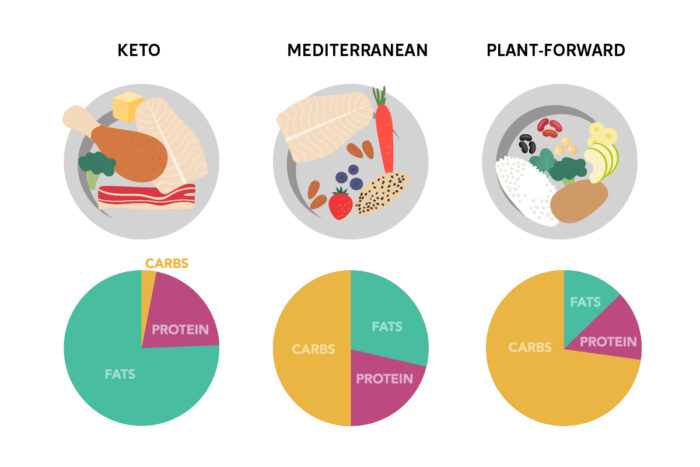
WashU Medicine researchers led a clinical trial testing three diets with different proportions of carbohydrates, fats and proteins and found all of them improved metabolic health, but a very low-carb ketogenic diet had additional benefits for liver health and blood sugar control. Credit: Katie Gertler/WashU Medicine
There is no shortage of popular diets to try, and they can generally produce weight loss if followed to the letter. But are all diet plans created equal in terms of reducing the cardiometabolic risks that come with obesity, such as Type 2 diabetes and liver disease?
A randomised clinical trial from Washington University School of Medicine in St. Louis suggests they aren’t, even when they lead to identical amounts of weight loss. Comparing three commonly recommended diet plans, the researchers found that losing weight on any of them improved overall metabolic health in adults with obesity who also had elevated blood sugar and excess fat in their liver – which are important risk factors for developing diabetes. But limiting carbohydrates through a ketogenic diet offered additional benefits for liver health and blood sugar control.
“For patients with obesity, prediabetes and fatty liver disease, weight loss induced by a very low-carbohydrate diet provides additional therapeutic effects on glucose and lipid metabolism that should further help prevent the progression to more severe metabolic diseases than weight loss alone,” said Samuel Klein, MD, the Danforth Professor of Medicine and Nutritional Science at WashU Medicine and the study’s senior author. “But all three diets – despite vastly different macronutrient makeups, from very low carbohydrates to very high carbohydrates – successfully improved metabolic health through weight loss alone.”
Which diet best improves metabolic and liver health?
Obesity affects roughly four in 10 Americans, most of whom also face metabolic health risks, including insulin resistance, which leads to prediabetes, and fat buildup in the liver. If left untreated, these problems can progress to Type 2 diabetes, chronic liver disease and cardiovascular events, among other irreversible conditions. While weight loss is the gold standard for reducing obesity-related health risks, it hasn’t been clear which type of diet, in terms of its protein, fat and carb content, works best to improve metabolic health.
To explore that question, the researchers, including first author Max C. Petersen, MD, PhD, an assistant professor of medicine in the John T. Milliken Department of Medicine at WashU Medicine, and Gordon I. Smith, PhD, an associate professor of medicine in the department, randomly assigned 55 adults with metabolically unhealthy obesity – meaning obesity with prediabetes and fatty liver – to follow one of three diets for around five months: a low-carbohydrate, high-fat ketogenic diet; a high-carbohydrate, low-fat, plant-forward diet; or a Mediterranean diet balanced between the two. Participants received 100% of their food throughout the study and attended weekly meetings with a study dietitian to support adherence to the assigned diet.
Across all three groups, participants lost an equal amount of weight, shedding about 10% of their total starting weight, and boosted insulin sensitivity in muscle cells by roughly 50% from baseline. The comparable restoration of insulin sensitivity across diet groups suggests that the weight loss itself was the important factor in combatting muscle insulin resistance – not the combination of fat and carbohydrates used to get there.
“Many metabolically unhealthy patients also are candidates for GLP-1 medicines, which have been very useful tools for helping people lose weight. But our results show that choice of diet remains important because it has an impact on specific health outcomes that go beyond weight loss alone.”
Max C. Petersen, MD, PhD, WashU Medicine
But this wasn’t the case for liver health. The researchers found that sensitivity to insulin in liver cells – which regulates how well the liver suppresses glucose production – improved two to three times more on the ketogenic diet compared with the other diets, though all three groups saw improvement. They also found that the ketogenic diet reduced fat inside the liver by 67% compared to 45% for the other two diets after five months.
“Fatty liver disease affects about 75% of adults with obesity worldwide and has become the fastest-growing cause of chronic liver disease and liver cirrhosis,” said Petersen. “Our study shows that for people with obesity and fatty liver disease, a low-carbohydrate ketogenic diet could help reduce that statistic.”
The ketogenic diet also provided greater improvements in blood sugar control than the other plans did, lowering 24-hour blood glucose measurements by 20% from baseline compared to 8% on the other diets. Insulin levels in the blood throughout the day also decreased by 74% on the low-carbohydrate diet compared to 44% and 27% on the Mediterranean and high-carbohydrate diets, respectively. This sharp decline in insulin reflects the decreased need for insulin to regulate blood glucose when consuming a very-low carbohydrate diet, so the pancreas doesn’t need to overproduce insulin to get a response.
Half of the participants on the low-carbohydrate diet reversed their prediabetes, compared to 29% of participants on the Mediterranean diet and 7% on the high-carbohydrate diet.
“Weight loss – even just a moderate amount – is universally beneficial in people who are metabolically unhealthy,” said Petersen. “Many metabolically unhealthy patients also are candidates for GLP-1 medicines, which have been very useful tools for helping people lose weight. But our results show that choice of diet remains important because it has an impact on specific health outcomes that go beyond weight loss alone.”
In future studies, the researchers are interested in understanding the fundamental mechanisms responsible for the metabolic benefits of weight loss, including the effects of GLP-1 medicines.
When Raghav Sehgal arrived at Yale as a graduate student several years ago, he wanted to explore the use of powerful computer science tools in cancer research. With an engineering background and a computational biology startup already under his belt, he was well prepared.
But as Sehgal began his Ph.D. studies, his thesis adviser at the Yale School of Medicine posed a larger question: If you want to solve cancer or any age-related disease, such as cardiovascular disease, why not solve aging itself?
“That put me on a different path,” said Sehgal, an associate research scientist in psychiatry with specialties in computational biology and bioinformatics. “As researchers, we have a long way to go in understanding the aging process and whether the steps we take to manage it really work.
What works and what doesn’t
Improved blood-based DNA tests indicate that these interventions seem to be the most effective at slowing the biological aging process:
Prescribed medications for metabolic control and weight management, including metformin and semaglutide.
Healthy diet and exercise combined. Researchers looked at popular diets including, the Mediterranean, low-fat, and low-carb plans.
Additional research is needed to further validate the findings.
Today, Raghav’s research focuses on the biological systems that drive human aging and how to best measure aging, as well as why aging gives rise to diseases like cancer, diabetes, and dementia. And while his research might not necessarily solve aging, he does explore whether the aging process can be reversed through interventions.
Sehgal is the first author of a new paper from the lab of Albert Higgins-Chen, assistant professor of psychiatry in the Yale School of Medicine. In the paper, Higgins-Chen’s research team took a significant step toward determining which existing anti-aging measures have quantifiable impacts.
Using a new class of DNA-based blood tests, they found that lifestyle interventions and certain drug treatments indeed appear to slow the aging process, while over-the-counter supplements don’t have much effect. All members of the Higgins-Chen lab collaborated in the work, including researchers Daniel Borrus, Jenel F. Armstrong, John Gonzalez, Jessica Kasamoto, and Yaroslav Markov. The paper appears in the journal Nature Medicine.
“For the first time we’ve shown that certain therapies have measurable impacts,” said Sehgal. “This wasn’t previously possible, because we didn’t have enough data to say these biomarkers are consistently responsive to these interventions.” Biomarkers are measurable indicators that reflect a person’s functional or biological age rather than just the number of years lived.
For their analysis, the researchers primarily used a type of blood-based biomarker known as epigenetic clocks, which estimate epigenetic or biological age by measuring the pattern of methyl groups (basic chemical structures that act like tags) attached to a person’s DNA. As people age, these chemical tags change, previous research has shown. Successful anti-aging interventions can reverse the tags. Computer algorithms are then able to use the changes observed in these tags to estimate a person’s epigenetic “age.”
In their work, the researchers combined data from 51 anti-aging intervention studies – which examined a range of strategies, from supplements to medical procedures – and measured more than 110 DNA methyl biomarkers (including 16 major epigenetic clocks). They then compared participants’ biological ages before and after various interventions.
“What we did was pretty unique,” Sehgal said. “We already know that certain things might prolong health span and lifespan. There is data from retrospective analysis as well as from animal models. We took all that knowledge along with the real-world clinical studies to identify which interventions in humans were slowing down aging across the board in these known biomarkers.”
The researchers tested four categories of intervention: pharmacological drugs, lifestyle-based changes, over-the-counter supplements, and medical procedures. They found that lifestyle interventions, such as a combination of a healthy diet (whether it’s Mediterranean, low-carb, or low-fat) and exercise, consistently decreased epigenetic age.
Pharmacologic interventions – including metformin and semaglutide, prescription medications used for metabolic control and weight management, and anti-TNF therapies, which use biologic medications to target an immune system protein that triggers harmful inflammation –decreased epigenetic age the most. (TNF, or tumour necrosis factor, is an immune-system protein that helps fight inflammation-related injury.)
On the other hand, over-the-counter supplements and certain medical procedures didn’t have an effect in decreasing epigenetic age, their analysis showed. Other key findings revealed that the newer biological age clocks outperformed older models, and that biomarkers changed more in people with diseases than in healthy volunteers.
Going forward, the next step would be expanded testing measuring interventions and impact in a widespread, diverse group of volunteers, Sehgal said.
“If these new biomarkers are eventually validated to predict long-term health, scientists will be able to evaluate anti-aging therapies much faster,” he added. “Instead of waiting decades for evidence from clinical trials, we’ll be able to see which interventions are effective and in which people in a few years or even months.”
Senior author Higgins-Chen warned that researchers need to be cautious in interpreting intervention studies.
“We have developed a rigorous, systematic approach to evaluating and comparing how biomarkers change across a wide variety of interventions, and that is a critical step in the right direction,” he said. “However, the true meaning of that change must be fully understood.”
Which biomarker changes are due to the intervention, and which result from hidden confounders? What is the time course of the change during an intervention – and after the intervention ends? What are the biological mechanisms underlying the change?
“And most importantly – what does the change mean for our long-term risk of age-related disease and functional decline?” Higgins-Chen said. The lab is continuing to investigate these questions in additional studies led by researchers Borrus, Armstrong and Grace Zou. Chen’s lab is also affiliated with the Department of Pathology, the Computational Biology and Bioinformatics Program, and the Y-Age Yale Center for Research on Aging.
A one-year follow-up analysis of a landmark clinical trial suggests that patients with severe strokes experienced better long-term outcomes after undergoing endovascular thrombectomy compared with medical management alone, according to findings published in JAMA.
The study evaluated ischemic stroke patients presenting with large-core infarcts, meaning a significant amount of brain tissue had suffered damage. These patients are historically considered less likely to benefit from mechanical clot removal because of the amount of brain damage that has already occurred by the time treatment begins, said Sameer A. Ansari, MD, PhD, professor and chief of Interventional Neuroradiology in the Department of Radiology, who was a co-author of the study.
While the original trial did not show meaningful benefit at 90 days, the newly reported one-year data show functional gains among patients who received thrombectomy. The results of the current study suggest longer-term follow-up was needed to fully understand the benefits of the procedure, Ansari said.
“At one year, it’s quite evident based on the statistical analysis that there’s significant benefit with thrombectomy,” said Ansari, also a professor in the Ken and Ruth Davee Department of Neurology and of Neurological Surgery.
In the study, investigators found that 23.6 percent of patients treated with endovascular thrombectomy achieved functional independence one year after their stroke, compared with 6.8 percent of patients who received medical management. Patients in the thrombectomy group were also significantly more likely to regain the ability to walk independently, with 35.4 percent achieving independent walking versus 18 percent in the medical-management group.
The multicentre trial enrolled patients at 47 US stroke centres who presented within 24 hours of symptom onset and had large strokes identified using noncontrast computed tomography (CT) imaging.
Patients who underwent thrombectomy also reported better quality of life one year after stroke, while one-year mortality rates were similar between the treatment groups.
The findings add to growing evidence from other large core interventional stroke trials that patients with extensive brain injury can still benefit from rapid thrombectomy to restore blood flow.
One possible explanation for the delayed benefit, Ansari said, is that recovery from severe stroke continues long after the standard 90-day assessment period used in most clinical trials.
“We know that people continue to improve after a stroke for the next one to two years,” Ansari said. “Three months has been an arbitrary standard used in prior stroke trials to assess benefit and functional outcomes after targeted interventions.”
Restoring blood flow may also support long-term neuroplasticity, the brain’s ability to reorganise and form new neural connections after injury, Ansari said. The study reported that patients who received thrombectomy continued to improve between 90 days and one year, while outcomes remained static or declined in the medical-management group.
While more research is needed to fully understand which large core stroke patients benefit most from thrombectomy, the results of the study may provide additional confidence that aggressive intervention can yield meaningful recovery for patients, even when improvement is not immediately apparent.
“What we’re seeing across multiple randomised controlled trials, endovascular thrombectomy remains a powerful intervention across a spectrum of stroke presentations,” Ansari said. “It gives clinicians more confidence to treat patients even with severe brain injury and to counsel their loved ones that the outcome benefit may require time to heal, hard work with physical therapy/rehabilitation, and family support.”
The study was supported by unrestricted grants from Medtronic, Cerenovus, Penumbra, Stryker and Genentech.