Tag: ketogenic diet

Too Many Saturated Fats may be More Harmful than Too Many Refined Carbohydrates

Mice who consumed high-fat diets, especially the ketogenic diet, experienced more weight gain, liver damage and other negative health effects than those who ate a high-carbohydrate diet

Photo by Mariana Kurnyk

In recent years, many media reports and social media influencers have emphasised the dangers of eating too many carbohydrates. Though a carbohydrate-heavy diet can be harmful, consuming too many fats may cause more health problems, according to a study in mice led by researchers in the Penn State Department of Nutritional Sciences.

In a study published in the February issue of Journal of Nutrition, the researchers analysed how diets containing different ratios of fats and carbohydrates affected metabolic health and liver function in mice over time. They found, overall, higher-fat diets were more harmful than high-carbohydrate diets, but that fibre supplementation might be able to reduce harm in specific conditions.

Mice consumed one of four diets: high carbohydrate, high fat, ketogenic or a standard chow that was rich in whole grains and served as the experiment’s control group. In mice of normal weight, the keto diet led to weight gain, impaired the use of glucose, disrupted the balance of lipids in the body and increased inflammation and fat deposits in the liver. The high-fat diet also led to weight gain and other health problems not seen in mice who consumed the high-carbohydrate diet. Overall, mice who consumed the standard chow displayed the best markers of health.

“Human beings and mice have very different metabolisms, but there are relevant lessons in this study for people,” said Vishal Singh, associate professor of nutritional sciences and senior author of the study. “Most people are aware that a balanced diet is important, but some people are attracted to diets with very high fat content – like the keto diet – for weight loss. This research points to very real harm to the liver that can occur when these diets are not used appropriately.”

Fats versus carbohydrates

In each experimental diet in the study, the protein level of the food was always 18% of the total calories, so only the fat-to-carbohydrate ratios differed. The high-fat diet contained 42% carbohydrates and 40% fats, the high-carbohydrate diet contained 70% carbohydrates and 11% fat and the ketogenic diet contained 1% carbohydrates and 81% fats.

The fats in these diets were largely saturated fats, which are a group of fats that are typically solid at room temperature. The American Heart Association recommends that saturated fats make up 6% or less of the total calories in a person’s diet.

The carbohydrates in these diets were largely refined, which are processed foods including white flour and added sugars. Scientific research has frequently connected refined carbohydrates to metabolic dysfunction and other harmful physical and mental health outcomes.

These diets were compared to a whole-grain rich chow that is a standard diet for laboratory mice. It contained 29% proteins, 57.5% carbohydrates and 13.5% fats.

The researchers measured blood sugar and a broad array of markers of liver function and health at regular intervals during the 16-week study. Other measurements were gathered after the experimental diets concluded.

“We wanted to understand how altering the balance of carbohydrates and fats would affect health when the diet was maintained for 16 weeks,” said Umesh Goand, postdoctoral researcher in the Penn State Department of Nutritional Sciences and first author of the study.

Keto and high-fat diets harmed liver and increased weight

In the ketogenic or ‘keto’ diet carbohydrate consumption is nearly eliminated. This induces a metabolic state called ketosis, where the body burns fat for fuel instead of glucose, the typical source of energy.

Results from the study demonstrated that the high-fat and keto diets promoted obesity, with the weight of mice on these diets doubling over the 16 weeks of the study. Mice on the control diet increased weight by around 10% – a normal rate for mice of that age – despite all mice in the study consuming roughly the same number of calories. In addition, the high-fat and keto diets impaired glucose tolerance and compromised liver function. Liver damage and elevated levels of blood sugar were observed after only two weeks of both diets.

Mice on the keto diet also developed elevated levels of triglycerides and showed increased levels of systemic inflammation. Additionally, they developed fat deposits in the liver and expressed genes associated with inflammation and liver scarring.

“The keto diet was very damaging to the livers and overall health of mice with regular weights,” Singh said, explaining that the body can utilise fat for energy, but there are metabolic consequences associated with the increase in fat processing. “People who hear about the keto diet’s reputation for weight reduction may be tempted to try it themselves. What this research says is – don’t! This diet should only be considered when properly supervised by a physician and/or dietician.”

Whole grains and carbohydrates

In comparison, mice on the high-carbohydrate diet did not continuously gain weight nor experience liver damage like those on the high-fat diets. Singh emphasized that a highly processed, carbohydrate-heavy diet is not inherently healthy, but it did less damage to the liver than the high-fat diets.

Mice on the whole-grain rich chow diet gained the least weight and demonstrated the best health indicators.

“A whole-grain-based diet is always a win – for mice or people,” Singh said.

The potential of fibre

In a separate experiment in the study involving mice with obesity, the high-fat and keto diets also led to further weight gain. However, when the keto diet was supplemented with fibre – a condition not tested in mice with normal weights – mice with obesity maintained more stable weight and better health indicators in several areas compared to mice on the high-fat diet or the keto diet without extra fibre.

The researchers also found that fibre supplementation did not hinder ketogenesis in mice who ate the keto diet. This is important, Singh said, because the keto diet is used for managing specific medical conditions, like epilepsy.

“Incorporating dietary fibres into the keto diet may reduce gastrointestinal complications associated with very high-fat diets while maintaining the therapeutic benefits of ketogenesis for patients,” Singh said.

Dietary choices are complex, but that does not make them equivalent

The important thing to remember, Singh said, is that diet is complex, and there is no one-size-fits-all solution.

“Over time, researchers have learned a lot about what is healthy or unhealthy based on an individual’s health status, but there is no single dietary magic bullet for weight loss or any other metabolic health concern,” Singh said. “Anyone who experiences health problems or is concerned about their diet should talk to their physician or a registered dietician to develop a plan, based on research, that fits their specific needs and life circumstances.”

Source: Penn State University

A Keto Diet Might Benefit Females More than Males

Photo by Ronit HaNegby

Could a keto diet affect males differently from females? A study from The University of Texas Health Science at San Antonio (UT Health San Antonio) suggests so, and oestrogen could promote different protections against adverse effects of the diet like the accumulation of cells expressing markers of age, or senescence.

The study, published Aug. 26 in the journal Cell Reports, found that male, but not female, mice on a ketogenic diet showed the accumulation of cells in organs expressing markers of cellular senescence. A keto diet is a popular low-carbohydrate, high-fat regimen that can help some Type 2 diabetes patients control blood sugar and those with epilepsy manage seizures. Cells expressing senescence markers can contribute to age-related declines in overall bodily function.

“These results suggest sex specificity alters the effects of a ketogenic diet, with important clinical implications,” said David Gius, MD, PhD, assistant dean of research and professor with the Department of Radiation Oncology at UT Health San Antonio, associate cancer director for translational research at the institution’s Mays Cancer Center and investigator for its Barshop Institute for Longevity and Aging Studies.

He is lead author of the study, titled, “Divergent sex-specific effects on a ketogenic diet: Male, but not female, mice exhibit oxidative stress and cellular senescence.”

Ketogenic diets induce ketogenesis, the generation of ketone bodies or water-soluble molecules from fat for use as fuel in place of glucose. They have shown benefits in controlling refractory epilepsy and are being investigated as potential therapies for other health conditions.

In the past decades, keto diets also have become popular in North America and Europe for weight loss.

While the diets can improve certain health parameters, evidence from mice and clinical studies suggest the effects may be dependent on multiple variables, including adherence, metabolism and, importantly, sex, suggesting that hormone status may impact response.

Gius says the role of gender in the response to keto diets has been understudied. One reason is that male mice have been used extensively for in vivo basic and translational research because it was assumed that females would give less consistent results due to variability from the oestrous cycle. Recent studies, however, suggest that largely is unfounded.

In the new study, Gius’ team observed a keto-diet-induced increase in cellular senescence only in male mice, except when they were given the female hormone oestrogen. Male mice on a keto diet also exhibited an increase in markers of oxidative stress, which is known to contribute to senescence in cells.

Notably, the researchers found, estrogen or estradiol treatment prevented increases in cell senescence and oxidated stress in male mice on a keto diet, as did several established antioxidants.

They also observed that when females were administered tamoxifen, a “selective oestrogen receptor inhibitor” that blocks the effects of oestrogen, they then exhibited an increase in oxidative stress and cells expressing senescence markers, the same as male mice. “These results strongly suggest that oestrogen is an important variable in the response to a ketogenic diet,” Gius said.

The researchers also found that a high-fat diet – comprising more carbohydrates than a keto diet – also induces cellular senescence in male, but not female, mice.

Source: University of Texas Health Science Center at San Antonio

Ketogenic Diet Reduces Friendly Gut Bacteria and Raises Cholesterol Levels

Photo by Jose Ignacio Pompe on Unsplash

A study from the University of Bath reveals that ketogenic low-carbohydrate diets can increase cholesterol levels and reduce beneficial gut bacteria, specifically Bifidobacterium.

Published in Cell Reports Medicine, the research from the Centre for Nutrition, Exercise, and Metabolism involved 53 healthy adults for up to 12 weeks. Participants followed either a moderate sugar diet (control), a low-sugar diet (less than 5% of calories from sugar), or a ketogenic (keto) low-carbohydrate diet (less than 8% of calories from carbohydrates).

Key findings include:

•Increased Cholesterol: The keto diet raised cholesterol levels, particularly in small and medium sized LDL particles. The diet increased apolipoprotein B (apoB), which causes plaque buildup in arteries. In contrast, the low-sugar diet significantly reduced cholesterol in LDL particles.

•Reduced Favourable Gut Bacteria: The keto diet altered gut microbiome composition, notably decreasing Bifidobacteria, beneficial bacteria often found in probiotics. This bacteria has wide ranging benefits: producing b vitamins, inhibiting pathogens and harmful bacteria and lowering cholesterol. Sugar restriction did not significantly impact the gut microbiome composition.

•Glucose Tolerance: The keto diet reduced glucose tolerance, meaning the adults’ bodies became less efficient at handling carbohydrates.

•Both Diets Resulted In Fat Loss: Keto Diet resulted in an average of 2.9kg fat mass loss per person, whilst the sugar restricted diet followed with an average 2.1kg fat mass loss per person at 12 weeks.

•Metabolism: Researchers also noticed that the keto diet caused significant changes in lipid metabolism and muscle energy use, shifting the body’s fuel preference from glucose to fats.

•Physical Activity Levels: Both sugar restriction and keto diets achieved fat loss without changing physical activity levels. Previous studies from the Centre for Nutrition, Exercise and Metabolism have shown that skipping breakfast or intermittent fasting cause reductions in physical activity.

Lead researcher Dr. Aaron Hengist highlighted the concerning cholesterol findings:

“Despite reducing fat mass, the ketogenic diet increased the levels of unfavourable fats in the blood of our participants, which, if sustained over years, could have long-term health implications such as increased risk of heart disease and stroke.”

Dr. Russell Davies, who led the microbiome research, explained the impact on gut health:

“Dietary fibre is essential for the survival of beneficial gut bacteria like Bifidobacteria. The ketogenic diet reduced fibre intake to around 15 grams per day, half the NHS recommended intake. This reduction in Bifidobacteria might contribute to significant long-term health consequences such as an increased risk of digestive disorders like irritable bowel disease, increased risk of intestinal infection and a weakened immune function.”

Professor Javier Gonzalez, who oversaw the research, commented on the glucose findings:

“The ketogenic diet reduced fasting glucose levels but also reduced the body’s ability to handle carbs from a meal. By measuring proteins in muscle samples taken from participants’ legs, we think this is probably an adaptive response to eating less carbohydrates day-to-day and reflects insulin resistance to storing carbs in muscle. This insulin resistance is not necessarily a bad thing if people are following a ketogenic diet, but if these changes persist when people switch back to a higher carbohydrate diet it could increase the risk of developing type 2 diabetes in the long-term”

In light of this new research, the academics conclude that if you’re considering a diet, a low sugar one will be better for most people. More work is needed to understand how individuals may benefit from each type of diet. The government recommends that free sugars (those added to food or drink or found naturally in honey, syrups, fruit juices and smoothies) should be restricted to less than 5% of total energy intake. Professor Dylan Thompson, who also oversaw the work, said:

“The ketogenic diet is effective for fat loss, but it comes with varied metabolic and microbiome effects that may not suit everyone. In contrast, sugar restriction supports government guidelines for reducing free sugar intake, promoting fat loss without apparent negative health impacts.”

Source: University of Bath

Can a Ketogenic Diet Treat Serious Mental Illnesses?

Photo by Inzmam Khan: https://www.pexels.com/photo/man-in-black-shirt-and-gray-denim-pants-sitting-on-gray-padded-bench-1134204/

Antipsychotic medications for serious mental illness like schizophrenia or bipolar disorder often causes metabolic side effects such as insulin resistance and obesity, leading some patients to discontinue the treatment.

Now, a pilot study led by Stanford Medicine researchers has found that a ketogenic diet not only restores metabolic health in these patients as they continue their medications, but it further improves their psychiatric conditions. The results, published in Psychiatry Research, suggest that a dietary intervention can be a powerful aid in treating mental illness.

“It’s very promising and very encouraging that you can take back control of your illness in some way, aside from the usual standard of care,” said Shebani Sethi, MD, associate professor of psychiatry and behavioral sciences and the first author of the new paper.

The senior author of the paper is Laura Saslow, PhD, associate professor of health behavior and biological sciences at the University of Michigan.

Making the connection

Sethi, who is board certified in obesity and psychiatry, remembers when she first noticed the connection. As a medical student working in an obesity clinic, she saw a patient with treatment-resistant schizophrenia whose auditory hallucinations quieted on a ketogenic diet.

That prompted her to dig into the medical literature. There were only a few, decades-old case reports on using the ketogenic diet to treat schizophrenia, but there was a long track record of success in using ketogenic diets to treat epileptic seizures.

“The ketogenic diet has been proven to be effective for treatment-resistant epileptic seizures by reducing the excitability of neurons in the brain,” Sethi said. “We thought it would be worth exploring this treatment in psychiatric conditions.”

A few years later, Sethi coined the term metabolic psychiatry, a new field that approaches mental health from an energy conversion perspective.

Meat and vegetables

In the four-month pilot trial, Sethi’s team followed 21 adult participants who were diagnosed with schizophrenia or bipolar disorder, taking antipsychotic medications, and had a metabolic abnormality – such as weight gain, insulin resistance, hypertriglyceridaemia, dyslipidaemia or impaired glucose tolerance. The participants were instructed to follow a ketogenic diet, with approximately 10% of the calories from carbohydrates, 30% from protein and 60% from fat. They were not told to count calories.

“The focus of eating is on whole non-processed foods including protein and non-starchy vegetables, and not restricting fats,” said Sethi, who shared keto-friendly meal ideas with the participants. They were also given keto cookbooks and access to a health coach.

The research team tracked how well the participants followed the diet through weekly measures of blood ketone levels, which are produced when the body breaks down fat instead of glucose for energy. By the end of the trial, 14 patients had been fully adherent, six were semi-adherent and only one was non-adherent.

Physical and mental improvement

The participants underwent a variety of psychiatric and metabolic assessments throughout the trial.

Before the trial, 29% of the participants met the criteria for metabolic syndrome, defined as having at least three of five conditions: abdominal obesity, elevated triglycerides, low HDL cholesterol, elevated blood pressure and elevated fasting glucose levels. After four months on a ketogenic diet, none of the participants had metabolic syndrome.

On average, the participants lost 10% of their body weight; reduced their waist circumference by 11% percent; and had lower blood pressure, body mass index, triglycerides, blood sugar levels and insulin resistance.

“We’re seeing huge changes,” Sethi said. “Even if you’re on antipsychotic drugs, we can still reverse the obesity, the metabolic syndrome, the insulin resistance. I think that’s very encouraging for patients.”

The psychiatric benefits were also striking. On average, the participants improved 31% on a psychiatrist rating of mental illness known as the clinical global impressions scale, with three-quarters of the group showing clinically meaningful improvement. Overall, the participants also reported better sleep and greater life satisfaction.

“The participants reported improvements in their energy, sleep, mood and quality of life,” Sethi said. “They feel healthier and more hopeful.”

The researchers were impressed that most of the participants stuck with the diet. “We saw more benefit with the adherent group compared with the semi-adherent group, indicating a potential dose-response relationship,” Sethi said.

Alternative fuel for the brain

There is increasing evidence that psychiatric diseases such as schizophrenia and bipolar disorder stem from metabolic deficits in the brain, which affect the excitability of neurons, Sethi said. The researchers hypothesise that just as a ketogenic diet improves the rest of the body’s metabolism, it also improves the brain’s metabolism.

“Anything that improves metabolic health in general is probably going to improve brain health anyway,” Sethi said. “But the ketogenic diet can provide ketones as an alternative fuel to glucose for a brain with energy dysfunction.”

Likely there are multiple mechanisms at work, she added, and the main purpose of the small pilot trial is to help researchers detect signals that will guide the design of larger, more robust studies.

As a physician, Sethi cares for many patients with both serious mental illness and obesity or metabolic syndrome, but few studies have focused on this undertreated population. She is founder and director of the metabolic psychiatry clinic at Stanford Medicine.

“Many of my patients suffer from both illnesses, so my desire was to see if metabolic interventions could help them,” she said. “They are seeking more help. They are looking to just feel better.”

Source: Stanford Medicine

Switching to Vegan or Keto Diets Impacts Immune System

Photo by Pixabay: https://www.pexels.com/photo/broccoli-161514/

Researchers at the National Institutes of Health observed rapid and distinct immune system changes in a small study of people who switched to a vegan or a ketogenic (“keto”) diet. They found that the vegan diet prompted responses linked to innate immunity while the keto diet prompted responses associated with adaptive immunity. Metabolic changes and shifts in the participants’ microbiomes were also observed. More research is needed to determine if these changes are beneficial or detrimental and what effect they could have on nutritional interventions for diseases such as cancer or inflammatory conditions.

Scientific understanding of how different diets impact the human immune system and microbiome is limited. Therapeutic nutritional interventions, which involve changing the diet to improve health, are not well understood, and few studies have directly compared the effects of more than one diet. The keto diet is a low-carbohydrate diet that is generally high in fat. The vegan diet eliminates animal products and tends to be high in fibre and low in fat.

The study was conducted by researchers from the NIH’s National Institute of Allergy and Infectious Diseases (NIAID) and National Institute of Diabetes and Digestive and Kidney Diseases (NIDDK) at the Metabolic Clinical Research Unit in the NIH Clinical Center.

The 20 participants were diverse with respect to ethnicity, race, gender, body mass index (BMI), and age. Participants sequentially ate vegan and keto diets for two weeks, in random order. Each person ate as much as desired of one diet (vegan or keto) for two weeks, followed by as much as desired of the other diet for two weeks. People on the vegan diet, which contained about 10% fat and 75% carbohydrates, chose to consume fewer calories than those on the keto diet, which contained about 76% fat and 10% carbohydrates. Throughout the study period, blood, urine, and stool were collected for analysis.

The effects of the diets were examined using a “multi-omics” approach that analysed multiple data sets to assess the body’s biochemical, cellular, metabolic, and immune responses, as well as changes to the microbiome.

Participants remained on site for the entire month-long study, allowing for careful control of the dietary interventions. Switching exclusively to the study diets caused notable changes in all participants.

The vegan diet significantly impacted pathways linked to the innate immune system, including antiviral responses. On the other hand, the keto diet led to significant increases in biochemical and cellular processes linked to adaptive immunity, such as pathways associated with T and B cells.

The keto diet affected levels of more proteins in the blood plasma than the vegan diet, as well as proteins from a wider range of tissues, such as the blood, brain and bone marrow. The vegan diet promoted more red blood cell-linked pathways, including those involved in heme metabolism, which could be due to the higher iron content of this diet.

Additionally, both diets produced changes in the microbiomes of the participants, causing shifts in the abundance of gut bacterial species that previously had been linked to the diets.

The keto diet was associated with changes in amino acid metabolism – an increase in human metabolic pathways for the production and degradation of amino acids and a reduction in microbial pathways for these processes – which might reflect the higher amounts of protein consumed by people on this diet.

The distinct metabolic and immune system changes caused by the two diets were observed despite the diversity of the participants, which shows that dietary changes consistently affect widespread and interconnected pathways in the body. More study is needed to examine how these nutritional interventions affect specific components of the immune system. According to the authors, the results of this study demonstrate that the immune system responds surprisingly rapidly to nutritional interventions. The authors suggest that it may be possible to tailor diets to prevent disease or complement disease treatments, such as by slowing processes associated with cancer or neurodegenerative disorders.

Source: NIH/National Institute of Allergy and Infectious Diseases

Keto Diet Eases Alcohol Withdrawal Symptoms, Study Finds

A team of researchers in the US and Denmark has found that if people suffering from alcohol withdrawal go on a ketogenic (keto) diet  the severity of their symptoms will be reduced.

Alcoholics who stop drinking experience withdrawal symptoms of varying severity.  Since the alcohol withdrawal symptoms are so unpleasant, many people seek assistance, such as checking into rehab. In this new effort, the researchers have found a new tool to help with withdrawal symptoms and which could possibly reduce the rate of recidivism.

The research was motivated by two observations. The first being that prior studies have shown that in long term alcohol dependency, people’s bodies begin to use alcohol-metabolised acetate for energy, and less glucose. The lack of acetate is associated with alcohol withdrawal symptoms. The second is that on a keto diet, the body has more ketone bodies to metabolise for use as an energy source. Taken together, it suggested that people on keto diets could substitute the acetate as an energy source and minimise withdrawal symptoms. 

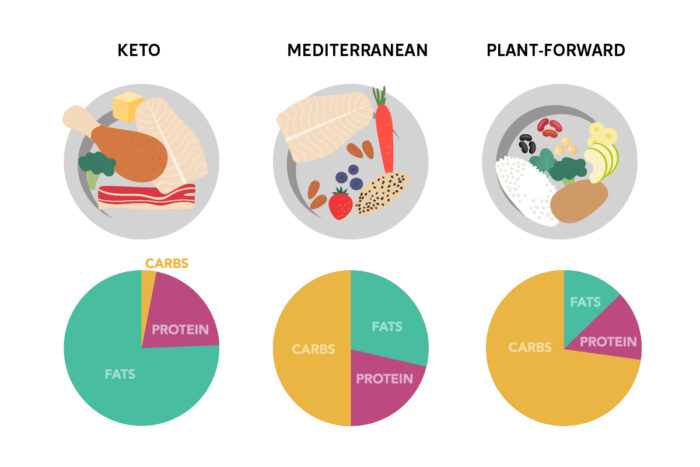
A ketogenic diet is high-fat, moderate-protein and very-low-carbohydrate. The ratio of these macronutrients are approximately 55% to 60% fat, 30% to 35% protein and 5% to 10% carbohydrates. In a 2000 kcal per day diet, carbohydrates amount up to 20 to 50 g per day.

To test the theory, the study recruited 46 participants newly hospitalised alcoholics, half went on the keto diet and the other half went in a control group. The researchers measured ketone and acetate levels in the volunteers once a week, and also looked for inflammation markers that are common in people in rehab and assessed the amount of medication the participants needed to ease their symptoms. 
Taken together, the data suggested that the keto diet reduced withdrawal symptoms in the volunteers. When the researchers conducted a similar experiment with test rats, they observed that the rats on the diet drank less alcohol than control rats. 

The researchers said that their results are encouraging, but note that additional research is necessary, particularly with outpatient volunteers.

Source: Medical Xpress

Journal information: Corinde E. Wiers et al. Ketogenic diet reduces alcohol withdrawal symptoms in humans and alcohol intake in rodents, Science Advances (2021). DOI: 10.1126/sciadv.abf6780