Following a Mediterranean diet is associated with a lower risk of all types of stroke among women, according to a study published on February 4, 2026, in Neurology® Open Access, an official journal of the American Academy of Neurology. The study does not prove that the Mediterranean diet is the cause of the lower risk of stroke; it only shows an association.
The diet was associated with a lower risk of stroke overall, as well as ischaemic stroke and haemorrhagic stroke. The Mediterranean diet includes a high intake of vegetables, legumes, fruits, fish and healthy fats such as olive oil, and a low intake of dairy products, meats and saturated fatty acids.
“Our findings support the mounting evidence that a healthy diet is critical to stroke prevention,” said study author Sophia S. Wang, PhD, of City of Hope Comprehensive Cancer Center in Duarte, California. “We were especially interested to see that this finding applies to haemorrhagic stroke, as few large studies have looked at this type of stroke.”
The study involved 105 614 women with an average age of 53 at the start of the study who had no history of stroke. The participants filled out a questionnaire at the start of the study about their diet. Participants were given a score of zero to nine based on how closely they followed the Mediterranean diet. People received one point if they consumed above the overall average in the population in these categories: whole grain cereals, fruits, vegetables, legumes, olive oil and fish, plus drinking a moderate amount of alcohol.
They also received one point if they consumed a below-average amount of red meat and dairy products. A total of 30% of participants had scores of six to nine – the highest group. And 13% had scores of zero to two, the lowest group.
The participants were followed for an average of 21 years. During that time, 4083 strokes occurred, with 3358 ischaemic strokes and 725 haemorrhagic strokes. For ischaemic strokes, there were 1058 among the 31 638 people in the highest group compared to 395 cases among the 13 204 people in the lowest group.
For haemorrhagic stroke, there were 211 strokes among those in the highest group, compared to 91 among the lowest group. When researchers adjusted for other factors that could affect stroke risk, such as smoking, physical activity and high blood pressure, they found that those in the highest group were 18% less likely to have a stroke than those in the lowest group. They were 16% less likely to have an ischaemic stroke and 25% less likely to have a haemorrhagic stroke.
“Stroke is a leading cause of death and disability, so it’s exciting to think that improving our diets could lessen our risk for this devastating disease,” said Wang. “Further studies are needed to confirm these findings and to help us understand the mechanisms behind them so we could identify new ways to prevent stroke.”
A limitation of the study is that people reported their own diet information, so they may not have remembered correctly.
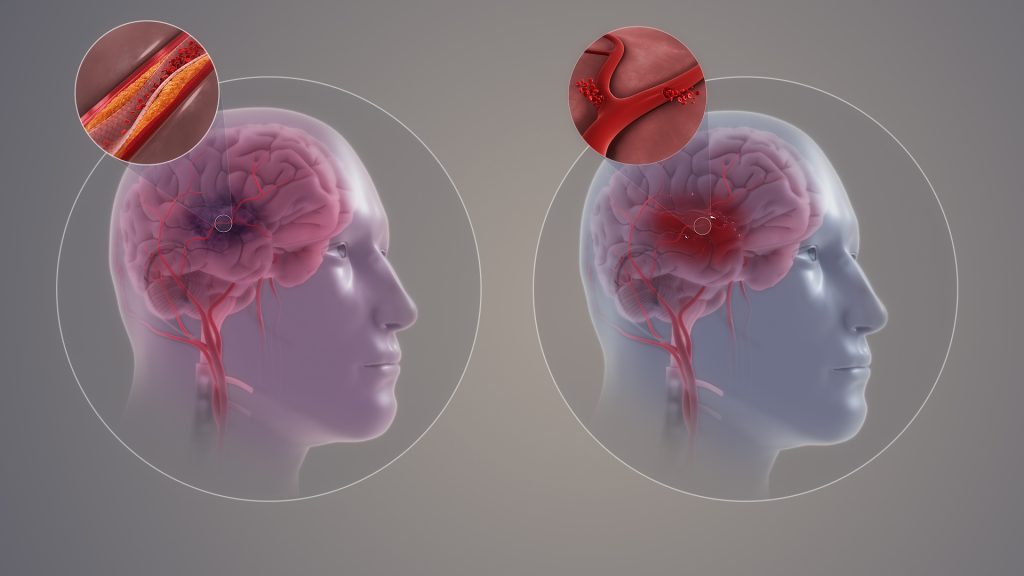
Ischaemic and haemorrhagic stroke. Credit: Scientific Animations CC4.0
When a person suffers a stroke, physicians must restore blood flow to the brain as quickly as possible to save their life. But, ironically, that life-saving rush of blood can also trigger a second wave of damage — killing brain cells, fuelling inflammation and increasing the odds of long-term disability.
Now, Northwestern University scientists have developed an injectable regenerative nanomaterial that helps protect the brain during this vulnerable window.
In a new preclinical study, the team delivered a single intravenous dose, immediately after restoring blood flow, in a mouse model of ischemic stroke, the most common type of stroke. The therapy successfully crossed the blood-brain barrier — a major challenge for most drugs — to reach and repair brain tissue. The material significantly reduced brain damage and showed no signs of side effects or organ toxicity.
Published in the journal Neurotherapeutics, the findings suggest the new therapy could eventually complement existing stroke treatments by limiting secondary brain injury and supporting recovery.
“Current clinical approaches are entirely focused on blood flow restoration,” said co-corresponding author Dr Ayush Batra, associate professor at Northwestern and a neurocritical care physician with Northwestern Medicine. “Any treatment that facilitates neuronal recovery and minimises injury would be very powerful, but that holy grail doesn’t yet exist. This study is promising because it’s leading us down a pathway to develop these technologies and therapeutics for this unmet need.”
The injectable therapy is based on supramolecular therapeutic peptides (STPs), a platform developed by Northwestern’s Samuel I. Stupp. A study published in 2021 in the journal Science demonstrated the use of an STP technology — nicknamed “dancing molecules” — because of the highly dynamic nature of its therapeutic agents that could reverse paralysis and repair tissue in mice after a single injection at the site of severe spinal cord injury. The new study found scientists can administer similar dynamic assemblies of molecules intravenously, without requiring surgery or an invasive injection directly into the brain.
“One of the most promising aspects of this study is that we were able to show this therapeutic technology, which has shown incredible promise in spinal cord injury, can now begin to be applied in a stroke model and that it can be delivered systemically,” said Stupp, co-corresponding author. “This systemic delivery mechanism and the ability to cross the blood-brain barrier is a significant advance that could also be useful in treating traumatic brain injuries and neurodegenerative diseases such as ALS.”
Study mimicked real-world stroke treatment
Acute ischaemic stroke is a devastating condition and is one of the leading causes of morbidity and mortality worldwide, Batra said, severely impacting a patient’s quality of life and engagement in society.
“It has not only a significant personal and emotional burden on patients, but also a financial burden on families and communities,” he said. “Reducing this level of disability with a therapy that could potentially help in restoring function and minimising injury would really have a powerful long-term impact.”
The findings are highly relevant for future clinical applications because the scientists tested the approach in a mouse model that closely mimics real-world ischemic stroke treatment, Batra said. They first blocked blood flow to simulate a major ischaemic stroke and then restored it (a process called reperfusion), just as whem doctors restore blood flow acutely for ischaemic stroke patients.
The scientists monitored the mice for seven days and didn’t observe any significant side effects or biocompatibility issues such as toxicity or immune system rejection. They used advanced imaging techniques, such as real-time intravital intracranial microscopy seen in this video, to confirm the therapy localised to the stroke injury site. Compared to untreated mice, those treated with the “dancing molecules” had significantly less brain tissue damage, reduced signs of inflammation and reduced signs of excessive, damaging immune response.
Stupp said the therapy has pro-regenerative and anti-inflammatory properties, both of which contributed to the positive results.
“You get an accumulation of harmful molecules once the blockage occurs and then suddenly you remove the clot and all those ‘bad actors’ get released into the bloodstream, where they cause additional damage,” Stupp said. “But the dancing molecules carry with them some anti-inflammatory activity to counteract these effects and at the same time help repair neural networks.”
Dynamic ‘dancing molecules’ can be dialed down in concentration
The secret behind Stupp’s “dancing molecules” breakthrough therapeutic is tuning the collective motion of molecules, so they can find and properly engage constantly moving cellular receptors. The treatment sends signals that encourage nerve cells to repair themselves. For example, it can help nerve fibres (called axons) grow again and reconnect with other nerve cells, restoring lost communication through neural plasticity.
In previous studies, scientists injected the dancing molecules as a liquid, and when used to treat spinal cord injury, the therapy immediately gels into a complex network of nanofibres that mimic the dense, extracellular matrix of the spinal cord. By matching the matrix’s structure, mimicking the motion of biological molecules and incorporating signals for receptors, the synthetic materials are able to communicate with cells.
In the new study, the scientists dialled down the concentration of supramolecular peptide assemblies to prevent possible clotting as the therapy enters the bloodstream. Smaller aggregates of peptides easily crossed the blood-brain barrier. Once enough molecules cross, larger nanofibre assemblies can form in brain tissue to produce a more potent therapeutic effect, Stupp said.
“We chose for this stroke study one of the most dynamic therapies we had in terms of its molecular structure so that supramolecular assemblies would have a better probability of crossing the blood-brain barrier,” Stupp said.
Optimiaing therapeutic targeting
The fact that seemingly effective therapies cannot cross the blood-brain barrier has plagued the neuroscience field for decades, Batra said. This new therapy could change that.
When a physician acutely restores blood flow to a region of the brain in a stroke patient, the blood-brain barrier permeability is locally increased, naturally creating a transient opening and opportunity for therapeutic intervention, Batra said.
“Add to that a dynamic peptide that is able to cross more readily, and you’re really optimising the chances that your therapy is going where you want it to go,” Batra said.
Next steps
Further studies will need to assess whether this treatment can support longer-term, functional recovery, Batra said. For instance, many stroke patients suffer from significant cognitive decline throughout the subsequent year after a stroke. The new therapy is primed to address that secondary injury, Batra said, but the studies will require a longer follow-up period and more sophisticated behavioral testing.
In addition, the team is interested in testing whether additional regenerative signals could be incorporated into the therapeutic peptides to produce even better results.
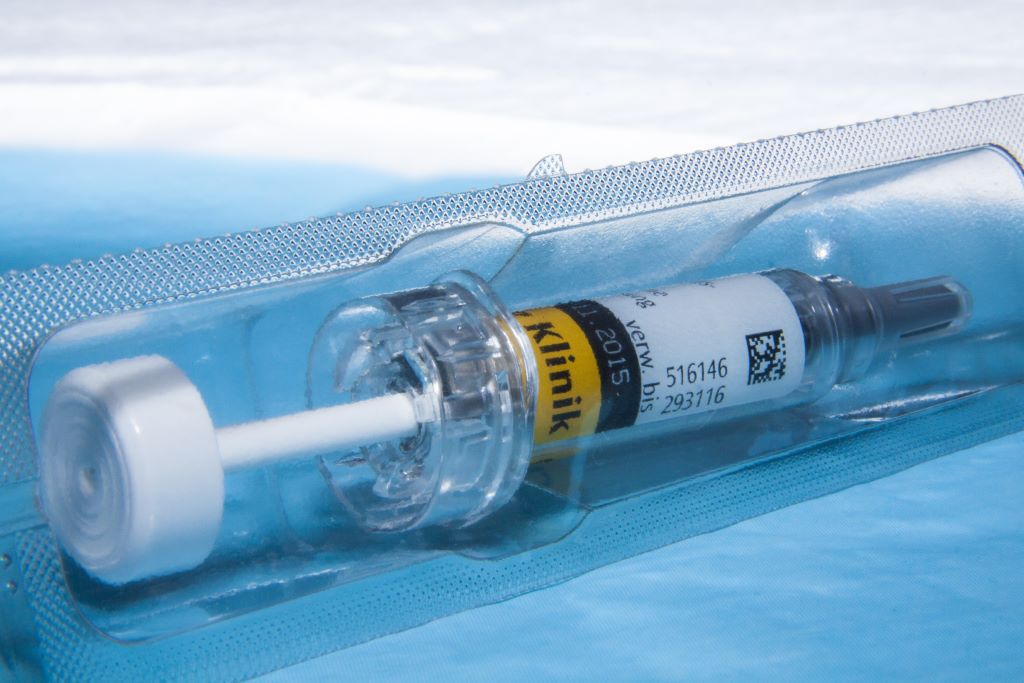
Disposable syringe of Clexane (enoxaparin), a low molecular weight heparin (LMWH). CC0
Researchers at McMaster University have discovered that a rare but dangerous reaction to heparin is caused by a single antibody – overturning decades of medical misunderstanding and opening the door to more precise ways of diagnosing and treating this medical complication.
The study, published in the New England Journal of Medicine, focused on heparin-induced thrombocytopenia (HIT), a serious immune complication that affects approximately one per cent of hospitalised patients treated with the blood thinner heparin. Nearly half of those who develop HIT experience life-threatening blood clots, which can lead to strokes, heart attacks, amputations, and even death, making early detection and treatment critically important.
Until now, scientists believed that the immune response causing HIT involved many different types of antibodies working together. But this research has revealed something surprising: in every patient studied, only one antibody was causing the disease, while the rest created what the researchers describe as a kind of “smokescreen,” making it harder to identify the true culprit. This discovery helps pinpoint the exact source of the problem, opening the door to more accurate diagnosis and better-targeted treatments.
“This study not only challenges our existing understanding of HIT but also revolutionises how we think about the immune response overall,” said Ishac Nazy, senior author of the study and scientific director of the McMaster Platelet Immunology Laboratory and co-director of the Michael G. DeGroote Center for Transfusion Research (MCTR).
“This work corrects decades of misunderstanding in HIT. This status quo was a key reason behind the high rate of false-positive test results and frequent misdiagnoses in HIT, which can lead to severe consequences for patients, including unnecessary treatment or avoidable complications. Our findings lay the groundwork for more accurate diagnostics and targeted treatments,” said Nazy, a professor in the Department of Medicine and the Department of Biochemistry and Biomedical Sciences at McMaster.
The research team was comprised of scientists from the McMaster Platelet Immunology Laboratory (MPIL) within MCTR as well as collaborators from the University of Massachusetts Amherst.
They analysed blood samples from nine patients diagnosed with HIT. In each case, they found that the antibodies targeting platelet factor 4 (PF4) – a protein involved in blood clotting – were monoclonal. This suggests that HIT may be driven by a highly specific immune reaction, rather than a generalised one.
“This discovery could reshape how we diagnose HIT and eventually how we treat it,” said Jared Treverton, first author of the study and a PhD candidate at McMaster. “Knowing that HIT is caused by a monoclonal antibody will allow us to develop improved tests specific to patients with this disorder and design better targeted therapies. This is a major step towards making diagnostics more accurate and treatments much safer.”
The findings are expected to have immediate relevance for haematologists, laboratory specialists, and researchers in immunology, as well as for patients receiving heparin in hospitals across Canada and around the world.
New University of Colorado Boulder research shows the popular sugar substitute erythritol comes with serious downsides, impacting brain cells in numerous ways that can boost the risk of stroke. The study was published in the Journal of Applied Physiology.
“Our study adds to the evidence suggesting that non-nutritive sweeteners that have generally been purported to be safe, may not come without negative health consequences,” said senior author Christopher DeSouza, professor of integrative physiology and director of the Integrative Vascular Biology Lab.
First approved by the Food and Drug Administration in 2001, erythritol is a sugar alcohol, often produced by fermenting corn, and found in hundreds of products made by various brands. It has almost no calories, is about 80% as sweet as table sugar, and has a negligible impact on insulin levels, making it a favourite for people trying to lose weight, keep their blood sugar in check or avoid carbohydrates.
But recent research has begun to shed light on its risks.
One recent Cleveland Clinic study involving 4000 people in the US and Europe found that men and women with higher circulating levels of erythritol were significantly more likely to have a heart attack or stroke within the next three years.
DeSouza and first author Auburn Berry, a graduate student in his lab, set out to understand what might be driving that increased risk.
To test impacts of erythritol on cells, researchers in the lab treated human cerebral microvascular endothelial cells (hCMECs) for three hours with about the same amount of erythritol contained in a typical sugar-free beverage.
They observed that the treated cCMEVs were altered in numerous ways:
They expressed significantly less nitric oxide, a molecule that relaxes and widens blood vessels, and more endothelin-1, a protein that constricts blood vessels. Meanwhile, when challenged with thrombin, cellular production of the natural clot-busting compound t-PA was “markedly blunted.” The erythritol-treated cells also produced more reactive oxygen species (ROS), aka “free radicals,” metabolic byproducts which can age and damage cells and inflame tissue.
Previous research has shown that as little as 30g of erythritol (about as much as you’d find in 600mL of sugar-free ice cream) can also cause platelets to clump together, potentially forming clots.
“Big picture, if your vessels are more constricted and your ability to break down blood clots is lowered, your risk of stroke goes up,” said Berry. “Our research demonstrates not only that, but how erythritol has the potential to increase stroke risk.”
DeSouza notes that their study used only a serving-size worth of the sugar substitute. For those who consume multiple servings per day, the impact, presumably, could be worse.
The authors caution that their study was a laboratory study, conducted on cells, and larger studies in people are now needed.
That said, De Souza encourages consumers to read labels, looking for erythritol or “sugar alcohol” on the label.
“Given the epidemiological study that inspired our work, and now our cellular findings, we believe it would be prudent for people to monitor their consumption of non-nutrient-sweeteners such as this one,” he said.
Ischaemic and haemorrhagic stroke. Credit: Scientific Animations CC4.0
Cervical artery dissection is a tear in an artery in the carotid or vertebral artery, and can result in blood clots that cause stroke. A new study has found almost a five-fold increase in the number of U.S. hospitalisations for cervical artery dissection over a 15-year period. The study is published on April 2, 2025, online in Neurology®, the medical journal of the American Academy of Neurology (AAN).
A dissection in the artery wall is most often caused by trauma due to motor vehicle accidents but can also occur with smaller injuries. Heavy lifting has also been shown to cause dissection in some people.
“Cervical artery dissection is an important cause of stroke, especially in people under 50, so it is crucial to detect it right away,” said Shadi Yaghi, MD, of Brown University in Providence, Rhode Island. “Strokes that are not fatal can lead to long-term disability, poor mental health and reduced quality of life. Our research found a dramatic increase in the number of hospitalisations for cervical artery dissection with rates rising steadily year over year.”
For the study, researchers reviewed 15 years of U.S. health data to identify 125 102 people hospitalised for cervical artery dissection. Participants had an average age of 51, and just over half had a stroke at the same time as dissection. Of all participants, 65% were white, 10% were Black, 8% were Hispanic, 3% were Asian or Pacific Islander, and 14% were of other racial groups. Researchers compared the number of hospitalisations to U.S. Census data to determine the annual rate of cervical artery dissections. They then calculated the average annual percentage change in those rates.
Researchers found the number of dissections increased from 11 cases per one million people in 2005 to 46 cases per one million people in 2019, with an average annual increase of 10%. Results were similar for both female and male participants. The average annual increase for Hispanic participants was 16%; for Black participants it was 13%, Asian participants, 12% and white participants, 8%.
Researchers also found a greater average annual increase among people 65 and older at 12% compared to 8% for people under 65.
“Possible reasons for this nearly five-fold increase over 15 years include greater awareness of cervical artery dissection by health care professionals, better access to imaging to help identify it and an overall increase in this condition for which a cause has yet to be determined,” said Yaghi. “Given the rising incidence of cervical artery dissection, our study underscores the importance of finding prevention strategies as well as new treatments to reduce the risk of stroke.” A limitation of the study was that the hospital admission data does not include undiagnosed or untreated cases, so the number of cases may be even higher.
Some people living with chronic stress have a higher risk of stroke, according to a study published on online in Neurology®, the medical journal of the American Academy of Neurology. The study looked at younger adults and found a correlation between stress and stroke, with no known cause, in female participants, but not male participants.
“Younger people often experience stress due to the demands and pressures associated with work, including long hours and job insecurity, as well as financial burdens,” said Nicolas Martinez-Majander, MD, PhD, of the Helsinki University Hospital in Finland.
“Previous research has shown that chronic stress can negatively affect physical and mental health. Our study found it may increase the risk of stroke in younger women.”
For the study, researchers looked at 426 people aged 18 to 49 who had an ischaemic stroke with no known cause. They were matched for age and sex with 426 people who did not have stroke. Participants completed a questionnaire about stress levels over a one-month period. Those with stroke were asked after their stroke to record stress levels in the month prior to their stroke.
Participants were asked 10 questions, such as “In the last month, how often have you felt that you were unable to control the important things in your life?” Scores for each question ranged from zero to four, with four meaning “very often.” A total score of 0 to 13 represented low stress; 14 to 26, moderate stress; and 27 to 40, high stress.
Those with stroke had an average score of 13 compared to those without stroke who had an average score of 10. People with stroke were more likely to have at least moderate stress levels. Of those with stroke, 46% had moderate or high stress levels compared to 33% of those who did not have stroke. After adjusting for factors that could affect risk of stroke such as education level, alcohol use and blood pressure, researchers found for female participants, moderate stress was associated with a 78% increased risk of stroke and high stress was associated with a 6% increased risk.
Researchers did not find a link between stress and stroke in male participants. “More research is needed to understand why women who feel stressed, but not men, may have a higher risk of stroke,” said Martinez-Majander.
“In addition, we need to further explore why the risk of stroke in women was higher for moderate stress than high stress. Knowing more about how stress plays a role could help us to create better ways to prevent these strokes.”
A limitation of the study was that people experiencing higher levels of stress may have been less likely to enrol in the study, which could have affected the results.
These results give hope to stroke patients worldwide who may not be able to access thrombolytic medications within the approved time window, which in China is within 4.5 hours, said the trial’s principal investigator Min Lou, MD, PhD, a professor at the Second Affiliated Hospital of Zhejiang University’s School of Medicine in China.
In the US, alteplase is approved to treat stroke within three hours of symptom onset and is recommended for use up to 4.5 hours for select patients. Other research has indicated it may also work well in some patients 4.5 to 9 hours after stroke onset.
Researchers enrolled 372 stroke patients whose symptoms began 4.5 hours to 24 hours earlier. They used widely available CT perfusion imaging (advanced brain scanning) to confirm that these patients still had brain tissue that could recover with treatment. Participants were randomised to receive alteplase, while the other received standard stroke care of antiplatelet therapy at the discretion of the investigator, based on the Chinese Guidelines for Diagnosis and Treatment of Acute Ischemic Stroke 2018. Functional recovery was assessed at 90 days.
“We believe these findings mean more people may return to normal or near-normal lives after a stroke, even if they receive treatment later than originally thought beneficial,” Lou said. “This method of treatment could become the new standard, especially in hospitals that use CT perfusion imaging. This technology helps health care professionals see how blood flows in different parts of the brain after an ischemic stroke. This could extend treatment eligibility to millions more patients across the globe.”
The study found:
40% of participants treated with alteplase had little to no disability after 90 days, compared to 26% of those who received standard care – a 54% higher chance of functional recovery.
Less than 3% of participants in either group received rescue mechanical clot removal as an additional treatment.
Rates of death were the same (10.8%) for both groups.
The risk of brain bleeding was higher among those who received alteplase than among participants who did not (3.8% vs. 0.5%), but researchers believe this is a manageable risk.
“We also need to look more closely at how safe and effective other clot-dissolving medications, like tenecteplase, are when given after a stroke, especially beyond the usual time frames. It’s also important to learn if our findings apply to other groups of people, especially in areas with different stroke risks and health care resources,” Lou explained.
Study limitations include the that both participants and researcher knew which treatment was being given, which could have introduced bias, and results may not be generalizable to patients outside of China.
Study design, background and details:
The study enrolled 372 stroke patients in a multicenter, prospective, randomized trial at 26 stroke centers in China.
The patient’s average age was 72 years, and 43% were women.
The trial used widely available CT perfusion imaging software to gauge salvageable brain tissue, making the findings more applicable to real-world clinical settings.
Enrolled patients were assigned to the alteplase group or a standard medical treatment group.
The primary outcome was a score of 0 or 1 on the modified Rankin scale, which scores disability from 0 (no symptoms) to 6 (death) at 90 days.
Study co-authors, funding and disclosures are available in the abstract.
Propranolol, a drug often used to treat hypertension and prevent migraines was associated with a reduction in ischaemic stroke risk among women – but not men – using the drug for migraine prevention, according to a preliminary study to be presented at the American Stroke Association’s International Stroke Conference 2025. The meeting is in Los Angeles, Feb. 5-7, 2025, and is a world premier meeting for researchers and clinicians dedicated to the science of stroke and brain health.
The beta blocker propranolol had a stronger protective effect for ischaemic stroke risk in women with migraine, particularly those without aura. The medication did not have the same protective effect on men.
Migraine headaches are common in the general population, but they occur three times more often in women than in men. This debilitating condition is associated with an increased risk of stroke. While the beta blocker propranolol can be used to prevent migraines, its effectiveness in reducing overall stroke risk is still uncertain.
“Migraine is an often-ignored risk factor for cardiovascular issues. Until recently, preventive treatments for people who have migraines were not available,” said lead study author Mulubrhan Mogos, PhD, MSc, FAHA, an assistant professor at Vanderbilt University School of Nursing. “Many women suffer from migraines, and it’s important to note that propranolol may be beneficial for these women, particularly those who experience migraine without aura. This is an important discovery for those dealing with migraines.”
Mogos also noted that migraine disproportionately affects women from historically under-resourced communities, and this disparity may impact the ability to achieve education goals or maintain stable employment, creating a vicious cycle. While new treatments have proven effective, they may not be accessible to women in these groups due to high costs.
For the study, researchers reviewed more than 3 million electronic health records from two large databases. In separate analyses, researchers identified people with migraine who developed stroke and a control group of those with migraine who did not develop stroke. They then assessed whether the individuals were treated with propranolol for migraine and whether that treatment had impacted stroke risk.
“We initially looked at overall stroke and then ischemic stroke specifically. We refined our analysis further by controlling for possible confounders and found the association is significant and stronger for ischaemic stroke,” Mogos said.
After adjusting for potential variables, such as demographics (age, sex, race), other conditions (high blood pressure, diabetes, etc) and hormonal factors (use of birth control, pregnancy – considered separately for each woman) that might affect results the analysis found:
Propranolol was significantly associated with a reduced risk of ischaemic stroke in women with migraine, particularly in those without aura. The risk of developing a stroke was 52% lower for women taking the medication in one database analysis and 39% lower in the other. No stroke risk reduction was seen in men in either analysis group.
The protective effect of propranolol was stronger for ischaemic stroke and in women with migraine without aura. Migraine aura can include disturbances, such as flashing lights, blind spots, zigzag patterns or seeing coloured spots. Other symptoms include tingling or numbness in the face or hands, difficulty speaking, dizziness or confusion.
Secondary analyses showed lower overall stroke rates in women taking propranolol at multiple time points in both databases.
“Our findings indicate that women and health care professionals should discuss the advantages of preventive migraine interventions. For under-resourced individuals who bear a greater burden from this condition and may lack access to new treatments, we must ensure these treatments are available to them. This approach can help reduce health disparities,” Mogos said.
The main limitation is that this was a review of past data using electronic health records, which may introduce biases, such as misclassification errors from reliance on ICD codes (codes used to classify and report health conditions and diseases). These findings highlight the need for studies that look forward in time to confirm these results.
Ischaemic and haemorrhagic stroke. Credit: Scientific Animations CC4.0
Endovascular therapy (EVT), a minimally invasive surgery performed inside the blood vessels, is 2 ½ times more likely than standard medical management to achieve a positive outcome after vertebrobasilar stroke that affects the back of the brain, including the brain stem. A meta-analysis of four randomised clinical trials, published in The Lancet, was led by UPMC Stroke Institute director Raul Nogueira, MD.
Investigators from the US, Netherlands and China formed a multi-centre collaboration of all four randomised trials of EVT in vertebrobasilar occlusion with data that provides the strongest evidence to date of the benefits of EVT over alternative approaches for complicated vessel obstructions in life-sustaining areas of the brain.
Although vertebrobasilar artery occlusions interrupting blood flow in the back of the brain account for only a small fraction of all ischaemic strokes, they are especially deadly. Without an appropriate intervention, vertebrobasilar strokes lead to high rates of severe disability and mortality that may exceed 70%.
“While the overwhelming benefit of EVT for acute ischaemic strokes due to occlusions of large vessels that supply the anterior brain has been well established, the benefit of this therapy for vertebrobasilar artery occlusion, one of the most devastating forms of stroke, has been more controversial,” said Nogueira, endowed professor of neurology and neurosurgery at the University of Pittsburgh.
To address this uncertainty, the consortium of investigators, called VERITAS, focused on providing more precise, comprehensive and statistically powered estimates of the benefits of EVT with a particular focus on specific patient subgroups of clinical interest.
As the primary coordinating centre for the study, the Pitt team established common variables, definitions and trial specifications that laid the groundwork for a core pooled dataset from the four randomised controlled clinical trials ATTENTION, BAOCHE, BASICS and BEST of EVT for stroke due to vertebrobasilar artery occlusion.
Meta-analysis showed that at three months after the surgery, despite higher rates of brain bleeds with the procedure, EVT significantly reduced patient mortality and overall post-stroke disability, increasing patients’ functional independence. Notably, patients who underwent EVT were nearly 2 ½ times more likely to regain their ability to walk independently compared to patients who received the current medical standard of care, including intravenous thrombolytics.
“The results of the VERITAS collaboration are expected to influence treatment guidelines and impact stroke care globally,” Nogueira said. “We hope that this analysis sets the foundation for improved recovery after vertebrobasilar strokes and helps more people regain their independence after this catastrophic medical event.”
Ischaemic and haemorrhagic stroke. Credit: Scientific Animations CC4.0
A new study led by investigators from Brigham and Women’s Hospital has developed a new test by combining blood-based biomarkers with a clinical score to identify patients experiencing large vessel occlusion (LVO) stroke with high accuracy. Their results are published in the journal Stroke: Vascular and Interventional Neurology.
“We have developed a game-changing, accessible tool that could help ensure that more people suffering from stroke are in the right place at the right time to receive critical, life-restoring care,” said senior author Joshua Bernstock, MD, PhD, MPH, a clinical fellow in the Department of Neurosurgery at Brigham and Women’s Hospital.
Most strokes are ischaemic, in which blood flow to the brain is obstructed. LVO strokes are an aggressive type of ischaemic stroke that occurs when an obstruction occurs in a major artery in the brain, causing brain cells to rapidly die off from lack of oxygen. Major medical emergencies, LVO strokes require the swift treatment with mechanical thrombectomy, a surgical procedure that retrieves the blockage.
“Mechanical thrombectomy has allowed people that otherwise would have died or become significantly disabled be completely restored, as if their stroke never happened,” said Bernstock. “The earlier this intervention is enacted, the better the patient’s outcome is going to be. This exciting new technology has the potential to allow more people globally to get this treatment faster.”
The research team previously targeted two specific proteins found in capillary blood, one called glial fibrillary acidic protein (GFAP), which is also associated with brain bleeds and traumatic brain injury, and one called D-dimer. In this study, they demonstrated that the levels of these blood-based biomarkers combined with field assessment stroke triage for emergency destination (FAST-ED) scores could identify LVO ischaemic strokes while ruling out other conditions such as bleeding in the brain. Brain bleeds cause similar symptoms to LVO stroke, making them hard to distinguish from one another in the field, yet treatment for each is vastly different.
In this prospective, observational diagnostic accuracy study, the researchers looked at data from a cohort of 323 patients coded for stroke in Florida between May 2021 and August 2022. They found that combining the levels of the biomarkers GFAP and D-dimer with FAST-ED data less than six hours from the onset of symptoms allowed the test to detect LVO strokes with 93% specificity and 81% sensitivity. Other findings included that the test ruled out all patients with brain bleeds, suggesting that it may also eventually be used to detect intracerebral haemorrhage in the field.
Bernstock’s team also sees promising potential future use of this accessible diagnostic tool in low- and middle-income countries, where advanced imaging is not always available. It might also be useful in assessing patients with traumatic brain injuries. Next, they are carrying out another prospective trial to measure the test’s performance when used in an ambulance. They have also designed an interventional trial that leverages the technology to expedite the triage of stroke patients by having them bypass standard imaging and move directly to intervention.
“In stroke care, time is brain,” Bernstock said. “The sooner a patient is put on the right care pathway, the better they are going to do. Whether that means ruling out bleeds or ruling in something that needs an intervention, being able to do this in a prehospital setting with the technology that we built is going to be truly transformative.