Category: Vaccines

Did a Flu Vaccine Reduce Severe COVID Risk by 89%?

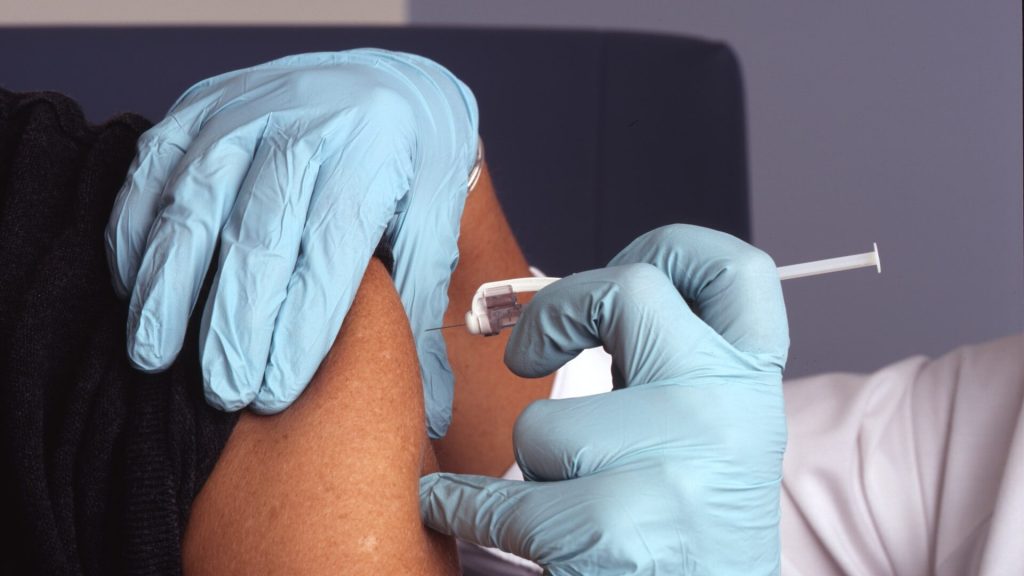
Vaccine injection
Image source: NCI on Unsplash

In a study of more than 30 000 health-care workers in Qatar, those who got a flu jab were 89% less likely to develop severe COVID over the next few months.

The study, which is published in Nature, was conducted in late 2020, before COVID vaccines were rolled out. Its findings align with previous work suggesting that ramping up the immune system using influenza vaccines and other jabs could help the body to fend off the coronavirus SARS-CoV-2.

In the early months of the pandemic, there was great interest as to whether existing vaccines could confer some protection against SARS-CoV-2. But collecting strong evidence for such an effect is difficult, because people who sought out vaccination for other diseases could also make lifestyle choices that reduce the odds of catching COVID.

To reduce this ‘healthy-user effect’, a team led by Laith Jamal Abu-Raddad, an infectious-disease epidemiologist at Weill Cornell Medicine–Qatar in Doha, analysed the health records of 30 774 medical workers in the country. There is probably less variation in health-related behaviour among such workers than in the general population, reducing (but not eliminating) bias, Abu-Raddad said.

The researchers tracked 518 workers who tested positive for SARS-CoV-2 and matched them to more than 2000 study participants who had tested negative for the virus. Those who had received an influenza vaccine that season were 30% less likely to test positive for SARS-CoV-2, and 89% less likely to develop severe COVID, compared with workers who had not (although the number of severe cases was small in both groups). The study was posted on the medRxiv preprint server on 10 May.

Günther Fink, an epidemiologist at the University of Basel in Switzerland, said that the Qatar analysis makes it less likely that other studies reporting the same link were a fluke. His team reported that flu vaccines were associated with lower mortality in hospitalised COVID patients in Brazil.

“This is an important piece of evidence,” says Mihai Netea, an infectious-disease specialist at Radboud University Medical Center in Nijmegen, the Netherlands. The observation that influenza vaccines are linked to a reduction in not just SARS-CoV-2 infections, but also disease severity, strongly suggests that the protection is genuine, he adds.

How long this protection lasts is unclear. Among those in the Qatar study who had the flu jab and later contracted COVID, Abu-Raddad’s team recorded SARS-CoV-2 infections occurring, on average, about six weeks after vaccination. “I don’t expect to see this effect lasting long at all,” he says. Netea guesses that the benefits last for between six months and two years.

Exactly why flu vaccines, which are inactivated viruses, would also protect against COVID is unclear. Vaccines teach the immune system about specific pathogens, but they also stimulate broad-acting antiviral defences, said Netea, who has found signs of such responses in flu-vaccine recipients.

Netea’s team is also working to better quantify the benefits of vaccines targeting influenza and other diseases against COVID. His team has launched a randomised, placebo-controlled trial in Brazil that will test whether influenza and measles–mumps–rubella vaccines can protect against COVID, fully excluding the healthy-user effect.

Knowing that vaccines for flu and other diseases can offer protection against COVID, even if only partial and for a limited period, could limit the damage caused by a future pandemic before a vaccine for that disease is developed, Netea argues. “If you have something in the beginning, you could save millions of lives.”

Source: Nature

Rollout of World’s First Malaria Vaccine in Sub-Saharan Africa

Mosquito, a malaria parasite vector
Photo by Егор Камелев on Unsplash

The world’s first malaria vaccine will soon be available across sub-Saharan Africa, according to PATH, partners of the vaccine developers, as positive results from the pioneering jab pile up.

The vaccine, known as RTS,S/AS01E and commercialised under the brand name Mosquirix, targets children as over three quarters of malaria deaths occur in under-five-year olds, according to the latest report from the WHO.

Findings from a WHO pilot held in Ghana, Kenya and Malawi, showed that the pioneering vaccine caused a significant reduction in severe malaria and hospitalisation among vaccinated children.

It means more countries in sub-Saharan Africa will soon receive the vaccine, says John Bawa, Africa lead for vaccine implementation at Program for Appropriate Technology in Health (PATH).

These findings pave the way for an expanded distribution scheme that will see countries like Mozambique, Nigeria and Zambia receive the vaccines, said Bawa during a webinar held in commemoration of World Malaria Day.

“The next is to deploy the vaccine to other endemic countries. Countries that are interested in the vaccine are expected to apply to GAVI from June to September,” he said at the webinar organised by the African Media and Malaria Research Network (AMMREN), PATH and Kintampo Health Research Centre (KHRC).

“Countries like Mozambique, Uganda, Zambia and Nigeria have already written officially to express interest for the vaccine,” Bawa said.

He said malaria vaccine coverage in Malawi was at 88% in 2020 and 93% in 2021. In Ghana, it was 71% in 2020 and 76% in 2021 and in Kenya, it was 69% in 2020 and 83% in 2021.

“These numbers indicate strong community demand and capacity of childhood vaccination platforms to effectively deliver the vaccine to children,” said Bawa.

Currently, 1 million children in Ghana, Kenya and Malawi have received at least one dose of the first malaria vaccine.

These vaccines were distributed in a pilot scheme organized by WHO. The organisation has now recommended the vaccine for use among children in areas with moderate to high transmission rate of malaria.

“This vaccine is not just a scientific breakthrough, it is life-changing for families across Africa. It demonstrates the power of science and innovation for health,” WHO Director-General Dr Tedros Adhanom Ghebreyesus said.

Vaccine procurement

In an arrangement to boost vaccine supply and coverage, GlaxoSmithKline, producers of the RTS,S vaccine, will transfer technology and patent to Bharat Biotech in India to manufacture the vaccines.

The WHO, in a press release, said more than US$155 million has been secured from to support the introduction, procurement and delivery of the malaria vaccine for Gavi-eligible countries in sub-Saharan Africa.

The organisation said it would provide guidance for countries that are considering the use of vaccines for the reduction childhood illnesses and deaths from malaria.

“For some countries, Gavi is paying about 80% [of the] cost of the vaccine, while it is expected that the country’s government would pay the [remaining] 20%,” Bawa said.

Wellington Oyibo, director of the Centre for Malaria Diagnosis, Research, Capacity Building and Policy at the University of Lagos, urged African leaders to ensure that their counterpart funds are available to purchase the vaccine.

He said the Nigerian government and the Prince Ned Nwoko Foundation malaria eradication project have applied to purchase the vaccine for Nigerian children.

Oyibo said while the initial rollout of the vaccine may not go around the country, the Nigerian government selected states with the highest malaria burden to begin with.

Reproduced under a Creative Commons Attribution License.

Source: SciDev.Net

BCG Vaccine Activates Immune System in Newborns

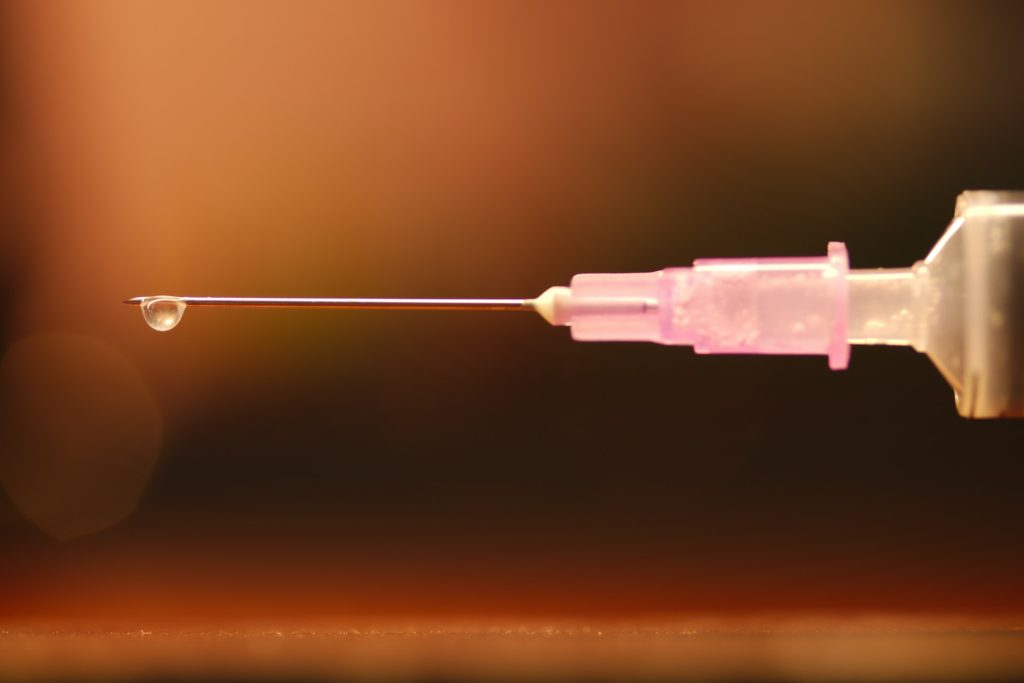
Syringe
Source: Raghavendra V Konkathi on Unsplash

In the century since it was first used in humans, the Bacille Calmette-Guérin (BCG) vaccine against tuberculosis has become one of the world’s most widely used vaccines. Administered in countries with endemic TB, it has surprisingly been found to protect newborns and young infants against multiple bacterial and viral infections unrelated to TB. Some evidence even suggests that it can reduce severity of COVID. Now, a new study in Cell Reports sheds light on the mechanisms behind its extra protective effects.

Surprisingly little is known about how BCG exerts its many side benefits. To better understand its mechanism of action, researchers collected and comprehensively profile blood samples from newborns vaccinated with BCG, using a powerful ‘big data’ approach analysing lipid and metabolite biomarkers.

Their study found that the BCG vaccine induces specific changes in metabolites and lipids that correlate with innate immune system responses. The findings provide clues toward making other vaccines more effective in vulnerable populations with distinct immune systems, such as newborns.

First author Dr Joann Diray Arce and her colleagues started off with blood samples from low-birthweight newborns in Guinea Bissau who were enrolled in a randomised clinical trial to receive BCG either at birth or after a delay of six weeks. Blood samples were taken at four weeks for both groups (after BCG was given to the first group, and before it was given to the second group).

The researchers comprehensively profiled the impact of BCG immunisation on the newborns’ blood plasma. They found that BCG vaccines given at birth changed metabolite and lipid profiles in newborns’ blood plasma in a pattern distinct from those in the delayed-vaccine group. The changes were associated with changes in cytokine production, a key feature of innate immunity.

The researchers had parallel findings when they tested BCG in cord blood samples from a cohort of Boston newborns and samples from a separate study of newborns in The Gambia and Papua New Guinea.

“We now have some lipid and metabolic biomarkers of vaccine protection that we can test and manipulate in mouse models,” said Dr Arce. “We studied three different BCG formulations and showed that they converge on similar pathways of interest. Reshaping of the metabolome by BCG may contribute to the molecular mechanisms of a newborn’s immune response.”

“A growing number of studies show that BCG vaccine protects against unrelated infections,” said Ofer Levy, MD, PhD, the study’s senior investigator. “It’s critical that we learn from BCG to better understand how to protect newborns. BCG is an ‘old school’ vaccine – it’s made from a live, weakened germ – but live vaccines like BCG seem to activate the immune system in a very different way in early life, providing broad protection against a range of bacterial and viral infections. There’s much work ahead to better understand that and use that information to build better vaccines for infants.”

Source: Boston Children’s Hospital via News-Medical.Net

In Flu Season, Vaccine Reduces Cardiovascular Events in Heart Failure

Woman sneezing
Photo by Andrea Piacquadio on Unsplash

A randomised controlled trial showed that people with heart failure receiving an annual flu shot had lower rates of pneumonia and hospitalisation on a year-round basis and a reduction in major cardiovascular events during peak flu season – but not year-round.

The study, presented at the American College of Cardiology’s 71st Annual Scientific Session, is the first randomised controlled trial to assess the benefits of the flu vaccine in people with heart failure, who face a high risk of cardiovascular events. It was conducted in countries across Asia, Africa and the Middle East where getting a flu shot is not commonplace.

Lead author Mark Loeb, MD, said: “Although our prespecified endpoints were not significant, our data suggest that there’s a clinical benefit [to getting a flu shot] given the clear reduction in pneumonia, moderate reduction in hospitalisation and reduction in vascular events and deaths during periods of peak influenza. When taken together with previous trials and observational studies, the collective data demonstrate there is a substantial benefit to receiving a flu vaccine for people with heart failure.”

Heart failure is a condition in which the heart becomes too weak or stiff to pump blood effectively. Previous studies have shown that people with heart disease or cardiovascular risk factors face an elevated risk of complications when they contract influenza, but there has been a lack of evidence on whether flu vaccines can help to mitigate this risk specifically in people with heart failure.

The trial enrolled 5129 patients with heart failure in 10 countries where flu vaccines are not common. Participants did not routinely get flu shots and had previously received a flu shot no more than once during the three years preceding the trial. Participants were randomised to receive a flu shot or a placebo annually for up to three years, though they could still get a flu shot outside of the trial. Researchers tracked health outcomes for a median of 2.9 years. The trial’s primary endpoint was a composite of death from cardiovascular causes, non-fatal heart attack or non-fatal stroke. Its co-primary endpoint included a composite of any of these events plus hospitalisation for heart failure.

Overall, the composite primary endpoint occurred in 691 participants and 1470 experienced the composite co-primary endpoint. When analysed on a year-round basis there was no significant difference in the rates of these events between those who had received a flu vaccine and those who had not.

Separate analyses of hospitalisation, pneumonia and other respiratory outcomes however found that rates of pneumonia were 42% lower and hospitalisations were down 15% among those who received a flu shot.

The flu vaccine arm showed a significant reduction in the first primary endpoint, as well as reductions in all-cause death and cardiovascular death, when the analysis was limited to periods of peak influenza circulation. When influenza circulation was low, no significant difference was seen.

The researchers accounted for the differences in influenza circulation seasons. Based on these results, researchers said the flu vaccine did help to protect patients from influenza complications, including cardiovascular events.

“Many of the effects we found during peak flu circulation disappeared outside of it,” Dr Loeb said. “There’s no biological explanation for that other than influenza infections.”

While the study was conducted in countries where the flu vaccine is either not widely available or not common to receive, Dr Loeb said the results could likely be generalisable even in countries where flu vaccine uptake is higher. Study participants were allowed to get a flu vaccine outside of the study, but Dr Loeb said that there was no impact on the findings as very few did so. He added that the study was stopped early in four countries due to the COVID pandemic.

Loeb said that additional trials and large-scale observational studies could further clarify the health benefits of influenza vaccination in people with cardiovascular disease.

“I think this study offers an important message about vaccines generally – that it is important to do randomised controlled trials in populations that historically haven’t had a very high uptake of vaccines,” Dr Loeb said. “These types of [research] gaps have to be filled.”

Source: American College of Cardiology

Intranasal Flu Vaccine OK for Kids with Asthma

Young girl sneezing
Photo by Andrea Piacquadio on Unsplash

A small clinical trial published in Pediatrics has shown that intranasal flu vaccine is just as safe for children with asthma as the intramuscular vaccine. According to the researchers, within 42 days of vaccination, 10.8% of children who received the intranasal quadrivalent live attenuated influenza vaccine (LAIV4) had an asthma exacerbation compared with 14.7% of those who received the intramuscular quadrivalent inactivated influenza vaccine (IIV4).

According to the researchers, regardless of asthma severity, LAIV4 remained noninferior to IIV4. Among those with mild asthma, one of 25 kids who received the LAIV4 experienced an asthma exacerbation versus three of 16 in the IIV4 group, the researchers reported. In children with moderate to severe asthma, exacerbations occurred in seven of 49 in the LAIV4 group and seven of 52 in the IIV4 group.

“These data add to the compelling safety record of LAIV in children, including those with persistent asthma,” the researchers wrote.

The two groups also did not differ significantly in the frequency of asthma-related symptoms, including nighttime awakening, unscheduled albuterol use, cough, wheezing, or chest tightness, within 14 days of administration. Similarly, no differences were seen in peak expiratory flow rate, or changes in childhood asthma control test or asthma control test scores from baseline through 42 days.

At present, the CDC recommends against the nasal spray vaccine for children and people with asthma, citing an increased risk of exacerbations.

A previous study had suggested that the LAIV was linked increased asthma risk and reactive airway disease in children under 36 months of age, but more recent research has found no difference in risk between the LAIV and IIV, the researchers explained.

“Building off these previous studies, our prospective study suggests that LAIV may be appropriate for some children with asthma,” they noted.

“These data support reexamining precautions to using LAIV4 in children with asthma, which could be particularly important during influenza pandemics, at times when IIV4 supplies are limited, in situations of public/school mass vaccination clinics using LAIV, or for children with significant needle aversions,” they added.

The study was conducted over the 2018 and 2019 flu seasons with children aged five to 11 but expanded to include children ages 5 to 17 in its second year. The primary outcome of asthma exacerbation after 42 days was defined as an episode for which the participant sought medical care or a new prescription for corticosteroids.

The median age of the 151 enrolled participants was 9 years, and 58% were boys.

Systemic reactogenicity events in the 14 days after vaccination were not different between the LAIV4 and IIV4 groups, with the exceptions of myalgia and sore throat, which were more common in the IIV4 group.

Source: MedPage Today

Boosting the BCG Vaccine by Blocking IL-10

Vaccine injection
Image source: NCI on Unsplash

Briefly blocking interleukin-10 (IL-10) when administering the BCG vaccine for tuberculosis vastly improves long-term protection in mice, researchers reported in the Journal of Immunology. The finding, if it continues to hold true in nonhuman primates and clinical trials, has the potential to save millions of lives.

“We are very excited that we can reverse BCG’s waning effectiveness by combining it with a host-directed therapy into one dose, which makes it very practical for the clinic,” said senior author Joanne Turner, PhD.

The study builds on research showing the effect of IL-10 on TB, which normally helps dampen excessive inflammation during infection, but Dr Turner’s previous work showed that IL-10 overall actually drives infection.

The researchers combined the BCG vaccine with an antibody that blocks IL-10 activity for about one week. Since the antibody targets the host, not the pathogen, that makes it a “host-directed therapy.” They gave the mixture to mice in one shot, waited six weeks to ensure the IL-10 blocker was no longer present and the BCG protection had been generated, and then exposed the mice to TB. Those mice controlled TB infection for nearly a year, which is significant for mice with normal lifespans of about two years. In contrast, mice given only the BCG vaccine lost control of TB infection within two months and had significant inflammation and damage in the lungs. Notably, the mice given the vaccine/IL-10 blocker had higher levels of various long-term memory immune cells, which are critical for ongoing TB control.

“This shows that the early development of an immune response is key for controlling TB infection in the long run, and that IL-10 inhibits the development of that long-term immunity,” Dr Turner said. “But by briefly blocking IL-10 at the same time as giving the vaccine, it allows the vaccine and immune system to do their jobs, creating those long-lasting memory immune cells.”

The researchers plan to move to nonhuman primates and then human clinical trials if those are successful. The team is optimistic, especially since the BCG vaccine is already in widespread use and the IL-10 blocker is being tested against other diseases.

Source: Texas Biomedical Research Institute

Exercise After Vaccination Boosts Antibodies

Photo by Barbra Olsen on Pexels

Researchers have found that a 90 minute bout of mild- to moderate-intensity exercise directly after a receiving a flu or COVID vaccine may provide an extra immune boost.

In the paper, published in Brain, Behavior, and Immunity, participants who cycled on a stationary bike or took a brisk walk for an hour-and-a-half after receiving a vaccine injection produced more antibodies in the following four weeks compared to participants who sat or continued with their daily routine post-immunisation. When the researchers ran the experiment with mice and treadmills, similar results were observed.

“Our preliminary results are the first to demonstrate a specific amount of time can enhance the body’s antibody response to the Pfizer-BioNtech COVID vaccine and two vaccines for influenza,” said Kinesiology Professor Marian Kohut, lead author of the study.

The vaccine recipients would be able to benefit people who could not cope with such exercise. Nearly half of the participants in the experiment had a BMI in the overweight or obese category. During 90 minutes of exercise, they focused on maintaining a pace that kept their heart rate around 120–140 beats per minute rather than distance.

However, the exercise duration appeared to be important: the researchers also ran the experiment with just 45-minutes of exercising. The shorter workout did not increase the participants’ antibody levels. Prof Kohut said a follow-up study might test whether 60 minutes is sufficient.

As to why prolonged, mild- to moderate-intensity exercise could improve the body’s immune response, Prof Kohut said there may be multiple reasons. Exercise increases blood and lymph flow, which helps circulate immune cells. As these cells move around the body, they’re more likely to detect antigens. The mouse experiment data also suggested that interferon alpha produced during exercise helps generate virus-specific antibodies and T- cells.

“A lot more research is needed to answer the why and how,” said Prof Kohut. “There are so many changes that take place when we exercise – metabolic, biochemical, neuroendocrine, circulatory. So, there’s probably a combination of factors that contribute to the antibody response we found in our study.”

The researchers are continuing to track the antibody response in the participants six months post-immunisation and have launched another study that focuses on exercise’s effects on people who receive booster shots.

Source: Iowa State University

Ebola Vaccine Instils Lasting Antibody Response

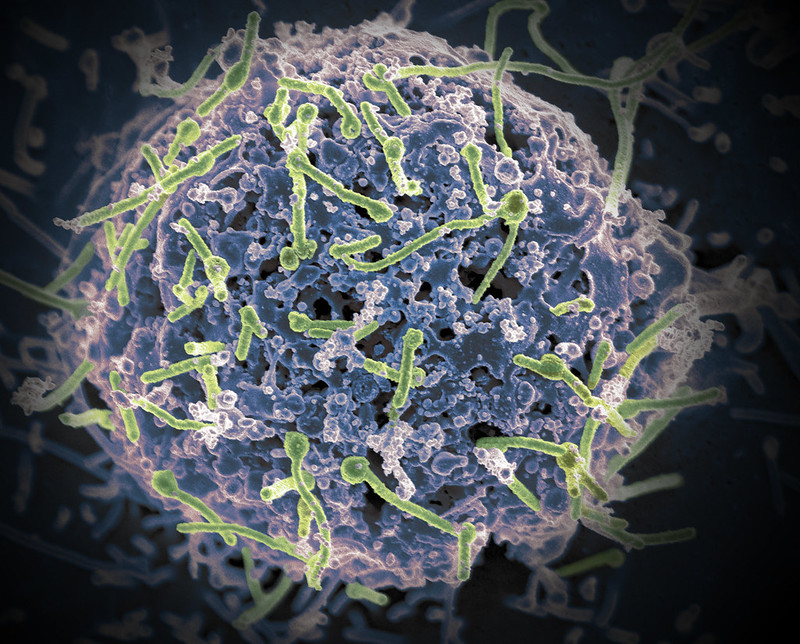
Ebola virus (green) is shown on cell surface.
Credit: National Institutes of Allergy and Infectious Diseases, NIH

A new study has shown that the Ebola vaccine known as rVSVΔG-ZEBOV-GP instils a robust and enduring antibody response among vaccinated individuals in areas of the Democratic Republic of Congo that are experiencing outbreaks of the disease.

The study, published in PNAS, is the first to examine post–Ebola-vaccination antibody response in the DRC, a nation of nearly 90 million. Long-term analyses of the study cohort will continue, but in the meantime, the findings will help inform health officials’ approach to vaccine use for outbreak control, the researchers said.

Ebola, one of the world’s deadliest viral diseases known to infect humans, was first identified in 1976 following an outbreak near the Ebola River in then Zaire (now DRC). Since then, outbreaks have occurred intermittently in sub-Saharan Africa, including 12 outbreaks in the DRC, where the disease remains endemic.

The single-dose rVSVΔG-ZEBOV-GP vaccine was administered to more than 300 000 individuals in the DRC during outbreaks between 2018 and 2020. However, studies examining the antibody response of vaccinated Congolese populations had been lacking.

US and DRC researchers studied individuals who received the vaccine during an Ebola outbreak in the DRC’s North Kivu Province. Between August and September 2018, 608 eligible individuals were vaccinated. In an approach known as “ring vaccination”, these participants were contacts of people infected with Ebola or contacts of those contacts as well as health care and frontline workers in affected or potentially affected areas.
Blood samples were taken at the time of vaccination, 21 days later and again after six months. They found that after 21 days, 87.2% of the study participants showed an antibody response and antibody persistence was seen in 95.6% after six months.

Source: University of California, Los Angeles

South African Biotech Company Replicates Moderna Vaccine

Photo by Mat Napo on Unsplash

Afrigen Biologics and Vaccines, a South African biotechnology company, has nearly created a copy of Moderna’s COVID mRNA vaccine, without Moderna’s involvement, Nature reports.

The Cape Town-based company has so far made only microlitres of the vaccine, based on Moderna’s publicly available development data. This nevertheless is a success for a major initiative launched by the World Health Organization (WHO): a technology transfer hub meant to build vaccine manufacturing capacity in low- and middle-income countries.

During the COVID pandemic, the developers of mRNA vaccines, Moderna and Pfizer/BioNTech have sent more than 70% of their doses to wealthy nations. Meanwhile, millions of vaccine orders for southern hemisphere countries have been delayed. “Moderna and Pfizer-BioNTech’s vaccines are mainly still going to just the richest countries,” says Martin Friede, the WHO official coordinating the hub. “Our objective is to empower other countries to make their own.”

Much work needs to be done before Afrigen’s mRNA vaccine mimic can be distributed. But the WHO hopes that the process of creating it will lay the foundation for a more globally distributed mRNA vaccine industry in the future.

Gerhardt Boukes, chief scientist at Afrigen is proud to have helped complete this first step of the plan. Afrigen and its collaborators completed the process, beginning with mRNA encoding a modified portion of the SARS-CoV-2 coronavirus, and finishing by encapsulating it in a lipid nanoparticle that delivers the vaccine to cells. “We didn’t have help from the major COVID vaccine producers,” he says, “so we did it ourselves to show the world that it can be done, and be done here, on the African continent.”

When the mRNA hub was launched by the WHO in June 2021, Moderna, Pfizer and BioNTech did not respond to requests to help make their vaccines, so the WHO proceeded without their help. The Moderna vaccine was chosen to copy because there is more freely available data on it, and it has not vowed to enforce its patents.

The project started in late September, with a Wits University team spearheading the first step: making a DNA molecule that would serve as a template to synthesise the mRNA needed in the vaccine. While Moderna controversially patented this sequence, Stanford University researchers had deposited it into the online database Virological.org in March last year.

Patrick Arbuthnot, director of gene therapy research at Wits says, “We were not intimidated, because mRNA synthesis is a fairly generic procedure.” Despite delays in the shipment of raw materials, the team completed this process in ten weeks and sent vials of mRNA to Afrigen in early December.

Around this time, scientists worldwide emailed offers of assistance. Some were researchers at the US National Institutes of Health who had conducted foundational work on mRNA vaccines. Petro Terblanche, Afrigen’s managing director, said that it was “extraordinary”. “I think a lot of scientists were disillusioned with what had happened with vaccine distribution, and they wanted to help get the world out of this dilemma.”

On 5 January, Afrigen’s researchers accomplished another tricky part of the process: They encapsulated the mRNA in a fatty nanoparticle made of a mixture of lipids. Boukes says they haven’t yet used Moderna’s specific lipid mixture, but rather another one that was immediately available from the manufacturer of the machine that the laboratory uses to create lipid nanoparticles. They plan to use Moderna’s lipid mixture in the coming days, as soon as one last analytical instrument arrives. After that, the team will analyse the formulation to ensure that it is truly a near copy of Moderna’s vaccine.

Once a reliable copy is made, the next step is increasing production. Jason McLellan, a structural biologist at the University of Texas at Austin whose work was foundational to the development of several COVID vaccines, says he is not surprised that SA scientists seem to have copied Moderna’s vaccine, but he adds that scaling up production of that original shot required a lot of additional innovation by manufacturers.

For the next phase of the project, several southern hemisphere companies will learn from Afrigen and attempt to create batches of vaccines themselves, in preparation for animal testing. By end November, the WHO expects a Moderna clone to be ready for phase I trials in humans.

What happens beyond that is unclear. Moderna might choose to license its patent (lab research is usually not subject to patent rules), or alternatives may become available, such as next-generation mRNA vaccines that do not require ultracold storage.

Source: Nature

Promising Zika Vaccine Protects Foetus in Animal Trial

Mosquito
Photo by Егор Камелев on Unsplash

US researchers have shown that a Zika virus vaccine candidate is effective at preventing the Zika virus passing from mother to foetus in preclinical animal studies, according to a new study published in npj Vaccines.

“The vaccine has been shown to be safe for non-pregnant humans, but of course we need to know if it is safe and effective for the people at greatest risk: pregnant women and their fetuses,” said first author In-Jeong Kim, PhD, a viral immunologist at Trudeau Institute. “Our proof-of-concept studies conducted at Trudeau and Texas Biomed show very promising results that the vaccine given before pregnancy will provide high levels of protection for mothers and babies.”

The 2015–2016 Zika outbreak in Brazil and other countries in the Americas caused a surge in miscarriages and a constellation of birth defects, called Congenital Zika Syndrome, including abnormally small heads and neuro-developmental disorders.

“It’s important to test vaccines before the next large outbreak, because there will be another,” said senior author Jean Patterson, PhD, a virologist at Texas Biomed. “Zika is part of a family of viruses known to go through cycles. These viruses tend to spread rapidly through naïve populations that have never been exposed to the virus before, then infections drop down for years because most people have been exposed. As more and more people are born, there is a new group of naïve individuals in which the virus can once again wreak havoc. We want to help break that cycle.”

The purified, inactivated Zika vaccine (ZPIV) candidate was been tested in non-pregnant animals, showing it effectively clears the virus from blood. In Phase 1 human trials, it has been shown to be safe and elicit a protective immune response.

However for ethical and safety reasons, it is not possible to test whether the vaccine protects women and their foetuses from both infection and severe malformations, so animal models are used as a substitute.

Researchers tested the vaccine in pregnant mice and marmosets, respectively. The mouse studies, led by Dr Kim and Marcia Blackman, PhD, a viral immunologist at Trudeau, showed the vaccine prevented around 80% of foetal malformations, and neutralising antibodies were detected in foetal blood samples eight days after infection.

“We were able to detect maternal antibodies in the fetus during pregnancy and the results suggest the antibodies play a critical role in protecting fetuses from Zika virus,” Dr Kim said.

Marmosets are more sensitive to Zika infection than other nonhuman primates; previous research showed foetuses were aborted within two weeks of maternal infection.

In this study, four marmosets were immunised with the ZPIV vaccine and then exposed to Zika virus after they became pregnant. Only 1 of 12 offspring tested positive for Zika virus, demonstrating more than 90% effectiveness.

“Because the animals became pregnant at different times, our study was able to show the vaccine confers protection for at least 18 months after vaccination, which is important for showing long-lasting immunity,” Dr Patterson said.

The researchers are already testing what happens when the vaccine is administered during pregnancy.

“These studies add evidence that the Zika vaccine WRAIR developed not only protects animals against Zika virus infection, but also the congenital defects that mimic what has been observed in people,” says Kayvon Modjarrad, MD, PhD, who leads the US Army Zika vaccine programme. “Together with the early phase clinical trials, we believe these data lend even more support that this vaccine platform is a viable approach for countering the persistent threat of Zika.”

Source: Texas Biomedical Research Institute