The Bundibugyo ebolavirus outbreak is currently affecting 27 health zones in the Democratic Republic of the Congo and one district in Uganda. A cumulative total of 681 confirmed cases and 126 deaths among confirmed cases have been reported across the Democratic Republic of the Congo and Uganda, representing a case fatality ratio of 18.5%.
The Democratic Republic of the Congo remains the main focus of the outbreak, with 662 confirmed cases and 124 deaths reported to date. Ituri Province continues to account for the majority of reported cases. In the last 24 hours, 29 new confirmed cases and five deaths among confirmed cases were reported in Ituri Province. Seven additional confirmed cases from North Kivu were also reported as part of a backlog from 8 June.
Uganda has reported 19 confirmed cases and two deaths to date. No new confirmed cases, deaths, suspected cases or recoveries were reported in Uganda in the last 24 hours. Uganda has now reported no new confirmed cases or deaths for five consecutive days.
Across both countries, 25 recoveries have been reported, and 6,525 contacts have been listed for follow-up. Thirty-four healthcare workers have been infected, including 29 in the Democratic Republic of the Congo and five in Uganda.The outbreak is currently affecting 27 health zones in the Democratic Republic of the Congo and one district in Uganda.
Africa CDC continues to work closely with national authorities and partners to support surveillance, contact tracing, case management, infection prevention and control, risk communication and cross-border coordination.
Africa CDC and WHO continue to advise against unnecessary restrictions on travel and trade. Public health measures should remain evidence-based and aligned with the International Health Regulations.
Africa CDC urges communities in affected and at-risk areas to remain vigilant, follow guidance from health authorities, report symptoms early and cooperate with trained response teams.
Further updates will be shared as the situation evolves.
Distributed by APO Group on behalf of Africa Centres for Disease Control and World Health Organization
The plan complements national response plans launched by the Governments of the Democratic Republic of the Congo and Uganda
The Africa Centres for Disease Control and Prevention (Africa CDC) (www.AfricaCDC.org) and the World Health Organization (WHO) today launched a joint continental preparedness and response plan on the ongoing Ebola outbreak caused by the Bundibugyo virus. The plan aims to raise US$ 518 million to support African countries together with partners to prepare for, rapidly detect and respond to the outbreak.
The six-month plan, covering June to November 2026, brings together governments, partners and communities under a unified ‘One Response’ approach to strengthen outbreak response measures, including emergency coordination, disease surveillance, laboratory testing, infection prevention and control, clinical care, community engagement, research, logistics and support for essential health services.
The plan complements national response plans launched by the Governments of the Democratic Republic of the Congo and Uganda.
“Ebola moves fast. Africa must move faster. This joint plan gives the continent a clear path to act with speed and unity: to save lives, support the affected countries and protect neighbouring communities, said Africa CDC Director-General Dr Jean Kaseya. “With Member States, WHO and partners, Africa CDC is turning commitment into action and resources into response for the communities at risk.”
WHO Director-General Dr Tedros Adhanom Ghebreyesus said: “The only way to beat this outbreak is through close partnership, working together under the leadership of the affected countries in one coordinated effort, guided by a simple principle: one plan, one budget, one team.”
He added: “Containing Ebola depends on political commitment, sustained financing, and the trust and engagement of communities. This plan places communities at the centre, because without their participation, contact tracing falters, safe care is delayed, and transmission continues.”
The plan also focuses on protecting vulnerable populations, strengthening cross-border collaboration, and supporting countries to respond quickly to new cases. At a time when there are no licensed vaccines or therapeutics specifically approved for the Bundibugyo species of Ebola, the plan aims to strengthen health systems to ensure resilience even as countries respond to acute health emergencies.
Implementation of preparedness and response activities is already underway across affected and at-risk countries. Furthermore, in 10 priority countries critical measures are being strengthened to enhance public health emergency preparedness and ensure early detection and swift response
.The plan emphasizes the need to maintain support for other ongoing health emergencies, including mpox, cholera and measles, to prevent disruptions to critical response efforts and safeguard progress towards stronger, more resilient health systems.
This coordinated effort comes as response operations accelerate in the Democratic Republic of the Congo, where authorities, with support from Africa CDC, WHO and partners, are ramping up efforts to curb the spread of the virus and end the outbreak.
Africa CDC and WHO urge Member States to strengthen screening and public health measures at points of entry and enhance cross-border coordination and solidarity to support a timely, effective and evidence-based response to the outbreak.
Through the joint preparedness and response plan, the continent is mobilising its collective expertise and resources to reinforce response measures, acting as one to control the outbreak and protect communities across the region. Its successful implementation will require strong political commitment, sustained investment and close collaboration among governments, health workers, communities and partners.
Drawing on lessons learned from previous Ebola outbreaks and recent public health emergencies, the plan also provides a pathway to broadly strengthen Africa’s capacity to prevent, detect and respond to future health threats while protecting lives and livelihoods.
As the news spread about the outbreak of Ebola in mid-May 2026, the World Health Organization (WHO) released a report about pandemics. The title was: A World on the Edge: Priorities for a Pandemic-Resilient Future.
The document was prepared by the WHO’s Global Preparedness Monitoring Board. It sets out why the world isn’t better prepared for pandemics a decade after Ebola exposed dangerous gaps. And six years after COVID-19 turned those gaps into a global catastrophe.
It adds that investment in pandemic preparedness has not kept pace with the rising risk of pandemics.
The Global Preparedness Monitoring Board is an independent monitoring and accountability body established in 2018 by the WHO and the World Bank. The aim was to strengthen preparedness for global health crises. It is composed of political leaders, agency principals and world-class experts. Its task is to provide assessments of global progress in building and sustaining the capacity to prevent, detect and respond to health emergencies.
The report was released during another Ebola epidemic. This time starting in the Democratic Republic of Congo. On 17 May the WHO declared the outbreak a public health emergency of international concern. This means that it is a risk to many countries through international spread and hence requires global coordinated efforts.
As a virologist and former global health administrator, I believe the monitoring board’s diagnosis and recommendations are vitally important for managing pandemics.
My first observation about the report is that its recommendations remain largely unimplemented by many countries. This is particularly true in Africa, where pandemics thrive and disease epidemics rage and ravage.
Africa needs to specially build trust in its own ability to prepare for and prevent disease outbreaks, and control them when they do occur.
To achieve this, and in line with the recommendations, Africa must sustain:
independent pandemic risk monitoring
health workforce capability and retention
equitable access to countermeasures such as vaccines
financing
political attention.
Independent pandemic risk monitoring
Using local resources and financing, African countries must own the solution to health through establishing data systems that uphold health sovereignty.
They must also ensure that data derived from surveillance, research and pathogen processing are securely managed and accountable to African institutions rather than foreign entities. Recent agreements with the US have brought this issue to the fore. Some were asking African countries to sign away their health data or prodigally release their precious pathogens in a barter exchange for donor funding.
But health data are an invaluable asset for public health, clinical management and research. They help countries identify diseases and develop vaccines and treatments.
What African countries should be doing instead is mobilising locally sourced counterpart funds. These should be used to create the local environment to support and enhance the capacity of indigenous scientists and researchers to develop innovations from national/natural pathogens for global benefits.
Two African health institutions should be at the centre of these endeavours: the WHO-Africa Region and the Africa Centers for Disease Control, an agency of the African Union. They must not compete, but collaborate and spearhead these efforts through centralised disease control and tracking scorecards.
Health workers
Fostering the well-being of health workforce results in growth, higher productivity, national pride and loyalty.
It also helps in long-term retention of health workers.
African countries need to prioritise capacity retention over capacity building. They must build and sustain a conducive work environment which involves physical workspace and psychological safety.
Availability of adequate resources is needed to function effectively and productively. This includes materials, laboratory facilities, supplies, reagents and consumables for a trained African health workforce and researchers.
Under such enabling conditions, the health workforce can focus on relevant and local health issues and find appropriate solutions to them.
Equitable access to countermeasures
Africa must not compromise on the ratification of international health pacts that guarantee fair technology transfer, intellectual property waivers, and robust regional manufacturing.
Countries must equally expand local production of laboratory diagnostic kits, vaccines and medical supplies as well as non-medical products. Such include gloves, personal protective equipment and masks.
This will reduce reliance on external donation and supply chains in and out of global crises.
Sustainable financing
The greater challenge for many African countries is the waste of available resources and spending on misplaced priorities.
To address this, governments must commit to sustained domestic investment in healthcare. At the same time they must use blended financing (involving both the public and private sectors) to close remaining gaps. Initiatives such as the African Epidemic Fund offer a practical model for building financial reserves for rapid, locally led responses. The fund, launched in 2025, is designed to mobilise funding to support preparedness and response efforts to combat public health threats on the continent. The African Epidemic Fund, though relatively new, must operate at the highest level of accountability. It must provide regular updates on contributions, projects supported and their impact on disease preparedness, prevention and control in Africa.
Sustained political attention
African leaders must keep pandemic preparedness high on the political agenda to ensure continuous resource allocation and accountability. The advocacy for preparedness must go beyond political campaign slogans. It must be driven by regional bodies like the African Union. Countries must then translate commitments into tangible national policies.
There can be no recess or holiday from pandemic preparedness.
African political leaders and elites, at the continental, national and sub-national levels, have crucial roles to play in achieving trusted community engagement and involvement for successful and reliable pandemic preparedness. Above all, there must be active community engagement and involvement.
Africa CDC and the WHO are working jointly to strengthen coordination by activating an Incident Management Support Team (IMST), building on the successful model used during the mpox and cholera responses
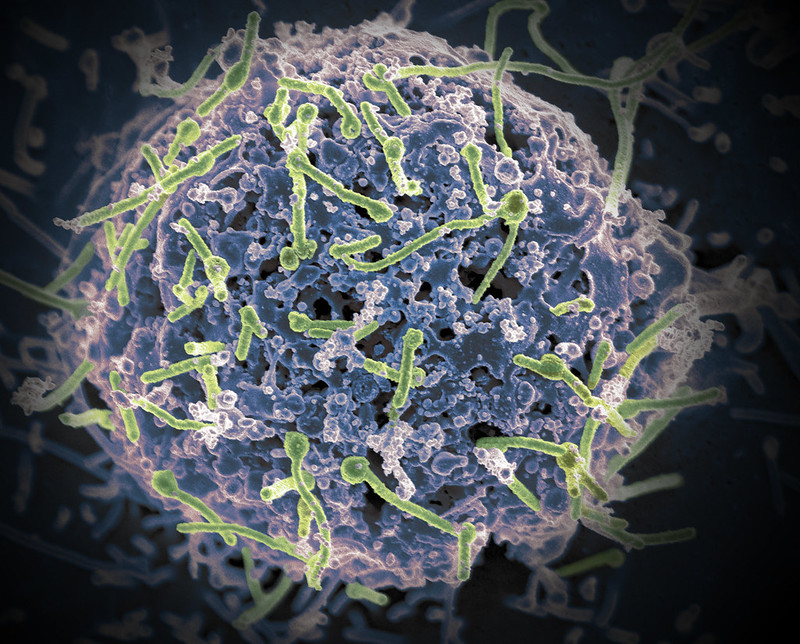
Ebola on a cell. Credit: NIH/NIAID
The Africa Centres for Disease Control and Prevention (Africa CDC), acting on the recommendations of its Emergency Consultative Group (ECG), has officially declared the ongoing Bundibugyo ebolavirus disease outbreak affecting the Democratic Republic of the Congo (DRC) and Uganda a Public Health Emergency of Continental Security (PHECS).
This declaration, under Article 3, Paragraph F of the Africa CDC Statute, empowers the organisation to lead and coordinate responses to significant public health emergencies across the continent. The statute mandates Africa CDC to “coordinate and support Member States in health emergency responses, particularly those declared a PHECS or Public Health Emergency of International Concern (PHEIC), as well as health promotion and disease prevention through health systems strengthening.”
The declaration follows extensive consultations at political, strategic and technical levels, including consultations with H.E. Mahmoud Ali Youssouf, the African Union Commission chairperson; H.E. Cyril Ramaphosa, President of South Africa and the African Union Champion for Pandemic Preparedness, Prevention and Response (PPPR); and consultations with Member States affected or at risk. This declaration was built on recommendations from the ECG, chaired by Professor Salim Abdool Karim, which reviewed the evolving epidemiological situation, regional risks, response capacities, and the implications of the confirmed Bundibugyo ebolavirus strain.
As of May 18, 2026, about 395 suspected cases and 106 associated deaths have been reported in the DRC (mainly in the Mongwalu, Rwampara, and Bunia Health Zones) and in Kampala, Uganda, where two cases and one death have been reported so far.
Africa CDC is deeply concerned about the high risk of regional spread due to intense cross-border population movement, mining-related mobility, insecurity in affected areas, weak infection prevention and control measures, community deaths occurring outside formal healthcare systems, and the proximity of affected areas to Rwanda and South Sudan.
H.E. Dr Jean Kaseya, Director General of Africa CDC, emphasised the urgency of coordinated continental action: “Today, we declare this PHECS to mobilise our institutions, our collective will, and our resources to act swiftly and decisively. The confirmation of the Bundibugyo ebolavirus in interconnected countries reminds us once again that Africa’s health security is indivisible. We must act early, act together, and act based on science.”
Dr Kaseya highlighted that the declaration would strengthen regional coordination, facilitate rapid mobilisation of financial and technical resources, reinforce surveillance and laboratory systems, support the deployment of emergency responders, and accelerate preparedness activities in neighbouring countries considered at heightened risk of transmission.
He further stressed the importance of an Africa-led and partner-supported response: “This outbreak is occurring in one of the most complex operational environments on the continent, marked by insecurity, population mobility, fragile health systems, and limited medical countermeasures for the Bundibugyo ebolavirus disease. We call upon our Member States and international partners to stand together with Africa CDC, the World Health Organization (WHO), UNICEF and the affected countries to prevent further spread and protect our populations.”
Africa CDC and the WHO are working jointly to strengthen coordination by activating an Incident Management Support Team (IMST), building on the successful model used during the mpox and cholera responses under the “4 Ones” principle: one team, one plan, one budget, and one monitoring framework.
Africa CDC has already deployed multidisciplinary experts, including specialists in epidemiology, infection prevention and control, laboratory systems, risk communication, logistics and emergency coordination, and has internally mobilised US$2 million to support the continental response.
The declaration also comes amid growing concerns about the limited availability of validated vaccines and therapeutics for the Bundibugyo ebolavirus disease. Africa CDC is therefore working closely with various partners to assess available medical countermeasures and accelerate operational research and evidence generation efforts to inform outbreak response strategies.
Professor Karim, chair of the ECG, noted: “The ECG carefully reviewed the epidemiological evidence, regional risk profile, and operational realities surrounding this outbreak. The interconnected nature of transmission between DRC and Uganda, combined with the challenges posed by insecurity and cross-border movement, requires urgent coordinated continental action.”
Ebola is a severe and often fatal illness transmitted through direct contact with bodily fluids of infected persons, contaminated materials, or deceased individuals infected with the virus. Early detection, rapid isolation and care, contact tracing, infection prevention and control, community engagement, and safe and dignified burials remain essential to interrupt transmission.
Africa CDC will continue to provide regular updates as additional epidemiological, laboratory, and sequencing information becomes available.
A new retrospective, laboratory-based observational study provides detailed insights into the causes of fevers of unknown origin in sub-Saharan Africa. Researchers examined 550 patients from Guinea who developed a persistent fever at the time of the major Ebola outbreak in 2014, but tested negative for the Ebola virus on site. The goal was to use modern diagnostic methods to better understand the underlying infectious diseases. The study is published in The Journal of Infectious Diseases.
Fever is a common symptom of many diseases, including infections, cancer, and autoimmune diseases. When the cause of a persistent fever remains unclear despite extensive investigation, it is referred to as fever of unknown origin (FUO). Approximately half of all FUO cases worldwide remain undiagnosed. In sub-Saharan Africa, malaria is often suspected and treated without laboratory confirmation or further investigation. However, 90 million pediatric hospitalisations per year in sub-Saharan Africa are due to fevers not caused by malaria but by other infections, often due to various bacteria and viruses.
A research team from the German Center for Infection Research (DZIF) and Charité – Universitätsmedizin Berlin, in collaboration with scientists from Guinea and Slovakia, conducted a retrospective observational study to thoroughly investigate the pathogen diversity of patients from Guinea with fever of unknown cause during a major Ebola outbreak in 2014. They combined epidemiological, phylogenetic, molecular, serological and clinical data.
Using serologic tests, PCR and high-throughput sequencing, at least one pathogen was detected in 275 of 550 patients. In addition to the expected malaria parasite Plasmodium, pathogenic bacteria such as Salmonella and Klebsiella strains were detected in almost one fifth of the patients. The frequent detection of resistance to so-called first-line antibiotics in the samples examined and the high rate of co-infections were also worrying: One in five infected patients had multiple infections at the same time. Pathogens causing malaria and bacterial sepsis were particularly common, occurring together in 12% of adults and 12.5% of children.
Infections with highly pathogenic viruses were also common: Yellow fever, Lassa and Ebola viruses were detected by RT-PCR in about six percent of patients. Of particular note was the detection of infection with Orungo virus, a little-known pathogen for which there are no robust assays. Using immunofluorescence assays, the researchers also identified IgM antibodies against several viruses, including Dengue, West Nile and Crimean-Congo hemorrhagic fever viruses, in patients who were PCR-negative.
“In Africa, febrile illnesses of unknown cause are often recognized and treated as malaria without further diagnosis. In our study, we were able to detect a pathogen in about half of all patients with FUO, including bacterial pathogens that cause sepsis, haemorrhagic fever viruses including Ebola, and, as expected, various strains of the malaria parasite Plasmodium,” explains the study’s last author Prof. Jan Felix Drexler.
The findings underscore the urgent need to further strengthen laboratory capacity in sub-Saharan Africa. Early detection of the infectious causes of FUO is critical for patient care, effective response to outbreaks, and development of regionally appropriate diagnostics.
“Our results show that regionally adapted treatment regimens should be discussed, that quality control in the context of outbreaks needs to be strengthened, and that knowledge of the pathogen spectrum can guide targeted strengthening of regional laboratories and translational research in the sense of point-of-care tests,” Drexler summarises the results of the study.
A persistent infection could explain why some people experience long COVID symptoms, according to a new study led by researchers at Brigham and Women’s Hospital. The team found evidence of persistent infection in 43% of participants with cardiopulmonary, musculoskeletal or neurologic symptoms of long COVID. The results are published in Clinical Microbiology and Infection.
“If we can identify a subset of people who have persistent viral symptoms because of a reservoir of virus in the body, we may be able to treat them with antivirals to alleviate their symptoms,” said lead author Zoe Swank, PhD, a postdoctoral research fellow in the Department of Pathology at Brigham and Women’s Hospital.
The study analysed 1569 blood samples collected from 706 people, including 392 participants from the National Institutes of Health-supported Researching COVID to Enhance Recovery (RECOVER) Initiative, who had previously tested positive for a COVID infection. With a highly sensitive test they developed, researchers looked for whole and partial proteins from the SARS-CoV-2 virus. They also analysed data from the participants’ long COVID symptoms, using electronic medical chart information or surveys that were gathered at the same time as the blood samples were taken.
Compared to people who didn’t report long COVID symptoms, those who reported persisting symptoms many organ systems were approximately twice as likely to have SARS-CoV-2 proteins circulating in their blood. The research team was able to detect the spike protein and other components of the SARS-CoV-2 virus using Simoa, an ultrasensitive test for detecting single molecules. Commonly reported long COVID symptoms included fatigue, brain fog, muscle pain, joint pain, back pain, headache, sleep disturbance, loss of smell or taste, and gastrointestinal symptoms.
Specifically, 43% of those with long COVID symptoms affecting three major systems in the body, including cardiopulmonary, musculoskeletal, and neurologic systems, tested positive for viral proteins within 1 to 14 months of their positive COVID test. But only 21% of those who didn’t report any long COVID symptoms tested positive for the SARS-CoV-2 biomarkers in this same period.
It’s possible that a persistent infection explains some – but not all – of the long COVID sufferers’ symptoms. If this is the case, testing and treatment could aid in identifying patients who may benefit from treatments such as antiviral medications.
A Condition with More Than One Cause
One of the questions raised by the study is why more than half of patients with wide-ranging long COVID symptoms tested negative for persistent viral proteins.
“This finding suggests there is likely more than one cause of long COVID,” said David Walt, PhD, a professor of Pathology at Brigham and Women’s Hospital and Principal Investigator on the study. “For example, another possible cause of long-COVID symptoms could be that the virus harms the immune system, causing immune dysfunction to continue after the virus is cleared.”
To better understand whether an ongoing infection is behind some people’s long COVID symptoms, Swank, Walt and other researchers are currently conducting follow-up studies. They’re analyzing blood samples and symptom data in larger groups of patients, including people of wide age ranges and those with compromised immune symptoms. This way, they can also see if some people are more likely to have persistent virus in the body.
“There is still a lot that we don’t know about how this virus affects people,” said David C. Goff, MD, PhD, a senior scientific program director for the RECOVER Observational Consortium Steering Committee and director of the Division of Cardiovascular Sciences at the National Heart, Lung, and Blood Institute (NHLBI), part of NIH. “These types of studies are critical to help investigators better understand the mechanisms underlying long COVID – which will help bring us closer to identifying the right targets for treatment.”
Goff added that these results also support ongoing efforts to study antiviral treatments.
The SARS-CoV-2 blood test developed by Brigham and Women’s researchers is also currently being used in a national study, called RECOVER-VITAL, that is testing whether an antiviral drug helps patients recover from long COVID. The RECOVER-VITAL trial will test the patients’ blood before and after treatment with an antiviral to see if treatment eliminates persistent viral proteins in the blood.
The idea that a virus can stay in the body and cause ongoing symptoms months after an infection isn’t unique to COVID. “Other viruses are associated with similar post-acute syndromes,” said Swank. She noted animal studies have found Ebola and Zika proteins in tissues post-infection, and these viruses have also been associated with post-infection illness.
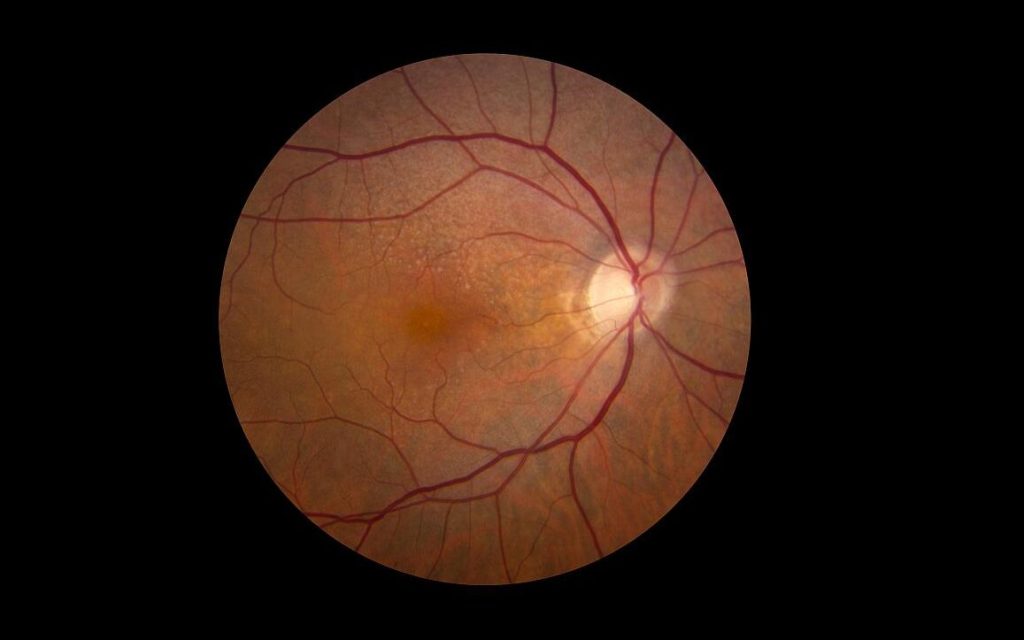
A specific cell within the retina, the retinal pigment epithelial cell, appears to be particularly good at housing Ebola and other viruses, according to new research published in the journal Frontiers in Virology.
“Inflammation of the eye, known as uveitis, is very common following infection with Ebola and we know the cells within the iris, at the front of the eye, as well as the retina have the capacity to play a major role in uveitis and act as hosts for microorganisms,” explained study senior author Professor Justine Smith at Flinders University.
“However, what we didn’t know was which out of the two was most responsible in the case of Ebola.”
“Patients with Ebola eye disease have characteristic retinal scars”
Professor Justine Smith
The study used cells from human eyes donated from the South Australia Eye Bank to investigate the ability of iris and retinal pigment epithelial cells to be infected by Ebola.
Cells were infected with Ebola virus, Reston virus (a type of ebolavirus that does not cause disease in humans) or Zika virus (another type of virus, but one that also can cause uveitis), while some were left uninfected for the duration of the trial.
While both types of cells allow replication of the Ebola virus, it was the retinal cells that showed much higher levels of infection.
“We also found similar results when looking at the cells infected with Reston virus and Zika virus,” said Professor Smith.
“Patients with Ebola eye disease have characteristic retinal scars, suggesting the retinal pigment epithelium is involved in the disease, so this finding is consistent with what eye doctors are seeing in the clinic.
“These retinal cells are good at eating things – called phagocytosis – and they play an essential part in the visual cycle by recycling our photoreceptors, so it makes sense that these cells would be a receptive haven for Ebola, as well as other viruses.”
The researchers say the study demonstrates an important target cell for Ebola infection in the eye and suggests the potential for these cells to be monitored during acute viral infection to identify patients at highest risk of uveitis.
“Amongst other issues, including pain and blurred vision, uveitis can ultimately lead to vision loss, so it’s important we find ways to diagnose it as early as possible to enable swift treatment,” said Professor Smith.
Researchers have helped isolate the Lloviu virus (LLOV), a close relative of Ebola virus, for the first time, showing that it could cross over into humans, highlighting the need for future research to ensure pandemic preparedness. The study is reported in Nature Communications.
LLOV is part of the filovirus family, which also includes the Ebola virus. While Ebola (and other filoviruses including the lethal Marburg virus) have only occurred naturally in Africa, Lloviu has been discovered in Europe. The filovirus LLOV, was genetically identified in 2002 in Schreiber’s bats in Spain and was subsequently detected in bats in Hungary.
As a zoonotic virus, LLOV is of public health interest to public health around the world due to our close relationship with animals in agriculture, as companions and in the natural environment. Increasing encroachment on the natural environment is creating more opportunities for zoonotic viruses to cross over into humans.
Dr Simon Scott, from the Viral Pseudotye Unit (VPU) at Medway School of Pharmacy were part of a team led by Dr Gábor Kemenesi from Pécs University/National Laboratory of Virology in Hungary. The VPU were involved in conducting all the antibody detection experiments using bat sera as part of the study, even before the virus itself was isolated. This isolation occurred in the Hungarian lab from the very last bat which tested LLOV positive.
The team discovered that Lloviu has the potential to both infect human cells and replicate, raising concerns about potential widespread transmission in Europe and urges immediate pathogenicity and antiviral studies. The VPU work also revealed no antibody cross-reactivity between LLOV and Ebola, suggesting that existing Ebola vaccines might not protect against Lloviu.
Dr Scott said that their research “is a smoking gun. It’s vital that we know both more about the distribution of this virus and that research is done in this area to assess the risks and to ensure we are prepared for potential epidemics and pandemics.”
The research revealed a considerable knowledge gap regarding the pathogenicity, animal hosts, and transmissibility of these newly discovered viruses. Dr Scott created a consortium of European bat virologists, harnessing expertise in the field, from ecology to virology, which is aiming to carry out essential further research across Europe into the risks of the Lloviu virus to humans.
Ebola virus (green) is shown on cell surface. Credit: National Institutes of Allergy and Infectious Diseases, NIH
A new study has shown that the Ebola vaccine known as rVSVΔG-ZEBOV-GP instils a robust and enduring antibody response among vaccinated individuals in areas of the Democratic Republic of Congo that are experiencing outbreaks of the disease.
The study, published in PNAS, is the first to examine post–Ebola-vaccination antibody response in the DRC, a nation of nearly 90 million. Long-term analyses of the study cohort will continue, but in the meantime, the findings will help inform health officials’ approach to vaccine use for outbreak control, the researchers said.
Ebola, one of the world’s deadliest viral diseases known to infect humans, was first identified in 1976 following an outbreak near the Ebola River in then Zaire (now DRC). Since then, outbreaks have occurred intermittently in sub-Saharan Africa, including 12 outbreaks in the DRC, where the disease remains endemic.
The single-dose rVSVΔG-ZEBOV-GP vaccine was administered to more than 300 000 individuals in the DRC during outbreaks between 2018 and 2020. However, studies examining the antibody response of vaccinated Congolese populations had been lacking.
US and DRC researchers studied individuals who received the vaccine during an Ebola outbreak in the DRC’s North Kivu Province. Between August and September 2018, 608 eligible individuals were vaccinated. In an approach known as “ring vaccination”, these participants were contacts of people infected with Ebola or contacts of those contacts as well as health care and frontline workers in affected or potentially affected areas. Blood samples were taken at the time of vaccination, 21 days later and again after six months. They found that after 21 days, 87.2% of the study participants showed an antibody response and antibody persistence was seen in 95.6% after six months.
The lethal Marburg virus, a relative of the Ebola virus, causes a serious haemorrhagic fever with an extremely high fatality rate and has had no known treatment — until now.
Marburg virus infects human and primates, the disease currently has no approved vaccine or antivirals for prevention or treatment. In two larger recent outbreaks in the DRC in 1998–2000, and in Angola in 2004–2005, Marburg had extremely high fatality rates of 83% and 90%.
A team of researchers is working to change that. In a new paper in the journal Antimicrobial Agents and Chemotherapy, investigators from Penn’s School of Veterinary Medicine, working together with scientists from the Fox Chase Chemical Diversity Center and the Texas Biomedical Research Institute, report encouraging results from tests of an experimental antiviral targeting Marburg virus.
The new compound prevents viruses from leaving infected cells, thus halting the spread of infection. In a first, this new class of inhibitors was shown to be effective against infection in an animal model.
Additionally, possible similarities in virus-host interactions between Marburg and SARS-CoV-2, prompted the team to conducted experiments on the coronavirus. Unpublished preliminary results appeared encouraging.
“It really is exciting. These viruses are quite different but may be interacting with the same host proteins to control efficient egress and spread, so our inhibitors may be able to block them both,” said co-corresponding author Ronald Harty, Professor, Penn’s School of Veterinary Medicine.
Prof Harty’s team have been developing an antiviral that instead of targeting the virus known as “host-oriented.” By blocking the proteins in host cells that viruses hijack during late stages of infection, preventing virus-host interactions.
This method helps prevent a virus evolving resistance, but it also makes it more likely that a drug could be used against multiple viruses, as many make use of the same machinery in the host cell to reproduce and spread.
The Marburg and Ebola viruses use protein known as VP40 to interact with a host protein called Nedd4 to allow the completed viruses to ‘bud off’ of the host cell, which is a key part of viral replication.
Previously, they had tested a variety of small molecule inhibitors of this process using laboratory tests that relied on non-infectious and more-benign viral models. Those assays led them to a promising candidate, FC-10696, for further study.
The researchers firstly tested the chosen inhibitor for safety and its useful duration within the body. Next, since the real Marburg virus is too dangerous to study safely in anything but a Biosafety Level 4 (BSL-4) laboratory, they used an assay to look at what are known as virus-like particles, or VLPs, which are non-infectious but can bud off of a host cell.
Using the Biosafety Level 2 laboratory at Penn, “it’s a very quick way we can test these inhibitors,” said Prof Harty.
The researchers saw a dose-dependent response to FC-10696 on VLP budding in cells tested the compound using the real Marburg virus. These studies were done in a BSL-4 lab at Texas Biomedical Research Institute and found the compound inhibited the budding and spread of live Marburg virus in two human cell types, including in macrophages, an immune cell type commonly infected by the virus.
As a final step, they tested the compound in mice infected with Marburg virus. That received the treatment took longer to display disease symptoms and had a reduced viral load.
“These are the first promising in vivo data for our compounds,” said Prof Harty. “Whereas the control group all became sick very quickly and died, with the treated animals there was one survivor and others showed delayed onset of clinical symptoms. It’s showing that our inhibitors are having an effect.”