
Category: Vaccines

Increase in Global Willingness to Accept COVID Vaccines
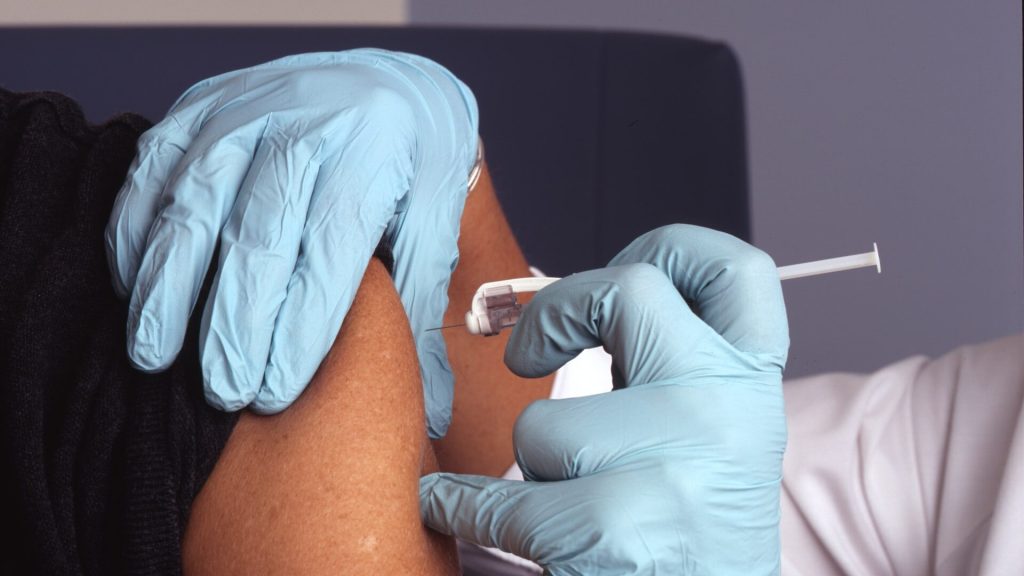
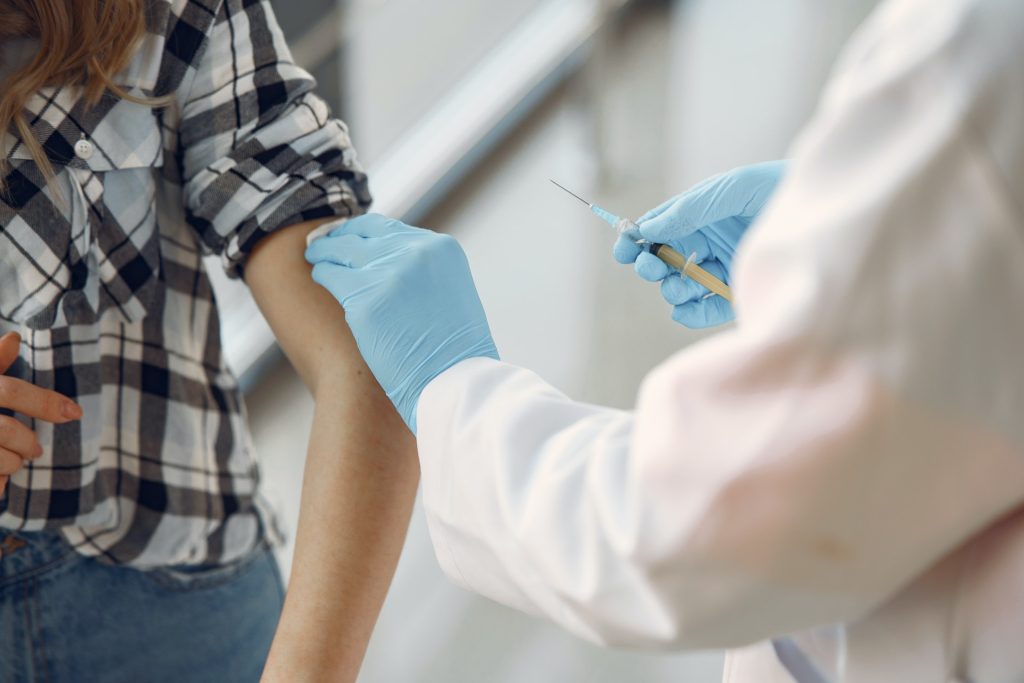
Vaccine injection
Image source: NCI on Unsplash

Global COVID vaccine acceptance increased from 75.2% in 2021 to 79.1% in 2022, according to a new survey of 23 countries accounting for more than 60% of the world’s population, published today in Nature Medicine. It was not all good news, though: vaccine hesitancy increased in eight countries including South Africa, and nearly one in eight vaccinated respondents were hesitant about receiving a booster dose.

This third annual study reveals a wide variability between countries and suggests a need to tailor communication strategies to effectively address vaccine hesitancy.

“The pandemic is not over, and authorities must urgently address vaccine hesitancy and resistance as part of their COVID prevention and mitigation strategy,” says CUNY Graduate School of Public Health and Health Policy (CUNY SPH) Senior Scholar Jeffrey V. Lazarus. “But to do so effectively, policymakers need solid data on vaccine hesitancy trends and drivers.”

To provide these data, an international collaboration led by Lazarus and CUNY SPH Dean Ayman El-Mohandes performed a series of surveys starting in 2020 in 23 countries which were impacted significantly by the pandemic, including the United States as well as South Africa and Brazil.

Of the 23 000 respondents (1000 per country surveyed), 79.1% were willing to accept vaccination, up 5.2% from June 2021. The willingness of parents to vaccinate their children also increased slightly, from 67.6% in 2021 to 69.5% in 2022. However, eight countries saw an increase in hesitancy (from 1.0% in the UK to 21.1% in South Africa). Worryingly, almost one in eight (12.1%) vaccinated respondents were hesitant about booster doses, and booster hesitancy was higher among the 18–29 age groups.

“We must remain vigilant in tracking this data, containing COVID variants and addressing hesitancy, which may challenge future routine COVID immunisation programs,” says Dean El-Mohandes, the study’s senior author.

The survey also provides new information on COVID treatments received. Globally, ivermectin was used as frequently as other approved medications, despite the fact that it is not recommended by the WHO or other agencies to prevent or treat COVID  

Also of note, almost 40% of respondents reported paying less attention to new COVID information than before, and there was less support for vaccine mandates. 

In some countries, vaccine hesitancy was associated with being female (for example in China, Poland, Russia), having no university degree (in France, Poland, South Africa, Sweden, or the US), or lower income (in Canada, Germany, Turkey or the UK). Also, the profile of people paying less attention to the pandemic varied between countries.

“Our results show that public health strategies to enhance booster coverage will need to be more sophisticated and adaptable for each setting and target population,” says Lazarus, also head of the Health Systems Research Group at ISGlobal. “Strategies to enhance vaccine acceptance should include messages that emphasise compassion over fear and use trusted messengers, particularly healthcare workers.”

The data provided by these surveys may offer insight to policymakers and public health officials in addressing COVID vaccine hesitancy. The study follows on the heels of a global consensus statement on ending COVID as a public health threat that Lazarus, El-Mohandes and 364 co-authors from 112 countries published in Nature in November.

Source: CUNY SPH
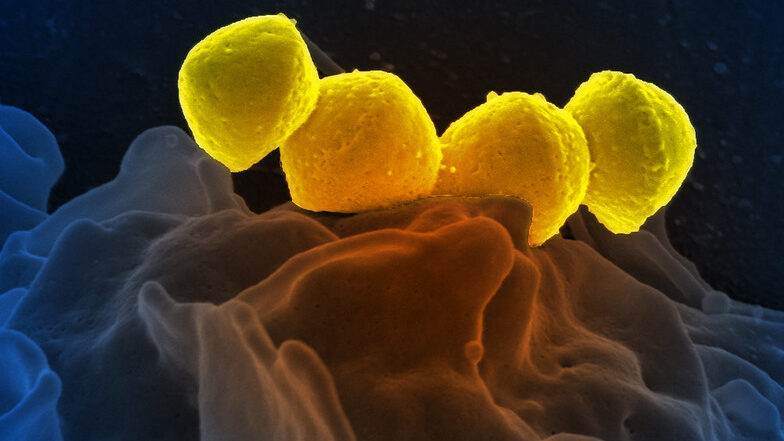
Antibody Discovery Suggests a Possible New Vaccine for Strep A

Streptococcus pyrogenese bound to human neutrophil
Streptococcus pyogenese bound to a human neutrophil. Credit: National Institute of Allergy and Infectious Diseases, National Institutes of Health

Researchers at Lund University in Sweden have discovered an antibody that could potentially protect against Strep A infection, as well as a rare form of antibody binding, that leads to an effective immune response against bacteria. The discovery could explain why so many Group A strep vaccines have failed.

The results are published in EMBO Molecular Medicine.

Group A streptococci have several ways in which they evade the body’s immune system and, when they infect us, can cause both common throat infections (strep throat), scarlet fever, sepsis, swine pox and skin infections. So far, antibiotics work against these bacteria, but should they become resistant, they will pose a major public health threat.

One strategy that the scientific community uses to find new ways of fighting bacterial infections is to create target-seeking antibodies. First, the antibodies that the body’s immune system produces in the event of an infection are mapped, and then their effect on the immune system is studied. In this way, antibodies can be identified that can be used both for preventive treatment and for treatment during an ongoing infection. It is a difficult process, though, with many attempts to develop antibody-based treatments against Strep A ending in failure.

The current study shows an unexpected way that antibodies interact with group A streptococci and, more specifically, how they hook onto the probably most important bacterial protein, the M protein, on the cell surface.

“We found that it happens in a way that has never been described before. Normally, an antibody binds via one of its two Y arms to its target protein at a single site, regardless of which of the two arms is used for binding. But what we have seen- and this is vital information – is that the two Y arms can recognise and hook on to two different places on the same target protein,” explains study author Pontus Nordenfelt.

This means that the two arms of the antibody – which are identical – can bind to two different sites on a target protein. It turns out that it is precisely this type of binding that is required for effective protection, and since it is probably rare, the researchers believe, it could explain why so many vaccine attempts have been unsuccessful. It could also be a reason why the bacteria manage to escape the immune system.

It has long been known that the streptococcal bacteria’s M protein is of great importance for how disease occurs and develops in the body. Finding an antibody that attaches to this protein, thereby flagging it up to the immune system, can prevent the bacteria from infecting the body’s cells. Since we know that the human body can fight the infection, such antibodies exist, but it is hard to locate them.

The researchers therefore focused on examining antibodies in patients who had recovered from group A streptococcal infection. They managed to identify three so-called monoclonal antibodies from a patient who recovered from a Strep A infection. Monoclonal antibodies are identical copies of each other, and in this case target a single protein (the M protein) of the group A streptococci. The researchers then investigated in animal studies whether it is possible to use the antibodies to strengthen the immune system in its fight against group A streptococcus. It turned out that the antibody with the newly discovered binding mechanism produced a strong immune response against the bacteria. The researchers have now applied for a patent based on the findings in the article, and will continue to study the antibody.

“This opens up possibilities where previous vaccine attempts have failed and means that the monoclonal antibody we used has the potential to protect against infection,” concludes study author Wael Bahnan.

Source: Lund University

To Fight the Opioid Epidemic, Researchers Create a Vaccine that Blocks Fentanyl

Photo by Pharmacy Images on Unsplash

Researchers have developed a vaccine that blocks fentanyl’s to enter the brain, thus eliminating the dangerous synthetic opioid’s “high”. The breakthrough discovery, reported in the journal Pharmaceutics, could have major implications for the rampant problem of opioid addiction by becoming a relapse prevention agent for people trying to quit using opioids.

While Opioid Use Disorder (OUD) is treatable, studies estimate that 80% of those dependent on the drug suffer a relapse. Fentanyl is 50 times stronger than heroin and 100 times stronger than morphine. Consumption of about 2mg of fentanyl (the size of two grains of rice) is likely to be fatal depending on bodyweight. Current treatments for OUD are methadone, buprenorphine and naltrexone. Naloxone is given in opioid overdose situations and can temporarily reverse the effects of the opioids.

“We believe these findings could have a significant impact on a very serious problem plaguing society for years – opioid misuse. Our vaccine is able to generate anti-fentanyl antibodies that bind to the consumed fentanyl and prevent it from entering the brain, allowing it to be eliminated out of the body via the kidneys. Thus, the individual will not feel the euphoric effects and can ‘get back on the wagon’ to sobriety,” said lead author Colin Haile, a research associate professor of psychology at University of Houston.

No any adverse side effects from the vaccine were observed in trial animals. The team plans to start manufacturing clinical-grade vaccine in the coming months with clinical trials in humans planned soon.

Fentanyl is an especially dangerous threat because it is often added to street drugs like cocaine, methamphetamine and other opioids, such as oxycodone and hydrocodone/acetaminophen pills, and even to counterfeit benzodiazepines like Xanax. These counterfeit drugs laced with fentanyl add to the amount of fentanyl overdoses in individuals who do not ordinarily consume opioids.

“The anti-fentanyl antibodies were specific to fentanyl and a fentanyl derivative and did not cross-react with other opioids, such as morphine. That means a vaccinated person would still be able to be treated for pain relief with other opioids,” said Haile.

The vaccine tested contains an adjuvant derived from E. coli named dmLT. An adjuvant molecule boosts the immune system’s response to vaccines, a critical component for the effectiveness of anti-addiction vaccines.

Therese Kosten, professor of psychology and director of the Developmental, Cognitive & Behavioral Neuroscience program at UH, calls the new vaccine a potential “game changer.”

“Fentanyl use and overdose is a particular treatment challenge that is not adequately addressed with current medications because of its pharmacodynamics and managing acute overdose with the short-acting naloxone is not appropriately effective as multiple doses of naloxone are often needed to reverse fentanyl’s fatal effects,” said Kosten, senior author of the study.

Source: University of Houston

Flu Vaccine Reduces Early Mortality in HF Patients

In a study published in The Lancet Global Health, an international team of researchers has found that influenza vaccines greatly reduce both pneumonia and cardiovascular complications in people with heart failure.

“If you have heart failure, you should get your flu shot because it can save your life – that is what we found in this study,” said the study’s principal investigator Mark Loeb. “It is underappreciated that influenza vaccine can save people from cardiovascular death.”

The study showed that over the entire year the influenza vaccine reduced pneumonia by 40% and hospitalisation by 15% in patients with HF. During influenza season in autumn and winter, the influenza vaccine reduced deaths by 20% in these patients.

Data gathered during flu season also showed the vaccine helped protect against cardiovascular complications, such as heart attacks and strokes.

Trial investigators tracked more than 5000 patients with HF in 10 countries across Africa, Asia and the Middle East, where few people have regular influenza vaccination. They received either an influenza vaccine or a placebo annually between June 2015 and November 2021.

While the flu has long been associated with an increased risk of life-threatening cardiovascular events, Loeb said that people with heart failure are already vulnerable to poor health outcomes. Patients with the condition have a 50% chance of dying within five years, while 20% are hospitalised for cardiovascular complications every year.

“Importantly, we looked at low and middle-income countries where 80 per cent of cardiovascular disease occurs and where flu vaccination rates are low.”

Salim Yusuf, executive director of PHRI and an author of the study said: “The flu shot should be part of the standard practise in people with heart failure given how simple, inexpensive and safe it is. Avoiding one sixth of deaths from heart disease and preventing hospitalizations makes it very cost effective and that can have an important public health and clinical impact.”

The study from McMaster University and partners marks the first clinical trial of the flu vaccine’s effectiveness in patients with HF.

Source: McMaster University

Limpopo Measles Outbreak Continues amid Low Vaccination Rates

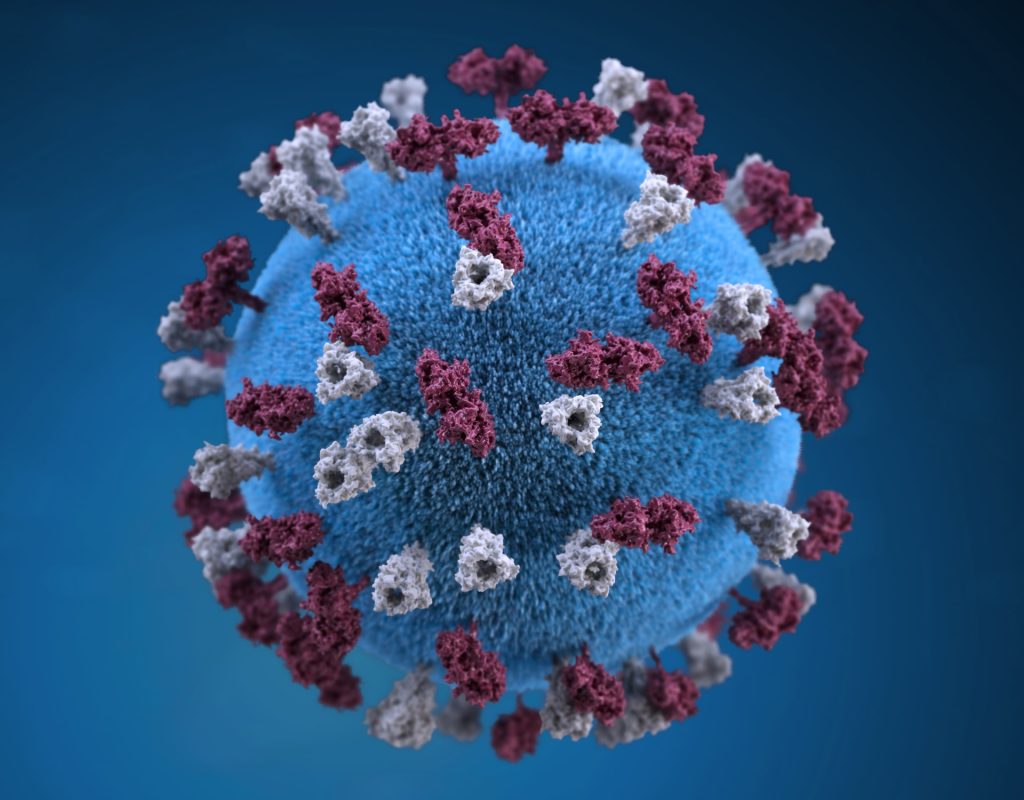
Photo by CDC on Unsplash

Since 11 October 2022, the National Institute for Communicable Diseases (NICD) seven measles cases have been detected in Greater Sekhukhune District in Limpopo province within 30 days, as of 21 October. 

Infected individuals ranged from 9 months to 24 years. One child was fully vaccinated for measles, with two measles doses given in 2019. One child was unvaccinated, and the other five measles cases had unknown vaccination history. One measles case was hospitalised while one other had a complication that led to pneumonia.

District and provincial health officials have started a public health response. This includes enhanced surveillance for measles, contact tracing, screening for suspected cases using a case definition followed by collection of blood and throat swabs for measles diagnostic testing, and reviewing medical records to pick up missed cases. Vaccinations are underway for those exposed to suspected or confirmed cases.

The measles immunisation coverage data for the Greater Sekhukhune district showed a decrease of 87% to 64% for measles dose 1 and 86% to 60% for measles dose 2 from 2017 to 2022. This is below the 95% coverage needed to achieve herd immunity. A survey is being done to validate the vaccination data provided to the province and investigate factors that might be contributing to the measles outbreak.  Community awareness and health promotion by healthcare workers is continuing in the district to inform the public about the spread of measles and interventions to prevent disease. Measles vaccination has been initiated for children under 15 years to increase the measles immunity in the community and to prevent further spread of measles.

Clinicians should continue to be on the alert for measles cases, especially in Limpopo Province, as large measles outbreaks are occurring in sub-Saharan Africa, including in neighbouring countries.

Signs and Symptoms

Measles is a highly contagious disease caused by a virus of the paromyxovirus family. Patients with measles present with fever and a rash. The rash looks like small, red, flat spots over the body. The rash does not form blisters, nor is it itchy or painful. Other signs include cough, conjunctivitis and coryza. Complications of measles can include diarrhoea, dehydration, encephalitis, blindness and death. Other measles complications are pneumonia, scarring of the cornea (kerato-conjunctivitis), and rarely encephalitis. Complications are more serious in very young children (under 2 years) or who are malnourished.

Clinicians and caregivers should check children’s road-to-health booklets to ensure measles vaccinations are up to date. Suspected measles cases should be notified on the NMC system. Click here to access the Case Notification form 

Source: NICD

Flu Vaccine May Reduce Ischaemic Stroke Risk

Source: Pixabay CC0

Receiving an annual flu vaccination may be linked to a reduction in risk of ischaemic stroke, according to a study which appears online in the journal Neurology.

“Studies have shown that getting the flu increases your risk of having a stroke, but research is still being collected on whether getting the flu vaccine can help protect against a stroke,” said study author Francisco J. de Abajo, MD, MPH, PhD, of the University of Alcalá in Madrid. “This observational study suggests that those who have a flu shot have a lower risk of stroke. To determine whether this is due to a protective effect of the vaccine itself or to other factors, more research is needed.”

In their study, the researchers accessed a health care database in Spain, identifying 14 322 participants aged 40 years and over with a first stroke over a 14-year period. Each person who had a stroke was matched to five people of the same age and sex who did not have a stroke.

Then the researchers looked at whether people had received the influenza vaccine at least 14 days before the stroke or before that same date for those who did not have a stroke.

A total of 41.4% of those who had a stroke had received the flu vaccine, compared to 40.5% of those who did not have a stroke – seemingly indicating that the flu jab added to risk. But those vaccinated were more likely to be older and to have other stroke risk factors such as hypertension and high cholesterol. Once these were adjusted for, the researchers found that those who received a flu shot had a 12% reduced stroke risk.

The pneumonia vaccine was also investigated for any effect on the risk of stroke, but none was found.

“These results are yet another reason for people to get their yearly flu shot, especially if they are at an increased risk of stroke,” de Abajo said. “To be able to reduce your risk of stroke by taking such a simple action is very compelling.”

Since the study was observational, it only shows an association and cannot prove a causal link. Other unmeasured factors could also mediate stroke risk,

Source: American Academy of Neurology

Oxford’s New Malaria Vaccine is ‘World Changing’

Mosquito, a malaria parasite vector
Photo by Егор Камелев on Unsplash

A malaria vaccine developed by Oxford University has been described as “world changing” following its successful trial in children in Burkina Faso. Their results of their double-blind randomised controlled trial were published yesterday in The Lancet Infectious Diseases.

The researchers had previously reported that in children, the R21/Matrix-M malaria vaccine reached the WHO-specified goal of 75% or greater efficacy over 12 months.

To test the immunogenicity, and efficacy results at 12 months after administration of a booster vaccination, the researchers conducted a trial was done in children aged 5–17 months in Burkina Faso, who had written informed consent provided by their caregivers. Eligible children were randomised to receive three vaccinations of either 5 μg R21/25 μg Matrix-M, 5 μg R21/50 μg Matrix-M, or a control vaccine (the Rabivax-S rabies vaccine) before the malaria season, with a booster dose 12 months later. Exclusion criteria included any existing clinically significant comorbidity or receipt of other investigational products.

Vaccine safety, efficacy, and a potential correlate of efficacy with immunogenicity, measured as anti-NANP antibody titres, were evaluated over one year following the first booster vaccination. Efficacy analyses were performed for all participants who received the primary series of vaccinations and a booster vaccination.

Between June 2, and July 2, 2020, 409 children returned to receive a booster vaccine, which was the same received in the primary series of vaccinations. R21/Matrix-M had a favourable safety profile and was well tolerated. Vaccine efficacy remained high in the high adjuvant dose (50 μg) group, similar to previous findings at one year after the primary series of vaccinations. Following the booster vaccination, 51% of children receiving R21/Matrix-M with low-dose adjuvant, 39% of children receiving the same but with high-dose adjuvant, and 86% of 140 children who received the rabies vaccine developed clinical malaria by 12 months.

Vaccine efficacy was 71% in the low-dose adjuvant group and 80% in the high-dose adjuvant group. In the high-dose adjuvant group, vaccine efficacy against multiple episodes of malaria was 78%, and 2285 cases of malaria were averted per 1000 child-years at risk among vaccinated children in the second year of follow-up. Among these participants, at 28 days following their last R21/Matrix-M vaccination, titres of malaria-specific anti-NANP antibodies correlated positively with protection against malaria in both the first year of follow-up (Spearman’s ρ –0·32 [95% CI –0·45 to –0·19]; p = 0·0001) and second year of follow-up (–0·20 [–0·34 to –0·06]; p = 0·02).

A booster dose of R21/Matrix-M at 1 year following the primary three-dose regimen maintained high efficacy against first and multiple episodes of clinical malaria. Furthermore, the booster vaccine induced antibody concentrations that correlated with vaccine efficacy. The trial is ongoing to assess long-term follow-up of these participants and the value of further booster vaccinations.

Speaking to BBC News, Prof Katie Ewer said that “this is not like COVID where we have seven vaccines straight away that will work… it’s much, much harder”. This malaria vaccine is the 14th that she has worked on, and it was “incredibly gratifying” to get this far and “the potential achievement that this vaccine could have if it’s rolled out could be really world-changing”.

The Oxford-developed vaccine shares similarities with the current, approved malaria vaccine from GSK: both target the first stage of the parasite’s lifecycle by intercepting it before it can establish itself in the liver.

The vaccines use a combination of proteins from the malaria parasite and the hepatitis B virus, but the Oxford vaccines has a more malaria proteins, which may help the immune system to focus on malaria rather than the hepatitis.

The trial is continuing for a further 2 years to assess both the potential value of additional booster vaccine doses and longer-term safety.

One Step Close to a Universal Flu Vaccine

Syringe withdrawing from vaccine vial
Photo by Mufid Majnun

A new universal flu vaccine protects against diverse variants of both influenza A and B viruses in mice, according to a new study published in the journal PLOS Pathogens.

The researchers designed a single, universal influenza vaccine candidate with key cross-protective, less variable parts of the influenza A and B viruses: multi-neuraminidase protein subtypes known to be major antiviral drug targets and the universally conserved M2 ectodomain protein.

The researchers, from the Institute for Biomedical Sciences at Georgia State University, report that mice vaccinated with an immune stimulating virus-like particle displaying multiple neuraminidase subtypes and conserved M2 portions of antigens were protected against influenza A seasonal variants and pandemic potential viruses (H1N1, H5N1, H3N2, H9N2 and H7N9) and influenza B (Yamagata and Victoria lineage) viruses containing substantial antigenic variations.

Viral variants emerge when flu pathogens change their major surface haemagglutinin protein that binds to host receptor molecules. Continuous mutational changes in the flu haemagglutinin proteins result in immune escape and sever disease.

Current influenza vaccines are based on strain-specific immunity to haemagglutinin, a highly variable target of immune protection. The effectiveness of the seasonal vaccine is unpredictable and could be below 20% because of continuous changes in haemagglutinin proteins. Influenza therefore remains a significant risk to human health worldwide.

“We developed a single, universal vaccine entity that induced immunity to conserved M2 ectodomain and multi subtype neuraminidase proteins and was found to be effective in conferring broad cross protection against antigenically diverse influenza A and B viruses in young and aged mice,” said Professor Sang-Moo Kang, senior author of the study. “This study provides impactful insight into developing a universal influenza vaccine inducing broad immunity against both flu A and B variants in young and aged populations.”

This study supports a novel strategy for creating a universal vaccine against influenza A and B viruses. A single construct displaying multiple cross protective proteins has the capacity to induce immunity to M2 and multi-subtype neuraminidase proteins of influenza A and B viruses, as well as offer broad cross protection against sickness and mortality under lethal flu virus challenges in mice, according to the study.

Vaccinating mice with this universal vaccine candidate induced broad neuraminidase inhibition, M2 ectodomain specific antibodies and T cell immune responses. Comparable cross protection was induced in aged mice.

The study warrants further testing of this unique, universal va ccine candidate in ferrets, which have similar respiratory tracts to humans.

Source: Georgia State University

Infant BCG Vaccination Only Protects up to Five Years of Age

Syringe withdrawing from vaccine vial
Photo by Mufid Majnun

A study has found that the Bacillus Calmette-Guérin (BCG) vaccine, when administered in infancy, only protects against tuberculosis (TB) in children under five years of age. The findings, published in The Lancet Global Health, showed that the vaccine provided no protection among adolescents or adults in the study.

Despite the age and widespread use of the BCG vaccine, debate continues on how effective it is in preventing TB, and the duration of immunity after it is administered in infancy. And as experts study and propose new TB vaccines to supplement the BCG vaccine, an important consideration is the age at which these new vaccines should be administered to high-risk populations.

Gathered from 20 years of recent studies, this analysis provides new insight and clarity on these issues.

These results suggest that protectiveness from the BCG vaccine may begin to wane as children get older and, thus, children over 10 years old and adults should receive a booster BCG vaccine for immunity against TB beyond childhood. Unfortunately, a BCG booster has limited efficacy, so new vaccines are needed.

“Unlike many of the mRNA COVID vaccines, which we know are highly effective, there is widespread debate on the BCG vaccine’s effectiveness and duration of protection, as well as whether the vaccine only works in selective settings,” explained study lead author Leonardo Martinez, assistant professor of epidemiology at Boston University School of Public Health. “Our findings indicate that BCG vaccination is effective at preventing tuberculosis in young children. Since tuberculosis in children is a highly debilitating and severe disease, BCG vaccination should continue to be used.”

However, since the results show that the vaccine was ineffective in adolescents and adults, “boosting immunoprotection is needed for older populations,” Asst Prof Martinez said. “Novel vaccines are urgently needed to supplement BCG vaccination in high-burden settings.”

Most studies on this subject were done over 50 years ago, with varying results, and primarily in settings with a relatively low burden of the disease. This new analysis presents data over the past 10 years, from high-burden settings in 17 countries, including South Africa, China, Vietnam, Indonesia, Uganda, The Gambia, and Brazil.

For the study, Asst Prof Martinez and colleagues analysed individual-level data from 26 longitudinal studies that included nearly 70 000 participants exposed to TB from 1998 to 2018. The researchers examined the impact of BCG vaccination for all TB disease, as well as specifically for pulmonary and extrapulmonary TB. The analysis examined variability across the studies, including the use of skin and blood TB infection tests, and accounted for potentially confounding factors such as HIV, exposure status, and history of prior TB, amongst others.

Among all children under 5 years old, BCG vaccination was 37% effective. The researchers did not find conclusive evidence that the vaccine was protective among children over 10 or among adults. When focusing only on pulmonary TB, BCG vaccination was 19% effective, however this effect was also only among young children.

The researchers stress that substantial investment in TB vaccine development is critical to controlling global TB.

“We urgently need vaccines that are effective against tuberculosis in adults,” said study co-author C. Robert Horsburgh, professor of epidemiology. “There are a number of promising TB vaccine candidates under study and we hope that one or more of them will prove effective.”

Source: Boston University

New Tuberculosis Vaccine Passes Safety Hurdle in SA Trial

Tuberculosis bacteria
Tuberculosis bacteria. Credit: CDC

The only vaccine currently available against tuberculosis, Bacillus Calmette Guérin (BCG), is not equally effective against all types of tuberculosis. A clinical trial in South Africa has now shown that the new vaccine candidate VPM1002, decades in development, is equally safe for newborns with and without HIV exposure and has fewer side effects compared to BCG.

First used 100 years ago, the BCG vaccine against the disease contains attenuated pathogens of cattle tuberculosis. “We know that BCG can prevent so-called tuberculous meningitis and miliary tuberculosis in infants with a 75 to 86 percent effectiveness rate. But this is not the case for the most common form of the disease, pulmonary tuberculosis, in all age groups. Here, BCG is only insufficiently effective,” explained Max Planck researcher Stefan H.E. Kaufmann, who developed the vaccine with his team.

Since the 1990s, the infection biologist and his team have been working on an improved next-generation vaccine, called VPM1002. To achieve this, the researchers genetically modified the attenuated BCG vaccine strain so that immune cells can better recognise the pathogens. “We developed VPM1002 in no small part to combine increased safety with improved efficacy for immunocompromised children,” Kaufmann said.

Vaccine candidate VPM1002 is safe

The group of immunocompromised children includes, for example, HIV-exposed infants born to HIV-positive mothers. In a clinical trial in South Africa, researchers compared VPM1002 with BCG in HIV-exposed and non-HIV-exposed newborns. The study examined both the safety and the immunogenicity associated with the formation of immune cells and immunostimulatory proteins. The study, published in Lancet Infectious Diseases, concluded that VPM1002 is safe in both HIV-exposed and non-HIV-exposed newborns, has fewer side effects than BCG, and elicits a similar immune response.

In the randomised phase II double-blind study in South Africa, 416 eligible newborns were randomly selected and vaccinated before day 12 of life. 312 of them received VPM1002, and 104 received the BCG vaccine. As the study showed, VPM1002 triggered fewer vaccine-related adverse reactions than BCG. This was true for reactions occurring at the injection site, such as scarring and abscess formation, as well as enlargement of lymph nodes. This finding is important because local and regional reactions after vaccination are among the limitations of the BCG vaccine, Kaufmann points out.

Newborns with or without HIV exposure showed similar immunogenicity with both vaccines, though starting at six weeks of age, the BCG-triggered immune response was greater than in even younger infants.

Phase III study investigates protection

“Studies such as those described here examine a vaccine’s immunogenicity, but not its protection. For the latter, we have already developed a larger phase III clinical trial and have successfully enrolled mothers with their newborns to participate. Now the clock is ticking,” Kaufmann said. He expects initial results showing whether VPM1002 can provide comparable or better protection than existing BCG vaccines in about three years. In addition, VPM1002 vaccine is currently in two other phase III clinical trials in India for protection against tuberculosis, which expected to be completed in 2023 and 2024.

Source: Max-Planck-Gesellschaft