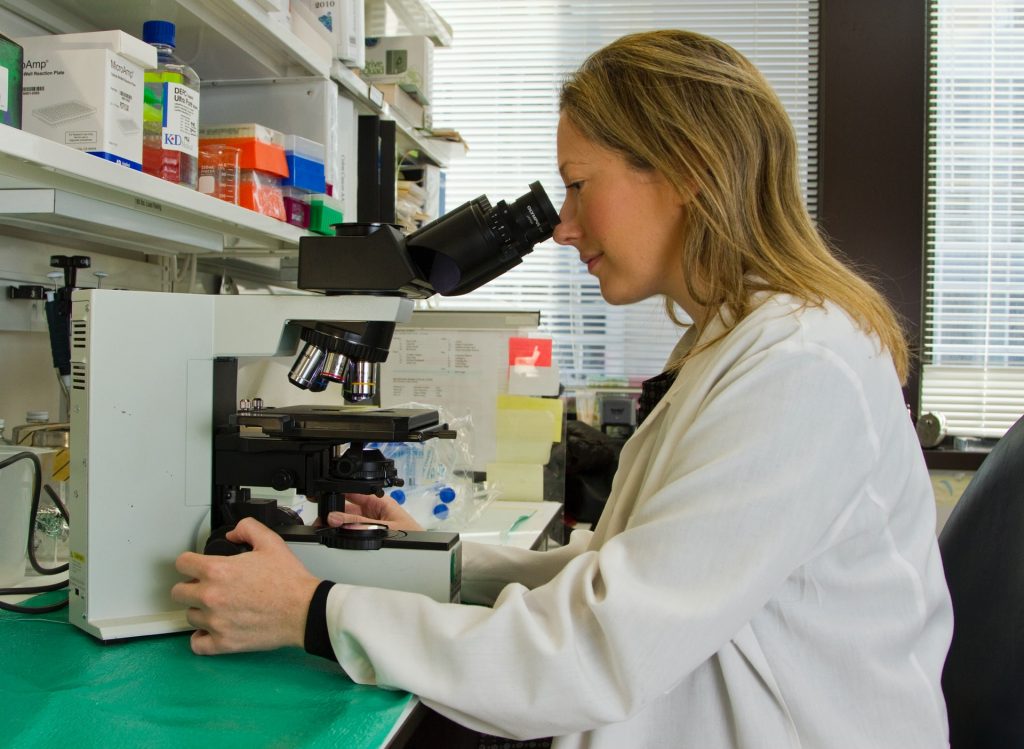
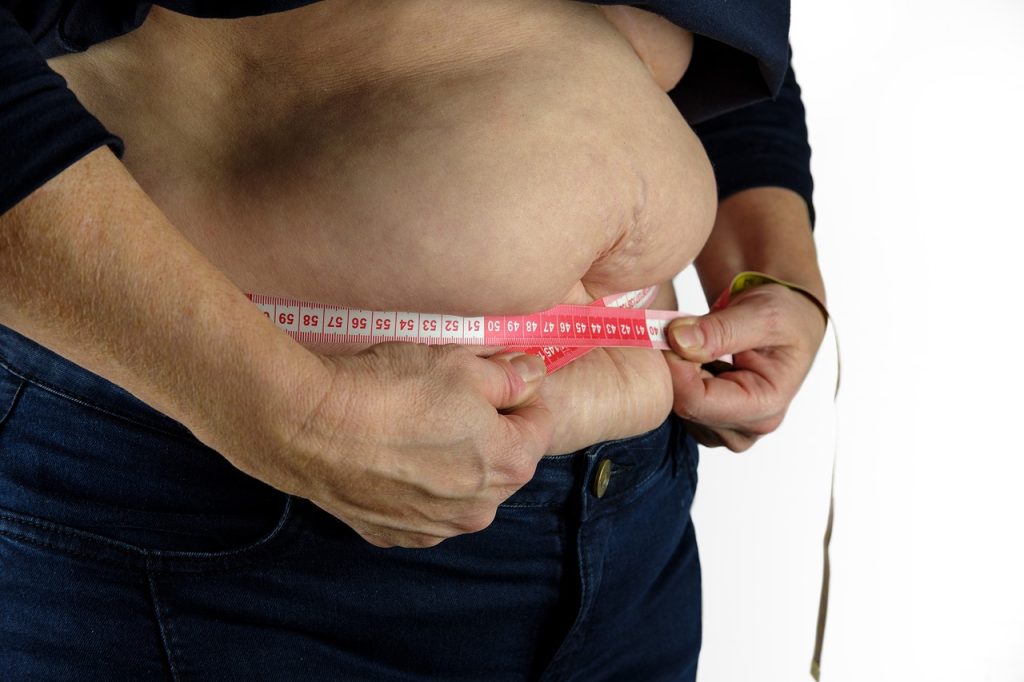
The longer a person has type 2 diabetes, the greater the risk of cardiovascular disease. A new study from Karolinska Institutet, published in the journal Diabetes, shows that changes in red blood cells may be an important explanation, and identifies a specific molecule as a possible biomarker.
People with type 2 diabetes are at increased risk of heart attack and stroke, and the risk increases the longer they have lived with the disease. Previous research has shown that red blood cells can affect blood vessel function in diabetes. Now, a new study shows that the duration of the disease plays a decisive role in when and how these changes occur – and that long-term type 2 diabetes can make red blood cells directly harmful to blood vessels.
The researchers studied both animals and patients with type 2 diabetes. Red blood cells from mice with long-term diabetes and patients who had had the disease for over seven years had a harmful effect on blood vessel function. No such effect was seen in newly diagnosed individuals, but after seven years of follow-up, their blood cells had developed the same harmful properties. When the researchers restored the levels of microRNA-210 in the red blood cells, vascular function improved.
“What really stands out in our study is that it is not only the presence of type 2 diabetes that matters, but how long you have had the disease. It is only after several years that red blood cells develop a harmful effect on blood vessels,” says Zhichao Zhou, associate professor at the Department of Medicine, Solna, Karolinska Institutet, and lead author of the study.
The study points to microRNA-210 in red blood cells as a possible biomarker for early detection of the risk of cardiovascular complications. Researchers are now working to investigate whether this can be used in larger population studies.
“If we can identify which patients are at greatest risk before vascular damage has already occurred, we can also become better at preventing complications,” says Eftychia Kontidou, doctoral student from the same group and the first author of the study.
Thousands of families have taken part in a landmark UK study led by researchers at the University of Birmingham which shows that childhood screening for type 1 diabetes is effective, laying the groundwork for a UK-wide childhood screening programme.
Results from the first phase of the ELSA (Early Surveillance for Autoimmune diabetes) study, co-funded by charities Diabetes UK and Breakthrough T1D, have been published in a research letter in The Lancet Diabetes & Endocrinology today.
The findings mark a major step towards a future in which type 1 diabetes can be detected in children before symptoms appear. Currently, over a quarter of children aren’t diagnosed with type 1 diabetes until they are in diabetic ketoacidosis (DKA), a potentially fatal condition that requires urgent hospital treatment. Early detection can dramatically reduce emergency diagnoses and could give children access to new immunotherapy treatments that can delay the need for insulin for years.
We are working towards a future where type 1 diabetes can be detected in a timely manner
Professor Parth Narendran, lead researcher
Launched in 2022, ELSA is the first UK study of its kind, tested blood samples from 17,931 children aged 3-13 for autoantibodies, markers of type 1 diabetes that can appear years before symptoms.
Children without autoantibodies are unlikely to develop type 1 diabetes, while those with one autoantibody have a 15% chance of developing the condition within 10 years. Having two or more autoantibodies indicates the immune system has already started attacking the insulin-producing cells in the pancreas and it is almost certain these children will eventually need insulin therapy. This is known as early-stage type 1 diabetes.
Among the 17,283 children aged 3-13 years who were screened for type 1 diabetes risk at the time of analysis:
75 had one autoantibody, signaling increased future risk.
160 had two or more autoantibodies but did not yet require insulin therapy, indicating early-stage type 1 diabetes.
7 were found to have undiagnosed type 1 diabetes with all needing to start insulin immediately.
Lead researcher, Parth Narendran, Professor of Diabetes Medicine at the University of Birmingham, said: “We are extremely grateful to all the families who have participated in the study and generously given their time to help understand how a UK-wide screening programme could be developed. Together with Diabetes UK, Breakthrough T1D and the National Institute for Health and Care Research, we are working towards a future where type 1 diabetes can be detected in a timely manner, and families appropriately supported and treated with medicines to delay the need for insulin.
“We are also grateful to partners across the Birmingham Health and Life Sciences District and beyond as well as the NIHR for the support they have provided in getting us to where we are.”
Interventions before diagnosis
Families of children found to have early-stage type 1 diabetes received tailored education and ongoing support to prepare for the eventual onset of type 1 diabetes symptoms and to ensure insulin therapy can begin promptly when needed, reducing the chances of needing emergency treatment. Those with one autoantibody also received ongoing support and monitoring.
Some families were also offered teplizumab, the first ever immunotherapy for type 1 diabetes, which can delay the need for insulin by around three years in people with early-stage type 1 diabetes. The first patient was treated at Birmingham Children’s Hospital. Teplizumab was licensed by the Medicines and Healthcare products Regulatory Agency (MHRA) in the UK in August 2025, and is currently being assessed by the National Institute for Health and Care Excellence (NICE) to determine whether it should be available through the NHS.
As of November 2025, more than 37,000 families have signed up to the ELSA programme. Building on this strong foundation, the second phase of the research, ELSA 2, launches today. ELSA 2 will expand screening to all children in the UK aged 2-17 years, with a focus on younger children (2-3 years) and older teenagers (14-17 years). The research team aims to recruit 30,000 additional children across these new age groups.
ELSA 2 will also establish new NHS Early-Stage Type 1 Diabetes Clinics, providing families taking part with clinical and psychological support and creating a clear pathway from screening to diagnosis, monitoring and treatment.
Case study: Knowing what’s coming … has made an enormous difference
Amy Norman, 44, from the West Midlands, was diagnosed with type 1 diabetes at the age of 13. She recently discovered via the ELSA study that her 11-year-old daughter, Imogen, is in the early stages of type 1 diabetes but has been able to slow its progression as the second child in the UK to access a breakthrough immunotherapy drug – teplizumab. She said: “Being part of the ELSA study has helped us as a family to prepare for the future in a way we never expected. Knowing what’s coming – rather than being taken by surprise – has made an enormous difference to our confidence and peace of mind.
“When I was diagnosed, I had no warning and ended up quite poorly in hospital with diabetic ketoacidosis (DKA). When Imogen’s diagnosis arrives, we hope that having this awareness will reduce her chances of experiencing DKA and the added trauma that comes from a sudden illness.
“Imogen took part in the study to further research and help others, but it has helped her too – being forewarned is being forearmed. She was always going to develop type 1 diabetes, but through ELSA we’ve been able to slow down the process and prepare – we know what is coming, but we’re not scared.”
A game-changer: showing what we can achieve in Birmingham
Professor Neil Hanley, Pro-Vice-Chancellor and Head of the College of Medicine and Health at the University of Birmingham, said, “This is a game-changer. This trial shows we can spare countless children the trauma of an emergency diagnosis, ensure they get early support, and potentially give them access to revolutionary new treatments that could delay or even prevent type 1 diabetes.
“Dr Parth Narendran and his team deserve huge credit; and this breakthrough shows what we can achieve in Birmingham. We have world-class clinicians and scientists working side-by-side, backed by great innovation infrastructure and a vibrant, diverse and affordable city – and, as a result, we are changing lives with next generation diagnostics, therapeutics, and clinical care.”
Rewriting the story of type 1 diabetes
Dr Elizabeth Robertson, Director of Research and Clinical at Diabetes UK, said: “For too many families, a child’s type 1 diabetes diagnosis still comes as a frightening emergency. But that doesn’t have to be the case. Thanks to scientific breakthroughs, we now have the tools to identify children in the very earliest stages of type 1 diabetes – giving families precious time to prepare, avoid emergency hospital admissions, and access treatments that can delay the need for insulin for years.
“The ELSA study, co-funded by Diabetes UK, is generating the evidence needed to make type 1 diabetes screening a reality for every family in the UK. We’re incredibly grateful to the 37,000 families who’ve already signed up and urge others to get involved. Together, we can transform type 1 diabetes care for future generations.”
Rachel Connor, Director of Research Partnerships at Breakthrough T1D, said: “This is about rewriting the story of type 1 diabetes for thousands of families. Instead of a devastating emergency, we can offer time, choices, and hope. By finding children in the earliest stages, we’re not just preparing families, we’re opening the door to treatments that can delay the need for insulin by years. That extra time means childhoods with fewer injections, fewer hospital visits and more normality. Thanks to research like ELSA, what once struck as an unexpected crisis can become an actively managed healthcare process, changing the course of T1D for the better.”
The findings from ELSA’s first phase signal a major step towards a future in which type 1 diabetes can be detected early, managed proactively, and potentially delayed through immunotherapy. ELSA demonstrates that childhood screening in the UK is feasible, acceptable to families, and capable of preventing emergency diagnoses. Continued research through ELSA 2 will assess how screening can be scaled across the NHS and evaluate its cost-effectiveness.
In a small mining town in South Africa’s Limpopo province, young people are showing worrying signs of diseases that were once thought to affect only older adults.
These include type 2 diabetes, high blood pressure, high cholesterol, obesity and insulin resistance. This is not unique to Limpopo or South Africa. It reflects a global trend, where young adults in many low- and middle-income countries are increasingly experiencing early-onset metabolic diseases due to rapid urbanisation, lifestyle changes, unhealthy diets and reduced physical activity.
The World Health Organization says non-communicable diseases now account for 75% of all non-pandemic-related deaths globally. Also, 82% of premature deaths before age 70 occur in low- and middle-income countries.
I’m a public health researcher specialising in epidemiology, metabolic health, infectious diseases and environmental health. My colleagues and I conducted a study in the town of Lephalale and found that many young adults there have abnormal cholesterol levels. They also have reduced sensitivity to insulin, a condition known as insulin resistance.
Both are key risk factors for type 2 diabetes and heart disease.
Our findings suggest that these health problems are appearing much earlier in life than expected. This is particularly concerning in communities undergoing rapid social and economic change, where access to health services and screening programmes remains limited.
New jobs, new lifestyles
Lephalale, formerly known as Ellisras, offers a window into these transitions. Once a quiet rural area in the north of South Africa, it has changed rapidly over the past two decades. It is now the site of expanding mining and industrial activities, driven by the expansion of coal mining operations and the development of power stations.
This industrial growth has attracted thousands of workers from surrounding provinces and neighbouring countries, bringing new economic opportunities. It is also reshaping daily life. Increasingly, residents are doing sedentary work and eating energy-dense diets, including fast food. These lifestyle transitions make Lephalale an important setting for studying emerging health risks in young adults.
Long hours sitting at work and reduced physical activity create fertile ground for metabolic disorders. When people eat more processed, high-fat, high-sugar foods and move less, the body begins storing excess energy as fat.
Over time, this can lead to weight gain, elevated blood glucose and abnormal cholesterol levels. These changes make it harder for the body to regulate insulin, causing insulin resistance, the first step towards type 2 diabetes. Also, inactivity and poor diet increase unhealthy cholesterol and triglycerides (types of fat in the blood), raising the risk of heart disease. In rapidly transitioning communities, these health shifts can happen quickly.
Non-communicable diseases such as diabetes, hypertension and heart disease are now among the leading causes of death in South Africa. In 2020, diabetes was reported to be the second biggest underlying cause of death in South Africa, accounting for 6.6% of all deaths.
Our research
We examined 781 young adults aged 18 to 29 years living in Lephalale as part of a long-running study. We have been tracking health patterns in this community since 1992.
Participants provided fasting blood samples that were analysed for glucose, insulin and cholesterol levels. We grouped them into diabetic and non-diabetic categories based on clinical definitions used by the American Diabetes Association.
The results were striking:
Diabetic participants had significantly higher total cholesterol, low-density lipoprotein (the “bad” cholesterol) and triglycerides, and lower levels of high-density lipoprotein (the “good” cholesterol) than their non-diabetic peers.
Over half (52.7%) of the diabetic group had high total cholesterol, compared with 23% of non-diabetic participants.
Insulin resistance, when the body needs more insulin to manage blood sugar, was also much higher among diabetics.
Even some non-diabetic participants showed early signs of these metabolic changes.
Unhealthy cholesterol patterns and poor insulin sensitivity tend to occur together, each making the other worse. This combination sets the stage for early heart disease, stroke and diabetes.
Why young adults?
Most public-health strategies focus on older adults because that’s when chronic diseases usually become visible.
But our research adds to growing evidence that the seeds of non-communicable diseases are planted early, often in young adulthood or even adolescence.
Young adults in rural or semi-urban areas may seem healthy, yet many are already developing risks due to diet changes, stress and limited exercise opportunities. The modernisation of small towns, while positive economically, brings hidden health costs.
Without early detection, these individuals may enter middle age already carrying high risk of health problems. This will put pressure on health systems that are already stretched.
What makes this community unique?
Lephalale may be changing, but it still lacks many of the urban services, infrastructure and health resources found in South Africa’s big cities.
Health resources are scarce, and screening for cholesterol or insulin resistance is rare. Public clinics focus on infectious diseases such as HIV or tuberculosis. Silent metabolic disorders go unnoticed until symptoms appear.
Our study shows that rapid industrialisation without parallel investment in public-health education and preventive services risks creating a generation of young adults who are chronically unwell by their thirties.
What can be done?
Three priorities stand out:
Early screening and prevention
Regular cholesterol and glucose testing should be part of routine primary-care visits, especially for adults under 30. Mobile health campaigns, school outreach and workplace screenings could help identify those at risk.
Community-based education
Local awareness campaigns must make the link between diet, physical activity and metabolic health easy to understand. They should show, for example, how frequent consumption of fried or sugary foods contributes to cholesterol build-up and insulin resistance.
Healthy-environment policies
Urban planners and municipalities can support healthy lifestyles by ensuring there are safe spaces for exercise. They must also limit marketing of unhealthy foods, and encourage availability of affordable, nutritious options. Similar “health-in-all-policies” approaches have shown success in other countries. such as Finland’s long-running HiAP strategy, which reduced cardiovascular disease rates and improved population health outcomes.
Young people should be in peak health. Without intervention, today’s young adults risk becoming tomorrow’s chronic-disease patients, burdening families, workplaces and health systems.
An “immune system reset” cured autoimmune, or Type 1, diabetes in mice in a Stanford Medicine study. The approach may be useful for other autoimmune conditions as well as organ transplants.
A 3D map of the islet density routes throughout the healthy human pancreas. Source: Wikimedia CC0
A combination of blood stem cell and pancreatic islet cell transplant from an immunologically mismatched donor completely prevented or cured Type 1 diabetes in mice in a study by Stanford Medicine researchers. Type 1 diabetes arises when the immune system mistakenly destroys insulin-producing islet cells in the pancreas.
None of the animals developed graft-versus-host disease – in which the immune system arising from the donated blood stem cells attacks healthy tissue in the recipient – and the destruction of islet cells by the native host immune system was halted. After the transplants, the animals did not require the use of immunosuppressive drugs or insulin for the duration of the six-month experiment.
“The possibility of translating these findings into humans is very exciting,” said Seung K. Kim, MD, PhD, professor of developmental biology, gerontology, endocrinology and metabolism. “The key steps in our study – which result in animals with a hybrid immune system containing cells from both the donor and the recipient – are already being used in the clinic for other conditions. We believe this approach will be transformative for people with Type 1 diabetes or other autoimmune diseases, as well as for those who need solid organ transplants.”
The findings in the current report dovetail with those from a 2022 study by Kim and collaborators, in which researchers first induced diabetes in mice by destroying insulin-producing cells in the pancreas with toxins. They then cured them with a gentle pre-transplant treatment of immune-targeting antibodies and low-dose radiation, followed by transplantation of blood stem and islet cells from an unrelated donor.
The current study tackled a more complex problem: curing or preventing diabetes caused by autoimmunity, in which the immune system spontaneously destroys its own islet cells. In people this is called Type 1 diabetes. Unlike in the induced-diabetes study — in which the researchers’ goal was to prevent the recipient’s immune system from rejecting donated islet cells — the transplanted islet cells in the autoimmune mice have two targets on their backs: Not only are they foreign, but they are vulnerable to autoimmune attack by a misguided immune system bent on destroying islet cells regardless of their origin.
“Just like in human Type 1 diabetes, the diabetes that occurs in these mice results from an immune system that spontaneously attacks the insulin-producing beta cells in pancreatic islets,” Kim said. “We need to not only replace the islets that have been lost but also reset the recipient’s immune system to prevent ongoing islet cell destruction. Creating a hybrid immune system accomplishes both goals.”
Unfortunately, the inherent features that lead to autoimmune diabetes in these mice also make them more challenging to prepare for a successful blood stem cell transplant.
The solution the researchers found was relatively simple: Bhagchandani and Stephan Ramos, PhD, a postdoctoral fellow and study co-author, added a drug used to treat autoimmune diseases to the pre-transplant regimen the researchers had discovered in 2022. Doing so, then transplanting blood stem cells, resulted in an immune system made up of cells from both the donor and the recipient and prevented development of Type 1 diabetes in 19 out of 19 animals. Additionally, nine out of nine mice that had developed long-standing Type 1 diabetes were cured of their disease by the combined blood stem cell and islet transplantation.
Because the antibodies, drugs and low-dose radiation the researchers administered to the mice are already used in the clinic for blood stem cell transplantation, the researchers believe that translating the approach to people with Type 1 diabetes is a logical next step.
Where the concept began
The study builds on the work of the late Samuel Strober, MD, PhD, a professor of immunology and rheumatology, and his colleagues, including study co-author and professor of medicine Judith Shizuru, MD, PhD. They and other Stanford researchers had shown that a bone marrow transplant from a partially immunologically matched human donor allowed formation of a hybrid immune system in the recipient, and subsequent long-term acceptance of a kidney transplant from the same donor. In some cases, Strober and colleagues showed that transplanted donor kidney function lasted for decades, without the need for drugs to suppress rejection.
A blood stem cell transplant can be used to treat cancers of the blood and immune system, such as leukemia and lymphoma. But in those settings, high doses of chemotherapy drugs and radiation needed to treat the cancer and replace the recipient blood and immune system often result in severe side effects. Shizuru and colleagues have devised a safer, gentler avenue to prepare recipients with non-cancerous conditions such as Type 1 diabetes for donor blood stem cell transplantation — knocking their bone marrow back just enough to provide a foothold for the donated blood stem cells to settle in and develop.
“Based on many years of basic research by us and others, we know that blood stem cell transplants could also be beneficial for a wide range of autoimmune diseases,” Shizuru said. “The challenge has been to devise a more benign pre-treatment process, diminishing risk to the point that patients suffering from an autoimmune deficiency that may not be immediately life-threatening would feel comfortable undergoing the treatment.”
Judith Shizuru
“Now we know that the donated blood stem cells re-educate the recipient animal’s immune system to not only accept the donated islets, but also not attack its healthy tissues, including islets,” Kim said. “In turn, the donated blood stem cells and the immune system they produce learn to not attack the recipient’s tissues, and graft-versus-host disease can be avoided.”
What comes next?
Challenges remain using this approach to treat Type 1 diabetes. Pancreatic islets can be obtained only after death of the donor, and the blood stem cells must come from the same person as the islets. It is also unclear whether the number of islet cells typically isolated from one donor would be enough to reverse established Type 1 diabetes.
But the researchers are working on solutions, which could include generating large numbers of islet cells in the laboratory from pluripotent human stem cells, or finding ways to increase the function and survival of transplanted donor islet cells.
In addition to diabetes, Kim, Shizuru and their colleagues expect that the gentler pre-conditioning approach they developed could make stem cell transplants a viable treatment for autoimmune disease such as rheumatoid arthritis and lupus, and non-cancerous blood conditions like sickle cell anemia (for which current blood stem cell transplant methods remain harsh), or for transplants of mismatched solid organs.
“The ability to reset the immune system safely to permit durable organ replacement could rapidly lead to great medical advances,” Kim said.
Research shows that greater subjective well-being can lead to enhanced immune function and a lower incidence of chronic disease. But when does happiness start to exert its positive influence, and is there a point when this effect caps out? Researchers looked at national level data from 123 countries and found there is: on a scale from zero to 10, people started gaining health benefits once they surpassed a threshold that lies at around 2.7. Once above, each 1% of additional happiness could lead to a small decrease in mortality risk from non-communicable diseases.
Heart disease, cancer, asthma, and diabetes: All are chronic or non-communicable diseases (NCD), which accounted for about 75% of non-pandemic related deaths in 2021. They may result from genetic, environmental, and behavioural factors, or a combination thereof. But can other factors also influence disease risk?
Now, a new Frontiers in Medicine study has investigated the relationship between happiness and health to find out if happier always means healthier and to determine if happiness and co-occurring health benefits are linear or follow a specific pattern.
“We show that subjective well-being, or happiness, appears to function as a population health asset only once a minimum threshold of approximately 2.7 on the Life Ladder scale is surpassed,” said first author Prof Iulia Iuga, a researcher at 1 Decembrie 1918 University of Alba Iulia. “Above this tipping point, increased happiness is associated with a decrease in NCD mortality.”
Happy equals healthy
“The life ladder can be imaged as a simple zero to 10 happiness ruler, where zero means the worst possible life and 10 means the best possible life,” explained Iuga. “People imagine where they currently stand on that ladder.” The team used data sourced from different health organisations, global development statistics, and public opinion polls. The data came from 123 countries and was collected between 2006 and 2021.
A score of 2.7 can be found towards the lower end of the ladder, and people or countries finding themselves there are generally considered unhappy or struggling. “An adjective that fits this level could be ‘barely coping’,” said Iuga. Nevertheless, already at this point, improvements in happiness begin to translate into measurable health benefits.
Once the threshold is surpassed and a country’s collective happiness rises above it, the study found that each 1% increase in subjective well-being is linked to an estimated 0.43% decrease in that country’s 30-to-70-year NCD mortality rate. This rate refers to the percentage of deaths due to NCDs among individuals aged between 30 and 70.
“Within the observed range, we found no evidence of adverse effects from ‘excessive’ happiness,” Iuga added. Below the 2.7-point threshold, small improvements in happiness (for example, from a score of 2 to 2.2) do not translate to measurable reduction in NCD deaths, the data indicated. Before measurable changes can be unlocked, very low well-being needs to be remedied, the study suggested.
Countries that exceeded this threshold tend to have higher per person health spending, stronger social safety nets, and more stable governance as opposed to the countries falling below it. The average life ladder score across the examined countries during the study period was 5.45, with a minimum of 2.18 and a maximum of 7.97.
There are several ways that governments could raise countries above a score of 2.7, for example through promoting healthy living by expanding obesity prevention and tightening alcohol availability; improving the environment through stricter air-quality standard; and increasing their per capita health spending. The authors said their insights could help guide health and social policies and might aid to integrate well-being into nations’ agendas.
The authors pointed out that the life ladder scores making up their data were self-reported, which may have resulted in measurement errors, differences in cross-cultural response styles, or reporting bias. It is also possible that subnational differences between populations were captured inadequately. In the future, studies should include more measures, such as years lived with disability or hospital admission records, include subnational micro-data, and expand coverage to low-income or conflict states, which may have been overlooked in the data they used, the team pointed out.
Nevertheless, identifying the protective effects of happiness could be an important step towards healthier people. “Identifying this tipping point could provide more accurate evidence for health policy,” concluded Iuga. “Happiness is not just a personal feeling but also a measurable public health resource.”
Changing the amount of sweetness in a person’s diet has no impact on their liking for sweet foods, the results of a new trial suggest. The results also showed no difference in indicators of cardiovascular disease or diabetes risk between people who increased or decreased their intake of sweet-tasting foods over a six-month period.
The research team suggest that consequently public health organisations may need to change their current advice on reducing sweet food consumption to tackle the obesity crisis.
The study, published in the American Journal of Clinical Nutrition, was carried out by Wageningen University and Research in the Netherlands and Bournemouth University in the UK.
“People have a natural love of sweet taste which has led many organisations, including the World Health Organisation, to offer dietary advice on reducing the amount of sweetness in our diets altogether,” said Katherine Appleton, Professor in Psychology at Bournemouth University and corresponding author for the study. “However, our results do not support this advice, which does not consider whether the sweet taste comes from sugar, low calorie sweeteners, or natural sources.” she added.
During the trial, 180 participants were split into three groups. One group consumed a diet containing a high amount of sweet-tasting food, a second group consumed a low amount and a third consumed an average amount. The sweetness in the foods provided for their diets came from a combination of sugar, natural sweetness or low-calorie sweeteners.
After one, three and six months, participants were surveyed on whether their liking and perception of sweet foods had changed. They were also weighed and provided blood and urine samples to measure any changes in their diabetes risk and cardiovascular health.
At the end of the trial, the researchers found no significant differences in any of the measures across the three groups. Participants also reported a spontaneous return to their previous intake of sweet foods after the six months.
Based on their results, the study team are recommending that public health organisations may need to change their current advice on reducing sweet foods to tackle overweight and obesity.
“It’s not about eating less sweet food to reduce obesity levels,” Professor Appleton said. “The health concerns relate to sugar consumption. Some fast-food items may not taste sweet but can contain high levels of sugar. Similarly, many naturally sweet products such as fresh fruit and dairy products can have health benefits. Public advice therefore needs to concentrate on how people can reduce the amount of sugar and energy-dense foods they consume,” she concluded.
Getting to grips with rising diabetes rates is arguably one of the most urgent tasks for South Africa’s public healthcare system, but the setbacks keep coming. While some communities are facing shortages of blood sugar meters and insulin pens, a smaller wave of insulin vial shortages is now on the horizon.
In August, activist Eksoda Mazibuko was sure that years of community organising had finally yielded tangible results for people with diabetes in Hluvukani, a town in Mpumalanga.
The 35-year-old had just received R50 000 from Good Morning Angels, Jacaranda FM’s community upliftment project. It was more than enough for him to buy blood sugar meters and test strips for the fifty-person support group he runs at Tintswalo Hospital in Acornhoek, where stock had run out.
When the body can’t make or use insulin – the hormone that keeps blood sugar in check – people have to watch their levels, so they know how to eat and medicate themselves. It’s a process held together by medicines and an ecosystem of tools such as meters, strips, pens, lancets, needles, syringes, which unravels when one part is missing. Over time, poorly controlled blood sugar causes cumulative damage to one’s body that can result in severe complications such as amputation, blindness, kidney damage, and stroke.
Most people who take pills to treat diabetes need monitoring from time to time, but for the majority of those who are on insulin treatment, it is essential. People with diabetes who are taking insulin must check their blood sugar levels multiple times a day. To do this, they need glucometers – devices that measure the sugar levels in a drop of blood. But access to glucometers is a challenge. Spotlight previously reported that not everyone who needs these home testing devices is given one and those who do receive them rarely get enough test strips and lances to enable proper monitoring of their blood sugar levels.
Without tests and test strips, people in Hluvukani had no way of knowing how to adjust their insulin. Injecting the wrong amount could in extreme cases result in someone going into a coma or dying.
Mazibuko himself, who was diagnosed in 2003 and has always needed insulin, knows how terrifying it can be when monitoring tools are out of reach.
When the devices and test strips finally arrived, he shared a celebratory photo on social media. Excited messages streamed in on WhatsApp, but among them was an upsetting note from a government pharmacist: “You should have asked me before you ordered.”
Unbeknownst to the hospital staff that helped Mazibuko choose the device, the national government’s supplier would be changing, as it does every three years or so when a new tender is awarded. That means state pharmacies would soon stock a different kind of test strip.
Glucometers generally can’t interpret test strips from a different brand or model, so the glucometers that he’d already started to hand out would soon be useless.
“They were already open so I couldn’t send them back. After I worked so hard to get those machines for my community members,” said Mazibuko. “It was heartbreaking.”
According to a report from the Clinton Health Access Initiative, in poorer countries companies make most of their profit on the test strips rather than the glucometers used to read the strips. Spotlight understands that some companies go as far as giving away the devices to lock people into using their specific test strips. According to Cathy Haldane, who leads the non-communicable diseases team at FIND (a global diagnostics alliance), there have been some efforts toward encouraging universal interoperability of test strips, but these efforts haven’t gathered much steam.
Why diabetes is still a national guessing game
South Africa is one of the few countries that buys blood glucose meters and test strips en masse, but there are still lots of people who are treated with insulin who don’t have access to them.
One reason for this is that the national health department buys machines and strips for the public sector but it’s up to provinces to manage stock at pharmacies and clinics, explains Haldane.
A lack of good quality diabetes data could be making harder for health department staff to predict how much they’ll need, she says. Unlike the country’s digital HIV & TB tracking system, there’s no centralised database for diabetes and other chronic diseases such as high blood pressure and cancer. As Spotlight previously reported in-depth, there is a serious lack of reliable diabetes data for South Africa. Haldane says, “that’s how people on insulin treatment who should get a machine and monthly test strips end up going without”.
Not having reliable data leaves national planners, doctors and nurses in the dark about how many people need blood sugar monitors, where the system is failing and how the country is faring against targets outlined in the health department’s action plan for chronic diseases, which lapses in 2027. The plan states that by 2027, the health department wants at least 50% of people receiving care for diabetes to have their blood sugar under control. The available data though, all from pockets of academic research, suggests that we are falling far short of this target.
The diabetes data that is available paints a harrowing picture.
According to a StatsSA report on non-communicable diseases, diabetes was the leading underlying cause of death for women and second biggest underlying cause of death for men in 2018. While other reports suggest that diabetes is lower on the list of top killers, it clearly does claim many lives in the country. The International Diabetes Federation estimates that about half of people with diabetes in South Africa haven’t been diagnosed.
If trends continue, 2018 research suggests the treatment, management and complications of type two diabetes could cost the government as much as R35-billion by 2030.
In rural KZN, insulin pen stockouts persist
Meanwhile, more than 700 kilometers from Hluvukani, in KwaZulu-Natal’s rural King Cetshwayo district, some healthcare staff are using their own money to help keep diabetes services going.
Indira Govender, a doctor affiliated with the Rural Doctors Association of South Africa (Rudasa) who works in the area, says clinic managers are often the ones buying new batteries for blood sugar meters used in the facility and by patients.
The devices use the coin-like batteries also used in some watches, which aren’t easy to find in far flung areas.
Govender worries about the patients on insulin who still have to use a glass vial and syringe to inject themselves. “Not everybody has a fridge to store the insulin in. People struggle to draw up the right amount of insulin, sometimes because they can’t see well,” says Govender.
South Africa ran out of pens in 2024 when the health department’s longtime supplier, Novo Nordisk, stopped manufacturing pens prefilled with the cheapest form of insulin. The news came as global demand surged for one of Novo Nordisk’s long-acting diabetes medicines, semaglutide, because it was shown to also be effective for weight loss. Semaglutide is also provided in pens rather than vials.
In a 2024 letter to Novo Nordisk’s chief executive officer, MSF demanded that the pharma giant either ensure continued supply of the cheapest insulin pens in South Africa or that it offer a newer kind of pen at $1 each. That’s the amount that MSF’s research found would cover production costs, a fair profit margin and an allowance for tax.
The newer pens are filled with a form of insulin that takes effect faster and lasts for longer than previous versions. Novo Nordisk signed a deal in May in which it commits to providing these pens to South Africa until 2027. The department was charged just under $4 (around R75) per pen.
At the government clinic where Govender works in KwaZulu-Natal, however, insulin pens have reportedly not returned to pharmacy shelves.
“We haven’t had pens here since at least 2024,” says Govender.
The KwaZulu-Natal health department did not respond to Spotlight’s queries about the delivery delays.
Local consequences of global disruptions
While some communities are still waiting for insulin pens, a smaller wave of vial shortages is on its way for South Africa, according to an October circular.
Novo Nordisk told the health department to expect six to eight week delays in the delivery of short-acting, medium-acting and longer-acting insulin sold in 10ml vials. The department did not respond to Spotlight’s queries, but the circular listed four alternative prefilled pens that are available and expects stock to stabilise by January 2026.
One of the listed alternatives, Novo Nordisk’s NovoMix30, is also on a list of insulin pens and vials that will be discontinued in 2026, according to a directive issued by the health ministry in New Zealand.
No such directive has been issued by South Africa’s health department. Candice Sehoma, advocacy advisor for MSF Access in Southern Africa, says she would be surprised if the country avoids it.
It’s part of a concerning pattern of shortages of essential medicines worldwide, she says.
“We’re seeing more and more companies deprioritising insulin and discontinuing affordable medicines,” says Sehoma.
When there’s insulin but no food
While his stock of test strips lasts, Mazibuko takes them along when he visits members of his support group in Hluvukani.
They could technically find matching strips in the private sector, but they’re likely to be too expensive. A 2024 study found that for someone earning South Africa’s minimum wage, a single blood-sugar test in the private sector costs more than an hour of work, and a month of basic diabetes supplies can swallow three full days’ wages.
Many of the people on Mazibuko’s route are facing far more serious problems than the loss of glucometers. Those who aren’t working are often not taking their medication well either, Mazibuko says. “They don’t have food so they skip breakfast and also skip their insulin because they’re scared.”
Injecting insulin on an empty stomach can cause a sudden blood sugar crash that could lead to dizziness, confusion or a seizure.
Mazibuko is working on a skills programme to help these people make a living that might also protect them from lapses in basic supplies at government health facilities, which he claims happens often.
“Sometimes you go to the clinic, they tell you that they’ve run out of insulin, or they tell you to buy your own needles and syringes. You will have to do that with borrowed money,” says Mazibuko.
The Mpumalanga health department also did not respond to Spotlight’s requests for comment.
Republished from Spotlight under a Creative Commons licence.
Findings could lead to new treatments to improve metabolic health and reduce risks of obesity, diabetes
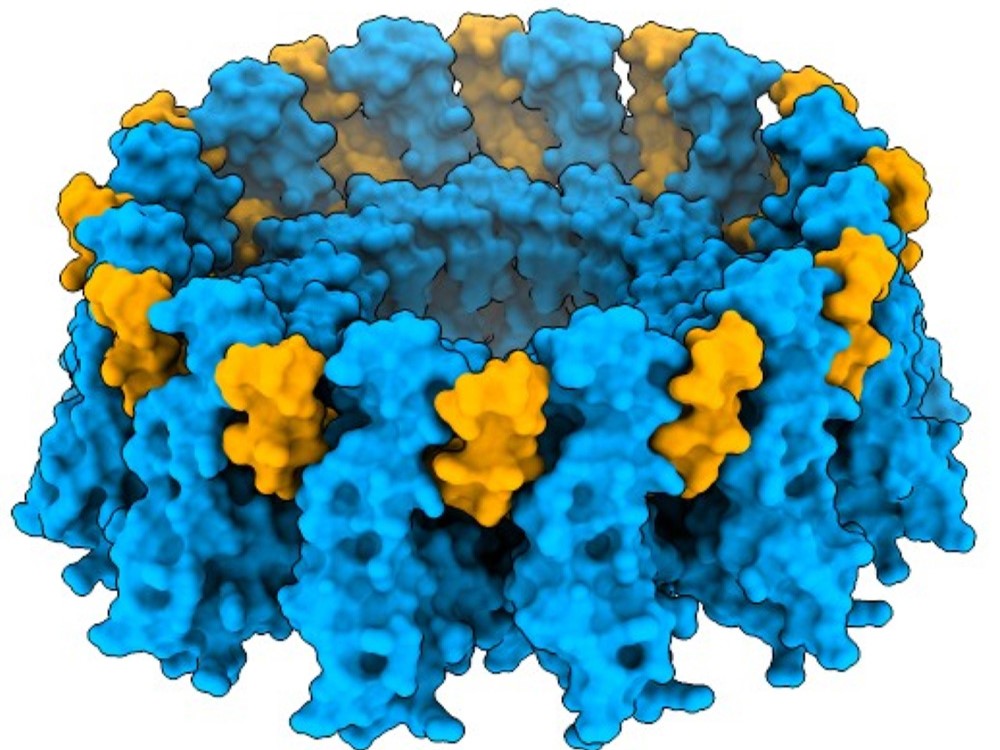
This image shows the seipin-adipogenin complex that is a critical driver of lipid droplet formation in fat cells. Credit: UT Southwestern Medical Center
A microprotein called adipogenin appears to play a key role in helping fat cells store lipid droplets – a phenomenon that’s pivotal for metabolic health, a study co-led by UT Southwestern Medical Center researchers shows. The findings, published in Science, could lead to new strategies to improve healthy lipid storage, which in turn may reduce risks of obesity, diabetes, and other metabolic conditions.
“This study builds upon our long-standing interest in how fat cells maintain their cellular health upon expansion. We show that a tiny microprotein punches far above its weight in sculpting fat biology,” said Philipp Scherer, PhD, Professor of Internal Medicine and Cell Biology and Director of the Touchstone Center for Diabetes Research at UT Southwestern.
Dr Scherer led the study with co-first authors Chao Li, PhD, and Xue-Nan Sun, PhD, Instructors of Internal Medicine at UTSW, and co-senior author Elina Ikonen, MD, PhD, Professor of Anatomy at the University of Helsinki.
After every meal, Dr Scherer explained, any lipids that aren’t burned immediately for energy must be stored in the body. The most common and healthy place to store lipids is in fat cells, or adipocytes, which stockpile these nutrients as droplets, much like oil forms droplets in water. Lipids stored in other cell types can cause a condition called lipotoxicity, spurring cell damage and cell death.
Previous research at UTSW and elsewhere has shown that a protein called seipin is critical for healthy lipid storage in a diverse range of organisms, including plants, fungi, and mammals. But how seipin accomplishes this feat has been unclear. Some studies have suggested that adipogenin – a small protein made of only 80 amino acids as compared with the hundreds found in seipin – is also important for lipid storage, but its exact function was unknown.
To answer these questions, the researchers isolated adipogenin along with its interacting proteins from mice, which produce a form of this microprotein that’s nearly identical to the one in humans. The most common binding partner for adipogenin turned out to be seipin.
Using cryo-electron microscopy, a technique that can image molecules at the atomic level, researchers showed that adipogenin appeared to reinforce seipin’s structure, making it more rigid and stable. Working with mouse models that overproduced adipogenin, the scientists found that their fat cells held significantly larger lipid droplets. They also stored considerably more fat than unaltered mice. In contrast, mouse models that produced no adipogenin had much smaller lipid droplets in their fat cells and less fat overall.
“This study nudges us a little closer to the clinic by revealing a brand-new handle on how fat cells store lipids, which matters enormously for obesity, diabetes, lipodystrophy, and fatty liver disease,” Dr Scherer said. “Adipogenin becomes a druggable lever on seipin’s machinery, with the promise to either dampen harmful fat buildup or boost healthy adipose storage when needed.”
A growing body of evidence implicates cellular senescence – when cells age and permanently stop dividing – as an important contributor to metabolic dysfunction that can lead to obesity, type 2 diabetes, and metabolic syndrome. A review in the Journal of Internal Medicine explores the research connecting senescent cells to metabolic diseases and highlights the potential of “senotherapeutics” in treatment strategies.
The authors note that senescent cells accumulate in metabolic tissues where they secrete factors that disrupt tissue function by promoting inflammation and fibrosis. With this information, investigators have developed senotherapeutic interventions that include senolytics (which eliminate senescent cells), senomorphics (which suppress factors secreted by senescent cells), and senosensitisers (which render senescent cells more vulnerable to clearance).
“By targeting senescent cells, senotherapeutics mitigate one of the root drivers of age- and obesity-related metabolic disease, opening a powerful new frontier in modern medicine,” said corresponding author Allyson Palmer, MD, PhD, of the Mayo Clinic. “This emerging class of therapies could transform how we treat and even prevent metabolic disease.”
Underweight patients may face higher risk of poor outcomes after surgery
Source: Pixabay CC0
Higher BMI is not linked to increased risk of death or other complications following shoulder replacement surgery, according to a new study by Epaminondas Markos Valsamis from the University of Oxford, UK, and colleagues publishing November 20th in the open-access journal PLOS Medicine.
Joint replacement surgeries – including hip, knee and shoulder replacements – can significantly improve quality of life. Many patients with obesity are denied these procedures despite a lack of formal recommendations from national organisations. Evidence on the risks of joint replacement surgery in patients with obesity is limited and mixed.
In this study, researchers analysed more than 20 000 elective shoulder replacement surgeries performed across the UK and Denmark to see whether BMI was associated with death or other complications.
Compared to patients with a healthy BMI (21.75 kg/m2), patients with obesity (BMI 40 kg/m2) had a 60% lower risk of death within the year following surgery. Those considered underweight (BMI <18.5 kg/m2) had a slightly higher risk of death. The study does not support restricting patients with a high BMI from having elective shoulder replacement surgery, contrary to evidence that some hospitals are starting to restrict patients.
One main limitation of this study was the small sample size of the underweight population (131 for the UK data, 70 for the Denmark data). However, this was a large study that consistently showed a lower risk of death and complications in patients with obesity undergoing shoulder replacement surgery across multiple outcomes and two countries. The results can help patients, surgeons, and policymakers make informed decisions about who should be considered fit for these surgeries.
Lead author Epaminondas Markos Valsamis says, “Shoulder replacements offer patients the opportunity for excellent pain relief and improved quality of life. Our research shows that patients with a higher BMI do not have poorer outcomes after shoulder replacement surgery.”
Senior author Professor Jonathan Rees adds, “While BMI thresholds have been used to limit access to joint replacement surgery, our findings do not support restricting higher BMI patients from accessing shoulder replacement surgery.”