Researchers tracked 85 young adults over a four-year period, finding that increases in ultra-processed food consumption were linked with elevated blood sugar and early signs of diabetes risk.
Photo by Jonathan Borba
More than half of calories consumed in the United States come from ultra-processed foods (UPFs), items like fast food and packaged snacks that are often high in sodium, sugar and unhealthy fats. In adults, research has clearly linked these foods to type 2 diabetes and other conditions, but few studies have explored their effects among youth.
Now, researchers from the Keck School of Medicine of USC have completed one of the first studies to examine the link between UPF consumption and how the body processes glucose, which is known to predict diabetes risk. By tracking changes over time, they gained insights into how dietary choices may influence key biological processes.
The researchers studied a group of 85 young adults over a four-year period. They found that an increase in UPF intake was associated with a higher risk for prediabetes, or early-stage high blood sugar that can lead to diabetes. Eating more UPFs was also linked to insulin resistance, where the body becomes less effective at using insulin to control blood sugar. The study, funded in part by the National Institutes of Health, was just published in the journal Nutrition and Metabolism.
“Our findings show that even modest increases in ultra-processed food intake can disrupt glucose regulation in young adults at risk for obesity. These results point to diet as a modifiable driver of early metabolic disease, and an urgent target for prevention strategies among young people,” said senior author Vaia Lida Chatzi, MD, PhD, a professor of population and public health sciences and paediatrics and director of the ShARP Center at the Keck School of Medicine.
Early adulthood is a formative stage where people have reached physical maturity and are building habits that can persist for years. Trading packaged or restaurant meals for whole and raw foods like fruits, vegetables, and whole grains can reduce the likelihood of developing type 2 diabetes later in life.
“Young adulthood is a critical window for shaping long-term health,” Chatzi said. “By focusing on young adults, we have an opportunity to intervene early, before prediabetes and other risk factors become lifelong conditions.”
Signs of prediabetes
The research included 85 young adults from the Metabolic and Asthma Incidence Research (Meta-AIR) study, part of the broader Southern California Children’s Health Study. Participants, aged 17–22, provided data at a baseline visit between 2014 and 2018 and a follow-up visit approximately four years later.
At each visit, participants reported everything they had eaten on one recent weekday and one recent weekend day. Researchers classified foods into two categories: UPFs (such as candy, soda, cereal, packaged spreads, flavored yogurts, and many restaurant foods) and foods that were not ultra-processed. They then calculated what percentage of each participant’s daily caloric intake came from UPFs.
The researchers also collected blood samples from participants before and after they consumed a sugary drink to test how effectively their body responded to blood sugar with insulin. They then conducted a statistical analysis to compare dietary changes with signs of prediabetes, adjusting for differences in age, sex, ethnicity and physical activity levels.
From baseline to follow-up, a 10% increase in UPF consumption was associated with a 64% higher risk for prediabetes and a 56% higher risk for problems with glucose regulation. Participants who reported eating more UPFs at their initial visit were also more likely to have elevated insulin levels at follow-up—an early sign of insulin resistance, where the body must produce more insulin to keep blood sugar in a healthy range.
Limiting ultra-processed foods
The study shows that the risks of UPFs extend to young adults, a group often overlooked in previous research.
“These findings indicate that ultra-processed food consumption increases the risk for pre-diabetes and type 2 diabetes among young adults – and that limiting consumption of those foods can help prevent disease,” said the study’s first author, Yiping Li, a doctoral student in quantitative biomedical sciences at Dartmouth College who previously worked as a researcher at the Keck School of Medicine.
Future studies with larger groups and more detailed diet tracking can help clarify which foods pose the greatest risk for young adults, the researchers said. They also plan to continue investigating the biological mechanisms behind these links, including how specific nutrients in UPFs may influence insulin and blood sugar regulation.
A new University of California San Diego study offers compelling evidence that GLP-1 receptor agonists may do more than regulate blood sugar and weight. In an analysis of more than 6800 colon cancer patients across all University of California Health sites, researchers found that those taking glucagon-like peptide-1 (GLP-1) medications were less than half as likely to die within five years compared to those who weren’t on the drugs (15.5% vs 37.1%).
The study, led by Raphael Cuomo, PhD, used real-world clinical data from the University of California Health Data Warehouse to assess outcomes across the state’s academic medical centres. After adjusting for age, body mass index (BMI), disease severity and other health factors, GLP-1 users still showed significantly lower odds of death, suggesting a strong and independent protective effect.
The survival benefit appeared most pronounced in patients with very high BMI (over 35), hinting that GLP-1 drugs may help counteract the inflammatory and metabolic conditions that worsen colon cancer prognosis. Researchers believe several biological mechanisms could explain the link. Beyond regulating blood sugar, GLP-1 receptor agonists reduce systemic inflammation, improve insulin sensitivity and promote weight loss – all factors that can dampen tumour-promoting pathways. Laboratory studies also suggest that GLP-1 drugs may directly prevent cancer cell growth, trigger cancer cell death and reshape the tumour microenvironment. However, the study authors emphasise that more research is needed to confirm these mechanisms and determine whether the survival benefit observed in this real-world analysis represents a direct anti-cancer effect or an indirect result of improved metabolic health.
Cuomo notes that while these results are observational, they underscore an urgent need for clinical trials to test whether GLP-1 drugs can improve cancer survival rates, especially for patients with obesity-related cancers.
Mass General Brigham researchers used real-world data to conduct a head-to-head study to investigate cardioprotective effects, finding both medications reduced risk.
Pexels Photo by Freestocksorg
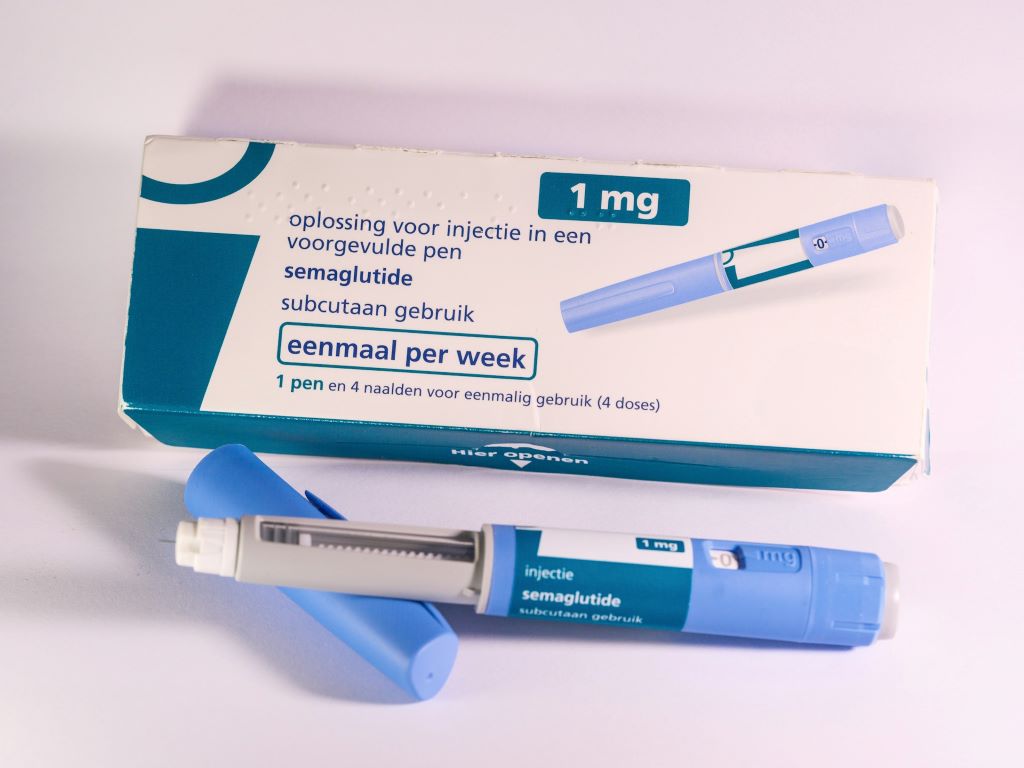
A new study from Mass General Brigham provides head-to-head evidence comparing the cardioprotective effects of tirzepatide and semaglutide. The researchers found both medications reduced the risk of heart attack, stroke, and death from any cause. The study is published in Nature Medicine, with results simultaneously presented at the American Heart Association Scientific Sessions 2025.
Previous research shows that semaglutide protects against cardiovascular events like heart attack or stroke. But it wasn’t clear if tirzepatide, also commonly prescribed for type 2 diabetes, has the same cardiovascular benefits.
Researchers used US claims databases to compare the cardiovascular outcomes of nearly one million adults taking tirzepatide, semaglutide, or other medications for type 2 diabetes.
“Randomised controlled trials are often considered the reference standard in the medical evidence generation process. However, not all questions can be answered using this time- and resource-intensive method,” said first author Nils Krüger, MD, a research fellow in the Division of Pharmacoepidemiology and Pharmacoeconomics in the Mass General Brigham Department of Medicine. “Data generated in clinical practice and used secondarily for research allow us to address a wide range of clinically relevant questions time- and resource-effectively – when applied correctly. Moreover, we can study patients who reflect the reality of everyday clinical care, in contrast to the highly selected participants of randomized experiments.”
The study demonstrated a cardiovascular benefit for patients at risk for adverse cardiovascular events who had type 2 diabetes. Compared with sitagliptin, a diabetes drug that has shown neutral effects on cardiovascular outcomes, semaglutide reduced the risk of stroke and heart attack by 18 percent. Treatment with tirzepatide lowered the risk of stroke, heart attack, and death by 13 percent compared to dulaglutide, another GLP-1 receptor agonist that has been available for many years.
“Both drugs show strong cardioprotective effects. Our data also indicate that these benefits occur early, suggesting that their protective mechanisms go beyond weight loss alone,” said Krüger. The exact biological mechanisms underlying these protective effects remain unknown.
Because these medications have only recently become available, studies confirming their cardioprotective mechanisms – particularly those directly comparing the two dominant GLP-1 agents, tirzepatide and semaglutide – are still lacking.
“According to recently presented database analyses by the respective manufacturers, each company’s own drug appears to reduce cardiovascular risk much more effectively than the competitor’s,” said Krüger. “However, our study found only small differences between tirzepatide and semaglutide in cardiovascular protection among populations at risk of adverse events, underscoring that both agents provide protective benefit and could be integrated into clinical cardiovascular practice.”
“We hope that our study will help clinicians better understand how these new medications work in clinical practice. Our transparent and open science practices, including pre-registration of a public protocol and shared analytic code, are designed to support scientific discussion,” said last author Shirley Wang, PhD, an associate epidemiologist in the Division of Pharmacoepidemiology and Pharmacoeconomics in the Mass General Brigham Department of Medicine.
Johannesburg, 11 November 2025:As we approach World Diabetes Day on November 14, civil society organisations warn that the cost of inaction on non-communicable diseases (NCDs) such as diabetes is already being paid for in lives, livelihoods and lost potential. The Healthy Living Alliance (HEALA) is calling on the South African government to increase the Health Promotion Levy (HPL) on sugary drinks from 11% to 20%, to help curb sugary drinks consumption and reduce the financial burden on the health system from rising non-communicable diseases.
“Diabetes is now the second leading cause of death in South Africa,1 yet every year we allow preventable diseases to claim more lives,” says Nzama Mbalati, CEO of HEALA. “Raising the Health Promotion Levy is one of the simplest, most effective steps government can take to protect people’s health, especially children, who are consuming sugar at dangerous levels.”
Since the introduction of the HPL in 2018, beverage companies have reduced the sugar content of their drinks, leading to cuts in average per-capita sugar consumption. But the gains have stalled. HEALA and its partners warn that without further cuts in consumption, the policy’s impact will fade, while rates of diabetes will continue to climb.
South Africa’s obesity rate is already twice the global average, and even one sugary drink a week raises a child’s risk of obesity and diabetes.2,3 One in four diabetes cases in the country is caused by sugary drink consumption.4 These numbers are not just statistics; they represent real people and families forced to navigate lifelong illness and financial hardship.
The economic toll is equally alarming. Treating obesity related conditions such as diabetes already costs South Africa more than R33 billion each year or about 15% of total government health spending.5 Modelling by PRICELESS SA (University of the Witwatersrand) shows that increasing the levy to 20% could save approximately 72 000 lives and prevent 85 000 strokes over two decades while easing the fiscal pressure on a health system already stretched beyond capacity.5
HEALA’s new national campaign, which launched in November, brings this message to the fore in two phases. The first calls for stronger health taxes across sugary drinks, alcohol and tobacco, continuing South Africa’s proven track record of using taxation to advance public health. The second sharpens focus on raising the HPL, calling for its increase as part of a consistent, evidence-based approach to protecting lives.
Through personal stories of South Africans living with diabetes, the campaign reveals the real cost of inaction and unites civil society under the banner #OneVoice, calling on government to put public health before profit.
Alphinah Setumo, a 52-year-old mother from Mathibestad, lost both her legs and her eyesight after years of consuming sugary drinks without understanding the risks. “Back then, drinking two litres of a sugary drink a day was nothing,” she recalls. “If I had known what I know now, my life would be different.”
Mpho Thebe, a maths and science tutor from Kroonstad, tells a similar story. Once a daily consumer of fizzy drinks, he lost his left leg to diabetes at 45. Today, he walks with a prosthetic leg and teaches children about perseverance and prevention. “I thought sugar was harmless,” he says. “Now I know it can take everything from you.”
These stories mirror thousands of others across the country, where diabetes silently devastates families, especially in low-income communities where affordable, healthy food and clean water remain scarce.
The campaign, supported by actress and mother Samela Tyelbooi, urges government to act. “As a parent, I worry about how sugar can make my kids sick,” says Tyelbooi. “We need government to increase the HPL, protect our children’s future, and stop putting profit before people.”
HEALA’s coalition partners, including health advocates, researchers and civil society organisations, are speaking with one voice ahead of the Medium-Term Budget Policy Statement and the 2026 Budget Speech. Their collective message is clear: the HPL is not just another tax, it’s a health tax, like those on alcohol and tobacco, designed to save lives, prevent disease and safeguard South Africa’s future.
“This is not about taking away people’s choices, it’s about giving South Africans the chance to make healthier, more informed choices,” adds Mbalati.
Diabetes and other NCDs already account for over 50% of deaths from preventable diseases in South Africa.5,6 Without decisive fiscal measures, the burden will continue to fall on the households least able to bear it.
Globally, countries from Mexico to the UK have proven that health taxes reduce sugar consumption and improve health outcomes.
HEALA is urging citizens to join the call by signing the petition and demanding that government increase the HPL to 20%.
“We have the evidence, we have the stories, and we have the will,” concludes Tyelbooi. “Now we need action.”
A mismatch between two common tests for kidney function may indicate a higher risk for kidney failure, heart disease, and death, a new study shows.
Healthcare providers for decades have measured blood levels of creatinine to track the rate at which kidneys filter waste from muscle breakdown in the bloodstream. According to more recent guidelines, levels of cystatin C, a small protein made by all cells in the body, can also be used to measure kidney function. Since these two tests are influenced by different factors – including some related to disease or aging – using both markers together can provide a better measure of kidney function and risk of organ failure than either one alone.
Led by NYU Langone Health researchers, the new work reveals that many people, especially those who are sick, often have a large gap between the two readings, which may be a signal of future disease. Specifically, the global study shows that more than a third of hospitalised participants had a cystatin C-based readout of kidney function that was at least 30% lower than one based on their creatinine levels.
“Our findings highlight the importance of measuring both creatinine and cystatin C to gain a true understanding of how well the kidneys are working, particularly among older and sicker adults,” said study co-corresponding author Morgan Grams, MD, PhD. “Evaluating both biomarkers may identify far more people with poor kidney function, and earlier in the disease process, by covering the blind spots that go with either test.”
Beyond detecting signs of disease, assessing patients’ kidney function is important for calculating the appropriate dosage for cancer medicines, antibiotics, and many other drugs, says Dr Grams, Professor of Medicine at the NYU Grossman School of Medicine.
During another investigation, the results of which were published the same day, the same research team found that a record number of people worldwide have chronic kidney disease, which is now the ninth leading cause of death globally. Having new ways to spot the condition early can help ensure that patients receive swift treatment and avoid more-dramatic interventions such as dialysis and organ transplantation, says Dr Grams.
For the recent investigation, the research team analysed healthcare records, blood tests, and demographic data collected from 860, 66 men and women of a half-dozen nationalities. All participants had their creatinine and cystatin C levels measured on the same day and received follow-ups 11 years later, on average. The team considered factors unrelated to kidney function that influence the biomarkers’ readings, such as smoking, obesity, and history of cancer.
Performed as part of the international Chronic Kidney Disease Prognosis Consortium, the study is the largest to date to explore differences between the two tests and whether they may signal potential health problems, the authors say. Established to better understand and treat the condition, the consortium provides evidence for global definitions of chronic kidney disease and related health risks.
According to the new findings, those whose cystatin C-based measures of kidney filtration were at least 30% lower than their creatinine-based measures were at higher risk for death, heart disease, and heart failure than those who had a smaller difference between the two metrics. The former group was also more likely to be diagnosed with severe chronic kidney disease that required dialysis or an organ transplant. The same was found for 11% of outpatients and seemingly healthy volunteers.
Dr. Grams notes that while cystatin C testing was first recommended in 2012 by the international organization Kidney Disease—Improving Global Outcomes, a 2019 survey revealed that less than 10 percent of clinical laboratories in the United States performed it in-house. The two largest laboratories, Quest Diagnostics and Labcorp, now offer the test.
“These results underscore the need for physicians to take advantage of the fact that more hospitals and healthcare providers are starting to offer cystatin C testing,” said study co-corresponding author Josef Coresh, MD, PhD, director of NYU Langone’s Optimal Aging Institute. “Physicians might otherwise miss out on valuable information about their patients’ wellbeing and future medical concerns.”
Dr Coresh cautions that among the hospitalised Americans in the study, less than 1% were tested for cystatin C.
The ratio of a person’s waist measurement compared to their height is more reliable than body mass index (BMI) at predicting heart disease risk, according to new research from UPMC and University of Pittsburgh physician-scientists.
This finding, published out now in The Lancet Regional Health—Americas, could reshape how clinicians and the public assess cardiovascular risk, especially for people who don’t meet the classic definition of obesity.
The team analysed data from 2721 adults who had participated in the Brazilian Longitudinal Study of Adult Health (ELSA-Brasil). The individuals had no cardiovascular disease at baseline and were followed for more than five years.
“Higher BMI, waist circumference and waist-to-height ratio at baseline were all associated with higher risk of developing future cardiovascular disease – until we adjusted for other classic risk factors, such as age, sex, smoking, exercise, diabetes, hypertension and cholesterol,” said lead author Thiago Bosco Mendes, clinical instructor of medicine at Pitt and obesity medicine fellow at UPMC. “When we did that, only waist-to-height ratio held as a predictor.”
Much of that predictive power is concentrated among individuals with a BMI under 30, which is below the classic threshold for obesity, who may not realise they are at risk for cardiovascular disease.
BMI doesn’t account for fat distribution or distinguish between harmful, visceral fat and protective, subcutaneous fat. By contrast, waist-to-height ratio (WHtR), calculated by dividing waist circumference by height, directly reflects central obesity, which is more closely linked to heart disease. That means that people with a BMI lower than 30, but a WHtR over 0.5, may be at higher risk of future coronary artery calcification, a key marker of cardiovascular disease, even in the absence of other risk factors.
“Using waist-to-height ratio as a cardiovascular screening tool could lead to earlier identification and intervention for at-risk patients who might otherwise be missed,” said senior author Marcio Bittencourt, associate professor of medicine at Pitt and cardiologist at UPMC. “It’s a simple and powerful way to spot heart disease risk early, even if a patient’s weight, cholesterol and blood pressure all seem normal.”
Study shows that resistance training outperforms endurance exercise in improving insulin sensitivity in obesity and Type 2 diabetes models.
Photo by Jonathan Borba on Unsplash
Running may help burn calories, but when it comes to preventing diabetes and obesity, pumping iron might have the edge, according to preclinical findings from Virginia Tech scientists at the Fralin Biomedical Research Institute at VTC.
The research, published in the Journal of Sport and Health Science, compared the effects of endurance and resistance exercise in mice fed a high-fat diet, a widely used model of obesity, hyperglycaemia, and Type 2 diabetes.
A team led by exercise medicine researcher Zhen Yan found that while both running and weightlifting helped the body clear excess sugar from the blood, resistance training was more effective in reducing subcutaneous and visceral fat, improving glucose tolerance, and lowering insulin resistance – key factors in preventing and managing diabetes.
“We all want to live a long, healthy life,” said Prof Yan, director of the Center for Exercise Medicine Research. “We all know the benefits of regular exercise. There is plenty of evidence in humans that both endurance exercise, such as running, and resistance exercise, such as weightlifting, are effective in promoting insulin sensitivity.”
But while both support metabolic function, a rigorous side-by-side comparison was lacking. Is one type of exercise better than the other?
What they did
To conduct the first direct, controlled comparison, members of the research team built something that had not previously existed: a mouse model of weightlifting.
In this model, mice lived in specially designed cages where food was accessed through a hinged, weighted lid. To eat, the mice had to lift the lid while wearing a small shoulder collar, causing a squat-like movement that engaged the muscle contractions people use during resistance exercise. The load was gradually increased over several days, mimicking progressive strength training.
For the endurance group, mice were given open access to a running wheel, an established model of aerobic exercise. Control groups included sedentary mice on either a normal or high-fat diet.
Over eight weeks, the researchers monitored weight gain, body composition, and fat distribution. They tested exercise capacity with treadmill runs, assessed heart and muscle function, and measured how well the mice regulated blood sugar. They also analyzed skeletal muscle tissue to study insulin signaling at the molecular level.
Using their novel model of resistance exercise, team members were able to directly compare how the two training styles affect obesity, blood glucose, and insulin sensitivity in a way that closely mirrors human exercise.
“Our data showed that both running and weightlifting reduce fat in the abdomen and under the skin and improve blood glucose maintenance with better insulin signaling in skeletal muscle,” Yan said. “Importantly, weightlifting outperforms running in these health benefits.”
Why this matters
Diabetes and obesity are major public health challenges, fuelled by sedentary lifestyles and high-fat diets. The findings underscore decades of clinical trials showing that endurance, resistance, and high-intensity interval training all reduce HbA1c while also lowering body mass index, blood pressure, and improving quality of life.
The new Virginia Tech study, which also involves collaborators from the University of Virginia, helps fill a critical gap by directly comparing voluntary running and weightlifting in a controlled, preclinical model of diet-induced obesity.
“The findings also bring good news for people who, for any number of reasons, cannot engage in endurance-type exercise,” Yan said. “Weight training has equal, if not better, anti-diabetes benefits.”
The researchers also saw changes in skeletal muscle signaling pathways that could inform new drug therapies for Type 2 diabetes.
Interestingly, the benefits of resistance training were not explained by changes in muscle mass or exercise performance, suggesting unique metabolic mechanisms at play.
Yan said the study underscores the idea that, while popular drug interventions like GLP-1 agonists can help with diabetes management and weight loss, they do not replace the unique, accessible, and comprehensive benefits of a well-balanced exercise programme.
“The take-home message is that you should do both endurance and resistance exercise, if possible, to get the most health benefit,” said Yan, who is also a professor in the Department of Human Nutrition, Foods, and Exercise in the College of Agriculture and Life Sciences at Virginia Tech.
This new technology offers people with diabetes two-hour and overnight predictive notifications
The Accu-Chek SmartGuide® continuous glucose monitoring (CGM) solution provides 14 days accuratereal-time glucose values for adults living with diabetes1
Artificial intelligence (AI)-enabled algorithms can predict glucose levels up to two hours ahead and overnight, empowering users to take action before a glucose excursion occurs2 proactively
Over 4.2 million people living with diabetes were recorded in 2024, in South Africa people living with diabetes could benefit from the Accu-Chek SmartGuide® CGM solution 3
Johannesburg, 4 November 2025 – Roche (SIX: RO, ROG; OTCQX: RHHBY) announced today that its Accu-Chek® SmartGuide continuous glucose monitoring (CGM) solution is now available in South Africa. This significant milestone means that people living with diabetes over the age of 18 can now benefit from the solution’s enhanced glucose monitoring and artificial intelligence (AI)-enabled predictive insights1,2.
Diabetes is one of today’s most urgent healthcare challenges. In South Africa, 4.2 million people are living with the condition as of 2024 3. If left unmanaged, diabetes can lead to secondary complications including cardiovascular disease, kidney disease, nerve damage, blindness, lower limb amputation and mental health issues4. In a study conducted by GWI in partnership with Roche, 58% of people living with diabetes stated that they feel a mental burden associated with managing their diabetes.
Since it was introduced, CGM technology has significantly improved diabetes care5, yet a significant number of people still have difficulty keeping their glucose in the right range when using current systems.6 Hypoglycaemia is common amongst persons who have type 1 diabetes, with an annual incidence of severe hypoglycemia ranging from 3.3% to 13.5%.7
“The Accu-Chek SmartGuide CGM solution is a significant step towards providing greater peace of mind for people living with diabetes, due to the AI-enabled predictive capabilities it offers. This empowers patients to take action before undesired events occur,” said Merilynn Steenkamp, General Manager, Southern Africa, Roche Diagnostics.“Our new Accu-Chek SmartGuide® CGM solution puts the power of prediction into the hands of people living with diabetes with its integrated AI-enabled algorithms that predict glucose levels for the next 2 hours as well as imminent and nocturnal hypoglycaemia. People with diabetes should have the freedom to plan the day ahead and get a good night’s sleep at the end of it all.”
Nighttime hypoglycaemia can present a particular challenge for people with diabetes. Approximately 2-5% of deaths in people with type 1 diabetes under the age of 40 are due to episodes of very low glucose during the night8,9. The unpleasant symptoms and negative consequences of hypoglycaemia can result in actual fear of hypoglycaemia with possible significant implications for the diabetes management, metabolic control and subsequent health outcomes.10
The Accu-Chek SmartGuide® CGM solution uses AI-enabled algorithms to predict where an individual’s glucose levels are likely headed in the next 30 minutes, 2 hours, and even overnight. This means people with diabetes can move from a reactive to a proactive approach to their daily management, preparing for and managing potential episodes in advance, rather than waiting for alerts when they happen.
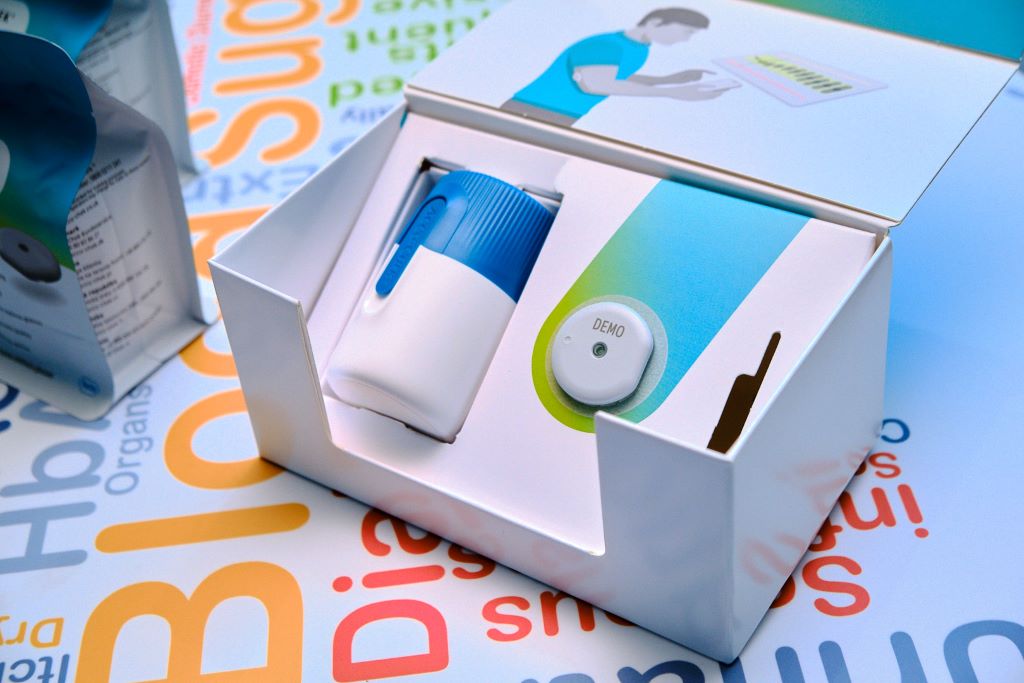
The Accu-Chek SmartGuide® CGM solution includes a wireless, water-resistant sensor, worn on the back of the upper arm, and the apps where the users can see their current glucose levels and their future glucose development through predictive analytics. Every five minutes, the sensor sends glucose values measured in real-time to the Accu-Chek SmartGuide app. The Accu-Chek SmartGuide® predict app then uses those glucose values and other optional information entered by the user such as food intake and insulin doses to detect patterns and predict future glucose levels. Supported by AI-trained algorithms, it provides key predictions of likely hypoglycaemia within 30 minutes as well as general estimated predictions of glucose levels within 2 hours and during a defined 7-hours nighttime period.11
Clinical studies have demonstrated the new Roche CGM solution’s high system accuracy, with an overall mean absolute relative difference (MARD) of 9.2% and 99.8% of measured glucose values falling within zones A and B on the Parkes Error Grid.1, 12 The evaluation of the predictive capabilities showed that all advanced predictive features exceeded high performance requirements as e.g. accuracy, sensitivity and specificity.13
Roche is committed to bringing improved and proactive relief to diabetes management across South Africa with the immediate availability of the Accu-Chek SmartGuide® CGM solution.
About the Accu-Chek SmartGuide® CGM solution
Accu-Chek SmartGuide® is a continuous glucose monitoring (CGM) solution developed by Roche providing accurate1 real-time glucose readings and AI-enabled predictions for different timeframes7. The solution includes three elements: the Accu-Chek SmartGuide® CGM sensor, the Accu-Chek SmartGuide® App and the Accu-Chek SmartGuide® Predict App. With an all-in-one applicator and 14-day wear time, Accu-Chek SmartGuide® is designed for people living with diabetes, 18 years of age and older. It aims at empowering people living with diabetes to be prepared for the future development of glucose levels and take preventive action by making the appropriate therapy adjustments in good time.
The Accu-Chek SmartGuide® CGM solution can be seamlessly integrated with the Accu-Chek® Care platform, offering healthcare professionals (HCPs) access to comprehensive and accurate1 therapy-relevant data provided by the CGM solution. This integration allows HCPs to analyse together with their patients how lifestyle and therapy impact their glucose levels and make more informed decisions.
About Roche
Founded in 1896 in Basel, Switzerland, as one of the first industrial manufacturers of branded medicines, Roche has grown into the world’s largest biotechnology company and the global leader in in-vitro diagnostics. The company pursues scientific excellence to discover and develop medicines and diagnostics for improving and saving the lives of people around the world. We are a pioneer in personalised healthcare and want to further transform how healthcare is delivered to have an even greater impact. To provide the best care for each person we partner with many stakeholders and combine our strengths in Diagnostics and Pharma with data insights from the clinical practice.
For over 125 years, sustainability has been an integral part of Roche’s business. As a science-driven company, our greatest contribution to society is developing innovative medicines and diagnostics that help people live healthier lives. Roche is committed to the Science Based Targets initiative and the Sustainable Markets Initiative to achieve net zero by 2045.
Genentech, in the United States, is a wholly owned member of the Roche Group. Roche is the majority shareholder in Chugai Pharmaceutical, Japan.
All trademarks used or mentioned in this release are protected by law.
References [1] Mader, J. K., Waldenmaier, D., Mueller-Hoffmann, W., Mueller, K., Angstmann, M., Vogt, G., Rieger, C. C., Eichenlaub, M., Forst, T., & Freckmann, G. (2024). Performance of a Novel Continuous Glucose Monitoring Device in People With Diabetes. Journal of diabetes science and technology, 18(5), 1044–1051. https://doi.org/10.1177/19322968241267774
[2] Simulation study, Data on file, Roche Diabetes Care GmbH, 2025.
[3] Ngassa Piotie P, Rheeder P. UP Expert Opinion: South Africa has more than 4 million people living with diabetes – many aren’t getting proper treatment. University of Pretoria Diabetes Research Centre News. 2024 Mar 11 [cited 2025 Oct 8]. Available from: https://www.up.ac.za/diabetes-research-centre/news/post_3214595-up-expert-opinion-south africa-has-more-than-4-million-people-living-with-diabetes-many-arent-getting-proper-treatment
[4] Tomic D, Shaw JE, Magliano DJ. The burden and risks of emerging complications of diabetes mellitus. Nat Rev Endocrinol. 2022 Sep;18(9):525-539. doi: 10.1038/s41574-022-00690-7. Epub 2022 Jun 6. PMID: 35668219; PMCID: PMC9169030.
[6] DeSalvo DJ, et al., Journal of Diabetes Science and Technology. 2023;17(2):322-328.
[7] Nakhleh A, Shehadeh N. Hypoglycemia in diabetes: An update on pathophysiology, treatment, and prevention. World J Diabetes. 2021 Dec 15;12(12):2036-2049. doi: 10.4239/wjd.v12.i12.2036. PMID: 35047118; PMCID: PMC8696639.
[8] Secrest AM et al. Characterizing sudden death and dead in bed syndrome in Type 1 diabetes: analysis from two childhood onset Type 1 diabetes registries. Diabet. Med. 2011. 28, 293–300.
[9] Jones J et al. Dead in bed – A systematic review of overnight deaths in type 1 diabetes. Diabetes Res Clin Pract. 2022. 191:110042.
[10] Wild, Diane et al. “A critical review of the literature on fear of hypoglycemia in diabetes: Implications for diabetes management and patient education.” Patient education and counseling vol. 68,1 (2007): 10-5. doi:10.1016/j.pec.2007.05.003
[12] Parkes Error Grid – a tool to evaluate the accuracy of glucose monitoring systems (BGM and CGM).
[13] Herrero, P., Andorrà, M., Babion, N., Bos, H., Koehler, M., Klopfenstein, Y., Leppäaho, E., Lustenberger, P., Peak, A., Ringemann, C., & Glatzer, T. (2024). Enhancing the Capabilities of Continuous Glucose Monitoring With a Predictive App. Journal of diabetes science and technology, 18(5), 1014–1026. https://doi.org/10.1177/19322968241267818.
Across 2384 Indian adults with type 2 diabetes, 31% achieved remission through a comprehensive mobile-based programme combining diet, exercise, stress management, and medical support
Photo by Ketut Subiyanto on Unsplash
Nearly one-third of people with type 2 diabetes (T2D) in an Indian cohort achieved remission through an intensive lifestyle intervention program, according to a new study publishing October 22, 2025, in the open-access journal PLOS One by Pramod Tripathi of Freedom from Diabetes Clinic & Diabetes Research Foundation, India, and colleagues.
Type 2 diabetes affects more than 72 million people in India. While lifestyle interventions have shown promise for diabetes management in Western populations, limited data exists on their effectiveness in India, where genetic and lifestyle factors place the population at higher risk.
In the new study, researchers analysed data from 2384 adults with T2D who enrolled in a one-year online intensive lifestyle intervention programme at the Freedom from Diabetes Clinic in India between May 2021 and August 2023. The intervention, provided by a six-member care team through a mobile application, included a personalised plant-based diet, structured physical activity, group therapy and individual psychological counselling, and medication management.
Overall, 744 participants (31.2%) achieved diabetes remission, defined as maintaining glycated haemoglobin (HbA1c) levels below 48mmol/mol for at least three months without glucose-lowering medications. The remission group showed significantly greater improvements than the non-remission group in weight (8.5% vs 5.2% reduction), body mass index (8.6% vs 5.2% reduction), HbA1c (15.3% vs 12.4% reduction), fasting insulin (26.6% vs 11.4% reduction), and insulin resistance (37.3% vs.19.7% reduction). People under 50 years of age, with higher BMI, no prior medication use, and a shorter duration of diabetes (<6 years) were most likely to achieve remission.
The study was limited by its retrospective design and lack of a control group. Because the programme required a subscription and participants who lacked follow up data were excluded from the analysis, there may have been selection biases. However, the authors conclude that a significant proportion of individuals with T2D can achieve remission through a comprehensive, culturally adapted lifestyle programme.
The authors add: “Our research demonstrates that nearly one-third of individuals with type 2 diabetes can achieve remission through a scientifically designed, culturally tailored, and structured lifestyle intervention. This represents the first large-scale evidence from India highlighting the potential of intensive lifestyle modification in achieving type 2 diabetes remission.”
A new gene therapy approach aimed at protecting people with type 1 diabetes from developing diabetic kidney disease – a serious and common complication of the condition, has shown promising results in a University of Bristol study.
One in three people with type one diabetes will develop kidney damage during their lifetime, which can develop silently over many years, often going undetected until it becomes severe.
Current treatments can slow kidney damage but there are none that act on the root cause: a tiny filter called the glomerulus. A new study published in Molecular Therapy, demonstrated a 64% reduction in a damage indicator for kidney disease, paving the way for a potential new treatment.
The study, driven by first author, Dr Aldara Martin Alonso and led by Dr Rebecca Foster, Associate Professor of Microvascular Medicine at Bristol Medical School: Translational Health Sciences, explored the potential of delivering a protein called VEGF-C directly into kidney cells.
Previous studies have shown VEGFC could protect against kidney disease as it helps keeps blood vessels in the kidney filter healthy, repairing early signs of diabetes-related kidney damage.
To test whether this new approach could be used to treat or slow down kidney disease, the team used a harmless virus to deliver VEGF-C directly into the kidney cells of diabetic mice.
Their results showed that this approach not only helped the kidneys work better, but also protected a key part of the kidney filter that normally helps prevent damage. It led to a 64% reduction in albuminuria. Importantly, this reduction is more than twice the reduction recommended by the American Diabetes Association to slow the progression of chronic kidney disease.
Dr Foster, the study’s senior author, explained: “Currently, there are no drugs specifically available to protect people with type 1 diabetes from kidney disease, despite their higher risk of developing kidney disease. This gap in treatment highlights the urgent need for new therapeutic approaches. Our goal was to investigate whether gene therapy could offer a viable solution by delivering VEGFC in a more targeted way.”
Dr Foster added: “This gene therapy approach has not been explored before in pre-clinical models and offers a long-term solution for these patients who are at risk of developing kidney disease.”