Category: Cancer

‘Wondrous’ Drug to Treat Aggressive Leukaemia Gets UK Approval
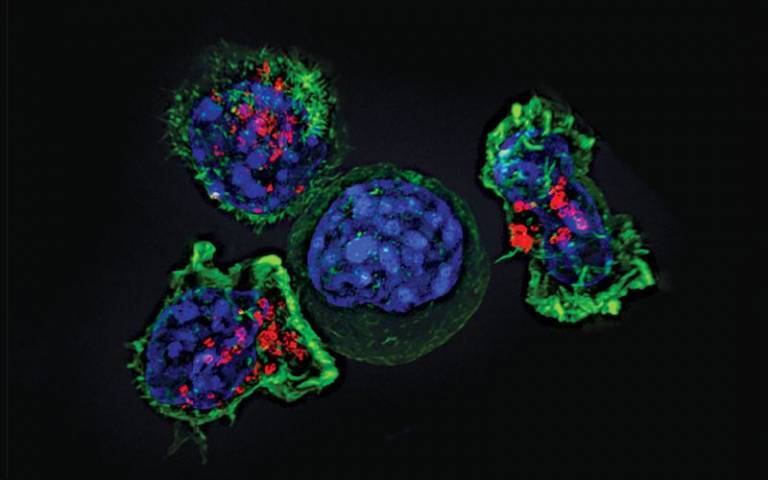
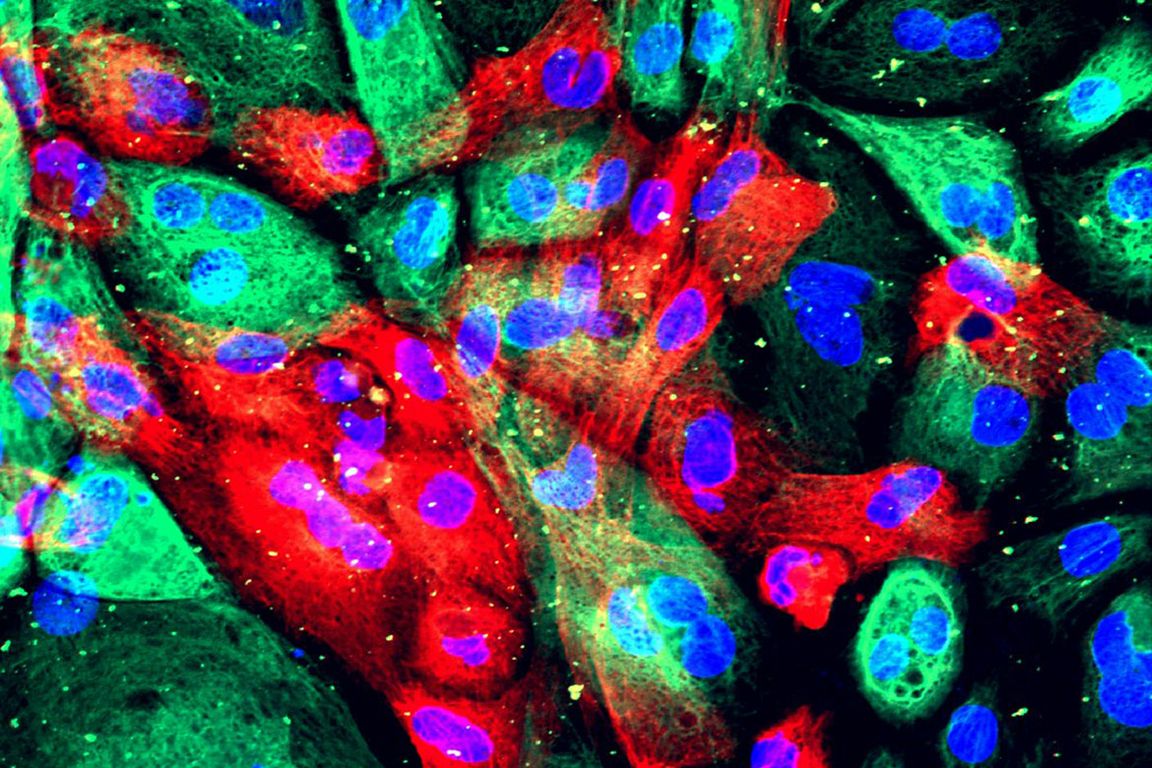
Killer T cells surround a cancer cell. Credit: Alex Ritter, Jennifer Lippincott Schwartz and Gillian Griffiths, National Institutes of Health (CC BY 2.0).

Adult patients with an aggressive form of leukaemia will be able to receive a breakthrough immunotherapy, which was invented by University College London researchers, on the NHS within weeks following approval for use by the UK’s National Institute for Health and Care Excellence (NICE).

The CAR T-cell therapy – known as ‘obe-cel’ and marketed as Aucatzyl – involves taking a patient’s immune cells and reprogramming them in a lab to identify and target their cancer, before returning them to the body as ‘living medicine’.

Obe-cel is a second-generation CAR T cell therapy invented by scientists from the UCL Cancer Institute, led by Dr Martin Pule, and has delivered promising results in treating patients with acute lymphoblastic leukaemia (ALL), an aggressive blood cancer.

The therapy has reduced immune toxicity and persists for longer in blood cancer patients, overcoming two common limitations of earlier CAR T cell therapies. Aucatzyl was taken through clinical trials and is manufactured by UCL spinout business Autolus, which was set up with the help of UCL Business, the commercialisation company of UCL.

The development of CAR T cell therapy has had long-standing support from the National Institute for Health and Care Research (NIHR) UCLH Biomedical Research Centre (BRC).

NHS England today announced that the personalised therapy would be available on the NHS within weeks through specialist centres.

Dr Claire Roddie, one of the team who developed the treatment from UCL Cancer Institute and UCLH consultant haematologist, said: “I am delighted to hear of NICE’s decision. Many more patients now stand to benefit from CAR-T cell therapy on the NHS. 

“We have been working on proving the safety and efficacy of this drug since 2017 and it has brought together clinical and research teams from UCL and UCLH, with support from government and arm’s-length bodies like the NIHR and the BRC as well as the pharmaceutical industry.

“The many, many people involved in this work can feel immensely proud of this achievement which will help save the lives of many more patients.”

Eligible patients will receive two doses of CAR-T therapy intravenously, ten days apart, with the treatment being delivered at specialist CAR-T centres across the country.

The treatment will be available to people aged 26 and over with B-cell acute lymphoblastic leukaemia which has returned or not responded to previous treatment. 

It is estimated that it could be administered to around 50 patients each year in England.

In a clinical trial, 77% of patients saw their cancer enter remission after treatment with obe-cel, with half of those showing no signs of detectable cancer after three and a half years. 

The treatment – which has been researched, developed and manufactured in the UK – was also found to have lower toxicity and was less likely to cause serious side effects than other CAR (chimeric antigen receptor) T-cell therapies.

Dr Anne Lane, UCL Business CEO, said: “This cutting-edge personalised immunotherapy has been on a 10-year journey starting with research by clinical academics in UCL’s Cancer Institute who, with the support of UCL Business, established Autolus, a spinout company dedicated to developing, trialling and bringing AUCATZYL® to market. That journey has required vision, tenacity and over £800m. Today that has hugely paid off and will benefit people across the UK. It’s an inspiring demonstration of what can be achieved when university academics, NHS hospitals and investors work together.”

Professor Peter Johnson, NHS National Clinical Director for Cancer, said: “This cutting-edge therapy has shown real promise in trials and could give patients with this aggressive form of leukaemia a chance to live free from cancer for longer – and, for some, it could offer the hope of a cure.

“This ‘living medicine’ boosts a patient’s own immune system and then guides T-cells towards the cancer to kill it – it is fantastic to have another pioneering option available on the NHS, adding to our range of CAR-T therapies which are helping people with blood cancers live longer, healthier lives.”

Harry, a 19-year-old student from Harrogate, was treated with obe-cel for B-cell ALL as part of a clinical trial in 2024. He said: “I feel so lucky to have had access to such a wondrous treatment. Not only did it work better than my doctors thought it would, it worked without many of the horrible side effects you can get from other treatments.

“I think it’s brilliant obe-cel is now available on the NHS for people over the age of 26. The biggest thing it offers is hope. When you’re facing a situation like mine, hope is the most valuable thing you can have.”

Health Minister Ashley Dalton said: “This pioneering treatment is excellent news for patients and their families, demonstrating how the NHS is at the forefront of medical innovation.

“Our 10 Year Health Plan is about harnessing our world-leading life sciences sector to deliver treatments like this – innovative therapies that save lives.

“By supporting new treatments with fewer side effects and shorter hospital stays, we’re building an NHS fit for the future whilst cementing the UK’s position as a global leader in medical research.”

Fiona Bride, interim Chief Commercial Officer and Director of Medicines Value & Access at NHS England, said: “This is a success story that’s made in Britain, and shows how collaboratively we can bring to life the ambition of the 10 Year Health Plan, showcasing how the UK’s competitive edge in life sciences can translate to better outcomes and treatments for NHS patients.

“The journey of obe-cel from scientific research in a UK university to a safe, clinically and cost-effective treatment set to be delivered through the NHS specialist CAR-T network is a remarkable one and I am grateful to colleagues who have played their part along the way.”  

Acute lymphoblastic leukaemia is an aggressive cancer in the blood and bone marrow, with around 800 people being diagnosed in the UK every year, around half of which are in adults.

Data shows patients with aggressive forms of the cancer receiving chemotherapy, the current routine standard of care, live for just 10 months on average after treatment.

The therapy will be fast tracked to patients more quickly than the standard 90-day implementation period thanks to interim funding from the NHS’s Cancer Drugs Fund.

Source: University College London
Diagnostic Breast MRI may be Unnecessary for Some Patients with Early-stage Breast Cancer

Adding breast magnetic resonance imaging (MRI) to a diagnostic mammogram did not reduce five-year cancer recurrence rates for patients with stage I/II hormone receptor (HR)-negative breast cancer, according to researchers at The University of Texas MD Anderson Cancer Center. 

The Phase III Alliance A011104/ACRIN6694 trial found that five-year locoregional recurrence rates were 6.8% in patients who received an MRI as part of a diagnostic work-up and 4.3% in those who did not. These data were presented today at the San Antonio Breast Cancer Symposium (SABCS) by principal investigator Isabelle Bedrosian, MD, professor of Breast Surgical Oncology (Abstract GS2-07).

“We have long assumed that finding more breast cancer on an MRI and removing it with surgery would help lower the chance of a patient’s cancer coming back,” Bedrosian said. “When you look at our findings alongside earlier trials, the message is clear: adding MRI before surgery doesn’t improve results for patients – and may not have to be used as a standard part of the diagnostic process.”

No additional MRI benefit in this group

The trial enrolled 319 patients between 2014 and 2018 with newly diagnosed stage I or II HR-negative breast cancer. These patients were eligible for lumpectomy and did not have germline BRCA1/2 mutations, bilateral breast cancer or a history of prior breast cancer. All patients had undergone diagnostic mammography with or without ultrasound prior to trial enrolment.  Patients were randomly assigned to undergo additional imaging by breast MRI (161 patients) or to receive no further imaging (158 patients).

Not only did breast MRI not impact five-year recurrence rates, but there were also not significant differences between groups for five-year distant recurrence-free survival nor overall survival. 

A small subset of patients with tumour subtypes (HR- HER2+ and HR-HER2-) and those over the age of 50 at diagnosis also showed no benefit to MRI.

Pre-op MRI not finding anything important

Breast MRI is a common part of the diagnostic evaluation because it can reveal cancer that mammography might not detect. However, the evidence that it improves surgical outcomes for patients has been limited.

“We believe the reason MRI did not reduce recurrence rates may be twofold,” Bedrosian said. “It is possible that MRI didn’t uncover many lesions that mammography hadn’t already found, or perhaps identifying and surgically removing those additional lesions was not important to reducing risk of the cancer coming back. It’s possible that in the group that did not receive MRI, radiation and chemotherapy effectively treated the occult areas of disease”. 

Experts are now analysing how often breast MRI identified additional lesions in the trial population to better understand why breast MRI did not impact oncologic outcomes.

Study limitations 

Limitations included that most patients involved in the trial had breast cancer that hadn’t spread to their lymph nodes, which may partly explain why recurrence rates were low overall. Despite being open to women of all ages, the study enrolled mostly older women who may have been less likely to benefit from breast MRI. 

SA Has Relatively High Anal Cancer Rates, but We Rarely Screen for It

People living with HIV are at an increased risk of developing anal cancer, particularly if they have compromised immune systems. Photo by Lorenzo Turroni on Unsplash

By Elna Schütz

South Africa has the world’s largest population of people living with HIV, which both heightens the risk of anal cancers and their severity. However, neither the collection of data nor the efforts for prevention and screening are in line with the likely impact. Experts say significant change is needed.

“Almost everyone has an anus,” Dr Daniel Surridge, a colorectal surgeon at Joburg Colorectal, says with a smile. He is one of a group of specialists trying to draw attention to arguably one of the most neglected areas in cancer.

“We’re quite a weird niche group who talk about bums all day, but most people are really in denial that they have an anus,” jokes Dr Tim Forgan, another colorectal surgeon, working in the private and public sector in Cape Town.

“It’s such an essential part of your daily life and you need your anus,” adds Dr Mark Faesen, specialist gynaecologist with the Clinical HIV Research Unit (CHRU), who runs an anal cancer screening clinic at Helen Joseph Hospital in Johannesburg, as far as we know, the only one in the country.

The stigma surrounding this particular body part, unfortunately, does no one any favours when it comes to cancer awareness and treatment.

A tricky hidden cancer

Anal cancers occur in the last few centimetres towards the external opening of the rectum. They can be associated with rectal, colon, or genital issues.

Professor Michael Herbst, health specialist consultant for the Cancer Association of South Africa, explains that the vast majority of these cancers are anal squamous cell carcinomas, meaning they develop in the skin cells of the anal canal.

Most anal cancers are caused by Human Papillomavirus (HPV), a virus that also causes most cases of cervical cancer.

“Patients and doctors often misdiagnose those early symptoms as haemorrhoids,” Herbst says, explaining that the disease is asymptomatic at first. Later, it may present with itching, discharge, bleeding or a palpable lump.

Ideally, a diagnosis is made of a pre-malignant lesion, which is a fairly flat, slightly dark growth. This can be found through a rectal exam or smear. A biopsy under anaesthesia may be needed to confirm the diagnosis.

Premalignant lesions can be treated topically if caught early. Otherwise, the skin may have to be surgically removed, which is often a difficult and risky surgery in this part of the body.

Once a lesion has progressed to cancer, treatment involves high doses of chemotherapy and radiation, which Surridge says is intense and only treats about half of patients effectively. “The rest go to a surgery where you have to remove the anus along with the rectum and put in a permanent colostomy bag,” he says.

In comparison to the rectal and colon cancers that Surridge sees in his work, he describes anal cancers as less predictable and more aggressive, with painful consequences. “It’s going to hurt like hell,” he says. “It stinks like you’re rotting from the inside, so no one wants to come near you.”

Anal cancers are also particularly resistant to chemotherapy, Surridge says, and run the risk of spreading through the lymph system, leading to a dismal outcome, possibly leading to death.

People living with HIV are at an increased risk of developing anal cancer, especially if they have compromised immune systems.

Faesen says that internationally, in the general population, the incidence of anal cancer is around 2 per 100 000 people per year. “If you’re HIV positive long enough, so over the age of 45, the risk is 20 to 40 per 100 000 per year,” he says. For men who have sex with men, the incidence can be as high as 60 or 130 per 100 000.

Those with HPV and patients with immune systems not working as well as they should, such as those who have received an organ transplant, are at risk. Furthermore, groups who engage in high-risk sexual activities, like men who have anal sex with multiple male partners, should be aware of the risk. However, sexual orientation and anal sex do not directly lead to an increase in anal cancer risk.

Rare but not that rare

Anal cancer may be considered a rare cancer, but the few local experts on it see it as a concerning cancer because of South Africa’s high number of people who are at increased risk.

“Anal cancer is strangely common in South Africa. It’s not extremely common, but it is reasonably common,” says Forgan.

The National Cancer Registry’s latest numbers, from 2023, has the cancer reported in around 300 women and 220 men, making up less than 0,7% of reported cancers. A recent analysis of the registry’s numbers found that the cancer’s incidence has significantly increased between 1994 and 2021. The paper found that younger black women and older white women were most likely to get the cancer. A study at the University of the Witwatersrand in 2023 found that three-quarters of their anal cancer cohort were female and 80% were HIV positive.

“We don’t actually know the true incidence in South Africa,” says Dr James Pattinson, Head of Colorectal Surgery at Chris Hani Baragwanath Academic Hospital, explaining that the disease is likely under-reported. Anecdotally, he says the cancer seems common in Gauteng. He says his unit alone sees around 100 new cases of anal cancer a year, making up around 30% of new reported colorectal cancers.

Surridge says it is getting more common, and “it is certainly raging through Gauteng”.

The challenges

The doctors agree that the reported numbers are likely lower than the real prevalence and that many cases could be avoided or caught early with intervention. A key factor is the lack of education and patient hesitancy to get tested. “The natural stigma and embarrassment associated with anal conditions cause patients to wait until the condition is severe before seeking medical help,” Pattinson says.

“The lack of awareness doesn’t stop at the door of the Department of Health,” Faesen says. He laments that few healthcare workers are well-informed about this cancer. This leads to misdiagnoses and problems being missed. This is aggravated by financial and resource constraints. But, he says, this is not a “blame game”, since the greater awareness of anal cancer is fairly new.

For instance, the International Anal Neoplasia Society’s consensus guidelines for anal cancer screening were only released in early 2024. Faesen explains that while cervical cancer screening was popularised internationally around the 1960s, it was only a study published in the New England Journal of Medicine in 2022 that found that treating lesions substantially lowers the risk of anal cancer, that heightened the interest in screening.

In that study, of over 4 000 people, progression to anal cancer was more than 50% lower in people who received treatment for precancerous lesions than in people who did not. The study provided a compelling rationale for increased screening, since it is only through finding precancerous lesions in the first place that they can be treated and progression to cancer be prevented.

Reaching the level of common-place awareness for anal screening that there is around cervical pap smears is still a while away. “It took 50 to 60 years to get there, but we’ve just started,” Faesen says. “We are at the absolute beginning of anal cancer awareness.” He does however note that the incidence of anal cancer in some South African populations is already much higher than that of cervical cancer when routine screening for that was started.

What to do

The lack of screening for anal cancer is one clear issue that needs to be addressed. “Hopefully, we can demonstrate with more and more screening that there is a need for it,” Faesen says. He hopes that this will catch the problem before it progresses to a serious disease in more patients.

However, Pattinson notes that screening in other countries has been historically focused on high-risk populations such as men who have sex with men. “This is obviously not feasible in South Africa, as high-risk individuals are the millions of people living with HIV.”

Screening could potentially be focused on certain sites, like HIV-specific clinics or doctors who particularly work with HPV and cervical screening. Expanding screenings for high-risk groups to include anal would not be incredibly expensive but would add an extra burden on staff, Forgan says. “And it’s a very easy thing to screen for. You just have a look.”

There is also a preventative solution, the HPV vaccine. A two-strain form of this vaccine is already offered to girls aged 9 to 12 years old by the Department of Health. This does not cover other strains and is mostly focused on cervical cancer.

Surridge says that focusing on vaccinating only girls means boys aren’t protected, and creates a possible lag in protection against anal cancer. He says the vaccine, ideally one with more strains, if possible, should be given to as many people as possible.

“If you’re in a higher risk group, like those (who are) immuno-suppressed, with HIV, or solid organ transplant recipients, you should be vaccinated,” Forgan says. “Then you wouldn’t need a screening programme, per se, because you had prevented it from happening.”

Beyond this, increasing education around the disease and eventually instituting local guidelines would be crucial.

The National Department of Health did not respond to questions from Spotlight about their plans relating to anal cancer.

Republished from Spotlight under a Creative Commons licence.

Read the original article.

Targeted Radiation During Surgery Reduces Pancreatic Cancer Recurrence

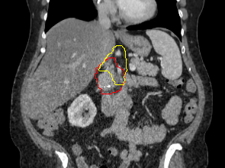
Image of a what is targeted with radiation. Red represents the pancreatic tumor, which is contacting with a major nearby artery. Yellow represents the Baltimore Triangle, which is now targeted in all patients, in addition to red volume. Credit: Amol Narang, M.D.

Using targeted radiation during surgery – referred to as intraoperative radiation – to eliminate pancreatic cancer cells that have spread to areas around the pancreas, investigators at Johns Hopkins have been able to reduce the recurrence rate around the pancreas to 5%. This is believed to be the lowest ever reported for this population of patients, according to a preliminary study by the team from the Johns Hopkins Kimmel Cancer Center.

The study was presented at the American Society for Radiation Oncology annual meeting in September 2025.

The study enrolled 20 patients with borderline resectable or locally advanced pancreatic cancer. Patients received presurgical chemotherapy and radiation targeted to shrink the tumours away from the blood vessels. Then, during surgery to remove their tumours, patients received another dose of precisely targeted radiation using a robotic device that carries small radioactive beads inserted through catheters. The device enabled the team to pinpoint a triangular area near the pancreas, where recurrences commonly occur. Only one of the 20 patients experienced a recurrence around the pancreas at the 24-month mark – a major achievement for a cancer that, until recently, had lagged behind other cancers in treatment success.

By the time most pancreatic cancers are diagnosed, the tumours have spread to affect important blood vessels around the pancreas. Historically, patients with pancreatic cancers whose blood vessels were affected could not undergo surgical removal of their tumours. But in the past decade, clinicians at the Johns Hopkins Kimmel Cancer Center’s Skip Viragh Center for Pancreas Cancer Clinical Research and Patient Care have pioneered new approaches that use chemotherapy and radiation to shrink the tumours away from blood vessels, enabling more patients to undergo surgical removal of their tumours.

However, many of these patients continued to experience tumor recurrences, and Amol Narang, M.D., associate professor of radiation oncology and molecular radiation sciences, and his colleagues sought to determine why.

The team learned that the pancreatic cancer cells were spreading along nerves near the pancreas to a fatty, nerve-dense triangular area just above the pancreas, which Narang calls the “Baltimore triangle.” When he and his colleagues started targeting the Baltimore triangle with radiation before surgery to kill these stray cancer cells, pancreatic cancer recurrence rates in their patients dropped from 47% to 12% at two years post-surgery. Yet, in the 12% who experienced recurrences around the pancreas, the recurrences continued to occur in the Baltimore triangle.

To further lower recurrence rates, Narang and his colleagues decided to deliver an additional round of Baltimore triangle-targeted radiation to patients during surgery after removal of the pancreatic tumour. He explained that, during the surgery, surgeons remove a part of the duodenum, next to the pancreas, making it easier to access the Baltimore triangle without risking harm to surrounding organs. The combination of radiation targeted to the Baltimore Triangle prior to surgery as well as intraoperative radiation to the triangle during surgery allowed Narang to deliver ablative doses of radiation to this region.

“The combination of intraoperative radiation and targeting the Baltimore triangle has gotten us to a 5% recurrence rate, which is the lowest-ever reported recurrence rate around the pancreas for this population of patients to our knowledge. But I think we can drop to 0% in our next study,” Narang says. “We must do whatever we can to prevent recurrences from happening, because when pancreatic cancer comes back, it is often incurable. These results give us hope, though, that this can be done for a cancer where even decade ago, most thought this wasn’t possible.”

The only recurrence in the study occurred in the part of the Baltimore triangle that the team had difficulty reaching during the intraoperative treatment. Currently, the team is developing strategies to target this hard-to-reach part of the triangle, with the hopes of reducing recurrences to zero. Once they’ve mastered that refined approach, they would like to team up with other cancer centres across the US to run a larger clinical trial to confirm their results. 

Source: Johns Hopkins Medicine

Previously Untreatable Blood Cancer Has a New Gene Therapy

Patient Alyssa Tapley

A groundbreaking new treatment using genome-edited immune cells, developed by scientists at University College London and Great Ormond Street Hospital (GOSH), has shown promising results in helping children and adults fight a rare and aggressive form of blood cancer.

Using base-editing technology, the pioneering gene therapy (BE-CAR7), has been used to treat a previously untreatable type of blood cancer called T-cell acute lymphoblastic leukaemia (T-ALL). Base-editing is an advanced version of CRISPR technology, that can precisely change single letters of DNA code inside living cells.

BE-CAR7 was designed and developed by a team of researchers, led by Professor Waseem Qasim (UCL Great Ormond Street Institute of Child Health), who is also an Honorary Consultant at Great Ormond Street Hospital (GOSH), and the treatment is the first in-human application of base-edited cells. 

In 2022, Alyssa Tapley, from Leicestershire, (then aged 13) became the first person in the world to receive the treatment as part of a clinical trial at GOSH. Doctors had exhausted all other treatments for her and she and her family say the innovative therapy saved her life.

Now, a further eight children and two adults have undergone the treatment as part of the trial.

The trial’s results have now been published in the New England Journal of Medicine. Key findings from the study include:

  • 82% of patients achieved very deep remissions after BE-CAR7, enabling them to proceed to stem cell transplant without disease
  • 64% remain disease-free, with the first patients now three years disease-free and off treatment
  • Anticipated side effects including low blood counts, cytokine release syndrome and rashes were tolerable, with the greatest risks arising from virus infections until immunity recovered

Professor Qasim, a Professor of Cell and Gene Therapy at UCL, who led the research, said: “A few years ago this would have been science fiction. Now we can take white blood cells from a healthy donor and change a single letter of DNA code in those cells and given them back to patients to try to tackle this hard-to-treat leukaemia.

“We designed and developed the treatment from lab to clinic and are now trialling it on children from across the UK – in a unique bench-to-bedside approach.”

Alyssa, now aged 16, who has a brother, said: “It is incredible how much my life has changed. I went from four months straight in GOSH to now only coming back for medical appointments once a year. It is amazing how much freedom I have now.

“I am really grateful for all the opportunities the gene therapy treatment has given me. I feel like I have been able to help everyone else who went on the clinical trial after me. 

“I’ve now been able to do some of the things I thought earlier in my life it would be impossible for me to do. I really did think I was going to die and that I wouldn’t be able to grow up and do everything that every child deserves to be able to do.”

That has included going sailing and spending time away from home doing her Duke of Edinburgh Award.

Her dad, James, said: “We are eternally grateful. We’ve gone from being completely hopeless to where we are now. We could never have imagined that then.

“Back then we were at the point where we thought we were going to be a three-person family. Now we’re all making the most of family life. It is the little things you don’t take for granted anymore. Alyssa is amazing.

“The scientists at UCL and GOSH have been incredible. It has been really powerful seeing them in the laboratory developing the treatment and hearing the stories including about the difficulties they faced in getting this far.

“In terms of the timing of the trial, it aligned perfectly for us. Other families weren’t so lucky.”

New technology

Immunotherapy using CAR-T cells has recently become available to treat several types of blood cancer. This therapy uses immune cells, called T-cells, and modifies them to have specific proteins on their surface called chimeric antigen receptors (CARs).

The CARs can recognise and target specific ‘flags’ on the surface of cancer cells, and the T-cell can then destroy that cancer cell. Developing CAR T-cell therapy for leukaemia which itself has arisen from abnormal T-cells has been challenging. 

BE-CAR7 T-cells are engineered using base editing, a new-generation of genome editing that avoids cutting DNA, reducing the risk of chromosomal damage. 

Very precise chemical reactions were carried out using CRISPR guidance systems to change single letters of DNA code in order to modify the T cells. These complex DNA changes generate storable banks of ‘universal’ CAR T-cells that can find and attack T-cell leukaemia when given to patients.  

The ‘universal’ CAR T-cells in this study were made from healthy donor white blood cells and engineering steps were undertaken in a clean room facility using custom made RNA, mRNA and a lentiviral vector in an automated process previously developed by the research team.

These steps were:  
1.    Removing existing receptors so that T-cells from a donor can be banked and used without matching the recipient– making them ‘universal’.    
2.    Removing a ‘flag’ called CD7 that identifies them as T-cells (CD7 T-cell marker). Without this step, T-cells programmed to kill T-cells would simply end up destroying the product through ‘friendly-fire’. 
3.    Removing a second ‘flag’ called CD52. This makes the edited cells invisible to one of the strong antibody drugs given to patients to subdue their immune system.  
4.    Adding a Chimeric Antigen Receptor (CAR) which recognises the CD7 T-cell flag on leukemic T-cells.  A disabled virus added extra DNA code into the cells so they become armed against CD7 and recognise and fight T-cell leukaemia. 

When base-edited CAR T-cells are given to the patient they rapidly find and destroy all T-cells in the body, including leukemic T-cells.
If the leukaemia is eradicated within four weeks, the patient’s immune system is then rebuilt from a bone marrow transplant over a period of several months.   

Professor Qasim added: “Many teams were involved across the hospital & university and everyone is delighted for patients clearing their disease, but at the same time, deeply mindful that outcomes were not as hoped for some children. These are intense and difficult treatments – patients and families have been generous in recognising the importance of learning as much as possible from each experience.”

Dr Rob Chiesa, Study investigator and Bone Marrow Transplant consultant at GOSH said: “Although most children with T-cell leukaemia will respond well to standard treatments, around 20% may not. It’s these patients who desperately need better options and this research provides hope for a better prognosis for everyone diagnosed with this rare but aggressive form of blood cancer.

“Seeing Alyssa go from strength-to-strength is incredible and a testament to her tenacity and the dedication of an array of small army of people at GOSH. Team working between bone marrow transplant, haematology, ward staff, teachers, play workers, physiotherapists, lab and research teams, among others, is essential for supporting our patients.”

Dr Deborah Yallop, consultant Haematologist at KCH said “We’ve seen impressive responses in clearing leukaemia that seemed incurable – it’s a very powerful approach.”

Source: University College London
Lower Doses of Immunotherapy for Skin Cancer Give Better Results

Photo by Bermix Studio on Unsplash

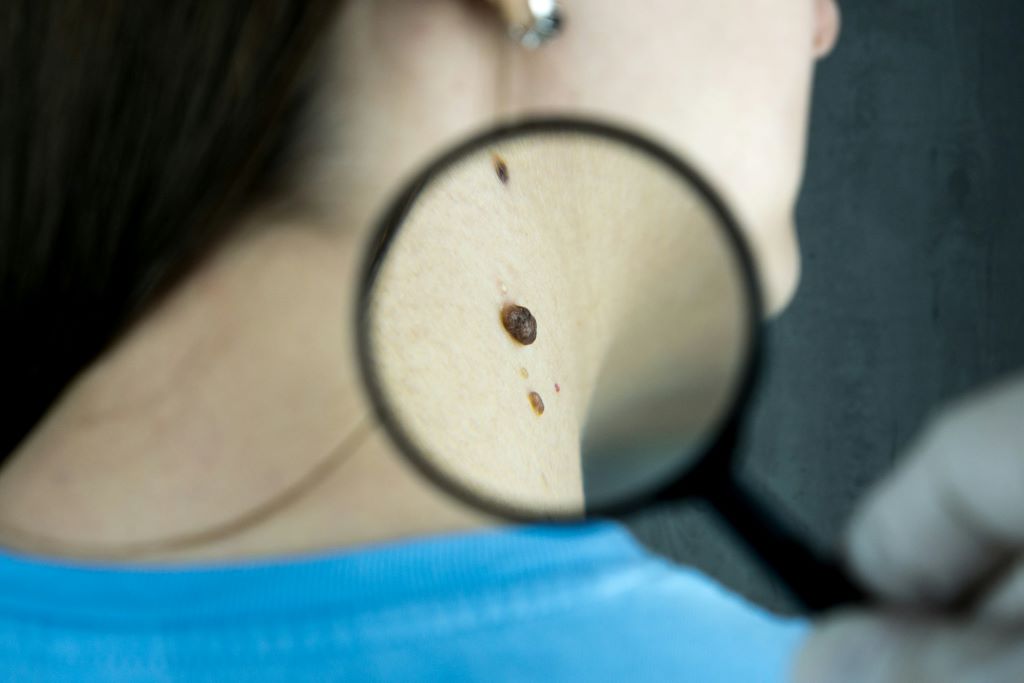
According to a new study, lower doses of approved immunotherapy for malignant melanoma can give better results against tumours, while reducing side effects. This is reported by researchers at Karolinska Institutet in the Journal of the National Cancer Institute.

“The results are highly interesting in oncology, as we show that a lower dose of an immunotherapy drug, in addition to causing significantly fewer side effects, actually gives better results against tumours and longer survival,” says last author Hildur Helgadottir, a researcher at the Department of Oncology-Pathology at Karolinska Institutet, who led the study.

The traditional dose of nivolumab and ipilimumab is the one that is approved and established. Due to the extensive side effects, Sweden has increasingly begun to use a treatment regimen with a lower dose of ipilimumab, which is both gentler and cheaper. Ipilimumab is the most expensive part of this immunotherapy and causes the most side effects.

“In Sweden, we have greater freedom to choose doses for patients, while in many other countries, due to reimbursement policies, they are restricted by the doses approved by the drug authorities,” says Hildur Helgadottir.

Lower dose is more effective

The study included nearly 400 patients with advanced, inoperable malignant melanoma, the most serious form of skin cancer. The study shows that the regimen with the lower dose of ipilimumab is more effective, with a higher proportion of patients responding to treatment, 49%, compared to the traditional dose, 37%.

Progression-free survival, the time the patient lives without the disease worsening, was a median of nine months for the lower dose, compared to three months for the traditional dose. Overall survival was also longer, 42 months compared to 14 months.

Serious side effects were seen in 31% of patients in the low-dose group, compared to 51% in the traditional group.

“The new immunotherapies are very valuable and effective, but at the same time they can cause serious side effects that are sometimes life-threatening or chronic. Our results suggest that this lower dosage may enable more patients to continue the treatment for a longer time, which is likely to contribute to the improved results and longer survival,” says Hildur Helgadottir.

There were some differences between the two treatment groups, but even after adjusting for several factors such as age and tumour stage, the better outcome for the lower dose of ipilimumab remained. The study is a retrospective observational study and therefore it is not possible to definitively establish a causal relationship.

Source: Karolinska Institutet

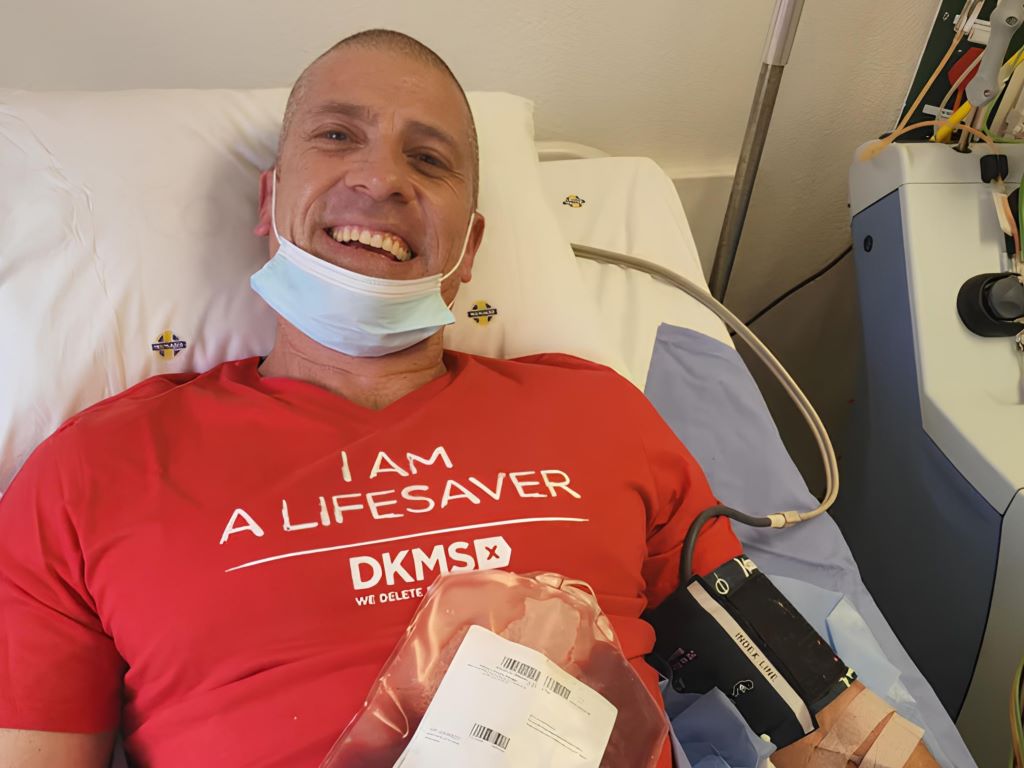
Tough Enough to Save a Life? SA Athletes Challenge Men to Register as Stem Cell Donors

Jaco Pretorius was inspired by his best friend’s life being saved by a stem cell transplant.

With South African men having a 20-50% higher incidence rate of blood cancers than women, sports icons Jaco Pretorius, Seabelo Senatla, and Temba Bavuma are leveraging their platforms to challenge more men to join the stem cell registry and help rewrite the odds for patients in need.

The challenge confronts a widespread public disconnect from the issue. “Many people seem to be disinterested, until one of their own is diagnosed,” notes Senatla. “People tend to be nonchalant when things don’t pertain to them; they have this attitude of ‘not my problem’.”

Pretorius agrees that a lack of awareness is a major hurdle. “My experience is that people are not aware of the great need in our country and the simplicity of the process. But we’ve seen so many times how sport has the power to unite South Africa. When athletes from different backgrounds set an example, I believe people will follow, and together we can make a real difference.”

His advocacy is rooted in his own firsthand experience. Motivated to register after his best friend’s life was saved by a transplant, he was later called upon to donate. He hopes sharing his story will dismantle common fears. “The perception is that it is a painful procedure which carries personal risk. My experience was the complete opposite.”

A concern Bavuma often hears about is the time commitment, especially for those with demanding jobs or family responsibilities. “But if you do get the call to donate, those few days potentially add years, even decades, to someone else’s life. That’s a trade any of us should be willing to make.”

Tackling a common myth, Senatla says, “One of the biggest myths I’ve had to debunk is people having the notion that since stem cells are taken from them, they’ll be left with fewer stem cells. The body of a healthy person is constantly producing stem cells. You’re not in danger of having too little if you donate some to someone.”

For him, the motivation to act is deeply personal. “I grew up in an environment in which I was made to understand that your gifts are not only for you. Other people must benefit as well. That’s what’s in practice here.”

Addressing men who might be hesitant, Senatla points out that they aren’t losing anything by registering. “Rather, they’re affording someone who is ill a second chance at life.”

Bavuma challenges the passive mindset. “In cricket, you can’t field, thinking someone else will take the catch. The same goes for this. Too many people assume there are enough donors already, or that someone else will register.”

Pretorius adds, “I would encourage other people to immediately take action. The process is pain-free, professional, non-invasive, and there are no financial implications – only your time and commitment.”

The outcome of his simple act was profound. “I received communication from the stem cell recipient that the transplant was successful, and the person is healthy and well. That was one of the best feelings – to know that through such a simple action, someone else’s life was saved.”

Palesa Mokomele, Head of Community Engagement and Communications at DKMS Africa, highlights the impact of these role models. “While men currently make up the majority of registered donors in South Africa, the overall pool of donors is critically low compared to the national need. Having respected public figures like Jaco, Seabelo, and Temba lead this conversation is invaluable. When men see other men stepping up, it directly challenges hesitation, shifts perceptions, and ultimately helps save lives.”

Senatla offers a reminder of our shared humanity. “You’re never too important to help, and you should help because you can. Being in a position to help is an absolute privilege.”

“This isn’t a spectator sport; everyone who can help needs to get in the game,” concludes Bavuma.

South Africans aged 17 to 55 who are in good health can register as potential stem cell donors. The process is simple and starts with an online registration and a cheek swab.

Register today at https://www.dkms-africa.org/save-lives.

Scientists Develop One-product-fits-all Immunotherapy for Breast Cancer

Breast cancer cells. Image by National Cancer Institute

Triple-negative breast cancer is one of the most aggressive cancers. The name tells the story: It lacks the three main targets that make other types of breast cancers more treatable with powerful therapies.

UCLA researchers have developed a novel therapy that could fundamentally change the treatment plan for this deadly disease. In a study published in the Journal of Hematology & Oncology, the team details how this new type of immunotherapy, called CAR-NKT cell therapy, could attack tumors from multiple fronts while dismantling their protective shields.

“Patients with triple-negative breast cancer have been waiting far too long for better treatment options,” said senior author Lili Yang, a professor of microbiology, immunology and molecular genetics and a member of the Eli and Edythe Broad Center of Regenerative Medicine and Stem Cell Research at UCLA. “To finally have a therapy that shows superior cancer-fighting ability – and to be just one step away from clinical testing – is incredibly exciting.”

The therapy uses engineered immune cells called CAR-NKT cells, which can be mass-produced from donated blood stem cells and stored ready-to-use. This off-the-shelf approach offers an immediately available treatment option at a fraction of the cost of current personalized cell therapies, which can soar into the hundreds of thousands of dollars.

A triple threat against a triple-negative cancer

CAR-T cell therapies have transformed treatment for certain blood cancers by turning patients’ own immune cells into precision weapons. However, these therapies have struggled against solid tumours like breast cancer, which employ sophisticated defence mechanisms and constantly evolve to evade treatment.

To tackle these hurdles, the UCLA team’s cell therapy harnesses a rare but powerful type of immune cell called invariant natural killer T cell, or NKT cell. When equipped with a chimeric antigen receptor, or CAR, targeting mesothelin (a protein found on triple-negative breast cancer cells) these potent tumour-fighting cells gain the ability to recognise and destroy cancer through three distinct mechanisms.

The first mechanism uses the engineered CAR to target mesothelin, which is associated with more aggressive, metastatic disease. The second leverages the cells’ natural killer receptors that recognize more than 20 molecular markers, making it nearly impossible for tumours to evade all of them. The third employs the cells’ unique T cell receptor to reshape the tumour microenvironment by eliminating immunosuppressive cells.

“We’re not just targeting one molecular marker on cancer cells — we’re identifying dozens of them simultaneously,” said first author Yanruide (Charlie) Li, a postdoctoral scholar in the UCLA Broad Stem Cell Research Center Training Program. “It’s like attacking a fortress from every direction at once. The cancer simply can’t adapt fast enough to escape.”

When the research team tested the novel therapy on tumour samples from patients with late-stage metastatic breast cancer, the CAR-NKT cells successfully killed cancer cells in every single sample tested, while also eliminating the immunosuppressive cells that tumours recruit as protective escorts.

Engineering universal accessibility

Beyond its multipronged cancer-fighting capabilities, the CAR-NKT platform addresses critical barriers that have limited cell therapy access: manufacturing complexity and cost.

Current cellular immunotherapies require collecting each patient’s immune cells, shipping them to specialised laboratories for genetic modification, then returning the customized product into the patient weeks later — a process that can cost six figures and create dangerous delays for patients with aggressive cancers.

Yang’s team takes a fundamentally different approach. Because NKT cells naturally work with any immune system, they can be mass-produced from donated blood stem cells using a scalable system. A single donation could generate enough cells for thousands of treatments, reducing costs to approximately $5,000 per dose.

One product to tackle multiple cancers

The therapy’s promise extends beyond triple-negative breast cancer. Since mesothelin is also highly expressed in ovarian, pancreatic and lung cancers, the same cell product could potentially treat multiple cancer types that remain difficult to address with current immunotherapies.

“This is really a platform technology,” said Yang, who’s also a member of the UCLA Health Jonsson Comprehensive Cancer Center.

With all preclinical studies complete for both triple-negative breast cancer and ovarian cancer, the team is preparing to submit applications to the Food and Drug Administration to begin clinical trials.

“We’ve walked 99 steps to get here,” Yang said. “We’re missing just one final step to begin clinical testing and demonstrate what this promising therapy can really do for patients.”

Source: University of California – Los Angeles

Many Men May Not Need Long-term Hormone Therapy for Prostate Cancer

cancer 1
Wild type human prostate cells from an organoid. Credit: National Cancer Institute, National Institutes of Health

A study co-led by investigators at the UCLA Health Jonsson Comprehensive Cancer Center found that most of the benefits of androgen deprivation therapy (ADT) for prostate cancer occur within the first 9 to 12 months. Extending therapy beyond that provides only a small additional protection and increases the risk of other health problems, such as heart or metabolic issues. Results show that the ideal length of ADT depends on cancer risk:

  • Low-risk patients may not need ADT.
  • Intermediate-risk patients benefit most from 6 to 12 months.
  • High-risk patients may benefit from up to 12 months, while very high-risk patients may require longer therapy.

The study was published in the journal JAMA Oncology

ADT is a type of hormone therapy that is commonly given alongside radiation to slow the growth of prostate cancer by lowering testosterone. While effective at controlling the disease, long-term ADT can cause side effects, including bone loss, muscle loss and cardiovascular problems. Current treatment guidelines generally recommend 4 to 6 months of ADT for intermediate-risk patients and 18 to 36 months for high-risk patients, but the optimal duration has been unclear.

Researchers conducted a Meta-Analysis of Randomized Trials in Cancer of the Prostate (MARCAP) Consortium using data from 10 266 men across 13 international clinical trials. They assessed outcomes including overall survival, cancer-specific survival and deaths from other causes, comparing different ADT durations. 

The findings highlight the importance of personalised treatment plans for men with prostate cancer. Shorter courses of hormone therapy may be sufficient for many patients, reducing side effects while maintaining effectiveness. Physicians can now use patient-specific factors, including cancer risk, overall health, age and preferences, to make more informed decisions about ADT duration, improving both safety and quality of life.

Source: University of California – Los Angeles

UK Launches World’s First Trial of Lung Cancer Vaccine

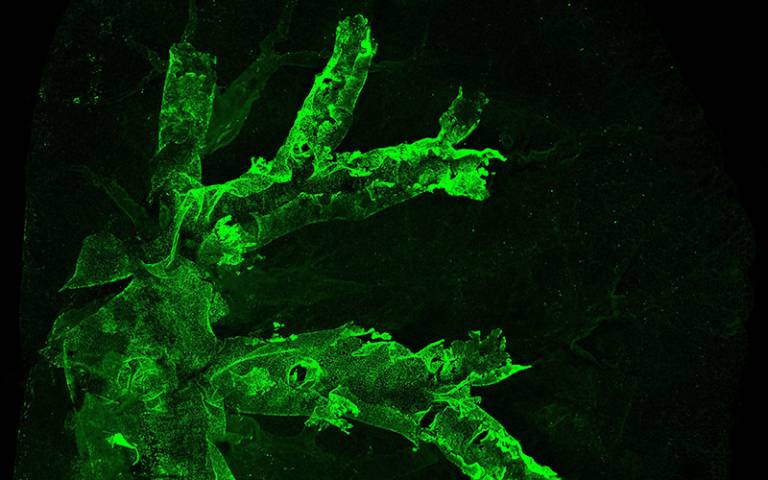
Image of a lung lobe showing cells expressing the basal cell marker Krt5 spreading. Credit: UCL.

In the UK, people at high risk of lung cancer will soon be able to receive the first ever experimental vaccine designed to prevent the disease, in a world-first clinical trial led by researchers at UCL and the University of Oxford.

The research team has been awarded up to £2.06 million from Cancer Research UK, supported by the CRIS Cancer Foundation, to run a clinical trial of LungVax over the next four years.

This phase I trial will investigate the best dose of LungVax to give to people at high risk of lung cancer, as well as looking for any potential side-effects from different doses of the vaccine.

The trial is expected to begin in summer 2026, subject to regulatory approvals.

Professor Mariam Jamal-Hanjani, co-founder and lead for the LungVax clinical trials, from UCL Cancer Institute, UCLH and the Francis Crick Institute, said: “Fewer than 10% of people with lung cancer survive their disease for 10 years or more. That must change, and that change will come from targeting lung cancer at the earliest stages.

“The LungVax clinical trial is the crucial first step in bringing this vaccine to people at the highest risk of the disease. We will be looking carefully at how people respond to the vaccine, how easy it is to deliver, and who might benefit from it most in the future.

“Preventative vaccines will not replace stopping smoking as the best way to reduce the risk of lung cancer. But they could offer a viable route to preventing some cancers from emerging in the first place.”

Lung cancer cells are different from normal cells. They have ‘red flag’ proteins made by cancer-causing mutations within their DNA. These are called neoantigens and tumour associated antigens and appear on the surface of cells at a very early stage of lung cancer formation.

The LungVax vaccine carries a series of genetic instructions which train the immune system to recognise these tumour antigens on the surface of abnormal lung cells. In trialling the vaccine, the aim is to get the immune system to recognise these early abnormal cells, and kill them before they start to become cancer. The vaccine uses technology developed by the University of Oxford during the COVID-19 pandemic to deliver these instructions to the immune system.

Professor Sarah Blagden, co-founder of the LungVax project from the University of Oxford, said: “Lung cancer is lethal and blights far too many lives. Survival has been stubbornly poor for decades. LungVax is our chance to do something to actively prevent this disease.

“Years of research into the biology of cancer, understanding the fundamental changes which occur in the very earliest stages of the disease, will now be put to the test. This funding means that, for the first time, we hope that people will be able to receive LungVax in clinical trials from next year.” 

To find out how safe and effective the vaccine is, the trial will initially focus on people who have been diagnosed with early-stage lung cancer and have had it successfully removed but are at risk of it returning. The vaccine will also be tested in people who are undergoing lung cancer screening as part of the NHS Lung Cancer Screening Programme in England.

If the trial delivers promising results, the vaccine could then be scaled up to larger trials for people at risk of lung cancer.

There are around 48 500 cases of lung cancer every year in the UK. Around 72% of lung cancers are caused by smoking, which is the biggest preventable cause of cancer worldwide.

Graeme Dickie, 55, from Kilbarchan in Renfrewshire, is helping the scientists prepare for the LungVax clinical trial. In 2013, aged 42, he was diagnosed with stage II lung cancer. By 2017, it had progressed to stage IV. He has never smoked. Over the years, he’s undergone surgery to remove part of his left lung, and more than 80 rounds of chemotherapy. When those treatments stopped working, Graeme began a new targeted treatment drug, mobocertinib, that he continues with today.

Graeme said: “I am proof that research saves lives. I have been able to enjoy many more happy years with my family thanks to scientists working hard, year after year, to bring new tests and treatments.

“For me, research is vital. I won’t be able to benefit directly from LungVax personally, but I know that my story will help others to access better interventions at an early stage.”

  • Image of a lung lobe showing cells expressing the basal cell marker Krt5 spreading. Credit: UCL.

Source: University College London