Author: ModernMedia

New Findings Reveal Immune Molecules that Drive Inflammatory Bowel Disease

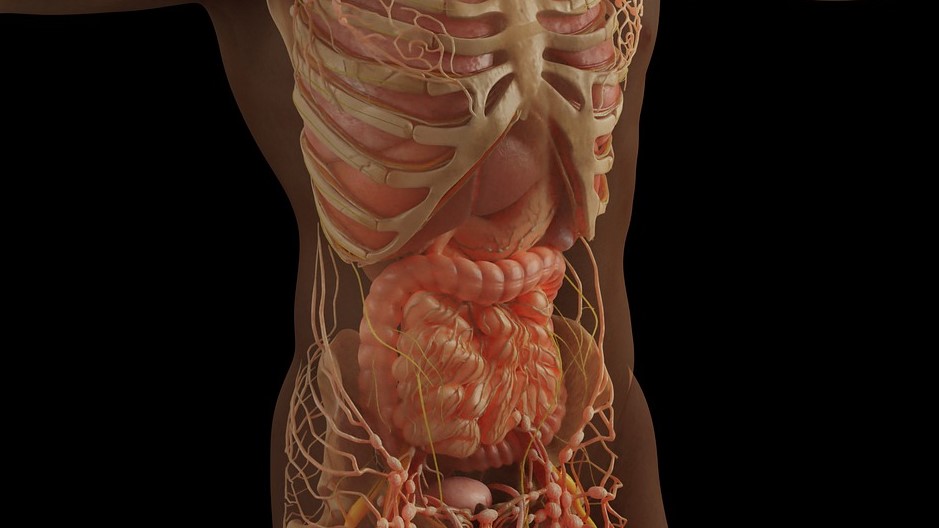
Irritable bowel syndrome. Credit: Scientific Animations CC4.0

Chronic inflammatory bowel disease is challenging to treat and carries a risk of complications, including the development of bowel cancer. Young people are particularly affected: when genetic predisposition and certain factors coincide, diseases such as ulcerative colitis or Crohn’s disease usually manifest between the ages of 15 and 29 – a critical period for education and early career development. Prompt diagnosis and treatment are crucial. Researchers at Charité – Universitätsmedizin Berlin have now discovered a therapeutic target that significantly contributes to halting the ongoing inflammatory processes. Their findings are published in the current issue of the journal Nature Immunology*.

Sometimes gradually, sometimes in flare-ups – accompanied by severe abdominal cramps, diarrhoea, weight loss, fatigue and a high level of emotional stress – this is how the two most common chronic inflammatory bowel diseases, Crohn’s disease and ulcerative colitis, often begin. While ulcerative colitis only affects the inner lining of the large intestine, Crohn’s disease can involve the entire thickness of the intestinal wall, most commonly in the small intestine, but sometimes also the stomach and oesophagus. Ongoing inflammation can cause lasting tissue damage and increase the risk of cancer. While traditional treatments aim to suppress the immune system as a whole, newer therapies are more targeted: they interrupt the inflammatory process by blocking specific messenger substances that drive inflammation in the body.

The exact causes of severe systemic diseases are still not fully understood. In addition to genetic factors, environmental influences are also believed to play an important role in their development. Prof Ahmed Hegazy has been studying inflammatory processes in the gut and the immune system’s defence mechanisms at Charité’s Department of Gastroenterology, Infectiology and Rheumatology for several years. Together with his team, he has now succeeded in identifying the interaction between two messenger substances of the immune system as the driving force behind chronic intestinal inflammation: Interleukin-22, a protein that supports the cells lining the inside of the gut and helps maintain the protective barrier, and oncostatin M, a signalling molecule that plays a significant role in tissue repair and cell differentiation.

Uncontrolled chain reaction

“At the clinic, we mainly see young patients who just beginning their professional lives. So far, we have only been able to slow down the progression of the disease and alleviate symptoms. But not all patients respond well to existing treatments, so new therapeutic approaches are urgently needed,” says Ahmed Hegazy. In previous work, the research team closely examined the effects of oncostatin M, an inflammation-promoting messenger molecule. This protein, produced by certain immune cells, activates other inflammatory factors – setting off a chain reaction that triggers an excessive immune response. “It was especially interesting for us to see that patients with high levels of oncostatin M do not respond to several common therapies,” Ahmed Hegazy explains. “This means that Oncostatin M levels could help predict treatment failure and may serve as a biomarker for more severe disease. That’s exactly where we focused our efforts: we wanted to understand this signaling pathway better and find ways to block it with targeted treatments.”

The research team spent five years uncovering how the immune messenger oncostatin M triggers inflammatory responses. They began by using animal models, and later studies tissue samples from patients, to examine the different stages of chronic intestinal diseases, State-of-the-art single-cell sequencing showed that – compared to healthy tissue – a much larger number of unexpected cell types in the inflamed gut have receptors for oncostatin M. At the same time, additional immune cells start producing the inflammatory protein. Interestingly, interleukin-22, which normally protects tissue, also makes the gut lining more sensitive to oncostatin M by increasing the number of its receptors. “These two immune messengers work together and amplify the inflammation, drawing more immune cells into the intestine, like a fire that keeps getting more fuel and spreads,” as Ahmed Hegazy relates. “In our models, we specifically blocked the binding sites for oncostatin M and saw a clear reduction in both chronic inflammation and the associated of cancer.”

Targeted therapy for high-risk patients in sight

The researchers found a particularly high number of receptors for the messenger molecule oncostatin M around the tumours in tissue samples from patients with colorectal cancer caused by chronic intestinal inflammation, but not in the surrounding healthy tissue. This observation suggests that this signalling pathway may help promote cancer development. But chronic inflammation does not always lead to bowel cancer, and not every patient is affected in the same way, making treatment and prognosis difficult. With an understanding of oncostatin M’s amplifying effect on interleukin-22, new therapies may be possible.

The team’s experimental findings may soon translate into a real-world therapy: by specifically disrupting the harmful interaction between the immune messengers interleukin-22 and oncostatin M. “Our results provide a strong scientific basis for developing targeted treatments against this inflammation-promoting mechanism in chronic inflammatory bowel disease — particularly in patients with more severe forms of the illness,” explains Ahmed Hegazy. A clinical trial is already underway to test an antibody that blocks the receptors for Oncostatin M.

Source: Charité – Universitätsmedizin Berlin

Immune System the Focus of PhD’s Research at UKZN

Elated at graduating with a doctoral degree is Dr Aviwe Ntsethe. Credit: University of KwaZulu-Natal

Dr Aviwe Ntsethe’s curiosity in the Medical field deepened when he started exploring the complexities of human physiology and the crucial role of the immune system in cancer, leading to him graduating with a PhD.

Growing up in the small town of Bizana in the Eastern Cape, Ntsethe attended Ntabezulu High School, where his passion for Medical Science took root. Despite facing significant challenges, including limited funding opportunities for his studies, he remained determined to advance in the discipline.

Throughout his PhD journey at UKZN, Ntsethe had to juggle multiple jobs to support himself and his studies while conducting his research. He worked at Netcare Education and the KwaZulu-Natal College of Emergency Care, and later took up a position as a contractual laboratory technician in the Department of Physiology at UKZN. It was with the guidance of his PhD supervisor, Professor Bongani Nkambule, that he learned critical work ethics and advanced laboratory techniques. The co-supervision of Professor Phiwayinkosi Dludla further enriched his research experience and contributed to his academic growth.

Ntsethe’s thesis focused on investigating B cell function and immune checkpoint expression in patients with Chronic Lymphocytic Leukaemia (CLL). The study found that patients with CLL had higher levels of immune checkpoint proteins in their B cell subsets, which play a crucial role in regulating the immune system.

Furthermore, using monoclonal antibodies that target these immune checkpoints, he found these patients could potentially benefit from immunotherapy. Specifically, immunotherapy may improve the function of B cells, key players in fighting infections and cancers, thereby offering new hope for better outcomes in patients with CLL.

He has published three papers from this study. ‘I am excited and proud when I reflect on my achievement of completing this significant journey which was both challenging and rewarding, pushing me to expand my knowledge and skills in ways I never imagined.’

Now, a lecturer at Nelson Mandela University, Ntsethe is committed to mentoring the next generation of Medical scientists. He continues to use the invaluable knowledge and experience he gained during his PhD studies to inspire students and cultivate their passions in research and health sciences. Looking ahead, Ntsethe hopes to expand his research, focusing on immune system interactions in chronic diseases while also encouraging students from diverse backgrounds to pursue careers in Medical Science.

Outside academia, Ntsethe enjoys travelling, staying physically active through workouts, playing chess and indulging in coding or programming.

Source: University of KwaZulu-Natal

Brain Stimulation and Mindfulness Exercises Could Reduce ‘Latchkey Incontinence’

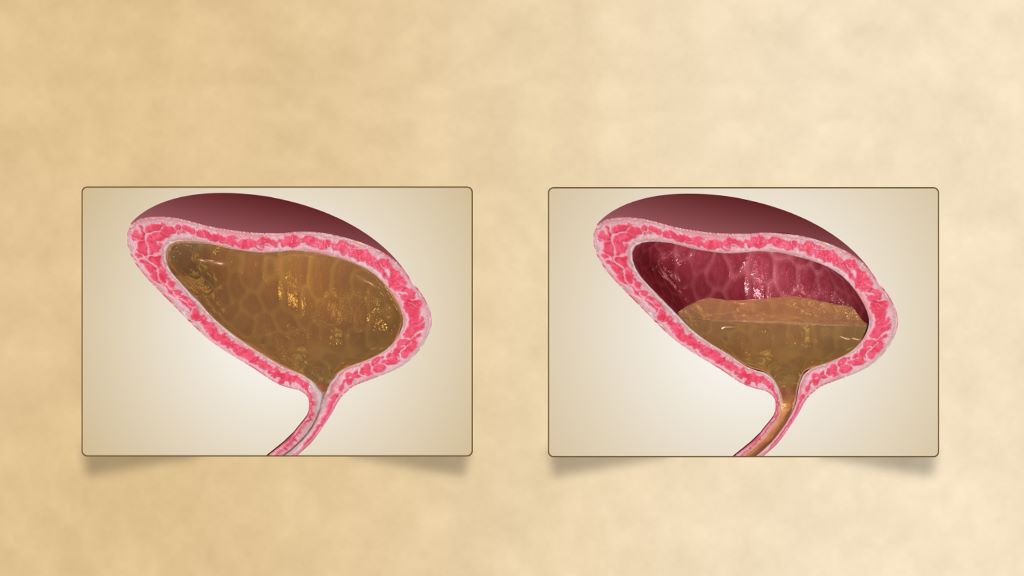
Urinary incontinence. Credit: Scientific Animations CC4.0

Arriving home after a long day may be a relief, but for some people, seeing their front door or inserting a key into the lock triggers a powerful urge to pee. Known as “latchkey incontinence,” this phenomenon is the subject of a new study by researchers at the University of Pittsburgh who found that mindfulness training and/or non-invasive brain stimulation could reduce bladder leaks and feelings of urgency evoked by these cues. 

The findings of the pilot study, the first evaluation of brain-based therapies for urinary incontinence, are published in the latest issue of the journal Continence

“Incontinence is a massive deal,” said senior author Dr. Becky Clarkson, research assistant professor in the Pitt School of Medicine Division of Geriatrics and co-director of the Continence Research Center. “Bladder leaks can be really traumatizing. People often feel like they can’t go out and socialise or exercise because they’re worried about having an accident. Especially for older adults, this feeds into social isolation, depression and functional decline. Our research aims to empower people with tools to get back their quality of life.” 

Latchkey incontinence, or situational urgency urinary incontinence, is bladder leakage triggered by specific environments or scenarios. Common cues include one’s front or garage door, running water, getting into a car or walking past public restrooms. 

According to lead author Dr. Cynthia Conklin, associate professor in the Pitt Department of Psychiatry, latchkey incontinence is a type of Pavlovian conditioning. Like Pavlov’s dogs, which salivated upon hearing a bell that they associated with food, years of going to the bathroom immediately upon entering the house can condition one to feel strong bladder urgency when seeing the front door.

In a previous study, Clarkson and Conklin showed participants pictures of their own front doors or other triggers versus “safe” images of things that did not evoke urgency while they had an MRI of their brain. A part of the brain called the dorsolateral prefrontal cortex was more active when participants viewed urgency-related images.  

“The prefrontal cortex is the seat of cognitive control,” said Clarkson. “It’s the executive function center of the bladder, the bit that is telling you, ‘Okay, it’s time to go. You should find somewhere to go.’” 

The researchers hypothesised that activating this part of the brain during exposure to urgency cues, through mindfulness and/or with transcranial direct current stimulation (tDCS) of the brain, could improve participants’ ability to regulate responses to these cues and control urgency and leakage.  

They recruited 61 women aged over 40 who reported regular situationally triggered bladder leaks and randomly assigned them to one of three groups: Participants either listened to a 20-minute mindfulness exercise, received tDCS or both while viewing personal trigger photos.  

The mindfulness exercise, developed by coauthor Dr Carol Greco, associate professor of psychiatry and physical therapy at Pitt, was like a typical body scan practice that instructs participants to move through their body, bringing attention to each part in turn. But unlike most body scans, it included specific acknowledgment of bladder sensation.  

After completing four in-office sessions over five to six days, participants in all three groups experienced reduced urgency when they viewed trigger cues. Women in all three groups also reported an improvement in the number of urgency episodes and leaks after completing the sessions. 

Although this pilot study did not have a control group, for comparison, the researchers say that the magnitude of improvement from tDCS and mindfulness was similar to what other research has reported for interventions such as medications and pelvic floor therapy.  

“Although we need to do more research, these results are really encouraging because they suggest that a behavioral tool like mindfulness can be an alternative or additional way to improve symptoms,” said Conklin. “Balancing multiple prescriptions is a big issue among older adults, and a lot of people are reluctant to take another medication, so I think that’s one of the reasons that we saw such high acceptability of non-pharmacologic interventions in this study.” 

More than 90% of recruited participants completed the study.  

“Participants loved it,” said Clarkson. “Almost everyone who started the study finished it, even though coming into the office four days within one week was quite a big commitment. We got really great feedback, and a lot of women told us that they continue to use the mindfulness exercise in their daily lives.” 

“For the first time in 20 years of doing research, we got thank you cards!” added Conklin. “I think that incontinence is such a taboo subject, and a lot of people find it difficult to talk about, so they often don’t even realize that there are treatments out there. But you don’t have to suffer in silence.” 

Now, the researchers are planning to explore whether the mindfulness component of the study could be helpful in independent living facilities to reach a wide range of older adults. They also hope to eventually develop an app-based tool for smartphones. 

Source: University of Pittsburgh

Common Gene Variant Doubles Dementia Risk for Men

Created with Gencraft. CC4.0

New research has found that men who carry a common genetic variant are twice as likely to develop dementia in their lifetime compared to women. The research, published in Neurology, used data from the ASPirin in Reducing Events in the Elderly (ASPREE) trial to investigate whether people who had variants in the haemochromatosis (HFE) gene, which is critical for regulating iron levels in the body, might be at increased risk of dementia.

Co-author Professor John Olynyk, from the Curtin Medical School, said one in three people carry one copy of the variant, known as H63D, while one in 36 carry two copies.

“Having just one copy of this gene variant does not impact someone’s health or increase their risk of dementia. However, having two copies of the variant more than doubled the risk of dementia in men, but not women,” Professor Olynyk said.

“While the genetic variant itself cannot be changed, the brain pathways which it affects – leading to the damage that causes dementia – could potentially be treated if we understood more about it.”

Professor Olynyk said further research was needed to investigate why this genetic variant increased the risk of dementia for males but not females.

“The HFE gene is routinely tested for in most Western countries including Australia when assessing people for haemochromatosis – a disorder that causes the body to absorb too much iron. Our findings suggest that perhaps this testing could be offered to men more broadly,” Professor Olynyk said.

“While the HFE gene is critical for controlling iron levels in the body, we found no direct link between iron levels in the blood and increased dementia risk in affected men.

“This points to other mechanisms at play, possibly involving the increased risk of brain injury from inflammation and cell damage in the body.”

The ASPREE trial was a double-blind, randomised, placebo-controlled trial of daily low-aspirin in 19 114 healthy older people in Australia and the USA. Primarily undertaken to evaluate the risks versus benefits of daily low-dose aspirin in this cohort, it created a treasure trove of healthy ageing data that has underpinned a wealth of research studies.

Source: Curtin University

Could ‘Pausing’ Necrosis be the Final Frontier in Ageing and Medicine?

Necrosis, unprogrammed cell death, spews a host of toxic molecules into the cellular environment. Credit: University College London

In a new study, published in Oncogene, a world-leading international team of scientists and clinicians explore the potential of necrosis to reshape our understanding and treatment of age-related conditions and even protect astronauts on longer journeys into space.

Challenging prevailing views, the paper brings together evidence from cancer biology, regenerative medicine, kidney disease, and space health to argue that necrosis is not merely an endpoint, but a key driver of aging that presents an opportunity for intervention.

Dr Keith Siew, an author of the study from UCL Centre for Kidney & Bladder Health, said: “Nobody really likes talking about death, even cell death, which is perhaps why the physiology of death is so poorly understood. And in a way necrosis is death. If enough cells die, then tissues die, then we die. The question is what would happen if we could pause or stop necrosis.”

Dr Carina Kern, lead author of the study and CEO of LinkGevity, a biotech company based at Cambridge’s Babraham Research Campus and part of the NASA Space-Health program, said: “Necrosis remains one of the last frontiers in medicine – a common thread across aging, disease, space biology, and scientific progress itself.”

Cells are the fundamental building blocks of life and can die in various ways. ‘Programmed’ forms of cell death are beneficial, carefully orchestrated processes that allow our tissues to replenish themselves and function well throughout life.

But ‘unprogrammed’ cell death, or necrosis, is an uncontrolled and catastrophic process that leads to tissue degeneration and biological decline.

At the centre of the necrotic process is calcium, a vital resource that effectively controls the cell by determining which functions are switched on or off. Calcium ions are normally maintained at a level that is 10 000 to 100 000 times higher outside the cell than inside.

When this finely tuned balance fails, calcium floods the cell like an electrical short circuit, pushing the cell into chaos. Unlike programmed death, where cells dismantle in an orderly manner, necrosis causes cells to rupture, spilling toxic molecules into surrounding tissues.

This sparks a chain reaction that causes widespread inflammation and affects tissue repair, creating a snowball effect that ultimately leads to frailty and the onset of chronic age-related conditions such as kidney disease, heart disease and Alzheimer’s.

Dr Siew added: “When cells die, it’s not always a peaceful process for the neighbours.”

Dr Kern explains: “Necrosis has been hiding in plain sight. As a final stage of cell death, it’s been largely overlooked. But mounting evidence shows it’s far more than an endpoint. It’s a central mechanism through which systemic degeneration not only arises but also spreads. That makes it a critical point of convergence across many diseases. If we can target necrosis, we could unlock entirely new ways to treat conditions ranging from kidney failure to cardiac disease, neurodegeneration, and even aging itself.”

Notably, it is in the kidneys that necrosis may have its most devastating and underappreciated impact. Necrosis induces kidney disease, which can lead to kidney failure requiring a transplant or dialysis. By age 75 nearly half of all individuals develop some degree of kidney disease as part of the natural aging process.

Dr Siew added: “With kidney disease, there’s no one underlying reason that the kidneys fail. It could be a lack of oxygen, inflammation, oxidative stress, a build-up of toxins, and so on. All of these stressors eventually lead to necrosis, which initiates a positive feedback loop that spirals out of control, leading to kidney failure. We can’t stop all of these stressors, but if you could intervene at the point of necrosis, you’d effectively achieve the same result.”

Another area where interrupting necrosis could have a big impact is spaceflight, where astronauts often experience accelerated ageing and kidney-related decline due to the effects of low gravity and exposure to cosmic radiation. A 2024 study involving Dr Siew demonstrated that the human kidney may be the ultimate bottleneck for long-duration space missions.

The authors say finding solutions to this accelerated aging and kidney disease may be the final frontier for human deep space exploration.

Dr Kern said: “In many age-related diseases – affecting diverse organs such as the lungs, kidneys, liver, brain, and cardiovascular system – relentless cascades of necrosis fuel the progression of disease. This is often alongside impaired healing that leads to fibrosis, inflammation and damaged cells. Each cascade triggers and amplifies the next.

“If we could prevent necrosis, even temporarily, we would be shutting down these destructive cycles at their source, enabling normal physiological processes and cell division to resume – and potentially even allowing for regeneration.”

Source: University College London

What Does Caffeine Do to the Sleeping Brain?

Photo by Mike Kenneally on Unsplash

Caffeine is one of the most widely consumed psychoactive substances in the world, present in tea, coffee, chocolate and energy drinks. In a study published in Nature Communications Biology, a team of researchers from Université de Montréal shed new light on how caffeine can modify sleep and influence the brain’s recovery, both physical and cognitive, overnight.

The research was led by Philipp Thölke, a research trainee at UdeM’s Cognitive and Computational Neuroscience Laboratory (CoCo Lab), and co-led by the lab’s director Karim Jerbi, a psychology professor and researcher at Mila – Quebec AI Institute.

Working with sleep-and-aging psychology professor Julie Carrier and her team at UdeM’s Centre for Advanced Research in Sleep Medicine, the scientists used AI and electroencephalography (EEG) to study caffeine’s effect on sleep.

They showed for the first time that caffeine increases the complexity of brain signals and enhances brain “criticality” during sleep.  Interestingly, this was more pronounced in younger adults.

“Criticality describes a state of the brain that is balanced between order and chaos,” said Jerbi.

“It’s like an orchestra: too quiet and nothing happens, too chaotic and there’s cacophony. Criticality is the happy medium where brain activity is both organised and flexible. In this state, the brain functions optimally: it can process information efficiently, adapt quickly, learn and make decisions with agility.”

Added Carrier: “Caffeine stimulates the brain and pushes it into a state of criticality, where it is more awake, alert and reactive. While this is useful during the day for concentration, this state could interfere with rest at night: the brain would neither relax nor recover properly.”

Nocturnal brain activity

To study how caffeine affects the sleeping brain, Carrier’s team recorded the nocturnal brain activity of 40 healthy adults using an electroencephalogram.  They compared each participant’s brain activity on two separate nights, one when they consumed caffeine capsules three hours and then one hour before bedtime, and another when they took a placebo at the same times.

“We used advanced statistical analysis and artificial intelligence to identify subtle changes in neuronal activity,” said Thölke, the study’s first author. “The results showed that caffeine increased the complexity of brain signals, reflecting more dynamic and less predictable neuronal activity, especially during the non-rapid eye movement (NREM) phase of sleep that’s crucial for memory consolidation and cognitive recovery.”

The researchers also discovered striking changes in the brain’s electrical rhythms during sleep: caffeine attenuated slower oscillations such as theta and alpha waves (generally associated with deep, restorative sleep) and stimulated beta wave activity, which is more common during wakefulness and mental engagement.

“These changes suggest that even during sleep, the brain remains in a more activated, less restorative state under the influence of caffeine,” says Jerbi, who also holds the Canada Research Chair in Computational Neuroscience and Cognitive Neuroimaging. “This change in the brain’s rhythmic activity may help explain why caffeine affects the efficiency with which the brain recovers during the night, with potential consequences for memory processing.”

People in their 20s more affected

The study also showed that the effects of caffeine on brain dynamics were significantly more pronounced in young adults between ages 20 and 27 compared to middle-aged participants aged 41 to 58, especially during REM sleep, the phase associated with dreaming.

Young adults showed a greater response to caffeine, likely due to a higher density of adenosine receptors in their brains. Adenosine is a molecule that gradually accumulates in the brain throughout the day, causing a feeling of fatigue.

“Adenosine receptors naturally decrease with age, reducing caffeine’s ability to block them and improve brain complexity, which may partly explain the reduced effect of caffeine observed in middle-aged participants,” Carrier said.

And these age-related differences suggest that younger brains may be more susceptible to the stimulant effects of caffeine. Given caffeine’s widespread use, the researchers stress the importance of understanding its complex effects on brain activity across different age groups and health conditions.

They add that further research is needed to clarify how these neural changes affect cognitive health and daily functioning, and to potentially guide personalised recommendations for caffeine intake.

Source: University of Montreal

Pilot IBS Study Suggests Mediterranean Diet May be an Alternative to Low FODMAP

Source: CC0

A pilot study from Michigan Medicine researchers found that the Mediterranean diet may provide symptom relief for people with irritable bowel syndrome. For the study, which was published in Neurogastroenterology & Motility, participants were randomised into two groups, one following the Mediterranean diet and the other following the low FODMAP diet, a common restrictive diet for IBS.

In the Mediterranean diet group, 73% of the patients met the primary endpoint for symptom improvement, versus 81.8% in the low FODMAP group.

Irritable bowel syndrome affects an estimated 4-11% of all people, and a majority of patients prefer dietary interventions to medication. The low FODMAP diet leads to symptom improvement in more than half of patients, but is restrictive and hard to follow.

Previous investigations from Michigan Medicine researchers into more accessible alternative diets led to a proposed “FODMAP simple,” which attempted to only restrict the food groups in the FODMAP acronym that are most likely to cause symptoms.

“Restrictive diets, such as low FODMAP, can be difficult for patients to adopt,” said Prashant Singh, MBBS, Michigan Medicine gastroenterologist and lead author on the paper.

“In addition to the issue of being costly and time-consuming, there are concerns about nutrient deficiencies and disordered eating when trying a low FODMAP diet. The Mediterranean diet interested us as an alternative that is not an elimination diet and overcomes several of these limitations related to a low FODMAP diet.”

The Mediterranean diet is already popular among physicians for its benefits to cardiovascular, cognitive, and general health. Previous research on the effect of the Mediterranean diet on IBS, however, had yielded conflicting results.

In this pilot study, two groups of patients, diagnosed with either IBS-D (diarrhoea) or IBS-M (mixed symptoms of constipation or diarrhoea), were provided with either a Mediterranean diet or the restriction phase of a low FODMAP diet for four weeks.

The primary endpoint was an FDA-standard 30% reduction in abdominal pain intensity after four weeks.

This study was the first randomised controlled trial to compare the Mediterranean diet to another potential diet. While the Mediterranean diet did provide symptom relief, the low FODMAP group experienced a greater improvement measured by both abdominal pain intensity and IBS symptom severity score.

Researchers found the results of this pilot study, which 20 patients completed, sufficiently encouraging to warrant future, larger controlled trials to investigate the potential of the Mediterranean diet as an effective intervention for patients with IBS.

“This study adds to a growing body of evidence which suggests that a Mediterranean diet might be a useful addition to the menu of evidence-based dietary interventions for patients with IBS,” said William Chey, MD, chief of Gastroenterology at the University of Michigan, president-elect of the American College of Gastroenterology, and senior author on the paper.

The researchers believe studies comparing long-term efficacy of the Mediterranean diet with long-term outcomes following the reintroduction and personalisation phases of low FODMAP are needed.

Source: Michigan Medicine – University of Michigan

Whether It’s Smoking or Edibles, Marijuana Is Bad for the Heart

Photo by Crystalweed Cannabis on Unsplash

A new study led by UC San Francisco researchers finds that chronic cannabis use, whether it’s smoked or consumed in edible form, is associated with significant cardiovascular risks.

The report, published in JAMA Cardiology, found that people who regularly used marijuana in either form had reduced blood vessel function that was comparable to tobacco smokers. Vascular function in those who used cannabis by either means was reduced roughly by half compared to those who did not use it.

Decreased vascular function is associated with a greater risk of heart attack, hypertension, and other cardiovascular conditions.

The researchers recruited 55 people between October 2021 and August 2024 who were outwardly healthy and either regularly smoked marijuana or consumed edibles containing tetrahydrocannabinol (THC), the primary psychoactive compound found in cannabis.

The participants, none of whom used any form of nicotine, consumed cannabis at least three times a week for at least a year. Smokers averaged 10 years of chronic use, and those who took edibles averaged five years.

Along with decreased vascular function, marijuana smokers had changes in their blood serum that were harmful to endothelial cells, which form the inner lining of all blood and lymphatic vessels. Those who took edibles containing THC, however, did not display these changes in blood serum.

It’s unclear how THC damages blood vessels. But the researchers said it must be happening in a way that does not involve those changes to blood serum.

These results suggest smoking marijuana negatively affects vascular function for different reasons than ingesting THC does, according to first author Leila Mohammadi, MD, PhD, and senior author Matthew L. Springer, PhD.

Source: University of California – San Francisco

Can Engaging in Social Activities Prolong Life?

Photo by Jusfilm on Unsplash

A study in the  Journal of the American Geriatrics Society indicates that social engagement may help older individuals live longer.

In the study of 2268 US individuals aged 60 years and older who completed the Psychosocial and Lifestyle Questionnaires and provided blood samples in 2016, there was a strong association between engaging in social activities and a low risk of 4-year mortality. High social engagement was associated with a 42% lower mortality risk than low engagement.

Specific activities, such as charity work, engaging with grandchildren, and participation in sports or social clubs, were particularly significant predictors of a reduced risk of dying.

Also, analyses indicated that decelerated biological aging and greater physical activity levels played key roles in facilitating the beneficial relationship between social engagement and lower mortality rates.

“Staying socially active is more than a lifestyle choice. It is closely linked to healthier aging and longevity,” said corresponding author Ashraf Abugroun, MBBS, MPH, of the University of California, San Francisco. “These results underscore how participating in community life contributes to better health in older adults.”

Source: Wiley

Why Most People in South Africa Can’t Get the Shingles Vaccine

There are two vaccines against shingles – an often painful and debilitating condition caused by the same virus that causes chickenpox – but neither are available in South Africa. Photo by Mika Baumeister on Unsplash

By Catherine Tomlinson

The only shingles vaccine on the market in South Africa was discontinued last year. A newer and better vaccine is being used in some other countries, but has not yet been registered in South Africa, though it can be obtained by those with money who are willing to jump through some hoops.

Shingles is a common and painful condition that mostly affects the elderly and people with weakened immune systems. It generally appears with a telltale red rash and cluster of red blisters on one side of one’s body, often in a band-like pattern.

“Shingles is pretty awful to get – it’s extremely painful, and some people can get strokes, vision loss, deafness and other horrible manifestations as complications,” said infectious disease specialist Professor Jeremy Nel. “Shingles really is something to avoid, if at all possible,” he added.

One way to prevent the viral infection is by getting vaccinated against it. But while two vaccines against shingles have been developed and broadly used in the developed world, neither of these are currently available in South Africa.

Two vaccines

Zostavax, from the pharmaceutical company MSD, was the first vaccine introduced to prevent shingles. It was approved for use in the United States in 2006 and in South Africa in 2011. It is 51% effective against shingles in adults over 60.

A more effective vaccine, Shingrix, that is over 90% effective in preventing shingles was introduced by GlaxoSmithKline (GSK) in the United States in 2016. It is not yet authorised for use in South Africa, but GSK has submitted paperwork for approval with the South African Health Products Regulatory Authority (SAHPRA), said the company spokesperson, Kamil Saytkulov.

The superior protection offered by Shingrix compared to Zostavax quickly made it the dominant shingles vaccine on the market. As a result, MSD discontinued the production and marketing of Zostavax. MSD spokesperson Cheryl Reddy said Zostavax was discontinued globally in March 2024. Before then, the vaccine was sold in South Africa’s private healthcare system for about R2 300, but it was never widely available in government clinics or hospitals.

No registered and available vaccine

Since Zostavax has been discontinued and Shingrix remains unregistered, the only way to access a vaccine against shingles in South Africa is by going through the onerous process of applying to SAHPRA for a Section 21 authorisation – a legal mechanism that allows the importation of unregistered medicines when there is an unmet medical need.

“Access will only be available to those who are able to get Section 21 approval” and “this is a costly and time-consuming process, requiring motivation by a doctor,” said Dr Leon Geffen, director of the Samson Institute For Ageing Research.

The cost of the two-dose Shingrix vaccine imported through Section 21 authorisations is currently around R15 600, said Dr Albie de Frey, CEO of the Travel Doctor Corporation.

People who do go through the effort of getting Section 21 authorisation typically have to pay this price out of their own pockets.

“Shingrix is not covered [by Discovery Health] as it is unregistered in South Africa and is therefore considered to be a General Scheme Exclusion,” Dr Noluthando Nematswerani, Chief Clinical Officer at Discovery Health, told Spotlight.

The Department of Health did not respond to queries regarding whether Section 21 processes are being pursued for priority patients in the public sector or whether there has been any engagement with GSK regarding the price of this product.

People who receive organ transplants, for example, should be prioritised to receive the shingles vaccine as the medications they are given to suppress their immune system puts them at a high risk of developing shingles.

Why is the price of Shingrix so high?

Unlike South Africa, where companies must sell pharmaceutical products at a single, transparent price in the private sector, the United States has no such requirement. Even so, the US Centers for Disease Control and Prevention (CDC) pays $250 or R4600 for the two-dose Shingrix vaccine through CDC contracts. This is less than a third of the price charged when Shingrix is imported into South Africa.

Equity Pharmaceuticals, based in Centurion in Gauteng, is importing GSK’s Shingrix for patients that receive Section 21 authorisations to use the unregistered vaccine. It is unclear what price Equity Pharmaceuticals is paying GSK for Shingrix to be imported into South Africa under Section 21 approvals, or what Equity Pharmaceuticals’ mark up on the medicine is.

When asked about the price of Shingrix in South Africa, Saytkulov told Spotlight: “Equity Pharmaceuticals is not affiliated with GSK nor is it a business partner or agent of GSK. Therefore, we cannot provide any comments with regards to pricing of a non-licensed product, which has been authorized for importation through Section 21.”

Equity Pharmaceuticals also said it was difficult to comment on the price. “The price of a Section 21 product depends on a number of fair considerations, including the forex rate, the quantity, transportation requirements, and the country of importation. Once the price and lead time are defined for an order, the information is shared with the healthcare provider to discuss with their patient and the medical aid,” the company’s spokesperson Carel Bouwer told Spotlight

Nematswerani pointed out that “Section 21 pricing is not regulated” and that price can change due to many factors including supplier costs, product availability, and inflation.

What causes shingles?

Shingles is caused by the same highly infectious virus that causes chickenpox. Most people are infected with the varicella-zoster virus (VZV) during childhood. Chickenpox occurs when a person is first infected by VZV. When a person recovers from chickenpox, the VZV virus remains dormant in their body but can reactivate later in life as one’s immune system weakens. This secondary infection that occurs, typically in old age when the dormant virus reactivates, is called shingles.

People who were naturally infected with chickenpox, as well as those vaccinated against chickenpox with a vaccine containing a weakened form of the VZV virus, can get shingles later in life.

But, people who were vaccinated against chickenpox have a significantly lower risk of developing shingles later in life compared to those who naturally contracted chickenpox, according to the World Health Organization (WHO).

The chickenpox vaccine is available in South Africa’s private sector but is not provided in the public sector as part of government’s expanded programme on immunisation. Chickenpox is usually mild in most children, but those with weakened immune systems at risk of severe or complicated chickenpox should be vaccinated against it, said Professor James Nuttall, a paediatric infectious diseases sub-specialist at the Red Cross War Memorial Children’s Hospital and the University of Cape Town.

Who should be vaccinated against shingles?

South Africa does not have guidelines regarding who should receive the shingles vaccine and when they should receive it. The US CDC recommends that all adults over 50 receive the two-dose Shingrix vaccine. They also recommend that people whose immune systems can’t defend their body as effectively as it should, like those living with HIV, should get the vaccine starting from age 19.

While Shingrix works better than Zostavax at preventing shingles, it has other advantages that make it a safer and better option for people with weak immune systems.

The Zostavax vaccine contains a weakened live form of the VZV virus and thus poses a risk of complications in people with severely weakened immune systems. “In the profoundly immunosuppressed, the immune system might not control the replication of this weakened virus,” explained Nel. The Shingrix vaccine does not contain any live virus and therefore does not present this risk.

In March 2025, the WHO recommended that countries where shingles is an important public health problem consider the two-dose shingles vaccine for older adults and people with chronic conditions. “[T]he vaccine is highly effective and licensed for adults aged 50 years and older, even if they’ve had shingles before,” according to the WHO. It advised countries to look at how much the vaccine costs compared to the benefits before deciding to use it.

The cost of not vaccinating against shingles

The cost of not vaccinating against shingles is high for people who develop the condition, as well as the health system.

“[T]he risk of getting shingles in your lifetime is about 20 to 30%…by the age of 80 years, the prevalence is almost 50%,” said Geffen. “Shingles is often a painful debilitating condition, with significant morbidity. It can result in chronic debilitating pain which affects sleep, mood and overall function,” he added.

Beyond preventing shingles and its complications, new evidence suggests that getting the shingles vaccine may also reduce one’s risk of developing dementia and heart disease.

In April, a large Welsh study published in Nature reported that people who got the Zostavax vaccine against shingles were 20% less likely to develop dementia seven years after receiving the vaccine compared to those who were not vaccinated.

In May, a South Korean study published in the European Heart Journal reported that people vaccinated against shingles had a 23% lower risk of cardiovascular events, such as strokes or heart disease for up to eight years after vaccination.

Republished from Spotlight under a Creative Commons licence.

Read the original article.