Month: July 2026

Idiopathic Intracranial Hypertension: The Role of Cerebral Venous Flow Revealed

Photo by Anna Shvets

Sometimes, doctors cannot find the cause of intracranial hypertension, a syndrome characterised by excess pressure inside the skull. Patients’ symptoms are effectively relieved by a procedure that dilates a vein in the brain… yet no one truly understands why. At the Paris Brain Institute, Stéphanie Lenck, Jean-Léon Thomas, and their colleagues have identified the mechanism behind this phenomenon. Their work, published in the journal Nature Neuroscience, sheds new light on the links between venous flow and the drainage of brain fluids, opening new therapeutic avenues.

Idiopathic intracranial hypertension (IIH) is a rare and poorly understood neurological disorder that affects 1 to 20 people per 100 000 – most often women of childbearing age. It is characterised by increased pressure inside the skull, in the absence of a tumour or any other identifiable cause. Patients typically present with a narrowing of the venous sinuses – large veins located in the dura mater, the fibrous membrane that envelops the brain and spinal cord – as well as poor circulation of brain fluids. 

Patients live with chronic headaches, often accompanied by visual disturbances, tinnitus, dizziness, and severely disabling cognitive difficulties. 

When intracranial pressure is so high that it damages the optic nerve, patients receive emergency treatment to preserve their sight. However, other symptoms—sleep disorders, attention difficulties, and chronic fatigue—are often overlooked, even though they profoundly affect quality of life, sometimes for years. We still do not know why these symptoms vary so much from one patient to another and do not always match abnormalities seen on MRI,” explains Stéphanie Lenck (AP-HP), an interventional neuroradiologist at the Pitié-Salpêtrière Hospital and a researcher at the Paris Brain Institute.

Understanding the mechanisms of the disease is therefore essential for refining diagnosis and improving patient care in the short, medium, and long term.

A Closer Look at Meningeal Lymphatic Vessels

One effective treatment for IIH involves dilating narrowed venous sinuses using a stent, a small mesh tube that restores blood flow and venous pressure in the brain. In most cases, after a brief adjustment period, intracranial pressure drops and symptoms subside. Yet the mechanism behind this improvement has remained unclear: what is the relationship between veins and intracranial hypertension? Why is this intervention so effective?

To find out more, Stéphanie Lenck, Jean-Léon Thomas, and their colleagues followed 16 female patients with IIH and 20 healthy female volunteers, all of whom underwent thorough MRI examinations. In parallel, the researchers developed and studied a mouse model with altered cerebral venous flow.

Their findings are unequivocal: the circulation of brain fluids, including cerebrospinal fluid, is closely dependent on blood flow in the venous sinuses.

The brain’s drainage and immune surveillance rely on a network of specialized vessels: the meningeal lymphatics. They line the perisinus, an anatomical space between the outer layer of the dura mater, which is attached to the skull, and the inner layer, which runs alongside the venous sinuses. These delicate, highly environment-dependent vessels only function when blood flow in the large dural veins is normal.

Jean-Léon ThomasYale University, Inserm

When the venous sinuses are narrowed, venous pressure rises upstream, and fluid circulation in the perisinus is impaired. Brain fluids accumulate, causing the brain and skull of patients to swell under pressure. In mice, the lymphatic vessels can regress until they disappear entirely. 

Because meningeal lymphatic vessels also regulate brain inflammation and immune surveillance, this regression is likely to have multiple consequences for the brain. These findings, therefore, open new avenues of research. 

Our findings could shed light on the mechanisms of sleep, a period during which the glymphatic system is activated. This waste-clearance system of the central nervous system is closely connected to the meningeal lymphatic vessels,” the researcher adds.

Draining the Brain: A Well-Oiled Machine

For the past decade, we have known that brain drainage and detoxification are partly driven by cerebrospinal fluid, which circulates through two complementary transport routes: the glymphatic system and the meningeal lymphatic vessels. This brain-cleansing system is activated during sleep, promoting a daily detoxification of the tissues. 

Essential for immune surveillance and the removal of waste, including toxic proteins, these two pathways could influence the course of several neurological conditions, such as neurodegenerative diseases, multiple sclerosis, and glioblastomas. A better understanding of how cerebral clearance works could therefore lead to new therapeutic approaches.

Dural venous sinuses. Left: general side view. Right: frontal section at the level of the superior sagittal sinus. The blood leaving the brain flows through the venous sinuses (in blue). These sinuses are surrounded by the perisinus, a thin region of the dura mater where small lymphatic vessels (LV) run. In this region, glymphatic fluid – responsible for clearing waste from the brain – drains before reaching the cervical lymph nodes via the lymphatic vessels.

Science, Health, and Prejudice

Idiopathic intracranial hypertension occurs mainly in obese or overweight women, following rapid weight gain. It is still unknown why. This uncertainty contributes to the stigmatization of patients, who are sometimes unfairly blamed for being responsible for their own illness. Such prejudice can lead to inadequate care, an underestimation of the severity of symptoms and a downplaying of patients’ complaints, who may then withdraw and develop depressive symptoms.

The disease remains largely underdiagnosed, probably because it is poorly understood. Too often, only the objective symptoms are considered, such as a cerebrospinal fluid leak or papilledema—that is, a swelling of the optic nerve. Yet IIH should be regarded as a neurological condition in its own right, one that has a major impact on brain function… and not as a mere collection of isolated symptoms. Patients describe their illness very well. Let us listen to them! They are highly committed and have contributed enormously to our team’s advances, notably through the AFHTIC patient association.

Stéphanie LenckInterventional neuroradiologist at the Pitié-Salpêtrière Hospital and a researcher at the Paris Brain Institute

There is probably a genetic predisposition to the disease, to which hormonal factors contribute. Moreover, in women, the meningeal lymphatic network is less developed than in men, making them more vulnerable to damage to these vessels. This may explain their over-representation in IIH – but also in other diseases, such as meningiomas.

But what link could there be between weight gain and the onset of intracranial hypertension? 

Lymphatic vessels play a key role in the transport of fats. In cases of excess weight, their function may be disrupted. There is a lead worth exploring here,” the researcher concludes.

Source: Paris Brain Institute

Some Blood Types May Have an Increased Risk of Mortality in Haemodialysis

Cardiovascular mortality by blood type. Haemodialysis patients with blood type A were found to have lower risks of cardiovascular mortality. Credit: Osaka Metropolitan University

Few realise blood types could also be linked to disease risks. In the general population, people with blood type O have been reported to have a lower risk of cardiovascular disease and cardiovascular mortality. Other non-cardiovascular conditions are also associated with ABO blood types, such as certain cancers and infectious diseases. However, these numbers do not take into consideration the population of haemodialysis patients who face higher risks than the general population.

Cardiovascular disease is the leading cause of death among dialysis patients, but its relationship to blood type has often been overlooked. To address this, a research group, led by Dr Masafumi Kurajoh at Osaka Metropolitan University’s Graduate School of Medicine, conducted a large-scale prospective cohort study to examine whether the association between blood type and cardiovascular risk seen in the general population also exists in patients undergoing haemodialysis. The study included 1671 patients receiving haemodialysis at 17 medical facilities in Osaka Prefecture. Participants’ health was tracked for approximately five years, and the associations between ABO blood type and all-cause, cardiovascular, and non-cardiovascular mortality were analysed. 

By follow-up, 464 patients had died, including 278 from cardiovascular disease. The researchers found that patients with blood type A were associated with lower risks of both all-cause and cardiovascular mortality. In contrast, blood type was not associated with non-cardiovascular mortality, including deaths due to infections or malignancies.

“A particularly notable finding is that, while blood type O has been associated with lower cardiovascular risk in the general population, blood type A was associated with lower risk in dialysis patients,” said Dr Kurajoh. “These results suggest that cardiovascular disease may develop through different mechanisms in haemodialysis patients.”

More so, blood type O’s reputation of being at lower risk is partially due to lower plasma von Willebrand factor (VWF), a blood glycoprotein, and factor VIII, a blood-clotting protein. However, the result of blood type A dialysis patients having lower cardiovascular mortality risks shows that differences in VWF and factor VIII levels are unlikely to be the root cause.

“At present, our findings do not support changing treatment or prevention strategies based on blood type,” Dr Kurajoh added. “However, understanding why blood type A was associated with lower cardiovascular mortality may provide new insights into the mechanisms of cardiovascular disease in dialysis patients and help guide future preventive and therapeutic approaches.”

The findings were published in Kidney International Reports.

Source: Osaka Metropolitan University

Pregnancy Complications Linked to Long-term Risk of Peripheral Artery Disease

Study of over 2 million women finds an association between adverse pregnancy outcomes and an increased risk of PAD up to 46 years after delivery

Image by Scientific Animations, CC4.0

Women who experience pregnancy complications such as gestational diabetes, preeclampsia, or preterm delivery have a significantly increased long-term risk of developing peripheral artery disease (PAD) later in life, according to a new study published July 21st in the open access journal PLOS Medicine by Casey Crump of the University of Texas, US, and colleagues.

PAD, a condition in which narrowed arteries reduce blood flow to the limbs, affects more than 230 million people worldwide and is a strong predictor of future stroke, ischaemic heart disease, and premature mortality. Adverse pregnancy outcomes have been identified as risk factors for other cardiovascular diseases, but their association with long-term PAD risk had not been well established.

In the new study, researchers analysed data from 2 201 446 women who had a singleton delivery in Sweden between 1973 and 2015, following them for PAD diagnoses from nationwide inpatient, outpatient, and primary care records through 2018. Five adverse pregnancy outcomes were examined: preterm delivery, small for gestational age, preeclampsia, other hypertensive disorders of pregnancy, and gestational diabetes.

In 54 million person-years of follow-up, 13 211 women (0.6%) were diagnosed with PAD, at a median age of 62. All five adverse pregnancy outcomes were independently associated with increased PAD risk. At 30–46 years after delivery, adjusted hazard ratios were highest for gestational diabetes (HR 3.83, 95% CI 3.20–4.59), followed by small for gestational age (HR 1.74, 95% CI 1.65–1.83), other hypertensive disorders (HR 1.61, 95% CI 1.21–2.15), preterm delivery (HR 1.58, 95% CI 1.48–1.70), and preeclampsia (HR 1.28, 95% CI 1.20–1.37). Women with multiple adverse pregnancy outcomes had further increases in risk. These findings were largely unexplained by shared familial factors in co-sibling analyses.

“Because this was a relatively young cohort, the risks of PAD following adverse pregnancy outcomes may be even higher as women reach older ages when PAD is more likely to manifest,” the authors write. “Women with pregnancy complications may warrant early cardiovascular risk assessment and long-term clinical follow-up given their higher subsequent risk of PAD.”

The authors add, “Pregnancy is a “natural stress test” that may reveal higher cardiovascular risks in early adulthood. In a population of > 2 million women, we found that all 5 major adverse pregnancy outcomes (preterm delivery, small for gestational age, preeclampsia, other hypertensive disorders, and gestational diabetes) are independently linked with higher risks of peripheral artery disease up to 46 years later. Women with pregnancy complications need early and long-term follow-up with their physician to reduce their lifetime risk of peripheral artery disease and other cardiovascular diseases.”

Provided by PLOS

Rethinking Success in Primary Healthcare

Dr David Sekete

The single greatest threat to South African primary healthcare isn’t a lack of resources or medical expertise – it’s how doctors are paid. That’s the consensus of a growing number of doctors, including Dr David Sekete, who has practised medicine in Katlehong for more than four decades. The traditional funding model, he argues, is systemically flawed, with consequences that ripple through every stage of a patient’s care.

“Many of the people I see live on modest incomes and struggle with the cost of care. Those covered by medical schemes face the same pressure from a different angle – benefits exhausted by mid-year, out-of-pocket costs remain high, and when cover runs out, GPs are left to choose between turning patients away or treating them at their own cost,” says Dr Sekete. “Over time, a doctor’s incentives and their patients’ interests drift apart. It is tempting to blame geography or poverty for these failures, but the barrier was never only location or scarcity. It is the payment model.”

In response, Dr Sekete restructured his practice entirely. Through The Value Care Team (TVCT), a programme powered by healthcare management company PPO Serve, he now receives a guaranteed, risk-adjusted monthly fee for every enrolled GEMS member, rather than billing for each consultation or procedure. Out-of-pocket costs fall away, patients can return throughout the year regardless of their benefits status, and the administrative burden of chasing schemes for payment is eliminated. The practice now operates as a single multidisciplinary facility, bringing together an optometrist, dentist, physiotherapist, psychologists, social workers, a mother-and-child unit, a dialysis centre, and on-site imaging and pathology under one roof.

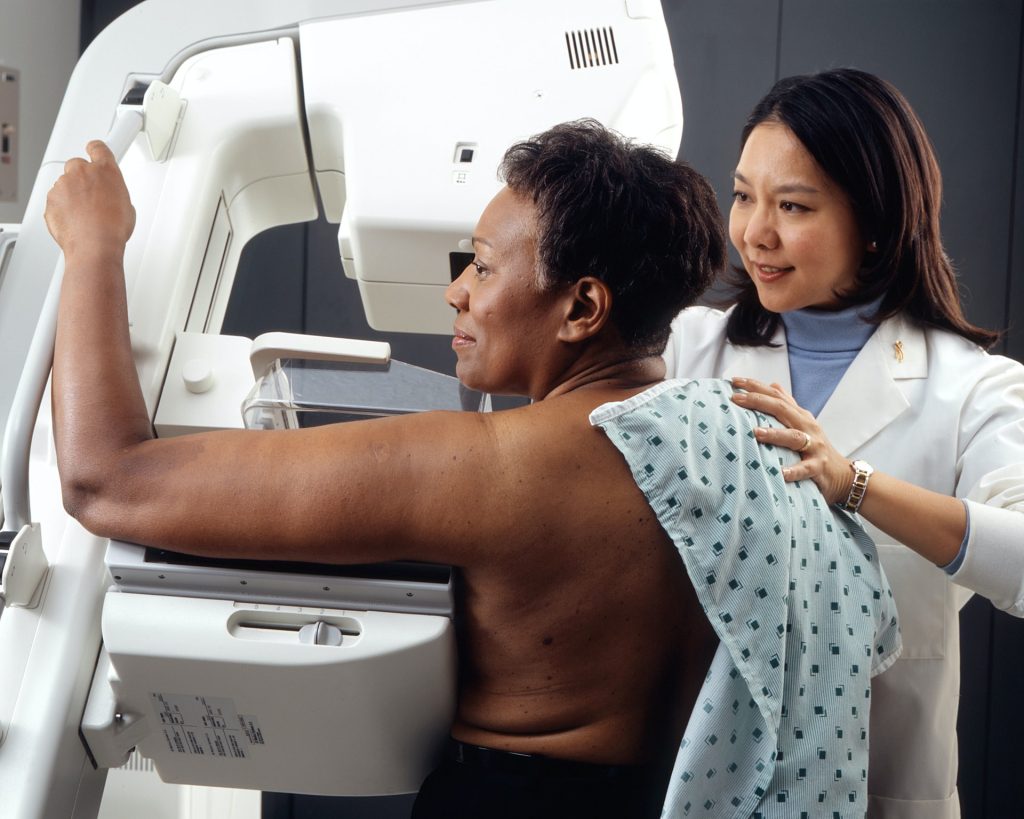
This shift has fundamentally changed what the practice delivers, and nowhere is that more evident than in prevention. TVCT Care Coordinators follow up on diabetic, hypertensive and mental-health patients at home, educating entire families along the way. Weekly health talks cover diabetes, hypertension, and prostate and breast cancer; a mammography team visits monthly; and the wider team regularly takes its work into schools and churches across the community.

“Care stops being a series of emergencies and becomes something managed before it reaches crisis point,” says Lungile Kasapato, CEO of PPO Serve. “Patients who once arrived only when illness had become unavoidable now come in early, when problems are still simple and affordable to treat. This holistic approach creates a support system around the patient that simply does not exist in traditional fee-for-service models.”

The practice in Katlehong has since been awarded 100% accreditation by the Office of Health Standards Compliance, a rare achievement that proves value-based care can meet the highest quality standards. Yet adoption remains limited. Many GPs continue to favour fee-for-service, drawn by the prospect of higher individual billing, even as the system deteriorates around them: schemes cannot absorb rising claims, patients cannot afford increasingly expensive care, and healthcare moves further out of reach for ordinary South Africans.

“What Dr Sekete has built, proves that value-based care is not a theoretical ideal – it is a practical, replicable model that delivers better outcomes for patients, better sustainability for practitioners, and a more viable future for the sector,” says Kasapato. “Our ambition is to see this replicated in communities across the country.”

For GPs considering the transition, Dr Sekete is direct: get the foundations right first – a proper facility, the right staffing, a genuine multidisciplinary team, strong IT systems, and reliable laboratory and diagnostic support – then coordinate closely with the community. “What I want now is replication: pockets of excellence across the country, each one a working example others can build from. The only real question is whether the profession – and the system around it – is ready to adopt it.”

Sun Pharma Launches Generic Semaglutide in South Africa

Johannesburg, 21 July 2026 — Sun Pharmaceutical Industries Limited (Reuters: SUN.BO, Bloomberg: SUNP IN, NSE: SUNPHARMA, BSE: 524715) (together with its subsidiaries and/or associated companies, “Sun Pharma”) today announced the launch of generic semaglutide, a once‑weekly GLP‑1 receptor agonist, in South Africa for the treatment of adults with inadequately controlled type 2 diabetes mellitus as an adjunct to diet and exercise.

The product is supplied in a pre‑filled, multi‑dose injectable pen in two strengths (2 mg/1.5 mL and 4 mg/3 mL) that allow flexible, once‑weekly dosing. The device features a smooth dialer for accurate dose selection and a concealed needle to improve handling safety and reduce injection anxiety. The pens are manufactured in Europe and developed with established pharmaceutical device suppliers.

“Type 2 diabetes remains a major public‑health challenge in South Africa,” said Malcolm Brown, Chief Executive Officer, Sun Pharma South Africa. “The availability of generic semaglutide strengthens the range of evidence‑based treatment options available to clinicians and patients. Our objective is to support better clinical outcomes by improving access to proven therapies that can be integrated into comprehensive diabetes care.”

Clinical context and public‑health relevance

  • Type 2 Diabetes remains one of South Africa’s most significant public health challenges. As per the International Diabetes Federation country report, it is estimated that 3.9 million patients aged 20-79 would be living with diabetes in South Africa by 2050.
  • South Africa faces a growing burden of type 2 diabetes, driven in part by rapid urbanization and changing lifestyles. This rising prevalence places significant pressure on patients and healthcare services. Improving access to effective therapies is therefore an important component of addressing this national health challenge.
  • With the launch of generic semaglutide in South Africa, Sun Pharma aims to provide clinicians and patients with an additional licensed option for comprehensive diabetes management, supporting better long‑term outcomes when used alongside diet and exercise.

Regulatory and medical review

Healthcare professionals are advised to consult full prescribing information and local treatment guidelines when considering semaglutide for individual patients. The company’s local medical team is available to assist clinicians with scientific inquiries and product information.

About Sun Pharmaceutical Industries Limited. (CIN – L24230GJ1993PLC019050)

Sun Pharma is a leading global pharmaceutical company with a presence in Innovative Medicines, Generics and Consumer Healthcare products. It is the largest pharmaceutical company in India and is a leading generic company in the US as well as Global Emerging Markets. Sun’s high growth Global Innovative Medicines portfolio spans innovative products in dermatology, ophthalmology, and onco-dermatology and accounts for about 22% of company sales. The company’s vertically integrated operations deliver high-quality medicines, trusted by physicians and consumers in over 100 countries. Its manufacturing facilities are spread across five continents. Sun Pharma is proud of its multi-cultural workforce drawn from over 50 nations. “For further information, please visit www.sunpharma.com and follow us on LinkedIn & X (Formerly Twitter).”

Heavy TV Watching Associated with Smaller Brain Structures, Study Finds

Reduced volume was found in areas of the brain connected to memory formation, indicating a potential link between TV watching and higher dementia risk

“Turn off that TV, it’ll rot your brain!” has been a household refrain for decades. While “rot” might be too strong a term, researchers are finding that the overall sentiment could have some merit.

study published recently in Alzheimer’s and Dementia: Journal of the Alzheimer’s Association revealed that those who reported watching TV “very often” in midlife later exhibited reduced volume in areas of the brain associated with memory, smaller frontal and occipital lobes, and areas of damage in the brain’s white matter that are associated with aging, stroke risk, cognitive decline and dementia. 

“For years we’ve focused on how much people sit. Our findings suggest we should also pay attention to what they’re doing while they’re sitting,” says David Raichlen, professor of biological sciences and anthropology at the USC Dornsife College of Letters, Arts and Sciences and a senior author of the study. 

The findings weren’t just due to TV viewing’s sedentary nature. The study found that other types of sedentary activities did not have the same associations, indicating that what one does while sitting may matter much more than previously thought.

Watching changes

The researchers analyzed data from about 1,700 adults, average age 53, who enrolled in the Atherosclerosis Risk in Communities (ARIC) Study between 1987 and 1989. ARIC is a long-running study of the U.S. population designed to investigate cardiovascular and brain health. 

Participants were asked how frequently, on a scale ranging from “never/seldom” to “very often,” they watched television during their leisure time and how much of their workday they spent sitting.

More than two decades later, participants underwent brain MRI. Compared with people who reported “never” or “seldom” watching TV, those who watched TV “very often” showed widespread structural differences across the brain.

The researchers found smaller volumes in areas associated with early signs of Alzheimer’s disease and more white matter hyperintensity volumes, an indicator of cerebral small blood vessel disease associated with cognitive decline and dementia. These participants also had smaller occipital and frontal lobes, regions associated with visual processing and executive functioning.

Differences persisted even when the researchers controlled for factors such as physical activity, diabetes, body mass index, smoking, and alcohol use.

Of note, the researchers relied on self-reported data for TV consumption, which can be less precise than timed tracking. Study participants also did not undergo a baseline MRI. Future research could begin with a baseline MRI to more concretely demonstrate changes over time.

Not all sitting is made the same

Strikingly, the sedentary element of TV watching didn’t appear to be the main driver for these changes.

Those who reported high amounts of sitting at work actually had larger frontal and occipital lobes, as well as reduced white matter hyperintensity volumes, indicating better brain health than among those who sit to watch TV. This could be due to the intellectually stimulating nature of many sit-down jobs, say the study authors. 

Men appeared to be particularly vulnerable to these changes. When the MRI scans were separated by sex, researchers found that most of the changes to the brain, both from TV watching and occupational sitting, were seen in men.

Such findings indicate there is still more research to be done on this complex topic. However, we might eventually see a different approach to health guidance around sedentary activities. Rather than just directing their patients to move more, for example, physicians might recommend they reduce television time and add cognitively engaging activities for when they do sit.  

“We frequently encourage the public not to spend too much time sitting down, but experts may want to expand that recommendation to encompass the activities done while sitting, since those seems to have distinct impacts on brain health,” says study corresponding author Natan Feter, postdoctoral scholar in the Human and Evolutionary Biology program at USC Dornsife. 

Source: University of Southern California

What Price a Human Kidney?

Photo by cottonbro studio

Human kidneys sell for up to £150 000 on the black market, but donors receive as little as £1000. Dr Saradamoyee Chatterjee exposes the criminal syndicates exploiting the desperate on both sides of the illegal organ trade, and asks how we can stop them.

Slums are a goldmine for organ traders. The brokers exploit people who are trapped in poverty and debt, and lure them into selling their kidneys.

Dr Saradamoyee Chatterjee

How much does a human kidney cost on the black market? It depends on who you are in the transaction.

Buyers can pay between £60 000 and £150 000. But donors only receive between £1000 and £7500, if they are lucky.

Where does the rest of the money go? The lion’s share goes to the organ brokers: criminal organisations who act as middlemen between donors and buyers.

These syndicates are sophisticated, exploitative, and international.

“One racket, operating from Israel, brought together Brazilian donors with American buyers, with the transplant taking place in South Africa.” So says Dr Saradamoyee Chatterjee, Bye-Fellow and Director of Studies in Land Economy at Lucy Cavendish College.

Chatterjee unpicks the illegal trade of human organs. She gives voice to the desperate players trapped inside its transactions, and suggests ways to stamp it out.

The organ bazaars

Beginning in the 1950s, science radically improved the success rate of human organ transplantation. Researchers found ways to suppress the immune response of the recipient, so that new organs are not rejected. Transplants now have a high degree of success between strangers, provided that donors and recipients match in blood and tissue type.

Kidneys are by far the most commonly transplanted organ, but transplants of heart, lungs, liver lobes and corneas are also possible.

In countries like India, Pakistan and the Philippines, these advancements initially led to completely unregulated human organ markets. Whichever country had the fewest regulations attracted international patients.

“In the 1980s, these countries were like an organ bazaar,” Chatterjee says. “Patients from the Middle East, UK and USA flocked to get their transplants done.”

Since the 1990s, most countries have brought in prohibitions on the organ trade. The famous Istanbul Declaration took a stand against transplant tourism, and the World Health Organization called for a global prohibition on cell, tissue or organ purchases.

Currently, only Iran has a legalised system for paying donors for their organs. Everywhere else relies on legal means, like organ donor lists, or illegal ones, which are still rampant in some countries. The persistence of organ trafficking reflects the desperation on all sides of the transaction.

The need for healthy organs is ever-increasing. Modern ‘lifestyle’ diseases such as diabetes and hypertension lead to kidney failure. Among the 2 current treatments – dialysis and organ transplantation – the latter significantly enhances the quality of life. Many people wait decades on donor lists and will do anything for a healthy organ.

Among slum-dwellers and asylum seekers, there is both a supply of valuable organs and the desperation required to part with them.

Here is where the middlemen come in, servicing an unsavoury gap in the market.

The sellers

Chatterjee travelled to Mumbai, Delhi, Chennai and Kolkata to seek out people with first-hand knowledge of the organ trade. In these cities she found a network of medical professionals, transplant coordinators, buyers and donors willing to share their views.

“Slums are a goldmine for organ traders,” Chatterjee says. “The brokers exploit people who are trapped in poverty and debt, and lure them into selling their kidneys.”

Many people are in need of a lump sum to escape dire circumstances – the organ traders supposedly offer that.

Once a broker gets a kidney, the sellers seldom receive the promised compensation and the vital post-operative care. Even the nominal fee would not provide any relief from poverty.

“One woman I spoke to was a cleaner for weddings,” recalls Chatterjee. “She sold her kidney to save the life of her husband. He’d fallen into debt after buying a tuktuk via a money lender, and couldn’t afford the interest payments. In the end, she only received half the offered price for her kidney.

“She was left weakened, deeply disappointed, and regretful of the whole organ-selling experience.”

In matching sellers with buyers, the syndicates respond to pleas for organ transplants on social media.

To dodge India’s prohibitions, the syndicates exploit loopholes in the law, including the forging of fake backstories. They generate false documents and testimonies to convince doctors and clinicians that 2 strangers know each other.

The transplant can then take place as if it were happening legally – as an agreement between friends or family, without money changing hands. These tactics make it difficult for doctors to detect potential exploitation.

The buyers

Organ trades are a bad deal for buyers too. Both the buying patients Chatterjee interviewed died shortly after their operations.

“In one case, the broker took payment before providing a mis-matched donor,” Chatterjee says. “In the second case, a female doctor saw that her new husband’s kidneys were failing. She placed an advertisement in the local newspaper, and a broker responded. But on the day of the planned transplant, the donor ran away.”

Operating with no regulation, the middlemen don’t uphold medical standards. They often don’t screen donors for existing conditions, exposing recipients to blood diseases like HIV or hepatitis.

The proliferation of lifestyle diseases in massive populations means that the organ trade isn’t only for the super rich: buyers only need to be rich relative to the poverty-stricken sellers.

Both of the buyers Chatterjee spoke to came from the middle class. They were compelled to borrow money from their relatives to pay the broker.

How can we make things better?

Meaningfully reducing the illegal trade of human organs requires action on many fronts.

Reducing the gap in supply means encouraging more legal donations. Other countries have focused on deceased donations, where people donate their organs after death. In Spain, everyone is an organ donor by default, meaning they have the world’s highest deceased donors rate (49 per million people; by comparison, India has only 0.77).

India claims to be tackling the black market with increased regulations and harsher sentences for perpetrators. Information campaigns targeting potential sellers should warn people about the dangerous middlemen. Further exposure of the black market by researchers like Chatterjee and Dr Sean Columb may also prevent people from being dragged into it.

On the demand side, societies need to properly fund their citizens’ healthcare. More successful countries focus on the prevention of lifestyle diseases that are leading causes of renal failure.

Encouraging people into healthier lifestyles – with fewer carbohydrates and more exercise – would decrease the prevalence of conditions like diabetes. Better screening programmes would also encourage patients to adjust before their condition deteriorates, reducing the demand for new organs.

“Organ traffickers exploit the vulnerabilities of both the donors and buyers,” says Chatterjee. To wipe out the middlemen, we need to make people on all sides of organ transplantation less vulnerable and more resilient.

Republished from University of Cambridge under a Creative Commons licence.

Read the original article.

From AI to Health Innovation – South Africa’s Top Science Awards #ChooseUP Researchers

UP’s NSTF-South32 awards winners: Prof Tjaart Krüger, Prof Patricia Forbes, Prof Vukosi Marivate, Prof Llewellyn Padayachy

Four University of Pretoria (UP) staff members came out tops at the 2025/2026 National Science and Technology Forum (NSTF)-South32 Awards, South Africa’s premier science and innovation awards. Commonly known as the “Science Oscars”, the awards recognise exceptional contributions by individuals, teams, partnerships and organisations across a range of categories within South Africa’s science, engineering and technology sectors.

The 28th annual NSTF-South32 Awards gala event was held on 16 July 2026 simultaneously in Cape Town and Johannesburg, with a live broadcast online. This year’s awards were themed ‘Healthy Ageing’ – in line with the United Nations Decade of Healthy Ageing (2021 to 2030), a global collaboration to recognise the contribution of science, engineering and technology in improving the health and well-being of older people.

“This recognition speaks to the strength and breadth of the University of Pretoria’s research and innovation, and to our commitment to excellence across disciplines,” said Professor Sunil Maharaj, Vice-Principal: Research, Innovation and Postgraduate Education at UP. “The achievements of our researchers reflect the ambitions of our ThriveUP 2038 strategy, demonstrating how research and innovation can generate knowledge, develop solutions and create meaningful societal impact.”

This year’s recipients from UP are:

  • Prof Vukosi Marivate, Director of the African Institute for Data Science and Artificial Intelligence and ABSA-UP Chair in Data Science, together with the TextAugment team and the Vuk’uzenzele Multilingual Corpus project, won the inaugural NSTF-SADiLaR Research Software: Human Language Technologies Award. This category recognises the development of open-source tools that help address data scarcity in under-resourced African languages, supporting advances in artificial intelligence and linguistic equity.

    Prof Marivate and the TextAugment team’s work to develop open-source language technologies for under-resourced African languages speaks to the strategy’s ‘Digital Futures and Inclusive AI’ research theme, which focuses on building trustworthy artificial intelligence (AI), strengthening data infrastructures and advancing digital inclusion.
  • Prof Patricia Forbes of UP’s Department of Chemistry and editor-in-chief of the American Chemical Society’s (ACS) journal ACS Earth and Space Chemistry won the NSTF-Water Research Commission Award. She was recognised for developing analytical methods for detecting trace environmental pollutants and addressing long-standing monitoring challenges.

    Prof Forbes’ pioneering work in detecting trace environmental pollutants aligns with the ‘Climate, Land, Water and Sustainability Transitions’ theme by supporting improved environmental monitoring and the sustainable management of natural resources.
  • In the health sciences, Prof Llewellyn Padayachy, Head of Neurosurgery and Director of UP’s Brain Tumour and Translational Neuroscience Centre (BTC@UP), won the NSTF-SAMRC Clinician-Scientist Award for developing point-of-care diagnostic tools for the early detection of brain tumours.
    Prof Padayachy’s development of non-invasive diagnostic tools for the early detection of brain tumours speaks to the ‘Planetary and One Health Horizons’ research theme, which advances precision health, health system innovation and improved health outcomes.
  • Prof Tjaart Krüger of UP’s Department of Physics was a joint winner of the TW Kambule-NSTF Researcher Award, along with Prof Musa Manzi, Director of the Seismic Research Centre at the University of the Witwatersrand. Prof Krüger was recognised for developing ultra-sensitive single-molecule instruments that help reveal how nature converts sunlight into energy, with potential applications for cleaner, more efficient energy technologies.

    Prof Krüger’s work on ultra-sensitive instruments that deepen our understanding of how nature converts sunlight into energy contributes to the scientific foundations needed for cleaner, more efficient energy technologies, reinforcing the University’s commitment to research that supports sustainable futures.

In addition to staff members, first-year student Christene Beukes, who is studying applied plant and soil sciences within UP’s Faculty of Natural and Agricultural Sciences, was among the 22 students selected for the NSTF Brilliants Programme. The programme recognises top first-year students in the science, medicine and engineering fields from each of South Africa’s nine provinces. Beukes is also a recipient of the Vice-Chancellor’s Distinguished Merit Award.

The UP researchers who were nominated as finalists for the 2025/2026 NSTF-South32 Awards are:

  • Prof Brenda Wingfield – Department of Science, Technology and Innovation-National Research Foundation SARChI Chairholder: Fungal Genomics in UP’s Department of Biochemistry, Genetics and Microbiology and the Forestry and Agricultural Biotechnology Institute – was a finalist in the Lifetime Award category for her contributions to understanding the genetics and genomics of fungal plant pathogens and for her role in educating and mentoring generations of researchers.
  • Prof Hendrik Brink of the Department of Chemical Engineering received recognition in two categories. He was a finalist in both the Engineering Research Capacity Development Award and the NSTF-TIA Green Economy Award for building South Africa’s engineering research capacity through postgraduate training focused on scalable water treatment solutions.
  • Prof Rebecca Garland of the Department of Geography, Geoinformatics and Meteorology was acknowledged in the NSTF-TIA Green Economy Award category for research that strengthens the evidence base for air quality management in South Africa through an integrated approach.
  • The Department of Animal Science, led by Prof Carina Visser, was a finalist for the NSTF-Agricultural Research Council Award. The department was recognised for its interdisciplinary research on low-emissions sustainable livestock production, the genetic improvement of local breeds for adaptation, and the delivery of safe, welfare-friendly animal protein.
  • Shakira Hoosain, campaign strategist and senior copywriter, and editor of UP science platform Research Matters and RE.SEARCH magazine was a finalist in the Communication Award category. She was recognised for developing a multimedia science communication platform that translates academic research into accessible public knowledge through storytelling, media engagement and digital content.

“Every one of these accolades represents years of rigorous dedication,” Prof Maharaj said. “While we celebrate the individual achievements, they also reflect the collective effort of colleagues, students and partners across the University. We congratulate all our winners and finalists for the well-deserved recognition.”

Researchers Reveal Iron’s Role in Allergic Airway Inflammation

Respiratory tract. Credit: Scientific Animations CC4.0

Chinese researchers have revealed the key role of iron in initiating allergic airway inflammation. The study, which was published in Cell, was conducted by a team led by Prof SUN Bing from the Center for Excellence in Molecular Cell Science (Shanghai Institute of Biochemistry and Cell Biology) of the Chinese Academy of Sciences (CAS), along with Prof LIU Xing’s team from the Shanghai Institute of Materia and Medica of CAS.

The research showed that environmental allergens can use an iron-dependent mechanism to activate gasdermin D (GSDMD) in airway epithelial cells, thereby promoting IL-33 release and initiating allergic airway inflammation – the main pathological basis for the onset and progression of asthma.

When environmental allergens such as pollen, house dust mites, and fungal proteases enter the airway, they act on lung epithelial cells and induce the release of alarmins, including IL-33. IL-33 then activates type 2 innate lymphoid cells (ILC2s), leading to eosinophil infiltration, mucus production, and airway tissue damage.

Previous studies have shown that GSDMD is involved in IL-33 release, but how allergens activate GSDMD had remained unclear. In this study, the researchers found that allergen stimulation rapidly increased the labile iron pool in airway epithelial cells, and GSDMD was cleaved and activated through a mechanism independent of conventional proteases.

Using mouse models induced by papain or house dust mites, the researchers observed a rapid rise in lung iron levels after allergen challenge, occurring in parallel with IL-33 release. Treatment with an iron chelator markedly inhibited GSDMD cleavage and IL-33 release, whereas iron supplementation enhanced these responses. This iron-driven effect was largely abolished in GSDMD-deficient mice, indicating that the pro-inflammatory activity of iron is highly dependent on GSDMD.

Furthermore, the researchers showed that cell-surface protease-activated receptor PAR1 serves as an important entry point for allergen sensing. Papain directly cleaves PAR1, which in turn initiates NCOA4-mediated ferritinophagy and releases additional free iron. The iron chaperone PCBP2 delivers iron to the vicinity of GSDMD, where the E309/Q312 residues of GSDMD are responsible for iron binding. When these sites are mutated, GSDMD can no longer be efficiently cleaved or mediate IL-33 release.

The researchers found that this cleavage process does not depend on canonical inflammasome-associated caspases. Instead, iron delivered by PCBP2 locally triggers a Fenton reaction, generating short-range hydroxyl radicals that drive oxidative cleavage of GSDMD.

In vivo experiments showed that pretreatment with the iron chelator DFP significantly alleviates papain-induced airway inflammation, reducing eosinophil infiltration, IL-5 and IL-13 levels, and mucus secretion. Conversely, iron supplementation aggravated inflammatory responses in wild-type mice, but failed to produce the same effect in GSDMD-deficient mice.

These findings establish the iron–GSDMD–IL-33 axis as an important driver of allergen-induced type 2 immune responses, and suggest that PAR1, iron mobilisation, PCBP2, and local iron-mediated reactions may represent potential intervention points for asthma and other allergic diseases.

In summary, this study proposes a new mechanism for the initiation of allergic airway inflammation. It expands the understanding of GSDMD activation and immunological functions of iron metabolism, and provides new insight into the prevention and treatment of asthma and related allergic diseases.

Source: Chinese Academy of Sciences

Last-line Antibiotics at Risk as Children’s Resistance Rises

Photo by Ben Wicks on Unsplash

Antimicrobial resistance in children is rising globally and will worsen over the next decade, threatening the effectiveness of life‑saving antibiotics, according to a world-first monitoring platform.

The findings, led by Murdoch Children’s Research Institute (MCRI) in collaboration with the University of SydneyClinton Health Access Initiative (CHAI) and The Chinese University of Hong Kong, analysed more than 106 000 infection samples from children, aged up to 18 years, across 82 countries, discovering that antibiotic resistance increased in every region between 2004 and 2022. Babies and children in intensive care and countries with fewer healthcare resources were the most affected.

Published in JAMA Pediatrics, the research found the increase is being driven largely by Gram-negative bacteria responsible for severe infections such as sepsis and pneumonia. Resistance rose most sharply to critical ‘Watch’ and ‘Reserve’ antibiotics, which the World Health Organization (WHO) classifies to limit overuse and help preserve their effectiveness when first-line treatments fail.

MCRI Associate Professor Penelope Bryant said the findings highlighted a widening gap between recommended antibiotic use and real‑world effectiveness, reinforcing the urgent need for improved surveillance, targeted antimicrobial stewardship and better access to effective antibiotics for children.

Forecasting future antimicrobial resistance

The newly launched AMR in Kids website, created by the study team, allows clinicians, researchers and policymakers to explore antibiotic resistance by country, bacteria and antibiotic class. It also provides region and pathogen-specific forecasts to 2035, helping researchers to identify emerging threats, inform treatment decisions and help guide public health planning.

MCRI and University of Sydney Dr Yanhong Jessika Hu said by combining almost two decades of global data with forecasting, the platform could identify where resistance was likely to emerge before it becomes an even greater clinical challenge.

Antimicrobial resistance occurs when bacteria evolve to withstand antibiotic treatment. As resistant bacteria emerge and spread through communities, infections become harder to treat. Children are especially vulnerable as they experience high rates of bacterial infections and have fewer antibiotic options than adults. In 2021, about 840,000 deaths in children under five years were associated with antimicrobial resistance.

“Antimicrobial resistance is one of the biggest threats to children’s health globally, but until now we haven’t had a clear picture of how it’s changing specifically in children,” Dr Hu said. “The AMR in Kids platform addresses a major gap by developing region and pathogen-specific forecasts for the next decade.”

Forecast modelling by the platform suggests that by 2035, some of the most dangerous pathogens could become highly resistant to last‑line treatments.

CHAI Senior Clinical Director Associate Professor Joseph Harwell said, “Better data is essential, but children can’t wait for perfect data. We need to use the best available evidence to guide action now.”

The research found two types of Gram-negative bacteria were driving antimicrobial resistance globally. Acinetobacter baumannii, which commonly causes hospital acquired bloodstream infections and pneumonia, showed the highest overall resistance. Klebsiella, causing urinary tract infections and liver abscesses, recorded the fastest increase, particularly in Southeast Asia, Eastern Europe and the Western Pacific. Alarmingly, resistance to last‑line carbapenem antibiotics is projected to rise substantially by 2035, reaching 82 per cent and 35 per cent, for each superbug, respectively.

Turning data into global action

Associate Professor Bryant said despite facing unique treatment challenges, children had been overlooked in global antibiotic resistance surveillance.

“Rising resistance to first- and now second-line drugs is the clinical reality for children,” she said. “Making antibiotic resistance in children visible, through AMR in Kids, is the first step towards changing its trajectory. By understanding where resistance is emerging and how it’s changing, we can better protect children now and preserve the effectiveness of antibiotics into the future.”

But Associate Professor Bryant said more action was needed on the global stage and measures specifically targeted towards children.

“In low-income countries we need to address unregulated antibiotic use and poor sanitation,” she said. “These countries need better access to diagnostic techniques and first-line antibiotics. Encouraging, Australia’s Department of Foreign Affairs and Trade has brought together experts including from the University of Melbourne and the WHO to develop solutions in the Western Pacific.

“In high-income countries, antibiotic overuse must be tackled across farming, veterinary, primary care and hospital settings, while infection control remains critical.

“We also need child-friendly antibiotic formulations, clearer dosing guidance and funding for trials on safely reducing antibiotic use. Consumers can help by talking with their GP about the risks of overprescribing antibiotics.”

Source: Murdoch Children’s Research Institute