

Tag: early menopause

Premature Menopause Is a High Blood Pressure Risk Factor

Large-scale study results call for earlier cardiovascular screening for women who experience menopause before age 40
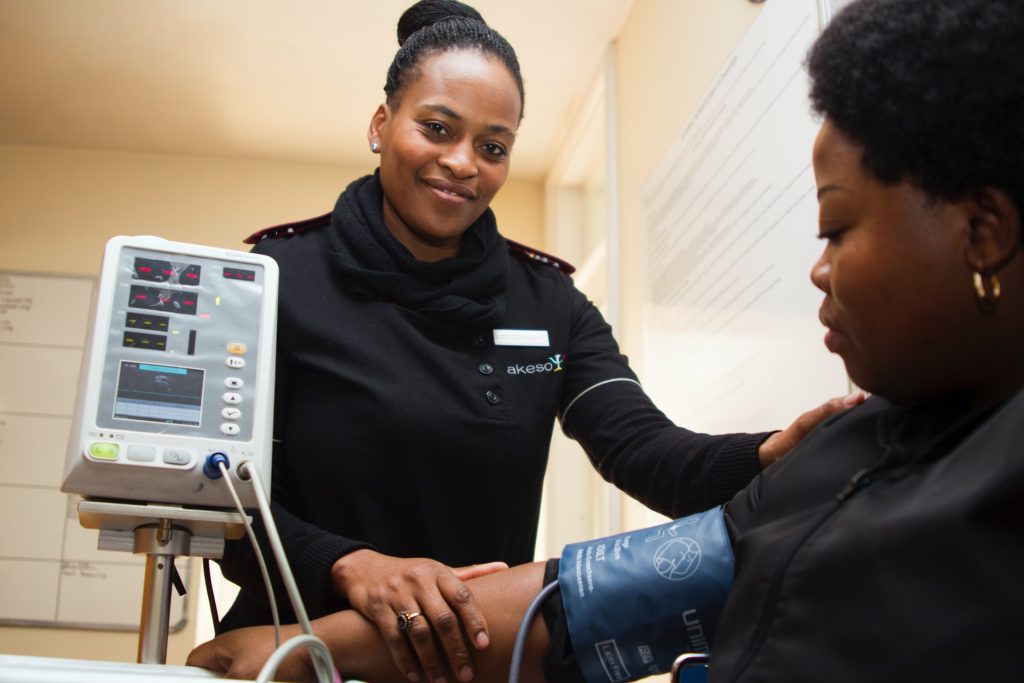
Photo by Hush Naidoo on Unsplash

Women who reach menopause before age 40 face a meaningfully higher risk of developing high blood pressure than those who go through menopause after age 45, according to a new study of more than 107 000 women. Risk peaked among women who reached menopause prematurely between the ages of 25 and 35 years. The results of the study are published online today in Menopause, the journal of The Menopause Society.

Hormone shifts during the menopause transition are known to influence a woman’s overall disease risk, and earlier menopause has previously been linked to higher rates of coronary heart disease and stroke. However, evidence connecting the timing of menopause directly to hypertension has been inconsistent, with some prior meta-analyses finding an association and others finding none.

A key challenge has been separating the direct hormone effects of menopause from indirect effects driven by weight gain, metabolic changes, and other cardiovascular risk factors that tend to accompany the menopause transition.

To address this gap, researchers analysed data from 107 836 postmenopausal women enrolled in the UK Biobank between 2006 and 2010, following them for a median of nearly 15 years through the end of 2003. The study classified women by age at menopause – normal (after age 45), early (ages 40 to 45), and premature (before age 40) – as well as by type of menopause (natural vs surgical) and tracked new diagnoses of high blood pressure over time.

Over the follow-up period, 18 508 women (17.2%) were diagnosed with hypertension. The risk climbed steadily as age at menopause dropped: 16.6% of women with normal age at menopause developed hypertension, compared to 18.8% of women with early menopause and 22.6% of women with premature menopause. After adjusting for more than 50 variables – including weight, lifestyle habits, family history, and lab values – women with premature menopause still had a 12.3% higher risk of developing hypertension than women who reached menopause after age 45.

A further analysis modelling age at menopause on a continuous scale found that risk peaks not at the traditional premature-menopause cutoff of age 40 but between the ages 25 and 35, suggesting the cardiovascular risk associated with premature menopause may be concentrated in an even younger group of women than previously defined. Surgical menopause was associated with higher hypertension rates in initial analyses, but that association did not hold once other risk factors were considered.

Based on these findings, the study authors recommend that clinicians treat age at menopause as a distinct cardiovascular risk factor, particularly for women who reach menopause before age 40. In addition to individualised counselling on hormone therapy, they point to earlier identification and management of high blood pressure as an opportunity to help reduce long-term cardiovascular risk in this group of women.

“The results of this study highlight the potential adverse long-term health outcomes associated with premature menopause, and in particular, the need to regularly screen for cardiovascular risk factors such as hypertension. Use of hormone therapy is also routinely recommended in women with premature menopause at least until the natural age of menopause unless contraindications exist,” says Dr Stephanie Faubion, medical director for The Menopause Society.

Source: The Menopause Society
Early Menopause Affects 1 in 14 Women in Low and Middle Income Countries

Prevalence higher in rural areas in all regions, pooled data analysis of 44 countries reveals. Strong protective effects of education and delayed childbearing 

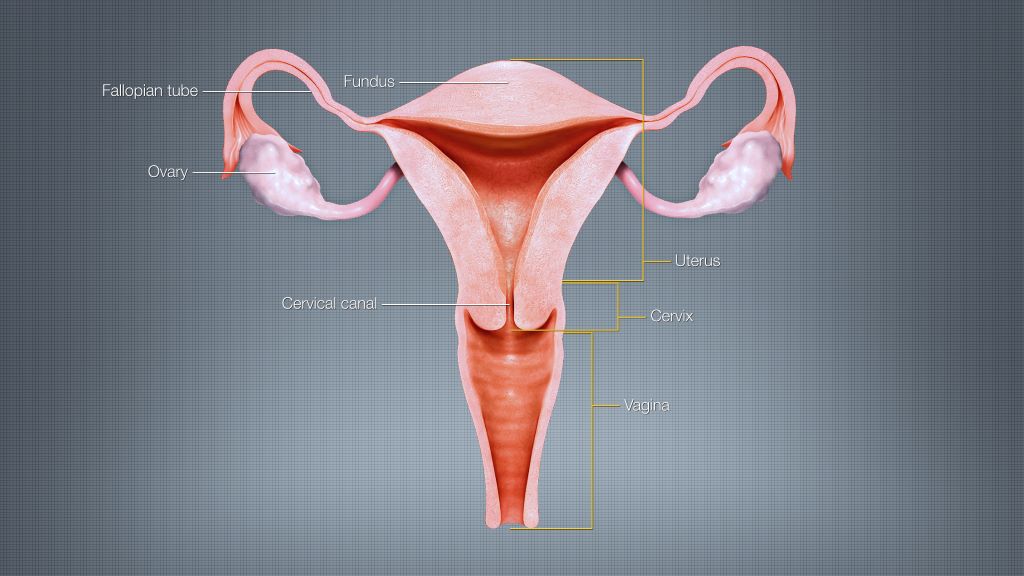
Female reproductive system. Credit: Scientific Animations CC4.0 BY-SA

Early menopause affects 1 in 14 women aged 30 to 49 living in low and middle income countries, finds a pooled data analysis of its prevalence in 44 nations published in the open access journal BMJ Global Health

The incidence is consistently higher in rural areas than it is in urban areas across all regions and countries included in the analysis, but education and delayed childbearing strongly minimise the risk.

Women usually go through the menopause between the ages of 45 and 55, but it is considered to be early if it occurs before the age of 45, and premature if it occurs before the age of 40, note the researchers.

Early and premature menopause are major public health concerns, because they heighten the risks of cardiovascular disease, osteoporosis, metabolic disorders, cognitive decline, depression, and early death, as well as seriously affecting the quality of life, they add. 

To date, research findings on the prevalence of early and premature menopause have been fragmented, focused on individual countries, and missing a detailed look at individual-level sociodemographic and reproductive factors, explain the researchers. 

To close this important information gap, they drew on pooled data from the Demographic and Health Survey (DHS) for 716 648 women between the ages of 30 and 49 in 44 low and middle income countries, where menopause tends to occur earlier than it does in high income countries.

All regions of the world were included other than North and South America for which no data were available.

The researchers focused on the potentially explanatory variables of: health factors, such as age at first marriage and first birth; number of live births; terminations; community level factors, such as place of residence; and individual-level characteristics, such as age, education, occupation, wealth index and exposure to media.

The data revealed that most survey respondents were between 30 and 34 (29%),while both women and their husbands were most often educated up to secondary school level (34% and 17%, respectively). Most respondents lived in rural areas (62%).

More than a third (38%) of women married before the age of 18, and around 1 in 5  (21%) gave birth to their first child before this age. Over half the women (58%) had 3 or more children.  

The overall prevalence of premature or early menopause was just over 7% (51,000 out of 716,648 women), which is much higher than previous global estimates, say the researchers, with the highest prevalence among 40-44 year olds (14%).

There was a six-fold difference between those countries with the highest and lowest prevalence, the analysis showed.  

The highest prevalence was in Ethiopia, Indonesia, and Myanmar: 12%;11.5%; and just over 10%, respectively. The lowest prevalence was in Jordan, Gabon, and Armenia: just over 2%; nearly 3%; and nearly 3%, respectively.

Certain factors were associated with a high prevalence. These included giving birth before the age of 18 (11%); marriage before the age of 18 (just over 10%); no formal education (just over 9%); material disadvantage (just over 8%); no exposure to media (just over 8%); residence in rural areas (8%); and 3 or more children (7.5%).

The disparity in prevalence between rural and urban areas was consistent across all countries and regions, the analysis showed. 

This “reflects fundamental inequalities in healthcare access, nutritional status, educational opportunities and occupational exposures,” highlight the researchers, adding that women in these areas are more likely to work as manual labourers and face workplace hazards, including exposure to agricultural chemicals.

Education was protective, with progressively lower odds the higher the level of education. Compared with women with no formal education, those with a college education were 58% less likely to experience an early or premature menopause. And women who were employed were 14% less likely to do so than women who weren’t working. 

This is an observational study, and as such, no firm conclusions can be drawn about cause and effect. And the researchers acknowledge that their study relied on self-reported data and that they weren’t able to distinguish between natural and surgically induced menopause. 

Several potentially important factors associated with menopause aren’t consistently included in the DHS survey data either, they note: smoking; alcohol intake; physical activity; diet; long term conditions; hormonal contraceptive use and breastfeeding duration; and environmental exposures.

But the health consequences of early and premature menopause will strain the health systems of low and middle income countries, particularly in South and East Asia and Pacific, and sub-Saharan Africa, point out the researchers.

“With populations in [these countries] ageing rapidly and women expected to spend an increasing proportion of their lives in the postmenopausal state, the prevalence represents a substantial and growing burden on health systems already constrained by competing priorities and limited resources,” they write.

The findings “underscore the urgent need to integrate menopause into reproductive health and non-communicable disease programmes, particularly targeting rural areas and addressing social determinants, including girls’ education and delayed marriage,” they conclude.

Source: The BMJ Group