Category: Metabolic Disorders

Abdominal Fat More Linked to Psoriasis Risk than Total Body Fat

Findings in the Journal of Investigative Dermatology reinforce the role of weight management in psoriasis care

Source: Pixabay CC0

Researchers have found that central body fat, especially around the abdomen, is more strongly linked to psoriasis risk than total body fat, particularly in women. This link between central fat and psoriasis remained consistent regardless of genetic predisposition, indicating that abdominal fat is an independent risk factor. The study in the Journal of Investigative Dermatology, published by Elsevier, provides insights that could help improve early risk prediction and guide personalised prevention strategies.

While it is well established that increasing levels of body fat raise the risk of developing psoriasis, the impact of specific fat distribution and genetics remains unclear.

Researchers of the current study analysed data from over 330 000 participants with White British ancestry in the UK Biobank, including more than 9000 people with psoriasis. They examined 25 different measures of body fat using both traditional methods and advanced imaging techniques, assessing how each was associated with psoriasis.

Lead investigator Ravi Ramessur, MD, St John’s Institute of Dermatology, King’s College London, explains, “Our research shows that where fat is stored in the body matters when it comes to psoriasis risk. Central fat – especially around the waist – seems to play a key role. This has important implications for how we identify individuals who may be more likely to develop psoriasis or experience more severe disease, and how we approach prevention and treatment strategies.”

Senior author Catherine H. Smith, MD, also at King’s College London, adds, “As rates of obesity continue to rise globally, understanding how different patterns of body fat influence chronic inflammatory conditions such as psoriasis is important. Our findings suggest that central body fat contributes to psoriasis risk irrespective of genetic predisposition and reinforces the importance of measuring waist circumference and pro-active healthy weight strategies in psoriasis care.”

Because this study only included individuals of White British ancestry from the UK Biobank, the generalisability of these findings to more diverse populations may be limited. Future studies incorporating datasets with dermatologist-confirmed diagnoses and broader ethnic representation will be important to further validate these associations and refine risk stratification approaches.

Dr Ramessur notes, “We were surprised by how consistently strong the association was across different central fat measures and how much stronger the effect was in women. The observed links between central body fat and psoriasis suggest that there may be underlying biological mechanisms contributing to the disease that are not yet fully understood and which warrant further investigation.”

In an accompanying editorial Joel M. Gelfand, MD, MSCE, FAAD, at the University of Pennsylvania Perelman School of Medicine, points to the potential of incretin therapy for psoriatic disease. Incretins are gut-derived hormones, principally glucagon-like peptide-1 (GLP-1) and glucose-dependent insulinotropic peptide (GIP), that regulate glucose, digestion, and appetite, and are approved for treatment of diabetes, obesity, and obesity-associated obstructive sleep apnoea.

Dr Gelfand comments, “The strong relationship between psoriasis and obesity and the emerging promise of glucagon-like peptide-1 receptor agonists (GLP1RA) for reducing psoriasis morbidity is a call to action for large scale clinical trials of GLP1RA monotherapy for treatment of psoriasis. Our current paradigm of just focusing on the skin and joint manifestations when treating psoriasis is outdated in the context of our evolving understanding of the tight relationship of psoriasis, obesity, and cardiometabolic disease.“

Source: Elsevier

Adult-onset Type 1 Diabetes Increases Cardiovascular Risk, Especially in 40s and Older

Source: Pixabay CC0

A new study in the European Heart Journal shows that people who develop type 1 diabetes in adulthood have an increased risk of cardiovascular disease and death, and that those diagnosed later in life do not have a better prognosis than those diagnosed earlier. The study, conducted by researchers at Karolinska Institutet, points to modifiable factors – smoking, poor glucose control and obesity – as the main risk factors.

Type 1 diabetes used to be called childhood diabetes but can start at any time during life – a situation for which there is limited research. The researchers behind the current study wanted to investigate the risk of cardiovascular disease and death in this group, particularly for those diagnosed after the age of 40.

The registry-based study identified 10 184 people diagnosed with type 1 diabetes in adulthood between 2001 and 2020 and compared them to 509 172 matched people in the control group.

The study shows that these people with adult-onset type 1 diabetes had a higher risk of cardiovascular disease and death from all causes, including cancer and infections, compared to the control group.

“The main reasons for the poor prognosis are smoking, overweight/obesity and poor glucose control. We found that they were less likely to use assistive devices, such as insulin pumps,” says first author Yuxia Wei, postdoctoral fellow at the Institute of Environmental Medicine, Karolinska Institutet.

The prognosis can be improved 

The results emphasise the seriousness of type 1 diabetes, even when it starts later in life, the researchers say. But the prognosis can improved by avoiding smoking and obesity, especially for those diagnosed later in life.

The researchers plan to continue investigating adult-onset type 1 diabetes, including risk factors for developing the disease and the prognosis of other outcomes, such as microvascular complications. Optimal treatment in adult-onset type 1 diabetes, including the effect of pump use and other advanced technologies, also needs to be explored.

Source: Karolinska Institutet

Could the Brain be Targeted to Treat Type 2 Diabetes?

Source: CC0

Successfully treating type 2 diabetes may involve focusing on brain neurons, rather than simply concentrating on obesity or insulin resistance, according to a study published in the Journal of Clinical Investigation.  

For several years, researchers have known that hyperactivity of a subset of neurons located in the hypothalamus, called AgRP neurons, is common in mice with diabetes. 

“These neurons are playing an outsized role in hyperglycaemia and type 2 diabetes,” said UW Medicine endocrinologist Dr Michael Schwartz, corresponding author of the paper.

To determine if these neurons contribute to elevated blood sugar in diabetic mice, researchers employed a widely used viral genetics approach to make AgRP neurons express tetanus toxin, which prevents the neurons from communicating with other neurons. 

Unexpectedly, this intervention normalised high blood sugar for months, despite having no effect on body weight or food consumption.   

Conventional wisdom is that diabetes, particularly type 2 diabetes, stems from a combination of genetic predisposition and lifestyle factors, including obesity, lack of physical activity and poor diet. This mix of factors leads to insulin resistance or insufficient insulin production.  

Until now, scientists have traditionally thought the brain doesn’t play a role in type 2 diabetes, according to Schwartz. 

The paper challenges this and is a “departure from the conventional wisdom of what causes diabetes,” he said. 

The new findings align with studies published by the same scientists showing that injection of a peptide called FGF1 directly into the brain also causes diabetes remission in mice. This effect was subsequently shown to involve sustained inhibition of AgRP neurons.

Together, the data suggest that, while these neurons are important for controlling blood sugar in diabetes, they don’t play a major role in causing obesity in these mice, the researchers noted in their report.  

In other words, targeting these neurons may not reverse obesity, even as it causes diabetes to go into remission, Schwartz explained. 

More research is needed on how to regulate activity in these neurons, and how they become hyperactive in the first place, he said. Once these questions are answered, Schwartz said that a therapeutic approach might then be developed to calm them down. 

This approach could represent a shift in how clinicians understand and treat this chronic disease, Schwartz said.  He noted, for instance, that semaglutide and other new drugs used to treat type 2 diabetes are also able to inhibit AgRP neurons.  

The extent to which this effect contributes to the antidiabetic action of these drugs is unknown. Further research might help scientists to better understand the role of AgRP neurons in how the body normally controls blood sugar, and to ultimately translate these findings into human clinical trials, he added.  

Source: University of Washington School of Medicine/UW Medicine

Metabolic Syndrome Linked to Increased Risk of Young-onset Dementia

Photo by CDC on Unsplash

Having a larger waistline, high blood pressure and other risk factors that make up metabolic syndrome is associated with an increased risk of young-onset dementia, according to a study published on April 23, 2025, online in Neurology®, the medical journal of the American Academy of Neurology. Young-onset dementia is diagnosed before the age of 65. The study does not prove that metabolic syndrome causes young-onset dementia, it only shows an association.

Metabolic syndrome is defined as having excess belly fat plus two or more of the following risk factors: high blood pressure, high blood sugar, higher than normal triglycerides, which are a type of fat found in the blood, and low high-density lipoprotein (HDL) cholesterol, or “good” cholesterol.

“While most dementia is diagnosed in older age, young-onset dementia occurs while a person is still working and perhaps raising a family,” said study author Minwoo Lee, MD, PhD, of Hallym University Sacred Heart Hospital in Anyang, South Korea. “Our study found having metabolic syndrome in middle age is a risk factor for young-onset dementia.”

For the study, researchers reviewed national health insurance data in South Korea to identify nearly two million people between the ages of 40 and 60 who had a health check-up. The check-up included measurements of waist circumference, blood pressure, blood sugar, triglyceride and cholesterol levels. Of all participants, 25% had metabolic syndrome.

Over an average follow-up period of eight years, 8921 people, or 0.45% of all participants, developed dementia. For those with metabolic syndrome, the incidence rate was 0.86 cases per 1000 person-years, compared to 0.49 cases for those without metabolic syndrome. Person-years represent both the number of people in the study and the amount of time each person spends in the study.

After adjusting for age, education and health factors such as level of physical activity, depression and stroke, researchers found metabolic syndrome was associated with a 24% higher risk of dementia. When looking at specific types of dementia, it was associated with a 12% increased risk of Alzheimer’s disease and a 21% increased risk of vascular dementia.

Researchers found female participants with metabolic syndrome had a 34% increased risk of dementia compared to male participants who had a 15% increased risk. People in their 40s had a greater risk than people in their 50s.

Researchers found each component of metabolic syndrome was associated with an increased risk of dementia, which was cumulative. People with all five components had a 70% increased risk of dementia.

“Our findings suggest that lifestyle changes to reduce the risk of metabolic syndrome, such as eating a healthy diet, exercising regularly, maintaining a healthy weight, quitting smoking and reducing stress, may help reduce the risk of young-onset dementia,” said Lee. “Future research that follows people over longer periods of time and uses brain scans to look for biomarkers of dementia is needed to confirm and expand upon our findings.”

A limitation of the study was that researchers did not review genetic risk factors for Alzheimer’s disease.

The study was supported by the Korean National Research Foundation.

Source: American Academy of Neurology

Dual-action Approach Targeting Inflammation Shows Potential as Type 1 Diabetes Treatment

Photo by Nataliya Vaitkevich on Pexels

A study co-led by Indiana University School of Medicine researchers presents a potential new strategy to prevent or slow the progression of Type 1 diabetes by targeting an inflammation-related protein known to drive the disease. The findings, recently published in eBioMedicine, may help inform clinical trials of a drug that is already approved by the U.S. Food and Drug Administration for psoriasis as a treatment for Type 1 diabetes.

In laboratory studies using human cells and mouse models, the researchers found that applying a molecular method to block inflammation signalling through the tyrosine kinase 2 (TYK2) protein reduced harmful inflammation in the pancreas. This strategy not only protected the beta cells in the pancreas but also reduced the immune system’s attack on those cells. A medication that inhibits TYK2 is already approved for the treatment of psoriasis, an autoimmune condition that causes skin inflammation.

“Our study showed that targeting TYK2 could be a powerful way to protect insulin-producing beta cells while calming inflammation in the immune system at the same time,” said Carmella Evans-Molina, MD, PhD, co-author of the study and director of the Indiana Diabetes Research Center and the Eli Lilly and Company Professor of Pediatric Diabetes at the IU School of Medicine. “This finding is exciting because there is already a drug on the market that does this for psoriasis, which could help us move more quickly toward testing it for Type 1 diabetes.”

Past genetic studies have already shown that people with naturally lower TYK2 activity are less likely to develop Type 1 diabetes, further supporting the group’s approach for future treatments using this TYK2 inhibitor approach.

“Our preclinical models suggest that the treatment might work in people as well,” said Farooq Syed, PhD, lead author of the study and assistant professor in the Department of Diabetes-Immunology at the Arthur-Riggs Diabetes and Metabolic Research Institute of the City of Hope. “The next step is to initiate translational studies to evaluate the impact of TYK2 inhibition alone or in combination with other already approved drugs in individuals at-risk or with recent onset Type 1 diabetes.”

Source: Indiana University

Popular Diabetes Drugs may Protect Against Alzheimer’s Disease

Neurons in the brain of an Alzheimer’s patient, with plaques caused by tau proteins. Credit: NIH

A study led by researchers in the University of Florida College of Pharmacy has found that a pair of popular glucose-lowering medications may have protective effects against the development of Alzheimer’s disease and related dementias in patients with Type 2 diabetes.

In research published in JAMA Neurology on April 7, UF researchers studied Medicare claims data of older adults with Type 2 diabetes to assess the association among glucagon-like peptide-1 receptor agonists, or GLP-1RAs, sodium-glucose cotransporter-2 inhibitors, or SGLT2is, and the risk of Alzheimer’s disease and related dementias.

The research is supported by funding from the National Institute on Aging and the National Institute of Diabetes and Digestive and Kidney Diseases, both part of the National Institutes of Health.

The data showed a statistically significant association between a lower risk of Alzheimer’s and the use of GLP-1RAs and SGLT2is compared with other glucose-lowering medications. According to the researchers, the findings indicated that the two drugs may have neuroprotective effects for people without diabetes and may help slow the rate of cognitive decline in Alzheimer’s patients.

Serena Jingchuan Guo, MD, PhD, an assistant professor of pharmaceutical outcomes and policy and the study’s senior author, said these findings may point to new therapeutic uses for drugs commonly used to treat Type 2 diabetes and obesity.

“It’s exciting that these diabetes medications may offer additional benefits, such as protecting brain health,” Guo said. “Based on our research, there is promising potential for GLP-1RAs and SGLT2is to be considered for Alzheimer’s disease prevention in the future. As use of these drugs continues to expand, it becomes increasingly important to understand their real-world benefits and risks across populations.”

As the study only included patients with Type 2 diabetes, Guo said next steps include evaluating the effects of the two drugs in broader populations by using recent, real-world data that captures their growing use in clinical settings.

“Future research should focus on identifying heterogeneous treatment effects – specifically, determining which patients are most likely to benefit and who may be at greater risk for safety concerns,” Guo said.

Source: University of Florida

High Muscle Strength Linked to Lower Risk of Type 2 Diabetes

Photo by Jonathan Borba on Unsplash

Researchers from the School of Public Health, LKS Faculty of Medicine of the University of Hong Kong (HKUMed) conducted a large-scale epidemiological study to explore the potential health benefits of high muscle strength in preventing type 2 diabetes (T2D) across varying levels of genetic risk. The study found that higher muscle strength was associated with over 40% lower risk of T2D, regardless of genetic susceptibility to T2D. The study highlights the importance of maintaining or improving muscle strength as a key strategy for preventing T2D. The findings were published in BMC Medicine.

T2D is one of the most common chronic metabolic disorders, and it is associated with an increased risk of various complications, including heart disease, stroke, high blood pressure, and narrowing of blood vessels. It is characterised by hyperglycaemia, due to insulin resistance and impaired insulin secretion. Evidence suggests that around 10% of the global population is affected by T2D, therefore, preventing T2D is a significant global public health concern. T2D can be caused by the interplay between non-modifiable genetic traits and modifiable lifestyle factors. Muscle strength is an important aspect of muscular fitness, and it has been found to be associated with lower risk of various cardiometabolic diseases including T2D. However, it remains unclear whether improving muscle strength should be considered a T2D prevention strategy in individuals with varying levels of genetic susceptibility to T2D, particularly those with high genetic susceptibility to T2D.

The research utilised data of 141 848 white British individuals without baseline T2D from the UK Biobank, an ongoing prospective cohort of over 500 000 UK adults which includes extensive genotype and phenotype information. Muscle strength was assessed in the form of grip strength. Genetic risk of T2D was estimated based on 138 known genetic variants for T2D.

The participants were followed up for more than seven years. During the follow-up period, 4,743 new T2D cases were identified. The findings indicated that, compared with low muscle strength, individuals with high muscle strength was associated with a 44% lower relative risk of developing T2D, even after taking into account T2D genetic risk as well as other risk factors. Moreover, the research team observed evidence of an interaction between muscle strength and genetic susceptibility to T2D, suggesting that muscle strength may play a role in modifying the impact of genetic risk to T2D onset. The findings further revealed that individuals at high genetic risk of T2D but with high muscle strength could have a lower absolute risk of T2D, compared with those at low or medium genetic risk but with low muscle strength.

This groundbreaking study uncovered the first-ever prospective associations between muscle strength, genetic susceptibility to type 2 diabetes, and the risk of developing the disease. ‘The findings emphasise the crucial role of maintaining or enhancing muscle strength as a key strategy for preventing T2D in middle-aged and older adults, regardless of their genetic risk levels and including those at high genetic risk. We believe that these results offer novel insights into the significant impact of higher muscle strength on metabolic health,’ said Dr Wang Mengyao, from the School of Public Health at HKUMed, the first author of this study.

‘This study highlights the significance of Biobank studies in examining the interaction between exposures and genetics in influencing the risk of T2D. Further research utilising ethnic-specific Biobank studies is needed to determine if these findings are applicable to other populations, such as East Asians,’ expressed Professor Ryan Au Yeung, Assistant Professor from the School of Public Health at HKUMed, a co-author of this study.

‘Individuals in middle-to-late life are at increased risk of type 2 diabetes. However, our study has demonstrated the potential roles of high muscle strength in preventing the future risk of developing type 2 diabetes not only in all individuals, but also in individuals with high genetic predisposition to type 2 diabetes. Our study supports the current public health guidelines which suggest that adults should engage in muscle-strengthening activities for at least two days per week from a disease prevention perspective,’ added Professor Youngwon Kim, from the School of Public Health at HKUMed, the corresponding author of the study.

Source: The University of Hong Kong

Students Lead Breakthrough Study on Diabetes Drugs and Dementia Risk

Source: Pixabay CC0

Two undergraduate medicine students at University of Galway have led a major study examining how cardioprotective glucose-lowering therapies affect the risk of developing dementia.

The research has been published in JAMA Neurology.

The new study involved a systematic review and meta-analysis of 26 clinical trials involving more than 160 000 participants.

The researchers found that while most glucose-lowering therapies were not significantly associated with a reduction in dementia risk, one class of drugs – known as GLP-1 receptor agonists (GLP-1Ras) was linked to a significant reduction.

The study was conducted by medical students Allie Seminer and Alfredi Mulihano, alongside researchers from University of Galway, the HRB Clinical Research Facility Galway and University Hospital Galway.

Key Findings:

  • The research analysed data from 26 randomised controlled trials with a total of 164 531 participants.
  • While glucose-lowering therapies as a whole did not significantly reduce dementia risk, GLP-1 receptor agonists (GLP-1Ras) were linked to a 45% lower risk of dementia.
  • The findings provide crucial insights into the potential for diabetes medications to influence long-term brain health.

Dr Catriona Reddin, senior author, researcher at the University of Galway and Registrar in Geriatric Medicine at HSE West North West, said: “This research represents a significant contribution to our understanding of how some diabetes medications may impact brain health. Diabetes is a known risk factor for dementia, but whether glucose-lowering therapies can help prevent cognitive decline has remained unclear. Our findings suggest that GLP-1 receptor agonists, in particular, may have a protective effect on brain health.”

Professor Martin O’Donnell, Dean of the College of Medicine, Nursing and Health Sciences at University of Galway and Consultant Stroke Physician with HSE West North-West said: “Given the increasing prevalence of both diabetes and dementia, findings from this study have important public health implications for prevention of dementia.

“What makes this study particularly exciting for the College of Medicine, Nursing and Health Sciences at University of Galway, is that it was led by two of our undergraduate medicine students. We place a strong emphasis on research as a core component of our undergraduate medicine programme, ensuring that students have opportunities to engage in high-impact studies that shape global healthcare.”

Allie Seminer, a third year student from New York and co-lead author, said: “Being involved in a study of this scale as an undergraduate has been an incredible experience. What stood out for me was the sense of responsibility – knowing that our work could help shape understanding of a global health issue. It was incredibly motivating to be part of a team working at this level, and it has shown me how research is an essential part of becoming a well-rounded doctor. It highlights how research is not just an add-on to our degree but an essential part of how we learn to advance medical knowledge.”

Alfredi Mulihano, a third year student from Dundalk and co-lead author, said:  “Being part of this study has completely changed how I see my role as a future doctor. It brought together clinical insight, data analysis, and critical thinking in a way that lectures alone cannot. The experience opened my eyes to the impact we can have beyond the bedside – contributing to knowledge that could change how diseases like dementia are prevented.”

Source: University of Galway

Do Lifetime Body Weight Patterns Affect the Risk of Kidney Cancer?

Study links higher body mass index at various ages across adulthood with greater risks of developing different types of kidney cancer.

Photo by I Yunmai on Unsplash

Excess weight in mid-life is a known risk factor for kidney cancer, but new research indicates that weight patterns throughout life may also affect an individual’s likelihood of developing this malignancy. The findings are published by Wiley online in CANCER, a peer-reviewed journal of the American Cancer Society.

To assess weight patterns and their associations with kidney cancer and its different subtypes, investigators analysed data from 204 364 individuals from the NIH-AARP Diet and Health Study, including body mass index (BMI) data when participants entered the study (an average age of 61.6 years), and prior BMI recordings at 18, 35, and 50 years of age. The team noted that there were 1,425 cases of kidney cancer, or renal cell carcinoma (RCC), among the study’s participants, with 583 having aggressive RCC and 339 having fatal RCC. The researchers also recorded the different subtypes of RCC, including clear cell RCC (541 patients), papillary RCC (146 patients), and chromophobe RCC (64 patients).

Higher BMI at any of the ages assessed was linked with higher risks of overall RCC and all subtypes (except chromophobe RCC), with a 10-40% higher risk for each 5-unit increase in BMI. Similar increased risks were linked to weight gain during adulthood that resulted in overweight or obesity, compared with maintaining normal BMI.

Also, long-term excess weight was associated with higher risks of overall RCC, aggressive RCC, fatal RCC, and clear cell RCC, but not papillary RCC and chromophobe RCC. Weight loss in which BMI was reduced by at least 10%, particularly later in life, was associated with a lower risk of RCC. Specifically, weight loss from age 18–35 years and after age 50 years was associated with 21% and 28% reductions in RCC incidence, respectively.

“These findings emphasise that maintaining a healthy weight across one’s lifetime is important for reducing RCC risk. More importantly, weight loss, even later in life, may offer protective benefits,” said lead author Zhengyi Deng, PhD, of Stanford University School of Medicine. “We should support initiatives that promote healthy weight maintenance and weight loss strategies. Some of these include lifestyle interventions, weight-loss programs, and emerging medical treatments for obesity; however, individuals should consult with their healthcare providers prior to initiation of any plan.” 

Source: Wiley

Radiology’s Role in the Diagnosis and Management of Diabetic Complications

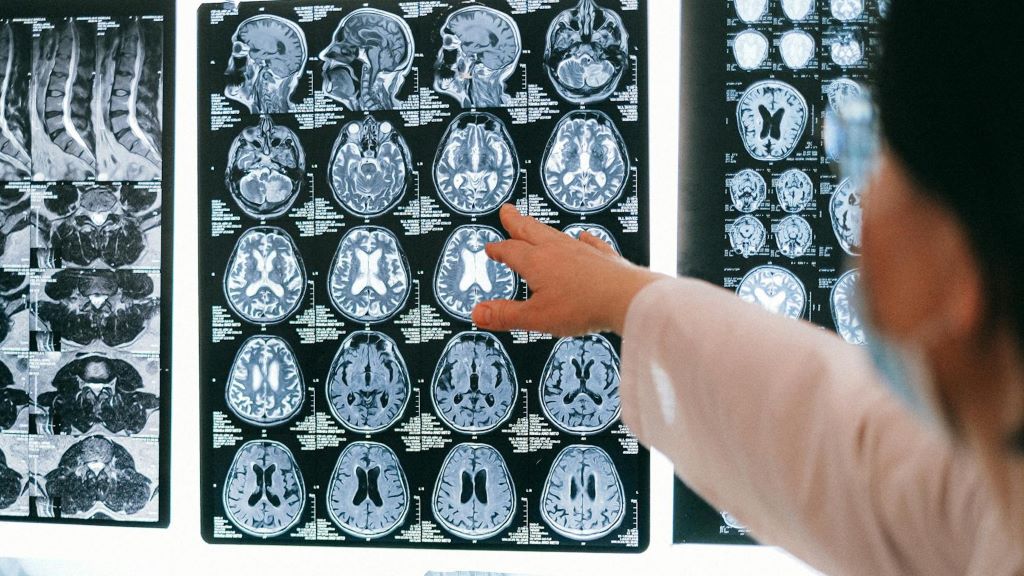
SCP -Using modern CT technology, radiologists can search for narrowed arteries in various parts of the body, including the neck and brain. This process is called CT angiography.

Radiology provides crucial insights into the complications caused by diabetes, allowing for timely diagnosis, effective management and monitoring of disease progression. Early detection of these complications can significantly improve patient outcome and quality of life.

What is diabetes?

Diabetes is known as a ‘silent killer’ because it is quite often asymptomatic at the onset. Diabetes, a major lifestyle disorder, has become one of the most dangerous and common diseases in the world. It is a chronic disease that causes high blood sugar levels and occurs when the body doesn’t produce enough insulin or use insulin properly.

Types of diabetes

  • Type 1 diabetes: The body’s immune system destroys the cells that produce insulin
  • Type 2 diabetes: The body doesn’t produce enough insulin or the body’s cells don’t react to insulin as they should
  • Gestational diabetes: Sometimes occurs during pregnancy when the placenta releases hormones that cause insulin resistance. This tampers with the expectant mom’s blood sugar level, changing the amount of glucose in the blood

Around 4.2 million people in South Africa have diabetes – 90% of whom have type 2 diabetes, a lifestyle disease exacerbated by dietary factors, coupled with too little physical activity and high levels of obesity.

Dr Jean de Villiers, senior partner and radiologist at SCP Radiology, discusses the imaging techniques used to identify and manage complications of diabetes.

Cardiovascular Disease: People with diabetes are at higher risk of developing heart disease and other cardiovascular problems. Imaging techniques such as CT angiography can be used to assess the heart’s blood vessels and detect issues such as atherosclerosis, coronary artery narrowing or blockage of the arteries. CT angiography is also used for the neck, arm and leg arteries, as well as the arteries to the gut.

Stroke: Diabetes increases the risk of stroke by damaging blood vessels through high blood sugar levels, leading to the formation of fatty deposits and clots within the arteries. This can increase the chance of clot formation and block blood flow to the brain and cause a stroke. Imaging techniques such as MRI, CT scans, and ultrasound may be able to detect these fatty deposits in the arteries. The deposits are generally seen as areas of narrowing in the involved arteries or calcification of the walls of the arteries.

Blood vessel damage: Chronic high blood sugar levels can directly damage the lining of blood vessels, making them more susceptible to inflammation and clot formation. Essentially, the excess glucose in the blood weakens and stiffens the blood vessel walls, making them more prone to blockages. CT or MRI scans can be critical in identifying and assessing strokes, transient ischemic attacks (TIAs) or other cerebrovascular issues in diabetic patients.

High blood pressure association: People with diabetes often also have high blood pressure, which can exacerbate the damage to blood vessels and increases stroke risk.  A CT of the coronary arteries is used to visualise blockages in the coronary blood vessels and assess the severity of atherosclerosis in diabetic patients. This helps in planning for interventions like stent placement or bypass surgery.

Kidney disease: Diabetes affects your kidneys by potentially damaging the blood vessels within the kidneys due to high blood sugar levels. This can lead to impaired kidney function, causing the kidneys to leak protein into the urine and eventually progressing to chronic kidney disease if left uncontrolled. This condition is often referred to as ‘diabetic nephropathy.’

Diabetic nephropathy can lead to kidney damage and radiology plays a role in assessing kidney size, structure and function. Renal ultrasound can help assess kidney size and detect signs of chronic kidney disease (CKD). In advanced cases, a CT scan or MRI can be used to further evaluate the kidneys for the presence of complications such as renal artery stenosis or renal scarring.

Diabetic neuropathy: Diabetic neuropathy is a complication of diabetes where high blood sugar levels damage nerves throughout the body.  Most commonly affected are the nerves in the legs and feet, leading to symptoms like numbness, tingling, pain and sometimes muscle weakness.  It can also impact internal organs, depending on which nerves are affected and is considered a serious diabetes complication that can affect up to 50% of diabetics.

While radiology is not typically used for direct diagnosis of diabetic neuropathy, it can help rule out other causes of neuropathy. MRI and CT scans can assess for structural issues, such as spinal problems or other nerve impingements that may be contributing to symptoms.

Infections: Diabetic patients have a higher susceptibility to infections due to impaired immune response.

Diabetic foot ulcers and infections: Over time, high blood sugar levels damage nerves, blood vessels and skin in the feet. Damaged nerves can cause loss of feeling in the feet, while damaged blood vessels slow blood flow to the feet, preventing the healing of injuries.

Imaging techniques like CT, MRI and ultrasound are useful for detecting and monitoring bone and soft tissue infections. These can be critical for determining the appropriate course of antibiotic treatment or surgical intervention. X-rays, CT and MRI can be used to assess for infection in diabetic foot, such as ulcers, osteomyelitis or abscesses that may progress to amputation if left untreated.

Liver disease: Non-alcoholic fatty liver disease (NAFLD) is commonly seen in diabetic patients. Ultrasound is the primary tool for detecting fatty liver, while CT and MRI may offer further details on liver fat content or cirrhosis. Regular monitoring through imaging can help prevent more severe liver damage.

Osteoporosis: Long-term diabetes, especially type 1, can increase the risk of osteoporosis due to lower bone density. A DEXA scan helps assess bone mineral density (BMD), aiding in the early detection of osteoporosis and providing information on fracture risk.

‘As with any lifestyle disease, prevention is best. However, second to this is early detection and timely diagnosis, effective management and monitoring of the disease,’ says Dr de Villiers. ‘In the case of diabetes, we work with physicians and patients to detect possible complications early enough to help improve medical care, monitor treatment response and ultimately, improve quality of life.’