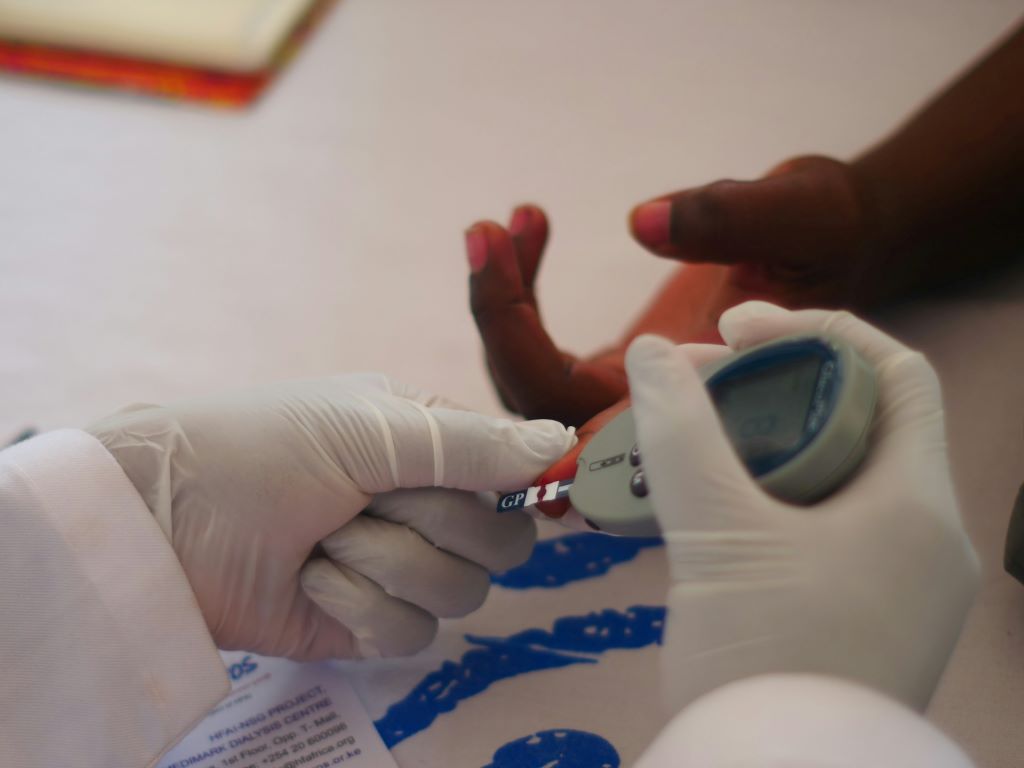
Category: Metabolic Disorders

Diabetes Drug May Serve as Alternative Treatment Option for Hydrocephalus

Photo by Anna Shvets

A drug commonly used to treat type 2 diabetes may reduce excess fluid in the brains of patients with hydrocephalus, which could help treat the disease less invasively than current treatments, according to a Northwestern Medicine study published in the Journal of Clinical Investigation.

Normal pressure hydrocephalus occurs when excess cerebrospinal fluid builds up inside the skull and puts pressure on the brain. The cause of the condition is elusive and affects up to three percent of individuals over the age of 65, with symptoms including cognitive decline, difficulty walking and bladder problems.  

Patients are typically treated with permanent ventriculoperitoneal shunts, which are surgically implanted in the front or back of the skull and are connected to a valve that diverts excess cerebrospinal fluid away from the brain and into the abdomen where it is absorbed. The procedure has been shown to dramatically improve mobility, bladder control and cognitive functioning in patients with hydrocephalus, according to senior study author Stephen Magill, MD, PhD.

“It’s a great procedure because it’s one of the few things you can do that actually reverses these symptoms,” said Magill, who is assistant professor of Neurological Surgery.

There is, however, no pharmacological treatment currently approved to treat hydrocephalus. Additionally, nearly 20% of patients with normal pressure hydrocephalus also have type 2 diabetes and take sodium/glucose cotransporter 2 (SGLT2) inhibitors to manage their blood sugar, cardiovascular and kidney function, and weight loss.

Magill recently observed a reduction in the brain ventricle size in a patient with hydrocephalus who had a ventriculoperitoneal shunt surgically implanted and then began taking SGLT2 inhibitors to treat their type 2 diabetes. This phenomenon prompted Magill to further investigate the impact of SGLT2 inhibitors on ventricular size in patients with hydrocephalus.

“The medication inhibits a receptor found in the kidneys, which is where it works for diabetes. However, that receptor is also expressed in the choroid plexus, which is the structure in the brain that secretes the spinal fluid. Although this was known from animal studies, the clinical aspects of this biology have not been fully appreciated,” Magill said.

In the current study, three patients with hydrocephalus underwent CT scans both before and after surgery for ventriculoperitoneal shunts. After surgery, each patient began taking SGLT2 inhibitors for a medical indication and then underwent additional CT scans.

From analyzing these scans, Magill’s team discovered that all three patients showed a reduction in ventricle size as well as structural changes in their brains after starting SGLT2 therapy. One patient demonstrated dramatic ventricle size reduction due to ventricular collapse and required a shunt valve adjustment to reduce cerebrospinal fluid drainage.

“It’s a really interesting clinical observation because it raises the possibility that these medications could be used to treat normal pressure hydrocephalus in the future, which would normally require surgery,” Magill said.

Magill said the findings have sparked a new line of research in studying how SGLT2 inhibitors could help prevent hydrocephalus, adding that his team is now studying SGLT2 knockout mouse models to better understand the drug’s impact on ventricular size.

Their findings could ultimately inform new therapeutic strategies for treating normal pressure hydrocephalus as well as post-traumatic hydrocephalus, or the buildup of cerebrospinal fluid after traumatic brain injury, according to Magill.

“This sparks a new line of research on how normal pressured hydrocephalus develops, what causes it, how this protein works in creating and secreting spinal fluid, and has direct translational implications,” Magill said. “There’s a whole new avenue of potentially treating this disease that might save a patient from having surgery, and there’s always risks with surgery. It will also evolve our understanding of how these drugs work.”

Source: Northwestern Medicine

Glucose Tolerance Levels Linked to Increased Life Expectancy

Photo by Photomix Company on Pexels

It is well known that preventing the onset of diabetes reduces the risk of death, and that managing blood glucose levels is key to preventing diabetes. However, it remains unclear whether there are specific ranges within “normal” blood glucose levels that are associated with even lower mortality risks.

A small farming community in the Tohoku Region of northern Japan has possibly provided researchers with further insights.

For over 40 years, the Ohasama Study, named after a town in Iwate Prefecture, has tracked the long-term health of Ohasama’s local population. Since 1986, the study has collected health and medical data through regular checkups and tests.

As part of the study, participants have undergone a glucose tolerance test every four years. This test, which is commonly used to diagnose diabetes, measures blood glucose levels before and 120 minutes after drinking a glucose-containing beverage.

Now, a research team has analysed the glucose tolerance test data from the Ohasama Study, publishing their findings in the journal PNAS Nexus. Junta Imai and Hideki Katagiri from Tohoku University led the study.

“We first examined the relationship between mortality and various health test results, including but not limited to glucose tolerance tests, for 993 individuals,” explains Imai. “Even after adjusting for known risk factors such as age, obesity, and smoking, the one-hour post-glucose load blood glucose level showed a strong correlation with mortality.”

Participants were then divided into two groups based on the median one-hour post-glucose load blood glucose level of 162mg/dL. The survival analysis showed significantly better outcomes in the lower-glucose group.

Since some participants had already developed diabetes, the researchers narrowed their focus to 595 individuals with normal glucose tolerance. They analysed which glucose threshold had the strongest correlation with mortality and found that 170mg/dL was the most predictive.

Using this threshold, Imai and his colleagues conducted a survival analysis, comparing those with post-glucose load blood glucose levels below and above 170mg/dL. After 20 years, nearly 80% of the under-170mg/dL group were still alive, while almost 50% of the over-170mg/dL group had died – a statistically significant result.

Further analysis of cause-of-death data revealed that individuals with one-hour post-glucose load blood glucose levels under 170mg/dL had significantly fewer deaths due to heart disease caused by atherosclerosis (p < 0.0001) and malignant tumours (p < 0.0014) compared to those with higher levels.

“These findings demonstrate that even within the range considered ‘normal,’ there is a subset of blood glucose levels associated with a lower risk of death,” adds Imai. “Besides taking measures to prevent diabetes, greater efforts towards managing blood glucose spikes shortly after eating could help prevent heart disease and cancer, ultimately leading to longer, healthier lives.”

Source: Tohoku University

For Obesity, Fitness Trackers Miss the Mark – but There’s a Fix

Photo by Kamil Switalski on Unsplash

For many, fitness trackers have become indispensable tools for monitoring how many calories they’ve burned in a day. But for those living with obesity, who are known to exhibit differences in walking gait, speed, energy burned and more, these devices often inaccurately measure activity – until now.

Scientists at Northwestern University have developed a new algorithm that enables smartwatches to more accurately monitor the calories burned by people with obesity during various physical activities.

The technology bridges a critical gap in fitness technology, said Nabil Alshurafa, whose Northwestern lab, HABits Lab, created and tested the open-source, dominant-wrist algorithm specifically tuned for people with obesity. It is transparent, rigorously testable and ready for other researchers to build upon. Their next step is to deploy an activity-monitoring app later this year that will be available for both iOS and Android use.

“People with obesity could gain major health insights from activity trackers, but most current devices miss the mark,” said Alshurafa, associate professor of behavioral medicine at Northwestern University Feinberg School of Medicine.

Current activity-monitoring algorithms that fitness trackers use were built for people without obesity. Hip-worn trackers often misread energy burn because of gait changes and device tilt in people with higher body weight, Alshurafa said. And lastly, wrist-worn models promise better comfort, adherence and accuracy across body types, but no one has rigorously tested or calibrated them for this group, he said.

“Without a validated algorithm for wrist devices, we’re still in the dark about exactly how much activity and energy people with obesity really get each day — slowing our ability to tailor interventions and improve health outcomes,” said Alshurafa, whose team tested his lab’s algorithm against 11 state-of-the-art algorithms designed by researchers using research-grade devices and used wearable cameras to catch every moment when wrist sensors missed the mark on calorie burn.

The findings will be published June 19 in Nature Scientific Reports.

The exercise class that motivated the research

Alshurafa was motivated to create the algorithm after attending an exercise class with his mother-in-law who has obesity.

“She worked harder than anyone else, yet when we glanced at the leaderboard, her numbers barely registered,” Alshurafa said. “That moment hit me: fitness shouldn’t feel like a trap for the people who need it most.”

Algorithm rivals gold-standard methods

By using data from commercial fitness trackers, the new model rivals gold-standard methods of measuring energy burn and can estimate how much energy someone with obesity is using every minute, achieving over 95% accuracy in real-world situations. This advancement makes it easier for more people with obesity to track their daily activities and energy use, Alshurafa said.

How the study measured energy burn

In one group, 27 study participants wore a fitness tracker and metabolic cart – a mask that measures the volume of oxygen the wearer inhales and the volume of carbon dioxide the wearer exhales to calculate their energy burn (in kilocalories/kCals) and resting metabolic rate. The study participants went through a set of physical activities to measure their energy burn during each task. The scientists then looked at the fitness tracker results to see how they compared to the metabolic cart results.

In another group, 25 study participants wore a fitness tracker and body camera while just living their lives. The body camera allowed the scientists to visually confirm when the algorithm over- or under-estimated kCals.

At times, Alshurafa said he would challenge study participants to do as many pushups as they could in five minutes.

“Many couldn’t drop to the floor, but each one crushed wall-pushups, their arms shaking with effort,” he said, “We celebrate ‘standard’ workouts as the ultimate test, but those standards leave out so many people. These experiences showed me we must rethink how gyms, trackers and exercise programs measure success – so no one’s hard work goes unseen.”

Source: Northwestern University

The Way We Understand Obesity is Changing: What Does it Mean for South Africa?

Source: Pixabay CC0

By Jesse Copelyn

Health workers have long relied on Body Mass Index as a way to measure whether people are within a healthy weight range. Now, a collection of top researchers have made the case for a new way to understand and diagnose obesity. In part two of this special Spotlight series, we take a look at what this new framing might mean for South Africa.

If we are going to tackle the global rise in obesity, our understanding of the condition needs to change. That is according to a Lancet Commission convened by a global group of 58 experts from different medical specialties. While we have historically thought of obesity as a risk factor for other diseases like diabetes, the commission’s recent report published in the journal Lancet Diabetes and Endocrinology concludes that obesity is sometimes better thought of as a disease itself – one that can directly cause severe health symptoms (see part one of this series for a detailed discussion of this argument).

By categorising obesity as a disease, public health systems and medical aid schemes around the world would be more likely to cover people for weight-loss drugs or weight-loss surgery, according to the report. At present, these services are often only financed if a patient’s obesity has already led to other diseases. This is given that obesity is not viewed as a stand-alone chronic illness.

But if we’re going to redefine obesity as a disease, or at least some forms of it, then we need good clinical definitions and ways to measure it. For a long time, this has posed challenges, according to the Lancet report.

The perils of BMI

At present, health workers often rely on Body Mass Index (BMI) to gauge whether a patient is within a healthy weight range. BMI is measured by taking a person’s weight in kilograms and dividing it by their height in meters squared.

A healthy weight is typically considered to be between 18.5 and 25. A person whose BMI is between 25 and 30 is considered to be overweight, while someone with a BMI of over 30 is considered to have obesity. But according to the Lancet report, this is a crude measure, and one which provides very little information about whether a person is actually ill.

One basic issue is that a person can have a high BMI even if they don’t have a lot of excess fat. Instead, they may simply have a lot of muscle or bone. Indeed, the report notes that some athletes are in the obese BMI range.

Even when a high BMI does indicate that a person has obesity, it still doesn’t tell us where a person’s fat is stored and this is vital medical information. If excess fat is stored in the stomach and chest, then it poses more severe health risks than when it is stored in the limbs or thighs. This is because excess fat will do more harm if it surrounds vital organs.

The lead author of the Lancet report, Professor Frances Rubino, says that the pitfalls of BMI have long been understood, but practitioners have continued to use it.

“BMI is still by and large the most used approach everywhere, even though medical organisations have [raised issues] for quite some time,” he tells Spotlight.

“The problem is that even when we as individuals or organisations say BMI is no good, we haven’t provided an alternative. And so, inevitably, the ease of calculating BMI and the uncertainties about alternatives makes you default back to BMI.”

To deal with this problem, the report advocates for several alternative techniques for measuring obesity which offer more precision.

The first option is to use tools that directly measure body composition like a DEXA scanner. This is a sophisticated x-ray machine which can be used to distinguish between fat, bone and muscle. It can also be used to determine where fat is concentrated. It’s thus a very precise measurement tool, but the machines are expensive and the scans can be time-consuming.

Alternatively, the report recommends using BMI in combination with another measure like waist-to-hip ratio, waist-to-height ratio or simply waist circumference. If two of these alternative measures are used, then BMI can be removed from the picture.

These additional metrics are clinically useful because they provide information about where fat is stored. For instance, a larger waistline inevitably indicates a larger stomach. Indeed, studies have found that above a certain level, a larger waist circumference is linked to a higher chance of dying early, even when looking at people with the same BMI.

The report thus offers a more accurate way to measure obesity in the clinical setting. But its authors argue that this is only the first step when making a diagnosis. The second is to look at whether a patient’s obesity has actually caused health problems as this isn’t automatically the case. They acknowledge for instance that there are some people with obesity who “appear to be able to live a relatively healthy life for many years, or even a lifetime”.

The report refers to these cases as “preclinical obesity”. Such patients don’t have a disease as such, according to the report, but still have an increased risk of facing health issues in the future. As such, the report’s authors argue that they should be monitored and sometimes even treated, depending on factors like family history.

By contrast, cases of obesity which have directly caused health problems are referred to as “clinical obesity”. These cases, according to the report, should be treated immediately just like any other serious disease. It lists a series of medical symptoms associated with clinical obesity that would allow health workers to make an appropriate diagnosis.

The recommendation is thus for health workers to determine whether a person has obesity through the metrics listed above, and then to determine whether it is clinical or preclinical by evaluating a patient’s symptoms. This will inevitably guide the treatment plan.

How does this relate to SA?

Professor Francois Venter, who runs the Ezintsha research centre at WITS university, says the Lancet report offers a good starting point for South Africa, but it has to be adapted for our own needs and context.

“It’s a big step forward from BMI which grossly underdiagnoses and overdiagnoses obesity,” says Venter, who adds that additional metrics like waist circumference are a “welcome addition”.

The view that clinical obesity is a disease that needs to be immediately treated is also correct, according to Venter. Though he adds that the public health system in South Africa is not in a financial position to start handing out weight-loss medicine to everyone who needs it.

“The drugs are hugely expensive,” says Venter, “and they have side effects, so you need a lot of resources to support people taking them.” But while it may not yet be feasible to treat all cases of clinical obesity in South Africa, Venter believes we should use the diagnostic model offered by the Lancet Commission to begin identifying at least some people with clinical obesity so that they can begin treatment.

“You have to start somewhere, and for that you need a good staging system,” he says. “Let’s use the Lancet Commission and start to see if we can identify a few priority people and screen them and start to work on the drug delivery system.”

Yet while Venter believes that the commission makes important contributions, he also cautions that we need more data on obesity in Africa before we can apply all of its conclusions to our own context.

“If you go to the supplement of the Lancet Commission, there’s not a single African study there. It all comes from Europe, North America and Asia. It’s not the commission’s fault but [there is a lack of data on Africa].”

This is important as findings that apply to European or Asian populations may not necessarily hold for others. Consider the following case.

As noted, the commission states that BMI is not sufficient to determine whether someone is overweight and must therefore be complemented with other measures. But it states that if someone’s BMI is above 40 (way above the current threshold for obesity), then this can “pragmatically be assumed” without the need for further measures.

But this may not hold in Africa, says Venter.

“The commission says that if your BMI is over 40, which is very big, you can infer that this person has got obesity and they are sick and need to lose weight. I don’t know if we can say that in Africa, where we often have patients who are huge, and yet they are very active, and when you [look at] their blood pressure and all their metabolics, they’re actually pretty healthy,” he notes. “So, I think they’re sometimes jumping to conclusions about African populations that we don’t have data on,” adds Venter.

Is South Africa ready to move past BMI?

Another concern is that while the Lancet Commission may offer useful recommendations for advanced economies, its starting assumptions may not be as relevant for countries like South Africa.

For instance, while specialists agree that BMI is a crude measure of obesity, direct measures like DEXA scans are “out of our reach economically”, according to Professor Susan Goldstein, who leads PRICELESS-SA, a health economics unit at the South African Medical Research Council.

And while supplementing BMI with the other metrics like waist circumference may be doable, health experts told Spotlight that at present healthcare workers in South Africa aren’t even measuring BMI alone.

Dr Yogan Pillay, a former deputy director-general at the national health department who now runs TB and HIV delivery at the Gates Foundation, told Spotlight: “I can’t tell you how few people in the public sector have their BMI monitored at all. Community health workers are supposed to be going out and measuring BMI, but even that’s not happening”.

Goldstein also suggests that the monitoring of BMI in South Africa is limited. “If you go into the clinic for your blood pressure, do they say: ‘How’s your BMI?’ No, I doubt that,” says Goldstein. “It’s just not one of the measures that [gets done].”

She adds that South Africa could introduce the combination of metrics proposed by the commission, like waist circumference combined with BMI, but says it would simply require “a lot of re-education of health workers”.

Prevention vs treatment

For Goldstein, the commission is correct to regard clinical obesity as a disease which needs to be treated, but we also shouldn’t view medication as the only way forward.

“We have to remember that prevention is very important,” says Goldstein. “We have to focus on food control, we have to look at ultra-processed foods, and unless we do that as well [in addition to medication] we are going to lose this battle.”

The National Health Department already has a strategy document for preventing obesity, but some of its recommendations have been critiqued for focusing on the wrong problems. For instance, to prevent childhood obesity, the strategy document recommends reforming the Life Orientation curriculum and educating tuck shop vendors so that both students and food sellers have more information about healthy eating. But as Spotlight previously reported, there are no recommendations to subsidise healthy foods or to increase their availability in poor areas, which several experts believe is more important than educational initiatives.

Venter also highlights the importance of obesity prevention, though he emphasises that this shouldn’t be in conflict with a treatment approach – instead, we need to push for both.

“The [prevention] we need to do is fix the food supply… and the only way you do that is to decrease the cost of unprocessed food.” But while this may help prevent future cases of obesity, it doesn’t help people who are already suffering from obesity, says Venter. And since such people comprise such a large share of the population, we can’t simply ignore them, he says.

“Even if you fix the entire food industry tomorrow, those [people who are already obese] are going to remain where they are because simply changing your diet isn’t going to do diddly squat [when you already have obesity],” he adds. (Part 1 discusses this in more detail).

Goldstein adds that increasing access to treatment would also inevitably reduce the costs of “hypertension, diabetes, osteoarthritis, and a whole range of other illnesses if it’s properly managed”.

One way to advance access to medication would be for the government to negotiate reduced prices of GLP-1 drugs, she says. (Spotlight previously reported on the prices and availability of these medicines in South Africa here.)

Funding

A final concern that has been raised about the Lancet commission is about its source of funding.

“I don’t know how one gets around this,” says Goldstein, “but there were 58 experts on the commission, 47 declared conflicts of interest.”

Indeed, the section of the commission that lists conflicts of interest spans over 2 000 words (roughly the size of this article). This includes research grants and consulting fees from companies like Novo Nordisk and Eli Lilly, which produce anti-obesity drugs.

In response, Rubino told Spotlight that “people who work in the medical profession obviously work and consult, and the more expertise they have, the more likely they are to be asked by somebody to advise. So sometimes people have contracts to consult a company – but that doesn’t mean that they necessarily make revenue if the company has better sales. You get paid fees for your services as a consultant”.

Rubino says this still has to be declared as it may result in some bias, even if it is unconscious, but “if you wanted to have experts who had zero relationship [to companies] of any sort then you might have to wonder if there is expertise available there… the nature of any medical professional is that the more expertise they have, the more likely that they have engaged in work with multiple stakeholders”.

For Venter, there is some truth to this. “It’s very difficult to find people in the obesity field that aren’t sponsored by a drug company,” he says. “Governments don’t fund research… and everyone else doesn’t fund research. Researchers go where the research is funded.”

This doesn’t actually solve the problem, says Venter, as financing from drug companies can always influence the conclusions of researchers. It simply suggests that the problem is bigger than the commission. Ultimately, he argues that the authors should at least be applauded for providing such granular details about conflicts of interest.

Rubino adds that while researchers on the commission may have historically received money from drug companies for separate research studies or consulting activities, none of them received money for their work on the commission itself.

“This commission has been working for more than four years since conception… An estimate of how many meetings we had is north of 700, and none of us have received a single penny [for doing this],” he says.

Disclosure: The Gates Foundation is mentioned in this article. Spotlight receives funding from the Gates Foundation but is editorially independent – an independence that the editors guard jealously. Spotlight is a member of the South African Press Council.

Republished from Spotlight under a Creative Commons licence.

Read the original article.

Clinical Trial Shows Improved Health Outcomes for Teens with Type 1 Diabetes

A new study in teenagers with type 1 diabetes shows promise in reducing chronic kidney disease and informing future precision care.

Photo by Nataliya Vaitkevich on Pexels

A clinical trial involving adolescents with type 1 diabetes (T1D) has found a combination therapy may reduce chronic kidney disease and improve health outcomes. The findings could help guide more precision care for young people with T1D. 

Led by Dr Farid Mahmud, Associate Scientist in the Translational Medicine program and Staff Physician in the Division of Endocrinology at The Hospital for Sick Children (SickKids), and published in Nature Medicine, the study evaluated a therapy that combines standard insulin treatment with the investigational drug dapagliflozin. Results of this combination therapy showed improved blood sugar control and kidney function, and reduced weight gain in adolescents with T1D. 

While most people with T1D are diagnosed as adults, the condition often starts in childhood and early adolescence. The lifelong insulin therapy needed can lead to side effects such as weight gain and chronic kidney disease. In the trial, participants who received dapagliflozin alongside insulin had fewer of these side effects and better overall health outcomes. 

“Our findings showed that adolescents who received this combination therapy were able to improve many symptoms typically associated with insulin-managed type one diabetes,” says Mahmud. “This could inform a new early intervention strategy for the growing population of teenagers with type one diabetes.” 

Patient partner key to trial success 

While previous research has shown similar results in adults, Mahmud’s team focused on designing a clinical trial specifically for teenagers, a group often underrepresented in clinical trials. Hormonal changes, psychological development, and the shared responsibility between teens and their parents for managing treatment protocols can make trial participation more complex for this age group. 

To address these challenges, the research team worked closely with patient partner Lynne McArthur. Together, they enrolled 98 participants between 12 and 18 years old in the study, known as the ATTEMPT study, across three sites. 

McArthur’s involvement in research began when one of her twin sons was diagnosed with T1D following a trip to the SickKids emergency department at just 18 months old. A few years later, his twin was also diagnosed. That experience led McArthur to become more involved in research efforts to improve diagnosis and treatment options for families like hers. 

“Deciding to participate in a clinical trial is an important decision, but my goal has always been disease prevention. I knew that our participation could help build a future where children don’t get T1D.”

Lynne McArthur

Now that her sons are older, McArthur continues to be involved as a patient advisor. She reviews recruitment materials and provides feedback on trial design, helping ensure the research stays connected to the lived experience of people managing T1D. 

“Participating in research, whether in a trial or as an advisor, is hugely rewarding. With my experience as trial participant, I can see how the plans on paper would impact the real lives of people living with diabetes,” explains McArthur.  

Source: SickKids News

‘Healthy’ Fatty Acid Not as Innocent as it Seems

Photo by Pexels on Pixabay

Eating a high-fat diet containing a large amount of oleic acid – a type of fatty acid commonly found in olive oil – could drive obesity more than other types of dietary fats, according to a study published in the journal Cell Reports.

The study found that oleic acid, a monounsaturated fat associated with obesity but also tentatively linked to cardiovascular benefits and often touted as a ‘healthy’ fatty acid, causes the body to make more lipid cells. By boosting a signalling protein called AKT2 and reducing the activity of a regulating protein called LXR, high levels of oleic acid resulted in faster growth of the precursor cells that form new lipid cells.

“We know that the types of fat that people eat have changed during the obesity epidemic. We wanted to know whether simply overeating a diet rich in fat causes obesity, or whether the composition of these fatty acids that make up the oils in the diet is important. Do specific fat molecules trigger responses in the cells?” said Michael Rudolph, PhD, assistant professor of biochemistry and physiology at the University of Oklahoma College of Medicine.

Rudolph and his team fed mice a variety of specialised diets enriched in specific individual fatty acids, including those found in coconut oil, peanut oil, milk, lard and soybean oil. Oleic acid was the only one that caused the precursor cells that give rise to fat cells to proliferate more than other fatty acids.

“You can think of the fat cells as an army,” Rudolph said. “When you give oleic acid, it initially increases the number of ‘fat cell soldiers’ in the army, which creates a larger capacity to store excess dietary nutrients. Over time, if the excess nutrients overtake the number of fat cells, obesity can occur, which can then lead to cardiovascular disease or diabetes if not controlled.”

Unfortunately, it’s not quite so easy to isolate different fatty acids in a human diet. People generally consume a complex mixture if they have cream in their coffee, a salad for lunch and meat and pasta for dinner. However, Rudolph said, there are increasing levels of oleic acid in the food supply, particularly when access to food variety is limited and fast food is an affordable option.

“I think the take-home message is moderation and to consume fats from a variety of different sources,” he said. “Relatively balanced levels of oleic acid seem to be beneficial, but higher and prolonged levels may be detrimental. If someone is at risk for heart disease, high levels of oleic acid may not be a good idea.”

Source: University of Oklahoma

New Weight Loss Drug Targets Four Hormone Receptors

Photo by I Yunmai on Unsplash

In the US, drugs like semaglutide are used by over 15 million adults in the U.S., or 4.5% of the population for diabetes and also weight loss. Despite their effectiveness, they have drawbacks. Their effect may not last after discontinuing use, and side effects including osteoporosis and muscle loss have raised concerns about long-term harms. They also induce nausea, which can make it difficult to stay the course of treatment.

Now Tufts researchers led by Professor Krishna Kumar, have designed a new, next-generation compound with hopes that it could be more effective with fewer side effects, which they report in a paper in the Journal of the American Chemical Society

While weight loss drugs currently on the market and in development target one, two, or even three hormone receptors related to glucose metabolism and the desire to eat, the Tufts team has identified a fourth target that could potentially further enhance the control strategy.

“Obesity is linked to over 180 different disease conditions, including cancer, cardiovascular disease, osteoarthritis, liver disease, and type 2 diabetes, and affects over 650 million people worldwide,” said Kumar. “What drives us is the idea that we can design a single drug to treat obesity and simultaneously mitigate the risk of developing a long list of health problems plaguing society.”

How the Drugs Work

After a meal, the hormone glucagon-like peptide 1 (GLP-1) is released to help stimulate the production of insulin and the uptake of glucose in muscle and other tissues. With the cells now loaded with fuel, the level of glucose in the blood returns to normal. Semaglutide uses GLP-1 with slight modifications to increase its availability in the bloodstream. Its success in controlling blood glucose has prompted the American Diabetes Association to recommend it and other GLP-1-based drugs as the new first line injectable treatments for diabetes, ahead of insulin.

But GLP-1 also acts directly on the brain, prompting satiety after a meal, and it slows down the rate at which stomach contents are emptied into the intestines, evening out the release of nutrients and glucose into the bloodstream. That’s why it has also become extremely popular as a weight loss treatment.

It’s still not a perfect drug strategy for weight loss, though. “The biggest problem with GLP-1 drugs is that they have to be injected once a week, and they can induce a very strong feeling of nausea,” said Kumar. “As much as 40% of people using these drugs give up after the first month.”

A second hormone released after eating is glucose-dependent insulinotropic peptide (GIP). It also makes us feel full after a meal. GIP looks a lot like GLP-1, so rather than administer two drugs, researchers created one peptide that incorporates structural elements of both – what’s called in drug development a chimera. That drug, tirzepatide, has the added benefit of significantly reducing nausea. As a more tolerable treatment, it may overtake semaglutide in the weight loss market. 

“And then there is a third hormone, glucagon,” said Kumar. “Paradoxically, it actually increases blood glucose, but at the same time increases the expenditure of energy in cells of the body, raises body temperature, and suppresses appetite.” By adding glucagon to the mix, GLP-1 and GIP end up neutralizing its glucose-enhancing effect, leaving the remaining functionalities of all three hormones working together to enhance weight loss.

Glucagon is also similar in structure to GLP-1 and GIP, so drug developers created a single chimera peptide that incorporates elements of all three hormones, which can be recognised by their three separate receptors. That drug, called retatrudide, is currently in clinical trials that indicate even greater achievable weight loss (up to 24%) compared to the original GLP-1 drugs (6-15%).

Going for the Weight Loss Gold Standard with a Fourth Target

“The goal that people are trying to shoot for is bariatric surgery,” said Kumar. That’s a surgical procedure significantly reducing the size of the stomach, which can achieve long-lasting weight loss up to 30%. “For individuals with persistent obesity and potential deadly associated conditions, it becomes a necessary but invasive treatment.” 

Current injectable weight loss drugs still fall short of that gold standard, so the Tufts chemists are focused on a drug redesign that could match the 30% weight loss outcome. 

“There is one more hormone we wanted to bring in to complete a weight control quartet,” said Tristan Dinsmore, a graduate student in the Kumar lab and the lead author of the study. “It’s called peptide YY (PYY). This molecule is also secreted by the gut after we eat a meal, and its job is to reduce appetite and slow the process of emptying food from the stomach, but via different mechanisms than either GLP-1 or GIP. It may also be involved in directly ‘burning off’ fat.”

PYY is from a separate and structurally unrelated class of hormones than the first three, so blending its structure into a chimeric peptide that also mimics GLP-1, GIP, and glucagon was not easy. Instead, the Tufts team was able to join two peptide segments end-to-end, creating a new ‘tetra-functional’ clinical candidate.

“One of the limitations of the current drugs is that individual variation, possibly including how people express target receptors or respond to their corresponding hormones, can lead to lesser than desired weight loss outcomes in many patients,” said Martin Beinborn, visiting scholar in the Department of Chemistry. “By hitting four different hormone receptors at the same time, we hope to improve the chances of averaging out such variation toward the goal of achieving greater and more consistent overall effectiveness.”

“A second issue is that patients tend to regain weight after discontinuing currently available GLP-1 related drugs,” said Beinborn, who notes that lifestyle changes should ideally be a complement to medication treatment. This two-pronged approach will not only support reaching and keeping one’s target weight, but may also help preserve bone and muscle mass.

“Recent studies indicate that weight rebound after drug discontinuation is delayed with the newer, more effective GLP-1 mimetics,” he said. “Extending from this observation, one may speculate that multi-chimeras along the lines of the one we discovered could get us closer to the bariatric surgery standard of lasting weight loss.”

Source: Tufts University

Rates of Obesity Are Soaring Worldwide: Have We Been Misunderstanding the Problem?

Photo by Andres Ayrton on Pexels

By Jesse Copelyn

Authors of a recent Lancet report argue that obesity should not just be seen as a risk factor for other diseases – but in some cases, should be seen as a disease itself. The position could change how we treat obesity globally. In the first of this two-part Spotlight series, we break down the debate around the issue, and its implications for health policy.    

In 1990, just 2% of all young people around the world aged 5 to 24 were living with obesity. By 2021, this figure had more than tripled to over 6%. This is according to a recent study, which relied on Body Mass Index (BMI) data from 180 countries and territories around the world. It estimates that the rise in obesity among children and young people will only continue in the coming decades.

South Africa certainly isn’t immune to the crisis. A survey conducted in 2021/2022 found that 16% of all children aged 6 to 18 were “severely overweight”. Meanwhile, World Health Organization (WHO) data suggests that about 30% of all adults in South Africa are living with obesity, meaning a BMI of over 30, which is almost double the global level.

BMI, which simply looks at a person’s weight in relation to their height, is a crude measure of obesity. For instance, a person may have a high BMI simply because they have a lot of muscle rather than fat. But while it is agreed that BMI is a flawed indicator at the individual level, many experts recommend using it as a rough proxy for “health risk at a population level”.

For instance, a study which collected data on nearly three million people found that those who had very high BMI levels were, on average, more likely to die at an early age. The study also found that this was true of people with very low BMI levels (those who were underweight). In this context, the above figures paint a concerning picture.

Given the rising rates, experts argue that we need health systems to be able to track and respond to obesity urgently. But, according to a Lancet Commission published in January, health systems around the world may struggle to do this, because of a failure to accurately conceptualise and measure what obesity actually is.

The Lancet commission was developed by 58 experts from different medical specialties and though it has been the subject of debate, it has since been widely endorsed as a new way to understand obesity. Spotlight takes a look at what it concluded.

Delaying treatment for no reason

Obesity is often regarded as a risk factor for other diseases, for instance, type 2 diabetes. But according to the commission, there are certain cases in which obesity is not just a risk factor, but a disease itself – one that should be immediately treated.

One of the reasons for this is that obesity not only contributes to the emergence of other conditions but sometimes leads to clinical symptoms directly. For example, the cartilage that protects the joints in a person’s knees can sometimes become eroded when adults carry too much weight. In this case, a person could suffer from joint pain, stiffness and reduced mobility where obesity is clearly the cause.

Take another example. If fat deposits build up in the abdomen, this may limit how much the lungs can expand, causing breathlessness. Similarly, a build-up of fat around the neck can narrow a person’s upper airways, which can cause sleep apnoea.

Thus, obesity is not simply something which increases the risk of developing a separate disease in the future – but something which can directly (and presently) affect the functioning of organs.

More broadly, the commission argues that by hindering a person’s “mobility, balance and range of motion” obesity can in certain cases “restrict routine activities of daily living”. In these instances, obesity is a disease by definition, according to the commission. This is given that it defines disease as a “harmful deviation from the normal structural or functional state of an organism, associated with specific signs and symptoms and limitations of daily activities”.

But why does this conceptual debate matter?

Because at present, people often have to wait for other diseases to crop up before insurers or public health systems cover them for weight loss drugs or bariatric surgery – a procedure to help with weight loss and improve obesity-related health conditions. And when they do cover these services, it is often only after severe delay. Because obesity is only considered to be a risk factor, it isn’t typically treated with the same urgency as life-threatening diseases, according to the authors of the commission.

Professor Frances Rubino, the lead author of the commission, details how this problem manifests in the healthcare system.

“I’ve been doing bariatric surgery for 25 years in four different countries; in America, Italy, France and the UK,” he tells Spotlight, “In all of those countries, to meet the criteria for surgery people very often have to undergo six to 12 months of weight monitoring before their surgery is covered. So systematically you delay treatment”.

He continues: “Someone who has clinical obesity and has heart failure as a result of it is waiting for a year for what reason? That condition will only worsen and if the patient is still alive, the treatment [is] going to cost the same amount to the payer but it’s going to be less effective.”

Can’t people just diet?

One of the reasons that some academics have historically been reluctant to classify obesity as a disease is because of a fear that this may reduce people’s agency – instead of taking proactive steps to diet and exercise, people with obesity may simply view themselves as afflicted by a disease.

The belief that people with obesity can simply diet their way out of their situation is in fact partially why Rubino’s patients were forced to wait long periods of time before receiving bariatric surgery.

Rubino explains: “In America, many private payers [i.e. medical insurance schemes] have required weight monitoring programmes, where patients do nothing else other than see a dietician for 12 months, and if they skip one appointment, they have to start all over again. I think that in some cases, this has been misguided by the idea that you want to see if obesity can be reversed by somebody going on a diet.”

This, according to him, is a “misconception”, arguing that if someone faces such severe levels of obesity that they require surgery, diet is unlikely to offer a solution.

Indeed, research has shown that it’s very rare for people with obesity to lose large amounts of weight quickly without surgery or medication. For instance, a study on over 176 000 patients in the UK found that among men with “simply obesity” or a BMI of 30-34.9, only 1 in 210 were able to achieve a “normal” weight level within a year. Among men with morbid obesity or BMI of 35 or more, the chance was less than 1 than in 1000. Chances for women were roughly twice as good as men’s – so still exceedingly small.

Thus, if someone is severely obese and their excess weight is causing life-threatening symptoms, putting them on a diet for a year is unlikely to result in the urgent changes that may be required for them to get better. In fact, Rubino argues that they may simply die of their condition in the interim.

Taking a medical approach more quickly is easier now than ever before due to the regulatory approval of GLP-1 agonists like semaglutide and tirzepatide – Spotlight previously reported on the availability of these new diabetes and weight loss medicines in South Africa. An article by WHO officials from December states that because of the approval of these medicines “[h]ealth systems across the globe now may be able to offer a treatment response integrated with lifestyle changes that opens the possibility of an end to the obesity pandemic”.

Not all people with obesity are ill

There is a more scientific argument against categorising obesity as a disease. This is that while obesity can sometimes result in the negative health symptoms discussed above (like respiratory issues or reduced mobility) it doesn’t always do this.

In fact, the commission acknowledges that some people with obesity “appear to be able to live a relatively healthy life for many years, or even a lifetime”. One of the reasons for this is that excess fat may be stored in areas that don’t surround vital organs. For instance, if fat is stored in the limbs, hips, or buttocks, then this may cause less harm than if it is stored in the stomach.

Since obesity doesn’t always cause health problems, it isn’t always a disease. In order to deal with this conceptual hurdle, the commission classifies obesity into two categories – clinical and preclinical obesity.

If a person has pre-clinical obesity, this means they have a lot of excess fat, but no obvious health problems that have emerged as a result. In this case, obesity is not classified as a disease, though it may still increase the chance of future health problems (depending on a range of factors, like family history).

For a person to have clinical obesity, they must have a lot of excess fat as well as health problems that have already been directly caused by this. It is this that the commission defines as a disease.

This classification system, according to Rubino, ensures not only that we urgently treat people living with clinical obesity, but also that we don’t overtreat people – since if a person falls into the pre-clinically obese group, then they may not need treatment.

But if we’re going to treat clinical obesity as a disease, we’ll need clear methods of diagnosing people. Since BMI is deeply flawed and provides little information about whether a person is ill at the individual level, health systems will need something else. In part 2 of this Spotlight special series, we’ll discuss the options offered by the commission, and how this all relates to the situation in South Africa.

Republished from Spotlight under a Creative Commons licence.

Read the original article.

Midlife Weight Loss Linked to Longer, Healthier Lives

Photo by I Yunmai on Unsplash

Losing weight via lifestyle adjustments can deliver significant long-term health benefits, without the need for surgery or anti-obesity drugs. Alongside preventing diabetes, it can help ward off chronic conditions including arterial and pulmonary diseases as well as cancers.

A University of Helsinki study tracked 23 000 individuals from Finland and the UK, aged 30 to 50 at the outset, over a period of 12 to 35 years. Health benefits were found in overweight men and women who lost an average of 6.5% of their body weight in early middle age and maintained it throughout the 12–35-year follow-up period. Weight maintenance is crucial. 

“The benefits of lifestyle-based weight management are widely discussed even though studies have found it surprisingly difficult to demonstrate health benefits beyond the prevention of diabetes,” notes Professor Timo Strandberg.  

The study he led is now filling this gap. 

“I hope the findings will inspire people to see that lifestyle changes can lead to major health improvements and a longer life. This is particularly important today as more people are overweight than when the collection of our research data began 35 years ago.” 

The study also supports the view that, for optimal health, a lifelong body mass index (BMI) under 25 is ideal.   

The study was published in JAMA Network Open, the open-access journal of the American Medical Association.

Source: University of Helsinki

Timely Initiation of Statins in Diabetes Shown to Dramatically Reduce Cardiovascular Risk

Photo by Towfiqu Barbhuiya on Unsplash

Despite clinicians recommending that many patients with diabetes take statins, nearly one in five opt to delay treatment. In a new study, researchers from Mass General Brigham found that patients who started statin therapy right away reduced the rate of heart attack and stroke by one third compared to those who chose to delay taking the medication. The results, which can help guide decision-making conversations between clinicians and their patients, are published in the Journal of the American Heart Association.

“I see patients with diabetes on a regular basis, and I recommend statin therapy to everyone who is eligible,” said senior author Alexander Turchin, MD, MS, of the Division of Endocrinology at Brigham and Women’s Hospital, a founding member of the Mass General Brigham healthcare system. “Some people refuse because they want to first try lifestyle interventions or other drugs. But other interventions are not as effective at lowering cholesterol as starting statin therapy as soon as possible. Time is of the essence for your heart and brain health.”

Heart attacks and strokes remain the leading cause of complications and mortality for patients with diabetes. Statin therapy reduces risk of these cardiovascular events by preventing plaque buildup in the blood vessels.

The researchers used an artificial intelligence method called Natural Language Processing to gather data from the electronic health records of 7239 patients at Mass General Brigham who ultimately started statin therapy during the nearly 20-year study period. The median patient age was 55, with 51% being women, 57% white, and a median HbA1c of 6.9.

Nearly one-fifth (17.7%) of the patients in the study declined statin therapy when it was first recommended by their clinicians, then later accepted the therapy (after a median of 1.5 years) upon repeated recommendation by their clinician. Of those who delayed, 8.5% had a heart attack or stroke. But for patients who started statins immediately, the rate of those cardiovascular events was just 6.4%.

“Clinicians should recognize the increased cardiovascular risk associated with delaying statin therapy for patients with diabetes and use this information to guide shared decision-making conversations with their patients,” said Turchin.

Source: Mass General Brigham