18 July 2025: On a day symbolising service and sacrifice across South Africa, the Moti Cares Foundation honoured Mandela Day by donating 3500 blankets and 1000 loaves of bread for patients, and sweet packs for paediatric patients at the Chris Hani Baragwanath Hospital in Soweto – the largest hospital in Africa.
With a bed capacity of over 3300, the hospital faces an ongoing shortage of essential resources, including blankets for admitted patients. In response, Moti Cares stepped in with a donation that will ensure every patient across every ward receives warmth and comfort this winter, with joy and excitement Dr Nthabiseng Makgana, CEO of Chris Hani Baragwanath Hospital, expressed her sincere gratitude for this donation that helped bring warmth and hope to their patients.
The handover marks one of the most significant moments in the Foundation’s 2025 Winter Blanket Drive, which aims to distribute 20 000 blankets across South Africa during the coldest months of the year. With this event, Moti Cares has now successfully brought the total number of blankets handed out since the beginning of June to 18 000, with just a few weeks left in the campaign.
Mandela Day, celebrated annually on 18 July in honour of the late President Nelson Mandela’s birthday, calls on South Africans to dedicate 67 minutes of their time to doing something for the greater good in commemoration of the 67 years Mandela spent in public service. It is a day of unity, compassion, and action.
Led by Zunaid Moti – investor, philanthropist, and founder of the Moti Cares Foundation – the handover at Baragwanath hospital stood out not just for its scale, but for its special meaning, paying a fitting tribute to Mandela’s legacy.
For Moti, Mandela Day is not a date to be observed passively, but a call to action. Each year, he marks the day with a meaningful act of service for others. In 2024, he gave R6700 to ten individuals, and a further R46 664 to a single recipient – a nod to Mandela’s prison number, 466/64. This year, his focus turned to those spending Mandela Day in hospitals with limited resources, many of them lying in cold beds without the basic comfort of warmth.
“There’s something profoundly vulnerable about being in a hospital,” said Moti. “When you’re ill, all you want is to feel safe and warm. A blanket may seem small, but in that moment, it brings comfort, and it brings dignity. It reminds people that in their time of need, and when they’re feeling particularly weak, they’re not alone.”
The donation was warmly received by hospital management and staff. A spokesperson for Baragwanath Hospital shared: “This act of generosity will have a lasting impact. Many of our patients come from very difficult circumstances and arrive here with very little for medical treatment, and this contribution from Moti Cares has ensured that they will be much more comfortable. On behalf of every patient who will sleep warmer tonight, we extend our heartfelt thanks.”
Moti Cares, a philanthropic initiative established by Moti, is committed to creating lasting, real-world impact through humanitarian efforts. While the Foundation supports various causes throughout the year, including health, education, and crisis response, the annual Winter Blanket Drive has become its most direct and widely recognised intervention.
As the campaign nears its conclusion, weekly activations are continuing to reach new communities, ensuring no one is left behind. The final 2,000 blankets will be distributed in the coming weeks, closing off another season of compassion, care, and shared humanity.
New UCLA research finds that small group professional coaching can reduce physician burnout rates by up to 30%, suggesting that it is more effective than the traditional, and more expensive, one-on-one coaching method.
Nearly half of physicians in the US suffer from burnout, which is marked by emotional exhaustion, depersonalisation and decreased personal accomplishment. These can lead to medical errors and other harmful consequences to the healthcare system and patient outcomes, said lead author Dr Joshua Khalili, director of physician wellness in the UCLA Department of Medicine and assistant clinical professor of medicine at the David Geffen School of Medicine at UCLA.
“Most current evidence related to professional coaching is related to individual coaching and its impact on reducing burnout,” Khalili said. “But individual coaching can be quite costly, which is a barrier to broad implementation.”
Physician burnout is estimated to cost the US healthcare system about $4.6 billion annually, mostly due to costs associated with physician turnover and fewer clinical hours.
The researchers conducted a randomised, wait-list controlled trial with 79 UCLA attending internal medicine physicians for just over a year starting in March 2023. The intervention consisted of six one-hour coaching sessions, with one-third of the group receiving one-on-one coaching via Zoom while another third were coached in small groups consisting of three physicians and one coach. The final third acted as control group, receiving no coaching during the first few months of the trial, and subsequently received six, one-on-one coaching sessions.
The primary outcome the researchers measured was overall burnout. They also examined areas of work life such as workload, control rewards, community, fairness, and values; work engagement such as vigour, dedication, and absorption; self-efficacy, and social support. They measured each of these outcomes before and after the intervention and again six months afterwards.
They found that small group intervention participants experienced a nearly 30% reduction in burnout rate. The burnout rate for the one-on-one coaching fell by 13.5%. By contrast, the control group experienced an 11% increase in burnout rates. Burnout remained stable among the small group participants and continued to fall in the one-on-one group six months after the initial intervention.
Coaching for the one-on-one sessions cost $1000 per participant, compared with $400 for the small group coaching sessions.
“This new, small-group model of professional coaching can make a significant impact in physician burnout and costs much less than the one-on-one model,” Khalili said.
Study limitations include potential selection bias among participants who would most likely benefit from the intervention. The baseline overall burnout rate was higher in the small group coaching arm (70.4%) compared to the one-on-one group (40.0%); however, relative reductions in burnout were similar: 42% in the small group intervention compared to 34% the one-on-one group. In addition, the study was conducted at a large academic centre whose physicians may not be comparable to those in other healthcare institutions.
The researchers are now providing coaching to physicians in the UCLA Department of Medicine and hope that this research encourages other health care institutions and organisations to implement professional coaching, Khalili said.
“By improving physicians’ well-being, engagement, and sense of support, interventions like coaching can enhance the quality of care patients receive, making this a public health priority, not just a workplace issue,” he said.
In just two years, the Gauteng health department’s spending on security has more than tripled. We try to get to the bottom of the ballooning bills and what it means for governance in the department.
The Gauteng Department of Health’s projected R2.54 billion spend on security contracts for 2025/2026 has received the thumbs up, fuelling suspicion in various quarters. It comes as the department claims to lack the funds to fill vacancies, pay all suppliers on time, or continue fulfilling doctors’ overtime contracts.
The R2.54 billion is more than three times the R838 million the department spent two years earlier in 2023/2024. This was revealed at the end of May in response to questions raised in the Gauteng Legislature by the Democratic Alliance (DA), the official opposition in the province. In 2024/2025, the department’s security spending was just over R1.76 billion.
Jack Bloom, the DA’s shadow MEC for health in Gauteng, calls the proposed expenditure “unjustified”, given that the department is failing to meet its health service delivery targets.
According to him, security companies charge R77 million per year for guarding services at Chris Hani Baragwanath Hospital, and over R72 million annually at Charlotte Maxeke Hospital.
At Tara Hospital, the new security contract costs R14 million per year – a sharp increase from the previous year’s R4.2 million contract, which had provided 21 guards for the facility. Bloom says that, according to the department’s own assessment, only five additional guards were needed at Tara Hospital, increasing the total to 26. However, the current contract pays for 46 guards. “This means they are paying about R5 million a year for 20 guards they do not need,” Bloom says. “They could better use this money to fill the vacancies for 13 professional nurses, as Tara Hospital cannot use 50 of its 137 beds because of staff shortages. It is a clear example of excessive security costs squeezing out service delivery,” he says.
“The numbers simply don’t add up,” Bloom says. He points out that the written responses provided in the Gauteng Legislature – signed off by MEC for Health and Wellness, Nomantu Nkomo-Ralehoko – cite an internal security assessment and compliance with Private Security Industry Regulatory Authority (PSIRA) salary increases for guards as reasons for the higher costs. However, the internal assessment has not been shared with either Bloom or Spotlight, despite requests from both.
The PSIRA-approved annual increase is 7.38%. In contrast, the department’s security spending rose by over 100% from 2023/2024 to 2024/2025, and it’s projected to increase by another 40% from 2024/2025 to 2025/2026.
According to a statement released by the Gauteng health department in April 2024, it had 113 security companies under contract at the time, providing a total of 6000 guards across 37 hospitals and 370 clinics and institutions in the province.
‘Very fishy’
Bloom says security guarding contracts have been “very fishy for at least the past 10 years”. He claims: “There are certain security companies that keep popping up. These companies will get two-year contracts, then have their contracts extended for something like 10 years. Then we have these new contracts which have soared in costs. The auditor general has said that there is irregular expenditure. Security contracts have always been suspect and have always been corruption territory.”
In March this year, the DA lodged a complaint with the Public Protector over a R49 million guarding contract for five clinics in Tshwane and the MEC’s offices. The contract was awarded to a company called Triotic Protection Services. The DA alleges that the company was founded by City of Tshwane’s deputy executive mayor, Eugene Modise, who also previously served as its director. When the company was awarded the contract, it was allegedly in the crosshairs of the South African Revenue Service because it owed R59 million in tax over five years. This has raised concerns about the company’s tax compliance status and its eligibility to tender for the contract. Spotlight approached Modise for comment through Samkelo Mgobozi, spokesperson for the office of the executive mayor, but had not received a response by the time of publication.
Other security companies that have contracts with the department have also made headlines for allegedly flouting labour laws. These include not paying guards for months and withholding employees’ pension and provident fund contributions. It leaves questions about due diligence and the proper vetting of companies.
A review underway?
In the weeks since Bloom’s questions were answered in the legislature, he says Nkomo-Ralehoko conceded to a review of the security spend at the province’s hospitals.
However, the Gauteng health department has not announced anything formally and no further details have been provided.
The department has also not responded to Spotlight’s questions or provided supporting documentation of their assessment criteria for the security contracts, the tender requirements, tender processes and how they measure value for money and the impact of increased guarding in improving safety and security for patients, staff and visitors to its hospitals. They have also not made available a list of the companies with successful contracts and what their services entail.
As Spotlight previously reported in some depth (see here and here), there are serious security problems at many health facilities in Gauteng. It ranges from cable theft disrupting hospital operations to healthcare workers being assaulted. The department has also been criticised from some quarters for its plans to train healthcare workers to better handle violent situations.
That steps need to be taken to better secure the province’s health facilities is not controversial. But our previous reporting has also shown a pattern of questionable contract management, with, for example, contracts being extended on a month-to-month basis for years after the original tenders had technically expired. It appears that the widespread use of these month-to-month security contracts came to an end when the department finally awarded a series of new security tenders in 2024 but it also seems likely that these new contracts are driving the department’s ballooning security spending.
‘Has to be justified’
The department’s massively increased security spend must be fully explained and is essential for transparency, say several experts Spotlight spoke to.
“This kind of escalation in cost has to be justified, especially when the department has no money,” says Professor Alex van den Heever, chair of social security systems administration and management studies at the University of Witwatersrand.
He says the specifics of the tender process and the contracts that were awarded need to be publicly available to be openly scrutinised. The processes must meet Treasury’s procurement guidelines and must follow the Public Finance Management Act, which regulates financial management within the national and provincial governments. Where there is wilful non-compliance, Van den Heever says criminal charges should be laid.
“This is a department that has routinely had around R3 billion a year in irregular expenditure. It means procurement procedures have been bypassed. This is not an isolated incident; it’s systematic,” he adds.
The latest Auditor General report into the Gauteng health department was released in September last year for the 2023/24 financial year. It showed that of its R60 billion budget, the department underspent by R1.1 billion, including R590 million on the National Tertiary Service Grant that was meant to help fund specialist services. The report highlighted R2.7 billion in irregular expenditure, which is R400 million more than the previous year, and R17 million in fruitless and wasteful spending – an increase of R2 million from the year before.
Equally damning, the report highlighted the lack of credible information provided. “This is likely to result in substantial harm to the operations of the department as incorrect data is used for planning and budgeting and the effectiveness of oversight and monitoring are reduced as a result of unreliable reported performance information on the provision of primary healthcare services,” wrote the Auditor General.
Van den Heever says the leadership and management within the health department need to be seriously questioned. Questions should be asked of why “bad apples” are not being removed, why there are no consequences for conflicts of interests and collusions, and why webs of enablers within the department are not exposed for insulating wrongdoers, he says.
Van den Heever says that over nine years of monitoring, the Gauteng Health Department’s irregular and wasteful spending ranged between 3.6% and 6.6% of its total budget. In contrast, during the same period, the Western Cape’s irregular spending ranged from 0% to just 0.1%.
Lack of transparency
The Gauteng health department’s spike in security spending demands deeper investigation, says Advocate Stephanie Fick. She is executive director for accountability and public governance at the Organisation Undoing Tax Abuse and serves on the Health Sector Anti-Corruption Forum. This forum was launched in 2019 as an initiative to combat corruption within the healthcare system. It falls under the Special Investigations Unit and brings together a range of stakeholders, including law enforcement agencies, government departments, regulators, and the private sector.
Fick says the health department’s failure to provide easy access to information on tenders, contracts, and contracted companies undermines transparency and accountability. She encourages more people to come forward with insider information.
“We want to see the details right down to line items and who signed off on things. We encourage people to use our protected whistleblower platforms to share information,” Fick says.
“For civil society, there is a growing role to mount strategic challenges to things like this kind of excessive and irregular expenditure; to demand transparency and to expose people who are responsible.
“This must be done so ordinary people can better understand what’s been happening with their tax money and so they choose more carefully when they go to the ballot box, starting with next year’s municipal elections,” she says.
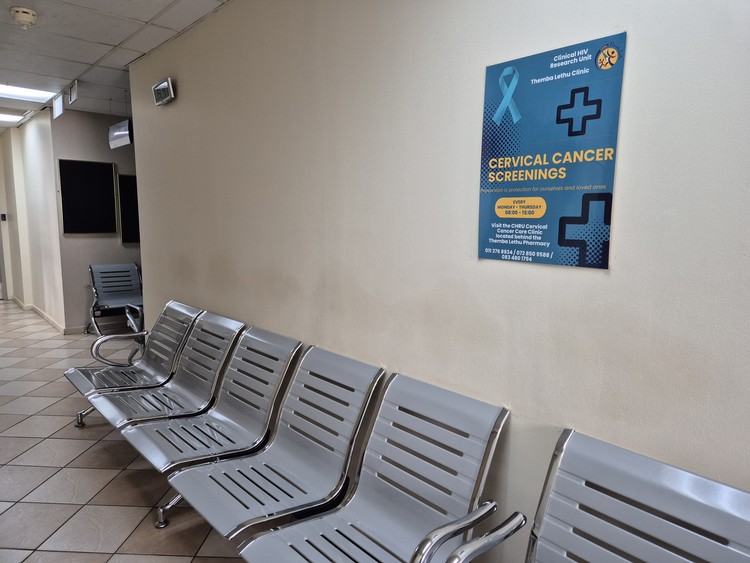
The Cervical Cancer Screening and Prevention Clinic at Helen Joseph Hospital in Johannesburg was forced to shut down in mid-May after losing all its funding from the US President’s Emergency Plan for AIDS Relief (PEPFAR). Photos: Elna Schütz
Hundreds of cervical cancer patients will likely be referred to overburdened hospitals following the closure of the Cervical Cancer Screening and Prevention Clinic at Helen Joseph Hospital in Johannesburg.
Following over 20 years of operations, the clinic was forced to shut down in mid-May after losing all its funding from the US President’s Emergency Plan for AIDS Relief (PEPFAR). It relied on some financial reserves to taper its activities over several months. Most clinic staff have been let go.
The clinic served women who were referred from across Johannesburg and as far as Springs. A significant part of that group lives with HIV.
“Many of these women are from underserved communities with limited access to specialist care,” says Dr Mark Faesen, Specialist Gynaecologist with the Clinical HIV Research Unit (CHRU).
The clinic offered critical cervical cancer screening and follow-up services, including Pap smears and colposcopies – a cervical examination for abnormalities. The clinic was managing around 1,400 patients annually. “It served as a clinical and research hub, preventing many cancers,” Faesen says.
We spoke to Zinhle (name changed) who was screened at the clinic after feeling ill for a year and who sought help at four different hospitals.
“When I got [to this clinic], I was received with a warm welcome,” she says, emphasising that every step of the process was explained to her and she was made to feel comfortable. “Where else are we supposed to go?”
Zinhle says she is deeply upset that she can no longer be treated at the clinic if she needs it again.
Faesen says the clinic’s closure will put immense pressure on other public hospitals offering these services, like Rahima Moosa or Chris Hani Baragwanath. This is likely to lead to longer waiting times for screening, diagnosis and treatments. “Early detection is important,” Faesen says. “Without timely diagnosis, outcomes are far poorer.”
Lorraine Govender, the National Manager of Health Programmes at the Cancer Association of South Africa (CANSA) says they are deeply concerned by the closure, as it is a serious setback in the ongoing fight against the disease.
Cervical cancer is the second most common cancer in women in South Africa, and results in the most deaths. It is curable if diagnosed and treated early. A Human Papillomavirus (HPV) vaccination also reduces the risk of cervical cancer. While low screening rates and backlogs in treatment have been long-standing across the country, Johannesburg appears to be particularly burdened. The shutdown of this clinic adds to a larger shortage of screening and treatment in Gauteng.
The Department of Health has previously stated that while it has improved vaccination efforts against cervical cancer, “screening and treatment are lagging behind”. The national health policy calls for women aged 30 to 50 to be screened at least three times in their lives. Women living with HIV should be screened at least every three years.
Cervical cancer screening services are limited and overwhelmed at most public hospitals, Faesen says. “The funding cuts have a knock-on effect: increasing patient loads at the few remaining colposcopy clinics.”
Lorraine Govender, the National Manager of Health Programmes at the Cancer Association of South Africa (CANSA) says they are deeply concerned by the closure, as it is a serious setback in the ongoing fight against the disease.
“Cervical cancer is both preventable and treatable when detected early, making continued access to screening services vital … The closure of this Johannesburg clinic must be a call to action,” Govender says.
Faesen stresses the urgent need for increased funding for decentralised screening services to fill the gaps created by clinics like the one at Helen Joseph Hospital. “Equipping more public sector sites with colposcopy capability and training personnel is also essential.”
The 5th edition of the Standards for Palliative Healthcare Services has achieved a major milestone: it has secured accreditation from the International Society for Quality in Health Care’s External Evaluation Association (IEEA).
This international endorsement reaffirms the commitment of the Association of Palliative Care Centres (APCC) to deliver world-class palliative care.
As the only internationally accredited framework guiding palliative care institutions in South Africa, these Standards play a crucial role in ensuring quality, safety, and compassionate service delivery. Developed through a long-standing partnership between the Association of Palliative Care Centres (APCC) and COHSASA, the Standards have been shaping palliative care excellence since 2005.
The 5th edition—available for free at APCC’s website—features:
✔A refined presentation structure for easier navigation
✔Removal of outdated or duplicated criteria to streamline compliance
✔Changes in terms of new legislation, particularly as it relates to the POPI act
✔ New essential elements to enhance care quality
Why accreditation matters
According to Warren Oxford-Huggett, National Accreditation Manager for the APCC, earning accreditation requires time, energy and commitment, but the rewards are far-reaching.
He highlights three key benefits:
· Optimal Community Engagement – Accredited palliative service providers gain increased community trust and support, strengthening relationships between institutions, families, and caregivers. “From a patient perspective, knowing that the organisation that is providing care is accredited puts your mind at ease.”
· Better Organisational Performance – Self assessments and internal peer reviews drive higher efficiency, sustainability, credibility and overall service quality. It revolves around the framework that COHSASA sets up.
· A Culture of Excellence – Accreditation fosters a mindset of continuous improvement, embedding best practices within healthcare teams.
Oxford-Huggett also has a role to encourage more palliative care organisations to join APCC’s current 68-member network, particularly as demand grows for structured palliative care in elderly care facilities. Of the five latest institutions that are currently in the process of joining the APCC, four of them are facilities for the aged.
“The market for new APCC members is increasingly swinging to more aged care facilities. What that will mean in terms of cost of care remains to be seen”, says Oxford-Huggett. “Many elderly care institutions advertise or market palliative care, but seldom is anyone adequately trained. It’s early days but we are looking at developing a collaborative model to help these frail care facilities implement structured, high-quality care at an affordable cost. With rising living expenses and an aging population, we must ensure end-of-life care remains accessible without imposing financial strain.”
Mentorship for success
To assist APCC members in meeting these high standards, APCC offers a structured mentorship programme, led by Oxford-Huggett. This initiative guides members through the compliance process, preparing them for COHSASA’s external review and international accreditation.
APCC member, Helderberg Hospice, based in Somerset West, has just achieved their 6th accreditation, with their first accreditation achieved in May 2006. Robert de Wet, the CEO of Helderberg Hospice comments: “In addition to focusing on clinical compliance, the accreditation process assesses criteria across the entire organisation, including areas relating to governance, fundraising, administration, and human resources. Subjecting your organisation to an intensive external accreditation process is important as it serves to both affirm the positive aspects of the work we do and simultaneously makes us aware of areas in which we require more focus.” They achieved a 97% score.
Setting the Standard for Palliative Care
Since 2005, 95 APCC members have undergone COHSASA accreditation, with 117 accreditation decisions issued—ranging from full accreditation to graded recognition.
Palliative care focuses on improving quality of life for patients with serious illnesses such as cancer, HIV/AIDS and TB as well as conditions such as COPD, heart and organ failure. The APCC philosophy of palliative care is the activeholistic care of patients who have received a life-threatening diagnosis. The control of pain, of other symptoms and support for psychosocial and spiritual needs is paramount.
APCC members report that around 90% of palliative care efforts take place in patients’ homes, extending support to loved ones, from diagnosis to after bereavement.
Jacqui Stewart, CEO of COHSASA, affirms:“The international accreditation of this 5th edition confirms that the APCC standards align with global best practices. For over 20 years, the APCC and COHSASA have collaborated to ensure that South Africa’s palliative care remains internationally recognised. COHSASA is committed to driving ongoing improvements in palliative care services.”
I waited five hours to get medical treatment at Mamelodi Regional Hospital in Tshwane, with a broken wrist and an injured head.
On 19 February 2025 at about 4pm I was walking in Mamelodi West. I was on a journalism assignment, heading to informal settlements that are prone to flooding.
The street was quiet, but I felt safe because I had walked there before. Suddenly, a car stopped in front of me, and two men got out of it and tried to rob me. I ran away and jumped into the stormwater passage, but slipped and fell, hitting my face against the concrete.
When I managed to stand up, I was dizzy and my vision was blurred. I was drenched in dirty water and my belongings — my cell phone, my wallet and my camera bag — were wet.
The men who attacked me were no longer on the street. My right wrist was swollen and painful, an injury above my eye was bleeding profusely, and my head was aching. But I was relieved that I was still alive and I still had all my belongings.
I decided not to call an ambulance, but to walk about 800 metres to Mamelodi Regional Hospital.
I went to the casualty unit, expecting that I would receive treatment quickly. At the front desk, a clerk took more than 20 minutes to fill in my file. He said the hospital’s computer system was offline and he had to fill in the file with a pen. I then went to sit at the reception area. My head was aching and I repeatedly requested headache tablets from the nurses, who gave me two tablets after 30 minutes. But my pain lingered.
The wound on my face was still bleeding and my wrist was swollen and bent. About 40 minutes after my arrival, a nurse cleaned my wound and wrapped it with a bandage, stopping the bleeding.
At about 8pm, a man sitting next to me said he had arrived at the hospital at 2pm after falling from scaffolding at a construction site. He was still waiting for his X-ray results.
I went for X-rays and long afterwards, at about 10pm, I had a cast put on my wrist. I was given injections which helped with the pain. I was discharged at 11pm and went home.
In September last year, the Gauteng MEC for Health Nomantu Nkomo-Ralehoko said that Mamelodi Regional Hospital was the first hospital in Gauteng ready to meet National Health Insurance (NHI) standards.
In response to GroundUp’s questions, Gauteng Department of Health spokesperson Motalatale Modiba said a triage priority system is followed at the hospital, meaning that four patients with critical wounds that required life-saving emergencies were attended to first. He said this affected my waiting time for wound care and the application of a cast.
“You were classified as Orange P2, that is a person who is in a stable condition and is not in any immediate danger, but requires observation,” said Modiba.
“At the time of your arrival, the casualty unit had 31 other patients to be seen. These include four critical cases in the resuscitation unit, ten trauma cases, 16 medical cases and four pediatric cases,” he said.
Modiba confirmed that the hospital’s computer system was offline when I arrived.
I asked Modiba whether the Gauteng Department of Health can still confidently regard this hospital as NHI-ready despite the slow delivery of medical services I experienced. Modiba said: “Mamelodi Regional Hospital remains committed to provide best healthcare services.”
Researchers say they can find no convincing evidence that physician associates add value in UK primary care or that anaesthetic associates add value in anaesthetics, and some evidence suggested that they do not.
In a special paper published by The BMJ, Professors Trisha Greenhalgh and Martin McKee say the absence of safety incidents in a handful of small studies “should not be taken as evidence that deployment of physician associates and anaesthetic associates is safe.”
New research is urgently needed “to explore staff concerns, examine safety incidents, and inform a national scope of practice for these relatively new and contested staff roles,” they add.
Physician associates and anaesthetic associates are being introduced in the UK to work alongside doctors and nurses. They are graduates – usually with a health or life sciences degree – who complete two years of extra training, but there has been much debate about the effectiveness and safety of these new roles.
As a result, the UK government has commissioned an independent review into the scope and safety of these roles in the NHS and their place in providing care to patients.
To inform this review, the researchers trawled three electronic research databases (PubMed, CINAHL, Cochrane Library) for any studies of physician associates and anaesthetic associates in UK healthcare published between 2015 and January 2025.
In all, 52 papers were eligible (48 on physician associates, 4 on anaesthetic associates), of which 29 (all from England) met their inclusion criteria of trustworthiness, generalisability, and relevance to current UK policy.
They found that the total number of physician associates studied was very small, especially in primary care, and no studies reported direct assessment of anaesthetic associates.
Only one study, of four physician associates, involved any assessment by a doctor of their clinical competence by direct observation, and no studies examined safety incidents.
Some studies among the 29 suggested that physician associates could support the work of ward based teams and work in emergency departments when appropriately deployed and supervised in low risk clinical settings, but the number of individuals and settings studied was small, so these findings should be considered preliminary.
However, studies reported that physician associates seemed to struggle in primary care because the role was more autonomous, the case mix was more diverse, decisions were more uncertain, institutional support was more limited, and supervision arrangements were more challenging.
Patients’ views of physician associates were mostly positive or neutral, whereas staff expressed concern about physician associates’ and anaesthetic associates’ competence to manage undifferentiated, clinically complex, or high dependency patients; order scans; or prescribe. Physician associates reported a range of experiences and desired a clear role within the team.
Overall, the researchers found no evidence that physician associates add value in primary care or that anaesthetic associates add value in anaesthetics and some evidence suggested that they do not.
They acknowledge some limitations, such as not including evidence on similar roles in other countries, and stress that their findings should be interpreted in the context of the wider international evidence base. But say their focus on UK based research, detailed search and analysis of the most influential papers, and identification of gaps in existing research, provide robust conclusions to help inform this policy review.
“Very few UK studies have assessed the clinical competence and safety of physician associates or anaesthetic associates,” they write. “Findings of apparent non-inferiority in non-randomised studies may obscure important unmeasured differences in quality of care.”
In a linked editorial, Professor Kieran Walshe at the University of Manchester, asks how did the NHS end up in this mess, and what should we do about it?
He points to massive underinvestment in research on the healthcare workforce, ambiguous and largely uncosted future plans for workforce expansion, and statutory arrangements for regulating the health professions that are not fit for purpose.
“It seems likely that a messy compromise will be found to resolve the debacle over physician associates and anaesthetic associates,” he writes. But says “we need to do these kinds of workforce reforms much better in the future—both for the safety of patients and for the wellbeing of staff.”
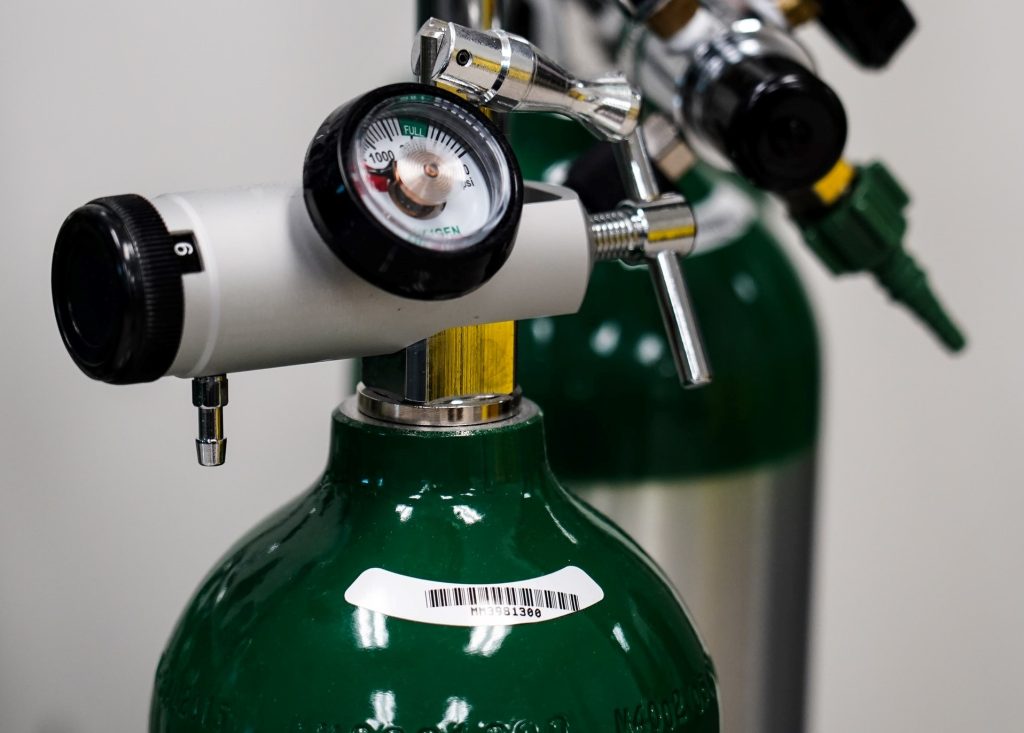
Six out of every ten people globally lack access to safe medical oxygen, resulting in hundreds of thousands of preventable deaths each year and reducing quality of life for millions more, an international report co-authored by the University of Auckland has found.
Associate Professor Stephen Howie from the University’s Faculty of Medical and Health Sciences (FMHS) was an adviser to the Lancet Global Health Commission on Medical Oxygen Security and co-author of its report Reducing global inequities in medical oxygen access released 18 February.
A key finding shows global access to medical oxygen is highly inequitable. Five billion people, mostly from low and middle-income countries don’t have access to safe, quality, affordable medical oxygen.
Associate Professor Howie, child health researcher and a specialist paediatrician says he hopes further lives will be saved because of this work, and that children and adults will not only survive but thrive.
The Auckland University team are leading the field to improve access to medical oxygen. Howie recently gave a plenary address at the World Lung Health Conference in Bali, spelling out the challenges and opportunities to tackle the global issue.
“I have been working in the area of oxygen treatment for oxygen-starved (hypoxic) illnesses for two decades, particularly in Africa and the Pacific. My first priority was children (naturally, as a paediatrician) but we learnt soon enough that solving the problem has to involve catering for all ages.
“It is such an obvious need. I saw it at the hospitals I worked at in Africa where needless death from diseases like pneumonia happened because oxygen supplies were short, and this hit families and staff very hard. It was at that time that we made it our goal that ‘no child should die for lack of oxygen’ and this applies to adults too.”
Fiji was particularly hard hit when the first waves of the COVID-19 pandemic arrived, at one point it had the highest rate of COVID-19 in the world. A close partnership between the Fiji Ministry of Health, the University of Auckland, Cure Kids and Fiji National University, funded by New Zealand MFAT and other donors, played an important role in supporting the pandemic response says Howie.
I saw it at the hospitals I worked at in Africa where needless death from diseases like pneumonia happened because oxygen supplies were short, and this hit families and staff very hard. It was at that time that we made it our goal that ‘no child should die for lack of oxygen’ and this applies to adults too.
Associate Professor Stephen Howie Waipapa Taumata Rau, University of Auckland, Faculty of Medicine and Health Sciences
Dr Sainimere Boladuadua is Lancet Commission’s Western Pacific Region ambassador
On the ground during that time was Dr Sainimere Boladuadua, a public health medicine specialist, now a doctoral student at the University of Auckland and currently undertaking a Fulbright fellowship at Johns Hopkins University in Baltimore.
Boladuadua (Somosomo, Cakaudrove, vasu i Levuka-i-Yale, Kadavu/Fiji) also has the honour of being the Lancet Commission’s Western Pacific Region ambassador and will spearhead advocacy for improving access to medical oxygen in the region.
“I remember those days, the adrenalin was pumping and it was scary. It was very difficult before the vaccine arrived. We had very little sleep trying to get everything set up,” she says recalling the period of the country organising itself and the national response which included setting up field hospitals.
Boladuadua met Howie in Fiji where he helped to lead the Fiji Oxygen Project, supporting the vital work of health leaders like Dr Luke Nasedra and Dr Eric Rafai.
“The project was just doing exactly this, trying to improve and ensure that all the health facilities had access to medical oxygen, facilities to deliver them. That no child or adult should die for lack of oxygen, and it’s such a simple medical therapy that you expect to be available but often it isn’t, says Boladuadua.
“The reality was rural health facilities sometimes had to ration the oxygen. You have a limited supply, the cylinders that come in every month you have your quota, and if you run out then sometimes you have to prioritize who gets it, who doesn’t. Which is just so heartbreaking.”
The Fiji Ministry of Health, supported by the project, was in the midst of covering those gaps when COVID hit, and Boladuadua says the one silver lining was that it shone a light on the gaps, putting the issue on the radar.
“You saw the images around the world, hospitals running out of oxygen in India, family members hauling oxygen cylinders on motorcycles. I guess that made it really come up to the forefront.”
This was the entry point for Boladudua to start work on her doctoral studies at the University with Howie as her primary academic supervisor, and unsurprisingly her PhD has a focus closely related to her previous work.
“My research question is how to improve access to care for children with acute respiratory infections in Fiji and obviously links to the supply of oxygen as well.”
She says respiratory conditions are rising and pneumonia is still one of the leading causes of death and disease particularly in under five year-olds across the Pacific and even in New Zealand.
“Within New Zealand, our Pacific children experience a larger acute respiratory burden than children of any other ethnic group.”
Boladuadua says she’s grateful to Professor Cameron Grant, Head of Paediatrics, Child & Youth Health at FMHS who encouraged her to apply for the Fulbright Scholarship. As well as support from her friends, doctoral candidates Alehandrea Manuel (who has since completed her PhD) and Ashlea Gillon.
“Professor Grant was a Fulbright scholar 30 years ago and he said it would be life changing, and it has been in so many ways,” she says of working closely with the team at Johns Hopkins and the opportunities presented such as the lecture she’s been asked to present next month at the School of Public Health: ‘Decolonising Global Health – a Pacific perspective’.
“What appealed to me was they had a Centre for Indigenous Health that worked very closely with Native American communities. And although Johns Hopkins is in Baltimore, their work is very much within the communities themselves, in the tribal lands of the Navajo and White Mountain Apache peoples in the Southwest of the US.
“They’ve got sites in all these communities and the staff – data collectors, researchers, the research nurses and everyone in those teams, the majority are Native American. So it’s about responding to their health needs and also building local capacity.”
Learning how the Indian Health System has accommodated traditional medicine has inspired Boladuadua and she’s brimming with ideas that she’s eager to bring back to Aotearoa later this year when she returns.
“I wanted to see how you can use traditional knowledge and practices with western knowledge, I wanted to learn how that happened. They’re just doing it so beautifully here. I am learning so much and it has been life changing with all the different perspectives, exposure and the incredible people I’m able to work with.”
One in eight patients in hospitals in Africa is critically ill, and one in five of the critically ill die within a week, according to a new study in The Lancet.The researchers behind the largest study of critical illness in Africa to date conclude that many of these lives could have been saved with access to cheap life-saving treatments.
The study is the first large-scale mapping of critically ill patients in Africa. Nearly 20 000 patients in 180 hospitals in 22 African countries were surveyed in the study.
Being critically ill means having severely affected vital functions, such as extremely low blood pressure or low levels of oxygen in the blood. In the new study, researchers show that one in eight patients in African hospitals, 12.5%, is in this condition. Of these, one in five, 21%, die within a week, compared to 2.7% of those who are not critically ill.
A large proportion of critically ill patients, 69%, are treated in general wards rather than intensive care units. More than half of critically ill patients, 56%, do not receive even the basic critical care they need, such as oxygen therapy, intravenous fluids or simple airway management.
“Our study shows that there is a large and often neglected group of patients with critical illness in Africa,” says first author Tim Baker, Associate Professor at the Department of Global Public Health at Karolinska Institutet.
The researchers behind the study emphasise that these are basic but crucial health interventions that can make a big difference.
“If all patients had access to essential emergency and critical care, we could significantly reduce mortality. Moreover, these interventions are inexpensive and can be provided in general wards,” says Carl Otto Schell, researcher at the Department of Global Public Health at Karolinska Institutet and one of the initiators of the study.
Paediatric critical care (PCC) staff are known to experience high levels of moral distress, symptoms of post-traumatic stress disorder (PTSD) and burnout, but often feel little is offered to help them with their mental health. The SWell team at Aston University, led by Professor Rachel Shaw from the Institute of Health and Neurodevelopment, realised following a literature review that there are no existing, evidence-based interventions specifically designed to improve PCC staff wellbeing. Initial work by SWell identified the ‘active ingredients’ likely to create successful intervention designs.
Together with a team from NHS England, the Aston University researchers set up the SWell Collaborative Project: Interventions for Staff Wellbeing in Paediatric Critical Care, in PCC units across England and Scotland. The aim of the project was to determine the feasibility and acceptability of implementing wellbeing interventions for staff working in PCC in UK hospitals. In total, 14 of the 28 UK PCC units were involved. One hundred and four intervention sessions were run, attended by 573 individuals.
Professor Shaw said: “The significance of healthcare staff wellbeing was brought to the surface during the COVID-19 pandemic, but it’s a problem that has existed far longer than that. As far as we could see researchers had focused on measuring the extent of the problem rather than coming up with possible solutions. The SWell project was initiated to understand the challenges to wellbeing when working in paediatric critical care, to determine what staff in that high-pressure environment need, and what could actually work day-to-day to make a difference. Seeing PCC staff across half the paediatric critical care units in the UK show such enthusiasm and commitment to make the SWell interventions a success has been one of the proudest experiences in my academic career to date.”
The two wellbeing sessions tested are low-resource and low-intensity, and can be delivered by staff for staff without any specialist qualifications.
In the session ‘Wellbeing Images’, a small group of staff is shown images representing wellbeing, with a facilitated discussion using appreciative inquiry – a way of structuring discussions to create positive change in a system or situation by focusing on what works well, rather than what is wrong.
In the ‘Mad-Sad-Glad’ session, another small group reflective session, participants explore what makes them feel mad, sad and glad, and identify positive actions to resolve any issues raised.
The key ingredients in both sessions are social support – providing a psychologically safe space where staff can share their sensitive experiences and emotions without judgement, providing support for each other; self-belief – boosting staff’s self-confidence and ability to identify and express their emotions in response to work; and feedback and monitoring – encouraging staff to monitor what increases their stress, when they experience challenging emotions, and what might help boost their wellbeing in those scenarios.
Feedback from staff both running and participating in the SWell interventions was very positive, with high satisfaction and feasibility ratings. Participants like that the session facilitated open and honest discussions, provided opportunities to connect with colleagues and offered opportunities for generating solutions and support.
One hospital staff member responsible for delivering the sessions said:
“Our staff engaged really well, and it created a buzz around the unit with members of the team asking if they could be ‘swelled’ on shift. A really positive experience and we are keeping it as part of our staff wellbeing package.”
The team concluded that even on busy PCC units, it is feasible to deliver SWell sessions. In addition, following the sessions, staff wellbeing and depression scores improved, indicating their likely positive impact on staff. Further evaluations are needed to determine whether positive changes can be sustained over time following the SWell sessions.
Donna Austin, an advanced critical care practitioner at University Hospital Southampton paediatric intensive care unit, said: “We were relatively new to implementing wellbeing initiatives, but we recognised the need for measures to be put in place for an improvement in staff wellbeing, as staff had described burnout, stress and poor mood. SWell has enabled our unit to become more acutely aware of the needs of the workforce and adapt what we deliver to suit the needs of the staff where possible. Staff morale and retention has been the greatest outcomes from us participating in the SWell study and ongoing SWell related interventions.”