Category: Gastrointestinal

Crohn’s Disease Cut Activity by 40% in Study of Time-restricted Fasting

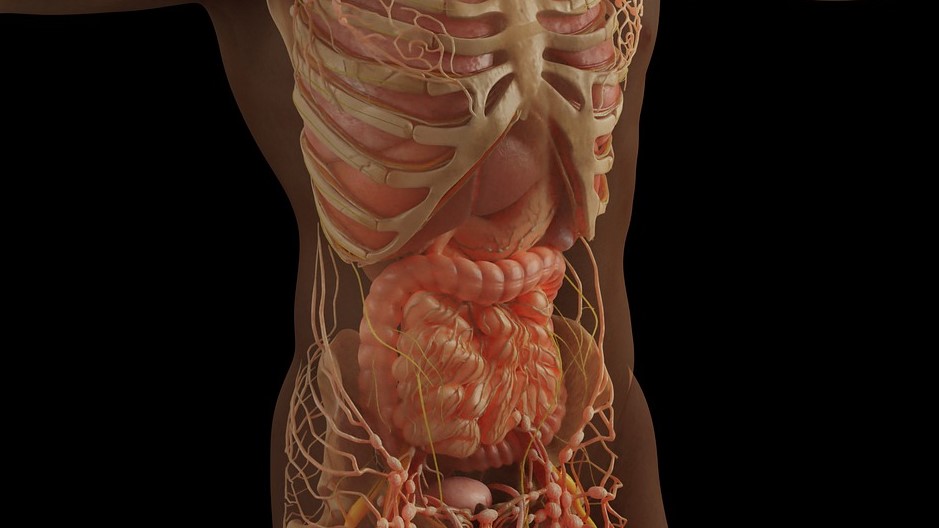
Irritable bowel syndrome. Credit: Scientific Animations CC4.0

A new randomised controlled study funded by the Crohn’s & Colitis Foundation found that time-restricted feeding, a form of intermittent fasting, significantly reduced symptomatic disease activity and systematic inflammation in adults with Crohn’s disease and overweight or obesity. The University of Calgary-led trial is the first to show that eating only within an 8-hour window can reduce Crohn’s disease activity by 40% and abdominal discomfort by 50% in just 12 weeks, compared to a standard eating schedule.

Participants practicing intermittent fasting not only lost about 2.5kg while controls gained approximately 1.7kg, but also showed notable improvements in blood markers of inflammation and immune health, including lower levels of leptin and PAI-1 – all without cutting calories.

Results of the study were published in Gastroenterology. People with IBD should talk with their healthcare team before changing their eating schedule to determine whether intermittent fasting is appropriate for them.

Time-restricted feeding (TRF) involves eating all meals within a set 8-hour window each day, followed by fasting for the remaining 16 hours.  This 12-week randomised trial included 35 adults with Crohn’s disease and living with obesity or overweight, with 20 assigned to TRF and 15 to their regular diet. Researchers measured disease activity, inflammation, and body composition at the start and end of the study.​​

“This study shows that while weight loss is an important outcome in people with overweight and Crohn’s disease, time-restricted feeding offers additional benefits beyond just the scale,” said Maitreyi Raman, MD, Associate Professor of Medicine at the University of Calgary, the study’s senior author. “We saw meaningful improvements in disease symptoms, reduced abdominal discomfort, favourable shifts in metabolism and inflammation, and promising changes in gut bacteria – all suggesting that intermittent fasting may help patients maintain lasting remission from Crohn’s disease.”​

The research was supported by the Crohn’s & Colitis Foundation’s Litwin IBD Pioneers program. “Time-restricted feeding is showing real promise as a new way to help people with Crohn’s disease manage not only their symptoms but also their overall health,” said Andres Lorenzo Hurtado, PhD, Senior Vice President of Translational Research & IBD Ventures at the Crohn’s & Colitis Foundation. “This research suggests that changing when we eat – not just what we eat – can improve metabolism, help the immune system work better, and support long-term remission from Crohn’s disease. We are excited to support studies like this that put patients at the centre of new solutions and encourage more research to make these benefits last for everyone living with IBD.”

“People with Crohn’s disease often look for practical tools to support their health alongside medication,” said Natasha Haskey, PhD, RD, Research Associate at the University of British Columbia and lead investigator in the study. “Our research suggests time-restricted eating may be a sustainable option grounded in biology, offering patients more ways to manage their own wellness.”

In addition to reducing Crohn’s disease activity, the study found a marked decrease in harmful visceral fat and key inflammatory signals in the blood of those who practiced intermittent fasting. The changes were not simply due to diet quality or calorie restriction, as both groups ate similar foods and amounts—indicating the timing of meals themselves may play a unique role in supporting digestive and immune health.​

Researchers note that, while these results are promising, larger trials are needed to confirm the long-term safety and effectiveness of this approach for broader groups of patients with IBD.

By Rachel Peifer

Source: Crohn’s and Colitis Foundation of America

Faecal Transplant Pills Show Promise in Clinical Trials for Multiple Types of Cancer

Two Canadian clinical trials show poop pills could help patients respond to immunotherapy while also reducing toxic side effects of cancer drugs

Faecal microbiota transplants (FMT), can dramatically improve cancer treatment, suggest two groundbreaking studies published in the prestigious Nature Medicine journal. The first study shows that the toxic side effects of drugs to treat kidney cancer could be eliminated with FMT. The second study suggests FMT is effective in improving the response to immunotherapy in patients with lung cancer and melanoma.

The findings represent a giant step forward in using FMT capsules – developed at Lawson Research Institute (Lawson) of St. Joseph’s Health Care London and used in clinical trials at London Health Sciences Centre Research Institute (LHSCRI) and Centre de recherche du Centre hospitalier de l’Université de Montréal (CRCHUM) – for safe and effective cancer treatment.

A Phase I clinical trial was conducted by scientists at LHSCRI and Lawson to determine if FMT is safe when combined with an immunotherapy drug to treat kidney cancer. The team found that customised FMT may help reduce toxic side effects from immunotherapy. The clinical trial involved 20 patients at the Verspeeten Family Cancer Centre at London Health Sciences Centre (LHSC).

“Standard treatment for advanced kidney cancer often includes an immunotherapy drug that helps the patient’s immune system tackle cancer cells,” says Saman Maleki, PhD, Scientist at LHSCRI. “But, unfortunately, the treatment frequently leads to colitis and diarrhoea, sometimes so severe that a patient must stop life-sustaining treatment early. If we can reduce toxic side effects and help patients complete their treatment, that will be a gamechanger.”

Separate Phase II lung and skin cancer studies were led by researchers at CRCHUM in collaboration with Lawson and LHSCRI. The studies found that 80 per cent of patients with lung cancer responded to immunotherapy after FMT, compared to only 39-45 per cent typically benefiting from immunotherapy alone. Similarly, 75 per cent of patients with melanoma who received FMT experienced a positive response to treatment, compared to only 50-58 per cent response in patients who receive immunotherapy alone. Twenty patients participated in the lung cancer clinical trial and 20 patients participated in the skin cancer clinical trial.

“Our clinical trial demonstrated that faecal microbiota transplantation could improve the efficacy of immunotherapy in patients with lung cancer and melanoma,” says Dr Arielle Elkrief, co-principal investigator and Physician Scientist, Université de Montréal-affiliated hospital research centre (CRCHUM). “The results also uncovered one possible mechanism of action of faecal transplantation – through the elimination of harmful bacteria following the transplant. Our results open up a novel avenue for personalised microbiome therapies, and faecal transplant is now being tested as part of the large pan-Canadian Canbiome2 randomised controlled trial.”

“Faecal microbiota transplantation in melanoma and lung cancer opens an entirely new therapeutic avenue, made possible by the exceptional commitment of our patients and the teamwork,” adds Dr. Rahima Jamal, Director of the Unit for Innovative Therapies (UIT) at CRCHUM. “At the Unit for Innovative Therapies (UIT) of the CRCHUM, we have had the privilege of translating laboratory discoveries into early phase clinical trials and witnessing their concrete impact on people living with cancer.”

Both studies use advanced, world-leading FMT capsules, also known as LND101, produced by Lawson in London, Ont. The research reinforces London’s place as a global leader in FMT innovation and treatment. The capsules are processed from healthy donor stools and ingested to help restore a patient’s healthy gut microbiome and treat different types of cancer.

“To use FMT to reduce drug toxicity and improve patients’ quality of life while possibly enhancing their clinical response to cancer treatment is tremendous, and it had never been done in treating kidney cancer before this,” says Dr Michael Silverman, Scientist at Lawson and Head of St. Joseph’s Infectious Diseases Program. “And none of this would be possible if not for this close collaboration: innovating the FMT capsules in Lawson labs and introducing them at LHSCRI and CHUM to advance vital research initiatives. Also, because LND101 comes from healthy donors, production can be scaled up to eventually help large numbers of cancer patients.”

The studies build on earlier London and CHUM-generated Phase I research showing FMT can safely augment treatment for people with melanoma. FMT is also being studied in people with pancreatic cancer and triple-negative breast cancer, and is already a well-established treatment for serious gut infections such as C. difficile, which can cause severe diarrhoea.

“Our hope is that our research will one day help people with cancer live longer while reducing the harmful side effects of treatment,” adds Dr Ricardo Fernandes, Scientist at LHSCRI and Medical Oncologist at LHSC. “We are world leaders in FMT research and we’re excited about its potential.”

Source: London Health Sciences Centre Research Institute

Why do Some People get ‘Hangry’ More Quickly than Others?

Photo by Andrea Piacquadio

Nils Kroemer, University of Tübingen; University of Bonn

“Come on, little fella – we should get going now.” But my son was not listening. The sand in the playground was just right, so he kept digging with his new toy excavator.

As I drifted back to my list of to-dos, however, the laughter was suddenly replaced by sobs. My son was not hurt, just very upset. When I looked at my phone, I saw it was well past his regular mealtime – and he was feeling very hungry.

However old we are, we all have a tendency to grow irritated if our body lacks enough fuel. But while humans have experienced this for as long as we have been on the planet, a specific word to describe the phenomenon only entered the Oxford English dictionary in 2018. “Hangry: to be bad-tempered or irritable as a result of hunger.”

Perhaps more surprising is the scarcity of research into how hunger affects people’s everyday moods. Most studies on food and mood have focused on patients with metabolic or eating disorders – perhaps because many psychologists have traditionally understood hunger to be such a basic physiological process.

So, with colleagues from the fields of psychology and mental health, I decided to investigate how different people respond to feeling hungry. We wanted to see if (and why) some people are better at reacting calmly when hunger strikes. Perhaps there would be some lessons for those of us with young children, too.

Surprising results

In the animal world, hunger is frequently studied for its role as a key motivator. Hungry rodents, for example, will vigorously press a lever or climb over large walls to get to food rewards. In the wild, hungry animals often roam further to explore their environment, seeming restless as they seek to overcome the threat of low or no energy.

A Pallas’s cat (also known as a manul) gets increasingly hangry as it hunts for food. Video: BBC.

To investigate the relationship between energy levels, hunger and mood in people, we equipped 90 healthy adults with a continuous glucose monitor for a month. Glucose is the primary source of energy for the body and brain, and these monitors – used in clinical practice to help patients with diabetes regulate their blood sugar levels – report values every few minutes. (Participants could actively check their glucose levels using the sensor app, and we could see when they accessed them.)

We also asked our participants to complete mood check-ins on their smartphones up to twice a day. These included questions about how hungry or sated they felt on a scale from 0 to 100, as well as a rating of their current mood.

The results surprised us. First, people were only in a worse mood when they acknowledged feeling hungry – not simply when they had lower blood sugar levels. And second, people who more accurately detected their energy levels in general were less prone to negative mood swings.

This suggests there is a key psychological middle step between a person’s energy and mood levels, which scientists call interoception.

In the brain, hunger is signalled by neurons in the hypothalamus that detect a prolonged energy deficit. Conscious feelings of hunger are then linked to the insula, a part of the cerebral cortex that is folded deep within the brain, and which also processes taste and plays a role in feeling emotions.

In our recent study, people with high interoceptive accuracy experienced fewer mood swings. This does not mean they never felt hungry – they just seemed better at keeping their mood levels stable.

This is important, because a sudden change in mood can have knock-on effects on relationships with family, friends and colleagues. It can lead to bad decision-making and more impulsive behaviour – including buying fast-energy food that can be less good for you.

More generally, paying close attention to our bodies’ needs helps keep our minds at ease too, avoiding unnecessary wear and tear on both. Deviating too much from the body’s ideal state can pose a long-term risk to our health – mental as well as physical.

Caught off-guard

Young children find it hard to interpret all the signals from their rapidly developing body. They are also easily distracted by what is happening around them, and often fail to attend to their hunger or thirst without prompting – leading to a sudden meltdown like my son had in the playground.

Likewise for many adults in today’s fast-paced world full of digital distractions, it can be easy to be caught off-guard by dipping energy levels. One simple life hack is to keep a regular meal schedule, because hunger often kicks in when we skip a meal.

Everyone’s energy levels ebb and flow, of course. But it is possible to improve your interoceptive accuracy by allowing your inner systems to pay closer attention to your energy levels. In addition, exercise and physical activity can sharpen your hunger sensing and improve energy metabolism.

Most of the time, of course, our moods are only modestly affected by hunger, among the many other factors that can come into play. But one of the lessons of my time at the playground has been to take care of my son’s food needs long before they become obvious. Perhaps we all need to be more aware of the risk of getting hangry.

Nils Kroemer, Professor of Medical Psychology, University of Tübingen; University of Bonn

This article is republished from The Conversation under a Creative Commons license. Read the original article.

Chemotherapy’s Gut Side Effects Unexpectedly Block Metastasis

Microscopy image of intestinal lining in mice, shows CD4 (green), CD8 (magenta) and DAPI (blue).
Ludivine Bersier 2025

In Nature Communications, researchers from Lusanne University reveal that chemotherapy alters gut microbes and bone marrow immune cell development, unexpectedly reprogramming systemic immunity in ways that help restrict metastatic progression.

Chemotherapy commonly damages the intestinal lining, a well-known side effect. But this injury does not remain confined to the gut. It reshapes nutrient availability for intestinal bacteria, forcing the microbiota to adapt.

The researchers report that chemotherapy-induced damage to the intestinal lining alters nutrient availability for gut bacteria, reshaping the microbiota and increasing the production of indole-3-propionic acid (IPA), a tryptophan-derived microbial metabolite.

Rather than acting locally, IPA functions as a systemic messenger. It travels from the gut to the bone marrow, where it rewires immune cell production. Elevated IPA levels reprogram myelopoiesis, reducing the generation of immunosuppressive monocytes that facilitate immune evasion and metastatic growth.

“We were surprised by how a side effect often seen as collateral damage of chemotherapy can trigger such a structured systemic response. By reshaping the gut microbiota, chemotherapy sets off a cascade of events that rewires immunity and makes the body less permissive to metastasis.” says Ludivine Bersier, first author of the study.

This immune reconfiguration enhances T-cell activity and remodels immune interactions within metastatic niches, particularly in the liver, resulting in a metastasis-refractory state in preclinical models.

Experimental findings are mirrored in patients. Clinical relevance is supported by patient data obtained in collaboration with Dr Thibaud Koessler (Geneva University Hospitals, HUG). In patients with colorectal cancer, higher circulating IPA levels following chemotherapy are associated with reduced monocyte levels, a feature of improved survival outcomes.

“This work shows that the effects of chemotherapy extend far beyond the tumor itself. By uncovering a functional axis linking the gut, the bone marrow and metastatic sites, we highlight systemic mechanisms that could be harnessed to durably limit metastatic progression.” says Tatiana Petrova, corresponding author of the study.

This research was supported by multiple funders, including the Swiss National Science Foundation and Swiss Cancer League. An ISREC Foundation Tandem Grant supported close collaboration between clinical and fundamental research, led at Unil by Professor Tatiana Petrova and Dr Thibaud Koessler at HUG. The project posits that chemotherapy can induce a form of biological “memory”, mediated by gut microbiome–derived metabolites that durably inhibit metastatic growth.

Together, these findings reveal a previously underappreciated gut–bone marrow–liver metastasis axis through which chemotherapy can exert durable systemic effects, opening new avenues to harness microbiota-derived metabolites as adjuvant strategies to limit metastasis.

Source: EurekAlert!, University of Lusanne

No Increased Risk of Stomach Cancer with PPIs for Heartburn

Photo by Danilo Alvesd on Unsplash

Long-term use of medications for heartburn and acid reflux, known as proton pump inhibitors, does not appear to increase the risk of stomach cancer, according to a new study published in The BMJ. The results are based on extensive Nordic health data and may provide reassurance to patients who need long-term treatment, according to researchers at Karolinska Institutet.

The possibility that proton pump inhibitors could cause stomach cancer has been discussed since the 1980s. Overall, studies have shown a doubled risk, but the studies have had methodological shortcomings. To investigate the association, taking into account a number of possible sources of error in previous literature in the field, researchers analysed registry data from the five Nordic countries – Denmark, Finland, Iceland, Norway, and Sweden – over a period of up to 26 years.

The study included 17 232 people with stomach cancer and compared them with over 172 000 control subjects matched for age, sex, year, and country. The researchers investigated the use of proton pump inhibitors and another type of acid-suppressing drug, histamine-2 receptor blockers. 

To avoid methodological errors, drug use in the last year before diagnosis was excluded, as were patients who had cancer in the upper part of the stomach, where heartburn is a risk factor. The results were also adjusted for factors such as Helicobacter pylori infection, stomach ulcers, smoking, alcohol-related diseases, obesity, diabetes, and certain medications. 

By using this methodological approach, the researchers found no association between long-term use of these drugs and the risk of stomach cancer.

“Our results contradict the hypothesis that proton pump inhibitors cause stomach cancer,” says the lead researcher responsible for the study, Professor Jesper Lagergren at the Department of Molecular Medicine and Surgery, Karolinska Institutet. He continues:

“This provides reassurance for patients who need long-term treatment and is important for clinical decisions.”

The researchers emphasise that the study is observational, which means that no definitive conclusions can be drawn about cause and effect. Nor can it be completely ruled out that confounding factors that could not be adjusted for have influenced the results. However, the study design allows for more reliable results than previous research.

Source: Karolinska Institutet

Do Hormones Explain Why Women Experience More Gut Pain?

UCSF researchers discover that oestrogen can turn on pain signals associated with conditions like irritable bowel syndrome.

A zoomed in image of the lining of the colon. Cells that produce the hormone  PYY (peptide YY) are in green. Cells that produce the neurotransmitter serotonin are in magenta. PYY triggers the release of serotonin, which activates pain-sensing nerve fibers. Image by Archana Venkataraman/UCSF

Women are dramatically more likely than men to suffer from irritable bowel syndrome (IBS), a chronic condition causing abdominal pain, bloating, and digestive discomfort. Now, scientists at UC San Francisco have discovered why.

Oestrogen, the researchers report in Science, activates previously unknown pathways in the colon that can trigger pain and make the female gut more sensitive to certain foods and their breakdown products. When male mice were given oestrogen to mimic the levels found in females, their gut pain sensitivity increased to match that of females.

The findings not only explain the female predominance in gut pain disorders but also point to potential new ways to treat the conditions.

“Instead of just saying young women suffer from IBS, we wanted rigorous science explaining why,” said Holly Ingraham, PhD, professor UCSF and co-senior author of the study. “We’ve answered that question, and in the process identified new potential drug targets.”

The research also suggests why low-FODMAP diets – which eliminate certain fermentable foods, such as onions, garlic, honey, wheat, and beans – help some IBS patients, and why women’s gut symptoms often fluctuate with their menstrual cycles.

“We knew the gut has a sophisticated pain-sensing system, but this study reveals how hormones can dial that sensitivity up by tapping into this system through an interesting and potent cellular connection,” said co-senior author David Julius, PhD. Julius won the 2021 Nobel Prize for Physiology or Medicine for his work on pain sensation.

Search for oestrogen

Previous research had hinted that oestrogen was to blame for higher rates of IBS in females, but not why. To understand how oestrogen might be involved, Ingraham’s and Julius’s teams first needed to see exactly where the hormone was working in the gut.

“At the time I started this project, we didn’t know where and how oestrogen signalling is set up in the female intestine,” said Archana Venkataraman, PhD, a postdoc in Ingraham’s lab and co-first author of the research. “So, our initial step was to visualise the oestrogen receptor along the length of the female gut.”

The team expected to see oestrogen receptors in enterochromaffin (EC) cells, which were already known to send pain signals from the gut to the spinal cord. Instead, they got a surprise: oestrogen receptors were clustered in the lower part of the colon and in a different cell type known as L-cells.

The scientists pieced together a complex chain reaction that occurs when oestrogen binds to the L-cells. First, oestrogen causes L-cells to release a hormone called PYY (peptide YY). PYY then acts on neighbouring EC cells, triggering them to release the neurotransmitter serotonin, which activates pain-sensing nerve fibres. In female mice, removing the ovaries or blocking oestrogen, serotonin, or PYY dramatically reduced the high gut pain observed in females.

For decades, scientists believed PYY primarily suppressed appetite – drug companies even tried developing it as a weight-loss medication. But those clinical trials failed due to a troubling side effect that was never fully explained; participants experienced severe gut distress. The new findings mesh with this observation and suggest a completely new role for PYY.

“PYY had never been directly described as a pain signal in the past,” said co-first author Eric Figueroa, PhD, a postdoc in Julius’ lab. “Establishing this new role for PYY in gut pain reframes our thinking about this hormone and its local effects in the colon.”

This video shows what happens to the enterochromaffin (EC) cells in the colon when they are treated with PYY. Upon PYY treatment, calcium activity increases in the EC cell, causing it to fluoresce more brightly as it releases serotonin that is detected by nearby pain-sensing nerve fibres. Video by Eric Figueroa/UCSF

A link between IBS and diet

Increased PYY wasn’t the only way that L-cells responded to oestrogen. Levels of another molecule, called Olfr78, also went up in response to the hormone. Olfr78 detects short-chain fatty acids – metabolites produced when gut bacteria digest certain foods. With more Olfr78 receptors, L-cells become hypersensitive to these fatty acids and are more easily triggered to become active, releasing more PYY.

“It means that oestrogen is really leading to this double hit,” said Venkataraman. “First it’s increasing the baseline sensitivity of the gut by increasing PYY, and then it’s also making L-cells more sensitive to these metabolites that are floating around in the colon.”

The observation may explain why low-FODMAP diets help some IBS patients. FODMAPs (fermentable oligosaccharides, disaccharides, monosaccharides, and polyols) are carbohydrates that gut bacteria ferment into those same fatty acids sensed by Olfr78. By eating fewer FODMAPs, patients may be preventing the activation of Olfr78, and, in turn, keeping L-cells from churning out more of the pain signalling PYY.

While men have this same cellular pathway, their lower oestrogen levels keep it relatively quiet. However, the pathway could engage in men taking androgen-blocking medications, which block the effects of testosterone and can elevate oestrogen in some cases, potentially leading to digestive side-effects.

The new work suggests potential ways to treat IBS in women and men alike.

“Even for patients who see success with a low-FODMAP diet, it’s nearly impossible to stick to long term,” Ingraham said. “But the pathways we’ve identified here might be leveraged as new drug targets.”

The researchers are now studying how such drugs might work, as well as asking questions about what other hormones, such as progesterone, might play a role in gut sensitivity and how pregnancy, lactation, and normal menstrual cycles affect intestinal function.

By Sarah C.P. Williams

Source: University of California – San Francisco

New Optical Tool Lights up IBD Biomarkers

A test that rapidly detects signs of inflammatory bowel disease (IBD) in stool samples could improve future diagnosis and monitoring of the condition, a study suggests.

Microscopy images of colon tissue samples from IBD patients under remission (left) and with active disease (right). Granzyme A, indicated by green fluorescence, is elevated in the intestinal tract of IBD patients with active disease. Credit: Emily Thompson.

Scientists have developed a tool to measure the activity of a molecule linked to gut inflammation within faecal samples. The optical tool, known as a luminescent reporter, lights up when it detects the molecule, with higher readouts indicating increased activity and inflammation.

The new technique could boost the accuracy of stool sample tests for IBD, reducing the need for invasive, expensive procedures, experts say.

Gut inflammation

IBD is a chronic illness where the body’s immune system mistakenly attacks the digestive tract, leading to long-lasting inflammation. Diagnosis and monitoring of the condition often rely on colonoscopies, where a small camera is used to examine the gut.

Current IBD stool tests measure general markers of inflammation, such as the protein calprotectin, so a positive result requires further investigation to confirm the source. 

University of Edinburgh researchers studied gut tissue from IBD patients and identified high levels of an enzyme – a molecule that speeds up chemical reactions in cells – called granzyme A (GzmA) in inflamed gut tissue compared with non-inflamed tissues. 

Enzyme activity

GzmA is released by T cells; in IBD, T cells mistakenly see the gut as a threat and become overactive, which can lead to tissue damage and inflammation.

The research team developed a luminescent reporter to measure the activity of GzmA in stool samples. The reporter tool was tested on 150 samples from both IBD and healthy patients. 

Combining the new reporting tool with the current common testing of faecal calprotectin levels was more successful in identifying IBD in patients than using faecal calprotectin scores alone.

Researchers say the ability to identify gut-specific inflammation is a step forward for IBD diagnosis, but caution further research is needed before it can be used in a clinical setting.

Spin-out company

The tool will form part of the assets of a new company in the process of spinning out of the University of Edinburgh, called IDXSense, supported by Edinburgh Innovations, the University’s commercialisation service. 

The technique could also support the development of personalised IBD treatments in the future, with the ability to rapidly and accurately monitor gut inflammation levels in response to different therapies, experts say.

Source: The University of Edinburgh

New Insights on Gut Microbes that Prevent Formation of Cancer-causing Compounds

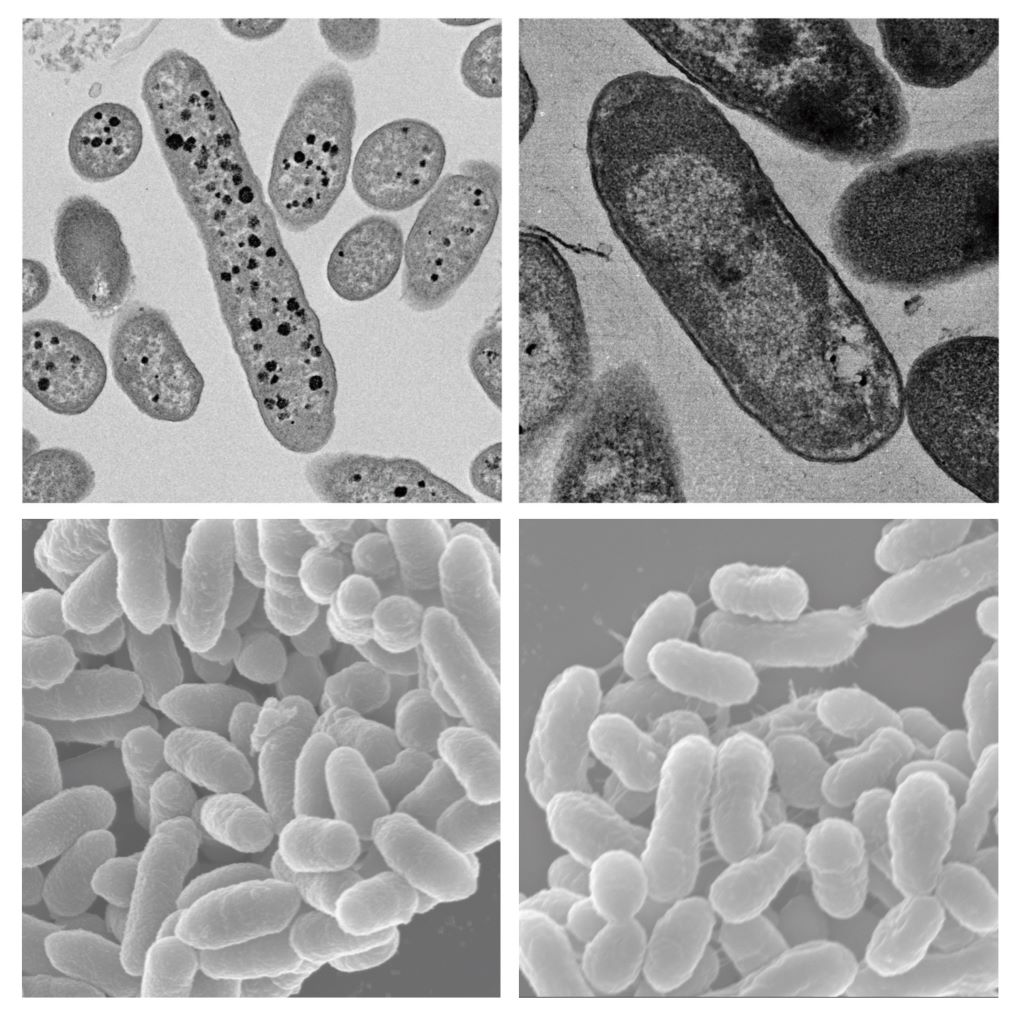
Gut Microbiome. Credit Darryl Leja National Human Genome Research Institute National Institutes Of Health

Nitrogen metabolism of gut bacteria can provide health benefits. Specifically, gut microbes metabolise dietary nitrates and nitrites and prevent the formation of cancer-causing compounds called nitrosamines. New research published in The FEBS Journal sheds light on these processes and pinpoints which types of bacteria are most important.

Investigators found that Escherichia coli – and to a lesser extent, species of the genera Lactobacillus, Bacteroides and Phocaeicola – can efficiently metabolise different forms of nitrogen, thus preventing carcinogenic nitrosamine formation. They also demonstrated that this bacterial processing is critical to enable microorganisms to survive and colonise the intestinal tract, likely preventing harmful changes in the composition of the gut microbiota.

The findings highlight the importance of the gut microbiota in preventing the formation of harmful nitrogen metabolites, potentially decreasing the risk of certain cancers. The study also illustrates how the microbiota facilitates crosstalk between our diet and the gut, thus having important implications for both health and disease.

“The discovery that specific gut bacteria rapidly metabolise nitrite suggests a protective mechanism through which the microbiota contributes to the maintenance of intestinal and systemic health,” said corresponding author Prof Uwe Deppenmeier, of the University of Bonn, in Germany.

Source: Wiley

Inexpensive Drug Could Prevent GI Bleeding and Slash ICU Costs

Photo by engin akyurt on Unsplash

A study led by McMaster University researchers shows that a widely available and inexpensive medication not only prevents potentially serious stomach bleeding in critically ill patients, but also saves hospitals thousands of dollars.

Published in JAMA Network Open on Dec. 1, 2025, the study is the first to demonstrate the economic benefits of the medication, pantoprazole, when prescribed in hospital for mechanically ventilated patients in the intensive care unit (ICU). These patients on life support are at high risk of upper gastrointestinal bleeding, a complication caused by stress-induced ulcers in the stomach that can prolong hospital stays and increase costs.

“In an era of rising health-care costs, interventions that are both clinically effective and cost-saving are rare. Pantoprazole checks both boxes,” said Feng Xie, lead author of the study and a professor in the Department of Health Research Methods, Evidence and Impact at McMaster.

The findings build on the landmark Re-evaluating the Inhibition of Stress Erosions (REVISE) Trial led by McMaster, which established pantoprazole’s clinical effectiveness in preventing bleeding. The trial was run in 68 centres in eight countries and over 4800 patients were enrolled.

Until now, the economic impact of prescribing pantoprazole each day for patients on breathing machines had been unclear. The researchers conducted a cost-effectiveness analysis using international data from the REVISE trial, comparing outcomes and resource use between patients who received pantoprazole daily and those who did not. The results have significant implications for critical care practitioners, pharmacy departments, and policymakers.

“Pantoprazole costs between 50 cents and two dollars per dose across the country, yet our analysis showed how prescribing it to invasively ventilated patients can save healthcare resources by reducing bleeding events and reducing length of stay in the intensive care unit  and hospital,” said senior author Deborah Cook, a professor in the Department of Medicine at McMaster.

“In the expensive, high-technology ICU setting, this is a simple, low-cost intervention that improves outcomes and reduces health-care costs,” adds Cook, a critical care physician practising at St. Joseph’s Healthcare Hamilton.

Source: McMasters University

New Research May Help Doctors Identify Coeliac Disease Earlier in Kids with T1D

Photo by cottonbro studio

Children diagnosed with type 1 diabetes (T1D) face more than just managing their blood sugar. They are also at a higher lifelong risk of developing coeliac disease. Because of this, regular screening is recommended to catch coeliac disease early in kids with T1D.

A new article published in Clinical Chemistry takes a closer look at how blood tests for coeliac disease can be used more effectively in this group of patients. In celiac disease, elevated TTG-IgA antibodies are often the first step in the diagnostic process. If blood levels of TTG-IgA are elevated, patients are typically sent for a biopsy to confirm coeliac disease. In kids with T1D, this can be a bit more complicated. In children with T1D, TTG-IgA antibody levels can fluctuate, and there hasn’t been a clear cutoff for when a biopsy is truly necessary.

Researchers studied nearly 600 children with T1D and found that using a cutoff of six times the normal limit gave the best balance of accuracy, which performed better than the older cutoff of 11 times the normal limit. The study also showed that kids who developed celiac disease soon after being diagnosed with T1D often had higher antibody levels right away, while those who developed celiac disease later had lower levels in the beginning. This highlights the importance of testing at the time of T1D diagnosis and continuing to monitor regularly, even if early test results aren’t extremely high.

“Our article looked at recent work investigating serologic assays’ efficacies in pediatric patients with type 1 diabetes. We found that recent data such as those seen in Muller et al.’s study (2025) suggest that lower transglutaminase elevations can portend coeliac disease in this population than previously thought, and the disease remains considerably prevalent among patients with T1d. As such it is crucial to actively evaluate for CeD in T1d patients, and the serologies provide an excellent tool for doing so,” said study author Dr Andrew M. Ford.

For families, the key takeaway is that regular screening matters, and doctors are working to fine-tune how these tests are used so children with both T1D and coeliac disease can be diagnosed as early and accurately as possible.

Source: Celiac Disease Foundation