Category: Gastrointestinal

No Evidence of a Link Between Gut Microbiome and Autism

Photo by Peter Burdon on Unsplash

There’s no scientific evidence that the gut microbiome causes autism, a group of scientists argue in an opinion paper published in the international Cell Press journal Neuron.

They say conclusions from past research that supported this hypothesis – including observational studies, mouse models of autism, and human clinical trials – are undermined by flawed assumptions, small sample sizes, and inappropriate statistical methods. 

“Despite what you’ve heard, read, or watched on Netflix, there is no evidence that the microbiome causally contributes to autism,” says first author and developmental neurobiologist Prof Kevin Mitchell from Trinity. 

The hypothesis that autism is caused, at least partially, by the gut microbiome stems from the fact that many people with autism suffer from gastrointestinal symptoms. 

In addition, the recent rise in autism diagnoses has led some to believe that environmental or behavioural changes are driving an increase in autism, though the authors note there is strong evidence that the rise in diagnoses reflects increased awareness and broadened diagnostic criteria rather than a biological mechanism.

Nevertheless, researchers have pursued the microbiome-autism hypothesis by comparing the gut microbiomes of people with and without autism, by studying mouse models of autism, and by conducting clinical trials involving people with autism. The authors argue that in all of these studies, the results are flawed and unconvincing.

“There’s variability in all three of those areas, and the studies just don’t form a coherent story at all,” says senior author and developmental neuropsychologist Dorothy Bishop of the University of Oxford. 

In the most highly cited studies comparing the gut microbiomes of people with and without autism, researchers used sample sizes ranging from 7 to 43 individuals per group, whereas statistical recommendations call for sample sizes in the thousands.

“Autism is not rare, so there’s no reason to be having studies with only 20, 30, or 40 participants,” says co-author and biostatistician Darren Dahly of the University College Cork.

These studies also used varying methods to characterise microbiome composition, which makes their results difficult to compare. And although some studies found differences between the microbiomes of people with autism and controls, these differences were often contradictory—for example, some studies found lower microbial diversity in the guts of people with autism, while others found the opposite.

These differences also disappeared when the studies accounted for other variables, such as diet, or when they compared the microbiomes of children with autism with their neurotypical siblings. 

“If anything, there is stronger evidence for a reverse causal effect, in that having autism can affect someone’s diet, which can affect their microbiome,” says Prof Mitchell.

Mouse models of autism that have claimed to show a link between the gut microbiome and autism are also unconvincing, the researchers say, because of behavioural, cognitive, and physiological differences between humans and mice. 

“There’s no evidence that ‘autistic-like’ behaviours in mice models have any relevance to autism, and the experiments themselves had methodological and statistical flaws that undermine their claims,” says Prof Mitchell.

Several human clinical trials have tested the microbiome-autism hypothesis by performing faecal transplants or by administering probiotic therapies to people with autism and then monitoring changes in their characteristics. Again, the researchers say that most of these studies used inadequate sample sizes and inappropriate statistical methods that undermine their findings, and many didn’t use a control group or randomisation.

 “The consensus across the studies that we surveyed is that when you do the trials properly, you don’t see anything,” says Dahly.

Based on the lack of convincing evidence, and the lack of progress in the field, the researchers argue the hypothesis that the microbiome causes autism has reached a dead end.

“If you accept our message, there’s two ways you can go. One is to just stop working on this area, which is something that we would be quite happy to see,” says Bishop. “But given that realistically, people are not going to stop, they need to at least start doing these studies in a much more rigorous way.” 

Source: Trinity College Dublin

‘Synbiotic’ Offers Superior Anti-inflammatory Benefits to Omega-3 or Prebiotic Alone

Photo by Aleksander Saks on Unsplash

A new study, led by experts at the University of Nottingham, has found that combining certain types of dietary supplements is more effective than single prebiotics or omega-3 in supporting immune and metabolic health, which could lower the risk of conditions linked to chronic inflammation.

The findings of the study, which are published in the Journal of Translational Medicineshow that a synbiotic – a combination of naturally fermented kefir and a diverse prebiotic fibre mix – produces the most powerful anti-inflammatory effects among the three common dietary supplements tested.

The kefir and prebiotic mix contains a mx of naturally occurring probiotic bacteria and yeasts, which form during the traditional fermentation of goat’s milk with live kefir grains. These grains are living cultures that house dozens of beneficial microbial species.

When you combine kefir (rich in live beneficial microbes) with a diverse prebiotic fibre (which feeds them), there is a synbiotic effect – the fibre nourishes the microbes, helping them thrive and produce beneficial metabolites like butyrate, which has anti-inflammatory and immune-modulating effects throughout the body.

Over six weeks, healthy participants taking the synbiotic saw the broadest reduction in inflammation-related proteins compared to those taking omega-3 or fibre alone. The findings suggest that pairing beneficial microbes with prebiotic fibre could help support immune and metabolic health more effectively than single supplements.

Systemic inflammatory markers are signals in the blood that show how much inflammation is happening throughout the body, not just in one specific area like the gut or an infection. The findings of the study showed that the participants’ overall levels of inflammation across their whole body went down, suggesting an improvement in general immune balance and lower risk for conditions linked to chronic inflammation (like heart disease or other metabolic conditions).

The next stage of the research would be to test the supplements on people with certain conditions to see the effectiveness.

The study was led by Dr Amrita Vijay in the School of Medicine at the University of Nottingham. 

Our study shows that while all three dietary approaches reduced inflammation, the synbiotic – combining fermented kefir with a diverse prebiotic fibre mix – had the most powerful and wide-ranging effects. This suggests that the interaction between beneficial microbes and dietary fibre may be key to supporting immune balance and metabolic health.

Dr Amrita Vijay

Source: University of Nottingham

New Expanding Pill for Weight Loss Reduces Hunger Cravings

An illustration showing how Sirona works. Image credit: Oxford Medical Products

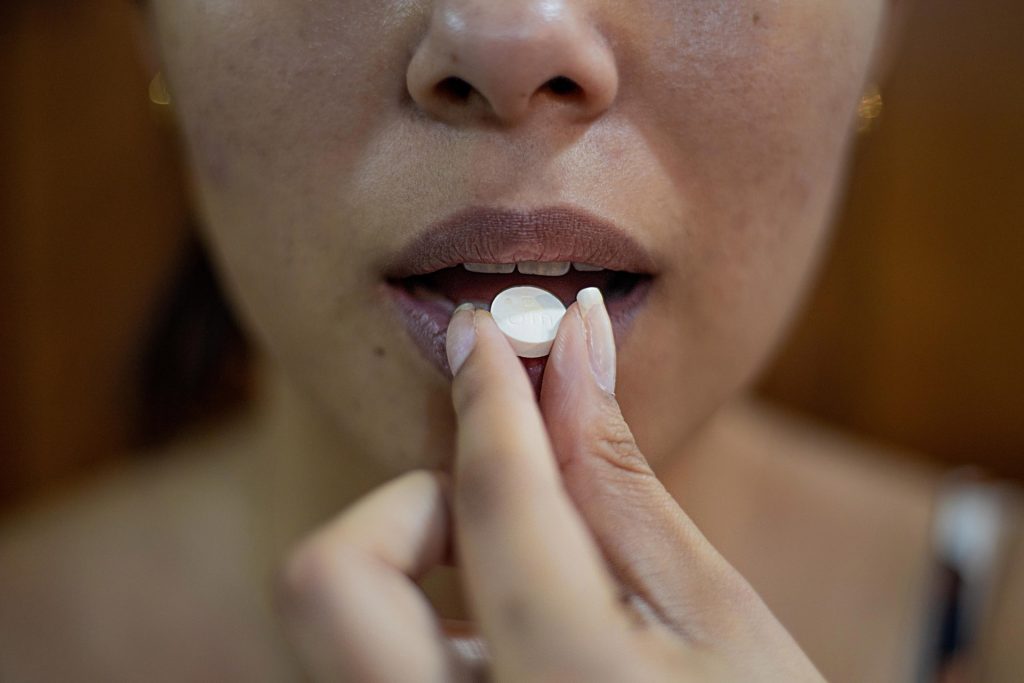
An innovative new pill could soon offer a new and affordable weight management treatment, following a successful clinical trial involving University of Bristol researchers and supported by the National Institute for Health and Care Research (NIHR). The results are published in the journal Obesity.

Sirona by Oxford Medical Products is a hydrogel-based pill that is designed to aid weight loss by reducing hunger.  After it is swallowed, the pill expands in the stomach, leading to faster satiety. This helps individuals to eat less without needing strong medications or injections.

Thirty-nine participants in Southampton took part at the NIHR Southampton Clinical Research Facility.

In the trial, funded by Innovate UK, participants lost up to 13.5% of their body weight in just six months. On average, people with class 1 obesity (BMI 30-35) lost 6.4% of their body weight.

Participants also ate on average 400 fewer calories per day compared to those taking a placebo. For context, recent Government-led research suggests that even a 216-calorie daily reduction could cut the UK’s obesity rate in half.

The trial was led by chief investigator Professor James Byrne in the NIHR Southampton Biomedical Research Centre.

Mr Byrne, a consultant surgeon at University Hospital Southampton, said: “Obesity is a chronic and often progressive disease. With obesity rates continuing to rise, these results are an important step towards providing a different treatment option.

“This trial demonstrated Sirona could be a safe, affordable, and non-pharmacological treatment to support long-term weight management.”

Sirona will be accessible to anyone with a BMI 25-40, which means Sirona is particularly well-suited to help two key patient types. Firstly, for patients with an overweight BMI (25–30), allowing them to proactively manage their weight and to avoid progressing into obesity and the serious health problems it can bring. Secondly, it is suitable for use as an ‘off-ramp’ for GLP-1 users looking to come off treatment but prevent weight regain, which often occurs once GLP-1 medication ceases.

GLP-1 medications have become very popular for weight loss, with around 1.5 million users in the UK. However, a significant proportion of users pay out of pocket and prices have recently doubled in the UK for some doses of Mounjaro.

Camilla Easter, CEO of Oxford Medical Products, added: “GLP-1 medications perform an important role in helping those with a BMI in the obese range to lose weight and reduce weight-related health risks. There is, however, a real opportunity for a new style of treatment to work in a complementary way to GLP-1s, in a format that is significantly less expensive, and with better tolerability and therefore more accessible for the majority.

“Sirona has demonstrated amazing results during testing with UK hospitals, which have now been externally peer-reviewed. Next, we are setting sights on commercial UK release plans, targeting 2027 to make Sirona available.”

Sirona is a dual-polymer hydrogel pill. That means it’s made from two types of safe materials that expand in the stomach. It doesn’t use drugs or chemicals to change how your body works.

The pill was well tolerated during the 24-week study. There were no serious adverse events. Participants lost up to 13.5% of their body weight in just 24 weeks, and individuals with class 1 obesity (BMI 30-35) lost 6.4% of their body weight on average.

Importantly, no serious adverse events were reported during the trial. Sirona was well tolerated (95 percent of patients adhered to the dosing regimen at 12 weeks) and demonstrated a fantastic safety and side effect profile. This makes Sirona appropriate for patients who have struggled with adverse side effects when using GLP-1 medications. 

OMP is planning a pivotal study in the UK and USA to further assess the effectiveness of Sirona and confirm these results. The novel weight loss treatment will aim for a 2027 UK commercial launch.

Source: University of Bristol

…er/weight-loss-pill.html↗

New Swedish Study Challenges Early Surgery for Crohn’s Disease

Photo by cottonbro studio

A new study from Karolinska Institutet challenges previous findings that suggested early surgery is more beneficial in the long term than medical treatment for patients with Crohn’s disease. The study replicates a Danish registry study using Swedish data and finds that the results are not comparable. The study was published in Clinical Gastroenterology and Hepatology.

A few years ago, a randomised controlled trial showed that early ileocecal resection – removal of the junction between the small and large intestine – could be a reasonable alternative to advanced drug therapy for patients with Crohn’s disease. This study gained significant attention and was widely discussed around the world. Recently, a Danish research group published a registry-based study in the journal Gastroenterology, concluding that real-world data showed that early ileocecal resection was clearly superior to medical treatment in the long term.

In the new Swedish study, researchers attempted to replicate the Danish study using nationwide  Swedish registry data. They found that it is impossible to identify comparable populations in current observational data, as patients who underwent surgery or received medication during the study period differ according to existing treatment guidelines.

“It’s a comparison of apples and oranges,” says Ola Olén, professor at the Department of Medicine, Solna, Karolinska Institutet, who led the study.

The Danish researchers made several design choices that further reduced the comparability between the groups. When the Swedish researchers applied the same definitions as the Danish study, they obtained similar results. However, when they used stricter definitions that more closely resembled the original randomized study, they no longer found a significant difference between the groups.

“We argue that the Danish study cannot be interpreted as proof that early surgery is better. That may very well be the case, but the data we currently have simply cannot answer that question,” says Ola Olén.

Source: Karolinska Institutet

Special Lactic Acids Reduce Antibiotic Resistance in Infants

Photo by William Fortunato on Pexels

Infants with high levels of antibiotic-resistant bacteria face a greater risk to their health if they need to be treated with antibiotics when they contract infectious diseases during their first year of life. Now, researchers at the Technical University of Denmark have discovered a way to combat antibiotic-resistant bacteria by nourishing a special subgroup of bifidobacteria found in the gut.

The research project, recently published in the renowned journal Nature Communications, points to a new, natural strategy for combating antibiotic resistance: supporting the good bacteria in the gut from the very first months of life.

“We document that special lactic acids produced by bifidobacteria play a key role in keeping antibiotic-resistant bacteria at bay, which is important for reducing the risk of resistance genes being transferred to other bacteria in the gut. Resistance genes can jump from one type of bacteria to another, and the more bacteria with resistance that are present in the gut, the greater the chance that they will encounter other bacteria and transfer resistance genes to them,” says postdoc Ioanna Chatzigiannidou from DTU Bioengineering, who participated in the research project.

The study of gut bacteria is based on 547 stool samples from 56 children and their mothers, who were followed over a five-year period.

A matter of life and death for infants

Professor Susanne Brix Pedersen from DTU Bioengineering is the head of the research project and explains that the new knowledge about bifidobacteria can be better utilized in society when researchers have developed a rapid test for use in the first weeks of a child’s life, so that parents can check whether their child already has these bifidobacteria naturally or would benefit from receiving a supplement containing them.

“It will be very important if we can strengthen their ability to handle antibiotic-resistant bacteria from the first weeks of a child’s life. This is especially true in the first year of life where infants are exposed to many infectious diseases due to an immature immune system, and when it is a matter of life and death if they have many antibiotic-resistant bacteria, for instance the pneumonia bacteria Klebsiella pneumoniae, making it difficult to treat pneumonia with certain antibiotics,” says Susanne Brix Pedersen.

There is a lot of research into antibiotic resistance, and Susanne Brix Pedersen is also involved in another study, BEGIN, which is based in the paediatric department at Aarhus University Hospital, where researchers are investigating whether a dietary supplement containing beneficial bifidobacteria can strengthen the immune system of newborn babies. So far, the trial has involved 300 women and their newborn babies, who are given either a placebo or a dietary supplement containing the special bifidobacteria.

Source: Technical University of Denmark

Red Meat Aggravates IBD by Altering the Gut Microbiome

Photo by Jose Ignacio Pompe on Unsplash

Epidemiological studies have revealed a strong correlation between red meat consumption and the development of inflammatory bowel disease. In a new study published in Molecular Nutrition and Food Research that was conducted in mice, red meat consumption caused an imbalance of bacteria in the intestinal microbiota. 

Investigators fed mice various kinds of red meat, including pork, beef, and mutton, for two weeks, and then they induced colitis with 2.5% dextran sulfate sodium. Intake of these three red meat diets exacerbated colonic inflammation. Analyses revealed an overproduction of pro-inflammatory cytokines and infiltration of immune cells in the colon of mice fed red meat diets. 

These diets led to a marked decrease in the relative abundance of StreptococcusAkkermansiaFaecalibacterium, and Lactococcus bacterial strains, coupled with an increase in Clostridium and Mucispirillum.  

“This study contributes to improving food innervation approaches for inflammatory bowel disease treatment and indicates a close crosstalk among diet, gut microbiota, and intestinal immunity,” said co–corresponding author Dan Tian, MD, PhD, of Capital Medical University, in China. 

Source: Wiley

Scientists Find Few Links Between Cancer and Microbiome

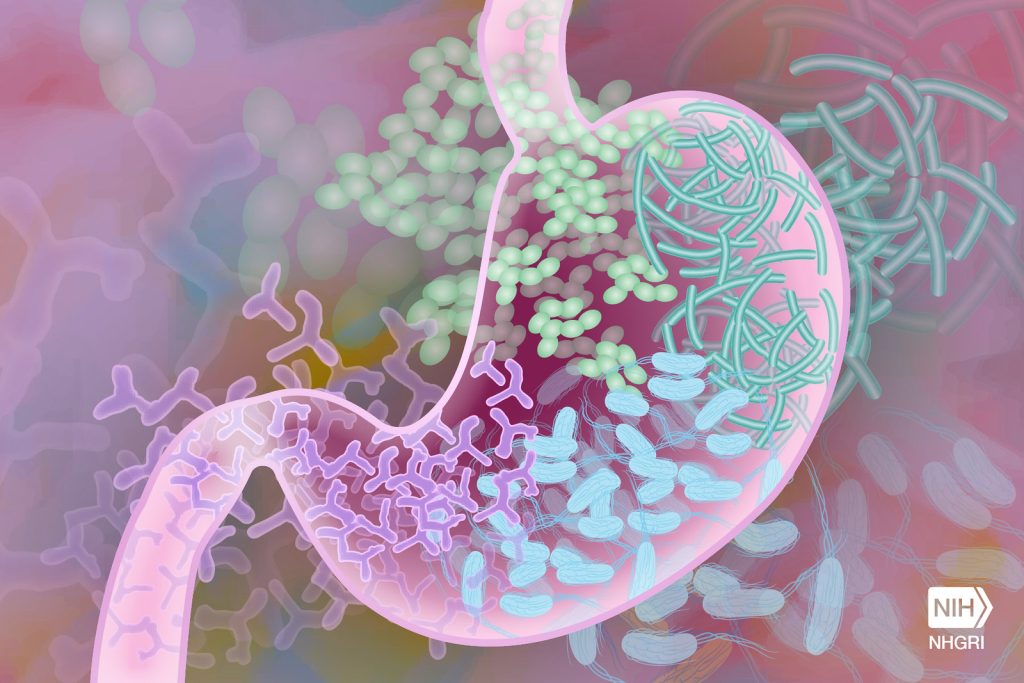
Gut Microbiome. Credit Darryl Leja National Human Genome Research Institute National Institutes Of Health

About a dozen studies in the past five years have made claims linking nearly every type of human cancer with the presence of microbiomes, “communities” of bacteria, viruses and fungi that live in or on peoples’ bodies. Now, scientists at Johns Hopkins Medicine say a study that sequenced human cancers found far less microbial DNA sequences than earlier studies reported in the same cancer tissue samples.

“It’s the nature of science to validate, confirm and reproduce findings,” says Steven Salzberg, PhD, Professor of Biomedical Engineering, Computer Science, and Biostatistics at The Johns Hopkins University. “Over time, we see a more complete picture of new research, and in this case, we did not find any associations between microbiomes and many types of cancer.”

Salzberg says details of the new study, published Sept. 3 in Science Translational Medicine, surveyed the whole genome sequences generated from 5734 tissue samples collected from 25 cancer types and stored in a large National Cancer Institute-funded database, The Cancer Genome Atlas (TCGA). About half of the samples are from normal tissues and blood, the other half from solid tumours and blood-based cancers.

The TCGA’s whole genome sequencing data contains millions of chopped up pieces of DNA molecules, known as reads, from each tissue sample. The original goal of the TCGA studies was to identify mutations in the DNA sequence of genes that might be associated with various cancer types. Sometimes, though, the original tumors might have microbes in them, and the reads could be used to identify those microbes.

Because reads often contain contaminants from bits of DNA left behind in sequencing machinery or picked up from the air or surfaces, samples can acquire DNA from those sources, as well as from the original tumour tissues. Salzberg says extraordinary efforts were made to identify such contaminants, preventing their study from displaying false results.

To rule out contaminants, Salzberg and his team relied on extensive experience with genomic sequencing and careful analysis of control samples to identify reads belonging to sequences known or highly likely to have contaminated samples.  

For the current study, a continuation of one that the Johns Hopkins team published in 2023, Salzberg and first author Yuchen “Peter” Ge, a graduate student in biomedical engineering at Johns Hopkins, removed human DNA sequences from the TCGA data sets by mapping each read against two human reference genomes – one from the Telomere-to-Telomere (T2T) project and another from the Genome Reference Consortium.

After removing human DNA, the research team was left with, on average, 2.4 million reads per sample, or about 0.35% of the total 6.5 billion tumour sample reads. Of these, the research team found 323 million human DNA reads that weren’t eliminated in the first pass and 986 million reads they classified as contaminants.

They next compared the remaining sequencing reads against a database containing 50 651 genomes representing 30,355 species of bacteria, viruses, fungi and archaea (single-celled organisms that aren’t bacteria or viruses).

After removing human DNA sequences and contaminants, the average proportion of microbial DNA reads in solid tumour samples was 0.57% and 0.73% in blood cancers.

The Johns Hopkins researchers then compared their new results to a study published five years ago in the journal Nature [since retracted, because of concerns about contaminants in the microbial data], and found the previous study identified 56 times as many microbial reads as the new study for half of the total microbial reads. And 5% of the time, the previous study found 9,000 times the number of microbial reads as the current Johns Hopkins study. Salzberg says the microbial reads in the retracted study were highly likely to be contaminants.

“This disparity in the number of microbial reads didn’t occur in just a few samples,” says Salzberg. “Over the whole study, the previous researchers found far more microbial reads than we did.”

In another comparison of a study published in Cell in 2022 and the current Johns Hopkins work, the 2022 study reported fungal DNA amounts that were hundreds of times more than what was found in the current Johns Hopkins study, largely due to contaminants.

Among the DNA samples in the current Johns Hopkins study, in which they did find microbiome DNA, the researchers found microbes that have long been linked with human cancer, such as HPV (linked with cervical and some head and neck cancers), Helicobacter pylori (linked to stomach cancer), and Fusobacterium nucleatum and Bacteroides fragilis (linked with GI cancers).

The current Johns Hopkins study and the previous ones published in Cell and Nature reported microbiomes of Saccharomyces cerevisiae, commonly known as baker’s yeast. “It’s one of the most common contaminants in sequencing labs,” says Salzberg. They also found a virus that infects plant fungi, Rosellinia necatrix partitivirus 8, which has no known link to human disease.

Salzberg said the need to carefully document claims about the links between cancer and microbiomes is “especially important” as efforts ramp up to diagnose cancers early using microbiome information.

The Johns Hopkins researchers have made their sequencing analysis data available online to other scientists in the supplementary materials in Science Translational Medicine and online.

Source: Johns Hopkins Medicine

Scrolling While on the Toilet Linked to Higher Risk of Haemorrhoids

New study supports anecdotal claims about the risks of using a smartphone during toilet time

Photo by Jan Antonin Kolar on Unsplash

Survey participants who reported using a smartphone while on the toilet had a higher risk of haemorrhoids than non-users. Chethan Ramprasad of Beth Israel Deaconess Medical Center, U.S., and colleagues present these findings in a new study in the open-access journal PLOS One on September 3, 2025.

Every year in the US, haemorrhoids lead to nearly 4 million visits to the doctor or emergency room and more than $800 million in healthcare spending. Haemorrhoids involve swollen veins in the anal or rectal area and can cause pain and bleeding. Anecdotal evidence has linked smartphone use on the toilet with increased risk of haemorrhoids.

However, few studies have explored whether smartphone use on the toilet is actually associated with haemorrhoid risk. To help clarify, Ramprasad and colleagues conducted a study of 125 adults undergoing screening colonoscopy. The participants answered online survey questions about their lifestyle and toilet habits, and endoscopists evaluated them for haemorrhoids.

Among all participants, 66% reported using smartphones on the toilet, and they tended to be younger than non-users. After statistically accounting for other factors thought to possibly be linked with haemorrhoid risk – such as exercise habits, age, and fibre intake – the researchers found that participants who used a smartphone on the toilet had a 46% higher risk of haemorrhoids than non-users.

Time spent on the toilet was significantly higher for smartphone users than non-users; 37% of smartphone users spent more than 5 minutes at a time on the toilet compared to just 7.1% of non-users. Reading news and using social media were the most commonly reported smartphone activities on the toilet. Interestingly, straining while using the toilet was not associated with increased haemorrhoid risk, in contrast to some prior studies.

On the basis of the findings, the researchers suggest that smartphone use may inadvertently prolong toilet time, potentially increasing pressure in anal tissues, which may then lead to haemorrhoids.

This study could help inform clinicians’ recommendations to patients. Future research could also expand on these findings, such as by tracking patients over time and exploring interventions to limit prolonged smartphone use on the toilet. 

Trisha Pasricha, senior author of the study, adds: “Using a smartphone while on the toilet was linked to a 46 per cent increased chance of having haemorrhoids. We’re still uncovering the many ways smartphones and our modern way of life impact our health. It’s possible that how and where we use them – such as while in the bathroom –can have unintended consequences.

“This study bolsters advice to people in general to leave the smartphones outside the bathroom and to try to spend no more than a few minutes to have a bowel movement. If it’s taking longer, ask yourself why. Was it because having a bowel movement was really so difficult, or was it because my focus was elsewhere?

“It’s incredibly easy to lose track of time when we’re scrolling on our smartphones – popular apps are designed entirely for that purpose. But it’s possible that constantly sitting longer on the toilet than you intended because you’re distracted by your smartphone could increase your risk of haemorrhoids. We need to study this further, but it’s a safe suggestion to leave the smartphone outside the bathroom when you need to have a bowel movement.”

Provided by PLOS

Research Uncovers Why IBD Causes Blood Clots – and How to Prevent Them

Irritable bowel syndrome. Credit: Scientific Animations CC4.0

Rates of inflammatory bowel disease are rising, and there’s currently no cure. IBD can also be deadly: up to 8% of people with the disease develop blood clots, which can lead to heart attack and stroke. New research has uncovered why blood clotting malfunctions in IBD – and identified drugs that normalise blood clotting in human cells and animal models of IBD.

“We think we can leverage these findings to reduce inflammation and the risk of blood clots,” says senior author Aaron Petrey, PhD, assistant professor of microbiology and immunology at University of Utah Health, associate director of the U’s Molecular Medicine Program.  “This could be lifesaving.”
 
The results are published in Blood.

Clotting with the brakes off

Most research into IBD has focused on immune cells. But blood cells called platelets are another key contributor to IBD symptoms. In healthy people, platelets clump together into clots in response to injuries to stop bleeding, and don’t form clots otherwise. But in patients with IBD, platelets are on a hair trigger, ready to form clots at the slightest provocation.

Surprisingly, platelets from IBD patients weren’t clotting via the normal pathways that trigger clotting, says first author Rebecca Mellema, PhD, pathology postdoc. “It’s completely independent of what we would expect.”

“There’s an innate mechanism by blood vessels to tell platelets to stay quiet and not form a clot yet,” Petrey explains. “Once there’s injury or inflammation, that signal can switch over and tell them to form a clot. That’s the process that’s broken in IBD patients.”

IBD platelets appear to clot more often because they don’t have enough of a key protein called layilin, the researchers found. In healthy people, layilin acts as a molecular brake for clotting: it senses the difference between healthy and injured blood vessels and prevents platelets from clotting as long as blood vessels are intact.

But when the researchers deleted the layilin gene in mice, the brakes came off. Without layilin, platelets were extra sticky, forming clots when they shouldn’t.

The researchers also found that platelets from IBD patients only had about 60% of the layilin protein that they should, leaving them constantly on the verge of clotting. 

A promising drug target

Layilin prevents unwanted clotting by tamping down the activity of a clot-triggering molecule called Rac1. In mice without the layilin gene – and in people with IBD – Rac1 is always a little bit too active, which means platelets are too prone to forming clots.

But there’s good news. Drugs that prevent Rac1 activity are already in clinical trials for other conditions, and the researchers’ results suggest that these Rac1 inhibitors could be powerful therapeutics for IBD.

One Rac1 inhibitor reduced excessive clotting in human platelets in a dish. The inhibitor also decreased the level of tissue damage in the gut in a mouse model of IBD.

Promisingly, the drug decreased clotting in platelets from IBD patients even more strongly than it affected healthy cells. “We have shown a hyperactivation pathway in resting IBD patient platelets, but they’re also incredibly sensitive to treatment, moreso than those from a healthy person,” Mellema says.

Normalizing Rac1 activity might not only reduce the risk of heart attack and stroke—it could also help alleviate day-to-day IBD symptoms, the researchers say. Excessive clotting can block blood flow in the gut and make inflammation worse, which means that preventing clotting could reduce inflammation.

Unlike established anti-clotting drugs, the researchers say, Rac1 inhibitors shouldn’t lead to an increased risk of dangerous bleeding, which is a serious concern for IBD patients with chronic inflammation. Blocking Rac1 won’t interfere with other, independent pathways that can trigger platelet clotting, so the cells should still be able to form needed clots in response to injury. 

“We’re targeting a pathway that is not pre-activated in healthy people,” Petrey says. “So we can address that step of the pathway, and if there’s a significant injury, the platelets can overcome that inhibition.”

Other groups had been looking into the potential of Rac1 inhibitors to reduce inflammation in IBD. The new work emphasises the potential of these drugs to address multiple symptoms. “Paying more attention to what we can do to address these blood clotting risks could significantly improve patient lives,” Petrey says.

Source: University of Utah Health

Chicken and Egg: Which Comes First, Epstein–Barr Virus or Crohn’s Disease?

Irritable bowel syndrome. Credit: Scientific Animations CC4.0

Crohn’s disease, a debilitating inflammatory bowel disease, has many known contributing factors, including bacterial changes in the microbiome that foster an inflammatory environment. Now, for the first time, Crohn’s disease has been tied to a virus – specifically, Epstein-Barr virus (EBV), best known for causing infectious mononucleosis (mono).

Researchers had already observed increased levels of EBV in the intestine of patients with Crohn’s disease and had also found associations between EBV and autoimmune diseases other than Crohn’s, including lupusmultiple sclerosis, and rheumatoid arthritis.

But which came first? EBV or Crohn’s disease?

‘It was a classic chicken and egg problem,” says Anubhab Nandy, PhD, a research fellow in the Division of Gastroenterology, Hepatology, and Nutrition at Boston Children’s Hospital.

A longitudinal study just published in Gastroenterology systematically looked at the role of viruses in Crohn’s and found strong evidence that EBV infection predisposes people to develop Crohn’s.

Tracking EBV and Crohn’s

Nandy and colleagues analyzed data from a cohort of initially healthy military recruits, aged 20 to 24, who provided periodic serum samples throughout their service. They tested the samples with VirScan, a high-throughput assay developed by study coauthor Stephen Elledge, PhD, at Harvard Medical School. VirScan enables detection of antibodies against a wide range of viruses, providing insights into viral exposures.

Compared with healthy controls, military personnel whose samples were positive for anti-EBV antibodies were three times more likely to eventually develop Crohn’s disease. Interestingly, evidence of EBV exposure preceded their Crohn’s diagnosis by five to seven years.

“We went into this study not looking for EBV; we were looking for any virus that might elicit inflammatory bowel disease,” says Scott Snapper, MD, PhD, the study’s senior investigator and director of the Inflammatory Bowel Disease Center at Boston Children’s. “Then, when EBV was a hit, we looked very specifically at immune responses to EBV with more detailed tests.”

These tests bore out and strengthened the VirScan findings.

The team next looked for anti-EBV antibodies in a second cohort – more than 5000 children (median age; 11 years) who were first-degree relatives of people with Crohn’s disease. In this cohort, EBV was not a statistically significant predictor of a subsequent Crohn’s disease diagnosis. Snapper speculates that having first-degree relatives with Crohn’s could already have put them at increased risk due to shared genetic or environmental factors, muddying the association with EBV.

EBV and the immune system

Another possibility is that EBV affects children’s immune systems differently, perhaps because children are less likely to develop infectious mono when exposed. “Responding to certain organisms early in life may boost the immune system in a way that prevents immune-mediated disease,” Snapper says.

Nandy and Snapper now want to figure out what EBV does to people at a molecular level to make them more susceptible to Crohn’s disease.

One possibility is that the virus has certain genes or molecules that interact with human genes involved in susceptibility to autoimmune conditions. Another may relate to an anti-inflammatory protein produced by EBV, remarkably similar to mammalian IL-10. People exposed to that protein may make antibodies against it, preventing their own IL-10 from working and leaving them susceptible to inflammatory disease.

“Mechanistically, we need to understand exactly how EBV alters the immune system leading to Crohn’s disease,” Snapper says. “If you could figure out the mechanisms, you could come up with new therapies.”

Source: Boston Children’s Hospital