Category: Exercise

Lifestyle Changes Shown to Reduce Risk of Dementia

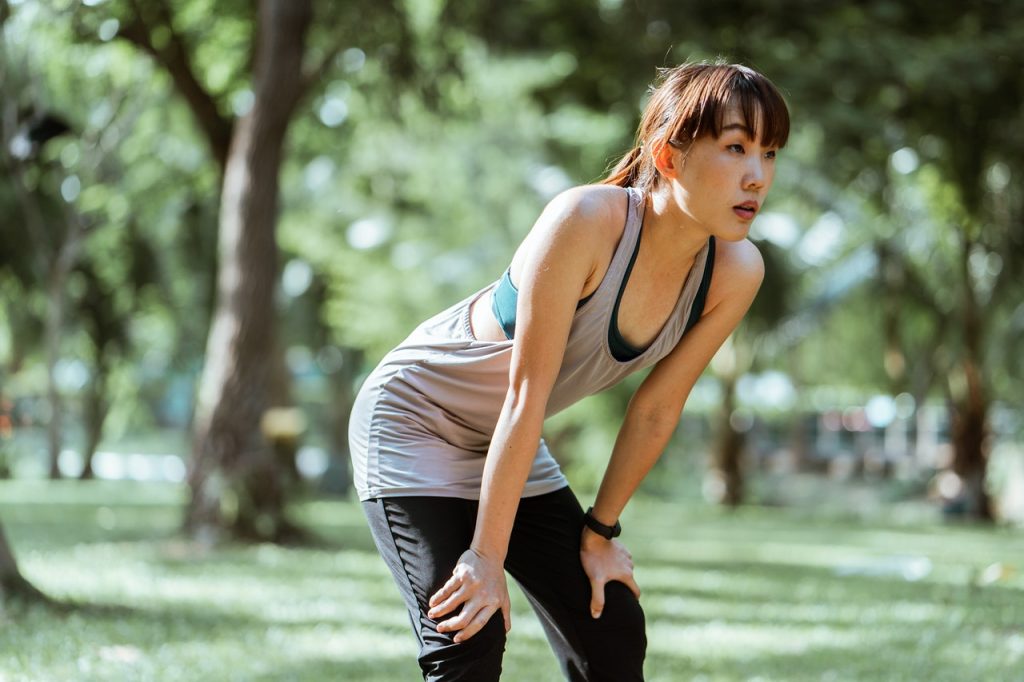
Photo by Ketut Subiyanto from Pexels

After almost two decades, a new drug for Alzheimer’s disease has been approved in the US. However, some experts say it doesn’t really work — only treating amyloid plaques which are thought to cause the disease — and worry that it may cost a lot.

The amount of attention around this news reflects the importance of preventing dementia, with its devastating toll on families and patients. But millions of adults could lower their chances of needing such a drug by taking preventative measures.

That’s why a national panel of experts including the University of Michigan’s Deborah Levine, MD, MPH, recently published a guide for primary care providers on this topic as an official Scientific Statement from the American Heart Association.

People dread Alzheimer’s disease, she said. Helping people understand that they can prevent or slow future dementia by taking specific steps now could motivate them to increase their healthy behaviours for a positive effect.

The first step is to recognise that dementia risk is higher among people with seven major modifiable risk factors.

These are: depression, hypertension, physical inactivity, diabetes, obesity, hyperlipidaemia, poor diet, smoking, social isolation, excessive alcohol use, sleep disorders and hearing loss. Addressing each of these factors can, to varying extents, help reduce the risk of developing dementia, a fact backed by decades of research.

The second step is using medication, lifestyle change and other interventions to help patients reduce their dementia risk.

“Dementia is not inevitable,” said Dr Levine, a primary care provider at the University of Michigan Health, part of Michigan Medicine. “Evidence is growing that people can better maintain brain health and prevent dementia by following healthy behaviours and controlling vascular risk factors.”

These strategies can help preserve cognitive function and lower risk for heart attacks and strokes, said Dr Levine, who heads the Cognitive Health Services Research Program and sees patients at the Frankel Cardiovascular Center.

“We need to address the significant disparities that lead women, Black, Hispanic and less-educated Americans to have a much higher risk of dementia,” said Levine, a member of the U-M Institute for Healthcare Policy and Innovation.

She added that it’s never too late in life to start working on cognitive risk factor control.

“We have no treatments that will halt dementia – so it’s important to protect your brain health.”

Source: University of Michigan

Tailored Heart Failure Rehabilitation Improves Outcomes

An innovative early cardiac rehabilitation intervention customised for the individual improved physical function, frailty, quality of life, and depression in hospitalised heart failure patients. 

Photo from Olivier Collett on Unsplash

These findings were published  in the New England Journal of Medicine and also presented at the American College of Cardiology’s 70th Annual Scientific Session.  

“Designing earlier and more personalised individual-specific approaches to heart failure rehab shows great promise for improving outcomes for this common but complex condition that is one of the leading causes of hospitalisation for older adults,” said National Institute on Aging (NIA) Director Richard J Hodes, MD. “These results mark encouraging progress on a path to better overall quality of life and physical function for the millions of older Americans who develop heart failure each year.”

The study team was led by Dalane W Kitzman, MD, professor of cardiovascular medicine and geriatrics/gerontology at Wake Forest School of Medicine, Winston-Salem, North Carolina, and they followed 349 clinical trial participants with heart failure enrolled in “A Trial of Rehabilitation Therapy in Older Acute Heart Failure Patients” (REHAB-HF). On average, participants had five comorbidities that reduced of function — diabetes, obesity, high blood pressure, lung disease or kidney disease.

In an earlier pilot study, Kitzman and colleagues found striking deficits in strength, mobility and balance, along with the expected loss of endurance in older patients with acute heart failure, who were mostly fail or pre-fail. The team decided to focus on improving patients’ physical function, weakened already by chronic heart failure and age, and which was worsened by the traditional cardiac hospital experience involving lots of bedrest and resulting in loss of functions often persisting after discharge.

To address this. The REHAB-HF team designed earlier and more customised exercise programs focusing on improving balance, strength, mobility and endurance. They also began REHAB-HF during a patient’s hospital stay when possible rather than the usual six weeks post-discharge. After discharge, participants shifted to outpatient sessions three times per week for three months.

Compared to a control group getting usual cardiac rehab care, REHAB-HF participants showed significant gains in measures of physical functioning and overall quality of life, including tests for lower extremity function and mobility, and a six-minute walk test. Self-perception of their health status and depression improved in surveys compared to pre-trial baselines. Over 80% of REHAB-HF participants reported they were still doing their exercises six months after study completion.

“These findings will inform choices of heart failure rehabilitation strategies that could lead to better physical and emotional outcomes,” said Evan Hadley, M.D., director of NIA’s Division of Geriatrics and Clinical Gerontology. “Tailored interventions like REHAB-HF that target heart failure’s related decline in physical abilities can result in real overall benefits for patients.”

The study did not show significant differences in related clinical events including rates of hospital readmission for any reason or for heart-failure related rehospitalizations. The research team plans to further explore that and other issues through future expansions of REHAB-HF into larger and longer-term trials with broader participant subgroups.

Source: National Institute on Aging

Journal information: Kitzman et al. Rehabilitation Intervention in Older Patients with Acute Heart Failure with Preserved versus Reduced Ejection Fraction. New England Journal of Medicine. 2021 May 16 doi: 10.1056/NEJMoa2026141.

Pink Drinks Make You Run Faster

A new study led by the shows that sweetened pink drinks — purely as a result of their colour — can help people run faster and further compared to clear sweetened drinks.

The study, led by Centre for Nutraceuticals in the University of Westminster, found that a pink drink can raise exercise performance by 4.4% and can also bolster a ‘feel good’ effect, possibly making exercise seem less difficult. The findings were published in the journal Frontiers in Nutrition.

This marks the first investigation to assess the effect of drink colour on exercise performance and could open up a new avenue of future research in the field of sports drinks and exercise. Interest in colour and exercise performance had already resulted in studies, such as wearing red-coloured glasses during exercise which were found to raise testosterone but not performance.

The study involved asking participants to run on a treadmill for 30 minutes at a self-selected pace, ensuring a consistent exertion. Throughout the exercise they rinsed their mouths with either a pink artificially sweetened low-calorie drink or a clear drink which was also artificially sweetened and low-calorie.

The drinks were identical in every respect aside from the addition of pink colouration to the one. Pink was selected as it is associated with perceived sweetness, therefore increasing expectations of sugar and carbohydrate intake.

In prior research, it was found that rinsing the mouth with carbohydrates can improve exercise performance by reducing the perceived exercise intensity, so the researchers wanted to see whether rinsing with a pink drink with no carbohydrate stimulus could create a similar result through the placebo effect.

The results show that the participants ran an average 212 metres further with the pink drink while their mean speed during the exercise test also increased by 4.4 %. Feelings of pleasure were also improved, meaning participants found running more enjoyable.

Additional investigations will be needed to understand whether the proposed placebo effect causes a similar activation to the reward areas of the brain that are commonly reported when rinsing the mouth with carbohydrates. 

“The influence of colour on athletic performance has received interest previously, from its effect on a sportsperson’s kit to its impact on testosterone and muscular power,”  said corresponding author Dr Sanjoy Deb, University of Westminster. “Similarly, the role of colour in gastronomy has received widespread interest, with research published on how visual cues or colour can affect subsequent flavour perception when eating and drinking.

“The findings from our study combine the art of gastronomy with performance nutrition, as adding a pink colourant to an artificially sweetened solution not only enhanced the perception of sweetness, but also enhanced feelings of pleasure, self-selected running speed and distance covered during a run.”

Source: News-Medical.Net

Journal information: Brown, D. R., et al. (2021) Mouth Rinsing With a Pink Non-caloric, Artificially-Sweetened Solution Improves Self-Paced Running Performance and Feelings of Pleasure in Habitually Active Individuals. Frontiers in Nutrition. doi.org/10.3389/fnut.2021.678105.

Hiking Prescribed for Elderly Man Coping with Lockdown

When Jim Snodgrass, 84, was expecting to receive medication to treat his anxiety, he instead was simply given the phone number for the Ramblers, a UK-based society of nature walkers and hikers.

Dr Victor Jack said that he recognised that Jim needed “social connection” and not medication. Hiking itself also has a number of proven physical and psychological health benefits. Some may be immediate, such as decreased blood pressure, decreased stress levels, enhanced immune system functioning, and restored attention, or else occur over time, such as weight loss, decreased depression, and overall wellness.

During the first COVID lockdown in March 2020, Jim was on his own since his wife Sheila died six years previously, said he suffered a breakdown.

The grandfather-of-two said: “I was not feeling good as I was bothered with my nerves so I called the doctor and that’s when I burst into tears on the phone to the receptionist.

“She was so nice to me and got the doctor to call me. I was surprised when he didn’t give me any pills and instead gave me the number for the Ramblers.”

During lockdown doctors could give exemptions to people who lived on their own to meet one other person outside. Then last summer people were allowed to meet in groups to walk.

Presently in the UK, groups of 15 people are allowed to meet outside.

He said: “The Ramblers saved me during the last year of lockdowns. I don’t know where I would be without them with my nerves. Within two miles of walking I’m a different person. Dr Jack is an amazing man as he has saved me from my nerves in the lockdowns with this idea of his.”

Jim has walked 6.4 to 8 kilometres a day in the last year.

He said: “I even went out when the roads were icy and always stayed within a five mile radius of South Queensferry during the lockdowns. I hope my story helps someone else who is feeling bad so they know to join their local Ramblers group too.”

Dr Jack, of South Queensferry Medical Practice, told BBC Scotland his own experience with stress was used to inform Jim’s treatment.

“When Jim told me he liked walking but that he had been walking on his own I was aware that he was actually quite socially isolated as his wife had died,” Dr Jack explained. “He was benefitting from the physical part of walking but not the social side. A few years ago I joined a running club and found it very helpful for stress. This has made me recognise that any sports club has a benefit particularly through the social connection it provides.”

Dr Jack said he had seen numerous patients experiencing mental health issues during the lockdown, especially in those working from home.

Brendan Paddy, director of Ramblers Scotland, said: “Jim is truly an inspiration to us all. It’s amazing to see how he’s improved his health and happiness by getting active with his local South Queensferry Ramblers group.

“Clearly lockdown has been a hugely challenging time, yet we know that many more people like Jim are discovering the revitalising power of walking – with booming numbers enjoying Scotland’s outdoors. I’d urge anyone who’d like a bit more adventure, friendship and fresh air in their lives, to give the Ramblers a go.”

Source: BBC News

With Advanced ‘Vaporfly’ Shoes, Female Runners Close Gap with Males

Female and male runners in starting positions. Photo by Andrea Piacquadio from Pexels

A new paper found that Nike’s advanced ‘Vaporfly’ footwear reduced running times for both elite male and female competitors.

The introduction of the controversial Nike ‘Vaporfly’ shoes saw world records being broken and a marathon run in under two hours, prompting a review and subsequent ban on the high-tech shoes.

The study compared seasonal best times for elite male and female runners in three race categories—10 kilometres, half marathon and marathon races—from 2012 to 2019. Analysis showed a statistically significant decrease in race times after 2017, which coincided with the premiere of the Nike ‘Vaporfly’.

Female elite athletes appeared to gain the most benefit from the design improvement, which features a thicker, lighter foam and rigid plate along the midsole. Their seasonal best times between 2016 and 2019 fell anywhere from 1.7 to 2.3%, versus 0.6 to 1.5% for the men. In marathons, the new shoe technology improved times for females by about 2 minutes and 10 seconds, a 1.7% percent boost in performance.

“As far as chronometric performance is concerned, it is in our opinion a major advancement,” said lead author Dr Stéphane Bermon, director of the World Athletics Health and Science Department.

How the performance has been achieved is still mostly a mystery. The new shoe technology uses the latest generation of lightweight foam in the midsole, which provides the runner with a higher energy return. The embedded stiff plate in the midsole also contributes to maximising energy return in each step. The net effect is to propel the runner forward with greater ease.

The statistical gap between genders was unexpected, said Dr Bermon. One advantage could come down to weight between the sexes.

“Women are lighter and could possibly benefit more from the enhanced rebound effect achieved by the foam/stiff plate combination,” he said. “Their slightly different running pattern, compared to men, could represent a more favorable condition for this footwear technology to play its ergogenic role.”

A previous 2018 statistical analysis had already suggested a 3 to 4% decrease in half marathon and marathon race times based on hundreds of thousands of self-reported results. However, the present study was the first to compare the top seasonal best times for elite athletes.

While East African runners, like Ethiopian and Kenyan, make up the majority of the results as they have come to dominate the sport, the paper noted that non-East-African elite runners showed similar improvements in performance.

“These results confirm that advanced footwear technology has benefits to the elite male and female distance runners,” Dr Bermon said. “Whether this technology will be banned or simply controlled, as it is currently, is still to be decided by World Athletics.”

No immediate follow-up studies are planned, though Dr Bermon said additional research is needed into injury rates with the new footwear with mass adoption.

Source: Medical Xpress

Journal information: Stéphane Bermon et al, Effect of Advanced Shoe Technology on the Evolution of Road Race Times in Male and Female Elite Runners, Frontiers in Sports and Active Living (2021). DOI: 10.3389/fspor.2021.653173

Mental Health and Physical Activity Impacted by Pandemic

A study from McMaster University suggests that mental health has become both a barrier to and a motivator for physical activity.

Surveying over 1600 subjects, the researchers sought to understand the ways mental health, physical activity and sedentary behaviour have changed throughout the course of the pandemic and why. Their findings show that people want to be active to improve their mental health but find exercise difficult because of stress and anxiety. Previous research indicates that physical activity can contribute to the treatment of depression, while sedentary behaviour has a strong negative impact.
“Maintaining a regular exercise program is difficult at the best of times and the conditions surrounding the COVID-19 pandemic may be making it even more difficult,” said lead author Jennifer Heisz, associate professor at the Department of Kinesiology, McMaster University.

“Even though exercise comes with the promise of reducing anxiety, many respondents felt too anxious to exercise. Likewise, although exercise reduces depression, respondents who were more depressed were less motivated to get active, and lack of motivation is a symptom of depression,” she said.

The survey respondents reported higher psychological stress and moderate levels of anxiety and depression due to the pandemic. Their weekly aerobic activity reduced about 20 minutes, strength training down roughly 30 minutes, and sedentary time per day was up about 30 minutes per day compared to six months prior to the pandemic. Physical activity may have exerted a protective effect, as those with the greatest drops in physical activity had the worst mental health outcomes, while those who kept their physical activity levels the same level fared better in terms of mental health. 
Notably, economic disparities played a role, the researchers found, especially among younger adults.

“Just like other aspects of the pandemic, some demographics are hit harder than others and here it is people with lower income who are struggling to meet their physical activity goals,” said co-lead author Maryam Marashi, a graduate student in the Department of Kinesiology. “It is plausible that younger adults who typically work longer hours and earn less are lacking both time and space which is taking a toll.”

After the researchers analysed the data, the researchers produced a guideline to help people become more physically active:

  • Adopt a mindset: Some exercise is better than none.
  • Lower exercise intensity if feeling anxious.
  • Move a little every day.
  • Break up sedentary time with standing or movement breaks.
  • Plan your workouts like appointments by blocking off the time in your calendar.

“Our results point to the need for additional psychological supports to help people maintain their physical activity levels during stressful times in order to minimize the burden of the pandemic and prevent the development of a mental health crisis,” concluded Heisz.

Source: News-Medical.Net

Journal information: Marashi, M. Y., et al. (2021) A mental health paradox: Mental health was both a motivator and barrier to physical activity during the COVID-19 pandemic. PLOS ONE. doi.org/10.1371/journal.pone.0239244.

Intense Exercise Needed to Prevent Heart Changes in Space

A study of an astronaut and an extreme long distance swimmer has shown that intense exercise is needed to prevent heart changes in space or situations of reduced weight, such as water immersion.

By comparing data from astronaut Scott Kelly’s year in space aboard the International Space Station and comparing it to information from Benoît Lecomte’s  extreme long distance swimming, which simulates weightlessness, researchers found that low-intensity exercise was not enough to counteract the effects of prolonged weightlessness on the heart.

In a sitting or standing position, gravity draws blood into the lower extremities, and removing this effect through water immersion, prolonged bed rest or zero gravity conditions causes the heart to shrink as it no longer has to pump against this effect. Researchers have used the lack of gravity in space to investigate the physiology of ageing and muscle and bone loss, and vice versa.

Researchers examined data from retired astronaut Scott Kelly’s year-long mission aboard the ISS from 2015 to 2016 and elite endurance swimmer Benoît Lecomte’s swim across the Pacific Ocean in 2018.

In this new study, researchers evaluated the effects of long-term weightlessness on the structure of the heart and to help understand whether extensive periods of low-intensity exercise can prevent the effects of weightlessness.

“The heart is remarkably plastic and especially responsive to gravity or its absence. Both the impact of gravity as well as the adaptive response to exercise play a role, and we were surprised that even extremely long periods of low-intensity exercise did not keep the heart muscle from shrinking,” said senior author Benjamin D Levine, MD, and a professor of internal medicine at UT Southwestern Medical Center and director of Texas Health Presbyterian’s Institute for Exercise and Environmental Medicine.

The research team examined medical data from Kelly’s year aboard the ISS and Lecomte’s swim across the Pacific Ocean to investigate the impact of long-term weightlessness on the heart. Water immersion is an excellent model for weightlessness since water offsets gravity’s effects, especially in the prone swimming technique used by long-distance endurance swimmers.

As part of the routine countermeasures to maintain physical fitness in space, Kelly exercised six days a week, one to two hours per day using a stationary bike, a treadmill and resistance activities. Researchers hoped Lecomte’s 159-day 2700km swim from Choshi, Japan, with almost six hours a day of swimming, would keep his heart from shrinking and weakening. Doctors performed various tests to measure the health and effectiveness of both Kelly’s and Lecomte’s hearts before, during and after each man embarked on his respective expeditions.

Both men and Lecomte lost mass from their left ventricles (Kelly 0.74 grams/week; Lecomte 0.72 grams/week). They also suffered an initial shrinkage in the diastolic diameter of their heart’s left ventricle (Kelly’s dropped from 5.3 to 4.6cm; 5 to 4.7cm for Lecomte).

Even the most sustained periods of low-intensity exercise were not enough to counteract the effects of prolonged weightlessness. Left ventricle ejection fraction (LVEF) and markers of diastolic function did not consistently change in either individual throughout their campaign.

Due to its exceptional nature, more study is required to understand how these results can be applied to the general population. 

Lecomte had cardiac MRIs from before and after his swim and analysis of these is forthcoming. These will be helpful for the researchers to further understand whether long-term effects of weightlessness are reversible. Kelly did not receive cardiac MRIs, and currently, there are no further follow up plans for him.

Source: Medical Xpress

Journal information: Circulation (2021). DOI: 10.1161/CIRCULATIONAHA.120.050418

Golf Shines as Physical Activity for Parkinson’s Patients

Putter and golf balls on golf course. Photo by Robert Ruggiero on Unsplash.

In a study comparing physical activity routine for Parkinson’s patients, golf produced greater improvements than tai chi. 

Previous studies had shown that tai chi practice was beneficial as physical activity for Parkinson’s patients, resulting in balance and mobility gains, and is also safe and popular with patients.

“We know that people with Parkinson’s disease benefit from exercise, but not enough people with the disease get enough exercise as therapy,” said study author Anne-Marie A. Wills, MD, of Massachusetts General Hospital Boston. “Golf is popular—the most popular sport for people over the age of 55—which might encourage people to try it and stick with it. We decided to compare golf to tai chi in our study because tai chi is the gold standard for balance and preventing falls in people with Parkinson’s.”

The study involved 20 people with moderate Parkinson’s disease, who were offered 10 weeks of two one-hour group classes a week, randomly assigned to either golf or tai chi.

Researchers evaluated everyone with tests, including ones for mobility. For the test, a person is timed while getting up from a chair, walking 3m and then returning to the chair and sitting down. Golfers were 0.96 seconds faster on the test at the end of the study.

“While the results for golf might be surprising, it’s important to remember that the number of participants in our study was small, and the period over which we studied them was relatively short,” Dr Wills said. “More research in larger groups of people, over longer periods of time, is needed.”

While overall satisfaction was similar in both groups, 86% of golfers compared to 33% of tai chi participants were “definitely” likely to continue the activity.

“Our finding that golfers were much more likely to continue with their sport is exciting because it doesn’t matter how beneficial an exercise is on paper if you people don’t actually do it,” Dr Wills said. “So if swinging a golf club is more appealing than practicing tai chi, by all means, go to a driving range and hit balls for an hour instead!”

Source: Medical Xpress

Appetite Control With Semaglutide is a ‘Game Changer’ for Obesity

Semaglutide, a drug normally used to treat type 2 diabetes promises to make a huge impact in the fight against obesity and the diseases associated with it.

A 15 month study involving over 2000 participants resulted in an average weight loss of 15kg for those taking the appetite suppressing drug.   
Speaking to the BBC, Jan, one of the participants in the trial, lost 28kg, which was over a fifth of her body weight. “The drug changed my life and completely altered my approach to food,” she said.

She said dieting had made her “miserable” but taking the drug was completely different as she was less hungry. 

However, that the trial has ended for Jan, her appetite has returned to normal and she is gaining weight. She said: “It felt effortless losing weight while on the trial, but now it has gone back to feeling like a constant battle with food.”

Recently approved by the FDA and European Medicines Agency, semaglutide is normally used to treat type 2 diabetes as an adjunct to diet and exercise, but the trial sought to establish its use in higher doses as an appetite suppressant. One group was given a weekly semaglutide injection while the other received a placebo, and dietary and lifestyle guidance was given to both groups with the aim of losing weight. 
The drug mimics GLP-1, a hormone that is released after a meal. The trial participants receiving semaglutide lost an average of 15kg compared to 2.6kg for  placebo, with 32% of participants receiving semaglutide losing a fifth of their body weight compared to 2% for placebo.

Side effects included nausea, diarrhoea, vomiting and constipation.
Prof Sir Stephen O’Rahilly, from the University of Cambridge, said: “The amount of weight loss achieved is greater than that seen with any licensed anti-obesity drug.

“This is the start of a new era for obesity drug development with the future direction being to achieve levels of weight loss comparable to semaglutide, while having fewer side-effects.”

Dr Duane Mellor, a dietician and from Aston Medical School, said: “It is useful to have a potential option to help people lose weight, however we need to acknowledge that weight loss will still need lifestyle change, and that any medication or change in lifestyle can bring potential risks and side-effects.

“So, it is always wise to speak to a health professional before trying to lose weight.”

Source: BBC News

Young Athletes’ Recovery Helped by New Concussion Guidelines

A study has found that the adoption of new concussion guidelines, which emphasises a more active form of rest, reduced the duration of symptoms among athletes aged 11 to 18.

Concussions are the most common form of traumatic brain injury, often occurring either as a direct result of a blow to the head, or from forces experienced by the body that impart an acceleration to the head. Symptoms include mood changes, cognitive changes, sensory phenomena such as headaches or dizziness, and changes in sleep pattern.

The researchers compared medical records from 2016-18, which used the newer guidelines, to a set from 2011-13, which used the older guidelines.

Lead researcher John Neidecker, DO, and Sports Concussion Specialist, explained: “The most significant change in care involved a shift from strict rest or cocoon therapy to a return to low-intensity physical or cognitive activity after 24 to 48 hours. Our results show active rest dramatically improved recovery times among young athletes with first-time concussions.”

Active rest involves light activity that steadily increases under supervision, with minimal head movement.

“If diagnosis of a pre-existing condition has never been given, patients cannot be expected to report one during our concussion assessment,” said Dr. Neidecker. “This is especially true in the adolescent age group, as some may have a condition that they are not aware of yet. This makes screening for preexisting conditions more complex, yet even more essential for this age group.”

For example, intolerance to 3D movies could indicate an unrelated pre-existing condition. Information from parents about preinjury personality and behaviour could uncover anxiety.

“This more individualised, osteopathic approach in screening the athletes’ past medical history helped us identify health issues that may have been overlooked in the past,” said Dr Neidecker. This allows treatment to be more effectively tailored, he explained.

Knowledge about concussions has improved; in the 2011-13 dataset, the counselling given was more cautious and ominous, Dr Neidecker noted. Adequate communication and a positive outlook may have helped reduce reported symptoms, and may be essential for patients with anxiety. 

Source: News-Medical.Net


Journal information:
 Neidecker, J. M., et al. (2021) First-time sports-related concussion recovery revisited: management changes and impact on recovery. Journal of Osteopathic Medicine. doi.org/10.1515/jom-2020-0106.