Tag: physical rehabilitation

Why Rehabilitation is a Core Pillar of Managing Occupational Injuries and Improving Wellness and Healthcare Outcomes for Workers
Photo by Towfiqu barbhuiya

The new dawn of managing occupational injuries as prescribed in the recently enacted Compensation for Occupational Injuries and Diseases (COID) Amendment Act 10 of 2022 puts at the forefront the need to rehabilitate injured workers. This ensures that their potential for reintegration into the world of work is maximised. Rand Mutual Assurance argues that rehabilitation must move from the margins to the centre of national workforce health strategies.

Speaking on the sidelines of the 25th Annual Board of Healthcare Funders (BHF) Conference, which took place in Cape Town from 4–8 July, Kyle Fredericks, Managing Executive: Social Insurance at RMA, emphasised that rehabilitation, reintegration and return to work were not simply clinical services, but strategic enablers of economic resilience, worker wellbeing and long-term productivity.

“Rehabilitation in the healthcare value chain has historically been treated as a downstream intervention – something that happens after an injury, after a claim, after a disruption. But the evidence is clear that rehabilitation is most effective when it is prioritised, integrated and supported from the very beginning of the occupational healthcare journey,” says Fredericks.

Rehabilitation as a driver of workforce resilience

South Africa’s labour market is undergoing rapid transformation, with new technologies, new models of employment and shifting workforce demographics reshaping how people work and the pressures they face. In this environment, the cost of prolonged recovery, delayed treatment and fragmented care pathways is becoming increasingly unsustainable.

“A resilient workforce can recover quickly, safely and sustainably from injury or illness. Rehabilitation is the engine of that resilience. It restores function, supports reintegration and protects workers from long‑term disability. When rehabilitation is integrated, the entire healthcare ecosystem strengthened,” notes Fredericks.

RMA’s position reflects a growing global consensus that rehabilitation is not an optional add‑on, but a core pillar of modern occupational healthcare. Countries that invest in structured rehabilitation programmes consistently report improved recovery outcomes, reduced compensation costs and higher return‑to‑work rates.

The consequences of fragmented rehabilitation pathways

Despite its importance, rehabilitation in South Africa remains unevenly prioritised across sectors. Workers often face delays in accessing appropriate care, limited coordination between healthcare providers and insufficient support for community or work reintegration. These gaps prolong recovery, increase the risk of complications and reduce the likelihood of successful return‑to‑work.

“Fragmentation is one of the biggest barriers to effective rehabilitation. When clinicians, therapists, employers, administrators and social insurers operate in isolation, workers fall through the cracks. Rehabilitation must be part of a connected ecosystem – one where every stakeholder understands their role in supporting recovery,” explains Fredericks.

Fredericks adds that strengthening rehabilitation requires more than clinical expertise; it requires collaboration, shared standards and a commitment to worker‑centred care. “Rehabilitation is a team effort. It succeeds when everyone is aligned around the same goal, which is restoring the worker to full participation in life and work.”

A call for stronger partnerships with healthcare professionals (and beyond)

RMA is using the BHF Conference as a platform to call for deeper collaboration with healthcare practitioners, rehabilitation specialists and allied health professionals. The organisation believes that building a robust rehabilitation ecosystem depends on strong clinical partnerships and shared ambition.

“We want healthcare professionals to understand our commitment to rehabilitation and reintegration. We are scaling our rehabilitation function significantly, and we are inviting clinicians, therapists and specialists to partner with us and recognise community-based mechanisms that make reintegration possible” says Fredericks.

“Together, we can build a rehabilitation ecosystem that is responsive, evidence‑based, and centred on the needs of workers.”

Fredericks points out that rehabilitation must be recognised as a specialised discipline that requires dedicated investment, continuous learning and integrated care pathways. “Rehabilitation is not a single event; it is a journey. And that journey must be supported by skilled professionals who understand the complexities of recovery”

Rehabilitation and the future of occupational healthcare

RMA’s advocacy for rehabilitation is part of a broader shift in the sector, which is seeing a move from reactive compensation models to proactive, integrated healthcare ecosystems. This evolution recognises that worker wellbeing cannot be achieved through compensation alone. It requires prevention, early intervention, coordinated care and structured rehabilitation.

“The future of occupational healthcare is holistic. It begins with prevention, continues through injury management and culminates in rehabilitation and return‑to‑work. Rehabilitation is the bridge between injury and recovery – without it, the system cannot deliver the outcomes workers deserve,” says Fredericks.

Fredericks adds that rehabilitation also plays a critical role in strengthening national productivity. “Healthy workers build healthy industries. When rehabilitation is strong, businesses benefit from reduced downtime, improved morale and greater long‑term stability.”
Investing in Resilient Recovery: A Vision for 21st-Century Rehabilitation

Photo by Kampus Production on Pexels

As the complexities of global healthcare evolve, the need for collaborative, values-driven investment in health systems has never been more urgent. Rand Mutual Assurance’s (RMA) recent completion of the Welkom Sub-Acute Rehabilitation Hospital upgrade offers more than a modern facility; it stands as a bold statement of intent on how the private sector can participate responsibly as a vehicle of driving universal healthcare coverage that addresses the disparities in access to quality healthcare.

General health inequities in South Africa are well-documented and mirror the persistent income inequalities of an unequal society. Bridging these inequity gaps demands multilateral thinking that transcends siloed programme implementation and that sees rehabilitation as a core component of the healing journey. RMA’s approach exemplifies how a private occupational healthcare insurer can work hand-in-hand with regulators, multi-disciplinary clinical teams and local stakeholders, to construct a shared vision for rehabilitation and wellness.

Hospital upgrade

Established in 2016 to provide basic wound care for injured workers and assisted living for disabled ex-miners (RMA pensioners), the Welkom Sub-Acute Hospital has undergone a major upgrade. It now features:

• Specialist wound management and vocational rehabilitationunits

• Assisted living units for ex-workers injured and/or disabled in the line of duty

• A multidisciplinary clinical team of occupational therapists, physiotherapists, sessional medical officers and urologists• 24-hour nursing support and dedicated case management, and

• An in-house orthotics and prosthetics centre developed via a joint venture.

These enhancements speak to RMA’s core values of serving with care and compassion and its aspirations of being a pioneering social insurer. Patients benefit from seamless care journeys that prioritise functional recovery and long-term wellness. More broadly, the facility serves as a tangible blueprint for what future-focused healthcare investment can achieve in injury and disability management by integrating wound care, rehabilitation and custodial care with vocational reskilling infrastructure, all under one roof.

Inclusive innovation

Innovation, too, must be inclusive. RMA’s willingness to integrate independent joint-venture partners in key clinical areas, such as orthotics and prosthetics, demonstrates how ethical investment can fuel niche specialisations that were previously inaccessible in under-resourced regions. As private and public sectors increasingly intersect, providers who prioritise equitable collaboration will shape the standards for occupational health, post-acute care and sustainable rehabilitation pathways.

The Welkom upgrade also delivered tangible socioeconomic benefits. Construction created temporary jobs for local labourers, artisans and suppliers. As the hospital transitions to full operation, it will sustain roles in clinical services, administration, facilities management and auxiliary support – all drawing from the surrounding community.

Building equitable, resilient healthcare

Crucially, the project demonstrates that ethical healthcare investments need not be confined to metropolitan hubs. In a world where access to healthcare and especially rehabilitation services is driven primarily by affordability more than by need, RMA raises the banner of corporate citizenship by investing in the community where the health-insured population resides, and that mainstream healthcare providers might otherwise overlook, so as to promote health equity goals. By situating a cutting-edge sub-acute hospital in Welkom, Free State, RMA created a ripple effect, attracting specialised talent, strengthening referral networks and inspiring similar initiatives in other underserved areas. This industry influence signals a turning point where sub-acute care is no longer an afterthought but a strategic pillar of resilient health systems.

Looking ahead, RMA remains committed to scaling these principles, thus advocating for policy frameworks that foster public-private collaboration, driving research into cutting-edge rehabilitation modalities and championing community-centred care models. In doing so, it positions itself as a social insurer that is invested in shaping a more equitable, resilient future for South Africa and beyond.

Media enquiries: Gopolang Peme, Group Communications Manager, Rand Mutual Assurance

Author: Dr Tryphine Zulu, Head Healthcare, Rand Mutual Assurance

Meet Kamogelo – The Teen with the Can-do Attitude

Spinal cord injury survivor is a capable and helpful big brother

Kamogelo Sodi, who was injured in a car crash when he was just six years old, says he learned valuable skills on how to regain his independence at the Netcare Rehabilitation Hospital. The teenager enjoys cooking for himself, taking care of his three younger brothers, and playing basketball when he’s not studying hard to achieve his dream of being a medical practitioner one day.

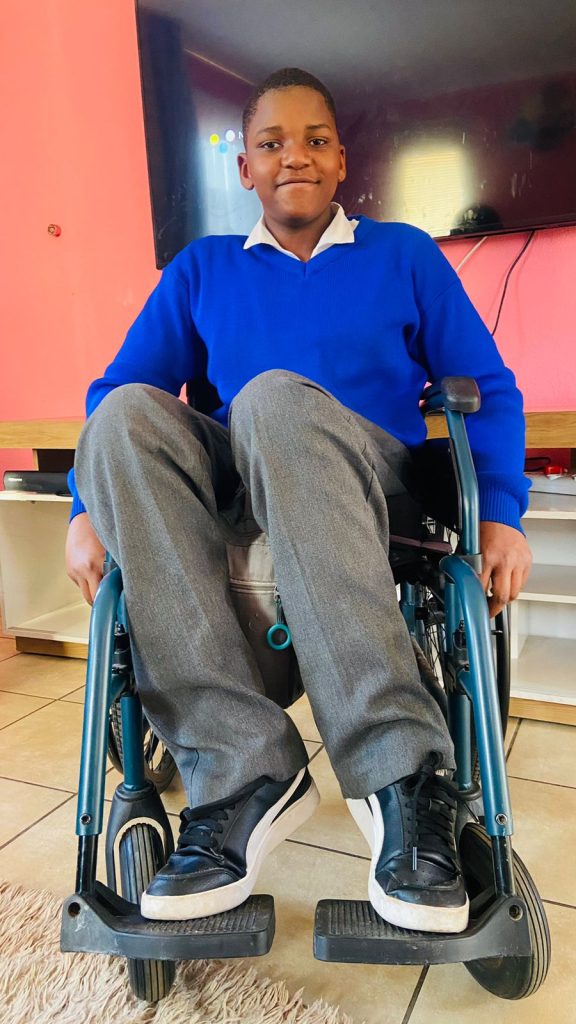
5 September 2024: At 14 years old, Kamogelo Sodi of Alberton enjoys listening to music, chatting with his friends on social media and working hard at school towards his dream of becoming a neurosurgeon one day. He cooks for himself when he’s hungry and loves looking after his three little brothers. He also likes playing basketball. The difference between him and most other teenagers is that he does all this from his wheelchair.

“Since I’ve been in a wheelchair, I’ve become more confident,” says the vivacious teenager. “I was extremely shy, and I didn’t have a lot of friends, but now I have loads of friends.”

In 2016, when he was just six years old, Kamogelo’s life changed forever. He was in a devastating car crash, which left him with fractures in the lumbar region of his spine, resulting in complete paraplegia.

Once discharged from the hospital, where he had emergency surgery, Kamogelo was sent to the Netcare Rehabilitation Hospital to learn how to cope with, as his mother Reshoketswe Sodi calls it, his new normal. He was to stay there for almost six months.

Mrs Sodi, a radiation therapist, says the enduring care of the doctors, occupational therapists and physiotherapists there helped support Kamogelo and their family on their journey towards accepting and learning to cope with this difficult transition in his life. “It was important for me that he continued his schoolwork while there. When the social worker asked me what I wanted to happen, the first thing I said was that I didn’t want to break the routine of what he had been doing and that I wanted him to continue with school.

“It’s been a struggle, but with the help of the occupational therapists and physiotherapists, it has been an easier journey. We saw real progress when they taught Kamogelo something, and he grasped it, putting all his energy into it by thinking positively about it. It’s been hard, but with the support of the team from Netcare Rehabilitation Hospital, we managed it,” she says.

“After he was discharged, initially, we lived in a flat on the seventh floor. When the lifts weren’t working, like during load shedding, I’d have to carry him upstairs on my back – there was no other way to take him up. I’m so fortunate that I had a lot of support from my family and friends who’ve been pillars of strength for us.”

Kamogelo remembers his first visit to the Netcare Rehabilitation Hospital in Auckland Park. “When I first got to the hospital, I was lost. I didn’t know how to use a wheelchair. I was still so young. But they were so kind and taught me everything I needed to know. 

“At first, I struggled to move around. I battled to transfer myself from place to place, but they showed me what to do, and over time, I started getting used to it. I managed to start moving myself around, and I began to enjoy it. From that day forward, I didn’t like people pushing me around. The staff also taught me how to transfer myself from my wheelchair to the car. It was a bit difficult at first, but I learned to push myself up properly so my bottom wouldn’t scrape on the wheelchair.

“It does help you become more independent, but you must be consistent. You don’t need to complain about things,  you just need to listen to the people who want to help you learn to be independent.”

Later, in 2022, when he was 12 years old, Kamogelo returned to the Netcare Rehabilitation Hospital after he developed a severe pressure sore.

Dr Anrie Carstens, a doctor at the Netcare Rehabilitation Hospital, said Kamogelo was operated on at Netcare Milpark Hospital under the care of a plastic surgeon who did a flap to close the wound. “When the doctor was happy with his progress, Kamogelo came to us to help him because you get weak after surgery. The wound had healed, but the skin was delicate, so we had a graded seating approach for him to build up his strength and so that the areas of the skin didn’t break down. Another area of focus for Kamogelo was spasticity at the ankles. We worked on relaxing the ankles to get to a ninety-degree angle so he could sit better in his chair with his feet positioned well in the footrest.”

When homesickness inevitably struck, the staff comforted Kamogelo. “I began to miss home, and I cried and said I wanted to go home. They spoke nicely to me and said they first had to help me so I could go back home with no problems so my parents wouldn’t have to worry about me because of the pressure sore.”

Kamogelo said the staff also taught him valuable techniques to help him empty his bladder and bowels and assisted him in his journey to independence. “I was worried it would be painful and was a bit hesitant to try them out. But, doing it daily helped my routine and helped me become independent.”

Charne Cox, a physiotherapist at Netcare Rehabilitation Hospital, describes Kamogelo as bubbly, intelligent and with lovely manners. “He’s so motivated and tried so hard in therapy. He manages to go to school each day, not because of us, but because of his character.”

She says as children grow, their needs change. “The pressure sore developed because his seating in his wheelchair was not adequate because he had grown so much. We collaborated with the wheelchair manufacturer to re-evaluate and reassess the wheelchair seating, and they made him a new wheelchair. He was getting heavier, and his feet weren’t in alignment, so it was trickier for him to safely transfer from the wheelchair to the bed, for instance. It was good to re-educate him on pressure relief and pressure sores. It’s vital that adolescents are taught to take responsibility for themselves.”

Cox also helped Kamogelo work towards getting his feet in a better position.

“Children are so good about learning to use a wheelchair. Kamogelo was so motivated to move and be independent. He absorbed the information we gave him to enable him to go up ramps, turn and even do wheelies because he liked to explore.

“Children want to learn and have fun. They want to be independent. It’s amazing to help give them the tools to be the best new person they can be. Unfortunately, sometimes we can’t fix the injury, but we can give them the best opportunity to be as independent as possible. It’s so satisfying to know that Kamogelo is going to school and playing basketball.”

Kamogelo is determined to pursue a career as a neurosurgeon. “As long as I follow the path that I want to do and enjoy it, I will continue pursuing that path.  Academically, I was the top achiever from grade four to grade six at my school.”

When he’s not at school, he loves going around the estate he lives in, getting fresh air, and being a good big brother to his three younger brothers. “They’re a handful, but what can I say – they’re my brothers, and I love them,” he says with a laugh.

Asked who his hero is, Kamogelo is quick to say his mother and father are both his heroes. His mom clearly thinks he’s a hero too. She’s smiling as she speaks about her son. “He’s playful and has a great sense of humour. He’s helpful in the house. Instead of wanting us to help him, thanks to the skills he learned at Netcare Rehabilitation Hospital, Kamogelo always says, ‘Let me give you a hand. Let me help you.’”

More than Mobility: Gaining Independence after a Spinal Cord Injury

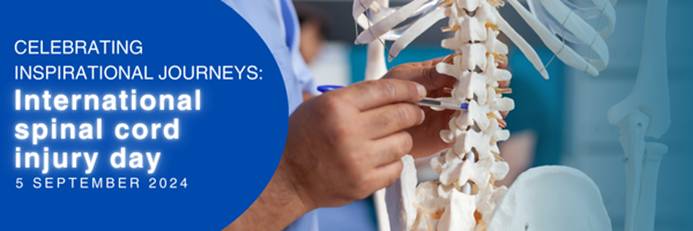
International Spinal Cord Injury Day marked on 5 September 2024

Photo by Elevate on Unsplash

5 September 2024, International Spinal Cord Injury Day is commemorated on Thursday 5 September, drawing attention to the many ways people can be affected by spinal cord injury, creating awareness of prevention, and highlighting the possibilities for a fulfilling life after injury.

According to the World Health Organization, globally, over 15 million people are living with spinal cord injuries. Most of these cases are due to trauma, including falls, road traffic injuries or violence.

Jessica Morris, an occupational therapist at the Netcare Rehabilitation Hospital in Auckland Park, says one of the most critical aspects of care for those who’ve been impacted by spinal cord injuries is the importance of successful rehabilitation through a holistic, integrated approach from a multidisciplinary team.

“Many people just think it’s just about mobility. It’s so much more than that. Rehabilitation is complex because many different areas of our patients’ lives are affected.” Morris says they are fortunate that their team has so many different practitioners who can contribute to treating spinal cord injury patients, helping them regain a level of independence, which is vital to their self-confidence and sense of empowerment.

Dr Anrie Carstens,  a general practitioner with a particular interest in physical medicine and rehabilitation who practises at the Netcare Rehabilitation Hospital, says the message of Spinal Cord Injury Awareness Day has relevance all year round, as people with spinal cord injuries need to be incorporated into society.

“It’s an opportunity to tell people not to be nervous to talk to someone in a wheelchair. They’re just like you or me, and they just have special ways of moving around and managing their pain and different aspects of their bodies. With the help of proper rehabilitation, the person can be better integrated as a functional, contributing member of society.”

Dr Carstens says people should also be aware that if they or their loved ones are ever impacted by a spinal cord injury, professional support is available. “Don’t just go straight home after your hospital stay and try to do everything on your own. Instead, come to a specialised spinal cord injury unit like ours, with therapists, doctors and nursing staff who are well versed in spinal cord injury and know the finer nuances necessary to optimally treat the person and show them how best to cope with their injury.

“In the multidisciplinary approach, every practitioner has a role in getting the person back into the real world, whether it means going back home, back to school, back to work or wherever they were before their injury occurred.”

From doctors and nurses with specialised skills to physiotherapists, occupational therapists, social workers and psychologists, speech therapists, a prosthetist and dieticians, the team provides a broad person focussed rehabilitation service to both adults and children. Their aim is to optimise their patients’ independence level using specialised equipment and teaching specific techniques to help overcome the obstacles a person may face.

Dr Carstens says it’s rewarding work for the staff at the hospital, who build up enduring relationships with those they care for. “One of the highlights is to compare and see what the patient was like when you admitted them and then see on discharge how much they’ve grown, how they’ve gained confidence and become more independent. What’s even better is to see them after they’ve been discharged and observe how well they’ve coped and how they’ve integrated and adjusted to their environment. We build a relationship with our patients because they stay with us for quite a while, and we usually have checkups every year after the person is discharged, often for life. We get to see them grow and thrive outside the healthcare setting, and we need more awareness about how much it is possible for people with spinal cord injuries to achieve.” 

Restoring Muscle Strength Lost to Aging or Injury

Photo by Barbara Olsen on Pexels

A small molecule previously shown to enhance strength in injured or old laboratory mice does so by restoring lost connections between nerves and muscle fibres, Stanford Medicine researchers have found.

The molecule blocks the activity of an aging-associated enzyme, or gerozyme, called 15-PGDH that naturally increases in muscles as they age. The study, which was published in Science Translational Medicine, showed that levels of the gerozyme increase in muscles after nerve damage and that it is prevalent in muscle fibres of people with neuromuscular diseases.

The research is the first to show that damaged motor neurons can be induced to regenerate in response to a drug treatment and that lost strength and muscle mass can be at least partially regained. It suggests that, if similar results are seen in humans, the drug may one day be used to prevent muscle loss of muscle strength due to aging or disease or to hasten recovery from injury.

It’s estimated that sarcopenia, or debilitating muscle frailty, affects about 30% of people over 80 and costs the United States around $380 billion each year.

“There is an urgent, unmet need for drug treatments that can increase muscle strength due to aging, injury or disease,” said Helen Blau, PhD, professor of microbiology and immunology. “This is the first time a drug treatment has been shown to affect both muscle fibres and the motor neurons that stimulate them to contract in order to speed healing and restore strength and muscle mass. It’s unique.”

Blau, the Donald E. and Delia B. Baxter Foundation Professor and director of the Baxter Laboratory for Stem Cell Biology, is the senior author of the study. Postdoctoral scholar Mohsen Bakooshli, PhD, and former postdoctoral scholar Yu Xin Wang, PhD, are the lead authors of the study. Wang is now an assistant professor at the Sanford Burnham Prebys Medical Discovery Institute in San Diego.

Addressing loss of strength

The finding is the latest from the Blau laboratory focused on understanding how muscles weaken from aging or disease, and whether it’s possible to combat this decline. In 2021, the group showed that blocking the activity of 15-PGDH in 24-month-old laboratory mice significantly enhances the animals’ leg strength and endurance when running on a treadmill. (Laboratory mice typically live about 26 to 30 months.) But it wasn’t clear exactly how.

The new research shows that the effect is due to the restoration of lost connections between the nerves and the muscle. These connections, called neuromuscular junctions, are how the brain signals muscles to contract. In aging, some of these connections are lost, causing muscle contractions to become less powerful and muscles to atrophy. People typically lose muscle mass and strength, up to 10% per decade, after the age of 50.

Conditions other than aging can also destabilise these connections, including the disuse of muscles due to bedrest after illness or injury, or muscle-wasting diseases like spinal muscular atrophy or amyotrophic lateral sclerosis (also known as ALS).

Blau’s previous research showed that a molecule called PGE2 is critical to the function of stem cells in muscle fibres that repair damage – including the microtears from exercise that lead to an increase in muscle mass and strength. They subsequently showed that levels of 15-PGDH, which breaks down PGE2, increase in the muscles with age and that the loss of strength with aging could be overcome by inhibiting the activity of this PGE2-degrading enzyme.

“PGE2 is part of the body’s natural healing mechanism, and its levels increase in muscle after injury,” Blau said. “We wanted to learn how age triggers an increase in 15-PGDH, and therefore the degradation and loss of PGE2.”

A lack of nerves

The researchers knew that muscles become less innervated, or infiltrated with nerves, as people and animals age. They wondered if that loss could be what triggers the rising levels of 15-PGDH.

“We found that when you cut the nerve that innervates the leg muscles of mice, the amount of 15-PGDH in the muscle increases rapidly and dramatically,” Blau said. “This was an exciting new insight. But what surprised us most was that when these mice are treated with a drug that inhibits 15-PGDH activity, the nerve grows back and makes contact with the muscle more quickly than in control animals, and that this leads to a faster recovery of strength and function.”

Additional experiments showed that treatment with the drug restored neuromuscular junctions lost during aging and increased muscle strength and function in old laboratory mice. The researchers also identified discrete clumps of 15-PGDH in the muscle fibres of people with several types of neuromuscular disorders suggesting that the gerozyme may have a role in causing these human disorders.

Blau and her colleagues plan to investigate at a molecular level how neural growth is stimulated by blocking 15-PGDH activity. Blau has also co-founded a company, Epirium Bio, to develop similar drugs for use in humans. Although her lab is still conducting animal studies, the company hopes to launch a clinical trial within the next year or so.

“Our next steps will be to examine whether blocking 15-PGDH function in people with spinal muscular atrophy can increase lost muscle strength in combination with gene therapy or other treatments,” Blau said. “We are also looking at ALS to see if something like this might help these patients. It’s really exciting that we are able to affect both muscle function and motor neuron growth.”

Source: Stanford Medicine

Vigorous Exercise Improves Walking in Chronic Stroke Patients

Photo by Kampus Production on Pexels

When 67-year-old Larry Christian suffered a sudden loss of balance, he was diagnosed with a haemorrhagic stroke, and referred to the University of Delaware’s Physical Therapy Clinic for rehabilitation. 

“Initially, I had a lot of balance problems that we worked pretty intensely to correct,” Christian said. 

He enrolled in a clinical trial at UD, led by co-investigator Darcy Reisman, professor and chair of the Department of Physical Therapy, that sought to explore whether high-intensity interval training (HIIT) aids in improved gait post-stroke. UD was one of three sites selected for the clinical trial led by primary investigator and associate professor Pierce Boyne of the University of Cincinnati. Sandra Billinger, professor and vice chair of stroke translation research at the University of Kansas Medical Center, is also a co-investigator and represents the third site involved in the clinical trial. 

Now, seven years later, Christian is walking better. 

“Participating in this study got me to a point where I could walk better and even take a walk outside,” Christian said. “I’ve been pretty healthy all my life, and while I can’t play volleyball anymore, walking again made me feel great.”

Christian is among the lucky ones. Among 7 million stroke survivors in the US, fewer than 10% have adequate walking speed and endurance to complete normal daily activities like grocery shopping. 

Reisman said the results of the multi-million-dollar, five-year clinical trial showed HIIT helped more people than just Christian. The results, published in JAMA Neurology, show that chronic stroke survivors who engaged in high-intensity exercise with bursts of maximum-speed walking alternated with recovery periods saw a significant difference in their walking capacity over 12 weeks. The improvements were so dramatic Boyne and Reisman have secured a clinical trial grant renewal to triple the size of their study to 165 participants. 

She added HIIT looks different for each stroke survivor, and the optimal exercise program for each person with stroke remains unknown. 

“We want them to train at the fastest possible speed, which varies from person to person,” Reisman said. “But we don’t want them running.”

For those already walking at a reasonably fast pace, research associate Henry Wright in Reisman’s lab will add an incline or a weighted vest or wrap a bungee cord around their waist to create resistance. 

“It’s self-reported data, but participants tell me they have more energy, or they’re able to do more around the house, or they’re not winded when they go shopping,” Wright said. “By the end of the training, I can see their walking is smoother, they’re getting farther on clinical testing, and it’s rewarding to see their gains.”  

The results from the initial clinical trial showed Reisman and collaborators that HIIT was feasible and safe in a small group of stroke survivors, who saw sustained gains in walking capacity, more so than patients engaged in moderate-intensity exercise. 

However, further study of the intervention in larger populations is crucial to change the standard of care.

“Many physical therapists were trained during a time when patients with neurologic conditions, particularly stroke, were treated with kid gloves, partly because they say stroke is the heart attack of the brain,” Reisman said. “It’s common they also have cardiovascular conditions, so people tend to be extra careful with those patients in terms of pushing them.

“But what we know now is at least moderate-intensity, and likely high-intensity interval training, is essential not only for stroke survivors’ cardiovascular system but also for their brain,” Reisman said. “The evidence shows that intensity is linked to the release of neurotrophins in the brain that help the brain remodel after a stroke.” 

Kiersten McCartney, a physical therapist obtaining her doctorate in biomechanics and movement science, worked on the clinical trial with Reisman. She spent the 2022 Winter Session at Magee Rehabilitation Hospital in Philadelphia, helping them implement moderate-to-high-intensity exercise and saw the benefits first-hand. 

“I’ll never be able to say there’s no risk of heart attack. Even the fittest people can have a heart attack when exercising,” McCartney said. “Still, the data points to the idea that you’re doing more harm than good by not engaging your patients with stroke in high-intensity exercise when we talk about those longer-term outcomes.”

The HIIT-Stroke Trial 2 will continue to examine dosing to confirm whether a full 12 weeks of vigorous exercise is needed to see significant improvements in walking. Reisman and collaborators will identify whether differences in sex and other factors played a role in rehabilitation. If the five-year study results are similar and show significant gains from high-intensity interval exercise in a larger population, investigators would next work with NIH Strokenet to launch a nationwide clinical trial in people with stroke.  

“We’ve known about the value of moderate-intensity exercise for more than a decade, and it’s still not the standard of care,” Reisman said. “If we find that HIIT is the optimal intervention, the next phase would be the knowledge translation phase, where we’d systematically develop a methodology to get HIIT into clinics.” 

For HIIT to work as an intervention, Reisman said therapists will need the proper tools. She’s been pushing for commercially available heart rate monitors, placed around the chest during exercise, to be the standard of care in clinics for years.

“They’re already a standard of care for people in the community,” Reisman said. “Getting them into clinics is imperative so PTs can monitor patients’ heart rate the entire time they exercise. That constant monitoring gives therapists data on how a person is responding beyond visible signs and symptoms, and in turn, more peace of mind.” 

But beyond tools and training, Reisman said, it comes down to evidence and education. 

“If we have hundreds and hundreds of stroke survivors who’ve gone through our high-intensity exercise intervention, and we’ve seen no major adverse events – that will help,” Reisman said. “The more data we have to show therapists, the better we can implement this intervention that will change lives.”

Source: University of Delaware

For Stroke Recovery, Deep Brain Stimulation may Aid Rehabilitation

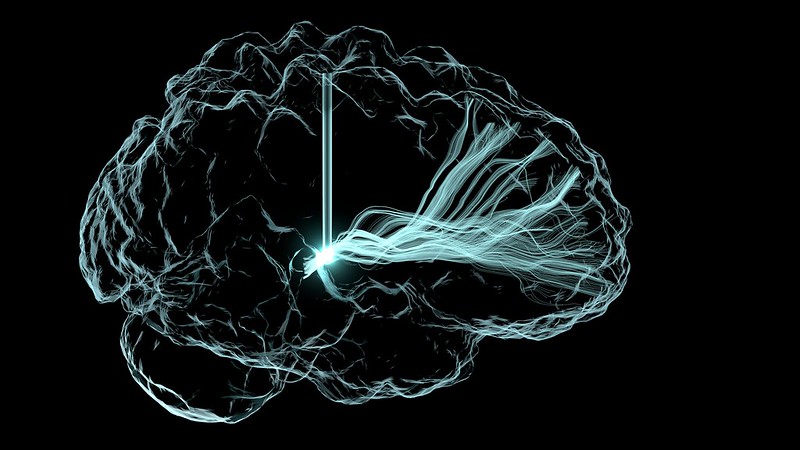
Deep brain stimulation illustration. Credit: NIH

A first-in-human trial of deep brain stimulation (DBS) for post-stroke rehabilitation patients has shown that using DBS to target the dentate nucleus – which regulates fine-control of voluntary movements, cognition, language, and sensory functions in the brain – is safe and feasible.

The EDEN trial (Electrical Stimulation of the Dentate Nucleus for Upper Extremity Hemiparesis Due to Ischemic Stroke) also shows that the majority of participants (9 of 12) demonstrated improvements in both motor impairment and function. Importantly, the study found that participants with at least minimal preservation of distal motor function at enrolment showed gains that almost tripled their initial scores.

Published in Nature Medicine, these findings build on more than a decade of preclinical work led by principal investigators Andre Machado, MD, PhD, and Kenneth Baker, PhD, at Cleveland Clinic.

“These are reassuring for patients as the participants in the study had been disabled for more than a year and, in some cases, three years after stroke. This gives us a potential opportunity for much needed improvements in rehabilitation in the chronic phases of stroke recovery,” said Dr Machado, patented the DBS method in stroke recovery. “The quality-of-life implications for study participants who responded to therapy have been significant.”

“We saw patients in the study regain levels of function and independence they did not have before enrolling in the research,” Dr Machado said. “This was a smaller study and we look forward to expanding as we have begun the next phase.”

The completed EDEN trial enrolled 12 individuals with chronic, moderate-to-severe hemiparesis of the upper extremity as a result of a unilateral middle cerebral artery stroke 12-to-36 months prior. There were no major complications throughout the study. Nine of the 12 participants improved to a degree that is considered meaningful in stroke rehabilitation.

Source: Cleveland Clinic

Simple Oxygen Therapy can Boost Motor Skills Rehabilitation

Photo by Samuel Ramos on Unsplash

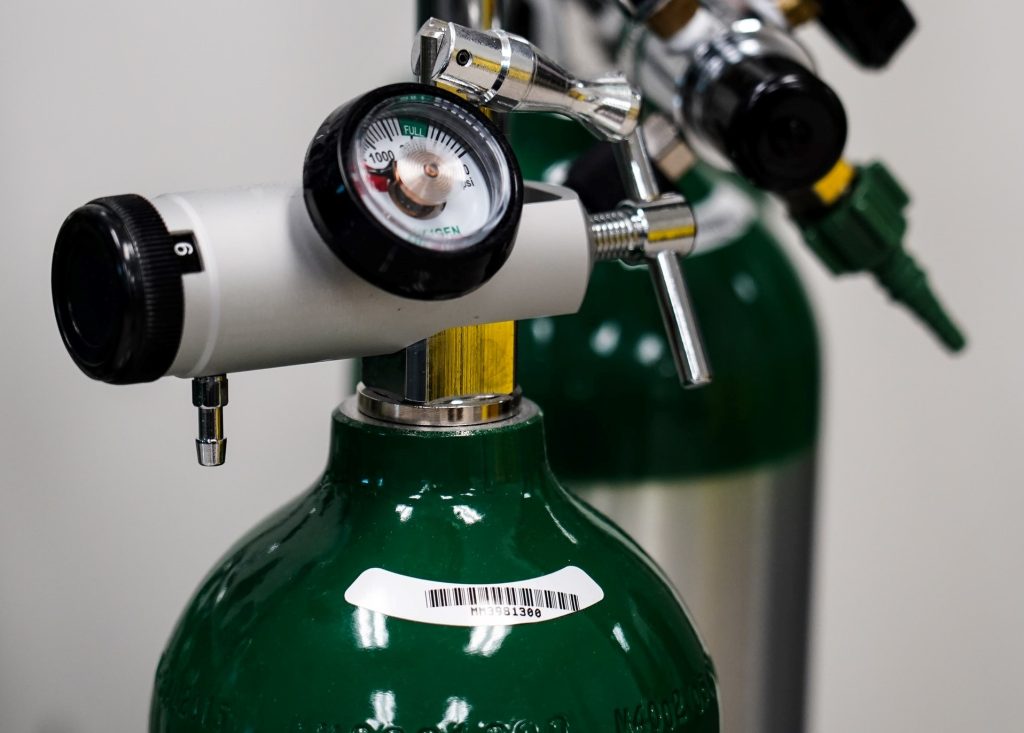
Scientists studying the impact of oxygen supplementation on motor learning have found a promising treatment that could help patients who have experienced neurological trauma recover lost motor skills.

“A simple and easy to administer treatment with 100% oxygen can drastically improve human motor learning processes,” said Dr Marc Dalecki, now at the German University of Health and Sports in Berlin, senior author of the study in Frontiers in Neuroscience.

Repurposing a frontline treatment

Brains have a high oxygen demand, and hypoxia causes cognitive function to decrease, while in high-oxygen contexts it recovers, and the delivery of 100% oxygen is already used to help preserve as much of the brain as possible in patients with neurological injuries.

Motor learning is particularly dependent on oxygen-reliant information processing and memory functions: humans learn by trial and error, so the ability to remember and integrate information from previous trials is critical to efficient and effective motor learning. So could supplementing oxygen while learning a motor task help people learn faster and more effectively, offering hope for neurorehabilitation patients?

“I had this idea in my mind for almost a decade and promised myself to investigate it once I got my own research lab,” said Dalecki, who led the experimental research at the School of Kinesiology at Louisiana State University. “And with Zheng Wang, now Dr Zheng Wang, I had the perfect doctoral student to run it – a keen physiotherapist with a clinical background and stroke patient experience.”

Hand-eye coordination

Dalecki and Wang recruited 40 participants, 20 of whom received 100% oxygen at normobaric pressure and 20 of whom received medical air (21% oxygen) through a nasal cannula during the “adaptation” or learning phase of a task.

Dalecki and Wang selected a simple visuomotor task which involved drawing lines between different targets on a digital tablet with a stylus. The task was designed to test how quickly the participants were able to integrate information from the eye and hand, a crucial part of motor learning. After the task had been learned, the alignment of the cursor and the stylus was altered to see how effectively the participants adapted to the inconsistency, and then realigned for a final session to see how they adapted to the realignment.

“The oxygen treatment led to substantially faster and about 30% better learning in a typical visuomotor adaptation task,” said Wang, first author of the study and now at the Mayo Clinic in Rochester. “We also demonstrate that the participants were able to consolidate these improvements after the termination of the oxygen treatment.”

Oxygen improved learning by 30%

The scientists found that the participants who had received oxygen learned faster and performed better, improvements which extended into later sessions of the task when oxygen was not administered.

The oxygen group moved the pen more smoothly and more accurately, and when the cursor was adjusted in a deliberate attempt to throw them off, they adapted more quickly. They also made bigger mistakes when the alignment of the stylus was corrected, suggesting they had integrated the previous alignment more thoroughly than the other group.

Dalecki and Wang plan to investigate the long-term effects of this supplementation on learning and test the intervention with other motor learning tasks: it is possible that the relevant brain functions for this task in particular benefit from high ambient oxygen levels, leading to the observed advantages in performance. They also hope to bring the oxygen treatment to elderly and injured people, in the hope that it will help them re-learn motor skills.

“Our future plan is to investigate whether this treatment can also improve motor recovery processes following brain trauma,” said Dalecki. “Since it worked in the young healthy brain, we expect that the effects may even be larger in the neurologically impaired, more vulnerable brain.”

Source: Medical Xpress

Fixing Spinal Cord Injuries with Stem Cell Grafts and Rehabilitation

Photo by Cottonbro on Pexels

In recent years, researchers have made strides in promoting tissue regeneration in spinal cord injuries (SCI) through implanted neural stem cells or grafts in animal models. Separate efforts have shown that intensive physical rehabilitation can improve function after SCI by promoting greater or new roles for undamaged cells and neural circuits.

University of California San Diego researchers tested whether rehabilitation can pair with pro-regenerative therapies, such as stem cell grafting. They published their findings in in JCI Insight, 

The researchers induced a cervical lesion in rats that impaired the animals’ ability to grasp with its forelimbs. The animals were divided into four groups: animals who underwent the lesion alone; animals who received a subsequent grafting of neural stem cells designed to grow and connect with existing nerves; animals who received rehabilitation only; and animals who received both stem cell therapy and rehabilitation.

Rehabilitation therapy for some animals began one month after initial injury, a time point that approximates when most human patients are admitted to SCI rehabilitation centers. Rehabilitation consisted of daily activities that rewarded them with food pellets if they performed grasping skills.

The researchers found that rehabilitation enhanced regeneration of injured corticospinal axons at the lesion site in rats, and that a combination of rehabilitation and grafting produced significant recovery in forelimb grasping when both treatments occurred one month after injury.

“These new findings indicate that rehabilitation plays a critically important role in amplifying functional recovery when combined with a pro-regenerative therapy, such as a neural stem cell transplant,” said first author Paul Lu, PhD, associate adjunct professor of neuroscience at UC San Diego School of Medicine and research health science specialist at the Veterans Administration San Diego Healthcare System.

“Indeed, we found a surprisingly potent benefit of intensive physical rehabilitation when administered as a daily regimen that substantially exceeds what humans are now provided after SCI.”

Senior author Mark H. Tuszynski, MD, PhD, professor of neurosciences and director of the Translational Neuroscience Institute at UC San Diego School of Medicine, and colleagues have long worked to address the complex challenges of repairing SCIs and restoring function.

In 2020, for example, they reported on the observed benefits of neural stem cell grafts in mice and in 2019, described 3D-printed implantable scaffolding that would promote nerve cell growth.

“There is a great unmet need to improve regenerative therapies after SCI,” said Tuszynski. “We hope that our findings point the way to a new potential combination treatment consisting of neural stem cell grafts plus rehabilitation, a strategy that we hope to move to human clinical trials over the next two years.”

Source: University of California – San Diego

Progressive Exercise Programme Improves Outcomes after Hip Surgery

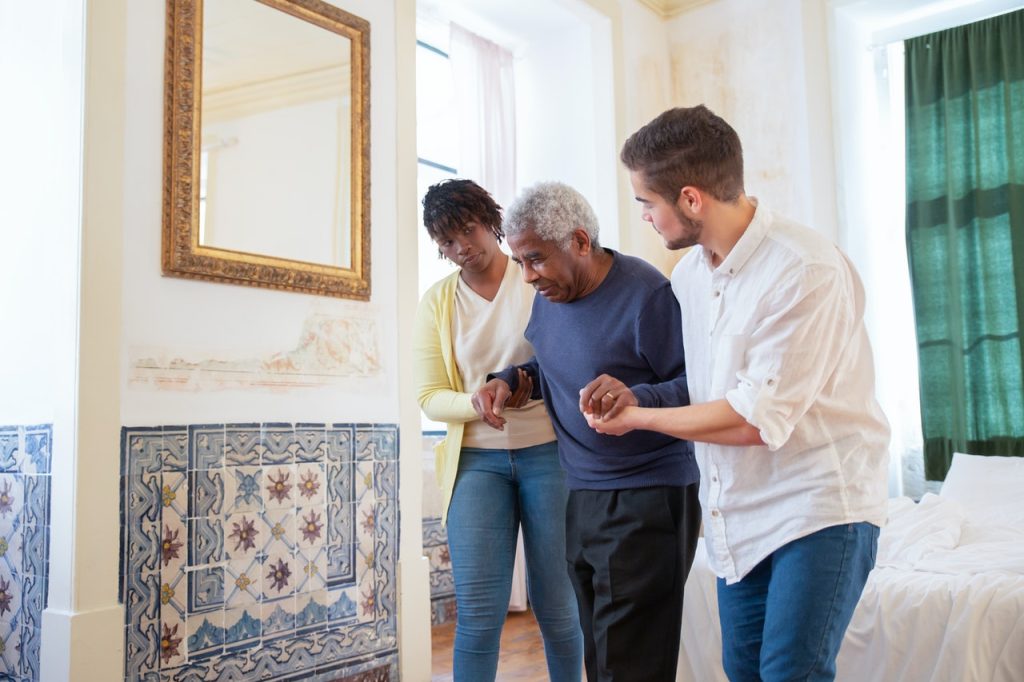
Carers help an old man to walk
Photo by Kampus Productions on Pexels

A study published in the Journal of the American Geriatrics Society shows that a 12-month home-based supervised exercise programme can help to improve physical performance and functioning after patients undergo hip fracture surgery.

Hip fracture is a major health problem among older people, often resulting in long-term, sometimes persistent, functional impairments such as poor mobility and reduced independence in daily activities. Sedentary behaviour and low level of physical activity are also common among patients recovering from surgical repair of a hip fracture.

Standard care post-discharge care does not seem to meet the requirements of effective rehabilitation, as many patients with hip fractures do not reach their pre-fracture level of functioning. Growing evidence shows that multidisciplinary and well-coordinated rehabilitation started at the hospital and continued after discharge enhances the recovery of patients with hip fractures. Multicomponent rehabilitation in particular, which includes individualised and progressive resistance training, has improved functioning and mobility and decreased dependency in everyday activities. Longer lasting exercise programs of 6 to 12 months duration have reduced or reversed incident disability after hip fractures.

For the study, 121 patients aged 60 years and older were randomised to either an exercise group or a usual care group as a control. Home-based exercise sessions were delivered by physiotherapists twice a week and included strength, balance, mobility, and functional components as well as brief counselling on physical activity and nutrition.

Compared with patients in the usual care group, patients in the exercise group saw more improvements over the course of a year in their physical performance, their handgrip strength, and their ability to complete certain activities of daily living.

“It is worthwhile to invest in rehabilitation exercise for older people after hip fracture. Better functioning benefits the individual and also society,” said lead author Paula K. Soukkio, MSc, of the South Karelia Social and Health Care District (Eksote), in Finland.

Source: Wiley