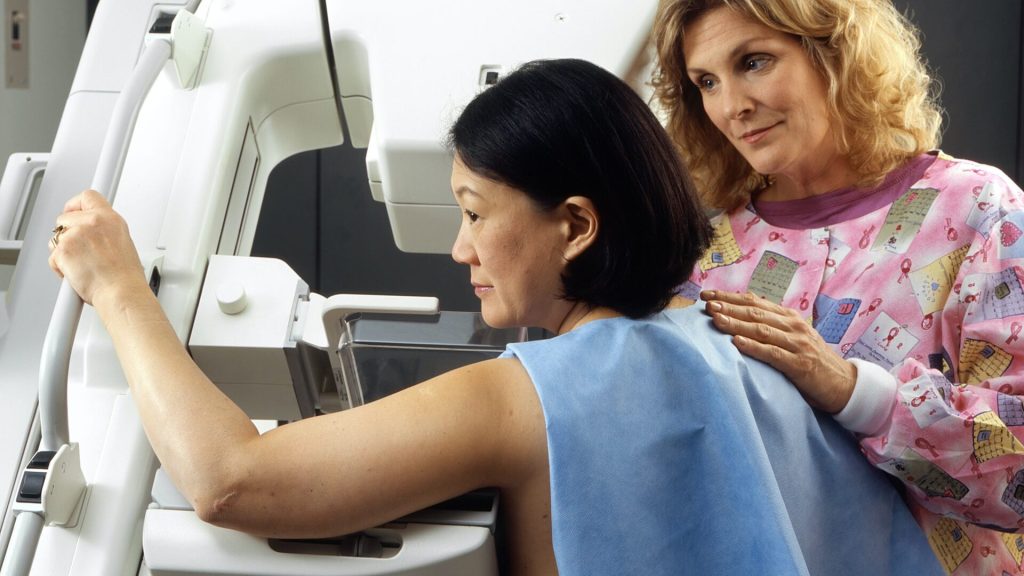
The prognosis for breast cancer has improved, allowing more and more women to be cured with a combination of surgery, radiotherapy and medical treatment. A new trial led by Karolinska Institutet will investigate whether combining neoadjuvant chemotherapy with exercise will improve the outcomes of breast cancer patients.
Neoadjuvant chemotherapy (NACT) is increasingly used in breast cancer. The main benefit of NACT is its ability to downstage large tumours with a view to treatment by breast-conserving surgery, although there is a non-significant increase in the local recurrence rate. The best proof of NACT efficacy is pathological complete response (pCR), ie the absence of invasive tumour on post-NACT on surgical histopathology.
“While it is known that physical exercise can help patients to better tolerate often harsh cancer treatments, it is an emerging area of research to understand if and how exercise exerts anti-tumour effects and improves oncological outcomes”, explained Jana de Boniface, principal investigator of the trial and associate professor in the Breast Surgery Group, Department of Molecular Medicine and Surgery.
The Neo-ACT trial opened for recruitment in September 2022, and it is estimated that inclusion may be completed in December 2025.
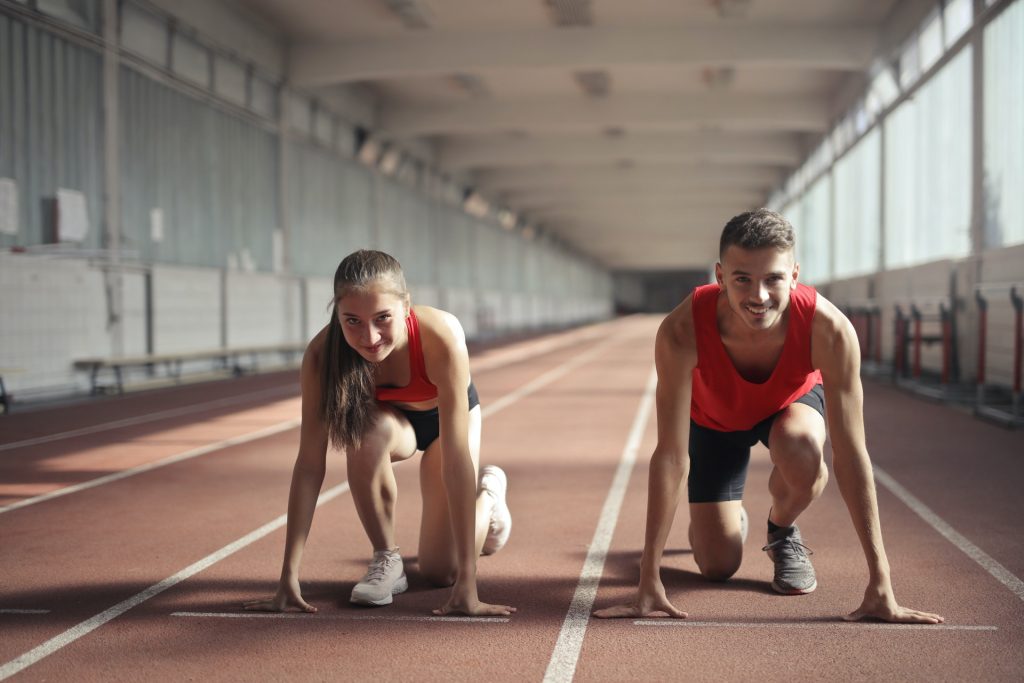
Conventional wisdom holds that men run 10–12% faster than women regardless of the distance raced. But new research published in theJournal of Applied Physiology suggests that the performance gap narrows at shorter sprint distances.
Speed over short distances is determined by different factors – specifically, the magnitude of the ground forces athletes can apply in relation to their body mass. Muscular force to body mass ratios are greater in smaller individuals.
PhD candidate Emily McClelland, working with Peter Weyand, the Director of SMU’s Locomotor Performance Lab, quantified sex performance differences using data from sanctioned international athletic competitions such as the Olympics and World Championships. An accomplished athlete, McClelland has always had a natural interest in the scientific basis of human performance. The researchers hypothesised that these data would reveal smaller male-female performance differences at shorter distances.
The understanding of comparative strength, speed and endurance capabilities of male and female athletes has been a contentious issue for modern sport. Yet, prior to the new SMU study, quantitative understanding of sex performance differences for short sprint events had received little attention. McClelland’s background, male-female differences in force/mass capabilities, and existing data trends led her to hypothesise that sex differences in sprint running performance might be relatively small and increase with distance.
Her analysis of race data from sanctioned international competitions between 2003 and 2018 supported her initial hypothesis. These data revealed that the difference between male and female performance time increased with event distance from 8.6% to 11% from shortest to longest sprint events (60 to 400m). Additionally, within-race analysis of each 10-meter segment of the 100m event revealed a more pronounced pattern across distance: sex differences rose from 5.6% for the first segment to 14.2% in the last segment.
Why then are women potentially less disadvantaged versus men at shorter sprint distances?
Unlike other running species like horses and dogs, there is significant variation in body size between human males and females. Holding all other factors equal, body size differences result in muscular force to body mass ratios that are greater in relatively smaller individuals. Since sprinting velocities are directly dependent on the mass-specific forces runners can apply during the foot-to-ground contact phase of the stride, greater force/mass ratios of smaller individuals provide a theoretical relative advantage. A female runner’s shorter legs may confer the advantage of more steps and pushing cycles per unit time during the acceleration phase of a race. These factors offset male advantages (longer legs and greater muscularity) that become more influential over longer distances.
A simple, groundbreaking exercise developed by researchers at the University at Houston can help boost metabolism in the sedentary office-based lifestyle that causes so many health problems. By using the soleus muscle in the calf, though accounting for only 1% of the body’s weight, the metabolic health of the rest of the body can be boosted – if this muscle activated in a very specific way.
Marc Hamilton, professor of Health and Human Performance at the University of Houston, has discovered such an approach for optimal activation: the “soleus pushup” (SPU) which effectively elevates muscle metabolism for hours, even while sitting. The soleus, one of the human body’s 600 muscles, is a posterior leg muscle that runs from just below the knee to the heel.
Prof Hamilton’s research, published in the journal iScience, suggests the soleus pushup’s ability to sustain an elevated oxidative metabolism to improve the regulation of blood glucose is more effective than any popular methods currently touted as a solution including exercise, weight loss and intermittent fasting. Oxidative metabolism burns metabolites like blood glucose or fats, but it partly depends on the immediate energy needs of the muscle when it’s working.
“We never dreamed that this muscle has this type of capacity. It’s been inside our bodies all along, but no one ever investigated how to use it to optimise our health, until now,” said Prof Hamilton. “When activated correctly, the soleus muscle can raise local oxidative metabolism to high levels for hours, not just minutes, and does so by using a different fuel mixture.”
Muscle biopsies had revealed that the soleus used minimal glycogen – the predominant carbohydrate for fuelling muscular exercise. Instead of breaking down glycogen, the soleus can use blood glucose and fats.
“The soleus’s lower-than-normal reliance on glycogen helps it work for hours effortlessly without fatiguing during this type of muscle activity, because there is a definite limit to muscular endurance caused by glycogen depletion,” he added. “As far as we know, this is the first concerted effort to develop a specialised type of contractile activity centred around optimising human metabolic processes.”
When the SPU was tested, the whole-body effects on blood chemistry included a 52% improvement in the excursion of blood glucose and 60% less insulin requirement over three hours after ingesting a glucose drink.
This new approach of keeping the soleus muscle metabolism going also doubles the normal rate of fat metabolism in the fasting period, reducing levels of VLDL triglyceride.
The soleus pushup
Building on years of research, Hamilton and his colleagues developed the soleus pushup, which activates the soleus muscle in a different way than standing or walking does. The SPU targets the soleus to increase oxygen consumption more than what’s possible with these other types of soleus activities, while also being resistant to fatigue.
While seated with feet flat on the floor and muscles relaxed, a soleus pushup is performed by the heel rising while the front of the foot stays put. When the heel gets to the top of its range of motion, the foot is passively released to come back down. The aim is to simultaneously shorten the calf muscle while the soleus is naturally activated by its motor neurons.
While the SPU movement might look like walking (though performed while seated) it is the exact opposite, the researchers say. The body is designed to minimise the amount of energy used in walking, because of how the soleus moves. Prof Hamilton’s method reverses that and makes the soleus use as much energy as possible for a long duration.
However, the method is very specific, and if you are trying this while seated at your desk right now, you may not be doing it in the right way.
“The soleus pushup looks simple from the outside, but sometimes what we see with our naked eye isn’t the whole story. It’s a very specific movement that right now requires wearable technology and experience to optimise the health benefits,” said Prof Hamilton.
Additional publications are in the works focused on how to instruct people to properly learn this singular movement, but without the sophisticated laboratory equipment used in this latest study.
The researchers are quick to point out that this is not some new fitness tip or diet of the month. It’s a potent physiological movement that capitalises on the unique features of the soleus.
Potential first step toward a health care breakthrough
Prof Hamilton said it is the “most important study” ever completed at his lab, and could be a solution to a variety of health problems caused by spending hours each day living with insufficient muscle metabolism caused by inactivity. The average American sits about 10 hours a day.
Inactivity is a major health risk, and a low low metabolic rate while seated is especially troublesome for people who are at high risk for age-associated metabolic diseases such as metabolic syndrome and type 2 diabetes.
Prof Hamilton said inactive muscles require less energy than most people seem to understand, saying it’s “one of the most fundamental, yet overlooked issues” guiding the way toward discovering metabolic solutions to assist in preventing some age associated chronic diseases.
“All of the 600 muscles combined normally contribute only about 15% of the whole-body oxidative metabolism in the three hours after ingesting carbohydrate. Despite the fact that the soleus is only 1% the body weight, it is capable of raising its metabolic rate during SPU contractions to easily double, even sometimes triple, the whole-body carbohydrate oxidation.
“We are unaware of any existing or promising pharmaceuticals that come close to raising and sustaining whole-body oxidative metabolism at this magnitude.”
In a study in the Journal of Public Health, participants who exchanged 30 minutes of social media use per day for exercise felt happier, more satisfied, less stressed by the COVID pandemic and less depressed than a control group. These effects persisted even six months after the study had ended.
The downside of social media
While it helped people stay connected during the COVID pandemic, social media consumption has also its drawbacks. Heavy use can lead to addictive behaviour that manifests itself in, for example, a close emotional bond to the social media. In addition, fake news and conspiracy theories can spread uncontrollably on social channels and trigger even more anxiety.
“Given that we don’t know for certain how long the coronavirus crisis will last, we wanted to know how to protect people’s mental health with services that are as free and low-threshold as possible,” explained assistant professor Dr. Julia Brailovskaia, who lead a team from the Mental Health Research and Treatment Center at Ruhr-Universität Bochum. To find out whether the type and duration of social media use can contribute to this, she and her team conducted an experimental study, with a total of 642 participants randomised to one of four groups.
A two-week experiment
The first group reduced the daily social media consumption by 30 minutes during an intervention period of two weeks. Since previous studies had shown that physical activity can increase well-being and reduce depressive symptoms, the second group increased the duration of physical activity by 30 minutes daily during this period, while continuing to use social media as usual. The third group combined both, reducing social media use and increasing physical activity. A control group didn’t change the behaviour during the intervention phase.
Before, during and up to six months after the two-week intervention phase, the participants responded to online surveys on the duration, intensity and emotional significance of their social media use, physical activity, their satisfaction with life, their subjective feeling of happiness, depressive symptoms, the psychological burden of the COVID pandemic and their cigarette consumption.
Healthy and happy in the age of digitalisation
The findings clearly showed that both reducing the amount of time spent on social media each day and increasing physical activity have a positive impact on people’s well-being. The combination of the two interventions in particular increases one’s satisfaction with life and subjective feeling of happiness and reduces depressive symptoms. Even six months after the two-week intervention phase had ended, participants in all three intervention groups spent less time on social media than before: about a half hour in the groups that had either reduced social media time or increased their daily exercise, and about three-quarters of an hour in the group that had combined both measures. Six months after the intervention, the combination group engaged one hour and 39 minutes more each week in physical activity than before the experiment. The positive influence on mental health continued throughout the entire follow-up period.
“This shows us how vital it is to reduce our availability online from time to time and to go back to our human roots,” Julia Brailovskaia concluded. “These measures can be easily implemented into one’s everyday life and they’re completely free — and, at the same time, they help us to stay happy and healthy in the digital age.”
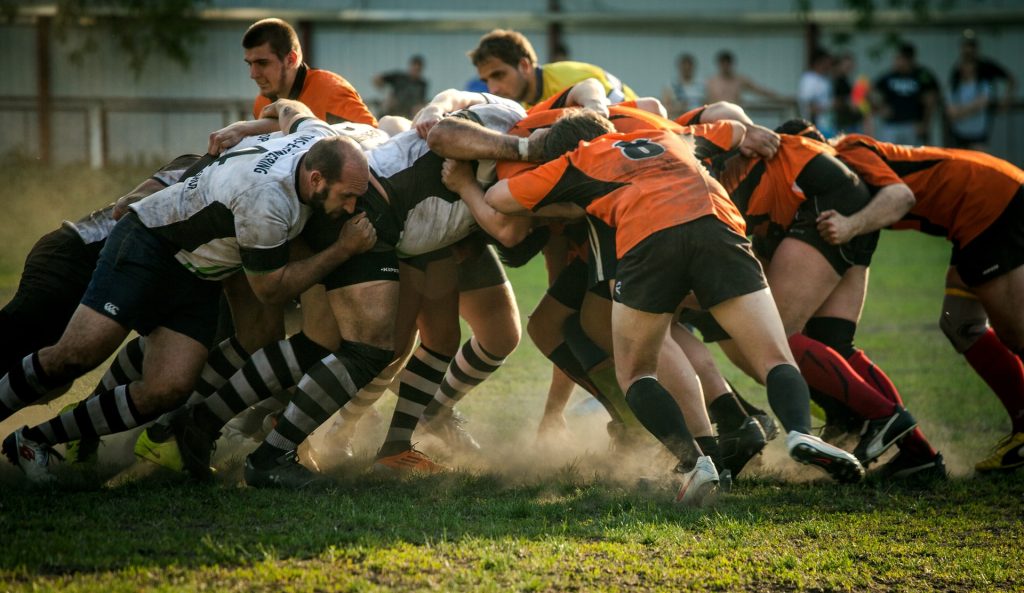
A first-of-its-kind study published in Scientific Reports has investigated how the immune system of elite student-athletes responded to the COVID virus. Unlike older adults with comorbidities, American Football players who were diagnosed with COVID were able to have their immune system back to its baseline after their CDC-recommended isolation period.
“When COVID really started moving out of control, we met with Neil Johannsen, an exercise physiologist at LSU, and the athletic trainers Derek Calvert and Jack Marucci, and we discussed what we could do to make sure our athletes remained healthy. We especially wanted to make sure that athletes were not at risk for secondary infections when they came back from isolation,” said Guillaume Spielmann, associate professor in LSU’s School of Kinesiology.
Isolation effective after COVID infection
“When the idea started for the research, we discussed why not turn something negative into a positive, and assist with the research to find some answers. If we can do things to understand the virus better, let’s do it,” said Jack Marucci, LSU’s Director of Athletic Training. “The student-athletes were willing to be a part of it.”
During that time at the start of the COVID pandemic, the CDC had recommended 14 days of isolation.
“There was a lot unknown during this time. We are looking at a population that are extremely close to each other during plays and during games. We wanted to make sure that since they are literally face-to-face with other players, that their salivary defences, their oral defences were pretty much intact and that that part of their immune system was not affected by the disease; that there were no long-lasting effects of the disease,” Assoc Proff Spielmann said.
Saliva samples were collected from 29 student-athletes in 2020, before a COVID vaccine. Fourteen were COVID positive and 15 had no history of infection. Of the 14, only six reported mild symptoms from the virus, the other eight were asymptomatic throughout the isolation period.
“Salivary immunity is extremely important to ensure that people don’t contract secondary infections, so when athletes are coming back we need to make sure they are as healthy as can be. We found that the isolation period was sufficient to restore the athletes’ salivary immunity to the level seen in non-infected players,” Assoc Prof Spielmann said.
Safely return to play after COVID
These findings suggested the student-athletes could safely return to practice and play football without a risk of secondary infection; that their immune system wasn’t at risk when playing the close contact sport.
“I was worried a bit about long-haulers and other more significant outcomes like the concerns for the development of myocarditis. Engaging in athletic activities at an elite level can be stressful on the body and you would want to arm yourselves with the best scientific information to help understand potential outcomes. This data helped to validate some of these decisions that were made. Providing a safe environment for your student-athletes is paramount and this helped that process along,” said Shelly Mullenix, LSU’s Senior Associate Athletics Director for Health & Wellness.
For this study, three graduate students also participated in the research.
“This kind of access is unique in Division I sports. You typically don’t have access to football players, so the fact that we have access is hugely instrumental as well,” Assoc Prof Spielmann said. “LSU is a great place for this field.”
“I think this COVID research is something that we are really proud to be a part of and contribute to finding answers to such a devastating virus,” Marucci said.
Assoc Prof Spielmann, an immunologist, researches the impact of stress on the immune system of elite and tactical athletes, including astronauts and fire fighters. But this study isn’t the first for Spielmann and LSU Athletics. They have worked together to study psychological and physiological health, along with performance measures in other student-athletes and sports teams. A new study will take a closer look at female athletes’ mental, physiological and immune resilience to stress.
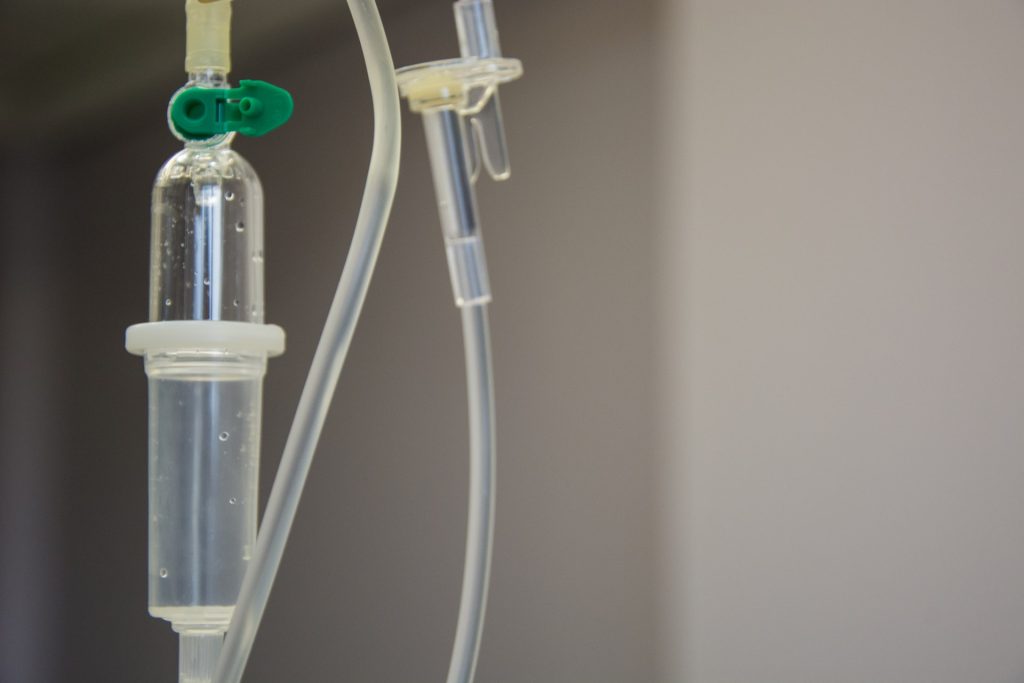
Once a last resort solution, intravenous (IV) nutrition is threatening to become the norm for competitive athletes, despite no scientific evidence that it works or that it is safe, warn experts in an editorial in the British Journal of Sports Medicine.
To halt this trend, the experts urge that ‘food first’ and ‘no needle’ messages need to be amplified among all athletes and their support teams.
The authors, who interact with professional team players in European and American leagues and their support teams on a regular basis, have become increasingly aware of the practice.
While it is not known how common it is, anecdotally, some players are hooked up to IV nutrition drips as often as every week as part of a pre- or post-game routine, they say.
So-called ‘drip bars’ and concierge IV nutrition services claim to boost health and performance, restore hydration and speed up recovery. These services offer a menu of B vitamins, amino acids, glutathione, vitamin C and electrolytes, which could potentially boost levels beyond any therapeutic range.
These services seemed to have slipped under the regulatory radar despite being quite visible, and there is no guidance on their use for players or practitioners, the authors pointed out.
The principle of reducing needle use in sport and a ‘food first’ approach is taught in sports nutrition courses around the world, and a ban on needle use by athletes at the Olympic Games, except for appropriate medical use, and where a therapeutic use exemption (TUE) is obtained, has been in place for all recent Games, they highlight.
IV nutrition drips have traditionally been reserved for serious clinical conditions, such as anaemia, symptoms caused by nutrient deficiencies, or to correct severe dehydration caused by marathon running in a desert, for example. But they are now being used for tiredness, fatigue, or recovery, say the authors.
“But the evidence is sparse and not supportive. We are aware of just two studies assessing vitamin injections in otherwise healthy participants, neither of which yielded an effect for the injection group,” note the authors.
They add that these drips are risk-free, potentially interfering with the liver and gut microbes with implications for detoxification and immunity.
“Bypassing these mechanisms appears foolhardy unless there is a significant clinical rationale,” they write, adding that IV drips also carry risks of infection at the needle site and of blood clots.
Excessive vitamin B6 is associated with peripheral neuropathy, while athletes regularly receiving IV iron risk liver disease, they point out.
“Given that the long-term effects of supratherapeutic doses of B vitamins and other nutrients are unknown in athletes, it does not appear to be worth the risk, especially given the lack of evidence-based benefits,” they write.
“More than this is the reputational risk to sport if it is normalised for athletes to regularly partake in self-directed IV [nutrition] use with a worrying shift away from what ‘works’ (according to scientific standards), to that which is unproven.
“Furthermore, some athletes risk an anti-doping violation by participating in self-directed IV [nutrition] use.”
Figures on the prevalence of IV nutrition need to be gathered in tandem with governing bodies and players’ associations in the professional leagues providing guidance on the potential risks of IV nutrition use, say the authors.
“The ‘food first’ and ‘no needle’ messages need to be amplified among all athletes and multidisciplinary support teams to avoid what was previously a ‘last resort’ treatment becoming normal without scientific evidence of benefit,” they warn.
This latest research from Edith Cowan University (ECU) is in collaboration with Niigata University and Nishi Kyushu University in Japan. In the study, a the four-week training programme had three groups of participants performing an arm resistance exercise and changes in muscle strength and muscle thickness were measured and compared.
The exercise consisted of ‘maximal voluntary eccentric bicep contractions’ performed on a machine which measures muscle strength in each muscle contraction you would do at the gym.
An eccentric contraction is when the muscle is lengthening; in this case, like lowering a heavy dumbbell in a bicep curl.
Two groups performed 30 contractions per week, with one group doing six contractions a day for five days a week (6×5 group), while the other crammed all 30 into a single day, once a week (30×1 group).
Another group only performed six contractions one day a week.
After four weeks, the group doing 30 contractions in a single day did not show any increase in muscle strength, although muscle thickness increased 5.8%.
The group doing six contractions once a week did not show any changes in muscle strength and muscle thickness.
However, the 6×5 group saw a more than 10% increases in muscle strength, with an increase in muscle thickness similar to the 30×1 group.
Frequency, not volume
Importantly, the increase in muscle strength of the 6×5 group was similar to the group in a previous study that performed only one three-second maximal eccentric contraction per day for five days a week for four weeks.
ECU Exercise and Sports Science Professor Ken Nosaka said these studies continue to suggest very manageable amounts of exercise done regularly can have a real effect on people’s strength.
“People think they have to do a lengthy session of resistance training in the gym, but that’s not the case,” he said.
“Just lowering a heavy dumbbell slowly once or six times a day is enough.”
Professor Nosaka said while the study required participants to exert maximum effort, early findings from current, ongoing research indicated similar results could be achieved without needing to push as hard as possible.
“We only used the bicep curl exercise in this study, but we believe this would be the case for other muscles also, at least to some extent,” he said.
“Muscle strength is important to our health. This could help prevent a decrease in muscle mass and strength with ageing.
“A decrease in muscle mass is a cause of many chronic disease such as cardiovascular disease, type 2 diabetes, some cancers, dementia, plus musculoskeletal problems such as osteoporosis.”
Jut why the body responds better to resistance exercises with eccentric contractions in smaller doses rather than bigger, less frequent loads is not known at this stage.
Prof Nosaka said it may relate to how often the brain is asked to make a muscle perform in a particular manner.
However, he stressed it was also important to include rest in an exercise regimen.
“In this study, the 6×5 group had two days off per week,” he said.
“Muscle adaptions occur when we are resting; if someone was able to somehow train 24 hours a day, there would actually be no improvement at all.
“Muscles need rest to improve their strength and their muscle mass, but muscles appear to like to be stimulated more frequently.”
He also highlighted if someone was unable to exercise for a period, there was no value in trying to “make up” for it with a longer session later.
“If someone’s sick and can’t exercise for a week, that’s fine, but it is better to just return to regular exercise routine when you’re feeling better” he said.
New research published in the journal Behavioural Processes demonstrates that by killing essential gut bacteria, antibiotics ravage athletes’ motivation and endurance. This study, which examined mice, suggests there is a big difference in the gut microbiome of athletes and couch potatoes.
Much research has been done on how exercise impacts the gut microbiome, but this study is one of few to examine the reverse – how gut bacteria also impact voluntary exercise behaviours. Engaging in voluntary exercise involves both motivation and athletic ability.
“We believed an animal’s collection of gut bacteria, its microbiome, would affect digestive processes and muscle function, as well as motivation for various behaviours, including exercise,” said Theodore Garland, UCR evolutionary physiologist in whose lab the research was conducted. “Our study reinforces this belief.”
Researchers confirmed through faecal samples that after 10 days of antibiotics, gut bacteria were reduced both in a group of ‘athletic’ mice bred for running on wheels and those that were not. Since no sickness behaviour was seen in the mice, exercise changes were ascribed solely to changes in antibiotic-induced changes in the gut bacteria.
Wheel running in the athletic mice was reduced by 21%, and the high runner mice did not recover their running behaviour even 12 days after the antibiotic treatment stopped.
Meanwhile, for the normal mice, antibiotics caused no difference in the running behaviour.
“A casual exerciser with a minor injury wouldn’t be affected much. But on a world-class athlete, a small setback can be much more magnified,” said Monica McNamara, UCR evolutionary biology doctoral student and the paper’s first author. “That’s why we wanted to compare the two types of mice.” Knocking out the normal gut microbiome might be compared with an injury.
One way the microbiome might affect exercise in mice or in humans is how carbohydrate metabolites are used by the muscles.
“Metabolic end products from bacteria in the gut can be reabsorbed and used as fuel,” Garland said. “Fewer good bacteria means less available fuel.”
The researchers would next like to identify the gut bacteria contributing to increased athletic performance. “If we can pinpoint the right microbes, there exists the possibility of using them as a therapeutic to help average people exercise more,” Garland said.
Lack of exercise is a risk factor for many diseases, and researchers would like to find ways of encouraging it more.
“Though we are studying mice, their physiology is very similar to humans. The more we learn from them, the better our chances of improving our own health,” Garland said.
Research into foods that can increase desirable gut bacteria is ongoing, and Garland recommends a balanced diet in addition to regular exercise to promote health.
A meta-analysis of studies on the ability of compression garments, elastic clothing on the limbs or hips, to enhance muscle recovery after exercise found that they provide no recovery benefit. Rather, they should be used to help reduce injury, the reviewers suggest.
Use of compression garments has gained popularity over the last few decades because they are thought to enhance muscle recovery following exercise.
An international research team, led by assistant professor János Négyesi, conducted a review using a generic inverse variance model, which adjusts the weight of individual studies according to sample size, to more accurately assess the effects of compression garments than previous meta-analyses.
Contrary to results found in individual research, the meta-analytical evidence suggests that wearing a compression garment during or after training does not facilitate muscle recovery.
“Even data from our previous study supported the idea that such garments have the potential to reduce strength loss after a strenuous workout,” said Dr Négyesi. “However, when we synthesized the data of all relevant studies, we found no effect of compression garments on strength recovery – even when factoring in exercise type and when and where the compression garment is applied.”
The authors think this is a perfect example of contradictory outcomes from individual studies and meta-analytical evidence. Therefore, scientists should be careful when drawing direct conclusions from the results of their studies. Rather, meta-analyses using the most appropriate models can provide more precise and reliable results.
Overall, practitioners, athletes, coaches, and therapists should reconsider compression garments as a means of reducing the harmful effects of physical exercise on muscle strength and seek alternative methods.
Cutting down daily sedentary time can have a positive effect on the risk factors of cardiovascular disease and type 2 diabetes in as little as three months, according to a study published in the Journal of Science and Medicine in Sport. The study findings suggest that simply one hour less sitting daily and increasing light physical activity can help in the prevention of these diseases.
Regular exercise is well known to be beneficial in weight management and prevention of chronic diseases. However, many adults do not meet the weekly recommendation of 2.5 hours of moderate-intensity exercise, and the majority of the day is typically spent sitting.
In an intervention study, researchers investigated whether health benefits can be achieved by reducing daily sedentary time during a three-month intervention period. The research participants were sedentary and physically inactive working-age adults with an increased risk of type 2 diabetes and cardiovascular diseases.
The researchers compared two groups: the intervention group was guided to reduce their sitting time by one hour per day by increasing standing and light-intensity physical activity, while the control group was instructed to maintain their usual habits and sedentary lifestyle.
“What makes our research design unique is that sedentary time and physical activity of both groups were measured with accelerometers throughout the entire three-month period, whereas in earlier studies activity has typically been measured only for a few days at the beginning and end of the study period. This makes it possible to receive more information on the actual behaviour changes over a longer time period,” explained Doctoral Candidate Taru Garthwaite from the University of Turku in Finland.
The intervention group reduced sedentary time by 50 minutes per day on average, mainly by increasing the amount of light- and moderate-intensity physical activity. Over the three-month period, the researchers observed benefits in health outcomes related to blood sugar regulation, insulin sensitivity and liver health in the intervention group.
“It is an encouraging thought that health benefits can be achieved by reducing the time spent sitting and increasing the amount of even light-intensity physical activity. For many, this may be an easier starting point than increasing actual exercise,” said Garthwaite.
People who do not meet the weekly physical activity recommendations atre the most likely to benefit the most from replacing sedentary time with light physical activity. However, reducing sedentary time is probably not enough in itself to prevent diseases if the person has several risk factors of diabetes and cardiovascular diseases.
Garthwaite stressed the encouraging nature of the findings: “Reducing the time spent sitting might still slow down the development of these diseases, but greater benefits can of course be gained by increasing the amount or intensity of physical activity in addition to sitting less.”
The researchers next aim to study how changes in daily activity and sedentary time affect energy metabolism and body composition in addition to the risk factors of diabetes and cardiovascular diseases over a six-month study period.