Category: COVID

COVID Infection not Associated With Increased New-onset Diabetes Risk

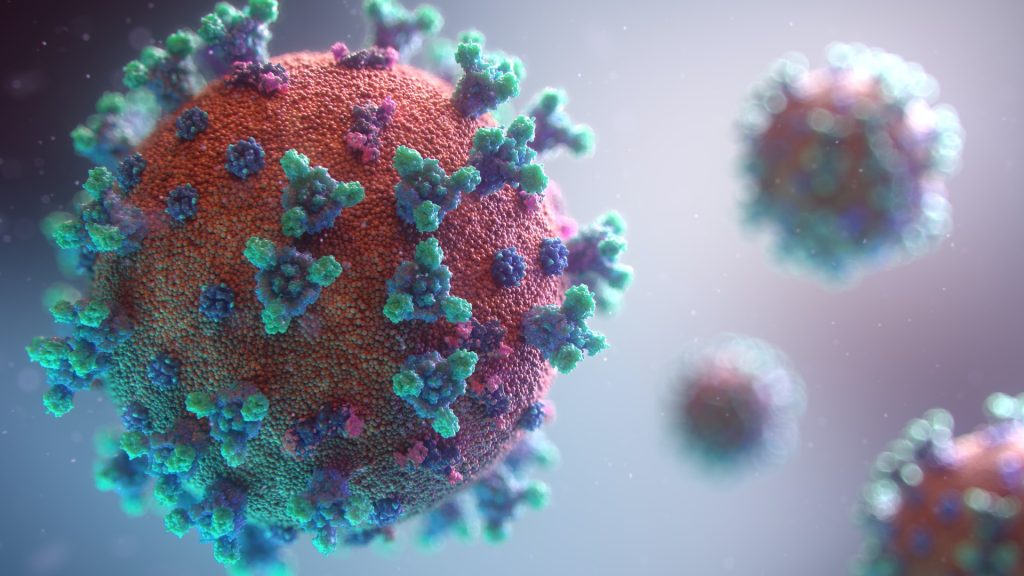
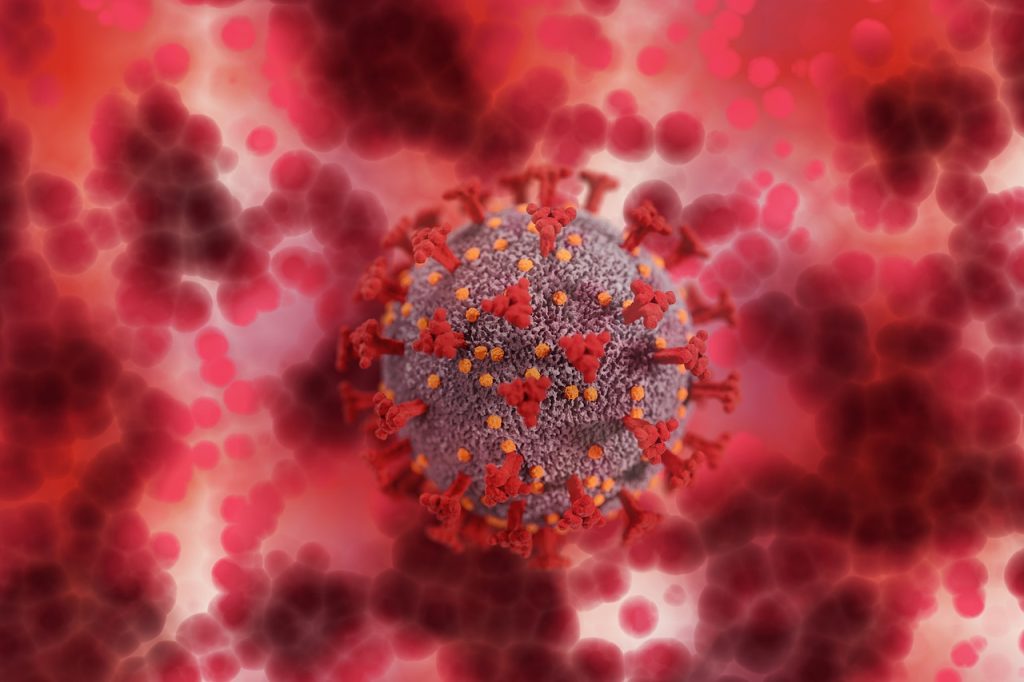
Source: Fusion Medical Animation on Unsplash

Using in vitro modelling the SARS-CoV-2 infection of human pancreatic cells, researchers have found that COVID infection is likely not associated with an increased new-onset diabetes risk. At the same time, another study has suggested that in hospitalised COVID patients, it may be a temporary form of the disease resulting from the acute stress of viral infection.

The findings, which are to appear in Cell Reports, address concerns raised over the past 18 months that infection with SARS-CoV-2 may trigger new-onset diabetes.  However, the supporting evidence for this has remained sparse, with at times conflicting evidence impeding with a proper risk assessment.

The team of researchers at the Icahn School of Medicine at Mount Sinai demonstrated that SARS-CoV-2 targets virtually all types of pancreatic cells, not just the insulin-producing beta cells, using the ACE2 receptor to gain access. However, the infection in the pancreas remained highly circumscribed, largely non-cytopathic and despite high viral burden in infected subsets, promoted only modest cellular perturbations and inflammatory responses.

Similar experimental outcomes were also observed after in vitro infection with endemic coronaviruses not previously associated with diabetes. Taken together, these findings challenge the notion that direct beta cell infection and destruction by SARS-CoV-2 can precipitate diabetes onset.

“Our provisional conclusions indicate that SARS-CoV-2 infection is likely not associated with an increased risk for new-onset diabetes,” said study leader Dirk Homann, MD, Professor of Medicine at Icahn Mount Sinai. “However, a history of SARS-CoV-2 infection may yet promote prolonged glycometabolic perturbations and even an increase in cumulative diabetes risk in vulnerable populations. Over the next few years, we need to pay careful attention to emerging observational and retrospective studies that determine diabetes incidence rates of previously SARS-CoV-2-infected individuals.”

To evaluate permissiveness of human pancreatic islet cells to in vitro SARS-CoV-2 infection, the team of researchers employed an in vitro infection model of primary human pancreatic islets with SARS-CoV-2 as well as endemic human coronaviruses. The team precisely delineated pancreatic infection patterns and associated cellular changes at the single-cell level. Altogether, they found that the extent and consequences of pancreatic SARS-CoV-2 infection, even under in vitro conditions of enhanced virus exposure, remained decidedly limited.

“Concerns surrounding the possibility that infection with SARS-CoV-2, the etiological agent of COVID, may cause new-onset diabetes persist amidst an evolving research landscape,” said Verena van der Heide, MD, PhD, co-first author of the study and postdoctoral research fellow at the Icahn School of Medicine at Mount Sinai. “Our findings stand in notable contrast to three recent reports that also based their speculation about the diabetogenic potential of SARS-CoV-2 on in vitro infection of human islets. As detailed in our manuscript, however, we believe that our careful experimental design and comprehensive analysis strategy make a compelling case for the considerable limits of pancreatic SARS-CoV-2 infection.”

“There are strong epidemiological associations between COVID infection in humans and diabetes, but whether the SARS-CoV-2 virus actually infects and damages the insulin-producing cells in the human pancreas, the so-called ‘beta cells,’ has been highly controversial,” said Andrew Stewart, MD, Director of the Diabetes, Obesity and Metabolism Institute at Icahn Mount Sinai. “This study by Dr. Homann and his collaborators in Mount Sinai’s Precision Immunology Institute and the Department of Microbiology provides strong evidence that SARS-CoV-2 causes little or no damage to beta cells, making it unlikely that COVID infection can predispose to development of Type 1 diabetes.”    

The conclusions they came to are in line with a 2020 report by Dr Homann and his team, showing that ACE2 receptors and other entry factors are lacking among islet endocrine cells but readily detected in microvascular and ductal structures of the pancreas.

Meanwhile, a second, separate study of 594 individuals who exhibited signs of diabetes mellitus during the early pandemic showed that half of the 79 patients without a diabetes diagnosis reverted to normal blood sugar levels by one year.

“We believe that the inflammatory stress caused by COVID may be a leading contributor to ‘new-onset’ or newly diagnosed diabetes,” said Sara Cromer, MD, lead author of the second study. “Instead of directly causing diabetes, COVID may push patients with pre-existing but undiagnosed diabetes to see a physician for the first time, where their blood sugar disorder can be clinically diagnosed. Our study showed these individuals had higher inflammatory markers and more frequently required admission to hospital ICUs than COVID patients with pre-existing diabetes.”

The second study was published in the Journal of Diabetes and its Complications.

Source: Mount Sinai Medical Center

SA COVID Study: ‘No Longer at Code Red’, Prof Madhi Says

Image from Pixabay

Commenting on a recently published South African study showing a high COVID antibody sero-prevalence and decoupling of hospitalisation and death rates, first author Professor Shabir Madhi said that “we [are] no longer at “code red’.”

The study, published in the New England Journal of Medicine, was conducted in Gauteng from October 22 to December 9, 2021, showed a high sero-positivity rate even as the Omicron wave started. Under-12s (56%) had the lowest rate of sero-positivity, while it was 80% in over-50s and 85% in inner city residents. Unsurprising, vaccinated individuals had much higher rates (93%) than unvaccinated ones (68%). Epidemiologic data showed that the incidence of COVID infection increased and subsequently declined more rapidly during the fourth wave than it had during the three previous waves.

The researchers imputed 10.4 million infections, compared to the <1 million COVID cases recorded before Omicron. The researchers also evaluated COVID epidemiologic trends in the province, including cases, hospitalisations, recorded deaths, and excess deaths from the start of the pandemic through January 12, 2022.

At time of Omicron wave onset, 59159 Covid attributable deaths using excess mortality data (rate 396/100,000) in Gauteng. Infection fatality risk for Gauteng 0.57% pre-omicron (substantially higher than 0.019% imputed for seasonal flu pre-Covid calculated using similar methods).

In Gauteng at the start of the Omicron wave. vaccine coverage 36% for at least 1 dose in Gauteng, but 61% in over-50s (responsible for >80% deaths pre-Omicron). The sero-survey showed that, 70% of vaccinated were also infected pre-omicron, indiciating a substantial prevalence of hybrid immunity

Prof Madhi further noted analysis of the incidence trends shows a “massive decoupling” of COVID cases to hospitalisation and death rates over the course of Omicron dominance, which was seen in all age groups.
Omicron was responsible for only 3% of COVID deaths compared to 50% for those in Delta-dominant waves. In the 50-59 age group, Omicron was responsible for only 2% of deaths compared to 53% of Delta-dominant deaths.

They also found that children under 12 were not seriously affected during the Omicron wave, with the Omicron wave making up 26% of hospitalisations and 17% of deaths versus 39% and 47%, respectively with the Delta wave.

The researchers concluded that the SA experience indicates that we are now moving into the convalescent phase of the COVID pandemic. Prof Madhi noted in his tweets that this is likely to be similar in other countries that have had a low or modest vaccine uptake, but which have also seen high rates of natural infection – which, in low- and middle-income countries, has likely been accompanied by significant under-reporting of COVID fatalities. 

Given low rates of vaccine rollout and donations, Africa should focus on vaccinating its vulnerable elderly population, Prof Madhi recommended.

He tweeted that SA had expressed optimism that the pandemic had reached a turning point “which many in high income countries dismissed as ’empirical’ and not applicable to their settings despite high vaccine coverage,” subsequently materialised around the world wherever COVID was “not [a] zero-sum game.”

Severe COVID Raises Risk of Pregnancy Complications

Source: Pixabay

A University of Oxford study of over 4000 pregnant women indicates that severe COVID in pregnancy increases the risk of pre-labour caesarean birth, a very or extreme preterm birth, stillborn birth, and the need for admission to a neonatal unit.  

The study, published in Acta Obstetricia et Gynecologica Scandinavica, included 4436 pregnant women hospitalised in the UK with symptomatic COVID from March 1, 2020 to October 31, 2021, of whom 13.9% of had severe COVID. As well as having increased risks of adverse pregnancy-related outcomes, women with severe infection were more likely to be aged 30 years or over, be overweight or obese, be of mixed ethnicity, or have gestational diabetes compared with those with mild or moderate infection.  

“This new analysis shows that certain pregnant women admitted to a hospital with COVID face an elevated risk of severe disease. However, it shows once again the strongly protective effect of vaccination against severe disease and adverse outcomes for both mother and baby,” said senior author Marian Knight, FMedSci, of the University of Oxford. “This study emphasises the importance of ensuring that interventions to promote vaccine uptake are particularly focused towards those at highest risk.”

Source: Wiley

Political Factors Drove Hydroxychloroquine and Ivermectin COVID Prescriptions

Photo by Andy Feliciotti on Unsplash

Hydroxychloroquine and ivermectin, two COVID treatments that have been shown to be ineffective for those purposes, were more heavily prescribed in the second half of 2020 in parts of the US that voted for the Republican party, according to a new research letter published in JAMA Internal Medicine.

“We’d all like to think of the health care system as basically non-partisan, but the COVID pandemic may have started to chip away at this assumption,” said lead author Michael Barnett, assistant professor of health policy and management.

The study compared prescription rates for hydroxychloroquine and ivermectin with rates for two control medications, methotrexate sodium and albendazole, which are similar drugs but have not been proposed as COVID treatments. Comparing different US counties, researchers looked at deidentified medical claims data from January 2019 through December 2020 from roughly 18.5 million adults as well as census and voting data.

Overall, hydroxychloroquine prescribing volume from June through December 2020 was roughly double what it had been in the previous year, while the volume of ivermectin prescriptions was seven-fold higher in December 2020 than the previous year. In 2019, prescribing of hydroxychloroquine and ivermectin did not differ according to county Republican vote share. However, that changed in 2020.

After June 2020 – coinciding with when the US Food and Drug Administration revoked emergency use authorisation for hydroxychloroquine – prescribing volume for the drug was significantly higher in counties with the highest Republican vote share as compared to counties with the lowest vote share.

As for ivermectin, prescribing volume was significantly higher in the highest versus lowest Republican vote share counties in December 2020 a 964% increase on the overall prescribing volume in 2019. The spike lined up with with a number of key events, such as the mid-November 2020 release of a now-retracted manuscript claiming that the drug was highly effective against COVID, and a widely publicised US Senate hearing in early December that included testimony from a doctor promoting ivermectin as a COVID treatment.

Neither of the control drugs had differences in overall prescribing volume or in prescribing by county Republican vote share.

The authors concluded that the prescribing of hydroxychloroquine and ivermectin may have been influenced by physician or patient political affiliation. “This is the first evidence, to our knowledge, of such a political divide for a basic clinical decision like infection treatment or prevention,” said Barnett.

Source: Harvard T.H. Chan School of Public Health

India’s True Pandemic Death Toll Likely Over Three Million

FIG. 1. Percentages of adults reporting daily death in household, expected percentage in 2020, and daily confirmed COVID deaths in India, 1 June 2020 to 1 July 2021. COVID Tracker deaths (red line, left vertical scale) represent COVID deaths reported daily (smoothed for rolling 7-day averages) at age 35 or older, less a subtraction value of 0.59% to represent nonhousehold reporting. Expected all-cause deaths (grey dashed line, left vertical scale) per year of 3.4% (see text), with 7-day smoothed weekly adjustment from variation observed among 480,000 deaths in the Million Death Study from 2004 to 2014. Confirmed COVID deaths (blue bars, right vertical scale) are daily reports from Covid19india.org (2).
Credit: DOI: 10.1126/science.abm5154

An updated estimate for COVID mortalities in India puts the true number at over three million, which is so much higher than the official estimate of around a million that it would raise the World Health Organization’s official global death toll by 50%.

When the COVID Delta wave hit India over early to mid-2021, hospitals were filled beyond capacity, oxygen ran out, and community networks for tending to the dead were overwhelmed. At the time, government reporting put the death toll at under a million.

However, other sources estimated that the toll was far worse than this, likely in the millions. A more accurate measure of COVID mortality in India puts that number at 3.2 million people, according to a paper published in Science

“The analyses find that India’s cumulative COVID deaths by September 2021 were six to seven times higher than reported officially,” the international team of researchers wrote.

“You have to put that into context,” said Associate Professor of Economics Paul Novosad, co-author of the paper. “At the time that we were writing this, India was reporting about half a million official COVID deaths, the World Health Organization was reporting about 4 to 5 million COVID deaths globally, so just this adjustment – just correctly counting the deaths in India – is going to raise the global mortality count of COVID by almost 50%.”

The team looked at all-causes mortality from an independent survey of 140 000 adults, and from two government data sources including deaths reported in health facilities and registered deaths in 10 Indian states. Comparing these to previous years without COVID, they found that total deaths increased by 26% to 29% in the COVID period compared to total deaths in past years. This range was consistent across separate data sources, the researchers wrote.

“We’re triangulating on this number from a lot of different directions and have broad agreement regarding the range that we’re finding,” said Novosad.

Novosad’s work incorporates many novel types of data, including measures of well-being generated from satellite images, data collected by government programs, and archival administrative records not previously used for policy design. His research lab, which focuses on India, has created an open source data platform to support socioeconomic research in India and the developing world.

“A large part of my research agenda is based on finding new, 21st-century data sources and mobilising them for better research and policy,” he said.

Novosad believes this work can help answer many  critical questions about how governments and organisations can respond to the global pandemic.

“The decisions you make are better if they’re based on true facts about the world. If you don’t have data, then you just have to work on stories and impressions,” he said. “We need an empirical foundation for this kind of work.”

Source: Dartmouth College

An Estimated 70% of South Africans Have Had COVID

Image by Quicknews

Writing for GroundUpDr Alex Welte unpacks the results of the latest blood donor survey, which suggests that some 70% of South Africans have had a COVID infection.

The South African National Blood Service (which handles the blood supply for eight provinces) and the Western Cape Blood Service have been testing some donors for Covid antibodies over the last year or so. This has contributed to our understanding of how many people have been infected by SARS-CoV-2 (the virus that causes Covid), and what proportion of infections lead to death. It may help us plan for future waves, though exactly how is complicated.

On the assumption that another wave towards the end of 2021 was nearly inevitable – but before we all heard about omicron – it was decided to perform more such testing in early November. The numbers are now out.

The headline results are:

  • Overall about 80% of black donors had previously had Covid, and 40% of white donors.
  • There is no meaningful variation between age groups and sexes.
  • This latest survey did not include Western Cape data.
  • The test used does not detect the antibodies produced in response to vaccination, so this really is an estimate of people who have been infected.

While blood donors are not perfectly representative of the country’s population, we can take into account differences between the racial breakdown of the donor population and the racial breakdown of the general population. This means that our face-value national estimate is that about 70% of people had been infected before the omicron wave hit.

Since then we’ve had the omicron wave. We would very much like to know how many people are infected now, but there’s really no simple way to derive this number. Researchers are now updating their models with this additional piece of data, and we may see some estimates soon.

With that caution, here is my back-of-the-envelope estimate:

  • Omicron seems to have little trouble infecting people who have been infected by other variants, though there is some protection from prior infection and vaccination.
  • By late last year, quite a bit more than half the population had already had a prior infection.
  • Hence, I estimate that about half of the omicron wave infections were in previously uninfected individuals.
  • Given the infection detection rate estimates from previous waves, and a number of plausible sources of possible variation in this rate, I estimate the detection rate at about 1 in 10.
  • Given the roughly 700 000 cases reported between mid November and mid February, we get an estimate of 7 million cases, and therefore 3.5 million new infections.
  • Given our population of about 60 million, this is roughly an additional 6%.
  • Bottom line: it’s not crazy to estimate that about three-quarters of South Africans have by now been infected. But I would not be surprised if serious models come up with even higher estimates.

A troubling result of the survey is that once more it shows the serious racial disparities in South Africa. I don’t know if this carried over to the omicron wave. Estimating the racial breakdown of infection after omicron depends in a complicated way on variations in housing, lifestyle, access to vaccination, and all the usual factors that shape daily life in our country.

Dr Welte helped design and implement the blood donor survey.

Source: GroundUp

High COVID Mortality Rate Found in African Children and Adolescents

Photo by Roman Nguyen on Unsplash

African children and adolescents hospitalised with COVID experience much higher mortality rates than Europeans or North Americans of the same age, according to a recent six-country study which included South Africa.

The study, published in JAMA Pediatrics. was conducted by researchers from the Institute of Human Virology (IHV) at the University of Maryland School of Medicine (UMSOM) and the Institute of Human Virology Nigeria (IHVN). Both organisations are members of the Global Virus Network (GVN).

“This study provides important information about COVID among African children, which was not previously available at this scale. We now have evidence from multiple countries to show that African children also experience severe COVID; they experience multisystem inflammatory syndrome; some require intensive care; some also die, and at much higher rates than outside Africa,” said co-first author Nadia Sam-Agudu, MD, Associate Professor of Pediatrics at the UMSOM’s Institute of Human Virology.

The AFREhealth study collected data from 25 health facilities across Nigeria, Ghana, Democratic Republic of the Congo, Kenya, South Africa, and Uganda. The study included 469 African children and adolescents aged three months to 19 years hospitalised with COVID between March and December 2020. The team reported a high overall mortality rate of 8.3%, compared with 1% or less totaled from Europe and North America. Furthermore, African children less than a year old and with pre-existing, non-communicable diseases were more likely to have poorer outcomes.

Eighteen participants had suspected or confirmed multisystem inflammatory syndrome (also known as MIS-C), and four of these children died.

Dr Sam-Agudu, who led the West Africa team for the study, urged health authorities and policymakers in Nigeria and other African countries to act upon the study findings “to protect children by expanding vaccine approvals and procurements for children specifically, as the variants emerging since our study’s completion have either caused more severe disease and/or more cases overall. We cannot leave children behind in the pandemic response.”

Source: University of Maryland

Higher Oestrogen Levels Protect Older Women Against Severe COVID

Photo by Ravi Patel on Unsplash

An older woman’s oestrogen levels may be linked to her chances of dying from COVID, with higher levels of the hormone seemingly protective against severe infection, according to a study published in BMJ Open.

Supplemental hormone treatment to curb the severity of COVID infection in post-menopausal women could be investigated, the researchers suggested.

Even after accounting for other factors, women seem to have a lower risk of severe COVID infection than men. This holds true for other serious recent viral infections, such as MERS (Middle East Respiratory Syndrome).

Oestrogen may have a role in this gender discrepancy, so to invesitgate the researchers compared the potential effects of boosting and reducing oestrogen levels on COVID infection severity.

They drew on Swedish national data, and the study sample included 14 685 women in total: 227 (2%) had been previously diagnosed with breast cancer and were on oestrogen blocker drugs (adjuvant therapy) to curb the risk of cancer recurrence; and 2535 (17%) were taking hormone replacement therapy (HRT) to boost their oestrogen levels in a bid to relieve menopausal symptoms.

Some 11,923 (81%) women acted as the comparison group as they weren’t on any type of treatment, either to enhance or reduce their systemic oestrogen levels.

Analysis of all the data showed that compared with no oestrogen treatment, the crude odds of dying from COVID were twice as high among women on oestrogen blockers but 54% lower among women on HRT.

After accounting for potentially influential factors, COVID mortality risk remained significantly lower (53%) for women on HRT.

Unsurprisingly, age was significantly associated with COVID mortality risk, with each extra year associated with 15% greater odds, while every additional coexisting condition increased the odds of death by 13%.

And those with the lowest household incomes were nearly 3 times as likely to die as those with the highest.

As an observational study, it cannot establish cause. There were no data on the precise doses of HRT or oestrogen blocker drugs, or their duration, nor on weight or smoking, while the number of women on adjuvant therapy was relatively small.

These factors may have been influential. But the researchers conclude: “This study shows an association between oestrogen levels and COVID death. Consequently, drugs increasing oestrogen levels may have a role in therapeutic efforts to alleviate COVID severity in postmenopausal women and could be studied in randomised control trials.”

Source: EurekAlert!

Almost a Third of Older Adults Develop New Condition after COVID

Image from Pixabay

Almost a third of older adults infected with COVID in 2020 developed at least one new condition requiring medical attention in the months after initial infection, compared to only a fifth who were not infected, according to a study published by The BMJ.

Conditions involved a range of major organs and systems, including the heart, kidneys, lungs and liver as well as mental health complications. Some studies now examine the frequency and severity of sequelae after COVID infection, but few have described the excess risk of new conditions triggered by COVID infection in adults 65 and older.

Researchers used US health insurance records to identify 133 366 individuals aged 65 or older in 2020 who were diagnosed with COVID before 1 April 2020. Three (non-COVID) comparison groups were matched: from 2020, 2019, and a group diagnosed with viral lower respiratory tract illness.

The researchers then recorded any persistent or new conditions starting 21 days after a COVID diagnosis (the post-acute period) and calculated the excess risk for conditions triggered by COVID over several months based on age, race, sex, and whether patients were hospitalised with COVID.

The results show that among individuals diagnosed with COVID9 in 2020, 32% sought medical attention in the post-acute period for one or more new or persistent conditions, which was 11% higher than the 2020 comparison group.

Compared with the 2020 comparison group, COVID patients were at increased risk of developing a range of conditions including respiratory failure (an extra 7.55 per 100 people), fatigue (+5.66 per 100), high blood pressure (+4.43 per 100), and mental health diagnoses (+2.5 per 100). Similar findings were found for the 2019 comparison group.

However, compared with the group with viral lower respiratory tract illness, only respiratory failure, dementia, and fatigue showed increased risk differences of 2.39, 0.71, and 0.18 per 100 people with COVID, respectively.

Individuals hospitalised with COVID had a markedly increased risk for nearly all conditions. The risk of several conditions was also increased for men, for those of black race, and for those aged 75 and older.

Limitations include being an observational study – however, the authors warn that the number survivors with sequelae will continue to grow.

“These findings further highlight the wide range of important sequelae after acute infection with the SARS-CoV-2 virus,” they write. “Understanding the magnitude of risk for the most important clinical sequelae might enhance their diagnosis and the management of individuals with sequelae after acute SARS-CoV-2 infection.”

“Also, our results can help providers and other key stakeholders anticipate the scale of future health complications and improve planning for the use of healthcare resources,” they conclude.

Source: The BMJ

Is it Possible to Detect COVID in Exhaled Breaths?

Source: CDC

In a study published in Influenza and Other Respiratory Viruses, researchers were able to detect SARS-CoV-2 viral RNA in droplets from the exhaled breaths and coughs of COVID patients.

COVID is assumed to be transmitted mainly by respiratory droplets. However, probable aerosol transmission has been reported to occur under certain conditions. The researchers sought to address the lack of information on viral load in exhaled breath samples,as well as the size and concentration of exhaled endogenously generated droplets in relation to viral load. Additionally, the relationship between the viral load in upper airway diagnostic samples and aerosol samples needed to diagnose.
For the study, researchers analysed exhalations by two different methods during 20 normal breaths, 10 airway opening breaths (which involves deep inhalation followed by relaxed exhalation), and 3 coughs.

PCR detection of SARS-CoV-2 RNA in aerosols was possible in 10 out of 25 participants. Viral RNA presence in aerosol was mainly detected in cough samples (8 samples), but also in normal breaths (4 samples) and in airway opening breaths (3 samples).  

“Our data confirm findings from other researchers that SARS-CoV-2 can be detected in aerosol particles < 5µm and highlight the small amount of exhaled aerosol needed for detection. Of specific interest were findings from the airway opening maneuver, which is thought to generate particles mainly from the small airways,” said lead author Emilia Viklund, PhD student at the University of Gothenburg, in Sweden. “COVID causes a lot of damage in this region, and it would be of great interest to further explore the amount of exhaled virus and the course of disease, as well as the infectious potential of exhaled virus.”

Source: Wiley