Tag: covid treatment

How Well Do COVID Antivirals Actually Work? Not as Well as We Thought
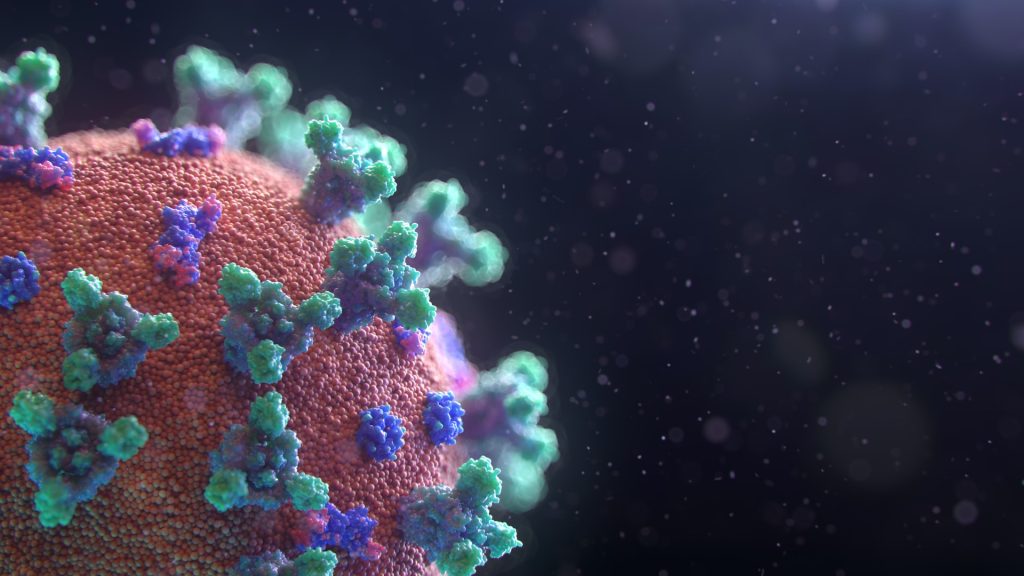
Image by Fusion Medical on Unsplash

Laura Edwards, UNSW ; Allen Cheng, Monash University; Bette Liu, UNSW , and James Wood, UNSW

If you’re 70 or older, or 50 or older with underlying health conditions, and have tested positive for COVID, you might have been offered free or subsidised antivirals.

Earlier in the pandemic, these medicines were an important way to reduce the chance of people becoming severely ill with COVID, needing to be hospitalised or dying.

But our new research suggests that with high levels of vaccination and immunity from previous infections, COVID antivirals are no longer working as well.

From no treatment to an effective one

When SARS-CoV-2, the virus that causes COVID, first emerged in late 2019, no treatment was available. Existing influenza antivirals, which had been stockpiled by governments, were ineffective and couldn’t be used.

Scientists rapidly tried to figure out which existing or new drugs could be used. In 2021, two industry-sponsored clinical trials reported promising results.

One was for nirmatrelvir-ritonavir (Paxlovid), which reported an 89% reduction in severe illness. The other was a trial of molnupiravir (Lagevrio), which reported a 30% reduction.

Paxlovid and Lagevrio work by stopping SARS-CoV-2 from replicating. So they need to be taken early in the course of illness – within five days – to be effective.

Both drugs became available in Australia and were listed on the Pharmaceutical Benefits Scheme (PBS) in early and mid-2022. This ensured people most at risk of severe illness had access to drugs at low or no cost.

Paxlovid and Lagevrio are expensive. A course of treatment cost the government around A$1,100 from 2022 to 2025, much more than treatment for influenza, oseltamivir (Tamiflu), which costs only around $40.

Between mid-2022 and mid-2025, the Australian government spent more than $2 billion on Paxlovid and Lagevrio.

What’s different now?

Most Australians have now been vaccinated against COVID and infected with SARS-CoV-2 more than once. This results in hybrid immunity and reduces the likelihood and severity of future infections.

The virus itself has also changed, with the original variants replaced by new ones that appear to be less severe than early in the pandemic.

These changes prompted us to evaluate the more recent evidence.

What did we study and find?

First, we examined randomised controlled trials—the gold standard of evidence. We found eight trials of Paxlovid and Lagevrio, but most were done before people were vaccinated.

When we looked at the two randomised controlled trials in vaccinated people, neither reported a reduction in severe outcomes after taking either Paxlovid or Lagevrio.

The Lagevrio trial reported no statistical difference in hospitalisation or death in people who did and didn’t receive treatment.

The other was a trial of people in hospital who were treated with Paxlovid. It found no difference between people who were treated and those who were not.

There were some nuances to these findings. Randomised controlled trials are expensive and resource-intensive. As COVID went from being the leading cause of death worldwide in 2021 to the 20th in 2023, it became more difficult to justify the costs and recruit enough participants, so some trials were stopped early.

However, two randomised controlled trials of Paxlovid have been published since our work, and neither reported a reduction in hospitalisation or death.

In phase two of our research, we looked at the 35 observational studies, in which researchers can include many more people but can’t control who gets the treatment. We pooled the results from the studies to estimate the effectiveness of each drug against hospitalisation and death.

This meta-analysis found Paxlovid, but not Lagevrio, reduced hospitalisation and death.

Paxlovid was associated with a 40% reduction in hospitalisation and a 67% reduction in death.

Lagevrio wasn’t associated with a significant reduction in hospitalisation, and the results for death were mixed.

Because treatment wasn’t randomised, there may be differences between people who received treatment and those who didn’t. People accessing treatment, for example, may have greater health literacy or access to other health services.

While some studies use methods to adjust for differences in people who do and don’t receive treatment, it’s usually not possible to adjust for every difference.

COVID is still a concern for at-risk groups

SARS-CoV-2, like influenza and respiratory syncytial virus (RSV), remains a common cause of acute respiratory illness in Australia. In 2025, there were:

  • 186,000 cases of COVID reported
  • 178,000 cases of RSV
  • 503,000 cases of influenza.

But the number of COVID, RSV and influenza cases reported is well below the true number, as most people don’t get tested.

COVID is still claiming lives. There were 2,227 deaths involving COVID in 2025. This is more than the 1,784 deaths involving influenza. Three-quarters of deaths were among people 80 and older.

The rates of COVID-related hospitalisations so far this year have been lower than last year, with 839 admissions at “sentinel hospitals” (those chosen to monitor disease trends) in the first half of this year. This compares with 1,740 in the same period last year.

What does this mean?

COVID can still cause severe illness, hospitalisation and death, particularly in older people.

If you test positive for COVID, talk to your primary care doctor about whether antivirals may be appropriate for you.

Our work shows there may be some benefit from Paxlovid. But as the number of cases and the risk of severe illness continue to fall, this benefit is becoming very small.

Given how little evidence there is for Lagevrio, its role in treating COVID should be carefully considered.

Harms of antivirals can include side effects – such as taste changes, nausea and vomiting – and allergic reactions.

Paxlovid can also interact with other drugs, causing serious reactions. It should be avoided, or the dose adjusted, in people with severe liver or kidney disease because it can make these conditions worse.

Australia’s independent Pharmaceutical Benefits Advisory Committee (PBAC) is set to review COVID antivirals later in 2026. It will assess the costs and benefits of Paxlovid and Lagevrio, and it may change its recommendations about who can access the drugs on the PBS.

Our findings support this reassessment.

This article is republished from The Conversation under a Creative Commons license. Read the original article.

Cystic Fibrosis Drug Improves Outcomes in Severe COVID Pneumonia

Photo by engin akyurt on Unsplash

In a new clinical trial, a drug commonly used to treat cystic fibrosis, dornase alfa, improved outcomes for patients with severe COVID pneumonia. The results, published in the journal eLife, also suggest that the drug could be used to treat other respiratory infections.

The study, found that the drug reduced hyper-inflammation in COVID pneumonia patients, which occurs when the body’s immune system reacts too strongly and can lead to tissue damage and death.

The next step will be to conduct larger clinical trials, with the ultimate goal of approving dornase alfa for wider use. As well as COVID, dornase alfa has the potential to treat other respiratory infections such as those caused by influenza or bacterial pneumonia, and even other lung diseases such as pulmonary fibrosis.

Since the beginning of the COVID pandemic, the proportion of SARS-CoV-2 infections that result in death has fallen, partly due to increased immunity from prior infection or vaccination, as well as improved treatments such as the steroid dexamethasone, which helps to tackle the hyper-inflammation that was a key factor in many COVID deaths. But this treatment isn’t suitable for some patients and is not always successful in severe cases.

In this study, researchers from UCL, UCLH and the Francis Crick Institute set out to assess whether dornase alfa could be used to improve outcomes for patients admitted to hospital with severe COVID pneumonia who required oxygen.

Out of a total of 39 participants, 30 were randomised to receive twice-daily treatment with nebulised dornase alfa in addition to best available care (BAC) which included dexamethasone, with nine patients randomised to BAC only.

Patients treated with dornase alfa had a 33% reduction in systemic inflammation on top of the reduction provided by dexamethasone, as measured by C-reactive protein (CRP) levels in the blood over seven days or until they were discharged from hospital.

Dr Venizelos Papayannopoulos, senior author of the study from the Francis Crick Institute, said: “Dexamethasone has been highly successful in treating patients with severe COVID-19 pneumonia and is now standard care in the UK. But it isn’t suitable for some patients, such as those with diabetes, those that do not require oxygen, and in very severe cases it may not be enough. Dornase alfa can be used to treat a wider variety of patients and gets right to the heart of the inflammatory response. Based on these results, we think it will be a valuable tool for tackling severe COVID-19 illness.”

Patients treated with dornase alfa were also more likely to need less oxygen and be discharged sooner compared to patients who received BAC. These additional benefits could help to free up beds and resources in the UK’s busy hospitals.

The next step will be to conduct larger clinical trials to ensure dornase alfa is safe and effective for treating severe COVID pneumonia. There is also potential for the drug to be trialled for other respiratory infections and conditions, such as acute exacerbations of pulmonary fibrosis, where inflammation of already scarred lung tissue affects how well oxygen can be absorbed.

Source: University College London

Time is Running out to Develop a Paxlovid Alternative

Photo by CDC on Unsplash

Researchers from Rutgers University in the U.S. believe that they are ahead in a race to find an oral COVID-19 treatment to supplement or replace the antiviral Paxlovid. Their report, published in Science, shows that an alternative medication, a viral papain-like protease inhibitor, inhibits disease progression in animals while also possessing an important advantage over Paxlovid – fewer prescription drug contraindications.

“COVID-19 remains the nation’s third leading cause of death, so there’s already a massive need for additional treatment options,” said Jun Wang, senior author of the study and associate professor at Rutgers. “That need will grow more urgent when, inevitably, COVID-19 mutates in ways that prevent Paxlovid from working.”

The Rutgers team hoped to make a drug that interfered with viral papain-like protease (PLpro), a protein that performs important functions in all known strains of COVID-19.

Creating such a drug required detailed information about PLpro’s structure, which Wang’s team got from the Arnold Lab at Rutgers’ Center for Advanced Biotechnology and Medicine (CABM).

Precise knowledge of PLpro’s structure enabled Wang’s team to design and synthesise 85 drug candidates that would bond to – and interfere with – this vital protein.

“The PLpro crystal structures showed an unexpected arrangement of how the drug candidate molecules bind to its protein target, leading to innovative design ideas implemented by professor Wang’s medicinal chemistry team,” said Eddy Arnold, who is a professor at CABM.

Laboratory testing established that the most effective of those drug candidates, a compound dubbed Jun12682, inhibited several strains of the SARS-CoV-2 virus, including strains that resist treatment with Paxlovid.

Oral treatment with Jun12682 on SARS-CoV-2-infected mice was shown to reduce viral lung loads and lesions while improving survival rates.

“Our treatment was about as effective in mice as Paxlovid was in its initial animal tests,” said Wang, who added the experimental drug appears to have at least one major advantage over the older drug.

“Paxlovid interferes with many prescription medications, and most people who face the highest risk of severe COVID-19 take other prescription medicines, so it’s a real problem,” Wang said.

“We tested our candidate Jun12682 against major drug-metabolising enzymes and saw no evidence that it would interfere with other medications.”

Source: Rutgers University

Paxlovid does not Reduce Risk of Long COVID, Study Finds

Image by Fusion Medical on Unsplash

A recent has study found that Paxlovid (Nirmatrelvir-ritonavir) did not reduce the risk of developing long COVID for vaccinated, non-hospitalised individuals during their first COVID infection. The study also revealed a higher proportion of individuals with acute symptoms rebound and test-positivity than previously reported.

The study, by a team of researchers from UC San Francisco, is published in the Journal of Medical Virology.

Paxlovid treatment for acute COVID has been shown to be effective for high-risk unvaccinated individuals. But the effect of the treatment on long COVID risk, including whether it protects vaccinated people from getting long COVID, has been less clear.

The research team selected a group of vaccinated people from the UCSF Covid-19 Citizen Science study who had reported their first positive test for COVID-19 between March and August of 2022 and who were not hospitalised.

Some of these participants reported taking oral Paxlovid treatment during the acute phase of their COVID infection, while others did not.

In December of 2022, they were invited to answer a follow-up survey with questions about long COVID, COVID rebound symptoms and how long they continued to test positive.

Researchers found the two groups were similar. About 16% of those treated with Paxlovid had long COVID symptoms compared to 14% of those who were not treated with the medication.

Commonly reported symptoms included fatigue, shortness of breath, confusion, headache, and altered taste and smell.

Those who took Paxlovid and then went on to develop long COVID reported as many long COVID symptoms as those who were not treated with Paxlovid.

A small percentage of people developed severe long COVID, and those who had received Paxlovid were just as likely to have severe Long COVID symptoms as those who did not.

Among individuals who experienced symptomatic improvement during Paxlovid treatment, 21% reported rebound symptoms.

And among those with rebound symptoms, 10.8% reported one or more Long COVID symptom compared to 8.3% without rebound symptoms.

For participants who repeated antigen testing after testing negative and completing treatment, 25.7% reported rebound test positivity.

In total, 26.1% reported rebound symptoms or test positivity.

“We found a higher proportion with clinical rebound than previously reported but did not identify an effect of post-treatment rebound on long COVID symptoms,” said study first author Matthew Durstenfeld, MD, MAS, a cardiologist and UCSF assistant professor of Medicine.

“Our finding that Paxlovid treatment during acute infection is not associated with lower odds of long COVID surprised us, but it is consistent with two other rigorously conducted studies finding no difference in post-COVID conditions between 4 and 6 months after infection.”

The authors note that the study may have been impacted by limitations arising from its observational nature with researchers relying on patient self-reporting of treatment and Long COVID symptoms.

Source: University of California San Francisco Medical Center

WHO Updates COVID Treatment Guidelines

Photo: CC0

A panel of international experts representing the World Health Organization’s (WHO) Guideline Development Group has updated its guidance on treatments for patients with COVID.

The new recommendations published by The BMJ are part of a living guideline, developed by the WHO with the methodological support of MAGIC Evidence Ecosystem Foundation, to provide up to date, trustworthy guidance on the management of COVID and help doctors make better decisions with their patients.

The guidance incorporates the latest clinical trial evidence for existing and new COVID therapies and takes account of evidence relating to safety, prognosis, resources, access, and equity issues, as well as patient values and preferences. 

The updates include:

  • Distinct risk categories to help doctors more accurately assess whether an individual is at high, moderate, or low risk of hospital admission and tailor treatment accordingly.
  • A new treatment benefit threshold of 1.5% (down from 6%) reduction in the risk of hospital admission. This reflects the lower baseline risk for most patients with non-severe COVID as well as more safety evidence and wider availability of therapies.
  • A recommendation to use the antiviral drug nirmatrelvir-ritonavir in patients with non-severe COVID at high and moderate risk of hospital admission.
  • A recommendation against use of the antiviral drugs remdesivir and molnupiravir for patients with non-severe COVID at moderate and low risk of hospital admission (treatment is suggested for patients at high risk of admission).
  • A recommendation against use of a new antiviral (VV116) for patients with COVID except in clinical trials, regardless of illness severity.
  • A strong recommendation against the use of ivermectin for patients with non-severe COVID(advice against use of ivermectin in patients with severe or critical COVID, except in clinical trials, still exists).

The experts say the new recommendations reflect changes in the virulence and transmissibility of circulating SARS-CoV-2 variants and sub-variants, along with changes in immunity related to global vaccinations, which have led to lower baseline risks of severe illness and death for most patients with non-severe COVID.

They acknowledge that there are still uncertainties around COVID therapeutics and emerging evidence and say these recommendations need to be used in light of these uncertainties.

An interactive decision support tool is available to accompany this guidance.

Source: The BMJ

Omega-3 Fatty Acids Could Help Elderly COVID Patients

Intravenous treatment with omega-3 fatty acids in elderly hospitalised patients in intensive care due to COVID seems to help the immune system’s ability to cope with the virus, according to a study published in the journal Clinical and Translational Medicine. These findings could lead to a complementary, cost-effective treatment for COVID.

In COVID patients, the immune system and the body’s activation of white blood cells are over-activated. It can lead to a so-called systemic inflammatory storm, which worsens the disease state and can cause complications such as sepsis and heart failure.

Researchers at Karolinska Institutet, among others, have now shown that omega-3 fatty acids can stimulate active healing of inflammation, without inhibiting the immune response. By accelerating the healing of the inflammation without compromising the body’s immune system, it could be possible to counteract the most serious complications of COVID, researchers believe.

Stimulated inflammation-healing molecules

The treatment effect was found by mapping inflammatory biomarkers and immunological reactions.

“First, we showed that fatty acid metabolism to inflammation-healing molecules was stimulated in those patients treated with omega-3 fatty acids. By isolating immune cells before, during, and after treatment, we were able to show that immune function improved,” said corresponding author Magnus Bäck, senior consultant in cardiology and professor at Karolinska Institutet.

Planning further studies

Researchers are now planning for larger clinical studies, which will be needed to show whether the course of the disease in severe COVID is improved through treatment with omega-3 fatty acids.

“It is important that even our weakest and frailest patients have the opportunity to participate in studies when the enemy, in this case, COVID, is on the attack and that they can fight the disease with the help of the medicine,” said Dorota Religa, senior consultant and professor in geriatrics at Karolinska Institutet.

“Stimulating the healing of inflammation with omega-3 fatty acids has the potential to lead to a new, cost-effective low-risk treatment for COVID-19, as a complement to existing treatment,” said Prof Magnus Bäck.

Source: Karolinska Institutet

Trial Suggests Early Metformin is Effective in COVID Treatment

Image from Pixabay

In a study published in the New England Journal of Medicine, researchers have found that metformin, a commonly prescribed diabetes medication, lowers the odds of emergency department visits, hospitalisations, or death due to COVID by over 40%; and over 50% if prescribed early in onset of symptoms. The study also found no positive effect from treatment with either ivermectin or low-dose fluvoxamine.

“Our trial suggests that metformin may reduce the likelihood of needing to go to the emergency room or be hospitalised for COVID,” said Carolyn Bramante, MD, principal investigator of the study.

The primary outcome was in fact low oxygen on a home oxygen monitor, which none of the medications in the trial prevented.

The COVID-OUT trial studied whether metformin, low-doses of the antidepressant fluvoxamine, the controversial antiparasitic ivermectin, or their combinations could serve as possible treatments to prevent ER visits or hospitalisation, as well as Long COVID.

Patients were randomised to receive one of the three drugs individually: placebo, or a combination of metformin and fluvoxamine or metformin and ivermectin. Although the study was placebo-controlled with exact-matching placebo pills, Dr Bramante said that 83% of volunteers received medications supported by existing data because of the six-arm design. Each participant received 2 types of pills to keep their treatment assignment masked, for 3 to 14 days of treatment. Each volunteer tracked their symptoms, and after 14 days, they completed a survey.

The 1323 participants in the trial were limited to adults with a body mass index greater than or equal to 25 kg/m2, which qualifies as overweight. To qualify for the study, volunteers enrolled within three days after receiving a positive COVID test. It was among the first randomised clinical trials for COVID to include pregnant women.

The study included those who were vaccinated and those who were not. This is the first published trial where the majority of participants were vaccinated. 

“Although we know COVID vaccines are highly effective, we know that some new strains of the virus may evade immunity and vaccines may not be available worldwide. So we felt we should study safe, available and inexpensive outpatient treatment options as soon as possible,” said Dr Bramante. “Understanding whether outpatient treatments could ensure more people survive the illness if they contract it and have fewer long-term symptoms is an important piece of the pandemic response.”

The clinical trial launched in January 2021 after researchers noticed that outpatient metformin use appeared to decrease the likelihood of mortality from, or being hospitalised for COVID. Their research was published in the Journal of Medical Virology and in The Lancet Healthy Longevity. Test-tube studies also found that metformin inhibited the -CoV-2 in lab settings. These findings, along with additional prospective studies supporting the use of higher-dose fluvoxamine and ivermectin, provided the evidence to include all three medications as well as combination arms.

Source: University of Minnesota

Few Patients get ‘Rebound COVID’ after Paxlovid Treatment

Image from Pixabay

Mayo Clinic researchers studied the outcomes of 483 high-risk patients  treated for COVID with a five-day oral regimen of Paxlovid, a combination of nirmatrelvir and ritonavir. Only a handful developed COVID rebound symptoms, something which the researchers say needs further investigation. Their findings appear in the journal Clinical Infectious Diseases.

All of the patients benefited from Paxlovid and recovered, including the patients who developed rebound symptoms, which were generally mild.

“We found that rebound phenomenon was uncommon in this group of patients,” says senior author Aditya Shah, MBBS, an infectious diseases physician and researcher at Mayo Clinic. “The four individuals who experienced rebound [symptoms] represent only 0.8% of the group, and all of them recovered quickly without additional COVID-directed therapy.”

Most of the patients had been vaccinated, and many had received booster vaccinations. The median age was 63. While these patients were high-risk for COVID, none was immunocompromised. Only two patients were admitted to the hospital, and it was for reasons other than COVID.

The study focussed on four patients with rebound symptoms:

  • A 75-year-old man with coronary artery disease who had increased cough and muscle aches 19 days after treatment.
  • A 40-year-old woman with obesity, hypertension and kidney disease who developed fatigue and sore throat six days after treatment.
  • A 69-year-old man with hypertension and obesity who exhibited nasal discharge and cough 10 days following therapy.
  • A 70-year-old man with a history of prostate cancer, obesity, hypertension and high cholesterol, who developed significant sinus congestion 10 days after treatment.

Why did some rebound?

Researchers think one explanation could be that a replication of SARS-CoV-2 could have triggered a secondary immune response, which showed up as mild COVID symptoms. This question could be answered by prospective studies could answer the question. They also note that all four patients with rebound symptoms had many serious health problems known as comorbidities — a factor shown to complicate recoveries. And all four patients had been vaccinated more than 90 days before becoming infected with COVI.

Source: Mayo Clinic

End of the Road for Ivermectin as COVID Treatment in South Africa

Stop sign

South Africa’s medicines regulator has officially terminated the special dispensation to use Ivermectin as a treatment for COVID, stating that “there is currently no credible evidence to support a therapeutic role for Ivermectin” in the treatment of the disease.

On Monday 30 May, the South African Health Products Regulatory Authority (SAHPRA) officially withdrew its authorisation [PDF], bringing to end something of a saga which saw vocal proponents pitched against the scientific and regulatory establishment.

The antiparasitic Ivermectin gained considerable notoriety as the COVID pandemic went on, based on preliminary studies that seemed to demonstrate its effectiveness. Pressure born out of desperation for some kind of treatment led to SAHPRA – amidst its own apparent misgivingsgranting compassionate use authorisation under strict guidelines in January 2021. Use was allowed under Section 21 guidelines without having to wait for Section 21 authorisation, which was misinterpreted as full authorisation by some media sources.

The social media furore and misinformation surrounding Ivermectin led to dangerous instances of COVID self-treatment, with hospitalisations and even deaths reported.

In its terribly botched response to COVID, Brazil adopted Ivermectin on a mass scale, and essentially became a living laboratory for its effectiveness. Despite even administering Ivermectin as prophylaxis, Brazil’s health system was overwhelmed with COVID patients during the surge caused by the Gamma variant.

Studies turned up scant evidence in favour of Ivermectin’s effectiveness, with serious flaws and even outright data fabrication were picked up in a number of studies that seemed to show a significant benefit – even flying right through the peer review process only to be picked up at a later stage. This lead to a major meta-analysis by Hill et al. showing a effectiveness instead being retracted, which SAHPRA noted in its decision.

Finally, the I-TECH and the Together randomised clinical trials of 2021 showed no effect. Like hydroxychloroquine before it, Ivermectin prescribing was found to be driven by political interests. Thus, Ivermectin quietly disappeared from the media as viable antivirals such as Paxlovid came into the market.

The termination comes after a distinct decline in demand for Ivermectin use in South Africa, with no new applications for importation of unregistered Ivermectin products place since August 2021. SAHPRA also noted a marked decline in the number of health facilities applying for permission to hold bulk stock after August 2021.

Furthermore, no individual named patient applications have been approved since December 2021. Finally, there was little in the way of reporting of outcomes achieved by the treating healthcare providers.

Montelukast Can Block Harmful SARS-CoV-2 Protein and Protect Immune Cells

Targeting Nsp1 with montelukast helps prevent shutdown of host protein synthesis Credit: Mohammad Afsar

Montelukast can bind to and block a crucial protein produced by SARS-CoV-2, reducing viral replication in human immune cells, according to a new study by researchers at the Indian Institute of Science (IISc).

Montelukast has been around for more than 20 years and is usually prescribed to reduce inflammation caused by conditions like asthma, hay fever and hives.

In the study, published in eLife, the researchers showed that the drug binds strongly to the C-terminal, which is one end of a SARS-CoV-2 protein called Nsp1, which is one of the first viral proteins unleashed inside human cells. NSp1 can bind to ribosomes inside immune cells, shutting down production of vital proteins that the immune system needs, thereby weakening it. Nsp1 could therefore be a target to reduce the virus’s damage.

“The mutation rate in this protein, especially the C-terminal region, is very low compared to the rest of the viral proteins,” explained IISc’s Assistant Professor Tanweer Hussain, senior author of the study. Since Nsp1 is unlikely to change in future variants, targeting it with drugs is a viable strategy, he added.

The researchers screened more than 1600 FDA-approved drugs with computational modelling to find the ones that bound strongly to Nsp1, coming up with a shortlist of drugs including montelukast and saquinavir, an anti-HIV drug. “The molecular dynamic simulations generate a lot of data, in the range of terabytes, and help to figure out the stability of the drug-bound protein molecule. To analyse these and identify which drugs may work inside the cell was a challenge,” said Mohammad Afsar, first author of the study.

The researchers then cultured human cells which produced Nsp1, treated them with montelukast and saquinavir separately, and found that only montelukast was able to rescue the inhibition of protein synthesis by Nsp1.

“There are two aspects [to consider]: one is affinity and the other is stability,” explained Afsar. This means that the drug needs to not only bind to the viral protein strongly, but also stay bound for a sufficiently long time to prevent the protein from affecting the host cell, he adds. “The anti-HIV drug (saquinavir) showed good affinity, but not good stability.” Montelukast, on the other hand, was found to bind strongly and stably to Nsp1, allowing the host cells to resume normal protein synthesis.

The researchers then tested the effect of the drug on live viruses and found that the drug was able to reduce viral numbers in infected cells in the culture.

“Clinicians have tried using the drug … and there are reports that said that montelukast reduced hospitalisation in COVID patients,” said A/Prof Hussain, adding that the exact mechanisms behind it still need to be fully understood. His team plans to work with chemists to see if they can modify the structure of the drug to increase its potency, and also plan to continue the hunt for more drugs.

Source: Indian Institute of Science