Category: Cancer

Cutting Edge Robotic Surgery: Beacons of Excellence at Two Cape Town Public Hospitals

Dr Tim Forgan at the surgeon’s console of the da Vinci robotic system. (Photo: Biénne Huisman/Spotlight)

By Biénne Huisman

Within South Africa’s beleaguered public health sector – unsettled by budget cuts, understaffing, and divisive NHI legislation – cutting edge surgical robots that have been used to perform more than 600 surgeries at two Cape Town public hospitals are beacons of excellence that offer a glimmer of hope. Spotlight’s Biénne Huisman visited Dr Tim Forgan at Tygerberg Hospital to learn more.

Cutting edge robotic surgery might not immediately come to mind when one thinks of public hospitals, but in a first for public healthcare in South Africa, such systems are being used at two hospitals in the Western Cape.

The da Vinci Xi systems enable surgeons to control operations from a console – steering three arms with steel “hands” equipped with tiny surgical instruments; plus a fourth arm bearing a video camera (the laparoscope). The system translates a surgeon’s hand movements in real time, with enhanced precision, range and visuals, compared to manual surgery.

“It really is next level, it feels like you’re inside the patient,” says colorectal specialist Dr Tim Forgan, Tygerberg Hospital’s da Vinci robotics coordinator. “With this technology we can operate so much finer. You can see ten times better with this robot than with the naked eye; you can see tiny, tiny nerves you wouldn’t normally see. And you can manoeuvre surgical instruments so much better. Because of that, people have way better function after the procedure.”

He explains that the technology allows major surgery to be completed through small incisions – instead of larger cuts made by a doctor’s hand – leading to less bleeding and a faster recovery time.

Over 600 surgeries in two years

Lorraine Gys from Phillipstown in the Northern Cape can attest. On 22 February 2022, the 65-year-old pensioner became the first patient to undergo da Vinci robotic surgery in South Africa’s public sector. Forgan was behind the console, at Tygerberg Hospital.

Gys tells Spotlight: “The next day the sisters offered to wash me, I said to them ‘no, I’m not helpless.’ My recovery was very quick. I was up and about in no time, while the other patients had to be assisted. I was discharged on day four, and back at home I could even continue doing my own chores.”

Two years later, Gys is cancer free. The mother of three, who now lives in Eerste River, recalls how she made news headlines: “Before the operation, Dr Forgan explained everything to me. They asked my permission, saying that media will be there and the [provincial health] minister.”

Indeed, on the day Forgan operated on Gys, removing a cancerous rectal tumour, he was joined in theatre by several onlookers including former Western Cape MEC of Health and Wellness Nomafrench Mbombo.

“Yes it was a circus,” says Forgan, laughing. “A whole bunch of people watching me operate, quite bloody nerve-wracking. Fortunately I’m experienced at having lots of students around watching; plus performing surgery is just so immersive, everything else fades out.”

On that day, also in the operating room was colorectal surgeon Dr Roger Gerjy, keeping an eye. “He’s a very well-known robotic surgeon; a Swedish surgeon who works in Dubai,” says Forgan. “And if there was a problem, Roger would’ve taken over. He was also there to impart tips and tricks: move the instrument like this, shape it like a hockey stick; because with the robot it’s like having your whole arm inside [the body]. He’d give me advice on what to do with my extra floating arm – where to place it and how to manipulate it – because remember you’re controlling three arms at a time.”

Since 2022, the da Vinci robots installed at Cape Town’s two tertiary hospitals: Groote Schuur and Tygerberg, have enabled over 600 minimally invasive surgeries – including colorectal operations, prostatectomies, cystectomies (bladder removal surgery), and gynaecological procedures to treat endometriosis.

Groote Schuur Hospital has the other da Vinci Xi system run by Western Cape public healthcare

A spokesperson for the Western Cape Ministry of Health and Wellness, under former MEC Mbombo, Luke Albert explains: “We can see the immense impact it has for patients and the health system. For example, a traditional open cystectomy patient would require three days of ICU stay, as well as two weeks of hospital stay to recuperate. During this time, on average, 42% of patients require blood transfusions and almost 20% need total parenteral nutrition (when a patient is fed intravenously). A patient undergoing robotic surgery for a cystectomy requires no ICU stay and goes straight to a general ward for no more than six days on average, with no blood transfusions needed.”

Where the money came from

Asked how the department was able to afford R40 million per system for these machines in the context of severe budget cuts, Albert says: “The purchase was applicable to 2021/22 and not the current financial year; with all provincial health departments currently managing the effects of budget cuts.”

Asked the same question, Forgan explains the investment derived from surplus budget discovered within the throes of the COVID-19 pandemic: “There was a surplus because certain services just couldn’t be done. I mean, for us, we couldn’t do elective surgery. And how state funding works; if you don’t spend your [provincial] budget within the financial year, it goes back to central government.”

What it looks like

On a Friday afternoon at Tygerberg Hospital, Forgan is guiding Spotlight along corridors and up grey linoleum stairs, to the theatre where the da Vinci system is used. Dressed in black surgical scrubs bearing his name and a cap; on his feet Forgan is wearing bright pink crocs. In passing, he waves hello to fellow healthcare staff.

Inside the small blindingly white room, Forgan points out the three core components of the da Vinci system. There is a console with two control levers similar to refined joysticks – he demonstrates how to delicately hold them between forefingers and thumbs – a patient-side cart with four interactive metal arms (they are disposable; each arm can be used on twelve patients), and another trolley with a television screen. All connected by blue fibre optic cables.

As we speak, nurses arrive in the theatre, preparing it for upcoming gynaecology procedures scheduled for Monday. Forgan greets them, then continues to expand on his passion for colorectal surgery.

“With colorectal surgery, there’s a high rate of complications, but I really enjoy it, I really enjoy my job. When you have a successful outcome, saving a person from their cancer and prolonging their life through your intervention, that is the reward. Colorectal cancer is a very unpleasant disease, and operating like this can make one hell of a difference in a patient’s life.”

Colorectal cancer on the increase

Forgan adds that colorectal cancer is on the increase: “There aren’t many colorectal surgeons in South Africa, with a dire need for people to operate in this subspecialty. I mean, there are so few of us, we’re all on a WhatsApp group.”

Colorectal or colon cancer is the second most common cancer in South African men (following prostate cancer), and the third most common cancer in women (following breast and cervical cancer), according to the Cancer Association of South Africa.

Originally from Johannesburg, Forgan attended medical school at the University of the Witwatersrand. He qualified as a general surgeon at Stellenbosch University, sub-specialising in colorectal surgery at the University of Cape Town, before studying minimally invasive colorectal surgery at the Academic Medical Centre in Amsterdam.

He is also president of the South African Colorectal Society and runs a part-time private practise with his Tygerberg colleague, Dr Imraan Mia, at Cape Town’s Christiaan Barnard Hospital, where he has 32 all five-star Google reviews.

‘Early adopter’

Forgan considers himself an early adopter. But learning to use the da Vinci system did not happen overnight.

“We trained for ages,” he says. “On the surgical console there’s a simulator, so you spend hours and days and days doing procedures, over and over and over again. You have to get over 95% for each one of the procedures, before you can move on to the next skill.

“Then it’s how to use the machine, how to put it together, what to do if there’s an emergency; what if there’s a power failure and the machine stops working? How to safely remove it from the person. Then we went to the University of Lyon [in France] for two days of hands-on robotics training. And then a proctor – an international expert – comes to your theatre and does the procedures with you. So that was Dr Roger Gerjy, and that’s when we did Lorraine…”

First introduced by American biotechnology company Intuitive Surgical in 1999, the da Vinci Xi systems have sparked some liability lawsuits. An article from the Tampa Bay Times in February cites a lawsuit filed at the United States District Court in West Palm Beach, with a man claiming that a stray electrical arc from a surgical robot burned his wife’s small intestine during a colon cancer procedure, causing her death. The article quotes Intuitive Surgical’s 2023 financial report, which notes 8 606 da Vinci systems in use worldwide, having performed 2 286 000 procedures in 2023. The financial report mentions an undisclosed number of pending lawsuits, which the company disputes.

Nevertheless, Forgan remains an advocate.

Exiting via Tygerberg’s maze of corridors, he continues to reflect on his job. After our meeting, he is set to deliver a talk at the Cape Town International Convention Centre. His manner is earnest. Shrugging, he describes himself as a “glorified plumber”.

Republished from Spotlight under a Creative Commons licence.

Read the original article

Chemotherapy Before Surgery Extends Survival in Pancreatic Cancer

Pancreatic cancer. Credit: Scientific Animations CC BY-SA 4.0

Patients with pancreatic cancer who received chemotherapy both before and after surgery experienced longer survival rates than would be expected from surgery followed by chemotherapy, according to a new study from researchers at Yale School of Medicine.

The study, published June 20 in JAMA Oncology, included patients with pancreatic ductal adenocarcinoma (PDAC), an aggressive cancer with a high mortality rate which accounts for 90% of pancreatic cancers. The researchers say these findings are encouraging for the 15 to 20% of patients with operable pancreatic cancer.

The single-arm Phase II trial evaluated a modified form of the chemotherapy treatment FOLFIRINOX. This combination treatment consisting of leucovorin calcium, fluorouracil, irinotecan hydrochloride, and oxaliplatin received US Food and Drug Administration approval in 2011 as a first-line treatment for patients with metastatic pancreatic cancer. Patients in the trial received six cycles of the modified FOLFIRINOX before surgery, followed by an additional six cycles of the chemotherapy treatment after surgery. The modified regimen consisted of slightly lower doses of FOLFIRINOX to improve tolerability, which was previously shown in a 2016 publication not to impact outcomes negatively.

Of the 46 patients who started the modified treatment, 37 completed all six cycles of chemotherapy before surgery and 27 had successful tumour removal operations. For all enrolled patients, the 12-month progression-free survival rate was 67%, indicating significant progress in controlling the disease. Furthermore, 59% of all patients lived at least two years after completing the full chemotherapy treatment plan and surgery.

The study was the first of its kind for patients with PDAC when senior author and Yale Cancer Center member Jill Lacy, MD, started it in 2014. The study goal had been a 12-month progression-free survival rate of at least 50% of patients.

“When the study launched, even with operable pancreatic cancers, 90% of patients were still relapsing and dying from their cancer eventually,” said Michael Cecchini, MD, the first author of the study. “We sought to move chemotherapy up in their treatment regimen and give it before surgery to see if we could improve the outcome for our patients.”

The study used advanced techniques to monitor the progress of treatment, including analysing circulating tumour DNA (ctDNA) and using the cancer biomarker keratin 17 to help predict outcomes. For example, patients with detectable ctDNA four weeks post-surgery had significantly worse progression-free survival than those who had no detectable ctDNA.

Cecchini said larger randomised clinical trials are needed to continue to investigate the role of FOLFIRINOX before surgery for patients with operable PDAC.

“I think even though there have been changes in standard of care for patients with this aggressive pancreatic cancer type, we have here very promising data to justify a larger study,” said Cecchini.

Source: Yale School of Medicine

AI Screening Could Boost Survival Rate for Hepatocellular Carcinoma from 20% to 90%

Photo by National Cancer Institute on Unsplash

A breakthrough study published in The American Journal of Pathology describes a new machine-learning model that may improve accuracy in early diagnosis of hepatocellular carcinoma and monitoring the impact of treatment.

Early diagnosis of hepatocellular carcinoma (HCC) – one of the most fatal malignancies – is crucial to improve patient survival. In this breakthrough study, investigators report on the development of a serum fusion-gene machine-learning model. This important screening tool may increase the five-year survival rate of patients with HCC from 20% to 90% because of its improved accuracy in early diagnosis of HCC and monitoring the impact of treatment.

HCC is the most common form of liver cancer and accounts for around 90% of cases. Currently, the most common screening test for the HCC biomarker, serum alpha-foetal protein, is not always accurate, and up to 60% of liver cancers are only diagnosed in advanced stages, resulting in a survival rate of only around 20%. 

Lead investigator Jian-Hua Luo, MD, PhD, Department of Pathology, High Throughput Genome Center, and Pittsburgh Liver Research Center, University of Pittsburgh School of Medicine, explained: “Early diagnosis of liver cancer helps save lives. However, most liver cancers occur insidiously and without many symptoms. This makes early diagnosis challenging. What we need is a cost-effective, accurate, and convenient test to screen early-stage liver cancer in human populations. We wanted to explore if a machine-learning approach could be used to increase the accuracy of screening for HCC based on the status of the fusion genes.”

In the search for a more effective and efficient diagnostic tool to predict non-HCC and HCC cases, investigators analysed a panel of nine fusion transcripts in serum samples from 61 patients with HCC and 75 patients with non-HCC conditions using real-time quantitative reverse transcription PCR (RT-PCR). Seven of the nine fusions were frequently detected in HCC patients. The researchers generated machine-learning models based on serum fusion-gene levels to predict HCC in the training cohort, using the leave-one-out cross-validation approach.  

A four fusion gene logistic regression model produced an accuracy of 83% to 91% in predicting the occurrence of HCC. When combined with serum alpha-foetal protein, the two-fusion gene plus alpha-foetal protein logistic regression model produced 95% accuracy for all the cohorts. Furthermore, quantification of fusion gene transcripts in the serum samples accurately assessed the impact of the treatment and was able to monitor for the recurrence of the cancer. 

Dr. Luo commented, “The fusion gene machine-learning model significantly improves the early detection rate of HCC over the serum alpha-fetal protein alone. It may serve as an important tool in screening for HCC and in monitoring the impact of HCC treatment. This test will find patients who are likely to have HCC.”

Dr. Luo concluded, “Early treatment of liver cancer has a 90% five-year survival rate, while late treatment has only 20%. The alternative to this test is to subject every individual with some risk of liver cancer to imaging analysis every six months, which is very costly and ineffective. In addition, when imaging results are ambiguous, this test will help to differentiate malignant versus benign lesions.”

Source: Elsevier

‘Potentially Game Changing’ Immunotherapy Trial for Colorectal Cancer

Human colon cancer cells. Credit: National Cancer Institute

Results from a new trial indicate that immunotherapy could successfully be used to treat the most common form of colorectal cancer, also known as bowel cancer.

The findings of the new study, a phase 1 trial involving the immunotherapy drugs botensilimab and balstilimab, have been published in the journal Nature Medicine, and it is the first time that consistent and durable responses to immunotherapy have been reported in difficult-to-treat patients.

Co-authored by Professor Justin Stebbing of Anglia Ruskin University (ARU), who describes the results as “potentially game changing”, the study focused on the most common type of colorectal tumours, known as MSS mCRC, or microsatellite stable metastatic colorectal cancer.

Although immunotherapy has previously been shown to work on patients with specific mismatch repair deficient (dMMR) tumours, only a small percentage of colorectal cancer patients have this type of tumour, and immunotherapy has so far been ineffective in patients with more common MSS mCRC tumours.

The new study involved using the immunotherapy drug botensilimab in conjunction with balstilimab on a group of patients in the United States. These drugs are both monoclonal antibodies, which work by triggering the body’s immune system to attack the cancer.

Of the patients in the phase 1 trial, 101 took part in a six-month follow-up and of these, 61% of them saw their tumour shrink or remain stable after receiving a combination of botensilimab (BOT) and balstilimab (BAL). The most common side-effects, or treatment-related adverse events, were diarrhoea and fatigue.

Justin Stebbing, Professor of Biomedical Sciences at Anglia Ruskin University (ARU) and communicating author of the study, said:

“These results are incredibly exciting. Colorectal or bowel cancer is one of the most common forms of cancer worldwide and this is the first time there has been convincing evidence that immunotherapy can work in all forms of colorectal tumours, so this is potentially game changing.

“This is now progressing into later phase clinical trials and we hope the FDA in the United States approve its use very soon. And because this is such an important area, affecting so many people, we hope authorities in the UK are also able to move quickly.”
Joint first author Dr Andrea Bullock, Assistant Professor in Medicine at Beth Israel Deaconess Medical Center, said:

“This study sheds light on the potential of the BOT/BAL combination to treat microsatellite stable metastatic colorectal cancer, the most common form of colorectal cancer which has historically not responded to immunotherapy, and we hope our results will offer new hope for those diagnosed.”
Joint last author Dr Anthony El-Khoueiry, Associate Director of Clinical Research and Chief of Section of Developmental Therapeutics at the USC Norris Comprehensive Cancer Center, said:

“This phase 1 study of botensilimab highlights its promising anti-tumour activity that encompasses immunologically cold tumours such as MSS colorectal cancer. The efficacy noted highlights the potential of botensilimab through its broader engagement of anti-tumour immunity.”

The full open access paper, published in , is available here 

Source: Anglia Ruskin University

Increasing SA’s Blood Cancer Survival Rate Starts with the State Healthcare System

Credit: National Cancer Institute

While cancer survivors are increasing in countries like the United States, South Africa faces a different reality, with 4000 people dying from blood cancer every year. Dr Sharlene Parasnath, Head of the Department of Clinical Haematology and Stem Cell Transplant Unit at Inkosi Albert Luthuli Central Hospital and DKMS Africa board member, believes that this discrepancy is largely due to the quality of care provided to patients who rely on the state healthcare system. 

Counting the costs

She explains that South Africa’s state sector relies predominantly on conventional chemotherapy to treat patients as opposed to newer targeted immunotherapies. “These may be accessible to some patients in the private sector and standard care in developed countries but are out of reach for public healthcare due to their unaffordability. Countries that use more targeted therapies not only improve overall survival but also decrease the undesirable adverse effects of cancer treatments. These therapies may be given with chemotherapy or on their own and work by attacking specific genetic mutations in cancer cells. Examples include monoclonal antibodies (MABs) and Bispecific T cell engagers (BiTES), which mimic the immune system to destroy cancer cells. There are also tyrosine kinase inhibitors (TKIs) which block the signals that promote cancer cell growth.”

“The prohibitive costs of these treatments are why stem cell transplants are being encouraged in South Africa since they offer those with blood cancers a chance of a cure,” points out Dr Parasnath. “However, this approach comes with challenges. For instance, the state will not pay for a transplant from an unrelated donor, despite two thirds of patients in need of a transplant being unable to find a suitable donor from within their family.”

Fewer nurses, fewer transplants

“Human resource constraints, particularly the shortage of specialist nurses, is another factor hindering more stem cell transplants from being carried out,” she notes. “Currently, there is no formalised training for nurses in haematology in South Africa. So, what tends to happen is that the majority of blood cancer patients end up being cared for either by oncology-trained nurses or registered general nurses with limited practical education and training in the kind of care they require. Important aspects of nursing which can improve patient outcomes include dietary restrictions, visitor guidelines, decreasing bleeding risk, infection control and early detection of potential complications such as graft rejection, graft vs. host disease and veno-occlusive disease that can develop following a stem cell transplant.”

Referring to an article in the South African Medical Journal titled Haematopoietic Stem Cell Transplantation in South Africa: Current limitations and future perspectives, Dr Parasnath adds that lack of staff ultimately leads to implicit rationing of healthcare, thereby limiting access to this life-changing medical procedure.

Mental health is health

She stresses that human resource constraints in terms of mental health support is also detrimental to patients with blood cancers. “Unfortunately, this tends to be the case both in the public and private sectors, as one out of three people diagnosed with cancer ends up struggling with a mental health disorder such as anxiety or depression as well, yet  less than 10% of patients are referred to seek help. The South African Society of Psychiatrists has even warned that if left untreated or undiagnosed, this could impact the patient’s ability to function on a daily basis, including undergoing treatment.”

Dr Parasnath emphasises another glaring gap in mental health support. “NGOs offer on-site social workers for hospitalised children with blood cancer, but adults, especially those who are not members of medical aid schemes, often have no options available to them. Not only do they grapple with the emotional toll of their diagnosis and treatment side effects, but this is further complicated by anxieties around their finances and the wellbeing of their children.”

The Cancer Association of South Africa’s (CANSA) Fact Sheet on Cancer and Mental Health highlights that there remains a huge unmet need for mental health in cancer care, calling for more effective clinical integration of relevant services, which must be informed by patient choice and clinical need, and accessible throughout the patient’s whole cancer journey. It also stresses the need for measurement of patient quality of life as a marker of treatment effectiveness.

“The Department of Health must recognise clinical haematology as a discipline in its own right with its own unique needs. For too long, it has had to feed off of the limited oncology budget. But if we are to up the blood cancer survival rate, funding must be provided for necessities such as more modern treatments, unrelated stem cell transplantation and formalised training of nurses,” says Dr Parasnath.

She also urges South Africans to increase the pool of available stem cell donors either by registering themselves or supporting organisations like DKMS Africa which connects patients with potential matches by providing access to a global registry of over 12 million donors. Financial donations directly address two critical needs: funding the registration of new donors and assisting patients facing financial challenges as a result of the transplant process.”

“With focused efforts, South Africa can join the global trend of increasing blood cancer survival rates, offering a brighter future for patients and their families,” concludes Dr Parasnath.

To register visit https://www.dkms-africa.org/register-now or for more information, contact DKMS Africa on 0800 12 10 82.

Radiation Therapy Graduates Unplaced for Six Months by Health Department

Photo by National Cancer Institute on Unsplash

A number of radiation therapy graduates, who must by law complete the Department of Health’s Internship and Community Service Programme in order to practise medicine, say they have been waiting for nearly six months to be placed in hospitals.

They have finished their four-year studies and now need to complete a year-long internship, referred to as Comserve, in order to register and practice as medical professionals. Their primary role is to administer radiation treatment to patients with cancer.

The community service programme is administered by the National Department of Health.

“We are left in limbo, not sure when we will receive a post,” a graduate from the Western Cape, who wished to be anonymous, told GroundUp. He said that they’ve been told since the beginning of the year by Comserve officials that they are engaging with provinces to secure them placements.

He shared correspondence that said he was not yet allocated a position “due to the unavailability of funded posts”.

He said that it was “frustrating” that they are required by law to do Comserve yet the department cannot find them posts.

“We are all stressed out … We still have bills to pay from university. We are squatting with our parents. We were promised we were going to have a job after studying and now we can’t apply for other jobs. Our hands are cut off. We can’t do anything,” he said.

He said he knew of about nine other radiation therapists also waiting for placements.

Another graduate, from KwaZulu-Natal, said the lack of placement risked creating a backlog when next year’s graduates need to do Comserve.

“At the end of the day, our cancer patients are going to suffer … They need us and we have trained specifically to help them,” she said.

The failure to place graduates is happening despite staff shortages in radiation oncology departments in Gauteng.

On 30 April activists from SECTION27, Cancer Alliance and the Treatment Action Campaign (TAC) as well as cancer patients marched to the offices of the Gauteng department of health demanding that millions of rands set aside for radiation treatment be used.

In an open letter addressed to health MEC Nomantu Nkomo-Ralehoko, the organisations provided a backlog list of about 3000 patients awaiting radiation oncology treatment.

Salomé Meyer of the Cancer Alliance says there are radiation oncology staff shortages in Charlotte Maxeke Johannesburg Academic Hospital and Steve Biko Academic Hospital.

Both graduates GroundUp spoke to had applied to Charlotte Maxeke for their Comserve year.

In December 2023, the national department stated that nearly 10 400 Comserve applications were received. Of these just shy of 9400 applicants “were successfully placed, and this includes medical doctors, nurses, pharmacists and other health professionals at health facilities throughout the country”.

National Department of Health spokesperson Foster Mohale sent GroundUp an incoherent and incomplete WhatsApp response. “We only know those who were placed. We can’t tell those who were not placed because we are not sure of their career plans,” he wrote.

Asked about staff shortages, Mohale wrote that the department “prioritises all critical posts using limited budget”.

The Gauteng Department of Health did not respond to our questions about radiology therapist Comserve placements and staff shortages in its hospitals, despite committing to do so and repeated follow-ups.

Republished from GroundUp under a Creative Commons Attribution-NoDerivatives 4.0 International License.

Read the original article

Lung Cancer Screening Prolongs Lives in Real-world Study

Among US veterans, screening led to earlier lung cancer diagnoses and improved survival.

Small cell lung cancer cells (green and blue) that metastasised to the brain in a laboratory mouse recruit brain cells called astrocytes (red) for their protection. Credit: Fangfei Qu

Among US veterans diagnosed with lung cancer through the Veterans Health Administration healthcare system, those who underwent screening before diagnosis were more likely to be diagnosed with earlier stage disease and had a higher cure rate than those who had not been screened. The findings come from an observational study published by Wiley online in CANCER, a peer-reviewed journal of the American Cancer Society.

Lung cancer is the leading cause of cancer deaths worldwide, and most patients are diagnosed at an advanced stage. Early detection through screening could save lives, and current recommendations state that adults 50–80 years old with at least a 20-pack-year smoking history who currently smoke or have quit within the past 15 years should undergo annual imaging tests for lung cancer.

Such screening has been shown to be beneficial in clinical trials, but there are limited data on the real-world effectiveness of lung cancer screening. To investigate, researchers assessed the impact of screening among patients in the Veterans Health Administration healthcare system diagnosed with lung cancer from 2011–2018.

Among 57,919 individuals diagnosed with lung cancer, 2167 (3.9%) underwent screening before diagnosis. Patients who underwent screening had higher rates of early (stage I) diagnoses compared with those who had no screening (52% versus 27%), lower rates of death from any cause (49.8% versus 72.1%), and death from cancer (41.0% versus 70.3%) over 5 years.

“It is incredible to witness how dedicated national efforts to increase lung cancer screening from the Lung Precision Oncology Program can lead to substantial improvements in lung cancer outcomes,” said co–corresponding author Michael Green, MD, PhD, of the University of Michigan and the Veterans Affairs Ann Arbor Healthcare System. 

Source: Wiley

A Potential Pathway to Reducing Breast Cancer Brain Metastases

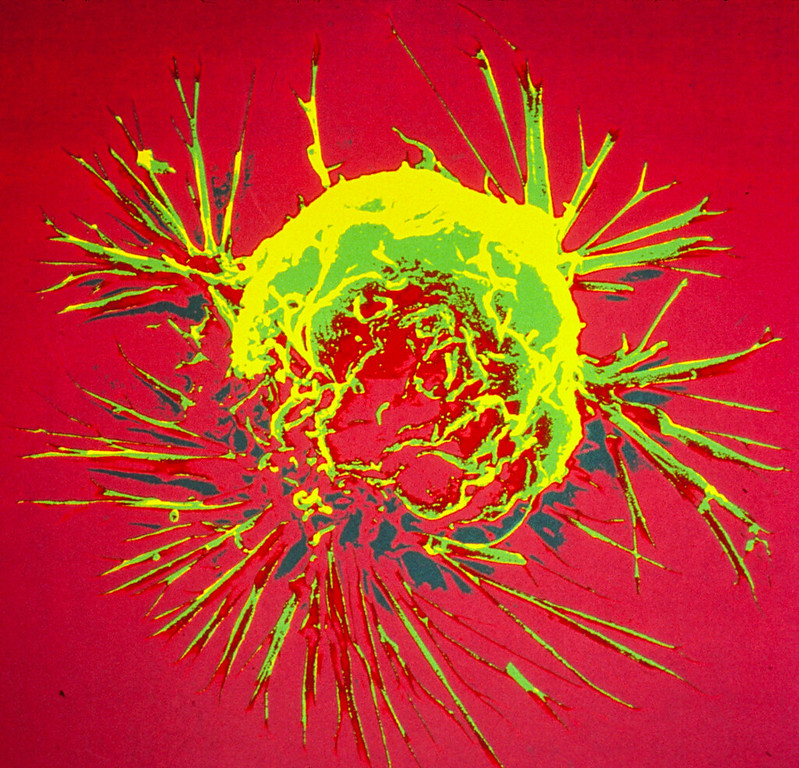
Colourised scanning electron micrograph of a breast cancer cell. Credit: NIH

A study led by researchers from the University of Arizona Cancer Center at UArizona Health Sciences identified a biological mechanism that could lead to more effective treatments for breast cancer that has metastasised to the brain.

By studying the metabolic differences between primary breast cancer cells and those that metastasise to the brain, they determined that autophagy was significantly upregulated in brain metastases. Autophagy is a cellular recycling process that cancer cells can use to stay alive when faced with stressful conditions such as those triggered by anticancer drugs.

“The prognosis for individuals with brain metastases from breast cancer is extremely unfavourable, and the management of breast cancer metastases in the brain remains a formidable challenge,” said senior author Jennifer Carew, PhD. “We were able to disrupt breast cancer cells’ ability to form brain metastases by impairing the autophagy pathway.”

In the study published in Clinical and Translational Medicine, the researchers first showed that targeting the key autophagy regulating gene ATG7 significantly reduced the ability of breast cancer cells to form brain metastases in mouse models.

With the goal of developing a strategy to bring this discovery to patients, the research team investigated whether hydroxychloroquine, a Food and Drug Administration-approved drug, could potentially be used to treat breast cancer brain metastases. Hydroxychloroquine inhibits autophagy at a later point in the pathway and, importantly, readily crosses the blood-brain barrier.

“Most drugs do not efficiently cross the blood-brain barrier, and that is one of the key reasons why brain metastases are so difficult to treat,” said Carew, who is a professor of medicine at UArizona.

The research team combined hydroxychloroquine with lapatinib, which is FDA-approved to treat breast cancer. They showed that this drug combination successfully reduced the number and size of breast cancer brain metastases in mouse models.

Hydroxychloroquine has been combined with a number of other anticancer agents in early phase clinical trials, but this is the first time researchers have studied its effectiveness when combined with lapatinib for breast cancer therapy.

Carew said the team was amazed by how significantly they were able to diminish the ability of breast cancer cells to form brain metastases by targeting a single pathway.  

“Cancer cells, unfortunately, have evolved so many ways that make it difficult for us to stop their growth or kill them,” Carew said. “It is always somewhat surprising when you see how changing only one thing can have an impact.”  

“Our group and others have shown that activation of autophagy makes it harder for many different types of cancer therapies to kill cancer cells and this promotes drug resistance,” said first author Steffan Nawrocki, PhD, UArizona professor. “Because hydroxychloroquine and lapatinib are already FDA approved, we can advance this drug combination quickly into a clinical trial for patients with breast cancer brain metastases.”

Brain metastases are the most prevalent adult central nervous system tumours, with 20% to 30% of cases resulting from breast cancer patients, particularly those with triple negative and HER2 amplified disease. Managing breast cancer metastases in the brain is challenging, with only 20% of patients with breast cancer brain metastases surviving beyond five years.

Source: University of Arizona Health Sciences

New Discovery in Preventing Heart Damage from Chemotherapy

Human heart. Credit: Scientific Animations CC4.0

Blocking a protein known as CDK7 could prevent heart damage associated with the commonly used cancer chemo drug doxorubicin, according to a study led by scientists at Washington State University. Importantly, the researchers also found that inhibiting CDK7 could help enhance the drug’s cancer-killing capability.

Based on an animal model, the study findings could provide a foundation for future treatment strategies to reduce chemotherapy-related heart toxicity and increase treatment effectiveness. This could ultimately help increase the lifespan of people with cancer. Heart damage related to chemotherapy treatment can surface decades after treatment and can result in heart attacks, heart failure, cardiomyopathy and other types of heart disease.

Published in the journal Cardiovascular Research, the WSU study focused on doxorubicin, a chemotherapy drug used to treat breast cancer, lymphoma, leukaemia and other cancers. Capable of killing a wide range of cancer cells, doxorubicin and other similar chemotherapy medications are known to be toxic to the heart. Despite this toxicity, the drug still sees a lot of use.

“Doxorubicin remains the mainstay treatment for certain cancer types for which targeted therapies or other better treatments are not available,” said senior study author Zhaokang Cheng, an associate professor in the WSU College of Pharmacy and Pharmaceutical Sciences.

Cheng has been working to unravel the underlying mechanisms of doxorubicin-induced heart toxicity to make the use of doxorubicin safer for patients who rely on the drug. This new study builds on findings from earlier research that showed that doxorubicin activates a protein known as CDK2. That protein then activates another known as FOXO1, which causes heart cells to die. Cheng’s team collaborated with WSU cancer biology researcher Boyang (Jason) Wu to take a closer look at CDK7, a protein that helps fuel cell growth and has been shown to play a role in the development of cancer.

The researchers found that CDK7 activated CDK2, which set off the chain of molecular signals that eventually led to heart cell death. They also showed that mice that lacked the CDK7 gene were protected from doxorubicin-induced heart toxicity. Next, they used a CDK7 inhibitor drug known as THZ1 to block the protein’s activity and examine the impact on heart health and cancer growth. A similar inhibitor is currently being tested as an anticancer drug in clinical trials, but its effect on the heart is still not clear.

“We are the first to study the effect of THZ1 on the heart and on tumor growth in the same model,” said study first author Jingrui Chen, a WSU research associate. “And what we found is that this CDK7 inhibitor drug can increase heart function and at the same time inhibit tumour growth.”

Though more research is needed, the researchers said their findings suggest that combining doxorubicin and THZ1 could help prevent heart damage and increase the effectiveness of chemotherapy treatment.

The researchers’ next step is to test the effect of THZ1 on heart damage and cancer growth in younger mice and follow them longer. This would more closely mimic long-term doxorubicin-induced heart toxicity seen in childhood cancer survivors. They also plan to look at other proteins that may somehow be involved in the signaling pathway that underlies doxorubicin-related heart damage.

Source: Washington State University

Statin Therapy May Prevent Cancer by Blocking Inflammatory Protein

Lung cancer metastasis. Credit: National Cancer Institute

A new study led by investigators from Mass General Cancer Center, a founding member of the Mass General Brigham healthcare system, reveals that statins may block a particular pathway involved in the development of cancer that results from chronic inflammation. The findings are published in Nature Communications.

“Chronic inflammation is a major cause of cancer worldwide,” said senior author Shawn Demehri, MD, PhD. “We investigated the mechanism by which environmental toxins drive the initiation of cancer-prone chronic inflammation in the skin and pancreas. Furthermore, we examined safe and effective therapies to block this pathway in order to suppress chronic inflammation and its cancer aftermath.”

Demehri and his colleagues’ study relied on cell lines, animal models, human tissue samples and epidemiological data. The group’s cell-based experiments demonstrated that environmental toxins (such as exposure to allergens and chemical irritants) activate two connected signaling pathways called the TLR3/4 and TBK1-IRF3 pathways. This activation leads to the production of the interleukin-33 (IL-33) protein, which stimulates inflammation in the skin and pancreas that can contribute to the development of cancer.

When they screened a library of U.S. Food and Drug Administration–approved drugs, the researchers found that a statin, pitavastatin, effectively suppresses IL-33 expression by blocking the activation of the TBK1-IRF3 signalling pathway. In mice, pitavastatin suppressed environmentally-induced inflammation in the skin and the pancreas and prevented the development of inflammation-related pancreatic cancers.

In human pancreas tissue samples, IL-33 was over-expressed in samples from patients with chronic pancreatitis and pancreatic cancer compared with normal pancreatic tissue. Also, in analyses of electronic health records data on more than 200 million people across North America and Europe, use of pitavastatin was linked to a significantly reduced risk of chronic pancreatitis and pancreatic cancer.

The findings demonstrate that blocking IL-33 production with pitavastatin may be a safe and effective preventive strategy to suppress chronic inflammation and the subsequent development of certain cancers.

“Next, we aim to further examine the impact of statins in preventing cancer development in chronic inflammation in liver and gastrointestinal tract and to identify other novel, therapeutic approaches to suppress cancer-prone chronic inflammation” said Demehri.

Source: University of North Carolina at Chapel Hill