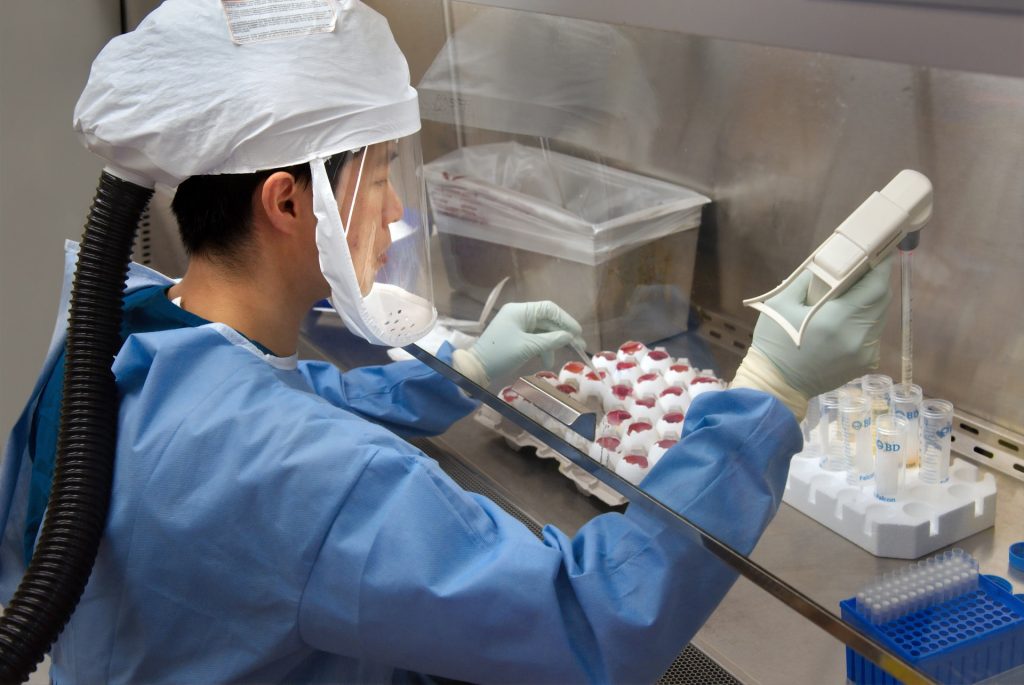
Severe pneumococcal disease requiring hospitalisation, most commonly pneumonia, can be a sign of previously undiagnosed blood cancer and immunodeficiency in adult patients, according to a study from the University of Gothenburg.
The study followed 156 individuals who developed invasive pneumococcal disease and required hospital care in the Region Västra Götaland between 2018 and 2023. The median age of the patients was 70 years.
The researchers examined the patients’ immune system by measuring antibody levels and studied the presence of M protein, known as a risk marker for blood cancer. The control group consisted of 64 individuals matched for age and sex who did not have invasive pneumococcal disease.
In the pneumococcal disease group, one in four individuals had M protein in their blood, a marker that may be present in blood cancer or in precursor conditions. The examinations led to seven patients being diagnosed with blood cancer, while another twelve were diagnosed with a condition that can, in some cases, progress to blood cancer.
Routine screening should be considered
Eight patients were found to have immunodeficiency, seven of whom were able to start preventive treatment against new, severe infections. These findings were considerably less common in the control group.
The results, published in the journal Scientific Reports, suggest that screening for M proteins and antibody levels in adults with invasive pneumococcal disease should be considered, according to the researchers, as the disease can reveal previously undiagnosed blood cancer and immunodeficiency.
“Currently, these tests are not routinely performed after a severe pneumococcal infection. As a result, we may miss patients with undiagnosed blood cancer or immunodeficiency and therefore missing the opportunity to initiate treatment,” says Tor Härnqvist, a doctoral student at the University of Gothenburg, an infectious disease physician at NU Hospital Group, and one of the lead authors.
Importance of tailoring vaccinations
Karin Bergman is a doctoral student in the same research group and an infectious disease physician at Södra Älvsborg Hospital. The study is part of her doctoral thesis, which she will soon defend at the University of Gothenburg, in which she also demonstrates how the pneumococcal bacteria causing severe disease have changed since the pneumococcal vaccine was introduced into the Swedish childhood vaccination programme.
The bacterial serotypes covered by the childhood vaccine have decreased sharply but have largely been replaced by other serotypes against which the vaccine offers no protection. Older adults and individuals with underlying conditions, particularly cancer and compromised immune systems, are frequently affected by these serotypes.
“The results show that recommendations on pneumococcal vaccines for adults need to take into account which vaccines are used in children and which bacterial serotypes subsequently circulate in the community,” says Karin Bergman.
Certain parenting approaches, such as lower supervision and inconsistent discipline, are associated with a higher likelihood that children will show behavioral and emotional problems, such as attention difficulties, anxiety, and depression
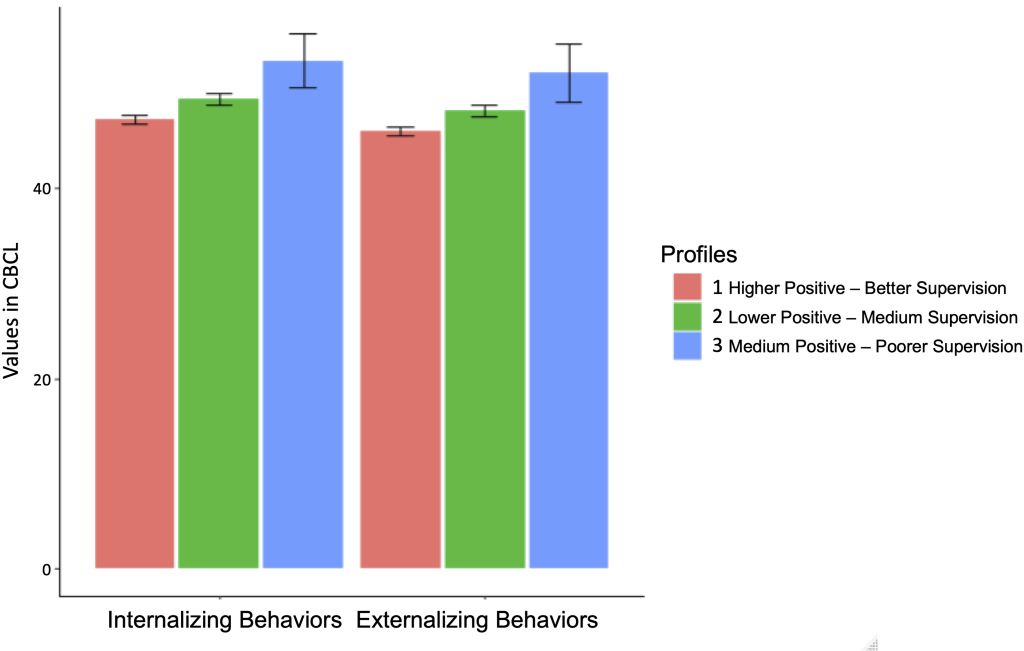
The mean of internalising and externalising behaviors by parenting profiles. The horizontal axis displays child internalising and externalising symptom dimensions, while the vertical axis indicates mean severity scores. Colored bars represent the identified parenting profiles. Error bars reflect 95 percent confidence intervals. Xu et al., 2026, PLOS One, CC-BY 4.0
There’s no one right way to raise a child, but different patterns of parenting are associated with how kids behave. A new study, published on September 30, 2026 in the open access journal PLOS One, identified data-driven profiles of parenting practices and investigated how these relate to children’s behavioral and emotional problems, generally grouped into internalising behaviours (eg, withdrawal, anxiety, depression) and externalising behaviours (eg, aggression, oppositional behaviour, attention problems). The research team led by Dr Xiaoye Xu, an Assistant Professor of Psychology at SUNY Cortland, US, found that several parenting factors, including low supervision and inconsistent discipline, were linked to a higher likelihood that children would exhibit these behaviours.
The researchers assessed these behaviours in more than 2700 children between the ages of five and 18, using data assembled by the National Institutes of Health’s (NIH) Environmental influences on Child Health Outcomes (ECHO) Program. Parents filled out surveys about their approach to parenting and their children’s behaviour.
Across these responses, the researchers identified three parenting profiles. The first was high positive parenting with better supervision – the term “positive parenting” describes warm, responsive caregiving, such as praising good behaviour and engaging supportively with the child. The other two profiles were lower positive parenting with medium supervision, and medium positive parenting with poorer supervision. While these profiles do not represent the full spectrum of parenting approaches, this range let the researchers analyse the effects of positive parenting and level of supervision together.
Externalising and internalising behaviours were lowest among children raised with high positive parenting and better supervision. These behaviours were more common in the lower positive parenting with medium supervision profile, and highest among children in the medium positive parenting with poorer supervision profile.
Separately, the researchers also examined each parenting behaviour individually rather than as part of a broader profile. This analysis showed that inconsistent discipline – how unpredictably parents enforced rules – was linked to both more internalising and more externalising problems, regardless of a family’s broader parenting profile. Poor supervision, examined this way, was linked to more externalising problems specifically, such as aggression and attention difficulties, but was not significantly linked to internalising problems like anxiety and depression.
The results of this study do not give a full picture of a child’s rearing and its possible influences. The data are based on self-report – mostly mothers filled out the survey, with only 52 fathers participating, and other family or community members involved in the child’s rearing were not included. The researchers also only had a snapshot of the current parent-child relationship, which makes it difficult to establish cause and effect, as both parenting tactics and child behaviour can develop and change in response to one another.
The authors add: “In a large, diverse sample of children across the US, we found that certain patterns of parenting – not just individual behaviours – matter for children’s emotional and behavioral wellbeing. Children tended to have fewer emotional and behavioral problems when parents were consistently positive, provided steady discipline, and stayed closely engaged in their day-to-day lives. It’s a reminder that small, everyday parenting behaviours can add up to meaningful differences for children.”
Three short films tell the powerful stories of professionals whose resilience, purpose and commitment are creating lasting impact in their communities.
Photo by Thirdman : https://www.pexels.com/photo/medical-professionals-looking-at-the-screen-of-the-cellphone-5327867/
Profmed, South Africa’s medical aid for professionals, has launched BeRemarkable, a documentary series that shines a spotlight on the people and personal stories behind some of the country’s most respected professions.
Now streaming on the Profmed YouTube channel, the three-part series follows the journeys of Profmed members who have overcome significant personal challenges and gone on to make a meaningful difference in the lives of others and their communities.
“These films are a reminder that behind every profession is a person with a unique story,” says Craig Comrie, CEO at Profmed. “We wanted to highlight members whose influence extends beyond their careers and into the communities and lives they’ve helped shape.”
THE THREE STORIES
Flight Path | Dr Ryan Jacobs
After severe epilepsy and brain surgery ended his ambitions of becoming a pilot, Dr Ryan Jacobs found a new calling in medicine.
Now training as a specialist neurosurgeon at Tygerberg Hospital, Ryan’s story reflects how personal adversity can shape purpose.
Flight Path explores his journey from patient to healthcare professional, and the experiences that inspired him to pursue a career helping others navigate life-changing medical challenges.
Back to Water | Suzanne “Suzie” Hüsselmann
A devastating bodyboarding accident changed Suzanne “Suzie” Hüsselmann’s life in an instant. The long recovery that followed brought both physical and emotional challenges, but also strengthened her connection to the ocean and inspired a new sense of purpose.
Today, Suzie is the founder of Surf4Life, an initiative that uses surfing to support young people from underserved communities in Cape Town. Through the programme, participants develop confidence, resilience and life skills while building a deeper connection with the ocean.
Back to Water explores how a life-altering experience inspired Suzie to create opportunities for others through the sport that played an important role in her own recovery.
Into Focus | Tharien Schoeman
A patient who had been waiting years for cataract surgery left a lasting impression on Tharien Schoeman. What began as a single encounter grew into a broader mission to help more people access the treatment they need.
Today, her work has helped restore sight to hundreds of South Africans, giving many the opportunity to regain their independence and reconnect with daily life.
Into Focus tells the story of how one person’s determination can create meaningful change for others.
ABOUT BEREMARKABLE
BeRemarkable is a three-part documentary series showcasing the stories of Profmed members who have overcome personal challenges and gone on to make a positive impact in their communities.
Filmed across South Africa, the series features first-hand accounts from Dr Ryan Jacobs, Suzanne “Suzie” Hüsselmann and Tharien Schoeman, exploring the moments that shaped their journeys and inspired their work.
The full series is now available on the Profmed YouTube channel@profmedsa.
Researchers at The Ottawa Hospital and the University of Ottawa were able to reverse certain behavioural symptoms in a mouse model of autism by fixing a problem in the brain blood vessels. Their findings, published in Neuron, present a promising new treatment target for these symptoms.
Autism is a neurodevelopmental condition with widely varying characteristics. Some of the behavioural symptoms can make life more challenging. While many people with autism have found ways to manage these symptoms, no drug treatment exists.
“The road from discovery to clinical trials is long, but we’re excited by the possibility that our findings might one day improve the daily lives of people with autism,” said senior author Dr Baptiste Lacoste, senior scientist at The Ottawa Hospital and professor at the University of Ottawa.
Dr Lacoste’s team previously discovered that blood vessels in the brain don’t work properly in mouse models with a 16p11.2 deletion, one of the most common genetic mutations seen in autism. They were the first to look at what was happening in the blood vessels of the brain.
The researchers found the problem began in cells lining the blood vessels, called the endothelial cells. These cells make sure blood quickly gets to the parts of the brain that are active. This responsive blood supply is needed for proper brain function.
However, the endothelial cells in these mice don’t respond quickly enough. This happens early in brain development and causes behavioral symptoms later in life, including hyperactivity, repetitive movements, and motor learning impairment.
In this new study, driven by former PhD student Dr Julie Ouellette, the research team looked at what was wrong with these endothelial cells and whether it could be fixed.
The team led by Dr Lacoste found that the endothelial cells had half the normal level of a molecule called ATP. ATP is usually considered an energy molecule, but in this case the cell was missing its target, called a P2Y2 receptor, on its surface.
By activating this P2Y2 receptor, the researchers could restore the cell’s function, increase blood flow in the brain and reverse the behavioral symptoms in adult mice. This was achieved using a drug known to activate P2Y2 and currently approved for humans in Japan and South Korea to treat dry eye syndrome.
“It’s as if these cells are asleep, and now we can wake them up,” says Dr Lacoste. “And we may only need to treat them once to wake them up permanently. We will test that further, but it’s an encouraging feature for a future treatment.”
This study only looked at adult mice. This means targeting P2Y2 could reverse behavioural symptoms that were already well established. Next, the team plans to treat mice earlier in life to see if early treatment has additional benefits.
The team has also filed a patent application for using P2Y2 activation in the blood vessels to treat autism symptoms. They are interested in exploring drug development with the aim of eventual clinical trials.
Researchers analysed more than 9400 meals and 1000 stool samples, linking sugar-rich foods to greater antibiotic-related microbiome disruption in stem cell transplant patients.
Photo by Patrick Fore on Unsplash
Treatment with antibiotics often causes stomach cramps and diarrhoea, broadly destroying good bacteria in the gut, allowing the overgrowth of harmful microbes. A new study involving City of Hope researchers suggests eating less sugar could protect the microbiome during antibiotic treatment. The study followed patients with blood cancer who were going through an intensive treatment called allogeneic hematopoietic cell transplant, a population at particularly high risk for severe gut microbiome disruption and associated side effects.
Published in Nature, the surprising findings connect to the idea of “food as medicine” during cancer care and the ways diet can help us prevent and recover from illness. The research could lead to new treatment strategies for cancer patients and potentially others taking antibiotics.
“Antibiotics disrupt the diversity of our gut bacteria, or microbiomes, which play an essential role in supporting our immune systems and overall health,” said co-senior author Marcel van den Brink, MD, PhD, president of City of Hope Los Angeles and City of Hope chief physician executive. “Our research supports emerging evidence that avoiding sugary foods during antibiotic treatment may protect the microbiome. Preserving microbiome diversity has previously been linked with improved clinical outcomes for patients with cancer.”
Dr van den Brink, a globally recognised leader in the microbiome, cell transplantation and cancer immunotherapy, collaborated on the research with Jonathan Peled, MD, PhD, at Memorial Sloan Kettering Cancer Center and Jonas Schluter, PhD, at NYU’s Grossman School of Medicine.
A Large Clinical Study With High-Frequency Data
The five-year study, one of the largest of its kind, followed patients who were hospitalised for several weeks to receive intensive chemotherapy, sometimes with radiation, to wipe out their immune systems and then undergo a stem cell transplant. To prevent and treat infections, each patient took at least one antibiotic during their hospital stay, with 80% of them taking one or more of the broad-spectrum antibiotics that exert the strongest effect on the microbiome by targeting many types of bacteria.
The research team tracked 9419 meals eaten by 173 hospitalised patients and profiled the microbiome diversity in stool samples from 158 patients. Microbiome diversity is a key indicator of a healthy microbiome.
Precisely Measuring Food in Real Time and Tracking Effects in the Gut
Each time patients ordered a meal from the hospital kitchen, the tray arrived with a questionnaire asking them to record the amount of each item that they ate and drank.
With this help from the hospital kitchen to track nutritional information for all hospital meals consumed, the scientists recorded more than 40,000 food items, creating an unprecedented dataset with a level of detail that’s rarely possible in nutrition research.
For each patient, the researchers tracked between eight and 128 meals across a period ranging from 12 days before to 49 days after transplantation. The team also analysed more than 1000 patient stool samples to monitor changes in the gut microbiome.
“Unlike past nutrition studies that rely on patients’ memories of what they ate or other imprecise surveys, we had meticulous dietary records collected in real time,” noted Dr van den Brink. “This enabled us to look for patterns that otherwise might be impossible to detect.”
A Striking Discovery: Sugar Upsets the Balance of Gut Bacteria
Using a variety of advanced statistical models, the researchers scoured the data in search of patterns linked to injury to the gut microbiome.
What they found surprised them.
“No matter how we analysed the data, the same strong signal kept appearing,” observed Dr van den Brink. “The patients who consumed more sweets while taking antibiotics were more likely to experience a loss of microbiome diversity as aggressive microbes crowded out other strains of bacteria.”
One organism stood out: Enterococcus. When it takes over the microbiome, patients undergoing transplant face a higher risk of bloodstream infections, graft-versus-host disease and other life-threatening complications.
The combination of high-sugar foods and broad-spectrum antibiotics appeared to multiply injury to the microbiome, leading to a substantial 24% drop in bacterial diversity for every 100-gram increase in sweets (equivalent in sugar content to a large milkshake).
Replicating the Results in Mice Supports Human Data
The researchers also tested their hypothesis that sugar exacerbates microbiome injury by giving broad-spectrum antibiotics to healthy mice and feeding them a variety of diets. Mice that ate a high-sucrose diet quickly developed an overgrowth of Enterococcus in their guts. Mice that ate the high-sugar diet without antibiotics, however, maintained normal bacterial diversity.
“The fact that animal studies support associations we found in patient data provides a compelling rationale for future clinical trials to evaluate whether reducing sugar intake during antibiotic use would protect the microbiome,” said Dr van den Brink, the Deana and Steve Campbell Physician Executive Distinguished Chair and the Morgan and Helen Chu Presidential Chair.
What the Findings Could Mean for Patients
“The microbiome is emerging as an important factor in cancer care,” Dr van den Brink said. “The better we understand what supports and disrupts it, the more opportunities we have to reduce treatment side effects while improving how patients respond to and recover from therapy.”
For cancer patients, he noted, the study results reinforce diet as a strong influence on the microbiome and as one of the most practical ways hospitals can support recovery during treatment.
“Many of the foods and drinks we encourage hospitalised patients to consume, like nutritional shakes, smoothies and sports drinks, are high in sugar content,” Dr van den Brink said. “That’s something we’ll need to evaluate when prescribing antibiotics.”
The practical takeaway for physicians, he says, is that antibiotic stewardship matters beyond preventing antibiotic resistance.
“Antibiotic stewardship includes thinking about how different antibiotics affect the microbiome,” Dr van den Brink said. “Our study demonstrates that some antibiotics disrupt beneficial gut bacteria more than others.”
To preserve microbiome health, he encourages patients to ask their healthcare team to ensure antibiotics are thoughtfully chosen from equally effective treatment options for controlling infections.
So, should people cut out sugar while taking antibiotics?
“It’s premature to recommend everyone taking antibiotics avoid sugar,” Dr van den Brink said. “On the other hand, we don’t have strong evidence that probiotics help preserve or restore microbiome diversity and many people choose to take them anyway. There’s no harm in limiting sugar in your diet, and it’s an easy thing to try.”
New findings show the wide-ranging involvement of the brain when you feel sick
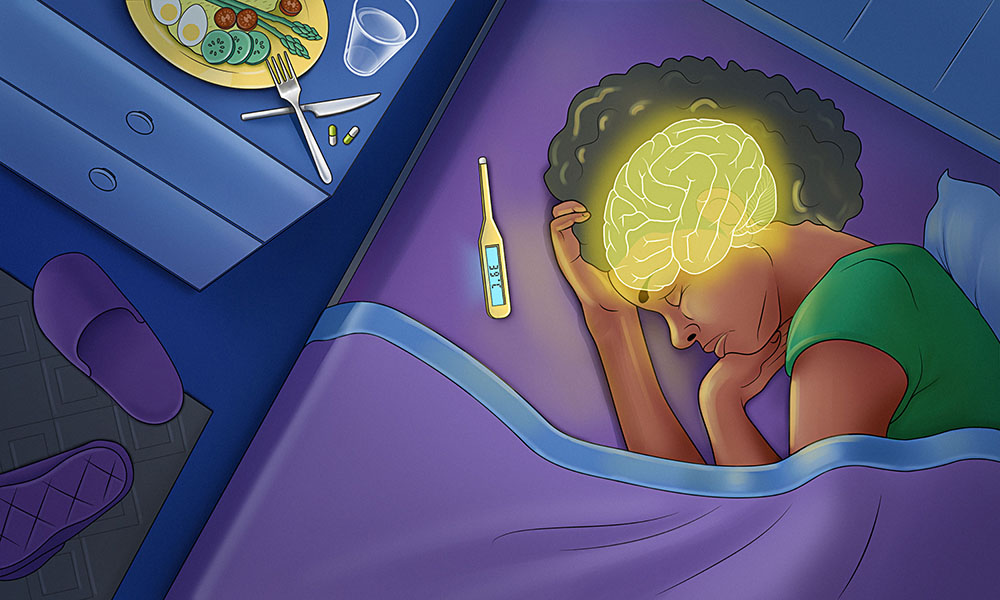
Typical symptoms such as loss of appetite, fatigue, and fever shape the experience of being sick. However, research shows that the brain plays a central role in creating and coordinating this overall sickness state. Credit: Daniela Velasco/EMBL
We are all familiar with that dreaded sensation: a whole-body achiness and fatigue, waves of both bone-chilling cold and acute sweating that cause one to pull cosy blankets closer and only moments later kick them away. A loss of appetite turns us off even our favourite foods. This state may stem from any number of infections, but one thing is certain: our brain is telling us we are sick.
Sickness is an evolutionarily old, protective response that helps the body recover better and faster from illness, and scientists have sought to determine where exactly in the brain these signals originate. Research from scientists at EMBL Heidelberg, applying a new methodology, has provided evidence to show the brain’s involvement is not localised to one or two regions, but widespread.
“Many things are happening. It’s not one specific isolated group of neurons in some hidden area of the brain. It probably requires engagement of large parts of the brain, or multiple brain areas, to achieve this state,” said Gretel Kamm, a former postdoctoral fellow in Robert Prevedel’s team at EMBL, who led the research and brought this hypothesis to the group. The findings have now been published in the journal Current Biology. “Our main hypothesis is that we can understand sickness as a distinct brain state, and that it changes our decisions and behaviour when we have an infection,” she said.
These findings expand the school of thought on brain involvement in sickness, while introducing an efficient, effective way to study this phenomenon further.
Old brain, new brain
Scientists have known for a while that the parts of the brain deep below the surface, such as the hypothalamus and brainstem, help control symptoms associated with infections, but they were unclear about the role the outer layer of the brain played.
The brain has evolved by inheriting foundational circuits from old, ancestor species. Natural evolution over millions of years has modified these circuits and added new structures, allowing the brain new functionalities such as higher order thinking. These older, foundational brain structures are involved in basic functions such as bodily regulation, movement, emotion, and threat response. Not surprisingly, scientists focused on these areas and pathways as they worked to better understand the brain’s involvement in detecting and reacting to infection.
In Kamm’s research, the scientists were specifically interested in the neocortex, the outermost layer of the brain associated with interpreting information, thinking, planning, and controlling voluntary behaviour. This section of the brain also constantly interacts with the older brain structures.
Finding a new way to study illness and the brain
The scientists already knew that when one develops an infection, the immune system naturally produces a small chemical messenger known as prostaglandin E2 (PGE2). This acts much like an alarm system, triggering the symptoms we associate with illness, such as fatigue, chills, fever, and loss of hunger. But it was not clear whether PGE2 produced these effects by activating some parts of the brain’s autonomic system or if the effects emerged from a distributed activation extending beyond it.
In this study, the researchers found that when they injected PGE2 into the mice’s brains, the onset of symptoms was much quicker than with classic methods that mimic infections in the lab. In fact, the onset was almost immediate, compared to hours or days with these other approaches. Additionally, the duration of symptoms decreased significantly as well – only 30-45 minutes.
The scientists then analysed the mice’s behaviour, mapped their brain activity, and made recordings of individual neurons to study how the whole brain’s activity changed during sickness.
“Gretel found an approach to study sickness with many technical advantages over previous techniques,” said Robert Prevedel, senior author on the paper. “We were able to essentially get a very comprehensive picture of sickness in a much shorter period of time.”
The mice quickly developed fever, became sluggish, and ate less. As the scientists looked at which areas of the brain were active, they found that PGE2 had activated many parts of a network known to monitor the body’s internal state. Specifically, they saw individual groups of nerve cells in the insular cortex engaged, suggesting the insular cortex’s central role in the brain as it responds to a state of illness.
The right place for this research
As Kamm described the work involved in this research, she also noted how essential the involvement of EMBL Rome was in this study.
“Our colleagues at EMBL Rome were crucial for our work. Cornelius Gross (Head of EMBL Rome) and Hiroki Asari (former EMBL Rome Group Leader) are well connected within the neuroscience research community, and thus provided important links to key people and resources,” she said. “Additionally, our close interactions with the Rome unit, for example, during seminars, led to important knowledge exchange.”
Gross notably introduced Kamm and her research team to Nicola Renier, who pioneered a method called iDISCO to visualise neuronal activation across the entire brain, using activity markers.
Prevedel also pointed to how EMBL’s EIPOD fellowship and the lab’s own expertise came together to support Gretel’s idea.
“Gretel is taking a different look at a common problem, and she’s a great example of what the EIPOD programme looks for: interdisciplinary postdocs who bring their own ambitious research ideas to EMBL,” Prevedel said. “In her case, the various methods we had established over time in our lab – imaging, electrophysiology, plus others – helped make her idea a reality.”
“The idea of looking at sickness as a brain state is relevant to the general public, and potentially medicine,” Kamm said. “Many people associate sickness with the bacteria or viruses attacking you, but most symptoms we associate with being sick are actually produced by the brain. So the main takeaway is that the whole brain is probably involved in changing our decisions and behaviour when we have an infection.”
From dust, silica and asbestos to psychosocial hazards, climate change and artificial intelligence, the 2026 programme examines how South Africa can protect workers in a rapidly changing world of work.
Photo by Emmanuel Ikwuegbe on Unsplash
JOHANNESBURG, 01 October 2026 – The Southern African Institute for Occupational Hygiene (SAIOH) held its scientific programme of the 2026 Annual Scientific Conference in Johannesburg, calling for stronger partnerships to prevent workplace exposures and protect worker health.
Under the theme Building Stronger Partnerships for Healthier Workplaces, the conference brings together occupational hygiene practitioners, researchers, regulators, health and safety professionals and industry representatives. Its goal goes beyond sharing technical knowledge; it links evidence, professional practice, and institutional action when traditional occupational hazards intersect with emerging, rapidly evolving risks.
The need is substantial. The International Labour Organization estimates that 2.93 million workers die each year from work-related accidents and diseases, while 395 million sustain non-fatal work-related injuries1. In South Africa, the imperative is especially visible across mining, construction, manufacturing, agriculture, healthcare and public infrastructure, where persistent exposure risks must now be managed alongside psychosocial pressure, a changing climate and technological disruption.
“Old hazards have not disappeared, yet the world of work is changing around them. Dust, silica and asbestos remain serious concerns, while psychosocial hazards, climate change and artificial intelligence are reshaping how risks arise and how we respond. No single profession or institution can address this alone. This conference is about building the relationships that allow us to identify risks earlier, act on evidence and strengthen prevention for every worker,” says Professor Cas Badenhorst, President of SAIOH
A programme grounded in today’s workplace realities
The programme deliberately places persistent and emerging risks side by side. Professor Spo Kgalamono, Executive Director of the National Institute for Occupational Health (NIOH), opens the scientific programme with a keynote on how strategic collaboration affects occupational health outcomes. Professor Badenhorst follows with Beyond the sample – The relationships that make occupational hygiene work.
Psychosocial risk is a major focus. Ms Milly Ruiters, Chief Inspector for Occupational Health and Safety at the National Department of Employment and Labour, addresses psychosocial hazards in the workplace, while Dr Casper Joubert of Stellenbosch University and the South African Society of Occupational Medicine considers whether artificial intelligence will enable African occupational hygiene to leap forward or leave parts of the continent behind. A related presentation on ISO 45003 (the first global standard for managing psychological health and safety at work) challenges workplaces to fix working conditions rather than expecting workers to absorb systemic pressure.
The conference also maintains a firm focus on exposures that continue to affect workers and communities. Sessions cover silica and modern silicosis, actionable dust-control strategies for mining, particulate matter, agricultural dust and endotoxins, noise-induced hearing loss, and research into asbestos-containing materials in Gauteng public schools. Mr Thapelo Chakane of the Minerals Council South Africa leads the dust-control keynote, while practical and research presentations explore how to strengthen measurement, prevention, and risk management.
Further sessions examine connected occupational health systems, exposure and healthcare, intelligent underground air management, predictive exposure intelligence and the use of large language models to detect technical errors in occupational hygiene reports. Dr Busisiwe Shezi of the South African Medical Research Council addresses worker protection in a changing climate, an increasingly important issue for both outdoor and indoor workplaces as extreme heat becomes more frequent and intense.
NIOH partnership honours 70 years while looking ahead
SAIOH is pleased to partner with the NIOH as the Institute commemorates its 70th anniversary. The partnership includes a NIOH site visit led by Professor Kgalamono and NIOH specialists, her opening keynote, and contributions from NIOH experts across the scientific and poster programmes. It recognises seven decades of service to occupational health while strengthening the collaboration needed for the next generation of workplace risks.
Professor Spo Kgalamono, Executive Director of the National Institute for Occupational Health, states, “For 70 years, the NIOH has translated occupational health evidence into practical action and meaningful protection for workers. Our experience has consistently demonstrated that sustainable improvements are achieved through partnership across disciplines, institutions, employers and the workforce itself. As we mark this significant milestone, we are proud to partner with SAIOH in celebrating our shared contribution to advancing occupational health in South Africa. This anniversary is an opportunity to reflect on the foundation that has been built, but to strengthen the knowledge, systems and professional capabilities needed for the workplaces of tomorrow.”
The conference, in hybrid format, began on 28 September with professional development courses and a visit to the NIOH site. The main scientific programme runs from 30 September to 1 October and includes 11 keynote addresses, oral and poster presentations, exhibitions, networking and the SAIOH Gala Dinner and Awards.
Study finds higher risk cannot be attributed entirely to antidepressant exposure
Source: Pixabay CC0
Children of mothers with depression had higher rates of certain neurodevelopmental disorders regardless of whether they were exposed to antidepressants in the womb, reports a new study led by Saraid McIlvride of the University of Glasgow, UK, published September 29th in the open access journal PLOS Medicine.
Antidepressant use during pregnancy is increasing, but currently, the long-term effects of these drugs on child development are unclear. Having untreated depression during pregnancy carries its own risks, however, making it very challenging for someone with depression to make informed decisions about whether to take medication during pregnancy.
In a new study, researchers followed more than 167 000 children born in Wales between 2009 and 2016, until 2022. Using medical and school records, they looked for any links between depression diagnoses or antidepressant use in mothers, and special educational needs in their children, such as diagnoses of autism spectrum disorder or attention deficit hyperactivity disorder, or learning, behavioral, emotional or social difficulties.
They found that children of women who received antidepressant treatment had higher rates of certain neurodevelopmental disorders than women with depression who were untreated. However, these results could be affected by the fact that women with more severe depression are more likely to be prescribed antidepressants. When comparing between treated depression, untreated depression and antidepressant exposure without depression, the analyses showed that antidepressant exposure was associated with an additional 6.3 cases per 100 children in those not exposed to depression, and an additional 2.9 cases per 100 children in those exposed to depression.
The researchers conclude that children of mothers with depression have a higher risk of neurodevelopmental disorders regardless of whether they were exposed to antidepressants, but medication may carry an additional risk. They caution that any potential risk of treatment should be balanced against the risks of untreated depression in mothers, which is associated with a higher risk of postnatal depression.
The authors add, “We showed that if women with depression took antidepressants while pregnant their children were more likely to have special educational needs, but it was only a very slight increase and may have been due to them having more severe depression, rather than an effect of the medicine.
“Among children of mothers with depression, 24 in every 100 children had special educational needs if she was not on treatment, and this increased by just 3 in every 100 children if she was taking antidepressants. This is compared to 20 in every 100 children for those not exposed to depression or antidepressants in the womb.
“Our results don’t suggest that women should automatically stop taking their antidepressants because depression can harm both mother and baby if not treated. Women should always speak to their doctor about what is best in their situation.
“Our study indicates that exposure to antidepressants during pregnancy could serve as a marker for additional support being needed at school.
“Linking mothers’ and babies’ routinely collected data and being able to follow their health and development over time is an amazing resource which can support research into maternal mental health, an area which urgently needs more attention.
“Further studies are needed to empower women with the knowledge they need to make informed decisions, together with their doctor or midwife, about their own health as well as their baby’s.”
Urinary tract infections, or UTIs, are among the most common bacterial infections, caused mostly by the uropathogenic bacterium Escherichia coli. But even after antibiotic treatment, a large number of patients experience another UTI.
One reason is that the bacterium can enter the the bladder’s epithelium and hide there, sheltered from both antibiotics and the patient’s immune system. Surviving like this, these bacteria can later multiply again and cause recurrent UTIs, which become a bigger problem since repeated antibiotic treatment risks generating antibiotic resistance.
Researchers led by Kathrin Tomasek and John McKinney at the Laboratory of Microbiology and Microtechnology at EPFL, with Christian Pasquali and Mario Romani from OM Pharma, have now identified a way to strengthen the bladder cells’ own ability to eliminate these hidden bacteria. Their study, published in PLOS Pathogens, shows that the drug OM-89, marketed as Uro-Vaxom®, activates cellular degradation pathways in bladder epithelial cells while also increasing the amount of antibiotic that enters them.
OM-89 has been used for several decades to help prevent recurrent UTIs. It is mainly known for stimulating the immune system, but the new in vitro study reveals a second mechanism of action: a direct effect on the cells lining the bladder.
The lysosome connection
The researchers studied mouse and human bladder epithelial cells using organoid models and differentiated cell cultures. They exposed the cells to OM-89, infected them with different strains of uropathogenic E. coli and treated them with antibiotics. They then tracked bacterial survival, antibiotic uptake and changes in cellular pathways involved in destroying intracellular material.
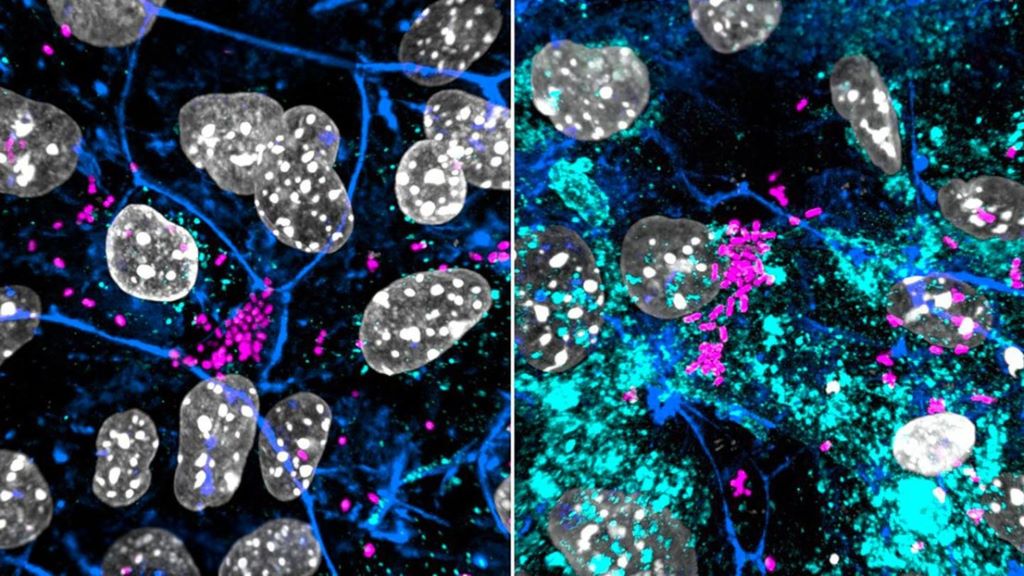
The results pointed to lysosomes, the acidic compartments inside cells that break down unwanted material. OM-89 increased lysosomal acidification as well as the activity of lysosomal enzymes.
When the researchers blocked lysosomal acidification, OM-89’s protective effect was lost. This showed that lysosomal activity is directly involved in reducing bacterial regrowth in recurrent UTIs.
Helping antibiotics reach persistent bacteria
At the same time, OM-89 increased the accumulation of antibiotics inside bladder epithelial cells. When OM-89 and antibiotics were co-administered in the experimental models, bacterial killing increased and bacterial regrowth after antibiotic removal decreased.
This effect extended across different antibiotic classes and several bacterial strains, including clinical samples from patients.
The researchers were also able to reproduce key effects in both mouse and human bladder epithelial models, while analysis of independent human bladder datasets linked lysosomal activity with immune and antibacterial pathways.
“We found that OM-89 doesn’t just stimulate the innate immune system as previously assumed,” says Tomasek. “It acts directly on bladder cells, strengthening their degradation pathways so they can destroy hidden bacteria more effectively while also helping antibiotics reach those bacteria—together reducing regrowth of the bacteria after treatment ends.”
The findings point toward a host-directed approach to recurrent infection: rather than targeting bacteria alone, treatment could also reinforce the antimicrobial machinery of the infected tissue itself.
More broadly, the study identifies lysosomal pathways in the bladder epithelium as a potential target for future treatment combinations designed to improve antibiotic outcomes.
Christian Pasquali, Senior Scientific Liaison Director at OM Pharma and former Head of Preclinical Research says: “While the results come from preclinical models and do not change the approved indication or use of Uro-Vaxom®, they deepen our understanding of how OM-89 may help strengthen the bladder’s natural defenses against recurrent infection and reinforce the scientific foundation supporting its use.”
Around 12% of the world’s total cancer cases in 2024 were likely caused by an infection, according to new research from the World Health Organization (WHO).
The study, published today in The Lancet Oncology, analysed the frequency and causes of different cancers, specifically examining the role of infections.
It linked 2.3 million new cancer cases to an infection. Most were caused by just five pathogens: Helicobacter pylori (4%), human papillomavirus, or HPV (4%), hepatitis B (2%), Epstein-Barr virus (1%) and hepatitis C (under 1%). These infections can cause more than 20 different types of cancer, including stomach, liver, blood and cervical cancers.
So, how can an infection cause cancer? And does this mean these cancers are preventable?
Did we already know about this link?
Some of the study authors have been researching this field for around thirty years. Their previous work investigated cancer cases caused by infections in 1990, 2002, 2008, 2012, and 2018. The proportion of cancer cases caused by infections may appear to have dropped during those years (from a high of 18% in 2002), but the authors stress these comparisons cannot really be made confidently, as the sources and quality of the data have changed over time.
In fact, the latest study wasn’t trying to compare between the years. Instead, it aims to highlight where controlling and preventing infections can help to reduce cancer rates.To make sense of this, it helps to know how infection is linked to cancer. Extensive research has dissected the molecular mechanisms behind this link, and we now know there are various ways infections can cause cancer.
How can a virus cause cancer?
A virus can (directly or indirectly) change the genes of the cell it infects (the host cell), making that cell more likely to grow out of control and eventually become a cancer.There are three main ways viruses can do this.
The first is by turning off the ability of a cell to destroy itself (for example, by inactivating the TP53 protein) or to stop dividing (for example, by inactivating the RB protein). A healthy cell would normally try to do these things if infected by a virus. The second way a virus can cause cancer is by inserting its own DNA into the host cell’s DNA, which can accidentally disrupt genes that control cell death or division (like those above). The third way is when the virus itself carries a gene that causes cancer (an oncogene). In many cases, the virus has picked up these by accident from another organism. The link between viruses and cancer is actually foundational to modern cancer science, and has helped scientists uncover the direct link between genetics and cancer we now take for granted.
What about bacteria and parasites?
It’s not just viruses that cause cancer. Infections from bacteria or parasites – such as Helicobacter pylori (best known for causing stomach ulcers), or Opisthorchis viverrini (a liver fluke, a type of parasitic worm) – can also lead to cancer. However, these work more indirectly than viruses. Long-term (chronic) infection by these types of organisms can cause significant stress to different tissues. Inflammation, normally a part of the body’s immune response, can then become overactive, damaging the tissues further. These stresses can result in cancer-causing DNA damage in cells, or lead to mistakes during cell division as the body tries to rapidly produce new cells to repair tissue damage. In both cases, the cells acquire genetic mutations that put them on the road towards becoming cancer.
Many cancers are preventable
Of course, there may be other mechanisms linking infections and cancer that we don’t know about but, overall, the connection between infections and cancer is indisputable. Critically, what this tells us – and what this new study into the rates of cancers caused by infections reinforces – is that many cancers are preventable.
In Australia, one of the best examples of preventing cancers caused by infections is the human papillomavirus (HPV) vaccine. This vaccine protects against certain strains of HPV strongly associated with cervical cancer, and is available to adolescents in Australia. Since the program began in 2007, HPV infections dropped by 90% among people eligible to receive the vaccine. Because of its success, Australia could be on track to eliminate cervical cancer by 2035. However, vaccination rates among 15-year-olds have fallen from 85.7% in 2020 to 79.5% in 2024, which is concerning. As is the case for all vaccines, a high proportion of the population need to be vaccinated to also protect those who, for health reasons, cannot be vaccinated. For HPV, the WHO and Australian target is to vaccinate 90% of 15-year-old girls by 2030.
Sadly, the new study also highlights that around 75% of cancers caused by infections were found in low- and middle-income countries.Treating infections that can lead to cancer – such as HIV, H. pylori, and hepatitis B and C – is one way to reduce cancer rates. Preventative measures also play a major role, including vaccinations, condoms and disease screening. However, the availability of these programs in poorer countries can be limited, and so access continues to be a major equity issue in combating cancer.
The authors would like to acknowledge the contribution of Amali Cooray from the Olivia Newton-John Cancer Research Institute to this article.