

Targeting immune cells with cold plasma to speed healing and enhance surgical outcomes
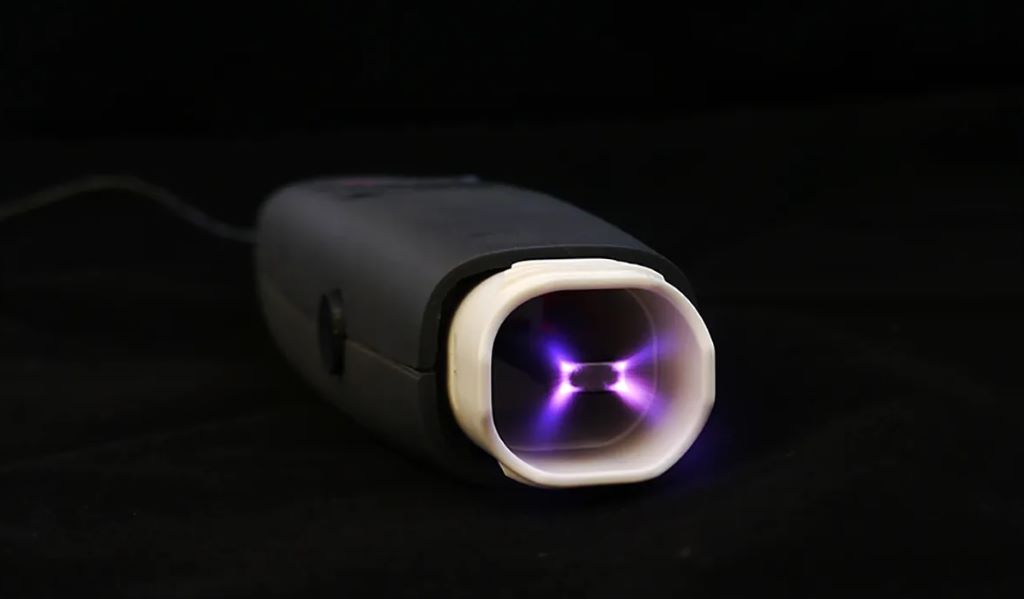
Cold plasma devices are increasingly used across surgical procedures, including skin rejuvenation, scar remodeling, liposuction and diabetic wounds. A recent study from Thomas Jefferson University found that using an FDA-approved cold plasma device can enhance tissue healing after surgery by activating a wound-healing response.
“Anecdotally, after receiving cold plasma treatment for dermatology procedures, patients have reported firmer and ‘younger’ feeling skin in the treatment area,” according to senior author Theresa Freeman, PhD. While several published reports support the idea that cold plasma could activate healing in cells, there was little evidence in living organisms. This motivated Dr Freeman and her team to figure out what was happening when injured muscle tissue was treated with a cold plasma device.
“We found that cold plasma produces bursts of ‘reactive species,’ which are molecules that can directly communicate with the immune cells and trigger them to start the healing process,” says Carly Smith, a recently graduated doctoral student in Dr Freeman’s lab and first author on this study.
Researchers treated rat surgical wounds with cold plasma, and within six hours, neutrophils increased in number and began repairing the wound. Cold plasma seemingly uses the natural wound-healing response to its advantage.
To understand how this spike in neutrophils could affect healing, the researchers compared cold plasma-treated to untreated rat muscle tissue at different time points. Repairing injured muscle tissue involves replacing it with new muscle or fat. Dr Freeman notes, “After six hours, plasma-treated tissue increased the expression of pathways and genes related to repairing and restoring muscle tissue. Fourteen days after treatment, plasma reduced the accumulation of fat in the healing muscle tissue. This could explain why patients said their skin feels firmer after cold plasma treatment.”
In addition to promoting healing, cold plasma can kill bacteria. In future studies, Dr Freeman hopes to combine cold plasma with standard-of-care antibiotics used in surgery to boost the healing process and prevent infections. “If we can show this combined treatment is effective, it can be used by clinicians to improve surgical outcomes,” says Dr Freeman.
By Moriah Cunningham
Source: EurekAlert!
