Author: ModernMedia

Roche Launches First AI-enabled Continuous Glucose Monitor in South Africa

This new technology offers people with diabetes two-hour and overnight predictive notifications
  • The Accu-Chek SmartGuide® continuous glucose monitoring (CGM) solution provides 14 days accuratereal-time glucose values for adults living with diabetes1      
  • Artificial intelligence (AI)-enabled algorithms can predict glucose levels up to two hours ahead and overnight, empowering users to take action before a glucose excursion occursproactively
  • Over 4.2 million people living with diabetes were recorded in 2024, in South Africa people living with diabetes could benefit from the Accu-Chek SmartGuide® CGM solution 3

Johannesburg, 4 November 2025 – Roche (SIX: RO, ROG; OTCQX: RHHBY) announced today that its Accu-Chek® SmartGuide continuous glucose monitoring (CGM) solution is now available in South Africa. This significant milestone means that people living with diabetes over the age of 18 can now benefit from the solution’s enhanced glucose monitoring and artificial intelligence (AI)-enabled predictive insights1,2.     

Diabetes is one of today’s most urgent healthcare challenges. In South Africa, 4.2 million people are living with the condition as of 2024 3. If left unmanaged, diabetes can lead to secondary complications including cardiovascular disease, kidney disease, nerve damage, blindness, lower limb amputation and mental health issues4. In a study conducted by GWI in partnership with Roche, 58% of people living with diabetes stated that they feel a mental burden associated with managing their diabetes.

Since it was introduced, CGM technology has significantly improved diabetes care5, yet a significant number of people still have difficulty keeping their glucose in the right range when using current systems.6 Hypoglycaemia is common amongst persons who have type 1 diabetes, with an annual incidence of severe hypoglycemia ranging from 3.3% to 13.5%.7 

“The Accu-Chek SmartGuide CGM solution is a significant step towards providing greater peace of mind for people living with diabetes, due to the AI-enabled predictive capabilities it offers. This empowers patients to take action before undesired events occur,” said Merilynn Steenkamp, General Manager, Southern Africa, Roche Diagnostics. “Our new Accu-Chek SmartGuide® CGM solution puts the power of prediction into the hands of people living with diabetes with its integrated AI-enabled algorithms that predict glucose levels for the next 2 hours as well as imminent and nocturnal hypoglycaemia. People with diabetes should have the freedom to plan the day ahead and get a good night’s sleep at the end of it all.”

Nighttime hypoglycaemia can present a particular challenge for people with diabetes. Approximately 2-5% of deaths in people with type 1 diabetes under the age of 40 are due to episodes of very low glucose during the night8,9. The unpleasant symptoms and negative consequences of hypoglycaemia can result in actual fear of hypoglycaemia with possible significant implications for the diabetes management, metabolic control and subsequent health outcomes.10

The Accu-Chek SmartGuide® CGM solution uses AI-enabled algorithms to predict where an individual’s glucose levels are likely headed in the next 30 minutes, 2 hours, and even overnight. This means people with diabetes can move from a reactive to a proactive approach to their daily management, preparing for and managing potential episodes in advance, rather than waiting for alerts when they happen.

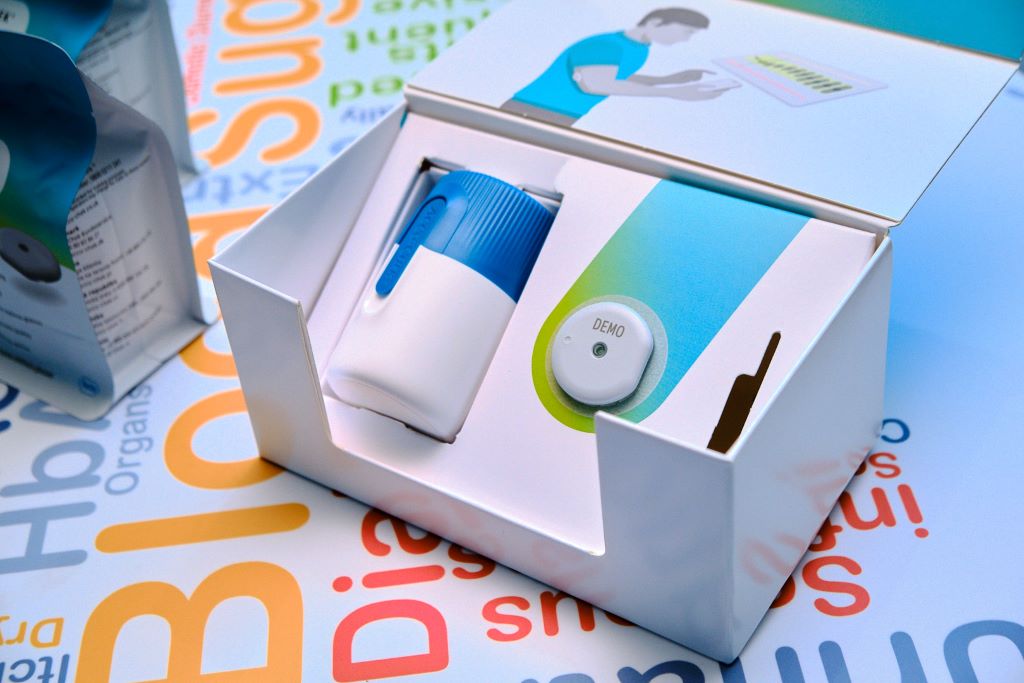
The Accu-Chek SmartGuide® CGM solution includes a wireless, water-resistant sensor, worn on the back of the upper arm, and the apps where the users can see their current glucose levels and their future glucose development through predictive analytics. Every five minutes, the sensor sends glucose values measured in real-time to the Accu-Chek SmartGuide app. The Accu-Chek SmartGuide® predict app then uses those glucose values and other optional information entered by the user such as food intake and insulin doses to detect patterns and predict future glucose levels. Supported by AI-trained algorithms, it provides key predictions of likely hypoglycaemia within 30 minutes as well as general estimated predictions of glucose levels within 2 hours and during a defined 7-hours nighttime period.11

Clinical studies have demonstrated the new Roche CGM solution’s high system accuracy, with an overall mean absolute relative difference (MARD) of 9.2% and 99.8% of measured glucose values falling within zones A and B on the Parkes Error Grid.1, 12 The evaluation of the predictive capabilities showed that all advanced predictive features exceeded high performance requirements as e.g. accuracy, sensitivity and specificity.13

Roche is committed to bringing improved and proactive relief to diabetes management across South Africa with the immediate availability of the Accu-Chek SmartGuide® CGM solution.

About the Accu-Chek SmartGuide® CGM solution

Accu-Chek SmartGuide® is a continuous glucose monitoring (CGM) solution developed by Roche providing accurate1 real-time glucose readings and AI-enabled predictions for different timeframes7. The solution includes three elements: the Accu-Chek SmartGuide® CGM sensor, the Accu-Chek SmartGuide® App and the Accu-Chek SmartGuide® Predict App. With an all-in-one applicator and 14-day wear time, Accu-Chek SmartGuide® is designed for people living with diabetes, 18 years of age and older. It aims at empowering people living with diabetes to be prepared for the future development of glucose levels and take preventive action by making the appropriate therapy adjustments in good time.

The Accu-Chek SmartGuide® CGM solution can be seamlessly integrated with the Accu-Chek® Care platform, offering healthcare professionals (HCPs) access to comprehensive and accurate1 therapy-relevant data provided by the CGM solution. This integration allows HCPs to analyse together with their patients how lifestyle and therapy impact their glucose levels and make more informed decisions.

About Roche

Founded in 1896 in Basel, Switzerland, as one of the first industrial manufacturers of branded medicines, Roche has grown into the world’s largest biotechnology company and the global leader in in-vitro diagnostics. The company pursues scientific excellence to discover and develop medicines and diagnostics for improving and saving the lives of people around the world. We are a pioneer in personalised healthcare and want to further transform how healthcare is delivered to have an even greater impact. To provide the best care for each person we partner with many stakeholders and combine our strengths in Diagnostics and Pharma with data insights from the clinical practice.

For over 125 years, sustainability has been an integral part of Roche’s business. As a science-driven company, our greatest contribution to society is developing innovative medicines and diagnostics that help people live healthier lives. Roche is committed to the Science Based Targets initiative and the Sustainable Markets Initiative to achieve net zero by 2045. 

Genentech, in the United States, is a wholly owned member of the Roche Group. Roche is the majority shareholder in Chugai Pharmaceutical, Japan. 

For more information, please visit www.roche.com.

All trademarks used or mentioned in this release are protected by law.


References
[1] Mader, J. K., Waldenmaier, D., Mueller-Hoffmann, W., Mueller, K., Angstmann, M., Vogt, G., Rieger, C. C., Eichenlaub, M., Forst, T., & Freckmann, G. (2024). Performance of a Novel Continuous Glucose Monitoring Device in People With Diabetes. Journal of diabetes science and technology, 18(5), 1044–1051. https://doi.org/10.1177/19322968241267774

[2] Simulation study, Data on file, Roche Diabetes Care GmbH, 2025.

[3] Ngassa Piotie P, Rheeder P. UP Expert Opinion: South Africa has more than 4 million people living with diabetes – many aren’t getting proper treatment. University of Pretoria Diabetes Research Centre News. 2024 Mar 11 [cited 2025 Oct 8]. Available from: https://www.up.ac.za/diabetes-research-centre/news/post_3214595-up-expert-opinion-south africa-has-more-than-4-million-people-living-with-diabetes-many-arent-getting-proper-treatment

[4] Tomic D, Shaw JE, Magliano DJ. The burden and risks of emerging complications of diabetes mellitus. Nat Rev Endocrinol. 2022 Sep;18(9):525-539. doi: 10.1038/s41574-022-00690-7. Epub 2022 Jun 6. PMID: 35668219; PMCID: PMC9169030.

[5] Carlson AL, et al., Diabetes Technol Ther., 2017 May;19(S2):S4-S11. doi: 10.1089/dia.2017.0024

[6] DeSalvo DJ, et al., Journal of Diabetes Science and Technology. 2023;17(2):322-328.

[7] Nakhleh A, Shehadeh N. Hypoglycemia in diabetes: An update on pathophysiology, treatment, and prevention. World J Diabetes. 2021 Dec 15;12(12):2036-2049. doi: 10.4239/wjd.v12.i12.2036. PMID: 35047118; PMCID: PMC8696639.

[8] Secrest AM et al. Characterizing sudden death and dead in bed syndrome in Type 1 diabetes: analysis from two childhood onset Type 1 diabetes registries. Diabet. Med. 2011. 28, 293–300.

[9] Jones J et al. Dead in bed – A systematic review of overnight deaths in type 1 diabetes. Diabetes Res Clin Pract. 2022. 191:110042. 

[10] Wild, Diane et al. “A critical review of the literature on fear of hypoglycemia in diabetes: Implications for diabetes management and patient education.” Patient education and counseling vol. 68,1 (2007): 10-5. doi:10.1016/j.pec.2007.05.003

[11] Glatzer et al., 2024. Journal of diabetes science and technology, 18(5), 1004–1008. https://doi.org/10.1177/19322968241267765

[12] Parkes Error Grid – a tool to evaluate the accuracy of glucose monitoring systems (BGM and CGM).

[13] Herrero, P., Andorrà, M., Babion, N., Bos, H., Koehler, M., Klopfenstein, Y., Leppäaho, E., Lustenberger, P., Peak, A., Ringemann, C., & Glatzer, T. (2024). Enhancing the Capabilities of Continuous Glucose Monitoring With a Predictive App. Journal of diabetes science and technology, 18(5), 1014–1026. https://doi.org/10.1177/19322968241267818.

Longevity Gene from Supercentenarians Offers Hope for Rapid Ageing Disease in Children

Photo by Matteo Vistocco on Unsplash

A new breakthrough in a rare genetic disease which causes children to age rapidly has been discovered using ‘longevity genes’ found in people who live exceptionally long lives – over 100 years old. The research, by the University of Bristol and IRCCS MultiMedica, found these genes which helps keep the heart and blood vessels healthy during ageing could reverse the damage caused by this life-limiting disease.

This is the first study, published in Signal Transduction and Targeted Therapy, to show that a gene from long-lived people can slow down heart ageing in a progeria model. Also known as Hutchinson-Gilford Progeria Syndrome (HGPS), Progeria is a rare, fatal genetic condition of “rapid-ageing” in children.

HGPS is caused by a mutation in the LMNA gene, which leads to the production of a toxic protein called progerin. Most affected individuals die in their teens due to heart problems, although a few, like Sammy Basso, the oldest known person with progeria, have lived longer.  Sadly, late last year (24 October) at the age of 28 Sammy passed away.

Progerin damages cells by disrupting the structure of their nucleus leading to early signs of ageing, especially in the heart and blood vessels.

Currently, the only United States Food and Drug Administration (FDA)-approved treatment is a drug called lonafarnib, which helps reduce the build-up of progerin. A newer clinical trial is now testing lonafarnib in combination with another drug called Progerinin to see if the combination works better.

In this study, researchers from Bristol Heart Institute, Dr Yan Qiu and Professor Paolo Madeddu, in collaboration with Professor Annibale Puca’s team at IRCCS MultiMedica in Italy, sought to explore whether genes from supercentenarians could help protect children with Progeria from the damaging effects of progerin.

The team focused on a ‘longevity gene’ found in centenarians, called LAV-BPIFB4. Previous research has showed that this gene helps keep the heart and blood vessels healthy during ageing.

Using mouse models genetically engineered to have Progeria, the research team were able to show early heart problems like those seen in children with the disease. The team found that a single injection of the longevity gene helped to improve heart function, specifically diastolic function.

It reduced heart tissue fibrosis and decreased the number of ‘aged’ cells in the heart. The gene also boosted the growth of new small blood vessels, which could help keep heart tissue healthy.

The team then tested the effect of the longevity gene in human cells from Progeria patients. Their findings showed adding the longevity gene to these cells reduced signs of ageing and fibrosis, without changing progerin levels directly. This suggests the gene helps protect cells from the effects of progerin, rather than removing it.  Importantly, the treatment doesn’t try to eliminate progerin but instead helps the body cope with its toxic effects.

Dr Yan Qiu, Honorary Research Fellow in the Bristol Heart Institute at the University of Bristol, said: “Our research has identified a protective effect of a “supercentenarian longevity gene” against progeria heart dysfunction in both animal and cell models.

“The results offer hope to a new type of therapy for Progeria; one based on the natural biology of healthy ageing rather than blocking the faulty protein. This approach, in time, could also help fight normal age-related heart disease.

“Our research brings new hope in the fight against Progeria and suggests the genetics of supercentenarians could lead to new treatments for premature or accelerated cardiac ageing, which might help us all live longer, healthier lives.”

Professor Annibale Puca, Research Group Leader at IRCCS MultiMedica and Dean of the Faculty of Medicine at the University of Salerno, added: “This is the first study to indicate that a longevity-associated gene can counteract the cardiovascular damage caused by progeria.

“The results pave the way for new treatment strategies for this rare disease, which urgently requires innovative cardiovascular drugs capable of improving both long-term survival and patient quality of life. Looking ahead, the administration of the LAV-BPIFB4 gene through gene therapy could be replaced and/or complemented by new protein- or RNA-based delivery methods.

“We are currently conducting numerous studies to investigate the potential of LAV-BPIFB4 in counteracting the deterioration of the cardiovascular and immune systems in various pathological conditions, with the goal of translating these experimental findings into a new biologic drug.”

Source: University of Bristol

Radiotherapy After Mastectomy Can Be Avoided

Photo by Jo McNamara

Radiotherapy can be safely omitted as a treatment for many breast cancer patients who have had a mastectomy and are taking anti-cancer drugs, as shown in a study published in the New England Journal of Medicine. An international trial found that patients with early-stage breast cancer who underwent a mastectomy had similar 10-year survival rates whether or not they received radiotherapy.

Experts say the findings should help guide treatment discussions, as many patients who currently qualify for radiotherapy after mastectomy under existing guidelines may not actually need it.

Outdated practice

For many patients with early-stage breast cancer treated by mastectomy and anti-cancer drugs, chest wall radiotherapy has long been standard to kill any remaining cancer cells and lower the risk of recurrence. 

The practice is based on trials from the 1980s, now considered outdated, leaving uncertainty about its benefit and leading to variation in use worldwide.

The SUPREMO trial (Selective Use of Postoperative Radiotherapy after Mastectomy), led by the University of Edinburgh, studied the impact of chest wall radiotherapy in patients at intermediate risk of breast cancer returning. 

International trial

The group included women from 17 countries with one to three affected lymph nodes, as well as those with none but who had other tumour features of aggressive behaviour that increase the chance of recurrence.

All 1607 patients in the study underwent mastectomy, axillary surgery – removing lymph nodes from the armpit – and modern anti-cancer therapy. They were randomly assigned to chest wall radiotherapy (808 women) or no radiotherapy (799).

Little benefit

There was no difference in overall survival of patients after ten years of follow up – 81.4% of those who received radiotherapy were still alive, compared with 81.9% of those who did not.

Radiotherapy also had no impact on disease-free survival – the length of time without any cancer returning – or on the cancer spreading from the breast around the body, the study found.

Radiotherapy had minimal impact on cancer recurring at the site of mastectomy. Nine patients who received the treatment saw their breast cancer return on the chest wall, compared with 20 who did not. Side effects from radiotherapy were mild with no excess deaths reported from cardiac causes.

Improved drugs

Experts attribute radiotherapy providing less benefit than previously thought to progressive improvements in treatment, particularly better drug treatments, which continue to reduce the chances of the cancer returning, and boost survival rates.

The research team caution that the study only looked at those with intermediate-risk breast cancer. Patients with a higher risk of their cancer returning could possibly benefit from chest wall radiotherapy, they add.

The SUPREMO trial provides no evidence to support the continued use of radiotherapy to the area of the chest wall in most patients with intermediate-risk breast cancer who have undergone a mastectomy if they are also treated with modern anti-cancer drug treatment.

 Professor Ian Kunkler Institute of Genetics and Cancer, University of Edinburgh

Although reported toxicity in the trial was mild, we know that almost all patients experience some side effects of radiotherapy, that can even develop even some years after treatment. Avoiding unnecessary irradiation will reduce both treatment burden and, for example, the detrimental effects on breast reconstruction for these mastectomy patients.

 Dr Nicola Russell Netherlands Cancer Institute and study coordinator on behalf of the EORTC

The international research team included scientists from the UK, Netherlands, Australia and China.

Source: University of Edinburgh

Stem Cell Therapy Linked to Lower Risk of Heart Failure After a Heart Attack

Technique may be a valuable add-on procedure for patients with weak heart function after a heart attack, say researchers

Right side heart failure. Credit: Scientific Animations CC4.0

Patients with weak heart function who receive stem cell therapy shortly after a heart attack are at lower risk of developing heart failure and related hospital stays compared with standard care, finds a clinical trial published by The BMJ.

The researchers say the findings suggest this technique may be a valuable add-on procedure for this particular group of patients after a heart attack to prevent subsequent heart failure and reduce the risk of future adverse events.

Advances in heart attack management have improved survival rates considerably, but this has also led to rising rates of subsequent heart failure. While recent studies have indicated that stem cell therapy may reduce rates of heart failure after a heart attack, clinical trials are needed to confirm these benefits.

To address this gap, the researchers set out to assess the impact of delivering stem cells directly into coronary arteries (known as intracoronary infusion) after a heart attack on the development of heart failure over three years.

Their findings are based on 396 patients (average age 57-59 years) with no previous heart conditions at three teaching hospitals in Iran. They had all experienced a first heart attack (myocardial infarction) leading to extensive heart muscle damage and weakened heart function – where the left ventricle, the heart’s main pumping chamber, is too weak to pump blood out to the body as effectively as it should.

Of these, 136 patients in the intervention group received an intracoronary infusion of allogenic Wharton’s jelly derived mesenchymal stem cells within 3-7 days of their heart attack in addition to standard care. The remaining 260 control group patients received standard care alone.

Factors such as age, sex, baseline heart function, smoking status, obesity, existing high blood pressure, diabetes, or kidney problems were taken into account, and patients were monitored for an average of 33 months.

Compared with the control group, intracoronary infusion of stem cells was associated with reduced rates of heart failure (2.77 vs 6.48 per 100 person years), readmission to hospital for heart failure (0.92 vs 4.20 per 100 person years), and a combined measure of cardiovascular death and readmission for heart attack or heart failure (2.8 vs 7.16 per 100 person years).

The intervention did not have a statistically significant effect on readmission to hospital for heart attack (1.23 vs 3.06 per 100 person years), death from any cause (1.81 vs 1.66 per 100 person years), or cardiovascular death (0.91 vs 1.33 per 100 person-years).

However, by six months heart function in the intervention group showed a significantly greater improvement from baseline at six months compared with the control group.

This was a large trial with long term follow-up and clinically meaningful outcome measures, but the researchers acknowledge several limitations to their findings. These include the inability to do a sham procedure for the control group, which would have allowed for a double blinded study design instead of a single blinded format. Nor did they assess heart failure biomarkers or investigate the physiological effects of the intervention on heart tissue.

Nevertheless, they say these results suggest that this technique “may serve as a valuable adjunctive procedure after myocardial infarction to prevent the development of heart failure and reduce the risk of future adverse events.”

Additional trials confirming this finding are needed as well as further research “to explore the underlying mechanisms of mesenchymal stem cells therapy and to optimise its application in clinical practice,” they add.

Source: BMJ Group

New Brain Shunt Trial Restores Walking and Independence in Older Adults with iNPH

Placebo-controlled trial shows shunt surgery improves walking, balance and safety for older adults with idiopathic normal pressure hydrocephalus

Photo by Kampus Production on Pexels

Idiopathic normal pressure hydrocephalus (iNPH) is a treatable condition caused by a buildup of cerebrospinal fluid in the brain that leads to walking and balance problems, memory decline, and bladder control issues. Researchers report the disorder affects up to 1.5% of people in their late 60s and as many as 1 in 13 over age 86. Left untreated, iNPH can cause falls, loss of independence and progressive disability.

A new international study led by Johns Hopkins University School of Medicine researchers, and published in The New England Journal of Medicine, has provided definitive proof that shunt surgery restores mobility and physical safety in older adults with iNPH. The Placebo-Controlled Effectiveness in iNPH Shunting (PENS) Trial is the first large, double-blind, placebo-controlled study to resolve decades of debate on whether shunts truly help patients.

“Although shunts have been used for 50 years, scepticism persisted because of the placebo effect and the risks of operating in frail, elderly patients,” says Mark Luciano, MD, PhD, principal investigator and director of the Johns Hopkins Hydrocephalus and Cerebral Fluid Center. “This study shows surgery is both effective and has an acceptable safety profile. We’ve proven this treatment works, definitively and safely, in the most rigorous type of study possible.” 

The National Institutes of Health–supported trial enrolled 99 patients across 17 centres in the US, Canada, and Sweden. All patients underwent shunt surgery and received a functioning shunt. However, in half, the shunt was initially adjusted to a placebo setting. Neither patients nor their doctors knew which group they were in.

After three months, patients with functioning shunts walked significantly faster than they did before surgery, while the placebo group showed virtually no change. On average, walking speed in the shunt group improved by 0.23 metres per second — more than double the threshold considered by researchers to be a meaningful change in older adults. Eighty percent of patients with a functioning shunt achieved meaningful improvement, compared with just 24% of those in the placebo group.

“When a person walks better and doesn’t fall, everything improves: their independence, their safety and their quality of life,” says Luciano.

Patients in the treatment group also displayed improved balance and reported fewer falls. Forty-six percent of patients in the placebo group reported falling during the trial, compared with just 25% of those who received a functioning shunt. These gains are especially impactful for older adults, as poor mobility and frequent falls are directly tied to loss of independence, increased injury as well as higher mortality risk.

Despite its potential for treatment, iNPH is often overlooked. Researchers report that only about 20% of patients who could benefit from surgery are referred for evaluation because their symptoms are dismissed as normal signs of aging. That said, diagnosis can be simple.

“If there appears to be imbalance that’s increasing, or memory loss that’s increasing, it’s a diagnosis that can be explored with a routine brain scan,” says Luciano. “If the ventricles are enlarged and the symptoms are there, then patients can be referred to specialists who can further evaluate and treat.”

Looking ahead, the PENS Trial will continue to follow participants for 12 months to measure long-term outcomes, including cognition, daily functioning and quality of life. Early findings already suggest gains beyond walking.

“It has always been suspected that cognitive changes take longer to improve and need more detailed testing,” says Luciano. “At the 12-month period, we’ll have more to say not only about cognition, but how much patients are improving in their activities and independence.”

The research team is also working to develop noninvasive diagnostic methods that could replace current spinal fluid drainage trials, making it easier for clinicians to diagnose patients with iNPH and connect them to treatment.

Source: Johns Hopkins Medicine

New Method Noninvasively Assesses Achilles Tendon in Dancers

Photo by Nihal Demirci on Unsplash

A study in the Journal of Orthopaedic Research uses a noninvasive, nonradioactive imaging-based method to measure the structure and function of the Achilles tendon in professional ballet dancers. The method could potentially be developed to help prevent injuries and improve rehabilitation efforts in athletes, as well as in the general public.

The study involved what is called multi-echo ultrashort echo time (UTE) magnetic resonance imaging (MRI) to assess collagen and other components of the Achilles tendon. These structural UTE MRI assessments were combined with functional assessments of the Achilles tendon based on sheer wave elastography (SWE) ultrasound, which measures tendon stiffness.

Professional dancers tended to have more tendon stiffness compared with non-dancers, consistent with prior observations of a training effect from repeated loading with exercise. UTE MRI measures corresponded with the degree of stiffness from SWE ultrasound.

“These findings highlight the potential of integrating UTE and SWE imaging to investigate tendon structure‐function relationships and adaptations to mechanical loading,” the authors write. “Enhanced structure‐function assessment of tendon health and injury status could improve rehabilitation protocols or injury prevention strategies for athletes, including professional dancers.”

Source: Wiley

Hydrogen Sulphide Could be the Answer to Treating Nail Infections

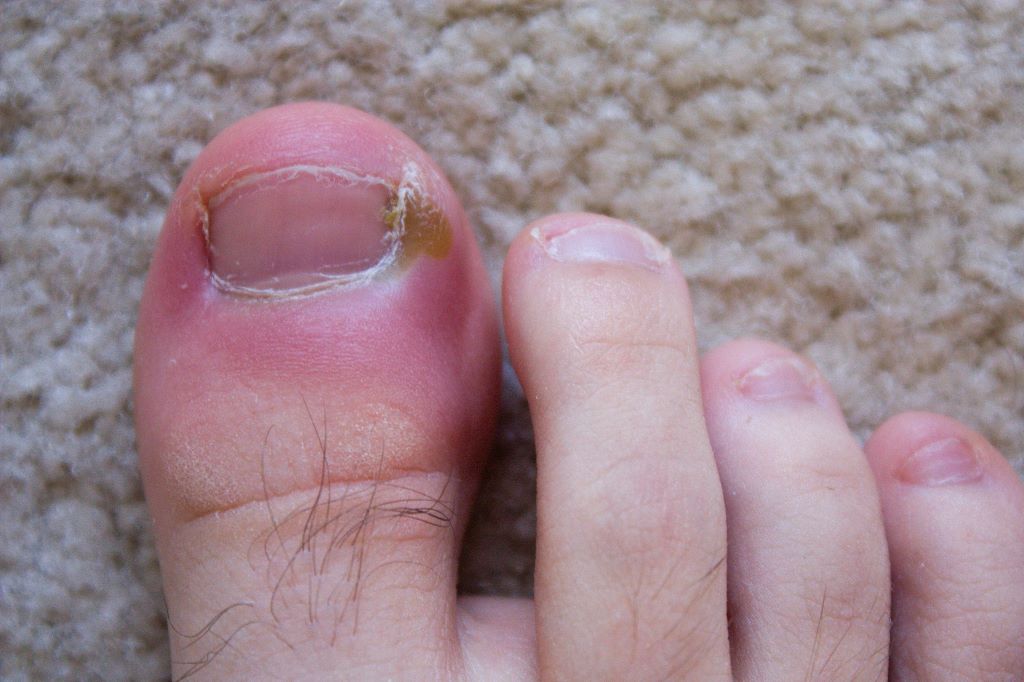
Scientists at Bath and King’s College London have discovered that a common chemical could be used to develop a new treatment for difficult-to-treat nail infections.

Paronychia. Source: Wikimedia Commons CC0

Hydrogen sulphide, the volcanic gas that smells of rotten eggs, could be used in a new treatment for tricky nail infections that acts faster but with fewer side effects, according to scientists at the University of Bath and King’s College London (KCL).

Nail infections are mostly caused by fungi and occasionally by bacteria. They are very common, affecting between 4-10% of the global population, rising to nearly half those aged 70 or over.

These infections can lead to complications, particularly in vulnerable groups such as diabetics and the elderly, but are notoriously difficult to treat.

Current treatments include oral antifungals taken in pill form, and topical treatments which are applied directly to the nail.

Oral antifungals take around 2-4 months to act and are reasonably effective, but they carry risks of side effects, especially in patients with other medical conditions.

Treatments applied directly to the nail are safer, but they often take much longer to work, sometimes taking even years to work, and they frequently relapse or fail.

This is largely because it’s very difficult to get the drug to penetrate through the nail to where the infection resides.

Even the most effective topical treatments have relatively low cure rates, so there is a clear need for new therapeutic approaches that are safe, effective, and capable of reaching microbes embedded deep within the nail.

A team from the University of Bath and King’s College London has now found that hydrogen sulphide (H₂S), a small, naturally occurring gas, could be developed into a promising new treatment.

Previous work has shown that it penetrates the nail plate far more efficiently than existing topical drugs, and now the team has demonstrated that it has strong antimicrobial activity against a wide range of nail pathogens, including fungi that are resistant to common antifungal treatments.

In laboratory tests, the team used a chemical that breaks down to release the H₂S gas and found that it acts in a unique way, disrupting microbial energy production and triggering irreversible damage, ultimately killing the fungi.

The research is published in Scientific Reports.

Dr Albert Bolhuis, from the University of Bath’s Department of Life Sciences, said: “Thanks to its ability to efficiently reach the site of infection and its novel mode of action, we believe that a topically applied medicine containing hydrogen sulphide could become a highly effective new treatment for nail infections, which avoids the limitations of current therapies.

“Our research lays the foundation for a compelling alternative to existing treatments, with the potential to improve outcomes for patients suffering from persistent and drug-resistant fungal nail infections.”

Hydrogen sulphide is known for its pungent smell of rotten eggs, and has some toxicity, however researchers believe the amounts required are well below toxicity levels and the correct formulation will limit any unpleasant odours.

The research has so far only been done in vitro, but the team hopes to develop a treatment that could be used in patients in the next five years.

Professor Stuart Jones, Director of the Centre for Pharmaceutical Medicine Research at KCL said: “We are looking forward to translating these findings into an innovative topical product that can treat nail infection.”

Source: University of Bath

POPIA Compliance for Health Data: Navigating Special Personal Information Requirements in Healthcare

By Wendy Tembedza, Partner at Webber Wentzel


Health data is one of the most valuable assets in modern healthcare, and the Protection of Personal Information Act, 2013 (POPIA) places strict requirements on its use.

Stakeholders in the healthcare sector understand the value of data in ensuring appropriate treatment for patients. With the proliferation of technologies such as artificial intelligence, which enable healthcare practitioners to derive valuable insights from the data they hold, the importance of managing data in a manner that ensures compliance with data protection laws must remain front of mind in all data processing activities.

This obligation is particularly acute given the volumes of data that evolving technologies allow healthcare institutions to collect and utilise. Importantly, when these larger datasets include special personal information, the obligation to process such information lawfully becomes even more significant. This is because POPIA regulates the processing of special personal information (which includes health and sex life information) more closely than it does other forms of personal information.

The implications of POPIA’s strict regulation of processing health and sex life information means that, where a responsible party is considering collecting such data, an assessment must be made before collection to ensure that the intended processing activities will be lawful under POPIA. Conducting such an assessment prior to collection is integral to establishing a lawful basis for processing from the outset, as all handling of health and sex life information must remain lawful throughout the processing lifecycle, from collection and use to deletion and destruction.

POPIA establishes, as a starting point, a prohibition on processing health and sex life information unless a justification exists. One general exception is where the data subject has granted consent for such processing. It is important to note that consent is specifically defined under POPIA as an informed, voluntary expression of will. Importantly, consent must be specific and cannot be overly generalised. Any reliance on consent must therefore meet these definitional requirements. Ensuring compliance with these requirements is increasingly pertinent where data is used for purposes that differ from the reason for which it was initially collected.

POPIA provides additional exemptions for processing special personal information. For health information, POPIA permits processing by medical professionals, healthcare institutions or facilities, or social services, where such role players are providing healthcare services. POPIA also provides an exemption that applies to insurance companies, medical schemes, medical scheme administrators, and managed healthcare organisations in certain circumstances.

While POPIA creates these categories of exemptions, it is important to note that even where a role player falls within an exemption, this does not eliminate the obligation on a responsible party to comply with POPIA’s eight conditions for lawful processing. Any responsible party relying on an exemption must still ensure that processing activities are ultimately lawful and consistent with the standards of care contemplated under POPIA.

The use of automated means to make decisions about data subjects using their health and sex life information must also be carried out lawfully and in compliance with POPIA. A data subject cannot be subject to a decision that has legal consequences for them, or that otherwise affects them to a substantial degree, where such a decision is based solely on automated decision-making using their personal information, except in limited instances.

Notably, POPIA specifically identifies health as an example of a decision that could have legal consequences or otherwise affect a data subject substantially. This highlights the importance of assessing all data processing activities, especially in sectors like healthcare, where there is growing reliance on technology to make diagnostic or treatment-related decisions.

The Information Regulator has recognised the importance of properly regulating the processing of health and sex life information in recently published Draft Regulations relating to the processing of such data by certain responsible parties. The Information Regulator notes that the primary purpose of these Draft Regulations is to assist responsible parties in implementing POPIA correctly and to provide better transparency to data subjects regarding their information.

The scope of application of the Draft Regulations includes insurance companies, medical schemes, medical scheme administrators, managed healthcare organisations and pension funds.

The Information Regulator’s move to regulate the processing of health and sex life information more closely underscores the importance of ensuring that all such processing activities are undertaken with an increased measure of care. Organisations must therefore assess their processing activities routinely to ensure ongoing compliance with POPIA. This is particularly important as healthcare-related technologies continue to advance, creating new and innovative ways to use data in patient treatment.

Healthcare stakeholders must ensure that use of such technologies comply with POPIA’s requirements and meet the standards established under the Act.

New Nanomedicine Turns Toxic Chemo Drug into a Cancer Assassin

By restructuring a common chemo drug, scientists boost its power by 10 000-fold

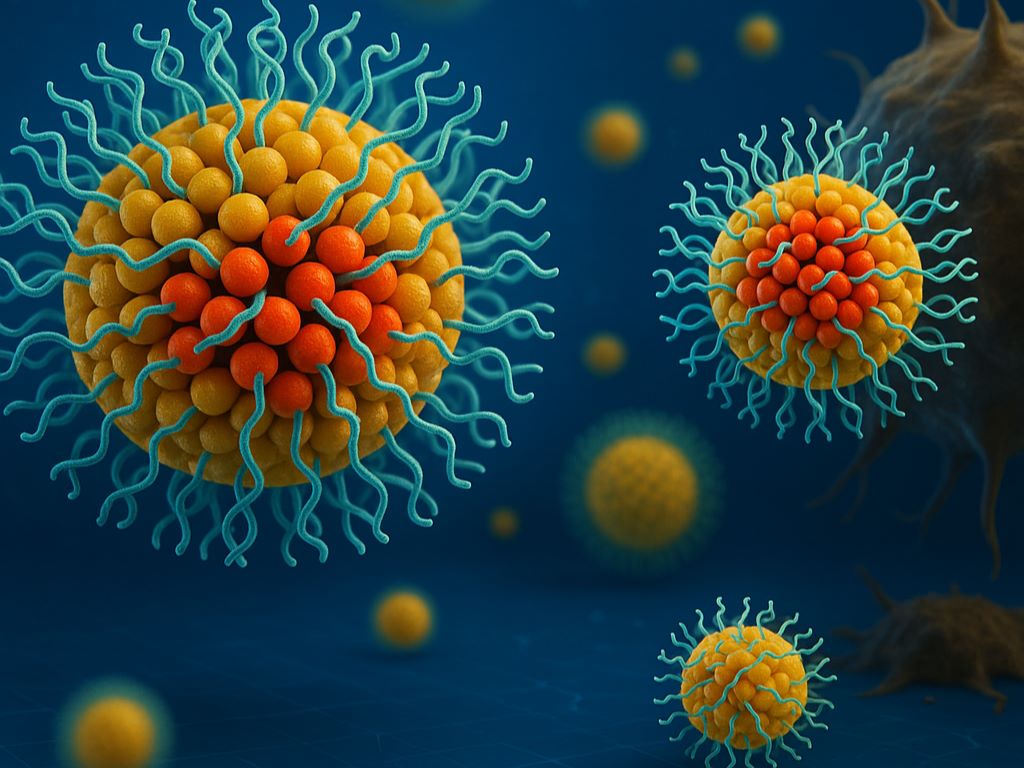
Spherical nucleic acid. Credit: Northwestern University

In a promising advance for cancer treatment, Northwestern University scientists have re-engineered the molecular structure of a common chemotherapy drug, making it dramatically more soluble and effective and less toxic.

In the new study, the team designed a new drug from the ground up as a spherical nucleic acid (SNA): a nanostructure that weaves the drug directly into DNA strands coating tiny spheres. This design converts a poorly soluble, weakly performing drug into a powerful, targeted cancer killer that leaves healthy cells unharmed.

After developing the new therapy, the team tested it in a small animal model of acute myeloid leukaemia (AML), a fast-moving, difficult-to-treat blood cancer. Compared to the standard chemotherapy drug, the SNA-based drug entered leukaemia cells 12.5 times more efficiently, killed them up to 20 000 times more effectively and reduced cancer progression 59-fold – all without detectable side effects. 

This work is another example of the potential of structural nanomedicine, a new field in which scientists use precise structural, as well as compositional, control to fine-tune how nanomedicines interact with the human body. With seven SNA-based therapies currently in clinical trials, the new approach could lead to potent vaccines and treatments for cancers, infectious diseases, neurodegenerative diseases and autoimmune diseases. 

The study was published in the journal ACS Nano

“In animal models, we demonstrated that we can stop tumors in their tracks,” said Northwestern’s Chad A. Mirkin, who led the study. “If this translates to human patients, it’s a really exciting advance. It would mean more effective chemotherapy, better response rates and fewer side effects. That’s always the goal with any sort of cancer treatment.” 

For the new study, Mirkin and his team focused on the traditional chemotherapy drug 5-fluorouracil (5-Fu), which often fails to reach cancer cells efficiently. And, because it also attacks healthy tissue, 5-Fu causes myriad side effects, including nausea, fatigue and, in rare cases, even heart failure. 

According to Mirkin, the drug itself is not the problem – it’s how the body processes it. 5-Fu is poorly soluble, meaning less than 1% of it dissolves in many biological fluids. Most drugs need to dissolve in the bloodstream before they can travel through the body to enter cells. If a drug is poorly soluble, it clumps or retains a solid form, and the body cannot absorb it efficiently. 

“We all know that chemotherapy is often horribly toxic,” Mirkin said. “But a lot of people don’t realise it’s also often poorly soluble, so we have to find ways to transform it into water soluble forms and deliver it effectively.” 

To develop a more effective delivery system, Mirkin and his team turned to SNAs. Invented and developed by Mirkin at Northwestern, SNAs are globular nanostructures with a nanoparticle core surrounded by a dense shell of DNA or RNA. In previous studies, Mirkin discovered that cells recognise SNAs and invite them inside. In the new study, his team built new SNAs with the chemotherapy chemically incorporated into the DNA strands. 

“Most cells have scavenger receptors on their surfaces,” Mirkin said. “But myeloid cells overexpress these receptors, so there are even more of them. If they recognise a molecule, then they will pull it into the cell. Instead of having to force their way into cells, SNAs are naturally taken up by these receptors.” 

As Mirkin and his team suspected, the structural redesign completely changed how 5-Fu interacted with the cancer cells. Unlike with free-floating, unstructured chemotherapy molecules, the myeloid cells easily recognised and absorbed the SNA form. Once inside, enzymes broke down the DNA shell to release the drug molecules, which killed the cancer cell from within. 

In the mouse experiments, the therapy eliminated the leukaemia cells to near completion in the blood and spleen and significantly extended survival. And, because the SNAs selectively targeted AML cells, healthy tissues remained unharmed. 

“Today’s chemotherapeutics kill everything they encounter,” Mirkin said. “So, they kill the cancer cells but also a lot of healthy cells. Our structural nanomedicine preferentially seeks out the myeloid cells. Instead of overwhelming the whole body with chemotherapy, it delivers a higher, more focused dose exactly where it’s needed.” 

Next, Mirkin’s team plans to test the new strategy in a larger cohort of small animal models, then move to a larger animal model and, eventually, in human clinical trials, once funding is secured. 

Source: Northwestern University

EthiQal Invites You to an Ethics Webinar

Date: 20th November

Time: 18h00 to 19h45

Link: https://webinar.ethiqal.co.za/

During this webinar, attendees will review the HPCSA Booklet 10: General Ethical Guidelines for Good Practice in Telehealth where the pertinent South Africa laws and basic principles around ethical practice for patient consultations and the accompanying administration will be explored. The webinar will offer insights into different types of telehealth and ethical guidelines with specific focus on the quality, security, and safety of patient records.

The audience will have an opportunity to listen and engage with clinical, legal, medical malpractice insurance, cybersecurity, and telehealth subject matter experts. During the webinar, a range of learning opportunities will be offered including short lectures, interactive case studies with a series of multiple choices questions, panel discussions, and audience Q&A.

This webinar will focus on specialist practices. Administrative staff working in these practices are welcome to join the discussion.

Click here to register for the webinar