Month: January 2026

New Neurosurgical Classification Reveals Pivotal Role of Glioma Volume Reduction

International team develops system for a standardised assessment of operative success in treating certain brain tumours

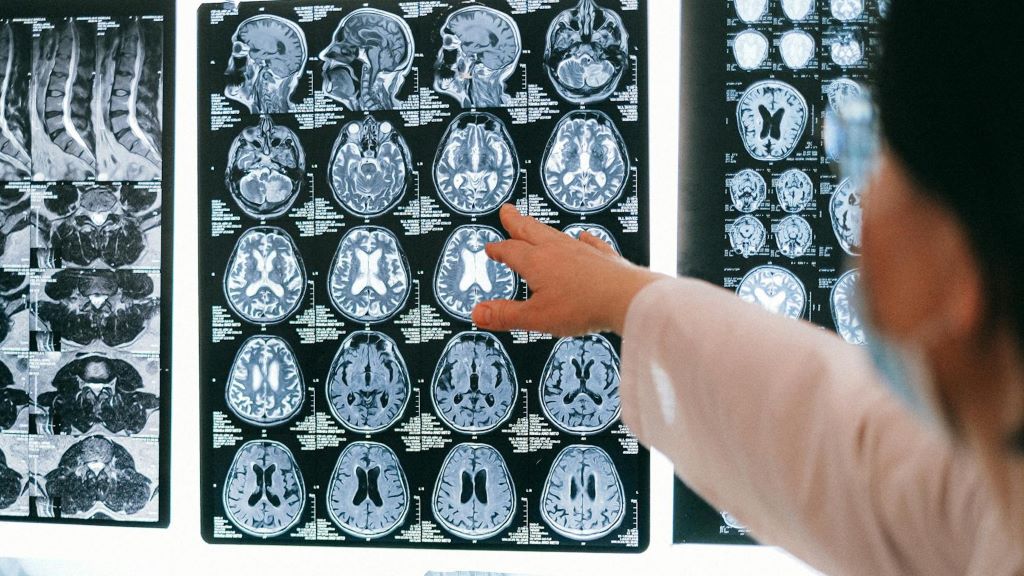
Photo by cottonbro studio

Low-grade brain tumours known as IDH-mutant gliomas CNS WHO grade 2 are life-threatening despite their slow growth. Neurosurgeons across the globe are faced with the question as to striking the correct balance between a “radical” tumour resection and avoiding further neurological damage. An international research team from the RANO working group involving Friedrich-Alexander-Universität Erlangen-Nürnberg (FAU) and Uniklinikum Erlangen has developed a new classification that records the extent to which any residual tumour tissue influences the progression of the disease. The results were published in The Lancet Oncology.

As a rule, the initial treatment for an IDH-mutated glioma CNS WHO grade 2 is surgery. The aim is to remove as much of the tumour as possible without jeopardising important neurological functions. As the results of the operation only become apparent many years later, there has been a lack of clear data, which has led to a number of different approaches. “On the one hand, this is due to the fact that we must be very careful to weigh up the chances of potentially boosting a patient’s chance of survival against avoiding neurological deficits. On the other hand, there has been a lack of clear criteria for assessing the risk of surgery until now, meaning that recommendations for treatment range from taking as little tissue as possible for diagnostic purposes to removing as much tumour tissue as possible,” explains Prof Dr Oliver Schnell from Uniklinikum Erlangen.

New basis for assessing success of surgery

In order to standardise therapeutic decisions, the RANO working group has conducted a large international study and assessed the data of 1391 patients from 16 neuro-oncological specialist units.

Based on the comprehensive data collected, the new RANO classification categorises the extent of the surgery based on the volume of the tumour that remains visible in a special MRI sequence (T2-FLAIR) after the operation. “Until now, there was no common language available for describing surgical outcomes,” explains PD Dr Philipp Karschnia from Uniklinikum Erlangen. “The new classification provides clarity, as it is guided exclusively by the residual tumour tissue.”

Less residual tumor means longer survival

The analysis of the RANO working group shows: A low volume of residual tumor after the initial operation is one of the most important factors for the further progression of the disease. A positive effect was also demonstrated for removing as much of the tumor as possible in the case of oligodendrogliomas, that tend to have a more favourable progression and are highly sensitive to chemo and radiation therapy. “We were surprised to discover that even follow-up treatments such as chemotherapy or radiation therapy were not able to replace the influence of the operation,” admits PD Dr Karschnia.

Internationally verified and useful in a wide range of scenarios

The results were confirmed in an independent patient group at the University of California in San Francisco. The new classification supports surgeons in making more accurate decisions and paves the way for future studies: “The new RANO classification is a milestone that will make a significant impact on neuro-oncological research and care in the long term,” according to Prof Schnell.

The Response Assessment in Neuro-Oncology (RANO) Working Group is an international, multidisciplinary collaboration between experts from various disciplines who have been working together to develop standardised criteria for assessing brain tumours for more than a decade now. Experts involved in the study from Erlangen were Prof Dr Oliver Schnell and PD Dr Philipp Karschnia, who has been leading the surgical focus group of the RANO Working Group since 2024, Dr Nico Teske and Alfred Gramelt from the Department of Neurosurgery at Uniklinikum Erlangen.

Source: Friedrich–Alexander University Erlangen–Nurnberg

High Cholesterol and Insulin Resistance are Rising Among Young South Africans – What that Means for Public Health

Photo by Elizeu Dias on Unsplash

Themba Titus Sigudu, University of the Witwatersrand

In a small mining town in South Africa’s Limpopo province, young people are showing worrying signs of diseases that were once thought to affect only older adults.

These include type 2 diabetes, high blood pressure, high cholesterol, obesity and insulin resistance. This is not unique to Limpopo or South Africa. It reflects a global trend, where young adults in many low- and middle-income countries are increasingly experiencing early-onset metabolic diseases due to rapid urbanisation, lifestyle changes, unhealthy diets and reduced physical activity.

The World Health Organization says non-communicable diseases now account for 75% of all non-pandemic-related deaths globally. Also, 82% of premature deaths before age 70 occur in low- and middle-income countries.

I’m a public health researcher specialising in epidemiology, metabolic health, infectious diseases and environmental health. My colleagues and I conducted a study in the town of Lephalale and found that many young adults there have abnormal cholesterol levels. They also have reduced sensitivity to insulin, a condition known as insulin resistance.

Both are key risk factors for type 2 diabetes and heart disease.

Our findings suggest that these health problems are appearing much earlier in life than expected. This is particularly concerning in communities undergoing rapid social and economic change, where access to health services and screening programmes remains limited.

New jobs, new lifestyles

Lephalale, formerly known as Ellisras, offers a window into these transitions. Once a quiet rural area in the north of South Africa, it has changed rapidly over the past two decades. It is now the site of expanding mining and industrial activities, driven by the expansion of coal mining operations and the development of power stations.

This industrial growth has attracted thousands of workers from surrounding provinces and neighbouring countries, bringing new economic opportunities. It is also reshaping daily life. Increasingly, residents are doing sedentary work and eating energy-dense diets, including fast food. These lifestyle transitions make Lephalale an important setting for studying emerging health risks in young adults.

Long hours sitting at work and reduced physical activity create fertile ground for metabolic disorders. When people eat more processed, high-fat, high-sugar foods and move less, the body begins storing excess energy as fat.

Over time, this can lead to weight gain, elevated blood glucose and abnormal cholesterol levels. These changes make it harder for the body to regulate insulin, causing insulin resistance, the first step towards type 2 diabetes. Also, inactivity and poor diet increase unhealthy cholesterol and triglycerides (types of fat in the blood), raising the risk of heart disease. In rapidly transitioning communities, these health shifts can happen quickly.

Non-communicable diseases such as diabetes, hypertension and heart disease are now among the leading causes of death in South Africa. In 2020, diabetes was reported to be the second biggest underlying cause of death in South Africa, accounting for 6.6% of all deaths.

Our research

We examined 781 young adults aged 18 to 29 years living in Lephalale as part of a long-running study. We have been tracking health patterns in this community since 1992.

Participants provided fasting blood samples that were analysed for glucose, insulin and cholesterol levels. We grouped them into diabetic and non-diabetic categories based on clinical definitions used by the American Diabetes Association.

The results were striking:

  • Diabetic participants had significantly higher total cholesterol, low-density lipoprotein (the “bad” cholesterol) and triglycerides, and lower levels of high-density lipoprotein (the “good” cholesterol) than their non-diabetic peers.
  • Over half (52.7%) of the diabetic group had high total cholesterol, compared with 23% of non-diabetic participants.
  • Insulin resistance, when the body needs more insulin to manage blood sugar, was also much higher among diabetics.
  • Even some non-diabetic participants showed early signs of these metabolic changes.

Unhealthy cholesterol patterns and poor insulin sensitivity tend to occur together, each making the other worse. This combination sets the stage for early heart disease, stroke and diabetes.

Why young adults?

Most public-health strategies focus on older adults because that’s when chronic diseases usually become visible.

But our research adds to growing evidence that the seeds of non-communicable diseases are planted early, often in young adulthood or even adolescence.

Young adults in rural or semi-urban areas may seem healthy, yet many are already developing risks due to diet changes, stress and limited exercise opportunities. The modernisation of small towns, while positive economically, brings hidden health costs.

Without early detection, these individuals may enter middle age already carrying high risk of health problems. This will put pressure on health systems that are already stretched.

What makes this community unique?

Lephalale may be changing, but it still lacks many of the urban services, infrastructure and health resources found in South Africa’s big cities.

Health resources are scarce, and screening for cholesterol or insulin resistance is rare. Public clinics focus on infectious diseases such as HIV or tuberculosis. Silent metabolic disorders go unnoticed until symptoms appear.

Our study shows that rapid industrialisation without parallel investment in public-health education and preventive services risks creating a generation of young adults who are chronically unwell by their thirties.

What can be done?

Three priorities stand out:

Early screening and prevention

Regular cholesterol and glucose testing should be part of routine primary-care visits, especially for adults under 30. Mobile health campaigns, school outreach and workplace screenings could help identify those at risk.

Community-based education

Local awareness campaigns must make the link between diet, physical activity and metabolic health easy to understand. They should show, for example, how frequent consumption of fried or sugary foods contributes to cholesterol build-up and insulin resistance.

Healthy-environment policies

Urban planners and municipalities can support healthy lifestyles by ensuring there are safe spaces for exercise. They must also limit marketing of unhealthy foods, and encourage availability of affordable, nutritious options. Similar “health-in-all-policies” approaches have shown success in other countries. such as Finland’s long-running HiAP strategy, which reduced cardiovascular disease rates and improved population health outcomes.

Young people should be in peak health. Without intervention, today’s young adults risk becoming tomorrow’s chronic-disease patients, burdening families, workplaces and health systems.

Themba Titus Sigudu, Lecturer, University of the Witwatersrand

This article is republished from The Conversation under a Creative Commons license. Read the original article.

Identifying Brain-related Comorbidities in Duchenne Muscular Dystrophy

Photo by Jon Tyson on Unsplash

In research published in Developmental Medicine & Child Neurology, investigators developed a brief, reliable, and valid screening tool to help identify individuals with Duchenne muscular dystrophy (a neuromuscular disorder) who are at increased risk of brain-related comorbidities, such as language disorders, attention-deficit/hyperactivity disorder, and anxiety.

The research team developed the questionnaire-based screening tool, called the BIND (Brain Involvement iN Dystrophinopathies) screener, by reviewing the medical literature and incorporating expert consensus, and translated it into 11 languages. The questionnaire asks parents, caregivers, or patients to rate the impact of 18 cognitive, behavioural, and emotional items.

The BIND screener demonstrated strong accuracy in identifying individuals with Duchenne muscular dystrophy who had previously been diagnosed with neurodevelopmental or psychiatric conditions in an international sample of 835 participants. Additional validation was conducted in a subsample of 90 children and adolescents who underwent in-depth cognitive and clinical assessments.

“Families often tell us that cognitive and behavioural difficulties can be as challenging as the physical symptoms of Duchenne. This screener is designed to help identify those concerns earlier, so that children and adults can be referred for appropriate support,” said corresponding author Rubén Miranda, PhD, of Universidad Complutense de Madrid, Spain.

Source: Wiley

No Evidence that Cannabis Meds Relieve Chronic Neuropathic Pain

A new Cochrane review has found no clear evidence for cannabis-based medicines work for chronic neuropathic pain

Photo by Kindel Media on Unsplash

There is no clear evidence that cannabis-based medicines provide pain relief for chronic neuropathic pain, an updated Cochrane review finds.

Chronic neuropathic pain is caused by nerve damage. Existing medications help only a minority of patients, driving interest in alternatives, such as cannabis-based medicines. These can include herbal cannabis or isolated ingredients of the cannabis plant such as tetrahydrocannabinol (THC) by inhalation, mouth sprays, tablets, creams, and patches placed on the skin.

Researchers reviewed 21 clinical trials involving more than 2100 adults, comparing cannabis-based medicines with placebo over periods of two to 26 weeks. 

Cannabis-based medicines were grouped into three types: products which contain mostly THC, the psychoactive component of cannabis; products which contain mostly cannabidiol (CBD), a non-intoxicating compound; and balanced THC/CBD products, which contain similar amounts of both. 

The review found no high-quality evidence that cannabis-based medicines reduce neuropathic pain more than placebo across the three types of medicines. While some small improvements were reported by patients using products with both THC and CBD, these changes were not large enough to be considered clinically meaningful. 

Reporting of adverse events was not consistent across the included trials, so certainty around side-effects was low to very low across all types of cannabis-based medicines. Products containing THC were associated with increases in symptoms such as dizziness and drowsiness, with a potential increase in the number of people withdrawing from trials due to side effects. 

Clinician and review author from Technische Universität München and Medical Center Pain Medicine and Mental Health Saarbrücken, Winfried Häuser, emphasized the need for better quality studies:
 

We need larger, well-designed studies with a treatment duration of at least 12 weeks that include people with comorbid physical illnesses and mental health conditions to fully understand the benefits and harms of cannabis-based medicines. At present, the quality of most of the trials is too poor to draw firm conclusions.

— Winfried Häuser, clinician and author


The authors conclude that the evidence remains weak and uncertain, underscoring the need for higher-quality research before cannabis-based medicines can be recommended for chronic neuropathic pain.

By Mia Parkinson

Source: Cochrane

Hot Flush Treatment has Anti-breast Cancer Activity, Study Finds

Photo by engin akyurt on Unsplash

A drug mimicking the hormone progesterone has anti-cancer activity when used together with conventional anti-oestrogen treatment for women with breast cancer, a new Cambridge-led trial has found.

In the two-week window that we looked at, adding a progestin made the anti-oestrogen treatment more effective at slowing tumour growth. What was particularly pleasing to see was that even the lower dose had the desired effectRebecca Burrell

A low dose of megestrol acetate (a synthetic version of progesterone) has already been proven as a treatment to help patients manage hot flushes associated with anti-oestrogen breast cancer therapies, and so could help them continue taking their treatment. The PIONEER trial has now shown that the addition of low dose megestrol to such treatment may also have a direct anti-cancer effect.

Around three-quarters of all breast cancers are ER-positive. This means the tumours are abundant in a molecule known as an oestrogen receptor, ‘feeding’ on the oestrogen circulating in the body. These women are usually offered anti-oestrogens, medication that reduces level of oestrogen and hence deprives the cancer of oestrogen and inhibits its growth. However, reducing oestrogen levels can bring on menopause-like symptoms, including hot flushes, joint and muscle pain, and potential bone loss.

In the PIONEER trial, post-menopausal women with ER-positive cancers were treated with an anti-oestrogen with or without the progesterone mimic, megestrol. After two weeks of treatment, those that received the combination saw a greater decrease in tumour growth rates compared to those treated with an anti-oestrogen only.

Although further work is required in larger patient cohorts and over a longer period of time to confirm the findings, researchers at the University of Cambridge say the trial suggests that megestrol could help improve the lives of thousands of women for whom anti-oestrogen medication causes uncomfortable side-effects and can lead to some women stopping taking the medication.

PIONEER was led by Dr Richard Baird from the Department of Oncology at the University of Cambridge and Honorary Consultant Medical Oncologist at Cambridge University Hospitals NHS Foundation Trust (CUH). He said: “On the whole, anti-oestrogens are very good treatments compared to some chemotherapies. They’re gentler and are well tolerated, so patients often take them for many years. But some patients experience side effects that affect their quality of life. If you’re taking something long term, even seemingly relatively minor side effects can have a big impact.”

Some ER-positive breast cancer patients also have high levels of another molecule, known as progesterone receptor (PR). This group of patients also respond better to the anti-oestrogen hormone therapy.

To explain why, Professor Jason Carroll and colleagues at the Cancer Research UK Cambridge Institute used cell cultures and mouse models to show that the hormone progesterone stops ER-positive cancer cells from dividing by indirectly blocking ER. This results in slower growth of the tumour. When mice treated with anti-oestrogen hormone therapy were also given progesterone, the tumours grew even more slowly.

Professor Carroll, who co-leads the Precision Breast Cancer Institute and is a Fellow of Clare College, Cambridge, said: “These were very promising lab-based results, but we needed to show that this was also the case in patients. There’s been concern that taking hormone replacement therapy – which primarily consists of oestrogen and synthetic versions of progesterone (called progestins) – might encourage tumour growth. Although we no longer think this is the case, there’s still been residual concern around the use of progesterone and progestins in breast cancer.”

To see whether targeting the progesterone receptor in combination with an anti-oestrogen could slow tumour growth in patients, Dr Baird and Professor Carroll designed the PIONEER trial, which tested adding megestrol, a progestin, to the standard anti-oestrogen treatment letrozole.

A total of 198 patients were recruited at ten UK hospitals, including Addenbrooke’s Hospital in Cambridge, and randomised into one of three groups: one group received only letrozole; one group received letrozole alongside 40mg of megestrol daily; and the third group received letrozole plus a much higher daily dose of megestrol, 160mg. In this ‘window of opportunity’ trial, treatment was given for two weeks prior to surgery to remove the tumour. The percentage of actively growing tumour cells was assessed at the start of the trial and then again before surgery.

In findings published today in Nature Cancer, the team showed that adding megestrol boosted the ability of letrozole to block tumour growth, with comparable effects at both the 40mg and 160mg doses.

Joint first author Dr Rebecca Burrell from the Cancer Research UK Cambridge Institute and CUH said: “In the two-week window that we looked at, adding a progestin made the anti-oestrogen treatment more effective at slowing tumour growth. What was particularly pleasing to see was that even the lower dose had the desired effect.

“Although the higher dose of progesterone is licenced as an anti-cancer treatment, over the long term it can have side effects including weight gain and high blood pressure. But just a quarter of the dose was as effective, and this would come with fewer side effects. We know from previous trials that a low dose of progesterone is effective at treating hot flushes for patients on anti-oestrogen therapy. This could reduce the likelihood of patients stopping their medication, and so help improve breast cancer outcomes. Megestrol – the drug we used – is off-patent, making it a cost-effective option.”

Because women in the trial were only given megestrol for a short period of time, follow-up studies will be needed to confirm whether the drug would have the same beneficial effects with reduced side-effects over a longer period of time.

The research was funded by Anticancer Fund, with additional support from Cancer Research UK, Addenbrooke’s Charitable Trust and the National Institute for Health and Care Research Cambridge Biomedical Research Centre.

Personalised and precise cancer treatments underpin the focus of care at the future Cambridge Cancer Research Hospital. The specialist facility planned for the Cambridge Biomedical Campus will bring together world-leading researchers from the University of Cambridge and its Cancer Research UK Cambridge Centre and clinical excellence from Addenbrooke’s Hospital under one roof in a brand-new NHS hospital.

Reference

Burrell, RA & Kumar, S, et al. Evaluating progesterone receptor agonist megestrol plus letrozole for women with early-stage estrogen-receptor-positive breast cancer: the window-of-opportunity, randomized, phase 2b, PIONEER trial. Nature Cancer; 5 Jan 2026: DOI: 10.1038/s43018-025-01087-X

Republished from University of Cambridge under a Creative Commons licence.

Read the original article.

Cipla Partners with ImmunoACT to Launch New CAR-T Cell Therapy for Blood Cancers in Africa

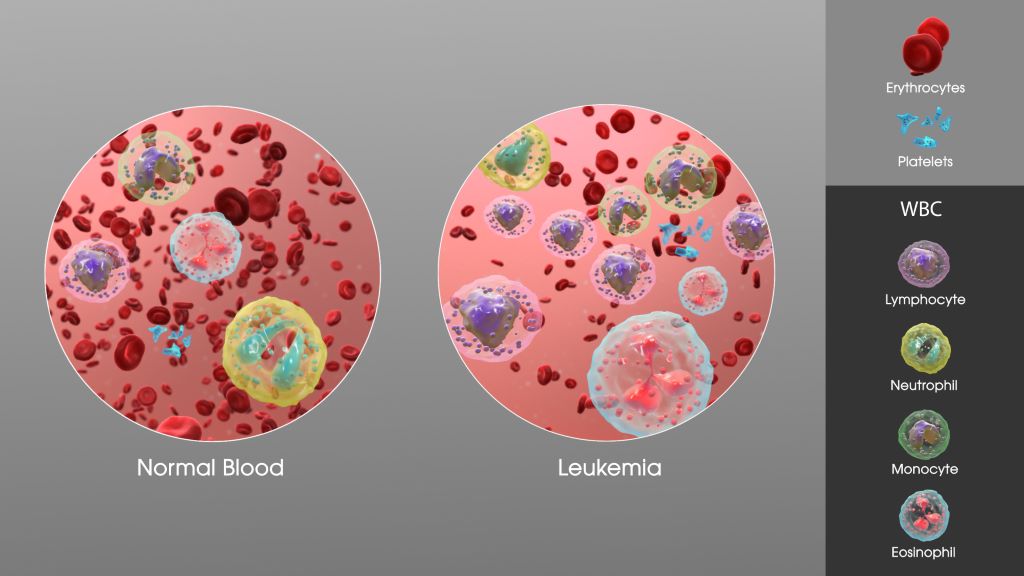
SAG Leukaemia. Credit: Scientific Animations CC0

Cipla Limited (BSE: 500087; NSE: CIPLA; and hereafter referred to as “Cipla”), through its subsidiary Medpro Pharmaceutica, has entered into an exclusive license and supply agreement with Immunoadoptive Cell Therapy Private Limited (ImmunoACT). Under this partnership, Cipla will commercialise talicabtagene autoleucel, India’s first indigenously developed CAR-T cell therapy, in the Republic of South Africa, Algeria, and Morocco.

Talicabtagene autoleucel (the product) is an autologous (of a patient’s own blood sample) anti-CD19 CAR-T indicated for the treatment of patients with relapsed or refractory B-cell Non-Hodgkin’s Lymphoma (B-NHL) and B-cell Acute Lymphoblastic Leukaemia (B-ALL) who have failed standard lines of therapy. Administered to over 500 patients in India, the therapy has demonstrated high efficacy, durable responses, and a well‑tolerated safety profile, leading to reduced ancillary healthcare costs.

As part of this collaboration, ImmunoACT will manufacture the product and Cipla will commercialise in the licensed African territories, thereby expanding access of this revolutionary new treatment to markets currently with unmet needs. 

Commenting on the partnership, Achin Gupta, Managing Director and Global CEO Designate, Cipla Limited, said, “Our collaboration with ImmunoACT reinforces Cipla’s vision of leveraging cutting-edge science to deliver transformative and affordable treatments, especially for patients with critical healthcare needs. By introducing CAR-T therapy in Africa, we aim to bring world-class innovation closer to patients and strengthen our commitment to accessible healthcare in the region.”

Adding on, Paul Miller, Chief Executive Officer of Cipla Africa, said, “We are proud to be at the forefront of efforts to bring CAR-T cell therapy to Africa. This collaboration not only advances our oncology portfolio but also reinforces Cipla’s mission of making next-generation therapies accessible to patients worldwide.”

Dr. Rahul Purwar, ImmunoACT’s Founder & Chairman and a professor of the Indian Institute of Technology (IIT), Bombay, said, “Our mission has always been to innovate and make cell & gene therapies accessible and affordable, addressing the significant unmet medical needs across the globe. This strategic partnership with Cipla seeks to accelerate our endeavours; ensuring that patients with B-cell cancers have a fighting chance at a durable remission, with our CAR-T platform.”   

About CAR-T cell therapy:

CAR T-cell therapy is a groundbreaking form of immunotherapy that uses a patient’s own immune cells to fight the disease. Doctors collect immune cells (T cells) from the patient, reprogram them to identify and destroy cancer cells, and then return them to the body, enabling a targeted and personalized approach to treatment.

About Cipla

Established in 1935, Cipla is a global pharmaceutical company focused on agile and sustainable growth, complex generics, and deepening portfolio in our home markets of India, South Africa, North America, and key regulated and emerging markets. Our strengths in the respiratory, antiretroviral, urology, cardiology, anti-infective and CNS segments are well-known. Our 46 manufacturing sites around the world produce 50+ dosage forms and 1500+ products using cutting-edge technology platforms to cater to our 80+ markets. Cipla is ranked 3rd largest in pharma in India (IQVIA MAT Sep’25), 2nd Largest in the pharma prescription market in South Africa (IQVIA MAT Aug’25), and 4th largest by prescription in the US Gx (Repulses + MDI) products (IQVIA MAT Aug’25). For over nine decades, making a difference to patients has inspired every aspect of Cipla’s work. Our paradigm-changing offer of a triple anti-retroviral therapy in HIV/AIDS at less than a dollar a day in Africa in 2001 is widely acknowledged as having contributed to bringing inclusiveness, accessibility and affordability to the centre of the HIV movement. A responsible corporate citizen, Cipla’s humanitarian approach to healthcare in pursuit of its purpose of ‘Caring for Life’ and deep-rooted community links wherever it is present make it a partner of choice to global health bodies, peers and all stakeholders. For more, please visit www.cipla.com, or click on Twitter, Facebook, LinkedIn.

About ImmunoACT

As pioneers of India’s first fully integrated CAR-T cell therapy platform, ImmunoACT (Immunoadoptive Cell Therapy Private Limited), develops and manufactures accessible, affordable cutting-edge gene-modified cell therapies for blood cancers and solid tumours. With NexCAR19™, India’s first CAR_T cell therapy (developed in collaboration with the Indian Institute of Technology, Bombay and Tata Memorial Centre) commercially approved in India having unprecedentedly transformed the treatment landscape in refractory/relapsed B-cell malignancies, ImmunoACT also has a robust pipeline including a clinical-stage BCMA-directed CAR-T for multiple myeloma, and solid tumour CAR-Ts under development. The company is accelerating its mission to expand global access to life-saving cell and gene therapies through strategic partnerships.

Why did Nobody Catch the Flu in a Transmission Experiment?

Researchers from University of Maryland Schools of Public Health and Engineering in College Park and the School of Medicine in Baltimore wanted to find out how the flu spreads, so they put college students already sick with the flu into a hotel room with healthy middle-aged adult volunteers. The result? No one caught the flu. 

“At this time of year, it seems like everyone is catching the flu virus. And yet our study showed no transmission – what does this say about how flu spreads and how to stop outbreaks?” said Dr Donald Milton, professor at SPH’s Department of Global, Environmental and Occupational Health and a global infectious disease aerobiology expert who was among the first to identify how to stop the spread of COVID-19.

The study, out in PLOS Pathogens, is the first clinical trial in a controlled environment to investigate exactly how the flu spreads through the air between naturally infected people (rather than people deliberately infected in a lab) and uninfected people. Milton and his colleague Dr Jianyu Lai have some ideas about why none of the healthy volunteers contracted the flu. 

“Our data suggests key things that increase the likelihood of flu transmission – coughing is a major one,” said Lai, post-doctoral research scientist, who led data analysis and report writing for the team. 

The students with the flu had a lot of virus in their noses, says Lai, but they did not cough much at all, so only small amounts of virus got expelled into the air. 

“The other important factor is ventilation and air movement. The air in our study room was continually mixed rapidly by a heater and dehumidifier and so the small amounts of virus in the air were diluted,” Lai said. 

Lai adds that middle-aged adults are usually less susceptible to influenza than younger adults, another likely factor in the lack of any flu cases.

Most researchers think airborne transmission is a major factor in the spread of this common disease. But Milton notes that updating international infection-control guidelines requires evidence from randomised clinical trials such as this one. The team’s ongoing research aims to show the extent of flu transmission by airborne inhalation and exactly how that airborne transmission happens. 

The lack of transmission in this study offers important clues to how we can protect ourselves from the flu this year. 

“Being up close, face-to-face with other people indoors where the air isn’t moving much seems to be the most risky thing – and it’s something we all tend to do a lot. Our results suggest that portable air purifiers that stir up the air as well as clean it could be a big help. But if you are really close and someone is coughing, the best way to stay safe is to wear a mask, especially the N95,” said Milton.

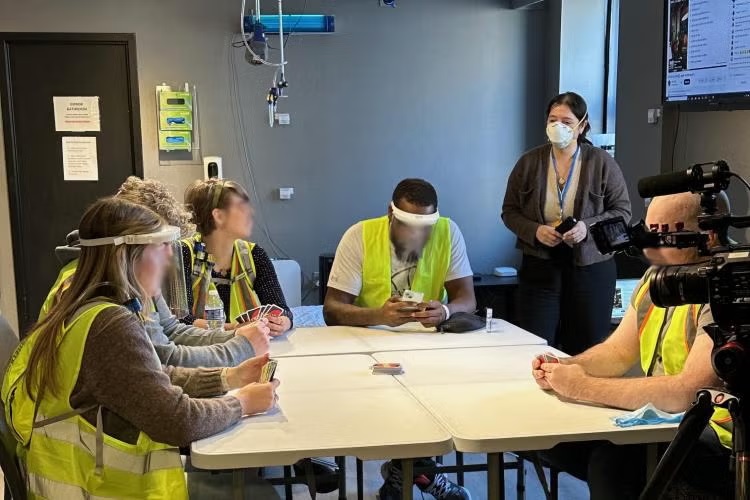
The team used a quarantined floor of a Baltimore-area hotel to measure airborne transmission between five people with confirmed influenza virus with symptoms and a group of 11 healthy volunteers across two cohorts in 2023 and 2024. A similar quarantine set-up was used in an earlier study and exhaled breath testing was used in several pioneering studies by Milton and colleagues on influenza transmission. 

During the most recent flu study, participants lived for two weeks on an isolated floor of the hotel, and did daily activities simulating different ways that people gather and interact – including conversational ice-breakers, physical activities like yoga, stretching or dancing. Infected people handled objects such as a pen, tablet computer and a microphone, before passing the objects among the whole group. 

Researchers measured a wide range of parameters throughout the experiment, including participant symptom monitoring, daily nasal swabs and saliva samples and blood collection to test for antibodies. The study measured the viral exposure in volunteers’ breathing area as well as the ambient air of the activity room. Participant exhaled breath was also measured daily in the Gesundheit II machine, invented by Milton and colleagues at Harvard T.H. Chan School of Public Health. 

Finding ways to control flu outbreaks is a public health priority, says Milton. Flu is responsible for a considerable burden of disease in the United States and globally – up to 1 billion people across the planet catch seasonal influenza every year and this season has seen at least 7.5 million flu cases so far in the United States alone, including 81 000 hospitalisations and over 3000 deaths. 

Source: University of Maryland

Electrotherapy may be a Promising New Glioblastoma Treatment

Photo by Anna Shvets

Electrotherapy using injectable nanoparticles delivered directly into the tumour could pave the way for new treatment options for glioblastoma, according to a new study from Lund University in Sweden.

Glioblastoma is the most common and most aggressive form of brain tumour among adults. Even with intensive treatment, the average survival period is 15 months. The tumour has a high genetic variation with multiple mutations, which often makes it resistant to radiation therapy, chemotherapy and many targeted drugs. The prognosis for glioblastoma has not improved over the past few decades despite extensive research.

Electrotherapy – a new treatment method

Electrotherapy offers another strategy to combat solid tumours. Using short, strong electric pulses (irreversible electroporation), non-reversible pores are created in the cancer cells leading to their death. The body’s immune system is simultaneously stimulated. The problem is that surgery is required to place the stiff metal electrodes that are necessary for the treatment. In sensitive tissue, in the brain for example, this often entails a very difficult procedure, which has led to strict criteria regarding which patients can be treated. Johan Bengzon is a researcher in glioblastoma and adjunct professor at Lund University, and consultant in neurosurgery at the Skåne University Hospital. He regularly treats patients with glioblastoma and is frustrated by the limited treatment options.

“The short distance between the hospital and the University in Lund facilitates cooperation and that’s why I contacted research colleagues to find out if injectable electrodes could be an alternative solution in electrotherapy,” says Johan Bengzon.

Said and done. The research team, with Amit Singh Yadav, Martin Hjort, and Roger Olsson at the helm, had previously used nanoparticles to form injectable and electrically conductive hydrogels to control brain signalling and heart contractions. It is aminimally invasive method in which the particles are injected using a thin syringe directly into the body. The particles break down after the treatment and thus do not need to be surgically removed. Perhaps the same technology could be used to destroy tumour cells in glioblastoma. 

“After surgical treatment, unfortunately the glioblastoma tumour often returns on the outer edge of the area operated on. By drop casting the nanoparticles into the tumour cavity after an operation, we could electrify the edges while the immune system is also activated. In animal models the procedure, due to this irreversible electroporation, led to tumours being wiped out within three days,” says Roger Olsson, professor of chemical biology and drug development at Lund University, who led the study. 

Promising results – but a long way to the patient

The prospects are good and the researchers are very hopeful for the future, even though there is a long way to go before it becomes a clinical reality. The challenge is now to test the method on larger tumours. 

“We have seen that the electrode is well received in the brain. We have not noted any problems relating to side effects and after 12 weeks the electrode disappeared by itself as it’s biodegradable. The technology combines direct tumour destruction with activation of the immune system and can be an important step towards more effective treatment of glioblastoma,” concludes Amit Singh Yadav, researcher at Lund University and first author of the study. 

Source: Lund University

Shingles Vaccine Linked to Slower Biological Aging in Older Adults

Photo by SHVETS production

Shingles vaccination not only protects against the disease but may also contribute to slower biological aging in older adults, according to a new USC Leonard Davis School of Gerontology study.

Using data from the nationally representative US Health and Retirement Study, researchers examined how shingles vaccination affected several aspects of biological aging in more than 3800 study participants who were age 70 and older in 2016. Even when controlling for other sociodemographic and health variables, those who received the shingles vaccine showed slower overall biological aging on average in comparison to unvaccinated individuals.

Shingles, also called herpes zoster, is a painful, blistering skin rash caused by the reactivation of the chickenpox virus, or varicella zoster. Anyone who has had chickenpox is at risk for shingles; while shingles can occur at younger ages, risk is higher for those 50 and older and immunocompromised individuals. Vaccination, which has generally only been provided to older people, offers protection from shingles as well as a lower chance of postherpetic neuralgia, or long-term pain after a shingles infection.

While vaccines are designed to protect against acute infection, recent research has  highlighted a possible connection between adult vaccines, including those for shingles and influenza, and lower risks of dementia and other neurodegenerative disorders, said Research Associate Professor of Gerontology Jung Ki Kim, the study’s first author.

“This study adds to emerging evidence that vaccines could play a role in promoting healthy aging by modulating biological systems beyond infection prevention,” she said.

Measuring the body, not the calendar

Unlike chronological aging, biological aging refers to how the body is changing over time, including how well organs and systems are working. Two people who are both 65 years old may look very different inside: one may have the biological profile of someone younger, while another may show signs of aging earlier.

In the new study, Kim and coauthor Eileen Crimmins, USC University Professor and AARP Professor of Gerontology, measured seven aspects of biological aging:

  • inflammation
  • innate immunity
  • adaptive immunity
  • cardiovascular haemodynamics
  • neurodegeneration
  • epigenetic aging (changes in how genes are turned “off” or “on”)
  • transcriptomic aging (changes in how genes are transcribed into RNA used to create proteins)

The team also used the measures collectively to record a composite biological aging score.

Surprising results beyond shingles prevention

On average, vaccinated individuals had significantly lower inflammation measurements, slower epigenetic and transcriptomic aging, and lower composite biological aging scores. The results provide more insight into the possible mechanisms underlying how immune system health interacts with the aging process.

Chronic, low-level inflammation is a well-known contributor to many age-related conditions, including heart disease, frailty, and cognitive decline. This phenomenon is known as “inflammaging,” Kim said.

“By helping to reduce this background inflammation — possibly by preventing reactivation of the virus that causes shingles, the vaccine may play a role in supporting healthier aging,” she said. “While the exact biological mechanisms remain to be understood, the potential for vaccination to reduce inflammation makes it a promising addition to broader strategies aimed at promoting resilience and slowing age-related decline.”

These potential benefits could also be persistent. When analysing how the time since vaccination affected results, Kim and Crimmins found that participants who received their vaccine four or more years prior to providing their blood sample still exhibited slower epigenetic, transcriptomic and overall biological aging on average versus unvaccinated participants.

“These findings indicate that shingles vaccination influences key domains linked to the aging process,” Crimmins said. “While further research is needed to replicate and extend these findings, especially using longitudinal and experimental designs, our study adds to a growing body of work suggesting that vaccines may play a role in healthy aging strategies beyond solely preventing acute illness.”

By Beth Newcomb

Source: USC Leonard Davis School of Gerontology

Sitting for Long Stretches Raises Heart and Diabetes Risks – Even in Active Older Adults

Photo by JD Mason on Unsplash

Spending too long sitting raises the risk of heart disease and diabetes in people over 60, warns a major global review. Published in the Journal of Physical Activity and Health, the review analysed data from 28 international studies involving 82 000 people aged 60 and older.

It flags strong links between sitting time and worsening markers for chronic disease including high blood sugar, cholesterol, waist size, and blood pressure. And that’s even for people who exercise regularly.

That means — whether watching TV, using a tablet or reading a book — the longer older people sit, the higher their risk of major health problems like heart disease, stroke, and type 2 diabetes.

“This is a link we can’t ignore,” said Dr Daniel Bailey, Reader in Sedentary Behaviour and Health at the Department of Life Sciences, Brunel University of London. “You can meet the weekly exercise target, but if you spend the rest of the day sitting, your health is still at risk.”

In the UK, where more than 12 million people are aged 65 or older, older adults can spend up to 80% of their waking hours sitting down and longer during winter or for people with mobility issues. That means millions may be unknowingly accumulating risks day after day — a concern for families, carers, and health professionals.

One of the most revealing findings was that the harmful effect of sitting for long periods showed up even in otherwise healthy older adults, not just those already diagnosed with illness. Waist measurement, a major predictor of health risk, had the strongest, most consistent link with sitting time.

“We’re seeing these impacts in people who don’t yet feel unwell,” said Dr Bailey. “That means we have a chance to intervene early and protect health before problems start.”

Importantly, the study found limited protective effect from exercise alone. After accounting for how active people were, the damage from long hours of sitting remains.

“The evidence is clear. We urgently need strategies that don’t just encourage exercise, but also help people sit less throughout the day,” said Dr Bailey. “Simple changes make a difference —standing during phone calls, replacing some TV time with gardening or a stroll, or light chores around the house.”

The study by Brunel University of London, the University of Lincoln, Federation University in Australia, and the University of Bedfordshire is the most comprehensive analysis to date linking sedentary behaviour to cardiometabolic risk in later life. As the NHS contends with rising rates of diabetes and heart disease, it spells out to policymakers that keeping moving throughout the day is as vital as structured exercise.

Dr Bailey stressed the shared role of public services, community groups and healthcare professionals to help older people avoid sitting for long stretches: “From GP advice to local councils and charities, there’s a role for everyone in changing the message.”

Source: Brunel University of London