Tag: menopause

A New Explanation for the Rise in Heart Disease Risk After Menopause

A new study points to gene regulation as a key factor in post-menopausal cardiovascular risk

Photo by Anthony Shkraba on Pexels

Scientists at Virginia Tech say that the increased risk of cardiovascular disease after menopause may stem not only from declining hormone levels, but also from how those changes influence gene activity.

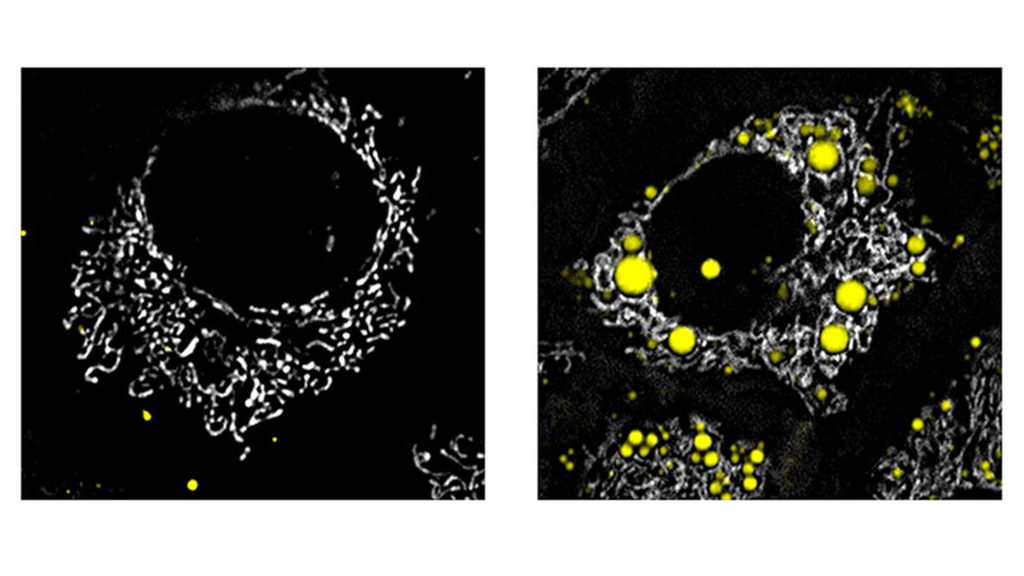
In a new paper published in the journal Cells, researchers examine growing evidence that declining oestrogen levels can alter epigenetics, the system that controls when genes turn on and off. These changes may help explain why rates of heart disease, diabetes, and other metabolic conditions rise sharply in women after menopause.

In addition, the study identifies a potential link between oestrogen loss, changes in gene regulation, and cardiovascular health. The epigenome, the full set of chemical modifications that regulate gene activity without altering DNA, has been studied extensively in breast cancer, but far less is known about how these mechanisms operate in the heart and cardiovascular system, according to  Sumita Mishra, senior author of the study and assistant professor at the Fralin Biomedical Research Institute at VTC.

The findings suggest that oestrogen-related gene regulation pathways, long studied in cancer biology, may also play an important role in cardiometabolic health. Heart disease is the leading cause of death for women, and risk increases during and after the menopause transition, according to the National Heart, Lung, and Blood Institute.

“For years, we’ve focused on oestrogen loss as the primary driver of increased heart disease risk after menopause,” Mishra said. “What’s becoming clear is that the story is more complex. By reframing menopause-related health risks around gene regulation, this work points to new directions for future treatments that may extend beyond hormone therapy to more directly target these regulatory pathways.”

In addition, genetic predisposition and environmental factors, such as diet, exercise, and metabolic disease, likely interact with these pathways to shape cardiovascular risk after menopause, beyond what hormone replacement alone can address.

Rather than identifying a single new mechanism, the results of the study offer a new way of understanding the problem by connecting hormone loss to longer-term changes in how the body regulates interconnected systems involved in cardiovascular and metabolic health.

The study also highlights that many existing interventions used to manage cardiometabolic disease in postmenopausal women, including lipid-lowering therapies, glucose-lowering agents such as GLP-1 receptor agonists and SGLT2 inhibitors, and lifestyle interventions such as diet and exercise, may intersect with gene regulatory pathways influenced by oestrogen.

Emerging evidence suggests that these strategies can modulate metabolic and inflammatory signalling networks and, in some cases, the way DNA is packaged and regulated, helping to link current therapies to menopause-associated biological changes.

The researchers also highlight a gap in current knowledge, noting that much of the mechanistic evidence comes from laboratory and preclinical studies, and that more research in humans is needed to understand how these processes unfold over time.

Looking ahead, ongoing studies in the Mishra laboratory will focus on understanding how metabolic and gene-regulatory pathways are integrated in cardiometabolic disease, including in postmenopausal health. 

The new study also aligns with ongoing research in the Mishra laboratory focused on heart failure with preserved ejection fraction (HFpEF), a form of heart disease that disproportionately affects women and becomes more prevalent after menopause. HFpEF is closely linked to obesity and metabolic dysfunction and remains a major unmet clinical challenge.

In related work published in Hypertension, the Mishra team investigated how oestrogen-dependent signaling pathways in the heart and vasculature are altered after menopause, contributing to changes in vascular function and metabolic regulation. 

Together, these findings emphasise a broader research focus on how hormonal signalling interacts with molecular pathways that govern cardiometabolic health in postmenopausal women. This growing body of work may help guide the development of more targeted strategies to prevent and treat cardiovascular disease in this population.

Mishra is a member of the Center for Exercise Medicine Research and the Center for Vascular and Heart Research at the Fralin Biomedical Research Institute. She is also an assistant professor in the Department of Human Nutrition, Foods, and Exercise in the College of Agriculture and Life Sciences.

By John Pastor

Source: Virginia Tech

How Women Are Harmed When Clinicians Rely on the Lab More Than the Patient

Photo by Karolina Grabowska on Pexels

Across the world, countless women enter perimenopause only to be told that “everything is normal” because their blood tests do not match their symptoms.

This is one of the most damaging failures in modern women’s health. Perimenopause is not a laboratory diagnosis. It is a clinical diagnosis, made by listening to the woman and recognising the pattern of hormonal transition. Yet many clinicians continue to rely on FSH, LH and oestrogen levels – tests that were never designed to diagnose perimenopause and are physiologically incapable of doing so.

1. Hormone levels in perimenopause are wildly erratic

Oestrogen does not decline smoothly. It surges, crashes, and oscillates unpredictably. FSH and LH follow the same chaotic pattern. A single blood test captures only a moment in this turbulence. It cannot represent the hormonal instability that defines the transition.

This is why women with severe vasomotor symptoms often have “normal” results, while women with mild symptoms may show “abnormal” ones.

Erratic physiology produces erratic numbers. The numbers do not reflect the suffering.

2. Lab ranges do not correlate with symptoms

Laboratory ranges were created for research and population studies – not for diagnosing perimenopause. They do not account for:

  • daily hormonal swings
  • stress
  • sleep deprivation
  • illness
  • cycle timing
  • individual sensitivity to hormonal change

A woman may be drenched in night sweats, unable to sleep, emotionally unstable, and struggling to function – yet her blood tests may look “normal”. This leads to the most common and harmful phrase in women’s health: “Your results are normal, so this is not hormonal.”

3. The harm of relying on lab results

When clinicians wait for “abnormal” results before offering help, women suffer. They are:

  • dismissed
  • misdiagnosed
  • told they are anxious or depressed
  • denied treatment
  • left to struggle through years of avoidable distress

Or are treated inappropriately for life with antidepressants, mood stabilisers, axyiolytics and sedatives. These do little to address the underlying problem but create another set of problems: addiction and a range of side effects. This is not medicine. This is neglect disguised as protocol.

Suffering is prolonged because clinicians rely on lab results rather than the woman’s symptoms. Treating the lab instead of the woman is a betrayal of clinical responsibility.

4. The only test worth doing

There is one test that adds value: TSH and T4 – to exclude thyroid disease, which can mimic some perimenopausal symptoms. Beyond this, further hormone testing wastes time, money, and emotional energy.

5. The clinical truth

Perimenopause is diagnosed by listening to the woman, not by chasing fluctuating hormones. If she has:

• hot flushes

• night sweats

• irritability

• emotional instability

• sleep disturbance

• cycle changes

— she is in perimenopause, regardless of what the blood tests say.

The woman’s story is the evidence.

The numbers are often unreliable and misleading tools.

Dr E.V. Rapiti • April 2026

www.drrapiti.com

Hot Flush Treatment has Anti-breast Cancer Activity, Study Finds

Photo by engin akyurt on Unsplash

A drug mimicking the hormone progesterone has anti-cancer activity when used together with conventional anti-oestrogen treatment for women with breast cancer, a new Cambridge-led trial has found.

In the two-week window that we looked at, adding a progestin made the anti-oestrogen treatment more effective at slowing tumour growth. What was particularly pleasing to see was that even the lower dose had the desired effectRebecca Burrell

A low dose of megestrol acetate (a synthetic version of progesterone) has already been proven as a treatment to help patients manage hot flushes associated with anti-oestrogen breast cancer therapies, and so could help them continue taking their treatment. The PIONEER trial has now shown that the addition of low dose megestrol to such treatment may also have a direct anti-cancer effect.

Around three-quarters of all breast cancers are ER-positive. This means the tumours are abundant in a molecule known as an oestrogen receptor, ‘feeding’ on the oestrogen circulating in the body. These women are usually offered anti-oestrogens, medication that reduces level of oestrogen and hence deprives the cancer of oestrogen and inhibits its growth. However, reducing oestrogen levels can bring on menopause-like symptoms, including hot flushes, joint and muscle pain, and potential bone loss.

In the PIONEER trial, post-menopausal women with ER-positive cancers were treated with an anti-oestrogen with or without the progesterone mimic, megestrol. After two weeks of treatment, those that received the combination saw a greater decrease in tumour growth rates compared to those treated with an anti-oestrogen only.

Although further work is required in larger patient cohorts and over a longer period of time to confirm the findings, researchers at the University of Cambridge say the trial suggests that megestrol could help improve the lives of thousands of women for whom anti-oestrogen medication causes uncomfortable side-effects and can lead to some women stopping taking the medication.

PIONEER was led by Dr Richard Baird from the Department of Oncology at the University of Cambridge and Honorary Consultant Medical Oncologist at Cambridge University Hospitals NHS Foundation Trust (CUH). He said: “On the whole, anti-oestrogens are very good treatments compared to some chemotherapies. They’re gentler and are well tolerated, so patients often take them for many years. But some patients experience side effects that affect their quality of life. If you’re taking something long term, even seemingly relatively minor side effects can have a big impact.”

Some ER-positive breast cancer patients also have high levels of another molecule, known as progesterone receptor (PR). This group of patients also respond better to the anti-oestrogen hormone therapy.

To explain why, Professor Jason Carroll and colleagues at the Cancer Research UK Cambridge Institute used cell cultures and mouse models to show that the hormone progesterone stops ER-positive cancer cells from dividing by indirectly blocking ER. This results in slower growth of the tumour. When mice treated with anti-oestrogen hormone therapy were also given progesterone, the tumours grew even more slowly.

Professor Carroll, who co-leads the Precision Breast Cancer Institute and is a Fellow of Clare College, Cambridge, said: “These were very promising lab-based results, but we needed to show that this was also the case in patients. There’s been concern that taking hormone replacement therapy – which primarily consists of oestrogen and synthetic versions of progesterone (called progestins) – might encourage tumour growth. Although we no longer think this is the case, there’s still been residual concern around the use of progesterone and progestins in breast cancer.”

To see whether targeting the progesterone receptor in combination with an anti-oestrogen could slow tumour growth in patients, Dr Baird and Professor Carroll designed the PIONEER trial, which tested adding megestrol, a progestin, to the standard anti-oestrogen treatment letrozole.

A total of 198 patients were recruited at ten UK hospitals, including Addenbrooke’s Hospital in Cambridge, and randomised into one of three groups: one group received only letrozole; one group received letrozole alongside 40mg of megestrol daily; and the third group received letrozole plus a much higher daily dose of megestrol, 160mg. In this ‘window of opportunity’ trial, treatment was given for two weeks prior to surgery to remove the tumour. The percentage of actively growing tumour cells was assessed at the start of the trial and then again before surgery.

In findings published today in Nature Cancer, the team showed that adding megestrol boosted the ability of letrozole to block tumour growth, with comparable effects at both the 40mg and 160mg doses.

Joint first author Dr Rebecca Burrell from the Cancer Research UK Cambridge Institute and CUH said: “In the two-week window that we looked at, adding a progestin made the anti-oestrogen treatment more effective at slowing tumour growth. What was particularly pleasing to see was that even the lower dose had the desired effect.

“Although the higher dose of progesterone is licenced as an anti-cancer treatment, over the long term it can have side effects including weight gain and high blood pressure. But just a quarter of the dose was as effective, and this would come with fewer side effects. We know from previous trials that a low dose of progesterone is effective at treating hot flushes for patients on anti-oestrogen therapy. This could reduce the likelihood of patients stopping their medication, and so help improve breast cancer outcomes. Megestrol – the drug we used – is off-patent, making it a cost-effective option.”

Because women in the trial were only given megestrol for a short period of time, follow-up studies will be needed to confirm whether the drug would have the same beneficial effects with reduced side-effects over a longer period of time.

The research was funded by Anticancer Fund, with additional support from Cancer Research UK, Addenbrooke’s Charitable Trust and the National Institute for Health and Care Research Cambridge Biomedical Research Centre.

Personalised and precise cancer treatments underpin the focus of care at the future Cambridge Cancer Research Hospital. The specialist facility planned for the Cambridge Biomedical Campus will bring together world-leading researchers from the University of Cambridge and its Cancer Research UK Cambridge Centre and clinical excellence from Addenbrooke’s Hospital under one roof in a brand-new NHS hospital.

Reference

Burrell, RA & Kumar, S, et al. Evaluating progesterone receptor agonist megestrol plus letrozole for women with early-stage estrogen-receptor-positive breast cancer: the window-of-opportunity, randomized, phase 2b, PIONEER trial. Nature Cancer; 5 Jan 2026: DOI: 10.1038/s43018-025-01087-X

Republished from University of Cambridge under a Creative Commons licence.

Read the original article.

Does Hormone Therapy Improve Heart Health in Menopausal Women?

Photo by Teona Swift on Unsplash

Deciding whether to start hormone therapy during the menopause transition, the life phase that’s the bookend to puberty and when a woman’s menstrual cycle stops, is a hotly debated topic. While hormone therapy is recommended to manage bothersome symptoms like hot flashes and night sweats, Matthew Nudy, assistant professor of medicine at the Penn State College of Medicine, said there’s confusion about the long-term effects of hormone therapy, especially on cardiovascular health.

However, long-term use of oestrogen-based hormone therapies may have beneficial effects on heart health, according to a new study led by Nudy. A multi-institutional team analysed data from hormone therapy clinical trials that were part of the Women’s Health Initiative (WHI), a long-term national study focused on menopausal women, and found that oestrogen-based hormone therapy improved biomarkers associated with cardiovascular health over time. In particular, the study suggests that hormone therapy may lower levels of lipoprotein(a), a genetic risk factor associated with a higher risk of heart attack and stroke.

Their findings were published in the journal Obstetrics & Gynecology.

“The pendulum has been swinging back and forth as to whether hormone therapy is safe for menopausal women, especially from a cardiovascular disease perspective,” Nudy said. “More recently, we’re recognising that hormone therapy is safe in younger menopausal women within 10 years of menopause onset, who are generally healthy and who have no known cardiovascular disease.”

The hormonal changes that accompany menopause come with an increased risk of cardiovascular disease. The decline in the oestrogen can lead to changes in cholesterol, blood pressure and plaque buildup in blood vessels, which increase the risk of heart attack and stroke.

The research team was interested in understanding the long-term effect of hormone therapy on cardiovascular biomarkers, which hasn’t been evaluated over an extended period of time. Prior research in the field primarily looked at short-term effects.

Here, the team analysed biomarkers associated with cardiovascular health over a six-year period from a subset of women who had participated in an oral hormone therapy clinical trial that was part of the WHI. Post-menopausal participants aged 50 to 79 were randomly assigned to one of two groups, an oestrogen-only group and an oestrogen plus progesterone group. They provided blood samples at baseline and at the one-, three- and six-years marks. In total, they analysed samples from 2696 women, approximately 10% of the total trial participants.

The research team found that hormone therapy had a beneficial effect on most biomarkers in both the oestrogen-only and the oestrogen-plus-progesterone groups over time. Levels of LDL cholesterol, the so-called “bad” cholesterol, were reduced by approximately 11% while total cholesterol and insulin resistance decreased in both groups. HDL cholesterol, the so-called “good” cholesterol, increased by 13% and 7% for the oestrogen-only and oestrogen-and-progesterone groups, respectively.

However, triglycerides and coagulation factors, proteins in the blood that help form blood clots, increased.

The decrease in lipoprotein(a) concentration was more pronounced among participants with American Indian or Alaska Native ancestry or Asian or Pacific Islander ancestry, by 41% and 38%, respectively. The reason why was unclear, Nudy said.

More surprising to the research team, they said, levels of lipoprotein(a), a type of cholesterol molecule, decreased 15% and 20% in the oestrogen-only and the oestrogen-plus-progesterone groups, respectively. Unlike other types of cholesterol, which can be influenced by lifestyle and health factors such as diet and smoking, concentrations of lipoprotein(a) are thought to be determined primarily by genetics, Nudy explained. Patients with a high lipoprotein(a) concentration have an increased risk of heart attack and stroke, especially at a younger age. There’s also an increased risk of aortic stenosis, where calcium builds up on a heart valve.

“As a cardiologist, this finding is the most interesting aspect of this research,” Nudy said. “Currently, there are no medications approved by the Food and Drug Administration (FDA) to lower lipoprotein(a). Here, we essentially found that oral hormone therapy significantly reduced lipoprotein(a) concentrations over the long-term.”

Nudy noted that the oestrogen therapy the women received in the clinical trial was conjugated equine oestrogens, a commonly prescribed form of oral oestrogen therapy. Before being absorbed by the body, oral hormone therapy is processed in the liver, through a process called first-pass metabolism. That process could increase inflammatory markers, which may explain the rise in triglycerides and coagulation factors.

“There are now other common formulations of oestrogen hormone therapy like transdermal oestrogen, which is administered through the skin,” Nudy said. “Newer studies have found that transdermal oestrogen doesn’t increase triglycerides, coagulation factors or inflammatory markers.”

For those considering menopause hormone therapy, Nudy recommended undergoing a cardiovascular disease risk assessment, even if the person hasn’t had a previous heart attack or stroke or hasn’t been diagnosed with cardiovascular disease. It will give health care providers more information when considering the best option to treat menopause symptoms.

“Currently, hormone therapy is not FDA-approved to reduce the risk of coronary artery disease or stroke,” Nudy said. 

Source: Penn State

Researchers Unravel Menopause Timing, Shedding Light on Ovarian Aging and Fertility

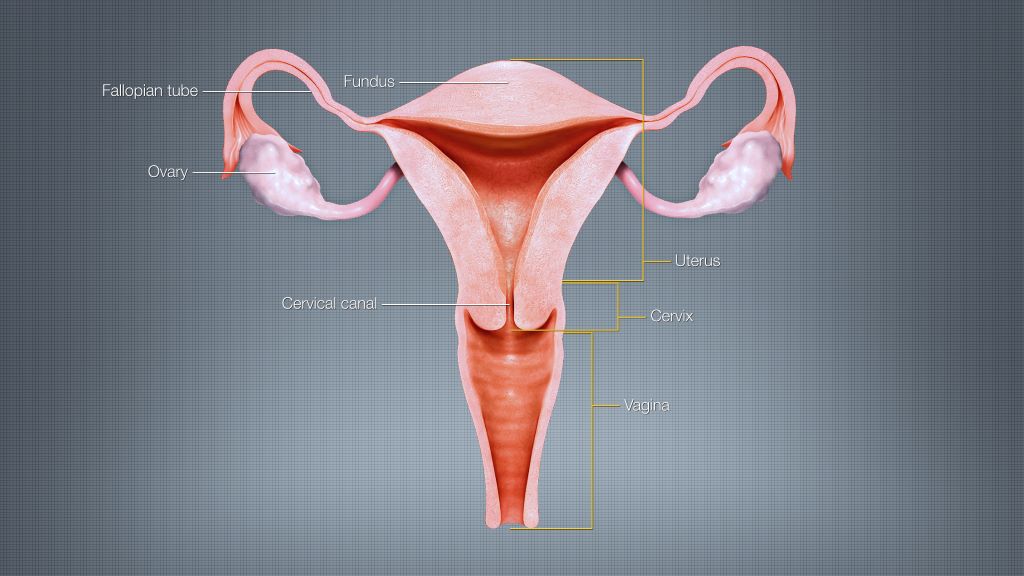
Female reproductive system. Credit: Scientific Animations CC4.0 BY-SA

Menopause, driven by ovarian aging and the depletion of ovarian reserve, marks the end of a woman’s fertility, and while many aspects of these processes are well understood, the overall dynamics remain unclear. A new study from Rice University researchers, published in Biophysical Journal, introduces a novel approach to unravelling the complex patterns of ovarian aging using stochastic analysis, a mathematical approach that examines systems by evaluating all potential outcomes using random probability.

Led by Anatoly Kolomeisky, professor of chemistry and chemical and biomolecular engineering, the research team has developed a theoretical framework that quantitatively predicts menopause timing. By analysing how ovarian follicles transition through different stages, the researchers’ model explains why menopause occurs and sheds light on individual variability and cross-population differences. These insights could improve fertility planning, inform health care decisions related to hormonal therapies and enhance our understanding of age-related health risks associated with ovarian aging.

“By considering menopause as a sequential process involving random transitions of follicles, we can better understand individual variability and population-wide trends in menopause timing,” Kolomeisky said.

A new theoretical model unlocks the mystery of menopause

The research team hypothesised that ovarian aging follows a stochastic sequential process influenced by follicles transitioning through multiple developmental stages. Unlike previous studies focusing primarily on hormonal and genetic influences, this study employed explicit analytical calculations supported by extensive computer simulations.

The approach allowed researchers to model the gradual depletion of ovarian follicle reserves, providing a detailed quantitative framework that aligns with medical data from diverse populations.

“By applying stochastic analysis, we can move beyond broad observations and develop precise, predictive insights into menopause timing and variability,” Kolomeisky said.

Key findings uncover menopause timing

The researchers discovered a universal relationship between three critical factors: the initial follicle reserve, the rate of ovarian depletion and the threshold that triggers menopause. Their model also revealed that menopause occurs within a surprisingly narrow age range, a phenomenon that had not yet been fully explained.

“One of the most unexpected findings was the synchronisation of follicular transitions, which may regulate the timing of menopause,” Kolomeisky said. “This suggests that underlying biochemical processes ensure a relatively consistent age of menopause despite individual variations.”

Source: Rice University

The Risks of Various Menopausal Hormone Treatments Vary

Photo by cottonbro studio:

Researchers have analysed the effects of seven different hormone treatments for menopausal symptoms, and the risk of blood clots, stroke and heart attack. The risks differ depending on the active substance and how the medicine is taken, according to the study findings which appear in the BMJ. In this world’s largest and most comprehensive study of currently prescribed hormonal substances, researchers analysed the risks for one million women aged 50–58.

“There is concern among women that menopausal hormone therapy increases the risk of cardiovascular disease. This concern is based on older studies conducted more than 20 years ago that only looked at one type of treatment. Since then, many new preparations have been introduced and our study shows that the previous conclusions do not apply to all types of treatments,” says Therese Johansson, postdoctoral researcher and lead author of the study, which was part of her thesis at Uppsala University.

To counteract the health effects of menopause, such as hot flashes and osteoporosis, women may be prescribed hormone replacement therapy which consists of hormones or hormone-like substances.

Treatment available since the 1970s

In Sweden alone, hundreds of thousands of women currently use hormone replacement therapy and this type of treatment has been available since the 1970s. At that time, there was only one type of hormone replacement therapy and when a major study in the 1990s showed that it increased the risk of cardiovascular disease, its use rapidly declined. Since then, new preparations have entered the market, and following this, the use of hormone replacement therapy in connection with menopause has increased significantly in recent years.

In the new study, the researchers looked at seven different types of currently used hormone replacement treatments, administered via tablets, hormone patches or hormone-releasing IUDs. The study is based on all prescriptions for hormone replacement therapy in Sweden from 2007 to 2020 and covers nearly one million women aged 50 to 58. The women were monitored for two years after starting hormone replacement therapy. The risk of blood clots and cardiovascular disease was compared between women who had and had not collected a prescription medicine for hormone replacement therapy.

Different therapies, different risks

The results show clearly that the risks of hormone replacement therapy vary depending on the type of treatment.

For example, the synthetic hormone tibolone, which mimics the effects of the body’s natural hormones, was linked to an increased risk of both heart attack and stroke, but not to an increased risk of blood clots. The risk of heart attack or stroke due to tibolone is estimated at one in a thousand women.

Combined preparations containing both oestrogen and progesterone instead increase the risk of blood clots, including deep vein thrombosis and pulmonary embolism. The researchers estimate that the risk of deep vein thrombosis resulting from this combined preparation is about 7000 women per year.

“It is important that both doctors and women are aware of the risks of menopausal hormone therapy and, in particular, that the existing drugs carry different risks of blood clots and cardiovascular disease. Tibolone in particular was associated with an increased risk of stroke and heart attack. Tibolone is used in Europe but is not approved in countries such as the United States. We hope that our study will lead to the drug being withdrawn from use here as well,” says Åsa Johansson, research group leader at Uppsala University and SciLifeLab, and the study’s senior author.

During the period of the study, 2007–2020, a roughly 50% increase hormone patch use was observed, and these preparations were not linked to the same higher risk. The increased use of safer alternatives, such as patches, is an important step forward in reducing the risk of cardiovascular disease among menopausal women.

Identify individual increased risk

“The next step in our research will be to develop strategies to identify which women are at increased risk of certain diseases in connection with using hormonal drugs. In this way, we can guide patients to the most appropriate medicine for each individual and drastically reduce the number of side effects,” Åsa Johansson says.

Source: Uppsala University

Short-term Menopausal Hormone Therapy has no Long-term Cognitive Impact

Photo by Teona Swift on Unsplash

Women in early postmenopause taking short-term MHT had no cognitive effects a decade later

Short-term menopausal hormone therapy (MHT) did not have long-term cognitive effects when given to women in early postmenopause, according to a study published November 21st in the open-access journal PLOS Medicine by Carey Gleason from the University of Wisconsin-Madison, USA, and colleagues.

While MHT can offer relief from the challenging symptoms of menopause, many women and doctors are hesitant to start MHT due to safety concerns. Previous research has linked one form of hormone therapy to mild cognitive impairment and dementia in women older than 65 years of age, prompting research on the importance of age and timing of therapy on cognitive impairment. Other studies have suggested that transdermal oestrogen may have long-term cognitive benefits.

In the Kronos Early Estrogen Prevention Study (KEEPS), women in early postmenopause with good cardiovascular health were randomised to receive one of two types of MHT (oral or transdermal oestrogen) or placebo. At the end of four years, no cognitive benefit or harm was seen in those who received MHT compared to the placebo group. However, long-term cognitive effects of MHT are still understudied.

In this new follow-up study – the KEEPS Continuation Study – researchers revisited participants nearly ten years later to repeat a series of cognitive tests. Among 275 women, although MTH failed to protect against cognitive decline, short-term MHT also had no long-term negative cognitive impact.

These findings may offer reassurance to women considering MHT while adding to the growing body of research supporting the importance of timing for MHT. More research is needed to investigate whether these results are generalisable to women with higher cardiovascular risk.

The authors add, “For women in menopause and the health care providers caring for them, getting direct, clear and evidence-based information about menopausal hormone therapy is challenging. And they need data to guide their decisions.”

Provided by PLOS

Hot Flash Drug Shows Significant, Rapid Benefits

Photo by Karolina Grabowska on Pexels

The investigational drug elinzanetant significantly reduces the frequency and severity of hot flashes associated with menopause while improving women’s sleep and quality of life, new UVA Health research published in JAMA shows.

The nonhormonal drug, which contains no oestrogen, was tested in two phase 3 trials, Oasis 1 and 2, at dozens of locations in the United States, Europe and Israel, including UVA Health. Postmenopausal women ages 40–65 with moderate to severe hot flashes were randomised to receive either 120mg of elinzanetant daily for 26 weeks or a placebo for 12 weeks followed by 14 weeks on elinzanetant.

The women who received elinzanetant reported rapid improvements in their symptoms and quality of life. The trials revealed statistically significant reductions in hot flash frequency and severity within the first week in both trials. At the same time, sleep quality and overall quality of life improved in both trials by week 12.

“The effectiveness for relief of hot flashes in highly symptomatic women along with improvements in sleep and mood across multiple trials and favourable safety profile of elinzanetant suggests it has potential as a non-oestrogen treatment for women with bothersome menopausal symptoms,” said researcher JoAnn V. Pinkerton, MD, UVA Health’s director of midlife health. “Elinzanetant is a dual neurokinin receptor antagonist in testing, meaning it works on two receptors in the brain to improve hot flashes, night sweats, sleep and overall mood.” 

Hot Flash Treatment

Hot flashes are caused by decreased oestrogen levels during menopause and, for some women, for years after. While there are existing treatment options, such as hormone therapy, some women cannot tolerate them or do not wish to take them because of potential side effects or contraindications. Because of that, the researchers say, menopausal women need a new, effective and safe non-oestrogen alternative.

“There is a huge unmet need for new treatments for burdensome hot flashes and sweats, which have been shown to affect workplace productivity and relationships, both at work and home,” said Pinkerton, professor of obstetrics and gynaecology at the University of Virginia School of Medicine and executive director emeritus of The Menopause Society “Sleep disturbances are one of the most bothersome symptoms reported by menopausal women and can impact mood, fatigue, emotional lability, work productivity and their quality of life.”

Pinkerton and her colleagues tested elinzanetant in the double-blinded Oasis studies to see if it could safely and effectively offer a new alternative for women struggling with hot flashes.

In addition to evaluating the drug’s effect on hot flashes, sleep disruptions and quality of life, the researchers also looked for potential side effects. Headache and fatigue were the most common, and these were mild. Importantly, there were no severe side effects, which is reassuring for the drug’s safety.

“I am excited about the potential of elinzanetant to serve as a nonhormonal treatment option for women with highly bothersome menopausal symptoms who can’t or won’t take hormone therapy,” Pinkerton said. “I hope that it may become a safe and effective non-oestrogen option for menopausal women suffering from the triad of moderate to severe VMS, sleep disruption and decreased menopause-related quality of life.”

Source: University of Virginia Health System

New Findings on Cardiovascular Risk, Menopause and Migraines Ease Concerns

Photo by Karolina Grabowska on Pexels

Research suggesting a link between migraines and menopause symptoms and cardiovascular disease has gotten a lot of attention. But a pair of new studies in the journal Menopause suggest that most women experiencing these symptoms can rest easier, especially if they don’t have both migraines and long-term hot flashes and night sweats.

Instead, they should focus on tackling the other factors that can raise their cardiovascular risk by getting more sleep, exercise and healthy foods, quitting tobacco, and minding their blood pressure, blood sugar, cholesterol and weight.

For women who have experienced both migraines and hot flashes or night sweats over many years, one of the new studies does suggest an extra level of cardiovascular risk.

That makes heart disease and stroke prevention even more important in this group, says study leader Catherine Kim, MD, MPH, of the University of Michigan.

And for women currently in their 20s and 30s who experience migraines, the new research suggests that they might be heading for a higher risk of long-term menopause-related symptoms when they get older.

Long-term study yields important insights

Kim and her colleagues at Michigan Medicine, U-M’s academic medical centre, published the new pair of studies based on an in-depth analysis of data from a long-term study of more than 1900 women who volunteered to have regular physical exams and blood tests, and to take yearly health surveys, when they were in their late teens to early 30s.

Those women, now in their 50s and 60s, have provided researchers with a priceless view of what factors shape health in the years leading up to menopause and beyond, through their continued participation in the CARDIA study.

“The anxiety and dread that women with migraines and menopausal symptoms feel about cardiovascular risk is real – but these findings suggest that focusing on prevention, and correcting unhealthy habits and risk factors, could help most women,” said Kim, who is an associate professor of internal medicine at U-M and a primary care physician.

“For the subgroup with both migraines and early persistent hot flashes and night sweats, and for those currently experiencing migraines in their early adulthood, these findings point to an added need to control risks, and address symptoms early,” she adds.

Just over 30% of the middle-aged women in the study reported they had persistent hot flashes and night sweats, which together are called vasomotor symptoms or VMS because they relate to changes in the diameter of blood vessels.

Of them, 23% had reported also having migraines. This was the only group for whom Kim and her colleagues found extra risk of stroke, heart attack or other cardiovascular events that couldn’t be explained by other risk factors that have long been known to be linked to cardiovascular problems.

In addition to those with persistent vasomotor symptoms starting in their 40s or before, 43% of the women in the study had minimal levels of such symptoms in their 50s, and 27% experienced an increase in VMS over time into their 50s and early 60s.

The latter two groups had no excess cardiovascular risk once their other risk factors were taken into account, whether or not they had migraines.

Use of hormone-based birth control and estrogen to address medical issues did not affect this risk.

Controlling destiny

In the study of data from the same women in their earlier stages of life, the researchers found that the biggest factors in predicting which ones would go on to have persistent hot flashes and night sweats were having migraines, having depression, and smoking cigarettes, as well as being Black or having less than a high school education.

“These two studies, taken together, underscore that not all women have the same experiences as they grow older, and that many can control the risk factors that might raise their chances of heart disease and stroke later in life,” said Kim.

“In other words, women can do a lot to control their destiny when it comes to both menopause symptoms and cardiovascular diseases.”

She notes that the American Heart Association calls these risk factors the “Essential 8” and offers guides for what women, men and even children and teens can do to address them.

Evolving knowledge and treatment

The long-term study that the two new findings come from was specifically designed to look at cardiovascular risks when it launched in the mid-1980s. CARDIA stands for Coronary Artery Risk Development in Young Adults.

Back in the 80s, knowledge about the biology of blood vessels, down to the cellular and molecular level, was nowhere near where it is today. Both vasomotor symptoms in menopause and migraines have to do with blood vessel contraction and dilation.

But decades of research has shown the microscopic impacts on blood vessels of years of smoking, poor sleep, poor eating habits and lack of activity, as well as a person’s genetic inheritance, life experiences and hormonal history.

Newer injectable migraine medications called calcitonin gene-related peptide (CGRP) antagonists have reached the market in recent years. Using monoclonal antibodies, they target a key receptor on the surface of blood vessel cells to prevent migraines and cluster headaches. But they are expensive and not covered by insurance for all people with migraines.

While the new study is based on data from years before these medications became available, Kim said she recommends them to her patients with persistent migraines, as well as working with them to understand what triggers their migraines and how to use other medications including pain relievers and antiseizure medications to prevent them.

She also notes that the paper on future risk of persistent hot flashes and night sweats echoes the recent trend of using antidepressant medications to try to ease these menopause effects.

Kim also says that evidence has grown about the importance of healthy sleep habits for reducing hot flashes, as well the short-term use of oestradiol-based hormone therapy patches, which have not been shown to have a link to cardiovascular risk. And, she notes that research has not shown any over-the-counter supplement or herbal remedy to be effective, and that these are far less regulated than medications.

Source: Michigan Medicine – University of Michigan

Swimming in Cold Water Improves Menopause Symptoms

Photo by Kampus Production

Researchers have found that swimming in cold water results in a significant improvement in menopause symptoms for women. The research, published in Post Reproductive Health, surveyed 1114 women, 785 of which were going through the menopause, to examine the effects of cold water swimming on their health and wellbeing.

The findings showed that menopausal women experienced a significant improvement in anxiety (as reported by 46.9% of the women), mood swings (34.5%), low mood (31.1%) and hot flushes (30.3%) as a result of cold water swimming.

In addition, a majority of women (63.3%) swam specifically to relieve their symptoms.

Some of the women quoted in the study said that they found the cold water to be “an immediate stress/ anxiety reliever” and described the activity as “healing.”

One 57-year-old woman stated: “Cold water is phenomenal. It has saved my life. In the water, I can do anything. All symptoms (physical and mental) disappear and I feel like me at my best.”

Senior author, Professor Joyce Harper (UCL EGA Institute for Women’s Health), said: “Cold water has previously been found to improve mood and reduce stress in outdoor swimmers, and ice baths have long been used to aid athletes’ muscle repair and recovery.

“Our study supports these claims, meanwhile the anecdotal evidence also highlights how the activity can be used by women to alleviate physical symptoms, such as hot flushes, aches and pains.

“More research still needs to be done into the frequency, duration, temperature and exposure needed to elicit a reduction in symptoms. However, we hope our findings may provide an alternative solution for women struggling with the menopause and encourage more women to take part in sports.”

Most of the women involved in the study were likely to swim in both summer and winter and wear swimming costumes, rather than wet suits.

Alongside aiding menopausal symptoms, the women said their main motivations for cold water swimming were being outside, improving mental health and exercising.

Professor Harper said: “The majority of women swim to relieve symptoms such as anxiety, mood swings and hot flushes. They felt that their symptoms were helped by the physical and mental effects of the cold water, which was more pronounced when it was colder.

“How often they swam, how long for and what they wore were also important. Those that swam for longer had more pronounced effects. The great thing about cold water swimming is it gets people exercising in nature, and often with friends, which can build a great community.”

The researchers also wanted to investigate whether cold water swimming improved women’s menstrual symptoms.

Of the 711 women who experienced menstrual symptoms, nearly half said that cold water swimming improved their anxiety (46.7%), and over a third said that it helped their mood swings (37.7%) and irritability (37.6%).

Yet despite the benefits of cold water swimming, the researchers were also keen to highlight that the sport comes with certain risks.

Professor Harper explained: “Caution must be taken when cold water swimming, as participants could put themselves at risk of hypothermia, cold water shock, cardiac rhythm disturbances or even drowning.

“Depending on where they are swimming, water quality standards may also vary. Raw sewage pollution is an increasingly common concern in UK rivers and seas. And, sadly, this can increase the likelihood of gastroenteritis and other infections.”

Study limitations

The study may contain some bias due to the survey only being taken by women who already cold water swim. And, as the survey was conducted online, it is likely that women were more likely to complete the survey if they noticed an association between menopause symptoms and cold water swimming.

Source: University College London