Month: January 2026

How WhatsApp is Being Used to Train Healthcare Workers

Photo by Thirdman

By Sue Segar

As HIV, TB and other treatments are updated in our public healthcare system, it is critical that healthcare workers and counsellors stay on top of the latest developments. One innovative programme makes use of short lessons delivered over WhatsApp to provide such training.

Over her years working as an information pharmacist at the University of Cape Town’s Medicines Information Centre (MIC), Briony Chisholm noted that many health workers in rural clinics face difficulties accessing training in crucial aspects of their work.

“The lack of easy access to training was in areas where it was really needed, such as the HIV (treatment) guidelines that are constantly being updated,” says Chisholm. “It’s not enough to have training sessions when new guidelines come out; you ideally should be training all the time.”

Drug-drug interactions

At the end of 2019, government introduced new standard first-line HIV treatment that includes an antiretroviral medicine called dolutegravir. As we previously reported, by 2023 around 4.7 million people in South Africa were taking dolutegravir-based treatment.

But the introduction of a new medicine in the public healthcare system, especially at this scale, is rarely straight-forward.

“Dolutegravir is considered as a ‘wonder child’ in ARV treatment, because it provides a high barrier to resistance, is easier to take, and has far fewer side effects than older ARVs. However, it also has interactions with other key drugs, particularly those used for the treatment of TB, diabetes and some anti-epileptic medications,” she says.

Through numerous queries received on the MIC’s National HIV and TB Healthcare Worker Hotline, Chisholm and her colleagues became aware that some healthcare workers were struggling with managing drug interactions. “Some healthcare workers didn’t know about these interactions; others knew about them but not how to deal with them. For example, if a patient is on the TB drug rifampicin, but also needs to take dolutegravir, there’s a need to adjust the dose of dolutegravir. Similarly, adjustments are needed with the diabetes medicine, metformin.”

Chisholm now lives in the Eastern Cape village of Nieu Bethesda. When dolutegravir was introduced, she had just completed her part-time post-graduate Diploma in HIV and TB management through UCT and signed up for her Masters. She and a colleague had, in 2016, done a road trip to about 200 clinics in seven provinces to promote the MIC’s Hotline.

“We saw that most South African healthcare workers are dedicated and keen to learn. You hear all this terrible news about health and corruption, and then you go to these clinics which are ticking along under sometimes difficult conditions, doing amazing work. It’s inspiring!”

A key realisation was the challenges experienced by health workers at these rural clinics to access much-needed training.

“Getting nurses to a central point for training and the need for transport, accommodation and food, as well as having them absent from the clinic for anything between one and five days, is challenging. It’s expensive and involves a great deal of organising,” says Chisholm.

Doing the research

Chisholm then started conducting research on what healthcare workers know about dolutegravir-related drug interactions. Her study, published in 2022, found that about 70 percent of respondents understood that dolutegravir interacts with other drugs, but there were gaps in people’s knowledge of specific interactions and the dosing changes needed to manage those interactions.

The study found that access to guidelines and training were positively associated with knowledge of drug-drug interactions. “There was a clear indication that we needed more accessible training,” Chisholm says.

“The Department of Health offers online training through live webinars, and recordings of these, but they are often one or two hours long. Nurses in busy clinics don’t necessarily have this time to sit through training sessions.”

Testing the efficacy of short training sessions

Chisholm then designed a project to test the efficacy of short training sessions focusing on teaching one or two learning points from the national guidelines in ten to fifteen-minute live lessons using WhatsApp.

“I thought, ‘we’re in a country where not everyone has access to big computer screens, but they all have a cell phone and use WhatsApp – so let’s go as simple as we can’,” she says. “The idea was not to teach the entire set of guidelines but to pick out important parts of them and ensure that if something changes in the guidelines, you get it out to people, quickly.”

Chisholm tested the feasibility of WhatsApp-based microlearning with health workers and counsellors at 50 clinics around Nieu Bethesda. “I ran a range of short case-based lessons on WhatsApp groups and then measured the changes in knowledge and patient care, as well as other factors like uptake, feasibility and accessibility,” she explains.

She found that WhatsApp-based microlearning for healthcare workers is “effective, feasible and well received” and 98 percent of those who participated said they would take part if training sessions were held weekly throughout the year.

While using WhatsApp for medical interactions is not new, Chisholm says a structured syllabus using microlearning for short, punchy sessions is a first.

“This type of learning is equally accessible to a rural clinic as to one in central Hillbrow. We can access people wherever they are. Nobody has to spend money getting anywhere and clinical services are not disrupted. And it doesn’t matter if they’re not in the live session: when they have a moment, they can go into their WhatsApp and read back on the lesson,” she says.

Working with the department of health on 6MMD

Chisholm has been working with the National Department of Health on their Six-Month Multi-Month Dispensing (6MMD) programme. The programme allows people living with HIV who are doing well on treatment and have suppressed viral loads to get a six-month supply of ARVs in one go. This makes life considerably easier for people, since they only need to go to the clinic twice a year; whilst also reducing workloads in the clinics. The programme started in August 2025 and is still being phased in across the country.

“In the pilot phase, the Department of Health did some really good online training and they used our WhatsApp training as an add-on to the longer form training,” says Chisholm.

“We started with one group and ran an eight-week course of 15-minute lessons once a week on WhatsApp. Sessions were case-based and included which patients are eligible for 6MMD, and which patients are not,” she explains. By the end of 2025, around 2 000 healthcare workers had been reached through these sessions.

Lynne Wilkinson, a technical expert with the International AIDS Society which supports the Department of Health on 6MMD, says the microlearning is “a great way to ensure we get to all the clinicians in the country and explain how the 6MMD programme works”.

She adds: “When a new policy comes out, it takes a long time for implementation to be scaled because ground level clinicians aren’t always aware of the changes or don’t have an opportunity to engage with how to implement the changes.”

Daniel Canham, a professional nurse and facility team lead for the NGO, TB HIV Care, at Idutywa Village Community Health Centre in the Eastern Cape, says they’ve found the microlearning sessions for 6MMD very useful. “It’s no secret that the waiting times in clinics are quite extensive, so we are trying to enrol all those qualified for 6MMD as quickly as possible to ease the burden on the clinic,” he says.

“The microlearning on 6MMD has been very helpful. Our staff don’t have to be out of the facility to attend it. They can run their normal activities and attend sessions of ten minutes maximum,” says Canham.

“Our professional nurses joined the WhatsApp microlearning sessions in September last year,” says Faith Maseko, a nurse lead based at Phola Park Clinic in Thokoza in Gauteng who works for the WITS Research Health Institute (RHI). The RHI supports the health department in the management of HIV and employs more than 30 nurses.

“When nurses are trained virtually, some of the information is forgotten, but when you’re on WhatsApp, you can go back and access the information that was shared. The scenarios provided are very useful. If you see a patient, with a similar scenario you can go back and see what was discussed and apply it to your own situation,” she says.

Department of Health backing

Foster Mohale, spokesperson for the National Department of Health, says the WhatsApp-based microlearning has been “an effective low-cost, high-reach supplement to formal 6MMD training”.

He adds: “Training gaps translate directly into service gaps, affecting quality, retention, and progress toward epidemic control. Microlearning addresses this risk by enabling continuous, bite-sized reinforcement of policy and implementation guidance, rather than relying solely on once-off training events. This approach supports frontline healthcare workers in applying 6MMD consistently under real-world service pressures.”

Mohale says evidence from the department’s broader capacitation strategy shows that lifelong, continuous learning, rather than episodic training, is essential for resilient health systems.

“WhatsApp microlearning aligns with this principle by supporting rapid dissemination of updates, peer learning, and sustained mentorship. When integrated with structured models and aligned to national guidelines, it can be effectively applied across HIV, TB, maternal and child health, non-communicable diseases, and health systems strengthening more broadly,” he says.

Republished from Spotlight under a Creative Commons licence.

Read the original article.

Repurposed Cancer Drug may Aid Recovery from Severe Malaria

Red Blood Cell Infected with Malaria Parasites
Colourised scanning electron micrograph of red blood cell infected with malaria parasites (teal). The small bumps on the infected cell show how the parasite remodels its host cell by forming protrusions called ‘knobs’ on the surface, enabling it to avoid destruction and cause inflammation. Uninfected cells (red) have smoother surfaces. Credit: NIAID

A new clinical trial led by QIMR Berghofer, in collaboration with University of Sunshine Coast Clinical Trials Network has found a medication currently used for some blood disorders could help the body fight malaria more effectively.

The findings mean the drug, ruxolitinib, could potentially be used alongside standard treatment to boost recovery and strengthen people’s immune systems against future infections.

Malaria kills more than 600 000 people each year and three quarters of those deaths are in children under the age of five.

Current treatments for malaria work by killing the parasite that causes most malaria deaths, Plasmodium falciparum. However, even with these treatments, fatality rates from severe malaria remain high.

Furthermore, while patients develop some immunity after infection, this protection is often incomplete, leaving many vulnerable to reinfection.

Head of QIMR Berghofer’s Clinical Malaria Group Associate Professor Bridget Barber says the research overcomes a key hurdle.

“While antimalarial treatments are effective at killing the parasite, they don’t directly address the inflammation that contributes to severe illness and death. These findings suggest that we may be able to improve clinical outcomes by targeting the host inflammatory response as well as the parasite itself,” she said.

The research, published in Science Translational Medicine, looked at how the immune system responds to malaria via the body’s ‘early warning system’ known as type 1 interferon signalling.

To do this, researchers enrolled 20 healthy adult volunteers who had never been exposed to malaria. Participants were deliberately infected with Plasmodium falciparum under closely monitored conditions. Eight days later, all participants received standard malaria treatment (artemether-lumefantrine), while 11 were also given ruxolitinib. Three months later, participants were re-infected with malaria to test how their immune systems responded to a second infection.

The research revealed ruxolitinib was safe and well-tolerated, compared with the placebo group, and participants who received ruxolitinib showed a lower inflammatory response, and favourable changes in markers linked to disease severity.

QIMR Berghofer’s Program Director of Infection and Inflammation Professor Christian Engwerda says the results are encouraging.

“One of the biggest challenges in efforts to eliminate malaria is the limited efficacy and duration of protection provided by current vaccines. By boosting the immune system without causing detrimental inflammation with drugs like ruxolitinib, we may be able to overcome these challenges,” he said.

The researchers say it’s important to note that the study was conducted in healthy volunteers who did not live in malaria-endemic regions. Further studies in malaria-endemic regions will be needed to determine whether these findings translate into improved outcomes for patients most affected by the disease.

Read the scientific paper here: www.science.org/doi/10.1126/scitranslmed.aea2531

Source: QIMR Berghofer Medical Research Institute

Do Hormones Explain Why Women Experience More Gut Pain?

UCSF researchers discover that oestrogen can turn on pain signals associated with conditions like irritable bowel syndrome.

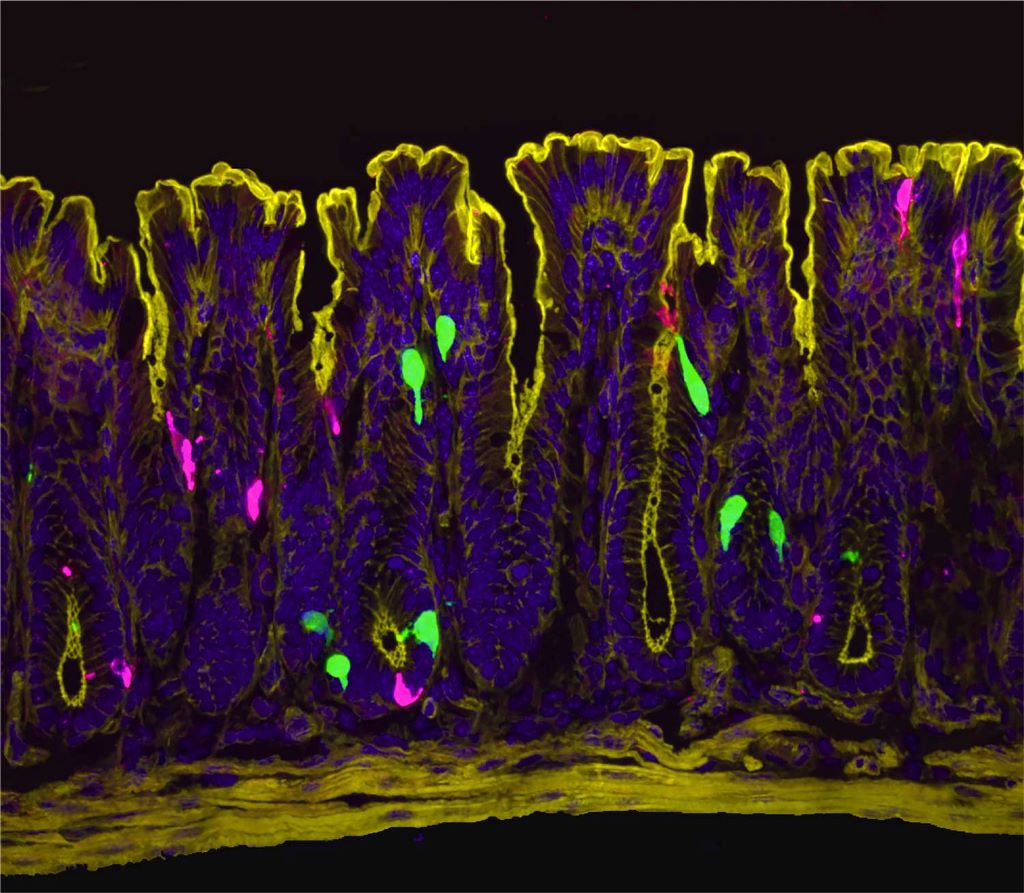
A zoomed in image of the lining of the colon. Cells that produce the hormone  PYY (peptide YY) are in green. Cells that produce the neurotransmitter serotonin are in magenta. PYY triggers the release of serotonin, which activates pain-sensing nerve fibers. Image by Archana Venkataraman/UCSF

Women are dramatically more likely than men to suffer from irritable bowel syndrome (IBS), a chronic condition causing abdominal pain, bloating, and digestive discomfort. Now, scientists at UC San Francisco have discovered why.

Oestrogen, the researchers report in Science, activates previously unknown pathways in the colon that can trigger pain and make the female gut more sensitive to certain foods and their breakdown products. When male mice were given oestrogen to mimic the levels found in females, their gut pain sensitivity increased to match that of females.

The findings not only explain the female predominance in gut pain disorders but also point to potential new ways to treat the conditions.

“Instead of just saying young women suffer from IBS, we wanted rigorous science explaining why,” said Holly Ingraham, PhD, professor UCSF and co-senior author of the study. “We’ve answered that question, and in the process identified new potential drug targets.”

The research also suggests why low-FODMAP diets – which eliminate certain fermentable foods, such as onions, garlic, honey, wheat, and beans – help some IBS patients, and why women’s gut symptoms often fluctuate with their menstrual cycles.

“We knew the gut has a sophisticated pain-sensing system, but this study reveals how hormones can dial that sensitivity up by tapping into this system through an interesting and potent cellular connection,” said co-senior author David Julius, PhD. Julius won the 2021 Nobel Prize for Physiology or Medicine for his work on pain sensation.

Search for oestrogen

Previous research had hinted that oestrogen was to blame for higher rates of IBS in females, but not why. To understand how oestrogen might be involved, Ingraham’s and Julius’s teams first needed to see exactly where the hormone was working in the gut.

“At the time I started this project, we didn’t know where and how oestrogen signalling is set up in the female intestine,” said Archana Venkataraman, PhD, a postdoc in Ingraham’s lab and co-first author of the research. “So, our initial step was to visualise the oestrogen receptor along the length of the female gut.”

The team expected to see oestrogen receptors in enterochromaffin (EC) cells, which were already known to send pain signals from the gut to the spinal cord. Instead, they got a surprise: oestrogen receptors were clustered in the lower part of the colon and in a different cell type known as L-cells.

The scientists pieced together a complex chain reaction that occurs when oestrogen binds to the L-cells. First, oestrogen causes L-cells to release a hormone called PYY (peptide YY). PYY then acts on neighbouring EC cells, triggering them to release the neurotransmitter serotonin, which activates pain-sensing nerve fibres. In female mice, removing the ovaries or blocking oestrogen, serotonin, or PYY dramatically reduced the high gut pain observed in females.

For decades, scientists believed PYY primarily suppressed appetite – drug companies even tried developing it as a weight-loss medication. But those clinical trials failed due to a troubling side effect that was never fully explained; participants experienced severe gut distress. The new findings mesh with this observation and suggest a completely new role for PYY.

“PYY had never been directly described as a pain signal in the past,” said co-first author Eric Figueroa, PhD, a postdoc in Julius’ lab. “Establishing this new role for PYY in gut pain reframes our thinking about this hormone and its local effects in the colon.”

This video shows what happens to the enterochromaffin (EC) cells in the colon when they are treated with PYY. Upon PYY treatment, calcium activity increases in the EC cell, causing it to fluoresce more brightly as it releases serotonin that is detected by nearby pain-sensing nerve fibres. Video by Eric Figueroa/UCSF

A link between IBS and diet

Increased PYY wasn’t the only way that L-cells responded to oestrogen. Levels of another molecule, called Olfr78, also went up in response to the hormone. Olfr78 detects short-chain fatty acids – metabolites produced when gut bacteria digest certain foods. With more Olfr78 receptors, L-cells become hypersensitive to these fatty acids and are more easily triggered to become active, releasing more PYY.

“It means that oestrogen is really leading to this double hit,” said Venkataraman. “First it’s increasing the baseline sensitivity of the gut by increasing PYY, and then it’s also making L-cells more sensitive to these metabolites that are floating around in the colon.”

The observation may explain why low-FODMAP diets help some IBS patients. FODMAPs (fermentable oligosaccharides, disaccharides, monosaccharides, and polyols) are carbohydrates that gut bacteria ferment into those same fatty acids sensed by Olfr78. By eating fewer FODMAPs, patients may be preventing the activation of Olfr78, and, in turn, keeping L-cells from churning out more of the pain signalling PYY.

While men have this same cellular pathway, their lower oestrogen levels keep it relatively quiet. However, the pathway could engage in men taking androgen-blocking medications, which block the effects of testosterone and can elevate oestrogen in some cases, potentially leading to digestive side-effects.

The new work suggests potential ways to treat IBS in women and men alike.

“Even for patients who see success with a low-FODMAP diet, it’s nearly impossible to stick to long term,” Ingraham said. “But the pathways we’ve identified here might be leveraged as new drug targets.”

The researchers are now studying how such drugs might work, as well as asking questions about what other hormones, such as progesterone, might play a role in gut sensitivity and how pregnancy, lactation, and normal menstrual cycles affect intestinal function.

By Sarah C.P. Williams

Source: University of California – San Francisco

‘Super Agers’ Tend to Have at Least Two Key Genetic Advantages

Super agers were 68% less likely to harbour the gene nobody wants, APOE-ε4, compared to individuals with AD dementia in the same 80+ age group.

Photo by Ravi Patel on Unsplash

A comparatively large study reported Jan. 16 in Alzheimer’s & Dementia, The Journal of the Alzheimer’s Associationled by researchers at Vanderbilt Health, measures the frequency of APOE-ε4 and APOE-ε2 in so-called super agers — people ages 80 or older whose cognitive function is comparable to people 20 or 30 years younger.

The gene variant posing the greatest genetic risk of late-onset Alzheimer’s disease (AD) is called APOE-ε4. A different variant of the same gene, APOE-ε2, is thought to confer protection against AD.

Super agers were 68% less likely to harbour the gene nobody wants, APOE-ε4, compared to individuals with AD dementia in the same 80+ age group.

Most notably, super agers were 19% less likely to harbour APOE-ε4 than were cognitively normal participants in the same age group. 

“This was our most striking finding – although all adults who reach the age of 80 without receiving a diagnosis of clinical dementia exhibit exceptional aging, our study suggests that the super-ager phenotype can be used to identify a particularly exceptional group of oldest-old adults with a reduced genetic risk for Alzheimer’s disease,” said Leslie Gaynor, PhD, assistant professor of Medicine in the Division of Geriatric Medicine, who led the study with Alaina Durant, BS, statistical genetic analyst in the Vanderbilt Memory and Alzheimer’s Center. 

Super agers were also found for the first time to have higher frequency of the variant you’d want, APOE-ε2: They were 28% more likely to carry APOE-ε2 than were cognitively normal controls ages 80+, and 103% more likely to carry the variant than were participants with AD dementia age 80 or older. 

The observational study, which includes the largest sample of super agers to date, uses data from the Alzheimer’s Disease Sequencing Project Phenotype Harmonization Consortium, led by another member of the study team, Timothy Hohman, PhD, professor of Neurology. The study included 18,080 participants from eight national aging cohorts.

Super-ager status was defined in part as people ages 80+ whose memory performance was above the average scored among cognitively normal participants ages 50 to 64. The study included multiple race/ethnicity groups, including 1412 non-Hispanic white super agers, 211 non-Hispanic Black super agers, 8829 participants with AD dementia, and 7,628 cognitively normal controls. APOE-ε4 frequency worldwide is 13.7%; in the study it was 43.9%. 

“With interest in super agers growing,” Gaynor said, “our findings notably encourage the view that the super-ager phenotype will prove useful in the continued search for mechanisms conferring resilience to AD.

“This is by far the largest study to date to identify differences in APOE-ε4 allele frequency based on super-ager status, and the first study to find a relationship between APOE-ε2 allele frequency and super-ager status. We would expect these findings to lend continued interest to questions of how these variants may influence development of clinical dementia due to Alzheimer’s disease, as well as to the super-ager phenotype more generally.”

By: Paul Govern

Source: Vanderbilt University Medical Center

GLP-1 Drugs are Changing the Foods Americans Buy

Photo by Jonathan Borba

When Americans begin taking appetite-suppressing drugs like semaglutide, the changes extend well beyond the bathroom scale. According to new research, the medications are associated with meaningful reductions in how much households spend on food, both at the grocery store and at restaurants.

The study, published December 18 in the Journal of Marketing Research, links survey data on GLP-1 receptor agonist use with detailed transaction records from tens of thousands of U.S. households. The result is one of the most comprehensive looks yet at how GLP-1 adoption is associated with changes in everyday food purchasing in the real world.

The headline finding is striking: Within six months of starting a GLP-1 medication, households reduce grocery spending by an average of 5.3%. Among higher-income households, the drop is even steeper, at more than 8%. Spending at fast-food restaurants, coffee shops and other limited-service eateries falls by about 8%.

Among households who continue using the medication, lower food spending persists at least a year, though the magnitude of the reduction becomes smaller over time, say co-authors, assistant professor Sylvia Hristakeva and professor Jura Liaukonyte, both in the Charles H. Dyson School of Applied Economics and Management in the Cornell SC Johnson College of Business. 

“The data show clear changes in food spending following adoption,” Hristakeva said. “After discontinuation, the effects become smaller and harder to distinguish from pre-adoption spending patterns.”

Unlike previous studies that relied on self-reported eating habits, the new analysis draws on purchase data collected by Numerator, a market research firm that tracks grocery and restaurant transactions for a nationally representative panel of about 150 000 households. The researchers matched those records with repeated surveys asking whether household members were taking GLP-1 drugs, when they started and why.

That combination allowed the team to compare adopters with similar households that did not use the drugs, isolating changes that occurred after medication began.

The reductions were not evenly distributed across the grocery store.

Ultra-processed, calorie-dense foods – the kinds most closely associated with cravings – saw the sharpest declines. Spending on savory snacks dropped by about 10%, with similarly large decreases in sweets, baked goods and cookies. Even staples like bread, meat and eggs declined.

Only a handful of categories showed increases. Yogurt rose the most, followed by fresh fruit, nutrition bars and meat snacks.

“The main pattern is a reduction in overall food purchases. Only a small number of categories show increases, and those increases are modest relative to the overall decline,” Hristakeva said. 

The effects extended beyond the supermarket. Spending at limited-service restaurants such as fast-food chains and coffee shops fell sharply as well.

The study also sheds light on who is taking GLP-1 medications. The share of U.S. households reporting at least one user rose from about 11% in late 2023 to more than 16% by mid-2024. Weight-loss users skew younger and wealthier, while those taking the drugs for diabetes are older and more evenly distributed across income groups.

Notably, about one-third of users stopped taking the medication during the study period. When they did, their food spending reverted to pre-adoption levels – and their grocery baskets became slightly less healthy than before they started, driven in part by increased spending on categories such as candy and chocolate.

That movement underscores an important limitation, the authors caution. The study cannot fully separate the biological effects of the drugs from other lifestyle changes users may make at the same time. However, evidence from clinical trials, combined with the observed reversion in spending after discontinuation, suggests appetite suppression is likely a key mechanism behind the spending changes.

The findings carry implications far beyond individual households.

For food manufacturers, restaurants and retailers, widespread GLP-1 adoption could mean long-term shifts in demand, particularly for snack foods and fast food. Package sizes, product formulations and marketing strategies may need to change. For policymakers and public-health experts, the results add context to ongoing debates about the role of medical treatments in shaping dietary behavior – and whether biologically driven appetite changes succeed where taxes and labels have struggled.

“At current adoption rates, even relatively modest changes at the household level can have meaningful aggregate effects,” Hristakeva said. “Understanding these demand shifts is therefore important for assessing food markets and consumer spending.” 

By Laura Reiley, Cornell Chronicle

Source: Cornell University

The Brain Can Boost Vaccine Effectiveness, New Study Suggests

Photo by National Cancer Institute

New research reveals that activating the brain’s reward system through positive anticipation strengthens the immune response and increases antibody production

Can positive anticipation that activates the brain’s reward system strengthen the body’s immune defences? A new study by Tel Aviv University, the Technion, and Tel Aviv Medical Center (Ichilov), published in the prestigious journal Nature Medicine, provides the first evidence in humans that brain activity associated with the expectation of reward has a measurable effect on the body’s response to a specific vaccine.

Training the Brain’s Reward SystemThe study was conducted through a collaboration between two research groups: the laboratory of Prof Talma Hendler, from the School of Psychological Sciences and the Gray Faculty of Medical and Health Sciences; and the laboratory of Prof Asya Rolls from The George S. Wise Faculty of Life Sciences,.

Eighty-five healthy volunteers participated in the experiment. Some underwent special brain training using fMRI neurofeedback technology – a method that enables individuals to learn, in real time, to regulate activity in specific brain regions through reinforcing learning. The aim of the brain training was to increase activity in a key region of the brain’s reward system including the Ventral Tegmental Area (VTA), which is responsible for dopamine release in the context of mental activity related to the expectation of positive outcomes and motivation to obtain rewards. Participants were instructed to modulate their brain activity using various mental strategies (eg, thoughts, feelings, memories) while monitoring positive feedback about the strategy that was successful in regulating their brain.

From Brain Activation to Antibodies

Immediately after completing the brain training, all participants received a hepatitis B vaccine. The researchers then tracked the immune response through a series of blood tests, measuring levels of specific antibodies produced following the vaccination.

The results showed that participants who succeeded in significantly increasing activity in the brain’s reward region also demonstrated a greater increase in antibody levels after vaccination. The association was specific to the VTA and was not observed in other brain regions used for control purposes (such as the hippocampus), nor in other reward-system areas linked to different reward-related experiences such as pleasure and satisfaction. In other words, the effect was both anatomically and mentally specific.

The Role of Positive Anticipation

Furthermore, an in-depth analysis of the mental strategies participants used during training of the VTA (and not other regions) revealed that those who focused on positive anticipation, such as belief in a good outcome, or the expectation of something positive about to happen, were able to maintain higher VTA brain activity over time, which was also associated with a better immune response. In other words, the researchers identified a link between reward-system brain activity, a mental state of positive anticipation, and the body’s response to an immune challenge.

According to the research team, this is not “positive thinking” in the popular sense or a New Age slogan, but a measurable neurobiological mechanism – related, among other things, to the well-known placebo effect in medicine (a therapeutic response beyond a specific medical intervention). “We show that mental states have a clear brain signature, and that this signature can influence physiological systems such as the immune system,” explain the researchers.

While the study does not propose a substitute for vaccines or medical treatment, it opens the door to new, noninvasive approaches that may one day strengthen immune responses, improve the effectiveness of medical treatments, and even contribute to fields such as immunotherapy and the treatment of chronic immune pathologies. The researchers note that the study’s findings underscore a broader message: the mind–body connection is not merely a theoretical concept, but a real biological process that can be measured, trained, and potentially harnessed to promote better health.

Implications for Medicine and Health

The research team adds that the findings highlight the potential inherent in integrating neuroscience, psychology, and medicine. “Our study shows that the brain is not only a system that responds to the body’s state of health, but also an active player that influences it,” say the researchers. “The ability to consciously activate brain mechanisms associated with positive anticipation opens a new avenue for research and future treatments – as a complement to existing medicine, not as a replacement. In the future, it may be possible to develop simple, noninvasive tools to help strengthen immune responses and enhance the effectiveness of medical treatments by relying on the brain’s natural capacity to influence the body. However, it is important to emphasise that activation of the reward system and its effect on immune response vary between individuals. Therefore, this approach cannot replace existing medical treatments, but may well serve as an additional supportive component.”

Source: Tel Aviv University

Exercise to Treat Depression Yields Similar Results to Therapy and Antidepressants

Researchers found that exercise can have a moderate benefit in reducing depressive symptoms, comparable to therapy and antidepressants

Photo by Ketut Subiyanto on Pexels

Exercise may reduce symptoms of depression to a similar extent as psychological therapy, according to an updated Cochrane review. When compared with antidepressant medication, exercise also showed a similar effect, but the evidence was of low certainty.  

Depression is a leading cause of ill health and disability, affecting over 280 million people worldwide. Exercise is low-cost, widely available, and comes with additional health benefits, making it an attractive option for patients and healthcare providers.

The review, conducted by researchers from the University of Lancashire, and supported by the National Institute for Health and Care Research (NIHR) Applied Research Collaboration North-West Coast (ARC NWC), examined 73 randomised controlled trials including nearly 5000 adults with depression. The studies compared exercise with no treatment or control interventions, as well as with psychological therapies and antidepressant medications.

The results show that exercising can have a moderate benefit on reducing depressive symptoms, compared with no treatment or a control intervention. When compared with psychological therapy, exercise had a similar effect on depressive symptoms, based on moderate-certainty evidence from ten trials. Comparisons with antidepressant medication also suggested a similar effect, but the evidence is limited and of low certainty. Long-term effects are unclear as few studies followed participants after treatment.  

Side effects were rare, including occasional musculoskeletal injuries for those exercising and typical medication-related effects for those taking antidepressants, such as fatigue and gastrointestinal problems.

“Our findings suggest that exercise appears to be a safe and accessible option for helping to manage symptoms of depression,” said Professor Andrew Clegg, lead author of the review. “This suggests that exercise works well for some people, but not for everyone, and finding approaches that individuals are willing and able to maintain is important.”

The review found that light to moderate intensity exercise may be more beneficial than vigorous exercise, and that completing between 13 and 36 exercise sessions of light to moderate intensity exercise was associated with greater improvements in depressive symptoms.

No single type of exercise was clearly superior, although mixed exercise programmes and resistance training appeared more effective than aerobic exercise alone. Some forms of exercise, such as yoga, qigong and stretching, were not included in the analysis and represent areas for future research. Long-term effects are unclear as few studies followed participants after treatment.  

This update adds 35 new trials to previous versions of this Cochrane review published in 2008 and 2013, which were supported by the NIHR. Despite the additional evidence, the overall conclusions remain largely unchanged. This is because the majority of trials were small, with fewer than 100 participants, making it difficult to draw firm conclusions.  

“Although we’ve added more trials in this update, the findings are similar,” said Professor Clegg. “Exercise can help people with depression, but if we want to find which types work best, for who and whether the benefits last over time, we still need larger, high-quality studies. One large, well-conducted trial is much better than numerous poor quality small trials with limited numbers of participants in each.” 

By Mia Parkinson

Source: Cochrane

Early Treatment Can Delay Rheumatoid Arthritis for Years

Early treatment for people at high risk of developing rheumatoid arthritis can delay the disease for several years.

Photo by Towfiqu barbhuiya: https://www.pexels.com/photo/person-feeling-pain-in-the-knee-11349880/

Treating people who are at high risk of rheumatoid arthritis (RA) can delay the onset of the disease for several years, with benefits also continuing well after treatment has stopped. A new trial has shown that one year of treatment with the drug abatacept, a biologic therapy that targets immune cell activation, reduced progression to rheumatoid arthritis in people at high risk.

The new King’s College London study, published in The Lancet Rheumatology, builds on results from a trial reported by King’s researchers in 2024.

While the original trial followed 213 participants from the UK and the Netherlands for two years, the new study reports outcomes from an extended follow-up period of between four and eight years, making it one of the longest follow-up studies of its kind in people at risk of RA.

RA is a chronic autoimmune condition affecting around half a million people in the UK. It develops when the immune system mistakenly attacks the joints, causing pain, swelling, fatigue and long-term disability.

People at risk of developing the condition also often stop working before the disease starts, which creates employment instability and has economic consequences.

While effective treatments exist for people with established RA, there is currently no licensed therapy that can prevent the disease from developing in those at risk.

The researchers found that the benefits of just 12 months of abatacept therapy persisted well beyond the treatment period. People who received the drug took significantly longer to develop RA than those given placebo, with disease onset delayed by up to four years beyond the treatment period.

Although the drug did not permanently prevent RA, the findings show that early treatment can alter the course of the disease by postponing its development, potentially reducing the number of years people live with symptoms and complications.

Intervening early in people at high risk of RA can have lasting benefits. We have shown that this approach is safe and can prevent disease while patients are on treatment as well as substantially relieve symptoms. Importantly, it can also delay the onset of RA for several years, even after treatment has stopped. This could reduce how long people live with symptoms and complications, drastically improving their quality of life.

Professor Andrew Cope, Professor of Rheumatology in the Centre for Rheumatic Diseases at King’s College London

The study also showed that abatacept was most effective in individuals at highest risk of developing RA, identified through a blood test detecting specific autoantibodies. While these participants were at highest risk of progressing to RA they were also much more likely to benefit from early intervention.

During the at-risk phase, treatment with abatacept reduced symptoms such as joint pain and fatigue and improved overall wellbeing. But once treatment stopped, symptom levels became similar between the treatment and placebo groups, suggesting that continued immune modulation may be required to sustain symptom control.

The study found that abatacept was safe, with similar rates of serious adverse events in both the treatment and placebo groups, and no safety concerns linked to the drug.

The researchers suggest the latest findings provide evidence that early, targeted immune treatment can delay RA in people at highest risk, supporting further research into preventive approaches for autoimmune disease.

Source: King’s College London

The Face Scars Less than the Body – New Study Explains Why

Photo by Tom Jur on Unsplash

The face is privileged when it comes to scarring after injury. A Stanford Medicine study in mice not only discovers why but also finds a drug that helps skin from other sites regenerate.

Tweaking a pattern of wound healing established millions of years ago may enable scar-free injury repair after surgery or trauma, Stanford Medicine researchers have found. If results from their study, which was conducted in mice, translate to humans, it may be possible to avoid or even treat the formation of scars anywhere on or within the body.

Scarring is more than a cosmetic problem. Scars can interfere with normal tissue function and cause chronic pain, disease and even death. It’s estimated that about 45% of deaths in the United States are due to some type of fibrosis – usually of vital organs like the lungs, liver or heart.

Scars on the skin’s surface, while rarely fatal, are stiffer and weaker than normal skin and they lack sweat glands or hair follicles, making it difficult to compensate for temperature changes.

Surgeons have known for decades that facial wounds heal with less scarring than injuries on other parts of the body. This phenomenon makes evolutionary sense: Rapid healing of body wounds prevents death from blood loss, infection or impaired mobility, but healing of the face requires that the skin maintain its ability to function well.

“The face is the prime real estate of the body,” said professor of surgery Michael Longaker, MD. “We need to see and hear and breathe and eat. In contrast, injuries on the body must heal quickly. The resulting scar may not look or function like normal tissue, but you will likely still survive to procreate.”

Exactly how this discrepancy happens has remained a mystery, although there were some clues.

“The face and scalp are developmentally unique,” said professor of surgery Derrick Wan, MD. “Tissue from the neck up is derived from a type of cell in the early embryo called a neural crest cell. In this study we identified specific healing pathways in scar-forming cells called fibroblasts that originate from the neural crest and found that they drive a more regenerative type of healing.”

Activating this pathway in even a subset of fibroblasts around small wounds on the abdomen or backs of mice caused them to heal with much less scarring – similar to untreated facial or scalp wounds.

Longaker, the Deane P. and Louise Mitchell Professor in the School of Medicine, and Wan, the Johnson & Johnson Distinguished Professor in Surgery II, are the senior authors of the study, which was published January 22 in Cell. Plastic surgery resident Michelle Griffin, MD, PhD, and clinical and postdoctoral scholar Dayan Li, MD, PhD, are the lead authors of the research.

“Many of the authors on this paper are fellow physician scientists,” said Li, who is board certified in dermatology. “This project was inspired by what we’ve observed in our patients – facial wounds in general heal with less scarring. We wanted to understand, mechanistically, why this is.”

Proteins determine scarring

Li and his colleagues used laboratory mice to investigate differences in wound healing at various sites on the animals’ bodies. They anesthetised the mice before creating small skin wounds on the face, scalp, back and abdomen. The wounds were stabilised by suturing small plastic rings around them to prevent differences in mechanical forces as the animals moved. Mice were given pain relief during the healing process.

After 14 days, the wounds on the face and scalp expressed lower levels of proteins known to be involved in scar formation as compared with those on the abdomen or back of the animals. The sizes of the scars were also smaller.

The researchers then transplanted skin from the face, scalp, back and abdomen of mice onto the backs of control mice. After the transplants had engrafted, they repeated the experiment on the transplanted skin. As before, wounds in the skin transplanted from the faces of the donor mice expressed lower levels of scarring-associated proteins.

Additionally, Li and his colleagues isolated fibroblasts from skin samples from the four body sites in the donor mice and injected them into the backs of control mice. They observed reduced levels of scarring-associated proteins on the recipient animals’ backs injected with fibroblasts from the donor animals’ faces as compared with fibroblasts from the scalp, back or abdomen.

Now that we understand this pathway and the implications of the differences among fibroblasts that arise from different types of stem cells, we may be able to improve wound healing after surgeries or trauma.”

–Derrick Wan

“We found you don’t need to change or manipulate all fibroblasts within the tissue to have a positive outcome,” Li said. “When we injected fibroblasts that we had genetically altered to more closely resemble facial fibroblasts, we saw that the back incisions healed very much like facial incisions, with reduced scarring, even when the transplanted fibroblasts made up only 10% to 15% of the total number of surrounding fibroblasts. Changing just a few cells can trigger a cascade of events that can cause big changes in healing.”

A less-fibrotic wound healing

Digging deeper, the researchers identified changes in gene expression between facial fibroblasts and those from other parts of the body and followed these clues to identify a signaling pathway involving a protein called ROBO2 that maintains facial fibroblasts in a less-fibrotic state. They also saw something interesting in the genomes of fibroblasts making ROBO2.

“In general, the DNA of the ROBO2-positive cells is less transcriptionally active, or less available for binding by proteins required for gene expression,” Li said. “These fibroblasts more closely resemble their progenitors, the neural crest cells, and they might be more able to become the many cell types required for skin regeneration.”

In contrast, the DNA in fibroblasts from other sites of the body allows free access to genes like collagen that are involved in the creation of scar tissue.

“It seems that, in order to scar, the cells must be able to express these pro-fibrotic genes,” Longaker said. “And this is the default pathway for much of the body.”

ROBO2 doesn’t act alone. It triggers a signalling pathway that results in the inhibition of another protein called EP300 that facilitates gene expression. EP300 plays an important role in some cancers, and clinical trials of a small drug molecule that can inhibit its activity are underway. Li and his colleagues found that using this pre-existing small molecule to block EP300 activity in fibroblasts prone to scarring caused back wounds to heal like facial wounds.

“Now that we understand this pathway and the implications of the differences among fibroblasts that arise from different types of stem cells, we may be able to improve wound healing after surgeries or trauma,” Wan said.

The findings are likely to extend to internal scarring as well, Longaker said. “There’s not a million ways to form a scar,” he said. “This and previous other findings in my lab suggest there are common mechanisms and culprits regardless of the tissue type, and they strongly suggest there is a unifying way to treat or prevent scarring.”

By Krista Conger

Source: Stanford University Medical Center

UK Study Proves Effectiveness of Childhood Type 1 Diabetes Screening

Photo by Pavel Danilyuk

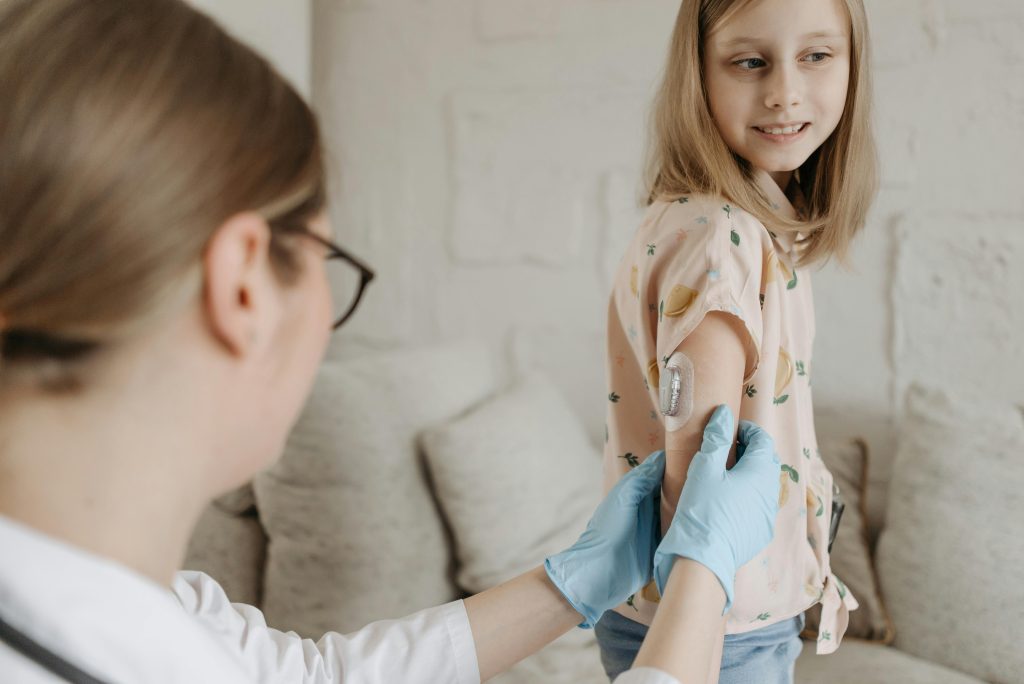
Thousands of families have taken part in a landmark UK study led by researchers at the University of Birmingham which shows that childhood screening for type 1 diabetes is effective, laying the groundwork for a UK-wide childhood screening programme.

Results from the first phase of the ELSA (Early Surveillance for Autoimmune diabetes) study, co-funded by charities Diabetes UK and Breakthrough T1D, have been published in a research letter in The Lancet Diabetes & Endocrinology today.

The findings mark a major step towards a future in which type 1 diabetes can be detected in children before symptoms appear. Currently, over a quarter of children aren’t diagnosed with type 1 diabetes until they are in diabetic ketoacidosis (DKA), a potentially fatal condition that requires urgent hospital treatment. Early detection can dramatically reduce emergency diagnoses and could give children access to new immunotherapy treatments that can delay the need for insulin for years.

We are working towards a future where type 1 diabetes can be detected in a timely manner

Professor Parth Narendran, lead researcher

Launched in 2022, ELSA is the first UK study of its kind, tested blood samples from 17,931 children aged 3-13 for autoantibodies, markers of type 1 diabetes that can appear years before symptoms.

Children without autoantibodies are unlikely to develop type 1 diabetes, while those with one autoantibody have a 15% chance of developing the condition within 10 years. Having two or more autoantibodies indicates the immune system has already started attacking the insulin-producing cells in the pancreas and it is almost certain these children will eventually need insulin therapy. This is known as early-stage type 1 diabetes.

Among the 17,283 children aged 3-13 years who were screened for type 1 diabetes risk at the time of analysis:

  • 75 had one autoantibody, signaling increased future risk.
  • 160 had two or more autoantibodies but did not yet require insulin therapy, indicating early-stage type 1 diabetes.
  • 7 were found to have undiagnosed type 1 diabetes with all needing to start insulin immediately.

Lead researcher, Parth Narendran, Professor of Diabetes Medicine at the University of Birmingham, said: “We are extremely grateful to all the families who have participated in the study and generously given their time to help understand how a UK-wide screening programme could be developed. Together with Diabetes UK, Breakthrough T1D and the National Institute for Health and Care Research, we are working towards a future where type 1 diabetes can be detected in a timely manner, and families appropriately supported and treated with medicines to delay the need for insulin.

“We are also grateful to partners across the Birmingham Health and Life Sciences District and beyond as well as the NIHR for the support they have provided in getting us to where we are.”

Interventions before diagnosis

Families of children found to have early-stage type 1 diabetes received tailored education and ongoing support to prepare for the eventual onset of type 1 diabetes symptoms and to ensure insulin therapy can begin promptly when needed, reducing the chances of needing emergency treatment. Those with one autoantibody also received ongoing support and monitoring.

Some families were also offered teplizumab, the first ever immunotherapy for type 1 diabetes, which can delay the need for insulin by around three years in people with early-stage type 1 diabetes. The first patient was treated at Birmingham Children’s Hospital. Teplizumab was licensed by the Medicines and Healthcare products Regulatory Agency (MHRA) in the UK in August 2025, and is currently being assessed by the National Institute for Health and Care Excellence (NICE) to determine whether it should be available through the NHS.

As of November 2025, more than 37,000 families have signed up to the ELSA programme. Building on this strong foundation, the second phase of the research, ELSA 2, launches today. ELSA 2 will expand screening to all children in the UK aged 2-17 years, with a focus on younger children (2-3 years) and older teenagers (14-17 years). The research team aims to recruit 30,000 additional children across these new age groups.

ELSA 2 will also establish new NHS Early-Stage Type 1 Diabetes Clinics, providing families taking part with clinical and psychological support and creating a clear pathway from screening to diagnosis, monitoring and treatment.

Case study: Knowing what’s coming … has made an enormous difference

Amy Norman, 44, from the West Midlands, was diagnosed with type 1 diabetes at the age of 13. She recently discovered via the ELSA study that her 11-year-old daughter, Imogen, is in the early stages of type 1 diabetes but has been able to slow its progression as the second child in the UK to access a breakthrough immunotherapy drug – teplizumab. She said: “Being part of the ELSA study has helped us as a family to prepare for the future in a way we never expected. Knowing what’s coming – rather than being taken by surprise – has made an enormous difference to our confidence and peace of mind.

“When I was diagnosed, I had no warning and ended up quite poorly in hospital with diabetic ketoacidosis (DKA). When Imogen’s diagnosis arrives, we hope that having this awareness will reduce her chances of experiencing DKA and the added trauma that comes from a sudden illness.

“Imogen took part in the study to further research and help others, but it has helped her too – being forewarned is being forearmed. She was always going to develop type 1 diabetes, but through ELSA we’ve been able to slow down the process and prepare – we know what is coming, but we’re not scared.”

A game-changer: showing what we can achieve in Birmingham

Professor Neil Hanley, Pro-Vice-Chancellor and Head of the College of Medicine and Health at the University of Birmingham, said, “This is a game-changer. This trial shows we can spare countless children the trauma of an emergency diagnosis, ensure they get early support, and potentially give them access to revolutionary new treatments that could delay or even prevent type 1 diabetes.

“Dr Parth Narendran and his team deserve huge credit; and this breakthrough shows what we can achieve in Birmingham. We have world-class clinicians and scientists working side-by-side, backed by great innovation infrastructure and a vibrant, diverse and affordable city – and, as a result, we are changing lives with next generation diagnostics, therapeutics, and clinical care.”

Rewriting the story of type 1 diabetes

Dr Elizabeth Robertson, Director of Research and Clinical at Diabetes UK, said: “For too many families, a child’s type 1 diabetes diagnosis still comes as a frightening emergency. But that doesn’t have to be the case. Thanks to scientific breakthroughs, we now have the tools to identify children in the very earliest stages of type 1 diabetes – giving families precious time to prepare, avoid emergency hospital admissions, and access treatments that can delay the need for insulin for years.

“The ELSA study, co-funded by Diabetes UK, is generating the evidence needed to make type 1 diabetes screening a reality for every family in the UK. We’re incredibly grateful to the 37,000 families who’ve already signed up and urge others to get involved. Together, we can transform type 1 diabetes care for future generations.”

Rachel Connor, Director of Research Partnerships at Breakthrough T1D, said: “This is about rewriting the story of type 1 diabetes for thousands of families. Instead of a devastating emergency, we can offer time, choices, and hope. By finding children in the earliest stages, we’re not just preparing families, we’re opening the door to treatments that can delay the need for insulin by years. That extra time means childhoods with fewer injections, fewer hospital visits and more normality. Thanks to research like ELSA, what once struck as an unexpected crisis can become an actively managed healthcare process, changing the course of T1D for the better.”

The findings from ELSA’s first phase signal a major step towards a future in which type 1 diabetes can be detected early, managed proactively, and potentially delayed through immunotherapy. ELSA demonstrates that childhood screening in the UK is feasible, acceptable to families, and capable of preventing emergency diagnoses. Continued research through ELSA 2 will assess how screening can be scaled across the NHS and evaluate its cost-effectiveness.

Source: University of Birmingham