Year: 2025

High Temperatures Could Impact the Brain Function of Young Children

Photo by frank mckenna on Unsplash

Exposure to high ambient temperatures is associated with lower connectivity in three brain networks in preadolescents, suggesting that heat may impact brain function. This is the conclusion of a study led by the Barcelona Institute for Global Health (ISGlobal). The results have been published in the Journal of the American Academy of Child & Adolescent Psychiatry

The study involved 2229 children aged 9 to 12 from the “Generation R” cohort in Rotterdam, Netherlands. Functional connectivity data from brain networks, i.e., how different regions of the brain communicate and collaborate, were assessed using resting-state magnetic resonance imaging, when the children were not performing any active tasks. Daily mean temperature estimates were obtained from the UrbClim urban climate model, developed by the Flemish Institute for Technological Research. Temperature values were calculated for the period from 2013 to 2015, assigning daily averages to each participant based on their home address.

Higher ambient temperatures during the week preceding the MRI assessment were associated with lower functional connectivity within the medial parietal, salience, and hippocampal networks, which are essential for proper brain functioning. This implies that brain areas may work less synchronously, affecting processes such as attention, memory, and decision-making. The medial parietal network is related to introspection and self-perception; the salience network detects environmental stimuli and prioritises what deserves our attention; and the hippocampal network is critical for memory and learning.

The research shows that the association between high temperatures and lower functional connectivity was strongest on the day before the brain scan and progressively decreased on subsequent days. In contrast, low average daily temperatures were not associated with functional connectivity.

“We hypothesise that dehydration could explain our findings, as children are particularly vulnerable to fluid loss when exposed to heat, which can affect the functional connectivity of brain networks,” says study lead author Laura Granés, researcher at IDIBELL and ISGlobal.

“In the current climate emergency, public health policies aimed at protecting children and adolescents from high temperatures could help mitigate potential effects on brain function,” says Mònica Guxens, ICREA researcher at ISGlobal and senior author of the study.

Implications for mental health

Although brain function alterations have been suggested as a possible mechanism linking temperature and mental health, no study to date has examined the effects of ambient temperature on functional brain networks. In another recent study, the same research team found that exposure to cold and heat can affect psychiatric symptoms such as anxiety, depression and attention problems. In addition, other studies have linked lower connectivity within the brain’s salience network to suicidal ideation and self-harming behaviours in adolescents with depression, as well as to anxiety disorders.

“Given the role of the salience network in suicidal ideation, our findings raise a new hypothesis: high temperatures could decrease the functional connectivity of this network, indirectly contributing to a higher risk of suicide in individuals with pre-existing mental health conditions,” explains Carles Soriano-Mas, researcher at IDIBELL and the University of Barcelona and one of the study’s authors. “While we do not propose that these connectivity changes, triggered by heat exposure, directly induce suicidal behaviours, they could act as a trigger in vulnerable individuals,” adds the researcher. 
Source: Barcelona Institute for Global Health (ISGlobal)

Breakthrough Research Offers Hope for Ischaemic Heart Failure

Right side heart failure. Credit: Scientific Animations CC4.0

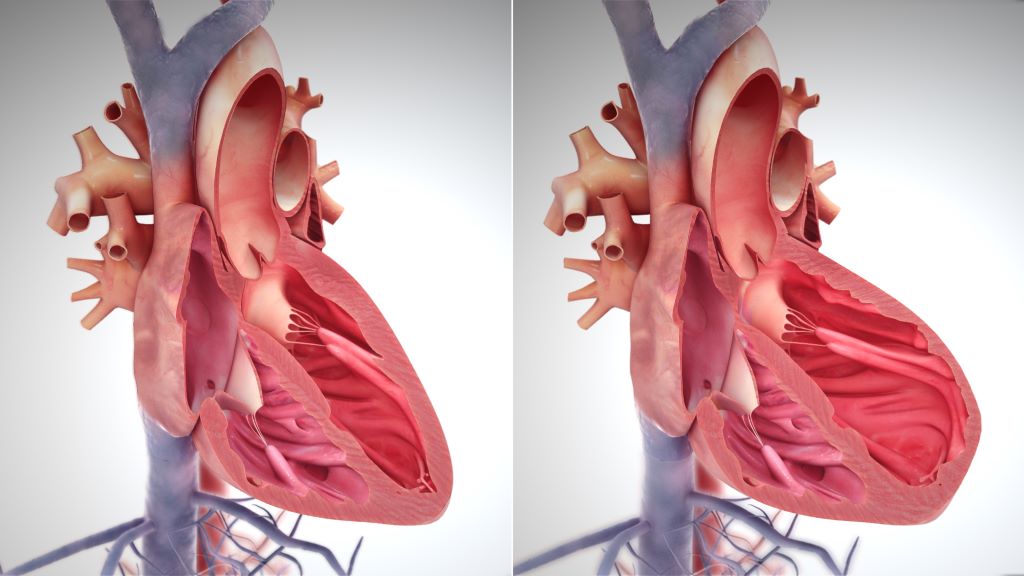
Researchers report a groundbreaking discovery in cardiac regeneration that offers new hope for the treatment of ischaemic heart failure. Published in npj Regenerative Medicine, the study reveals a novel approach to promoting cardiomyocyte proliferation.

The paper was authored by researchers at Baylor College of Medicine, the QIMR Berghofer Medical Research Institute in Brisbane, Australia, and collaborating institutions.

“When the heart cannot replace injured cardiomyocytes with healthy ones, it becomes progressively weaker, a condition leading to heart failure. In this study, we investigated a new way to stimulate cardiomyocyte proliferation to help the heart heal,” said co-corresponding author Dr Riham Abouleisa, assistant professor in the Division of Cardiothoracic Surgery at Baylor.

Previous studies showed that calcium plays an important role in cardiomyocyte proliferation. In the current study, Abouleisa and her colleagues explored how modulating calcium influx in cardiomyocytes would affect their proliferation.

“We found that preventing calcium influx in cardiomyocytes enhances the expression of genes involved in cell proliferation,” Abouleisa said. “We prevented calcium influx by inhibiting L-Type Calcium Channel (LTCC), a protein that regulates calcium in these cells. Our findings suggest that LTCC could be a target for developing new therapies to induce cardiomyocyte proliferation and regeneration.”

The study demonstrates that both pharmacological and genetic inhibition of LTCC can induce cardiomyocyte replication and that this occurs by modulating the activity of calcineurin, a known regulator of cardiomyocyte proliferation. This innovative approach showed promising results both in human cardiac slices grown in the lab and in live animals.

Abouleisa and her colleagues’ research highlights the importance of targeting calcium signalling pathways to unlock the regenerative potential of the heart and opens new avenues for developing cardiac regenerative therapies, potentially transforming the treatment landscape for patients suffering from heart failure.

Source: Baylor College of Medicine

Memory is Impaired in Aged Rats After 3 Days of High-fat Diet

Some fast food offerings, such as cheeseburgers, contain more than 60% of calories from fat. Photo by Jonathan Borba

Just a few days of eating a diet high in saturated fat could be enough to cause memory problems and related brain inflammation in older adults, a new study in rats suggests. 

In the study, published in Immunity & Aging, researchers fed separate groups of young and old rats the high-fat diet for three days or for three months to compare how quickly changes happen in the brain versus the rest of the body when eating an unhealthy diet. 

As expected based on previous diabetes and obesity research, eating fatty foods for three months led to metabolic problems, gut inflammation and dramatic shifts in gut bacteria in all rats compared to those that ate normal chow, while just three days of high fat caused no major metabolic or gut changes.

When it came to changes in the brain, however, researchers found that only older rats – whether they were on the high-fat diet for three months or only three days – performed poorly on memory tests and showed negative inflammatory changes in the brain. 

The results dispel the idea that diet-related inflammation in the aging brain is driven by obesity, said senior study author Ruth Barrientos, an investigator in the Institute for Behavioral Medicine Research at The Ohio State University. Most research on the effects of fatty and processed foods on the brain has focused on obesity, yet the impact of unhealthy eating, independent of obesity, remains largely unexplored. 

“Unhealthy diets and obesity are linked, but they are not inseparable. We’re really looking for the effects of the diet directly on the brain. And we showed that within three days, long before obesity sets in, tremendous neuroinflammatory shifts are occurring,” said Barrientos, also an associate professor of psychiatry and behavioural health and neuroscience in Ohio State’s College of Medicine.  

“Changes in the body in all animals are happening more slowly and aren’t actually necessary to cause the memory impairments and changes in the brain. We never would have known that brain inflammation is the primary cause of high-fat diet-induced memory impairments without comparing the two timelines.” 

Years of research in Barrientos’ lab has suggested that aging brings on long-term “priming” of the brain’s inflammatory profile coupled with a loss of brain-cell reserve to bounce back, and that an unhealthy diet can make matters worse for the brain in older adults. 

Fat constitutes 60% of calories in the high-fat diet used in the study, which could equate to a range of common fast-food options: For example, nutrition data shows that fat makes up about 60% of calories in a McDonald’s double smoky BLT quarter pounder with cheese or a Burger King double whopper with cheese

After the animals were on high-fat diets for three days or three months, researchers ran tests assessing two types of memory problems common in older people with dementia that are based in separate regions of the brain: contextual memory mediated by the hippocampus (the primary memory center of the brain), and cued-fear memory that originates in the amygdala (the fear and danger center of the brain). 

Compared to control animals eating chow and young rats on the high-fat diet, aged rats showed behaviors indicating both types of memory were impaired after only three days of fatty food – and the behaviors persisted as they continued on the high-fat diet for three months. 

Researchers also saw changes in levels of a range of proteins called cytokines in the brains of aged rats after three days of fatty food, which signaled a dysregulated inflammatory response. Three months after being on the high-fat diet, some of the cytokine levels had shifted but remained dysregulated, and the cognitive problems persisted in behavior tests. 

“A departure from baseline inflammatory markers is a negative response and has been shown to impair learning and memory functions,” Barrientos said. 

Compared to rats eating normal chow, young and old animals gained more weight and showed signs of metabolic dysfunction – poor insulin and blood sugar control, inflammatory proteins in fat (adipose) tissue, and gut microbiome alterations – after three months on the high-fat diet. Young rats’ memory and behavior and brain tissue remained unaffected by the fatty food. 

“These diets lead to obesity-related changes in both young and old animals, yet young animals appear more resilient to the high-fat diet’s effects on memory. We think it is likely due to their ability to activate compensatory anti-inflammatory responses, which the aged animals lack,” Barrientos said. 

“Also, with glucose, insulin and adipose inflammation all increased in both young and old animals, there’s no way to distinguish what is causing memory impairment in only old animals if you look only at what’s happening in the body. It’s what is happening in the brain that’s important for the memory response.” 

Source: Ohio State University

My Five-hour Wait for Treatment at Mamelodi Hospital

Gauteng Health MEC has said Mamelodi Regional Hospital meets National Health Insurance standards, but my experience was not good

The writer waited five hours for treatment for a broken wrist and head injuries at Mamelodi Regional Hospital in Tshwane. Photo: Warren Mabona.

By Warren Mabona

I waited five hours to get medical treatment at Mamelodi Regional Hospital in Tshwane, with a broken wrist and an injured head.

On 19 February 2025 at about 4pm I was walking in Mamelodi West. I was on a journalism assignment, heading to informal settlements that are prone to flooding.

The street was quiet, but I felt safe because I had walked there before. Suddenly, a car stopped in front of me, and two men got out of it and tried to rob me. I ran away and jumped into the stormwater passage, but slipped and fell, hitting my face against the concrete.

When I managed to stand up, I was dizzy and my vision was blurred. I was drenched in dirty water and my belongings — my cell phone, my wallet and my camera bag — were wet.

The men who attacked me were no longer on the street. My right wrist was swollen and painful, an injury above my eye was bleeding profusely, and my head was aching. But I was relieved that I was still alive and I still had all my belongings.

I decided not to call an ambulance, but to walk about 800 metres to Mamelodi Regional Hospital.

I went to the casualty unit, expecting that I would receive treatment quickly. At the front desk, a clerk took more than 20 minutes to fill in my file. He said the hospital’s computer system was offline and he had to fill in the file with a pen. I then went to sit at the reception area. My head was aching and I repeatedly requested headache tablets from the nurses, who gave me two tablets after 30 minutes. But my pain lingered.

The wound on my face was still bleeding and my wrist was swollen and bent. About 40 minutes after my arrival, a nurse cleaned my wound and wrapped it with a bandage, stopping the bleeding.

At about 8pm, a man sitting next to me said he had arrived at the hospital at 2pm after falling from scaffolding at a construction site. He was still waiting for his X-ray results.

I went for X-rays and long afterwards, at about 10pm, I had a cast put on my wrist. I was given injections which helped with the pain. I was discharged at 11pm and went home.

In September last year, the Gauteng MEC for Health Nomantu Nkomo-Ralehoko said that Mamelodi Regional Hospital was the first hospital in Gauteng ready to meet National Health Insurance (NHI) standards.

In response to GroundUp’s questions, Gauteng Department of Health spokesperson Motalatale Modiba said a triage priority system is followed at the hospital, meaning that four patients with critical wounds that required life-saving emergencies were attended to first. He said this affected my waiting time for wound care and the application of a cast.

“You were classified as Orange P2, that is a person who is in a stable condition and is not in any immediate danger, but requires observation,” said Modiba.

“At the time of your arrival, the casualty unit had 31 other patients to be seen. These include four critical cases in the resuscitation unit, ten trauma cases, 16 medical cases and four pediatric cases,” he said.

Modiba confirmed that the hospital’s computer system was offline when I arrived.

I asked Modiba whether the Gauteng Department of Health can still confidently regard this hospital as NHI-ready despite the slow delivery of medical services I experienced. Modiba said: “Mamelodi Regional Hospital remains committed to provide best healthcare services.”

Republished from GroundUp under a Creative Commons Attribution-NoDerivatives 4.0 International License.

Read the original article.

Oxytocin Can ‘Pause’ Pregnancy After Conception

Photo by Pavel Danilyuk on Pexels

Oxytocin, a hormone already known for its role in childbirth, milk release, and mother–infant bonding, may have a newfound purpose in mammalian reproduction. In times of maternal stress, the hormone can delay an embryo’s development for days to weeks after conception, a new study in rodents shows. According to the authors, the findings about so-called “diapause” may offer new insights into pregnancy and fertility issues faced by humans.

Led by researchers at NYU Langone Health, the study explored diapause, in which an embryo temporarily stops growing early in its development before it attaches to the lining of its mother’s uterus, a key step leading to the formation of the placenta. Known to occur in species as varied as armadillos, giant pandas, and seals, diapause is thought to have evolved to help expectant mothers preserve scarce resources (e.g., breast milk) by delaying birth until they have enough to successfully take care of their offspring.

Although recent studies have uncovered evidence that a form of diapause may occur in humans, the underlying mechanisms behind it have until now remained unclear.

The findings in mice showed that one type of stress that may cause diapause is milk production and release (lactation), as it requires a mother to expend bodily resources nursing already-born pups, and supplying nutrients to pups growing in the womb, at the same time. The study revealed that the time between conception and birth, typically 20 days for these animals, was delayed by about a week in pregnant rodents that were already nursing a litter.

Further, the research team showed that this delay was brought about by a rise in the production of oxytocin, levels of which are known to go up as a mother lactates. To confirm this role for the hormone, the researchers exposed mouse embryos in the lab to a single dose (either 1 microgram or 10 micrograms) of oxytocin, and found that even these small amounts delayed their implantation in the uterus by as much as three days. The team found that the chemical did more than just pause pregnancy: oxytocin surges that were large enough to mimic the amounts and timing measured during nursing caused loss of pregnancy in the mice in nearly all cases.

“Our findings shed light on the role of oxytocin in diapause,” said study co-author Moses V. Chao, PhD, a professor at NYU Grossman School of Medicine. “Because of this newfound connection, it is possible that abnormalities in the production of this hormone could play roles in infertility, premature or delayed birth, and miscarriage.”

A report on the findings appears in Science Advances in a special issue focused on women’s health.

In another part of the study, the team searched for a mechanism that would allow embryos to react to an oxytocin surge. They found that the hormone can bind to special proteins called receptors on the surface of a layer of cells known as the trophectoderm, which surrounds the early embryo and eventually forms the placenta.

Notably, mouse embryos that were genetically altered to disable oxytocin receptors lived long enough to implant into their mother’s placenta at much lower rates than normal embryos. This suggests that the ability to respond to oxytocin spikes and therefore go into diapause is somehow important for the developing pups’ survival, says Dr. Chao, who plans to examine this protective function in more detail.

“Despite being extremely common, infertility and developmental issues that can arise during pregnancy remain poorly understood and can have a lasting, devastating impact on parents and their children,” said study senior author Robert Froemke, PhD, professor of genetics. “Having a deeper understanding of the factors that contribute to these problems may allow experts to better address them in the future.”

The researchers next plan to examine how cell growth gets turned back on after diapause, Dr Froemke says. In addition, the team plans to explore how diapause may affect offsprings’ health and development after birth, and determine whether and how their discoveries can inform reproductive medicine.

Dr Froemke cautions that while the study results are promising, mice and humans have significant differences in their reproductive processes, despite both being mammals. He adds that the current investigation did not assess the role that other pregnancy-related hormones, such as oestrogen and progesterone, may play in diapause.

Source: NYU Langone Health / NYU Grossman School of Medicine

Leakiness of First Blood–brain Barrier Layer Results in Cognitive Deficits

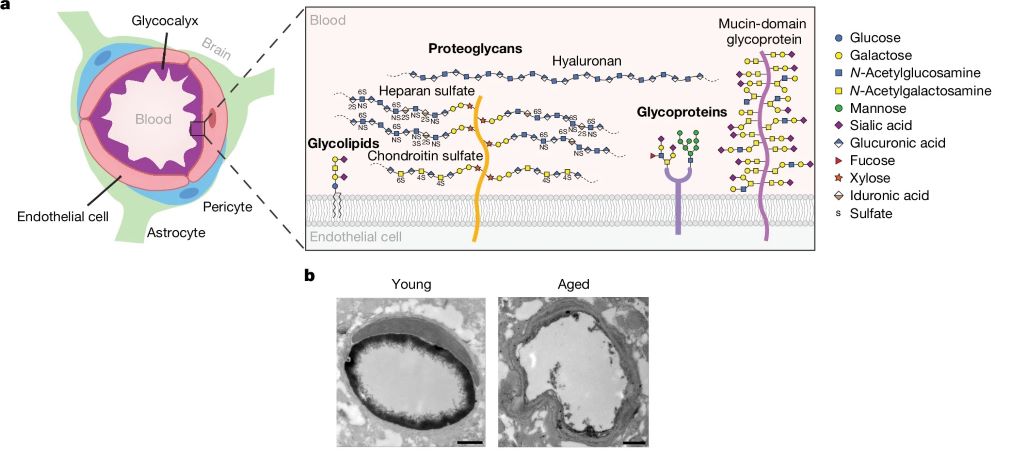
a, Diagram of the BBB and brain endothelial glycocalyx layer. b, TEM of cortical capillaries with lanthanum nitrate staining from young (3-month-old) and aged (21-month-old) mice. Scale bars, 1 µm. Source: Shi et al., Nature, 2025.

A study published in Nature reveals how a key component of the blood–brain barrier (BBB), the endothelial glycocalyx layer, becomes dysregulated in ageing, causing the BBB to become compromised. The researchers also investigated the possibility of to restore this layer’s integrity, reducing neuroinflammation and restoring cognitive function.

The BBB is a highly specialised safeguard keeping the brain separate from harmful factors, such as toxins and also albumin, IgG and fibrinogen (and, unfortunately, many medications which could otherwise treat brain disease). The leakage of such blood-derived molecules into the brain has been shown to trigger neuroinflammatory changes and create a neurotoxic brain environment. The part of the BBB directly in contact with the blood is the endothelial glycocalyx layer, a carbohydrate-rich meshwork mostly composed of proteoglycans, glycoproteins and glycolipids that coats the BBB lumen. Yet the endothelial glycocalyx’s composition and role is poorly understood despite it being the first layer of interface between the blood and brain.

The researchers found that the brain endothelial glycocalyx is highly dysregulated during ageing and neurodegenerative disease. Two mucin-type O-glycan biosynthetic enzymes, C1GALT1 and B3GNT3 were also found to be downregulated mouse models of ageing and in the brains of Alzheimer’s and Huntington’s disease patients. To test these, the researchers used adeno-associated viruses (AAV) in young mice to turn down the expression of C1GALT1 and B3GNT3. These mice showed signs of BBB leakage and in severe cases, brain haemorrhaging occurred in mice.

In samples from the brains of Alzheimer’s patients, the researchers also observed reduced C1GALT1 in microvessels.

To test if it was possible to restore the BBB’s ability to protect the brain against harmful blood-borne molecules, they administered AAVs in aged mice to restore levels of B3GNT3 and C1GALT1.

Assessing cognitive function, they found that aged mice treated with B3GNT3 via an AAV displayed improvements in spatial working memory in a maze test and hippocampal-dependent learning and memory in a fear conditioning test. Aged mice treated with C1GALT1 did not improve in the maze test, and no significant difference was observed in cued freezing in the fear conditioning among the three aged groups.

Although the study shows that increasing C1GALT1 and B3GNT3 reduces BBB permeability and improves brain health, the precise mechanisms that underlie these beneficial effects remain unclear. The researchers believe that by limiting the nonspecific uptake of blood-derived molecules, the brain can be protected. But C1GALT1 and B3GNT3 are also likely to influence a wide range of proteins and glycan structures and in order to further understand brain ageing and rejuvenation it is therefore crucial to understand the molecular pathways affected by them.

The authors concluded: “Cumulatively, our findings provide a detailed compositional and structural mapping of the ageing brain endothelial glycocalyx layer and reveal important consequences of ageing- and disease-associated glycocalyx dysregulation on BBB integrity and brain health.”

In Younger Women, Stress is Associated with an Increased Stroke Risk

Credit: American Heart Association

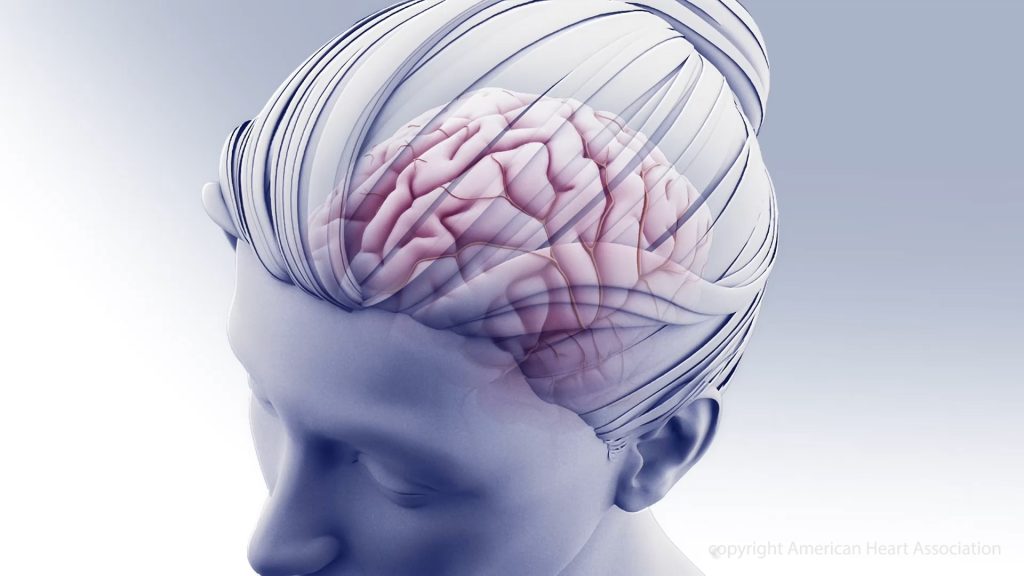
Some people living with chronic stress have a higher risk of stroke, according to a study published on online in Neurology®, the medical journal of the American Academy of Neurology. The study looked at younger adults and found a correlation between stress and stroke, with no known cause, in female participants, but not male participants.

“Younger people often experience stress due to the demands and pressures associated with work, including long hours and job insecurity, as well as financial burdens,” said Nicolas Martinez-Majander, MD, PhD, of the Helsinki University Hospital in Finland.

“Previous research has shown that chronic stress can negatively affect physical and mental health. Our study found it may increase the risk of stroke in younger women.”

For the study, researchers looked at 426 people aged 18 to 49 who had an ischaemic stroke with no known cause. They were matched for age and sex with 426 people who did not have stroke. Participants completed a questionnaire about stress levels over a one-month period. Those with stroke were asked after their stroke to record stress levels in the month prior to their stroke.

Participants were asked 10 questions, such as “In the last month, how often have you felt that you were unable to control the important things in your life?” Scores for each question ranged from zero to four, with four meaning “very often.” A total score of 0 to 13 represented low stress; 14 to 26, moderate stress; and 27 to 40, high stress.

Those with stroke had an average score of 13 compared to those without stroke who had an average score of 10. People with stroke were more likely to have at least moderate stress levels. Of those with stroke, 46% had moderate or high stress levels compared to 33% of those who did not have stroke. After adjusting for factors that could affect risk of stroke such as education level, alcohol use and blood pressure, researchers found for female participants, moderate stress was associated with a 78% increased risk of stroke and high stress was associated with a 6% increased risk.

Researchers did not find a link between stress and stroke in male participants. “More research is needed to understand why women who feel stressed, but not men, may have a higher risk of stroke,” said Martinez-Majander.

“In addition, we need to further explore why the risk of stroke in women was higher for moderate stress than high stress. Knowing more about how stress plays a role could help us to create better ways to prevent these strokes.”

A limitation of the study was that people experiencing higher levels of stress may have been less likely to enrol in the study, which could have affected the results.

Source: American Academy of Neurology

Side-effect Free Cannabinoid Offers Hope for Pain Relief

Researchers at WashU Medicine and Stanford University developed a compound that relieves pain in mice but doesn’t affect the brain, thereby avoiding mind-altering side effects and abuse potential. The custom-designed molecule, derived from cannabis, may provide an alternative to opioids for treating chronic pain. The compound is illustrated here in cyan, nestled within a protein (green and purple) involved in sensing pain. Credit: Tasnia Tarana

In the quest to develop a safe, effective alternative to opioids, researchers have developed a compound that mimics a natural molecule found in the cannabis plant, harnessing its pain-relieving properties without causing addiction or mind-altering side effects in mice.

While more studies are needed, the compound shows promise as a nonaddictive pain reliever. The study, from Washington University School of Medicine in St. Louis and Stanford University, appears in Nature.

“There is an urgent need to develop nonaddictive treatments for chronic pain, and that’s been a major focus of my lab for the past 15 years,” said the study’s senior author Susruta Majumdar, PhD, a professor of anaesthesiology at WashU Medicine. “The custom-designed compound we created attaches to pain-reducing receptors in the body but by design, it can’t reach the brain. This means the compound avoids psychoactive side effects such as mood changes and isn’t addictive because it doesn’t act on the brain’s reward centre.”

Opioids dull the sensation of pain in the brain and hijack the brain’s reward system, triggering the release of dopamine and feelings of pleasure, which make the drugs so addictive. Despite widespread public health warnings and media attention focused on the dangers of opioid addiction, numerous overdose deaths still occur. In 2022, some 82 000 deaths in the U.S. were linked to opioids.

“For millennia, people have turned to marijuana as a treatment for pain,” explained co-corresponding author Robert W. Gereau, PhD, professor of anaesthesiology and director of the WashU Medicine Pain Center. “Clinical trials also have evaluated whether cannabis provides long-term pain relief. But inevitably the psychoactive side effects of cannabis have been problematic, preventing cannabis from being considered as a viable treatment option for pain. However, we were able to overcome that issue.”

The mind-altering properties of marijuana stem from natural molecules found in the cannabis plant referred to as cannabinoid molecules. They bind to a receptor, called cannabinoid receptor one (CB1), on the surface of brain cells and on pain-sensing nerve cells throughout the body.

Working with collaborators at Stanford University, co-first author Vipin Rangari, PhD, a WashU Medicine postdoctoral research associate in Majumdar’s laboratory, designed a cannabinoid molecule with a positive charge, preventing it from crossing the blood-brain barrier into the brain while allowing the molecule to engage CB1 receptors elsewhere in the body. By modifying the molecule such that it only binds to pain-sensing nerve cells outside of the brain, the researchers achieved pain relief without mind-altering side effects.

They tested the modified synthetic cannabinoid compound in mouse models of nerve-injury pain and migraine headaches, measuring hypersensitivity to touch as a proxy for pain. Applying a normally non-painful stimulus allows researchers to indirectly assess pain in mice. In both mouse models, injections of the modified compound eliminated touch hypersensitivity.

For many pain relievers, particularly opioids, tolerance to the medications over time can limit their long-term effectiveness and require higher doses of medication to achieve the same level of pain relief. In this study, the modified compound offered prolonged pain relief – the animals showed no signs of developing tolerance despite twice-daily treatments with the compound over the course of nine days. This is a promising sign that the molecule could be used as a nonaddictive drug for relief of chronic pain, which requires continued treatment over time.

Eliminating the compound’s tolerance resulted from the bespoke design of the compound. The Stanford collaborators performed sophisticated computational modeling that revealed a hidden pocket on the CB1 receptor that could serve as an additional binding site. The hidden pocket, confirmed by structural models, leads to reduced cellular activity related to developing tolerance compared to the conventional binding site, but it had been considered inaccessible to cannabinoids. The researchers found that the pocket opens for short periods of time, allowing the modified cannabinoid compound to bind, thus minimizing tolerance.

Designing molecules that relieve pain with minimal side effects is challenging to accomplish, said Majumdar. The researchers plan to further develop the compound into an oral drug that could be evaluated in clinical trials.

Source: WashU Medicine

Substituting NHS Doctors with Physician Associates is not Necessarily Safe

Source: Pixabay CC0

Researchers say they can find no convincing evidence that physician associates add value in UK primary care or that anaesthetic associates add value in anaesthetics, and some evidence suggested that they do not.

In a special paper published by The BMJ, Professors Trisha Greenhalgh and Martin McKee say the absence of safety incidents in a handful of small studies “should not be taken as evidence that deployment of physician associates and anaesthetic associates is safe.”

New research is urgently needed “to explore staff concerns, examine safety incidents, and inform a national scope of practice for these relatively new and contested staff roles,” they add.

Physician associates and anaesthetic associates are being introduced in the UK to work alongside doctors and nurses. They are graduates – usually with a health or life sciences degree – who complete two years of extra training, but there has been much debate about the effectiveness and safety of these new roles.

As a result, the UK government has commissioned an independent review into the scope and safety of these roles in the NHS and their place in providing care to patients.

To inform this review, the researchers trawled three electronic research databases (PubMed, CINAHL, Cochrane Library) for any studies of physician associates and anaesthetic associates in UK healthcare published between 2015 and January 2025.

In all, 52 papers were eligible (48 on physician associates, 4 on anaesthetic associates), of which 29 (all from England) met their inclusion criteria of trustworthiness, generalisability, and relevance to current UK policy.

They found that the total number of physician associates studied was very small, especially in primary care, and no studies reported direct assessment of anaesthetic associates.

Only one study, of four physician associates, involved any assessment by a doctor of their clinical competence by direct observation, and no studies examined safety incidents.

Some studies among the 29 suggested that physician associates could support the work of ward based teams and work in emergency departments when appropriately deployed and supervised in low risk clinical settings, but the number of individuals and settings studied was small, so these findings should be considered preliminary.

However, studies reported that physician associates seemed to struggle in primary care because the role was more autonomous, the case mix was more diverse, decisions were more uncertain, institutional support was more limited, and supervision arrangements were more challenging.

Patients’ views of physician associates were mostly positive or neutral, whereas staff expressed concern about physician associates’ and anaesthetic associates’ competence to manage undifferentiated, clinically complex, or high dependency patients; order scans; or prescribe. Physician associates reported a range of experiences and desired a clear role within the team.

Overall, the researchers found no evidence that physician associates add value in primary care or that anaesthetic associates add value in anaesthetics and some evidence suggested that they do not.

They acknowledge some limitations, such as not including evidence on similar roles in other countries, and stress that their findings should be interpreted in the context of the wider international evidence base. But say their focus on UK based research, detailed search and analysis of the most influential papers, and identification of gaps in existing research, provide robust conclusions to help inform this policy review.

“Very few UK studies have assessed the clinical competence and safety of physician associates or anaesthetic associates,” they write. “Findings of apparent non-inferiority in non-randomised studies may obscure important unmeasured differences in quality of care.”

In a linked editorial, Professor Kieran Walshe at the University of Manchester, asks how did the NHS end up in this mess, and what should we do about it?

He points to massive underinvestment in research on the healthcare workforce, ambiguous and largely uncosted future plans for workforce expansion, and statutory arrangements for regulating the health professions that are not fit for purpose.

“It seems likely that a messy compromise will be found to resolve the debacle over physician associates and anaesthetic associates,” he writes. But says “we need to do these kinds of workforce reforms much better in the future—both for the safety of patients and for the wellbeing of staff.”

Source: The BMJ

Drug More than Doubles Survival Time for Glioblastoma Patients

MRI scan showing brain cancer. Credit: Michelle Monje, MD, PhD, Stanford University

A drug developed at The University of Texas Health Science Center at San Antonio (UT Health San Antonio) has been shown to extend survival for patients with glioblastoma, the most common primary brain tumour in adults.

Results of a trial led by the university and reported in Nature Communications revealed that a unique investigational drug formulation called Rhenium Obisbemeda (186RNL) more than doubled median survival and progression-free time, compared with standard median survival and progression rates, and with no dose-limiting toxic effects.

“As a disease with a pattern of recurrence, resistance to chemotherapies and difficulty to treat, glioblastoma has needed durable treatments that can directly target the tumour while sparing healthy tissue,” said lead author Andrew J. Brenner, MD, PhD, professor and chair of neuro-oncology research with Mays Cancer Center at UT Health San Antonio. “This trial provides hope, with a second trial under way and planned for completion by the end of this year.”

Brenner said that the median overall survival time for patients with glioblastoma after standard treatment fails with surgery, radiation and chemotherapy is only about 8 months. More than 90% of patients have a recurrence of the disease at its original location.

Rhenium Obisbemeda enables very high levels of a specific activity of rhenium-186 (186Re), a beta-emitting radioisotope, to be delivered by tiny liposomes, referring to artificial vesicles or sacs having at least one lipid bilayer. The researchers used a custom molecule known as BMEDA to chelate or attach 186Re and transport it into the interior of a liposome where it is irreversibly trapped.

In this trial, known as the phase 1 ReSPECT-GBM trial, scientists set out to determine the maximum tolerated dose of the drug, as well as safety, overall response rate, disease progression-free survival and overall survival.

After failing one to three therapies, 21 patients who were enrolled in the study between March 5, 2015, and April 22, 2021, were treated with the drug administered directly to the tumours using neuronavigation and convection catheters.

The researchers observed a significant improvement in survival compared with historical controls, especially in patients with the highest absorbed doses, with a median survival and progression-free time of 17 months and 6 months, respectively, for doses greater than 100Gy.

Importantly, they did not observe any dose-limiting toxic effects, with most adverse effects deemed unrelated to the study treatment.

“The combination of a novel nanoliposome radiotherapeutic delivered by convection-enhanced delivery, facilitated by neuronavigational tools, catheter design and imaging solutions, can successfully and safely provide high absorbed radiation doses to tumours with minimal toxicity and potential survival benefit,” Brenner concluded.

Source: University of Texas Health Science Center at San Antonio