Tag: infertility

Research Links High Doses of Antioxidants to Offspring Birth Defects
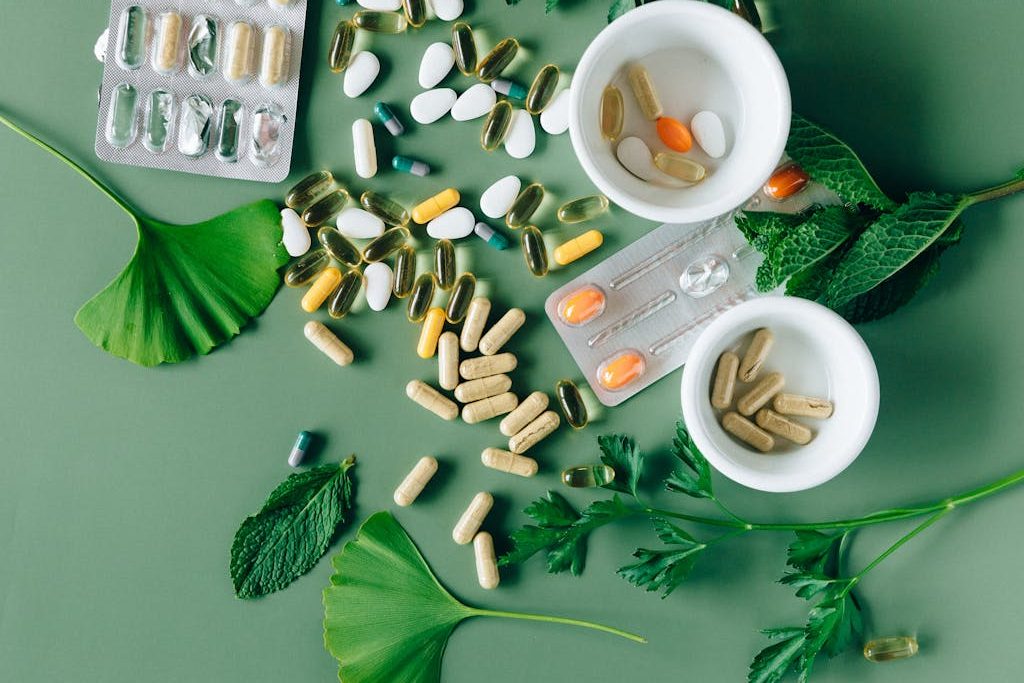
Photo by Nataliya Vaitkevich

Antioxidants have been marketed as miracle supplements, touted for preventing chronic diseases and cancers; treating COPD and dementia; and slowing aging. While antioxidant therapies are widely used to treat male infertility, a new study from the Texas A&M College of Veterinary Medicine and Biomedical Sciences (VMBS) found that regularly consuming high doses of antioxidants negatively influences sperm DNA and may lead to offspring born with differences in craniofacial development.

In a study, published in the journal Frontiers in Cell and Developmental Biology, a team of researchers led by Dr Michael Golding examined the effects of N-acetyl-L-cysteine (NAC) and selenium (Se) – two widely used antioxidants – in mouse models.

They found that offspring of male mice exposed to antioxidants for six weeks exhibited skull and facial shape differences, even while the father’s health didn’t change.

These findings suggest that men should exercise caution when consuming high doses of antioxidants, especially if they’re planning to have children in the near future.   

When good goes too far

Antioxidants like NAC — which is a key ingredient in many nutritional supplements, including multivitamins — are often used to treat oxidative stress, which can be caused by excessive alcohol consumption.

Because Golding’s lab has been studying the effects of parental alcohol consumption on offspring – and has successfully correlated this consumption to a whole host of issues in children born to males who consumed excessive amounts of alcohol, including craniofacial abnormalities – his team was interested in the impacts of adding NAC or Se to a male mouse’s diet.

“We know alcohol causes oxidative stress and we were looking to push back on it by adding a supplement known to lower oxidative stress,” said Golding, a professor in the VMBS’ Department of Veterinary Physiology and Pharmacology. “When we realised that offspring born to males that had only been given NAC were displaying skull and facial differences, it was a surprise because this molecule is universally thought to be good.

“When we sat down to think it through, we realised that it makes sense – you take a multivitamin to ensure that you’re in balance, but if the thing that you’re taking to ensure you’re in balance is unbalanced (the dose of antioxidants is too high), then you’re not doing a good thing.”

It is well established that high doses of antioxidants can have negative impacts; research has proven that antioxidants can diminish the effects of exercise in endurance athletes, for example, and, in the case of professional athletes, can lead to negative outcomes in performance metrics.

“Sperm health is another performance metric; it’s just not one that we think about in everyday life,” Golding said. “If you’re taking a high dose antioxidant, you could be diminishing your reproductive fitness and part of the journey toward the bad outcome is going to be the effects on the offspring.”

What the face reveals about the brain

Among their unanticipated findings was that female offspring, in particular, exhibited significantly closer-set eyes and smaller skulls, which are also symptoms of foetal alcohol syndrome.

“There’s a very commonly accepted truism in paediatric medicine that the face mirrors the brain, because the brain and the face form at the same time,” Golding said. “When your face migrates (during gestation), it’s using cues from your brain to know where to go, and if the two things are not aligned, there’s either a delay or some kind of abnormality in brain development.

“So, if you see abnormalities in the midline of the face, you’re probably going to see midline abnormalities in the brain,” he said. “People with these abnormalities typically have problems with impulse control, neurological conditions like epilepsy, and other developmental issues.”

Whether the offspring in this project will exhibit central nervous system dysfunction will require further study.

The dose makes the difference

While the lab continues to research this “unexplored frontier,” Golding says in the case of antioxidants, too much of a good thing can, in fact, be too much, especially in the absence of a medical reason to take an antioxidant supplement.

Because many men regularly take high doses of these supplements – including products that contain antioxidant-rich ingredients – it’s important to pay attention to how much of these compounds are listed on the label. This includes NAC, which is one of the key ingredients in many multivitamins and is often found in high doses in these pills.

“The larger message here is that there’s a balance,” Golding said. “Think of yourself as a plant — if you stick your plant out in the sun too long, it’s going to get dehydrated. If you overwater your plant, it gets root rot. But if you have the right balance of sunshine and water, that’s when growth occurs. Health is in that domain.

“If your vitamins are providing 1,000% of the recommended daily amount, you should be cautious,” he said. “If you stick to the 100% range, then you should be OK.”

Missing Gene on Y Chromosome Linked to Male Infertility

Chromosomes. Credit: NIH

University of Hawaiʻi at Mānoa scientists have uncovered a direct link between a missing Y chromosome gene and male infertility. Their new research reveals that deleting this single gene in mice not only caused infertility but also disrupted hundreds of other genes vital for healthy sperm. The findings, published August 27 in Cell Death and Differentiation, offer significant implications for understanding reproductive health.

The role of Zfy

The study, led by Monika Ward of UH Mānoa’s John A. Burns School of Medicine and the Yanagimachi Institute for Biogenesis Research (YIBR), focused on the Zfy gene, found on the Y chromosome in both humans and mice. In mice, there are two versions of this gene: Zfy1 and Zfy2.

Using CRISPR gene-editing, the team created mice missing one or both versions. Males without both, known as Zfy double knockouts, were completely infertile, with severely abnormal or absent sperm.

“This work really pushes forward our understanding of how this important Zfy gene works,” said Ward. “We identified pathways and other genes that are affected and we can now study how exactly Zfy regulates them.”

To continue investigations, the researchers turned to assisted reproduction techniques pioneered at UH, including intracytoplasmic sperm injection (ICSI) and round spermatid injection (ROSI). This allowed them to examine the molecular consequences of Zfy loss.

When one gene disrupts hundreds

The results revealed that without Zfy, hundreds of genes became misregulated – some too active, others too weak. Many of these genes are responsible for sperm production, DNA packaging, and cell survival.

As a result, sperm precursor cells in the testes died off early, and the sperm that did form carried fragile DNA that wasn’t properly condensed.

The study details can be found in an article published in Cell Death and Differentiation, a leading peer-reviewed journal.

Source: University of Hawai’i

Oxytocin Can ‘Pause’ Pregnancy After Conception

Photo by Pavel Danilyuk on Pexels

Oxytocin, a hormone already known for its role in childbirth, milk release, and mother–infant bonding, may have a newfound purpose in mammalian reproduction. In times of maternal stress, the hormone can delay an embryo’s development for days to weeks after conception, a new study in rodents shows. According to the authors, the findings about so-called “diapause” may offer new insights into pregnancy and fertility issues faced by humans.

Led by researchers at NYU Langone Health, the study explored diapause, in which an embryo temporarily stops growing early in its development before it attaches to the lining of its mother’s uterus, a key step leading to the formation of the placenta. Known to occur in species as varied as armadillos, giant pandas, and seals, diapause is thought to have evolved to help expectant mothers preserve scarce resources (e.g., breast milk) by delaying birth until they have enough to successfully take care of their offspring.

Although recent studies have uncovered evidence that a form of diapause may occur in humans, the underlying mechanisms behind it have until now remained unclear.

The findings in mice showed that one type of stress that may cause diapause is milk production and release (lactation), as it requires a mother to expend bodily resources nursing already-born pups, and supplying nutrients to pups growing in the womb, at the same time. The study revealed that the time between conception and birth, typically 20 days for these animals, was delayed by about a week in pregnant rodents that were already nursing a litter.

Further, the research team showed that this delay was brought about by a rise in the production of oxytocin, levels of which are known to go up as a mother lactates. To confirm this role for the hormone, the researchers exposed mouse embryos in the lab to a single dose (either 1 microgram or 10 micrograms) of oxytocin, and found that even these small amounts delayed their implantation in the uterus by as much as three days. The team found that the chemical did more than just pause pregnancy: oxytocin surges that were large enough to mimic the amounts and timing measured during nursing caused loss of pregnancy in the mice in nearly all cases.

“Our findings shed light on the role of oxytocin in diapause,” said study co-author Moses V. Chao, PhD, a professor at NYU Grossman School of Medicine. “Because of this newfound connection, it is possible that abnormalities in the production of this hormone could play roles in infertility, premature or delayed birth, and miscarriage.”

A report on the findings appears in Science Advances in a special issue focused on women’s health.

In another part of the study, the team searched for a mechanism that would allow embryos to react to an oxytocin surge. They found that the hormone can bind to special proteins called receptors on the surface of a layer of cells known as the trophectoderm, which surrounds the early embryo and eventually forms the placenta.

Notably, mouse embryos that were genetically altered to disable oxytocin receptors lived long enough to implant into their mother’s placenta at much lower rates than normal embryos. This suggests that the ability to respond to oxytocin spikes and therefore go into diapause is somehow important for the developing pups’ survival, says Dr. Chao, who plans to examine this protective function in more detail.

“Despite being extremely common, infertility and developmental issues that can arise during pregnancy remain poorly understood and can have a lasting, devastating impact on parents and their children,” said study senior author Robert Froemke, PhD, professor of genetics. “Having a deeper understanding of the factors that contribute to these problems may allow experts to better address them in the future.”

The researchers next plan to examine how cell growth gets turned back on after diapause, Dr Froemke says. In addition, the team plans to explore how diapause may affect offsprings’ health and development after birth, and determine whether and how their discoveries can inform reproductive medicine.

Dr Froemke cautions that while the study results are promising, mice and humans have significant differences in their reproductive processes, despite both being mammals. He adds that the current investigation did not assess the role that other pregnancy-related hormones, such as oestrogen and progesterone, may play in diapause.

Source: NYU Langone Health / NYU Grossman School of Medicine

Infertility Treatment Associated with Double the Risk of Postpartum Cardiovascular Disease

Source: Pixabay CC0

A study by Rutgers Health experts of more than 31 million hospital records shows that infertility treatment patients were twice as likely as those who conceived naturally to be hospitalised with heart disease in the year after delivery. The results were published in the Journal of Internal Medicine.

Compared to those who conceived naturally, patients who underwent infertility treatment 2.16 times as likely be hospitalised for hypertension.

“Postpartum checkups are necessary for all patients, but this study indicates they are particularly important for patients who undergo infertility treatment to achieve a conception,” said Rei Yamada, an obstetrics and gynaecology resident at Rutgers Robert Wood Johnson Medical School and lead author of the study.

The study authors say their results support standards of care that now call for an initial postpartum checkup three weeks after delivery, standards that some health systems have yet to adopt. Much of the elevated risk came in the first month after delivery, particularly for patients who developed dangerously high blood pressure.

“And these results aren’t the only ones to indicate that follow-up should occur early,” said Cande Ananth, chief of the Division of Epidemiology and Biostatistics in the Department of Obstetrics, Gynecology, and Reproductive Sciences at Rutgers Robert Wood Johnson Medical School and senior author of the study. “We have been involved in a series of studies over the past few years that have found serious risks of heart disease and stroke to various high-risk patient populations within those initial 30 days after delivery – risks that could be mitigated with earlier follow-up care.”

The study analysed the Nationwide Readmissions Database, which contains nationally representative data on about 31 million hospital discharges and readmissions per year. The database contains diagnosis codes, which let researchers find specific populations and identify reasons for readmission.

The researchers used data from more than 31 million patients who were discharged following delivery from 2010 to 2018, including 287 813 patients who had undergone any infertility treatment.

Although infertility treatment predicted a sharply elevated risk of heart disease, the study authors said the relative youth of infertility treatment patients kept their overall risk fairly low. Just 550 of every 100 000 women who received infertility treatment and 355 of every 100 000 who conceived naturally were hospitalized with cardiovascular disease in the year after delivery.

The cause of the elevated risk of heart disease associated with infertility treatment remains unclear. The increase in heart disease could stem from the infertility treatments themselves, the underlying medical issues that made patients infertile or some other cause.

“Looking forward, I’d like to see if different types of infertility treatment and, importantly, medications are associated with different risk levels,” said Yamada. “Our data gave no information about which patients had undergone which treatment. More detailed information might also provide insight into how infertility treatment impacts cardiovascular outcomes.”

Source: Rutgers University

Even Today, DDT Impacts Men’s Reproductive Health in South Africa and Elsewhere

Photo by Arjun Mj on Unsplash

In a study that signals potential reproductive and health complications in humans, now and for future generations, researchers from McGill University, the University of Pretoria, Université Laval, Aarhus University, and the University of Copenhagen, have concluded that fathers exposed to environmental toxins, notably DDT, may produce sperm with health consequences for their children.

The decade-long research project examined the impact of DDT on the sperm epigenome of South African Vhavenda and Greenlandic Inuit men, some of whom live in Canada’s North.

The study, published in the journal Environmental Health Perspectives, demonstrates a link between long-term exposure to DDT and changes in the sperm epigenome. These changes, particularly in genes vital for fertility, embryo development, neurodevelopment, and hormone regulation, correspond to increased rates of birth defects and diseases, including neurodevelopmental and metabolic disorders.

“We identified regions of the sperm epigenome that are associated with the serum levels of DDE (chemicals that form when DDT breaks down) and this association follows a dose-response trend. I think that’s quite striking, in that the more DDE you’re exposed to, the higher the chromatin, or DNA methylation defects are in the sperm,” said Ariane Lismer, PhD, the study’s lead author, who completed the work while pursuing her PhD at McGill’s Department of Pharmacology and Therapeutics.

“We demonstrate the sperm epigenome’s response to toxin exposures may be linked with disease in the next generation,” said Sarah Kimmins, PhD, who led the research as Professor of Pharmacology and Therapeutics at McGill and is also now a professor in the Department of Pathology and Cell Biology at Université de Montréal. “This is a critical new step for the field because while there are many studies of animals demonstrating toxin effects on the sperm epigenome, studies in humans have not comprehensively demonstrated this.”

Malaria, climate change, and the ‘grasshopper effect’

Despite a global ban on DDT to protect humans and the environment from its effects, the South African government has special permission to use it as an insecticide to control malaria. In some areas, home interiors are coated with the toxin. The study’s findings underscore the urgency to find alternative ways to control malaria and other vector-borne diseases.

“The reality is that people, especially young children and pregnant women, are still dying from malaria. We cannot afford for people in malaria-endemic regions to refuse spraying of their houses, as it will increase their risk of getting malaria,” says Tiaan de Jager, PhD, Dean of the Faculty of Health Sciences and Professor in Environmental Health at the School of Health Systems and Public Health at the University of Pretoria.

What’s more, the number of people and animals exposed to DDT is reportedly increasing due to climate change. DDT can travel vast distances through what is known as the ‘grasshopper effect,’ evaporating with warm air and returning to Earth with rain and snow in colder regions, where it persists in the Arctic food chain.

Rethinking fathers’ role in child development

The findings also highlight the importance of considering fathers in discussions about child health and development. While it’s commonly understood that women should avoid exposure to environmental contaminants during pregnancy, less attention has been given to how toxins affect fathers.

“We tend to think all fathers have to do is fertilise. But in fact, we forget that half of that genome and epigenome comes from the fathers, and half of it comes from the mothers. What that epigenome does in embryo development is critical for normal development,” says study co-author, Janice Bailey, PhD, formerly Professor of Animal Sciences at Université Laval and now the Scientific Director at Fonds de Recherche du Québec en Nature et Technologies (FRQNT).

Although the study focuses on DDT exposures, the researchers say it is not a leap to suggest that exposures to more common household endocrine disruptors such as those found in cosmetics and personal care items may act similarly.

Source: McGill University

Study Implicates High Leptin Levels in Androgen Deficiencies

Source: National Cancer Institute on Unsplash

Researchers have uncovered new clues about the cellular processes that can lead to androgen deficiencies, in which high leptin levels appear to play a role. The findings are published in the journal Cell Death & Disease.

Symptoms of testosterone deficiency include low sex drive, erectile dysfunction, depression, and fatigue. TD afflicts approximately 30% of men aged 40-79 years, with an increase in prevalence strongly associated with ageing and common medical conditions including obesity, diabetes, and hypertension.

“Although testosterone deficiency may be present in one in five men 40 years or older, the driving factors remain largely unknown,” said Himanshu Arora, PhD, assistant professor of urology.

Dr Arora’s lab examined the effect of different concentrations of leptin on the microenvironment of the testes. The research builds on prior studies of how Sertoli and peritubular myoid cells (PMC) in the testicular microenvironment help drive Leydig stem cell differentiation via the cellular desert hedgehog signalling pathway, which transmits information to embryonic cells that guides proper cell differentiation.

The researchers extracted cellular samples from men undergoing testes biopsies for sperm retrieval. When the testes microenvironment secreted leptin in low doses, they found that Leydig stem cells differentiated into adult Leydig cells producing normal levels of testosterone. Higher doses of leptin were observed to depress testosterone levels.

“Our findings identify leptin as a key factor within the testes microenvironment,” said Dr Arora, adding that the insight “holds important implications for androgen deficiency and could have further application in prostate cancer research.”

Noting that leptin is already used in treating patients for obesity, “Preclinical studies could indicate whether adjusting levels of this hormone would be helpful in patients with testosterone deficiency,” said Ranjith Ramasamy, MD, study co-author and associate professor and director of the Miller School’s Reproductive Urology Program.

Source: University of Miami Health System, Miller School of Medicine