Month: May 2022

The American Heart Association’s New Intracerebral Haemorrhage Guideline

Credit: American Heart Association

A new guideline published in the journal Stroke reveal that home treatments or preventive therapies used to manage intracerebral haemorrhages (ICH) are not as effective as previously believed.

The guideline from the  American Heart Association/American Stroke Association includes recommendations on surgical techniques, individual activity levels after an ICH, and additional education and training for at-home caregivers. It reflects advances in the intracerebral haemorrhage field since the last guideline on ICH management was published in May 2015.

“Advances have been made in an array of fields related to ICH, including the organisation of regional health care systems, reversal of the negative effects of blood thinners, minimally invasive surgical procedures and the underlying disease in small blood vessels,” said Steven M. Greenberg, M.D., Ph.D., FAHA, chair of the guideline writing group.

Updates to Standard Care Practices

The new guideline suggests that many techniques widely considered “standard care” are unnecessary. For example, wearing compression socks or stockings to prevent deep vein thrombosis after ICH was not found to be effective. Instead, use of intermittent pneumatic compression may be helpful if started on the same day of an ICH diagnosis.

“This is an area where we still have a lot of exploration to do. It is unclear whether even specialised compression devices reduce the risks of deep vein thrombosis or improve the overall health of people with a brain bleed. Even more research is needed on how new blood clot prevention medications may help, especially within the first 24 to 48 hours of the first symptoms,” said Dr Greenberg.

Use of anti-seizure medicines or anti-depressants after ICH is also updated; neither of these classes of medications helps a person’s overall health unless a seizure or depression is already present, therefore, they are not advised for most people. Anti-seizure medication did not contribute to improvements in functionality or long-term seizure control, and the use of anti-depressants increased the chance of bone fractures.

The guideline writing group also addresses previously standard in-hospital therapies. They suggest administering steroids to prevent complications from a bleeding stroke is ineffective and highlight that platelet transfusions, unless used during an emergency surgery, may worsen the stroke survivor’s condition.

Surgical Intervention

Some research suggests procedures with a less invasive approach are less likely to damage brain tissue while removing the fluid build-up.

“The evidence is now reasonably strong that minimally invasive surgery may improve the likelihood that a patient will survive following a moderate or large ICH,” says Greenberg. “It is less clear, however, whether this or any other kind of surgical procedure improves the chances of survival and recovery from ICH, which are our ultimate goals.”

Recovery and Rehabilitation

Stroke rehabilitation includes several strategies to help restore the individual’s quality of life, and the guideline reinforces the importance of having a multi-disciplinary team to develop a plan for recovery. Research suggests a person with a mild or moderate ICH may begin activities like stretching, dressing, bathing and other normal daily tasks 24–48 hours after the stroke to improve survival rate and recovery time; however, moving too much or too intensely within 24 hours is linked to an increased risk of death within 14 days after an ICH.

Home Caregivers

The guideline also recommends education, practical support and training for family members so they may be involved and knowledgeable about what to expect during rehabilitation.

Other Highlights

The guideline suggests there may be an opportunity to prevent ICH in some people by using MRI which can image small blood vessel damage. In addition, major risk factors for small vessel damage are high blood pressure, Type 2 diabetes and older age. Blood thinners remain an important topic since the use of these medications may increase complications and death from a bleeding stroke. Updated guidance is provided for immediate reversal of the newer blood thinners like apixaban, rivaroxaban, edoxaban and dabigatran, as well as older medications like warfarin or heparin.

Renewed emphasis is placed on the complexities of a do-not-attempt-resuscitation (DNAR) status versus the decision to limit other medical and surgical interventions. The writing group highlights the need to educate medical professionals, stroke survivors and/or the individual’s caregiver about the differences. The guideline recommends the severity of a hemorrhage, as measured by the standard scales, not be used as the sole basis for determining life-saving treatments.

Source: American Heart Association

Oestrogen from Hormone Replacement Therapy Reduces COVID Mortality

Older woman smiling
Photo by Ravi Patel on Unsplasj

A new study in Family Practice reported that receiving oestrogen in the form of hormone replacement therapy within six months of a recorded diagnosis of COVID was associated with a reduction in mortality from the disease.

While men and women are equally susceptible to the infection, men tend to have more severe disease, with higher rates of hospitalisation and mortality. A recent 38-country review of sex differences in COVID found men to have a 1.7 times higher mortality rate than women. Younger women or those with higher oestrogen levels are less likely to experience COVID complications.

Earlier studies have also shown that women have faster and greater immune responses to viral infections. Similar trends has been observed in previous pandemics, including the SARS-CoV (Severe Acute Respiratory Syndrome Corona Virus) and MERS-CoV (Middle East Respiratory Syndrome Corona Virus) outbreaks.

The reason for these sex differences is uncertain. Limited recent observational data suggest that oestrogen may reduce the severity of COVID disease. This study investigated the association between hormone replacement therapy or combined oral contraception use, and the likelihood of death in women with COVID. Researchers investigated combined oral contraception, which contains oestrogen, because some Recent observational data suggests that women taking oral contraceptives have a lower risk of acquiring COVID.

Investigators used a retrospective cohort with medical records from the Oxford-Royal College of General Practitioners Research and Surveillance Centre primary care database. They identified a group of 1 863 478 women over 18 from 465 general practices in England.  There were 5451 COVID cases within the cohort. Hormone replacement therapy was associated with a 22% reduction in all-cause mortality in COVID.

This suggests that oestrogen may well contribute a protective effect against COVID severity. This may explain why fewer women compared to men have been hospitalised, admitted to ICU, or died due to COVID during the pandemic.

“This study supports the theory that oestrogen may offer some protection against severe COVID,” said Christopher Wilcox, one of the paper’s authors. “We hope that this study can provide reassurance to patients and clinicians that there is no indication to stop hormone replacement therapy because of the pandemic.”

Source: EurekAlert!

Two-drug Combination Inhaler Looks Good for Asthma ‘Rescue’ Therapy

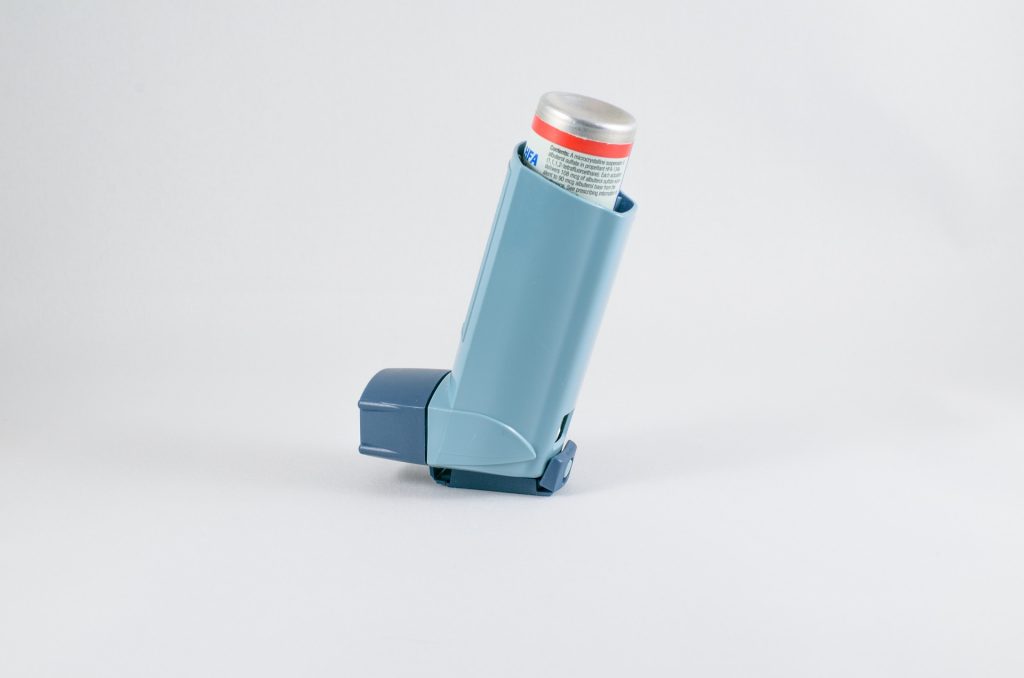
Asthma inhaler
Source: PIxabay/CC0

An analysis published in the NEJM testing a two-drug combination inhaler shows promising results for helping asthma patients get their condition back under control when standard medication isn’t working for them. The phase III trial found that users of the product PT027, (90μg albuterol combined with 80μg budesonide), were 26% less likely to experience severe exacerbations than those using albuterol alone.

A version with a lower steroid dose (40 μg) also appeared to reduce severe exacerbation risk, but the 16% advantage over conventional albuterol-only treatment narrowly missed by statistically significant with a P value of 0.052.

The study authors explain that the approach is based on the notion that short-acting beta agonist (SABA) drugs, eg albuterol, are quite effective in reducing acute symptoms, but do not address the underlying inflammation causing the symptoms. The product’s developers reasoned that addition of a steroid should help prevent symptoms recurrence.

In the MANDALA trial, 3132 patients were randomised to one of three regimens: two actuations each of the 90/80 μg or 90/40 μg versions, or two actuations of 90 μg albuterol. Patients were all instructed to use the device when they experienced acute symptoms, and remained on their normal maintenance treatment, which consisted of long-acting beta agonists and inhaled corticosteroids, either individually or in combination and in a variety of doses.

Severe exacerbation was the primary endpoint, defined as any of the following:

  • Inpatient admission for asthma symptoms
  • Emergency department or urgent care visit
  • A minimum og three days of systemic steroid therapy for worsening symptoms

The researchers also tracked a variety of secondary outcomes, such as time to first exacerbation, and safety parameters.

Annualised severe exacerbation rates were 0.43 for the high-dose product versus 0.58 for albuterol alone, for a rate ratio of 0.75. As the low-dose group included all of the child participants, it was compared to a slightly different set of albuterol-only controls, giving annualised exacerbation rates in that comparison of 0.48 and 0.60, respectively. That rate ratio of 0.81 was significant.

Systemic steroids was another secondary outcome, with the combination inhaler proving superior again, with averages of 83.6 mg (prednisone equivalent) for the high-dose version, 94.7mg with the lower dose, and 130.0/127.6 mg for the respective albuterol-only control groups. Adverse effects were similar in either arm (46–47%).

Source: MedPage Today

SA HIV Clinicians Update Dolutegravir Guidelines

HIV themed candle
Image by Sergey Mikheev on Unsplash

The South African HIV Clinicians Society (SAHCS) have recently announced a clinical update on the dolutegravir (DGT)-based regimens for first- and second-line antiretroviral therapy. This comes in the wake of positive findings from a number of clinical trials.

The clinical guidelines are available for download as a PDF.

“Based on data from several recent trials, we now recommend that all patients > 10 years old and 35 kg on tenofovir/emtricitabine (or lamivudine)/efavirenz (TEE/TLE) or NVP-based regimens be switched to tenofovir/lamivudine/dolutegravir (TLD) regardless of the viral load (VL) result. In addition, all patients > 10 years old and > 35 kg on a regimen of two nucleoside reverse transcriptase inhibitors (NRTI) with a boosted protease inhibitor (PI) (eg, lopinavir/ritonavir (LPV/r) or atazanavir/ritonavir (ATV/r)) and a suppressed VL can be switched to TLD, regardless of prior resistance patterns or treatment history.”

In South Africa, pre-treatment resistance to nonnucleoside reverse transcriptase inhibitors (NNRTI)-based antiretroviral therapy regimens has been rising. Meanwhile, DTG has a higher barrier to resistance and reduced side effects. This prompted the Department of Health to recommend that patients on NNRTI-based ART regimens be switched to DTG-based regimens. This transition is slower than desired partly because a documented suppressed VL is required prior to switching from TEE/TLE to TLD. Since this recommendation was first made, evidence from several trials (NADIA, VISEND and ARTIST) has demonstrated that tenofovir with lamivudine can be safely and effectively recycled from a first- to a second-line regimen. Therefore, the SAHCS has stated that “in patients with virological failure on a TEE or TLE regimen a single drug can be switched (efavirenz to dolutegravir ie, TLD as secondline), resulting in virological suppression comparable to or better than alternative second-line options.”

The guidelines also outline the results of the NADIA, VISEND and ARTIST trials conducted in southern African countries, as well as the single-arm DAWNING trial.

Source: South African HIV Clinicians

How Shigella Suppresses the Immune System

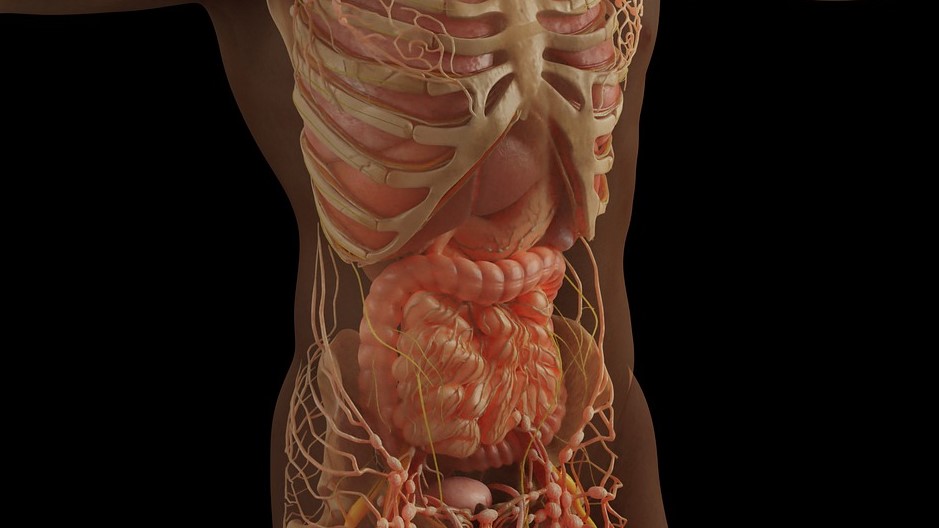
Anatomy of the gut
Source: Pixabay CC0

Researchers report in the journal Cell on insights they have made into the molecular process by which bacteria such as the highly contagious Shigella suppresses the immune system, preventing it from recognising impending infection.

Interferons are the first line of the immune system’s defence against infection. These warn neighbouring cells and prepare them to fight off an incoming infection. Many viruses – including SARS-CoV2 – have evolved proteins which inhibit normal interferon functions in order to increase infectivity.

Whether bacteria such as Shigella, which causes dysentery, are also able to interfere with the immune system and its capacity to fight the infection was previously unknown. Shigella is highly contagious, requiring only a small inoculum (10 to 200 organisms) to cause an infection.

The study found that Shigella inject a protein called “OspCs” into cells, which blocks the host’s interferon response, allowing the bacteria to successfully infect the host.

Interestingly, OspCs blocked interferon signalling by preventing cells from adapting to changing concentrations of calcium – a molecular signal that usually alerts a cell to infection and damage.

This newly identified strategy tricks the immune system, preventing the body from mounting an effective immune response to infection by decoding host calcium signals.

“This study was another perfect example of how studying pathogens can not only lead to a better understanding of infectious processes, but can also reveal the complexity of host responses to infection,” said Dr Charlotte Odendall.

These findings may be the first steps towards new bacterial treatments in the future, the researchers said.

Source: Kings College London

The Potential Dangers of ‘Harmless’ Herbal Supplements

Rhythm strip showing short runs of torsade de pointes and a markedly prolonged corrected QT interval. Credit: Heart Rhythm Case Reports

While herbal supplements may be natural, they may not always be harmless. In Heart Rhythm Case Reports, doctors report on a patient who experienced dizziness and fainting and was diagnosed with a dangerous cardiac arrhythmia after taking hemp oil containing CBD and CBG and berberine supplements.

“More and more people are taking herbal supplements for their potential benefits. Yet their ‘natural’ character can be misleading, since these preparations can have serious adverse side effects on their own or if combined with other supplements or medications,” said Elise Bakelants, MD, Department of Cardiology, University Hospital of Geneva. “Their use should not be taken lightly, and dosing recommendations should always be respected.”

The reported case involves a 56-year-old woman who was admitted to the emergency department after experiencing dizziness and fainting without warning. She was diagnosed with a life-threatening cardiac arrhythmia after an ECG showed short runs of torsade de pointes, a rapid heartbeat originating in the ventricles, and a markedly prolonged QT interval, which means the heart’s electrical system takes longer than normal to recharge between beats.

Apart from low blood pressure, the patient’s physical examination and blood work were normal. The doctors were able to identify the cause as the herbal supplements she was taking to help her cope with a stressful work-life balance. She had started a regimen of six times the recommended dose of hemp oil four months earlier and had recently added berberine to the mix. All supplements were stopped during her hospital stay, resulting in a gradual decrease of her QT interval until it normalized after five days. At her three-month follow-up, she reported no new episodes of dizziness or fainting, and her ECG remained within normal range. With no other causative factors, her return to normal strongly validated that the diagnosis linked the supplements to the arrhythmia.

Herbal supplements has increased in popularity in recent years, especially those containing CBD (cannabidiol). Available without prescription, CBD has been shown to have anti-inflammatory, antiepileptic, analgesic, anxiolytic, antipsychotic, and immunomodulatory properties. Supplied as raw material or as ready-to-use products (eg, cosmetics, tobacco substitutes, scented oils), it does not contain THC (tetrahydrocannabinol), which causes the psychotropic effect of cannabis. Therefore, it is not subject to control by drug regulatory agencies. Berberine, found in the roots, rhizomes, and stem bark of many medicinal plants, is frequently used in traditional Chinese and ayurvedic medicine to treat infections, diarrhoea, type 2 diabetes, high cholesterol, and high blood pressure.

The e preparation of herbal supplements is largely unregulated and are widely perceived as safe. Exact composition can vary greatly from one distributor to another, and the pharmacodynamic and pharmacokinetic properties of these substances are not well known. Limited data are available regarding their effectiveness, toxicity, and potential for interactions. As a result, it is not always possible to foresee their negative consequences.

Dr Bakelants cautioned patients and physicians to be aware of possible side effects, respect dosing recommendations and consider possible interactions with other medications, particularly in patients with underlying cardiac disease or those already taking QT-prolonging medication.

Source: EurekAlert!

Fungal Infections Occur When Antibiotics Disrupt Gut Immune System

Photo by Andrea Piacquadio on Unsplash

Patients prescribed antibiotics in hospital are more likely to get fungal infections because of disruption to the gut immune system, according to a new study published in Cell Host and Microbe.

The study authors suggested that using immune-boosting drugs alongside the antibiotics could reduce the health risks from these complex infections.

Invasive candidiasis is an invasive fungal infection that can endanger hospitalised patients receiving antibiotics to prevent sepsis and other bacterial infections (such as C. diff). Fungal infections can be more difficult to treat than bacterial infections, but the underlying factors causing these infections are not well understood.

The study’s researchers discovered that antibiotics disrupt the immune system in the intestines, meaning that fungal infections were poorly controlled in that area. Unexpectedly, the team also found that where fungal infections developed, gut bacteria were also able to escape, leading to the additional risk of bacterial infection.

Not only does the study demonstrate the potential for immune-boosting drugs, but also it also highlights how antibiotics can other effects on the immune system. This in turn underscores the importance of careful stewardship of available antibiotics.

Lead author Dr Rebecca Drummond said: “We knew that antibiotics make fungal infections worse, but the discovery that bacterial co-infections can also develop through these interactions in the gut was surprising. These factors can add up to a complicated clinical situation — and by understanding these underlying causes, doctors will be better able to treat these patients effectively.”

In the study, the team administered a broad-spectrum antibiotic cocktail to mice and then infected them with Candida albicans, the most common fungus that causes invasive candidiasis in humans. They found that although infected mice had increased mortality, this was caused by infection in the intestine, rather than in the kidneys or other organs.

In a further step, the team pinpointed what parts of the immune system were missing from the gut after antibiotic treatment, and then added these back into the mice using immune-boosting drugs similar to those used in humans. They found this approach helped reduce the severity of the fungal infection.

The researchers followed up the experiment by studying hospital records, where they were able to show that similar co-infections might occur in humans after they have been treated with antibiotics.

“These findings demonstrate the possible consequences of using antibiotics in patients who are at risk of developing fungal infections,” added Dr Drummond. “If we limit or change how we prescribe antibiotics we can help reduce the number of people who become very ill from these additional infections — as well as tackling the huge and growing problem of antibiotic resistance.”

Source: University of Birmingham

Scientists Pry Open Secrets of a Potent Antibody against COVID

Even as the structure of SARS-CoV-2 changes with different variants of the virus (grey), the J08 antibody (blue) can still bind it, Scripps researchers showed. Credit: Scripps Research

Scientists have revealed the secrets of a potent antibody against SARS-CoV-2 that was discovered in COVID survivors. The antibody has a broadly neutralising effect, and is able to retain its efficacy against a wide range of variants – though not Omicron.

In 2021, Scripps Research and Toscana Life Sciences scientists screened the blood of 14 COVID-19 survivors to find the most potent antibodies against the SARS-CoV-2 virus. One of the most promising finds, now in stage II/III trials, was an antibody dubbed J08, which seemed to be capable of both preventing and treating COVID. 

Now, the same group has visualised exactly how J08 binds to different SARS-CoV-2 variants in different conformations, explaining what makes the monoclonal antibody so potent. The research, published in Proceedings of the National Academy of Sciences, suggests that the J08 antibody’s flexibility will likely keep it effective against future COVID variants.

“Even though we can’t predict what variants of COVID will emerge next, understanding the details of J08 reveals what works against the virus, and perhaps how we can engineer antibodies to be even more potent,” explained senior author Andrew Ward, PhD at Scripps Research.

On exposure to a virus like SARS-CoV-2, the body creates a variety of antibodies that bind to different sections of the virus to clear it from the body. There is considerable interest in why certain naturally produced antibodies such as J08 more effective than others. In the months after Ward and his collaborators first identified J08, it became clear that the antibody, unlike many others, was potent against a variety of COVID variants.

The researcher mapped the three-dimensional structure of J08 as it bound to the spike protein of SARS-CoV-2. J08 was confirmed to successfully attach to the Alpha, Beta, Gamma and Delta variants, preventing replication. However, J08 attached to the Omicron variant about 7 times more slowly, and then quickly detached. About 4000 times more J08 was needed to fully neutralise Omicron SARS-CoV-2 compared to the other variants.

“With variants other than Omicron, this antibody binds quickly and doesn’t come off for hours and hours,” says co-first author Gabriel Ozorowski, a senior staff scientist in the Ward lab at Scripps Research. “With Omicron, we were initially happy to find that it still binds, but it falls off very quickly. We identified the two structural changes that cause this.”

The team showed that, for all the variants, J08 binds to a very small section of the virus – a section that generally stays the same even as the virus mutates. Moreover, J08 could attach in two completely different orientations, like a key that manages to unlock a door whether it is right side up or upside down. 

“This small, flexible footprint is part of why J08 is able to withstand so many mutations – they don’t impact the antibody binding unless they happen to be in this one very small part of the virus,” said co-first author Jonathan Torres, lab manager of the Ward lab at Scripps Research.

The Omicron variant of SARS-CoV-2, however, had two mutations (known as E484A and Q493H) that changed the small area of the virus that directly interfaces with J08, anchoring it in place. Ward and his collaborators found that if just one of these mutations is present, J08 can still bind and neutralise the virus strongly, but mutations in both are what make it less effective against the Omicron variant.

The researchers said the new results support the continued clinical trials of the monoclonal antibody based on J08.

“I think we’re pretty confident that future variants won’t necessarily have both of these two critical mutations at the same time like Omicron,” remarked Ozorowski, “so that makes us hopeful that J08 will continue being very effective.”

Source: Scripps Research

Study Confirms Analgesics during Pregnancy Carries Risks for Newborns

Pregnant with ultrasound image
Source: Pixabay

Researchers have called for a reassessment of medical advice on analgesic use during pregnancy after a new study published in BMJ Open found that pregnant women using over-the-counter analgesics are about 1.5 times more likely to have a baby with health issues.

The study found elevated risks for preterm delivery, stillbirth or neonatal death, physical defects and other problems compared with the offspring of mothers who did not take such medications.

Between 30% and 80% of women globally use non-prescription analgesics in pregnancy for pain relief. However, there is presently great variation in evidence for safety of use during pregnancy, with some drugs considered safe and others not.

“We would encourage a strong reinforcement of the official advice for pregnant women.”

Aikaterini Zafeiri, first author of the study

The study analysed data from more than 151 000 pregnancies over 30 years (1985–2015) which contained medical notes for non-prescribed maternal consumption of five common analgesic. These were paracetamol, aspirin, and non-steroidal anti-inflammatory drugs (NSAIDs), diclofenac, naproxen and ibuprofen – either as single compounds or in combinations.

Overall, 29% of women have taken over-the-counter analgesics during pregnancy, a figure which more than doubled to 60% during the last seven years of the 30-year study period.

When asked specifically at their first antenatal clinic visit, as opposed to later in pregnancy or after labour, 84% of women using painkillers reported use during the first 12 weeks after conception. However, the duration and dose of use and medical reason for use were not recorded.

Nevertheless, given that up to 60% of women reported using over the counter analgesics, they could not all have underlying medical conditions that would cause the increased risks seen in this study.

The study found increases in the following:

  • Neural tube defects: 64% more likely.
  • Admission to a neonatal unit: 57% more likely.
  • Neonatal death: 56% more likely.
  • Premature delivery before 37 weeks: 50% more likely.
  • Baby’s condition at birth based on APGAR score of less than 7 at five minutes: 48% more likely.
  • Stillbirth: 33% more likely.
  • Birthweight under 2.5 kg: 28% more likely.
  • Hypospadias, a birth defect affecting the penis: 27% more likely.

First author of the paper, Aikaterini Zafeiri of the University of Aberdeen said: “In light of the study findings, the ease of access to non-prescription painkillers, in combination with availability of mis-information as well as correct information through the internet, raises safety concerns.

“This is especially when mis-informed or partially-informed self-medication decisions are taken during pregnancy without medical advice.

“It should be reinforced that paracetamol in combination with NSAIDs is associated with a higher risk and pregnant women should always consult their doctor or midwife before taking any over-the-counter drugs. We would encourage a strong reinforcement of the official advice for pregnant women.”

Source: University of Aberdeen

NICD Issues Lassa Fever Alert over KZN Case

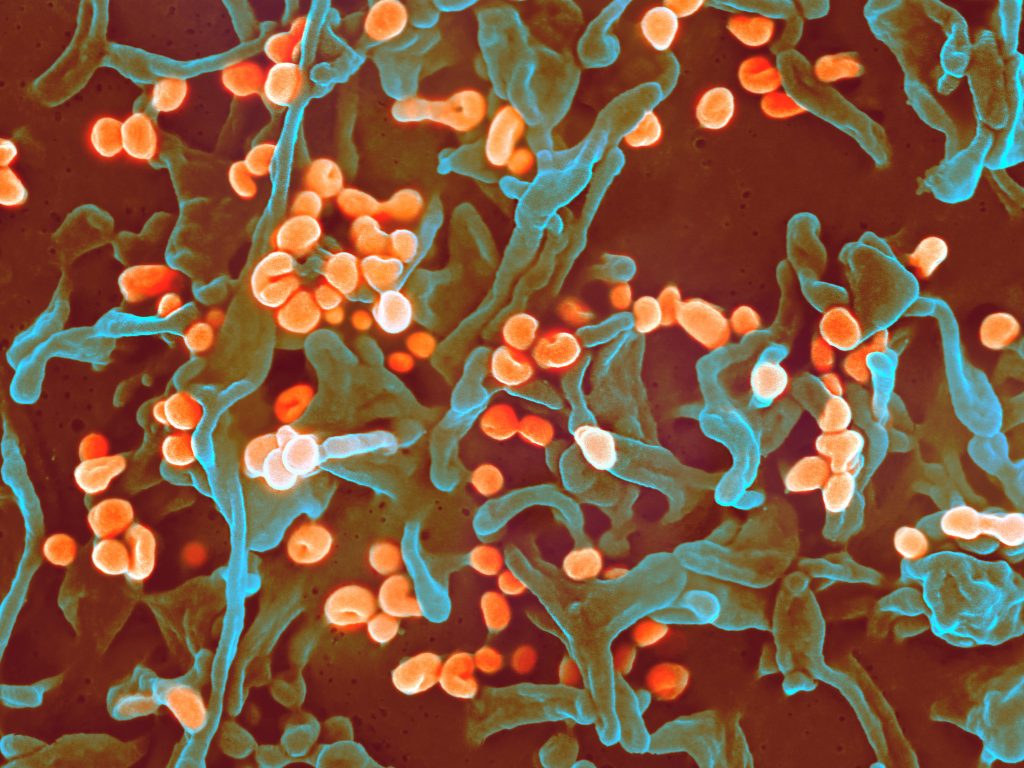
Lassa virus scanning electron micrograph
Scanning electron micrograph of Lassa virus budding off a Vero cell. Image credit: National Institute of Allergy and Infectious Diseases, NIH

The National Institute for Communicable diseases has reported that a case of Lassa fever was diagnosed in a man from KwaZulu-Natal on 12 May 2022. The man had extensive travel history in Nigeria before returning to South Africa. He fell ill after entering South Africa and was hospitalised in a Pietermaritzburg hospital. The diagnosis of Lassa fever was confirmed by lab tests. Sadly, the man succumbed to the infection.

Contact tracing and monitoring is underway. No secondary cases of Lassa fever have been confirmed at the time of this report. In February 2022, three cases of Lassa fever had been reported in the UK, with the first travelling from Mali and the other two resulting from secondary transmission.

Originally discovered in 1969, Lassa fever is a rodentborne viral haemorrhagic fever endemic to West African countries and is caused by Lassa virus. Up to 300 000 cases of Lassa fever, with about 5000 deaths, are recorded annually in the endemic countries. Currently there is no vaccine for Lassa fever. The clinical course of Lassa fever is either not recognised or mild in 80% of patients; however, about 20% of patients might experience severe disease, including facial swelling, hepatic and renal abnormalities, pulmonary oedema, and haemorrhage. Although overall case-fatality rates for patients with Lassa fever is about 1%, rates among hospitalised case-patients are >15%. Intravenous administration of the antiviral drug ribavirin has become the standard of care for treatment of Lassa fever, but data on the efficacy of intravenous ribavirin are limited. The original study among Lassa fever patients in Sierra Leone found survival to be significantly higher (p = 0.0002) among those who obtained ribavirin within the first 6 days of illness (55%) compared with those who never received the drug (5%). 

The natural reservoir of this virus in endemic countries is the Mastomys rat. The rats are persistently infected, shedding the virus in their urine and faeces. Humans can come into contact with the virus through direct contact or inhalation of the virus in areas that are infested with the infected rats. For example, contact with contaminated materials, ingestion of contaminated food or inhalation of air that has been contaminated with urine droplets. Person-to-person transmission of the virus does not occur readily and the virus is not spread through casual contact.

Person-to-person transmission is not common and is mostly associated with the hospital-setting where healthcare workers have contact with the infected blood and bodily fluids of a patient. Cases of Lassa fever in travellers returning from endemic countries are reported from time-to-time. In 2007 a case of Lassa fever was diagnosed in South Africa. That case involved a Nigerian citizen with extensive travel history in rural parts of Nigeria before falling ill, and he received medical treatment in South Africa. There were no reported secondary cases of Lassa fever on this occasion. Recently, in February 2022, an imported case of Lassa fever with secondary cases were identified in the United Kingdom.

Source: NICD