Month: May 2022

Study Reveals Higher Suicide Rates among Pharmacists

Phot by Mulyadi on Unsplash

While the COVID pandemic put the spotlight on the issue of mental health and burnout among doctors and nurses, less was known about the mental health of pharmacists. Results of a longitudinal study published in the Journal of the American Pharmacists Association reveal a suicide rate among pharmacists nearly twice that of the general population.

The figures are based on data from 2003 through 2018, show a suicide rate of 20 per 100 000 pharmacists compared to 12 per 100 000 in the general population. Study authors expect numbers to be even higher in subsequent years due to the additional stressors of the pandemic, and are currently evaluating more recent data.

“If we learned anything from the pandemic, it’s that there is a breaking point for health professionals,” said corresponding author Kelly C. Lee, PharmD, professor at UC San Diego.

The study identified the most common means of suicide in this population, with 49.8% of cases involving firearms, 29.4% involving poisoning and 13% involving suffocation. The use of firearms was similar between pharmacists and the general population, but poisoning via benzodiazepines, antidepressants and opioids was more frequent among pharmacists.

The data also provide some insight into contributing factors, including a history of mental illness and a high prevalence of job problems. Job problems are the most common feature of suicides across health care professions.

For pharmacists, Lee said job problems reflect significant changes in the industry in recent years, with more pharmacists being employed by hospitals and chain retailers as opposed to the small, private pharmacies more common in the past. Pharmacist responsibilities have also grown considerably, with larger volumes of pharmaceuticals to dispense and increasing demands to administer vaccines and other health care services.

“Pharmacists have many more responsibilities now, but are expected to do them with the same resources and compensation they had 20 years ago,” said Prof Lee. “And with strict monitoring from state and federal regulatory boards, pharmacists are expected to perform in a fast-paced environment with perfect accuracy. It’s difficult for any human to keep up with that pressure.”

Future research will further evaluate which job problems have the biggest impact and how the field can better respond. In the meantime, Prof Lee advised pharmacists to encourage help-seeking behaviours amongst themselves and their colleagues.

“Mental health is still highly stigmatised, and often even more so among health professionals,” said Prof Lee. “Even though we should know better, there is such an expectation to appear strong, capable and reliable in our roles that we struggle to admit any vulnerabilities. It’s time to take a look at what our jobs are doing to us and how we can better support each other, or we are going to lose our best pharmacists.”
Source: University of California San Diego

mRNA Vaccines Perform Better against Variants of Concern

Image from Pixabay

A comparison of vaccinations has demonstrated that mRNA vaccines perform better against variants of concern (VOCs) than viral vector vaccines. Although they all effectively prevent severe disease by VOCs, the research published in PLOS Medicine suggests that people receiving a viral vector vaccine are more vulnerable to infection by new variants.

The Pfizer-BioNTech and Moderna are mRNA vaccines, which deliver genetic code to the bodies’ cells, whereas Oxford/AstraZeneca and J&J are viral vector vaccines which uses a modified virus to deliver instructions. J&J is delivered as a single dose while the rest are administered two weeks apart.

Marit J. van Gils at the University of Amsterdam, Netherlands, and colleagues, took blood samples from 165 healthcare workers, three and four weeks after first and second vaccination respectively, and for J&J at four to five and eight weeks after vaccination. Samples were collected before, and four weeks after a Pfizer-BioNTech booster.

Four weeks after the initial two doses, antibody responses to the original SARS-CoV-2 viral strain were highest in recipients of Moderna, followed closely by Pfizer-BioNTech, and were substantially lower in those who received viral vector vaccines. Tested against the VOCs Alpha, Beta, Gamma, Delta and Omicron, neutralising antibodies were higher in the mRNA recipients than the viral vector recipients. Neutralisation ability against VOCs was reduced in all vaccine groups, with the greatest reduction against Omicron. The Pfizer-BioNTech booster increased antibody responses in all groups with substantial improvement against VOCs, including Omicron.

The researchers caution that their AstraZeneca group was significantly older, because of safety concerns for the vaccine in younger age groups. As immune responses tend to weaken with age, this could affect the results. This group was also smaller because the Dutch government halted use for a period.

Source: EurekAlert!

Good for the Soul: How Helping Others Reignited my Passion for South Africa

Neil Tabatznik, founder of the Tshemba Foundation

In an opinion piece, Neil Tabatznik reflects on how starting the Tshemba Foundation reignited his passion for his native South Africa.

South Africa is not only the most unequal country in the world, it also does not care well enough for its weak and sick. Its inequitable access to healthcare is iniquitous in many parts of the developing world. But to me, a former South African who left the country during one of South Africa’s darkest periods in history, which was rife with government oppression at the time, it reflects the legacy of apartheid.

Having departed for England in 1971, where I practiced law before leaving for Canada, South Africa became a distant and awful memory: I had planned to leave and never come back.

I stayed away for 36 years and cut all ties with the country.

However, seventeen years ago, I returned to South Africa, for personal reasons: my son’s bar mitzvah. With family dispersed across North America, Europe and Australia, South Africa felt like a central place to congregate. It was during the new, post-apartheid period in South Africa that I fell in love with the country all over again.

I started the Tshemba Foundation in Hoedspruit, Mpumalanga, out of complete selfishness initially: It was an excuse to come back to South Africa, while doing good.

At the time, The Tshemba Foundation approached the provincial health department, pitched the concept and offered to bring skilled medical volunteers to the region – and a partnership was born.

The Foundation operates a medical volunteer programme that serves as a model of public-private partnership in the healthcare sector. Initially, I had reached out to colleagues and friends approaching retirement in the UK and Canada, recognising that they had immense skills, time on their hands, and could easily be enticed to come and help while staying at a lodge we had set up on a game reserve in South Africa. The Health Professions Council of SA (HPCSA) proved to be a barrier to this idea, because they refused to register any doctor who had left SA during the Apartheid era (intending never to return) demanding that they pay membership fees accruing during the intervening years. Although this barrier remains, we have still been able to recruit hundreds of volunteers from South Africa and abroad.

Designed to connect skilled professionals from the medical and allied professions with a desire to give back to rural communities in need, we have operated out of the Tintswalo Hospital, a 423-bed public hospital, and surrounding clinics, since 2017.

The Foundation relies on medical volunteers to bridge the gaps in patient care in rural Mpumalanga: Professionals who give up their time and expertise to bring value to underprivileged and underserved communities, while supporting existing staff with training, educational opportunities and fresh perspectives. We assist volunteers with HPCSA registration, to allow them to volunteer in South Africa, but they have to make their own way to Mpumalanga and are provided with free lodging.

Tintswalo Hospital is one of the biggest in the province, serving a rural, underserved population of about 300 000. The hospital has no specialist doctor posts, and if any staff member leaves, from groundsman to senior doctor, it is extremely difficult to replace them due to severe budgetary constraints.

Our “leave of purpose” programme recruits both local and international medics to volunteer their services in these rural areas. They cover a wide range of disciplines, from generalists and dentists to ophthalmologists that perform cataract surgeries and specialist researchers who are spearheading a rural ultrasound project.

Our flagship projects, offered in partnership with the Mpumalanga Department of Health and Tintswalo Hospital, are a state-of-the-art eye clinic and cataract operating theatre, which screens and remedies common, treatable eye diseases, and the Hlokomela Women’s Clinic where pap smears, cryotherapy, and breast, pelvis, abdomen and pregnancy ultrasounds are offered. Women no longer need to travel vast distances to receive screening and treatment: they can get such specialist care at Tintswalo.

Tshemba’s eye clinic volunteers have helped over 700 elderly patients – many of whom were being cared for by grandchildren and other family members, thereby depriving them of access to education and employment.

The programme would not have been possible without the cooperation and enthusiasm of medics, the community, the Mpumalanga Department of Health and international benefactors.

To date, we have attracted about 200 local and global volunteers, mostly from the US, Canada, Europe and Australia, who have devoted the equivalent of over 9,000 healthcare professional days, treated 19,630 patients and held 294 training sessions. These training sessions not only assist local healthcare professionals with continuing professional development and informal clinical teaching, but they also ensure that the Foundation makes a lasting and sustainable impact on the quality of rural healthcare.

Now, the challenge is to make The Tshemba Foundation sustainable. We are registering it as a charity in the UK, Canada and the United States, but we need more support.

We hope to strengthen our relationship with the province to improve healthcare, without flooding hospitals with volunteers. Instead, we would like to build on the power of the clinics by posting medics to smaller healthcare centres.

Our work makes a real difference, not only in the lives of the communities who lack access to healthcare that people in urban centres take for granted, but also in the lives of those who volunteer their services.

No Food Allergy Link to Caesarean Delivery

Man holding newborn baby
Photo by Jonathan Borba on Unsplash

A new study found that caesarean delivery, either with or without labour, or elective or emergency, compared to vaginal birth does not impact on the likelihood of food allergy at 12 months of age. Led by the Murdoch Children’s Research Institute (MCRI), the study was published in the Journal of Allergy and Clinical Immunology: In Practice.

Associate Professor Rachel Peters of the Children’s Research Institute (MCRI) said the association between food allergy and mode of delivery remained unclear due to the lack of studies with food challenge outcomes.

The study involved 2045 infants from the HealthNuts study, with data linked to a perinatal database for detailed information on birth factors.

The study found that, of the 30% born by caesarean, 12.7% had a food allergy compared to 13.2% born vaginally.

“We found no meaningful differences in food allergy for infants born by caesarean delivery compared to those born by vaginal delivery,” Associate Professor Peters said. “Additionally, there was no difference in the likelihood of food allergy if the caesarean was performed before or after the onset of labour, or whether it was an emergency or elective caesarean.”

Associate Professor Peters said it was thought a potential link between caesarean birth and allergy could reflect differences in early microbial exposure from the mother’s vagina during delivery.

“The infant immune system undergoes rapid development during the neonatal period,” she said. Caesarean delivery may interfere with the normal development of the immune system, as there is less exposure to the mother’s vagina and gut bacteria, influencing the baby’s own microbiome. “However, this doesn’t appear to play a major role in the development of food allergy.”

Australia has the highest rates of childhood food allergy in the world, with about one in 10 infants and one in 20 children over five years of age having a food allergy.

These findings come as other MCRI-led research found 30% of peanut allergy and 90% of egg allergy resolves naturally by age six.

Associate Professor Peters said the resolution rates were great news for families and were even a little higher than what was previously thought.

The results, published in the Journal of Allergy and Clinical Immunology, found infants with early-onset and severe eczema and multiple allergies were less likely to outgrow their egg and peanut allergies.

Associate Professor Peters said these infants should be targeted for early intervention trials that evaluate new treatments for food allergy such as oral immunotherapy.

“Prioritising research of these and future interventions for infants less likely to naturally outgrow their allergy would yield the most benefit for healthcare resources and research funding,” she said.

Source: SciTech Daily

Radio DJ Mark Pilgrim Shares Good News on His Cancer Treatment

Radio DJ Mark Pilgrim has revealed on Twitter that his latest scan results showed a ‘significant shrinkage’ of all of the tumours present in his lung, spine, leg and lymph nodes.

In March 2022, the radio star revealed that he had been diagnosed with stage 4 lung cancer, and that he was to start treatment “in a week”.

Speaking about his most recent diagnosis, he said: “I’m not Chuck Norris. Yes, I’m scared. I am also strong. Both emotions run parallel with each other. I’m under the care of incredible doctors and surrounded by love.”

It is not the first time the popular DJ has been through such difficult times. Pilgrim had already survived stage stage 4 testicular cancer in 1998 at the age of 18. The cancer had spread to his lungs and kidney, and he recalls that his oncologist said that his prognosis was “uncertain”. He endured 9 months of 4-hour chemotherapy sessions.

In 2008 he suffered heart damage from a massive myocardial infarction suffered in the doctor’s office, and last year he tested positive for COVID.

For patients with non-small cell lung cancer (NSLC), the most common form of lung cancer, half present at stage 4. In one Canadian study, only 14.9% of patients received chemotherapy as first-line treatment, with most patients receiving palliative radiotherapy.

A Tangled Web of Brain Damage from Concussions in Children

Boy hanging from tree
Photo by Annie Spratt on Pexels

Concussion may cause different types of brain damage which lead to similar symptoms in children, according to research published in eLife. A new way of studying concussions could help inform the development of future treatments.

While most children fully recover after a concussion, some will have lasting symptoms. The findings help explain the complex relationships that exist between symptoms and the damage caused by the injury.

The researchers found that certain combinations of brain damage were associated with specific symptoms such as attention difficulties. Other symptoms, such as sleep problems, occurred in children with multiple types of injuries. For example, damage to areas of the brain that are essential for controlling sleep and wakefulness could cause challenges with sleeping, as could damage to brain regions that control mood.

The brain’s white matter holds clues

To do this, they examined how damage to the brain resulting from concussion affected its structural connection network, known as white matter. They then used statistical modelling techniques to see how these changes related to 19 different symptoms reported by the children or their caregivers.

Analysing symptoms may advance treatment

“Despite decades of research, no new treatment targets and therapies for concussions have been identified in recent years,” said lead author Guido Guberman, a Vanier Scholar and MDCM Candidate at McGill University. “This is likely because damage to the brain caused by concussions, and the symptoms that result from it, can vary widely across individuals. In our study, we wanted to explore the relationships that exist between the symptoms of concussion and the nature of the injury in more detail.”

Guberman and his colleagues analysed data collected from 306 children, aged nine to 10 years old, who had previously had a concussion. The children were all participants in the Adolescent Brain Cognitive Development (ABCD) Study.

“The methods used in our study provide a novel way of conceptualising and studying concussions,” says senior author Maxime Descoteaux, a Professor of Computer Science at Université de Sherbrooke. “Once our results are validated and better understood, they could be used to explore potential new treatment targets for individual patients. More broadly, it would be interesting to see if our methods could also be used to gather new insights on neurological diseases that likewise cause varied symptoms among patients.”

Source: McGill University

Over-the-counter Drugs and Supplements Overlooked in Polypharmacy

Pills and tablets
Photo by Myriam Zilles on Unsplash

While patients usually report any medications they are on, over-the-counter drugs and supplements are not reported as often to the medical team, according to a study on polypharmacy published in The Oncologist, an overlooked situation that complicates the problem of polypharmacy, especially in cancer.

Polypharmacy can lead to harmful drug interactions, especially dangerous for cancer patients about to undergo therapy.

Even for those without cancer, multiple medication use has risks and is tricky to navigate because of the emotions involved, said Erika Ramsdale, MD, study leader.

“As doctors, we tell people to take medications but we don’t always do a great job of following up,” she said. “From the patient perspective, if it’s determined that a medication is no longer needed, it’s hard to stop taking it. There’s a sense of, ‘What will happen if I stop?’ or ‘Are you giving up on me?’ A lot of uncertainty and emotions are tied up in this issue.”

The more drugs and supplements a person takes, the higher the risk of inappropriate use and serious drug interactions, she said.

The fragmentation of healthcare across specialties complicates the issue. “Sometimes, there is no quarterback,” Dr Ramsdale said, which can result in “prescribing cascades,” where additional drugs are given to offset the adverse side effects of the original medications.

Researchers analysed medication use in a sample of 718 adults with a mean age of 77 who had stage 3 or 4 cancer and other health conditions. They screened for potentially inappropriate medications that have risks higher than benefits (known as PIMS), drug-drug interactions (DDI), and drug-cancer treatment interactions (DCI). Drug interaction can have consequences such as falls, functional decline, and death. Patients on multiple medications are also more likely to have anxiety or depression.

Among the 718 patients, 70% were at risk of drug-drug interactions and 67% were taking at least one drug that was potentially inappropriate.

In fact, 61% of the patients were taking five or more medications before starting chemotherapy – and nearly 15% were taking 10 or more medications.

Other findings from the study include:

  • Nearly 68% of the patients had serious health issues besides cancer, requiring associated medications. Most common was cardiovascular disease. When a person has cancer combined with other ailments, there is a greater risk of toxicity from cancer treatments due to polypharmacy.
  • Approximately 10% of hospital admissions for older adults are associated with hazardous drug interactions. Among older adults with cancer receiving chemotherapy, polypharmacy is associated with dramatic increases (up to 114%) in unplanned hospitalisations.
  • Cholesterol-lowering medications, minerals, and thyroid therapy are most commonly involved in potential drug interactions.
  • More than 25% of the medications used by the patients in the study were non-prescription—and these accounted for 40% of the potentially inappropriate medications detected by investigators.
  • Common non-prescription remedies included vitamins and minerals, anti-anemic preparations such as ferrous sulfate, and drugs for acid-related disorders and constipation.

“Older adults may incorrectly assume that over-the-counter medications are safe for them,” the authors wrote. “This study helps delineate the size and shape of a problem under-recognised by both providers and patients.”

It’s also an understudied problem, Dr Ramsdale said, and including over-the-counter medications sets Wilmot’s data apart from previous research; most polypharmacy studies among cancer patients look only at prescription drugs.

The study highlights an opportunity for education and problem-solving, such as deprescribing some drugs.

Deprescribing is the planned reduction of medications to avoid harm. Doctors take into account the risks-versus-benefits of each medication and the patient’s life expectancy. For example, statins that are taken for high cholesterol do not have an immediate effect. They are meant to be preventive and can take 10 years to have an impact. Therefore, if a patient is old and has incurable cancer, he or she may not need to take statins. (Discontinuing statins in this setting is supported by a landmark study, according to the Ramsdale publication.)

However, these conversations can be quite delicate, Ramsdale said. The goal is to promote better quality of life, and she is conducting a clinical trial to test the best way to intervene in cases of polypharmacy among older people with cancer.

Source: University of Rochester Medical Center

High-fat Diets Increase Nitric Oxide, a Cancer Promoter

A hamburger
Photo by Ilya Mashkov on Unsplash

Research which appears in ACS Central Science has shown that a direct link exists between the amount of fat in the diet and bodily levels of nitric oxide, a naturally occurring signalling molecule that is related to inflammation and cancer development.

Nitric oxide (NO) is one of the critical components of the vasculature, regulating key signalling pathways in health. In macrovessels, NO functions to suppress cell inflammation as well as adhesion. In this way, it inhibits thrombosis and promotes blood flow. It also functions to limit vessel constriction and vessel wall remodelling. In microvessels and particularly capillaries, NO, along with growth factors, is important in promoting new vessel formation, a process termed angiogenesis. With age and cardiovascular disease, animal and human studies confirm that NO is dysregulated at multiple levels including decreased production, decreased tissue half-life, and decreased potency.

“We are trying to understand how subtle changes in the tumour microenvironment affect cancer progression at the molecular level. Cancer is a very complicated disease,” said Anuj Yadav, a senior research associate and the study’s lead coauthor.

Cancer is more than just a few tumour cells, rather the entire microenvironment of the tumour supporting the cells, Yadav explained.

“Inflammation can play a significant role in this environment. Certain inflammatory response comes from highly processed foods, which are high in calories and high in fat. We wanted to understand the links between food, inflammation, and tumors at a molecular level, so we had to develop advanced probes to be able to visualise these changes,” he said.

Yadav and coauthors are familiar with existing research linking increased NO levels to inflammation, and inflammation to cancer. Proving the connection between high-fat diets and NO levels on a molecular level required developing a highly sensitive molecular probe capable of deep-tissue imaging.

The team designed a molecular probe which is the first of its kind to be used in bioluminescence imaging of NO in cancer.

“Our group specialises in making designer molecules, which allows us to look at molecular features that are invisible to the naked eye,” said Jefferson Chan, an associate professor of chemistry at the University of Illinois Urbana-Champaign and the study’s principal investigator. “We design these custom-made molecules to discover things that weren’t previously known.”

With the probe, the researchers compared the tumourigenicity of the breast-cancer-carrying mice on a high-fat diet (60% of calories coming from fat) with mice on a low-fat diet (10% of calories coming from fat) by measuring the NO levels in both groups.

“As a result of the high-fat diet, we saw an increase in nitric oxide in the tumor microenvironment,” said Michael Lee, a student researcher in the Chan lab and a lead coauthor on this study. “The implication of this is that the tumor microenvironment is a very complex system, and we really need to understand it to understand how cancer progression works. A lot of factors can go into this from diet to exercise – external factors that we don’t really take into account that we should when we consider cancer treatments.”

The authors emphasised the importance of proving a direct link between a high-fat diet, NO levels, and cancer development. With this association now known, new implications exist for cancer diagnosis and treatment.

“Without this technology, you wouldn’t see this missing molecular link,” said Chan. “Now that we know that this is happening, how do we prevent it, and how do we improve the situation?”

Source: Beckman Institute

Methylprednisolone Halves Kidney Failure Risk in IgA Nephropathy

Anatomic model of a kidney
Photo by Robina Weermeijer on Unsplash

A large study has found that treatment with methylprednisolone – a cheap, widely used corticosteroid – halves the risk of losing kidney function and kidney failure in IgA nephropathy. The study, published in the journal JAMA, also found that this can be effectively achieved with fewer side effects if a reduced dose is used.

Researchers say the results of the multi-country study will provide a clear treatment option with definite benefits outweighing well defined and mostly manageable risks. 

IgA nephropathy is a common form of glomerulonephritis caused by the deposition of IgA immunoglobulins in the glomerular basement membrane. Immune-mediated damage to the basement membrane results in haematuria and renal insufficiency progressing to kidney failure in some.

Joint Principal Investigator Professor Vlado Perkovic said that around 10–30% of people with the condition go on to develop kidney failure that requires dialysis or kidney transplantation to prevent death.

“There are few proven treatment options so many treatments including corticosteroids have been used in some patients for decades, despite uncertainty about their effectiveness, as well as the ideal dose. This has led to significant regional variability and clinical uncertainty about this treatment,” he said.

The Therapeutic Evaluation of Steroids in IgA Nephropathy Global (TESTING) study is a double-blinded, randomised, controlled trial that assessed the effects of oral methylprednisolone on major kidney outcomes, kidney failure and safety in patients with IgA nephropathy.

503 patients diagnosed with IgA nephropathy were recruited from centres across Australia, Canada, China (including Hong Kong), India and Malaysia between May 2012 and November 2019. Patients were randomised to receive methylprednisolone or a placebo at:

  1. full dose of 0.6-0.8mg/kg per day of methylprednisolone or placebo for 2 months reducing by 8mg per day each month (262 participants between May 2012 and November 2015), or
  2. reduced dose of 0.4mg/kg per day of methylprednisolone or placebo, also for two months, reducing to 4mg per day each month (241 participants between March 2017 and November 2019), 

for a total treatment period of 6–9 months.

“We found that that treatment with methylprednisolone for six to nine months significantly reduced the risk of losing substantial kidney function, kidney failure requiring dialysis or transplantation, or death from kidney disease compared to placebo,” said Professor Perkovic.

“However, there was an increase in serious adverse events in those who received methylprednisolone, mainly seen in the full dose regimen with fewer in the reduced dose treatment group.”

Joint Principal Investigator Professor Hong Zhang said that with IgA nephropathy being an immune-mediated condition, the benefits seen were likely due to the immune suppressing action of the steroid treatment.

“A well-known side effect of steroid treatment is an increased risk of infections, but we found that this could be mitigated to a degree by using the lower dose and giving the patients antibiotics to prevent infections,” she said. 

“This is the strongest evidence yet for the benefit of any treatment for the prevention of kidney failure in people with IgA nephropathy.

“The results provide a treatment option for clinicians and patients, especially at the lower dose, given the net benefits versus the risk of side effects,” she added.

Associate Professor Muh Geot Wong said that given that the condition develops slowly, and that there was some indication that the effects of treatment appeared to diminish over time, the research team have now extended the study.

“We are now following a significant number of patients from our original study for another five years so we will have a total of around ten years follow up,” he said.

“By then, we hope to have the most comprehensive set of evidence ever collected to help guide the treatment of people with this type of kidney disease.”

Source: EurekAlert!

Early Warning Signs for Age-related Macular Degeneration

Credit: National Eye Institute

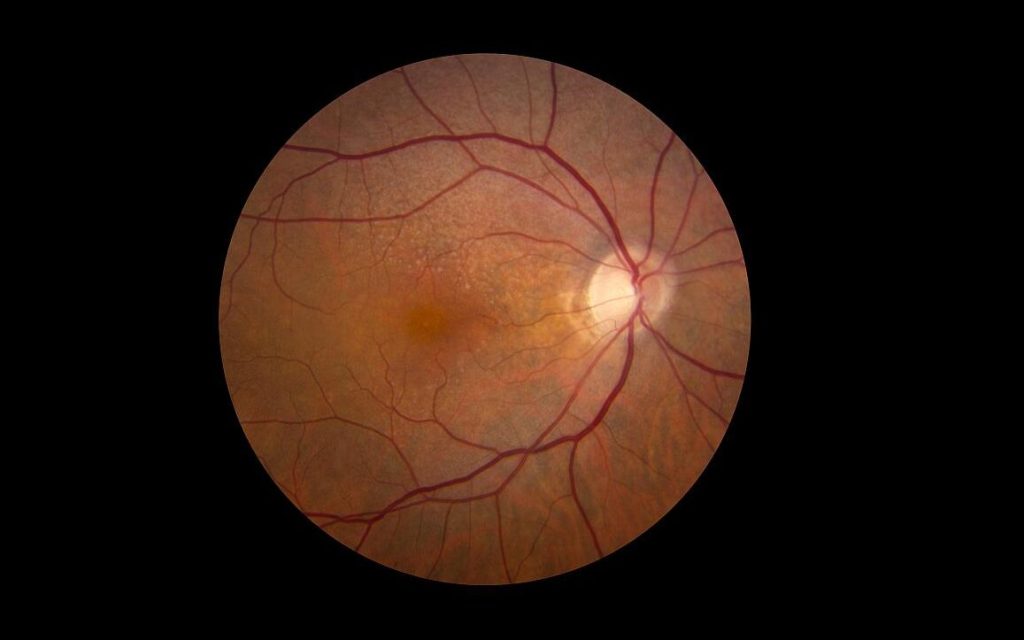
In an important step in treating a major cause of blindness, scientists have successfully identified early signs of age-related macular degeneration (AMD), in which higher number of mast cells are observed. This finding could be exploited by new treatments before symptoms develop. The study is published in PNAS.

Scientists have long known that people with certain genes on chromosomes 1 and 10 have a 2- to 3-fold higher risk of developing AMD, although lifestyle factors also play a role.

The team identified higher numbers of mast cells in the eyes of people when either of the risk genes were present, even when there were symptoms, suggesting an early mechanism in common.

They also showed the mast cells release enzymes in the back of the eye which then damage structures underneath the retina that in time is likely to damage the retina itself.

Mast cells exist in most tissues and are one of the immune system’s first defenses against infection, especially parasitic disease and damage.

Scientists already know there are more mast cells in the choroid in people with established AMD. The current study, however, identified higher levels in people before the disease develops.

The genes on chromosome 1 are linked to a part of the immune system called the complement cascade, which is associated with a risk of AMD.

Though the functional role of genes expressed by chromosome 10 are not known, but increased risk of AMD is.

Dr Richard Unwin, one of the study leaders, said: “What is really exciting about this work is that we are studying tissue from people before they have signs of the disease. This gives us a look into the very earliest stages, and gives us hope that we can intervene to stop the disease developing and ultimately prevent loss of vision”

The scientists used healthy human eye tissue donated post mortem to the Manchester Eye Tissue Repository.

They identified those who are at risk of developing age-related macular degeneration based on their risk genes, and discovered underlying changes in the tissue of the otherwise healthy at-risk individuals.

They collected retinal tissue from the back of donor eyes post mortem, following removal of the cornea for transplantation.

Then they took a small sample from the macula and removed the cells to leave a thin layer of membrane which supports the photoreceptors called rod and cone cells and is where disease begins.

They analysed the proteins present in the membrane from 30 people using mass spectrometry, which identifies protein components based on their mass, to find differences in the tissue make-up between those with and without genetic risk of AMD.

The mass spectrometry, identified a series of enzymes which are made almost exclusively by mast cells. In tissue from an additional 53 people, higher levels of mast cells were found in patients with higher disease risk.

Dr Unwin added: “We next need to look at how mast cells are activated, and whether by preventing, or clearing mast cell activation we can slow or stop disease development. There are several researchers and companies looking at complement mediated-therapies for AMD and while these are promising for Chr1-related disease there is no evidence that they will have an effect on Chr10 disease. A therapy designed to target mast cell activation as a unified mechanism could in theory treat all patients with AMD and prevent sight loss.”

Source: University of Manchester