Year: 2021

New Antibody Treatment for Crimean-Congo Haemorrhagic Fever

Deer tick (Ixodes scapularis). Photo by Erik Karits on Unsplash

Working with international colleagues, US Army scientists have developed and tested an antibody-based therapy to treat Crimean-Congo haemorrhagic fever virus (CCHFV). 

The deadly virus is carried by ticks and has a high mortality rate, killing up to 60% of those infected. Their findings are published in the journal Cell.

The researchers characterised the human immune response to natural CCHFV infection by using blood samples donated by disease survivors. They were able to identify several potent neutralising antibodies that target the viral glycoprotein–a viral component which has a key role in disease development. A number of of these antibodies, administered individually or in combination, successfully protected mice from CCHFV when exposed to the virus after antibody administration.

In order to treat mice that had already been infected with the virus, the team created ‘bispecific’ antibodies that combined potency with the ability to bind to two different sites on the CCHFV glycoprotein. One of these bispecific antibodies, called DVD-121-801, overcame CCHFV infection in mice with just a single dose administered 24 hours after challenge with live virus.

DVD-121-801 as a potential therapeutic for human patients, according to co-first author Andrew H. Herbert, Ph.D., of the U.S. Army Medical Research Institute of Infectious Diseases (USAMRIID).

CCHFV is the most prevalent tick-borne virus that causes human disease, and is endemic in countries across Europe, Asia, and Africa. CCHF occurs most frequently among agricultural workers following the bite of an infected tick, and to a lesser extent among slaughterhouse workers exposed to the blood and tissues of infected livestock and medical personnel through contact with the body fluids of infected patients. In spite of its high lethality and widespread distribution, there are no vaccines or specific treatments for it. It has been designated a priority pathogen by the World Health Organization.

Study co-first author Andrew H Herbert, PhD, US Army Medical Research Institute of Infectious Diseases, said: “Rodent models of CCHFV infection are useful in testing and down-selecting neutralising antibodies. However, to advance a lead candidate for therapeutic use, it will be necessary to conduct studies in larger animal models that more faithfully recapitulate human disease.”

Source: Medical Xpress

Journal information: J. Maximilian Fels et al, Protective neutralizing antibodies from human survivors of Crimean-Congo hemorrhagic fever, Cell (2021). DOI: 10.1016/j.cell.2021.05.001

Heart Risk in Transgender Men Receiving Hormones

Photo by Sharon McCutcheon on Unsplash

A study of transgender people receiving gender-affirming hormone therapy found that certain hormones increased certain cardiometabolic risk factors. 

Gender-affirming or cross-sex hormone therapy is integral to the management of transgender individuals, but there is only limited understanding of the effects of such hormones on cardiovascular health. Research is limited by the absence of large cohort studies, lack of appropriate control populations, and inadequate data acquisition from gender identity services. Existing epidemiological data suggest that the use of oestrogens in transgender females increases the risk of myocardial infarction and ischaemic stroke. Conversely, testosterone use in transgender males is currently lacking any consistent or convincing evidence of increased risk of cardiovascular or cerebrovascular disease.

This retrospective study included 129 transgender individuals receiving gender-affirming hormone therapy. In transgender males receiving testosterone, there was an average 2.5% drop in HDL cholesterol levels seen each year of using gender-affirming hormone therapy (P=0.03). However, researchers did not see this change in transgender females on estradiol during the average 48-month follow-up period. Additionally, the researchers found no significant changes in LDL cholesterol, triglycerides, HbA1c, or 25-hydroxyvitamin D levels in transgender males or transgender females.

About 53% of the participants in the study identified as transgender males, and more than 60% of the cohort was white. The median age of the total cohort was 26 with a BMI of 25.5. The majority of transgender males were on intramuscular injectable preparations of testosterone cypionate.

Similar to prior studies, a significant decrease in HDL was noted in TM on testosterone therapy. The researchers noted that further study is needed on the correlation of this finding with changes in diet and exercise while on testosterone therapy and impact on cardiovascular events. Reassuringly, no other changes noted in cardiovascular parameters.

“Further long-term data is needed for patients receiving this hormone therapy to assure that their long-term cardiovascular risk is optimised,” concluded Samihah Ahmed, MD, MBA, of Northwell Health Lenox Hill Hospital in New York City, who presented the findings.

Source: MedPage Today

Presentation information: Ahmed S, et al “Cardiometabolic risk factors in transgender individuals taking gender-affirming hormone therapy through four years” AACE 2021. 

China Reports First Human Infection of the H10N3 Avian Flu Strain

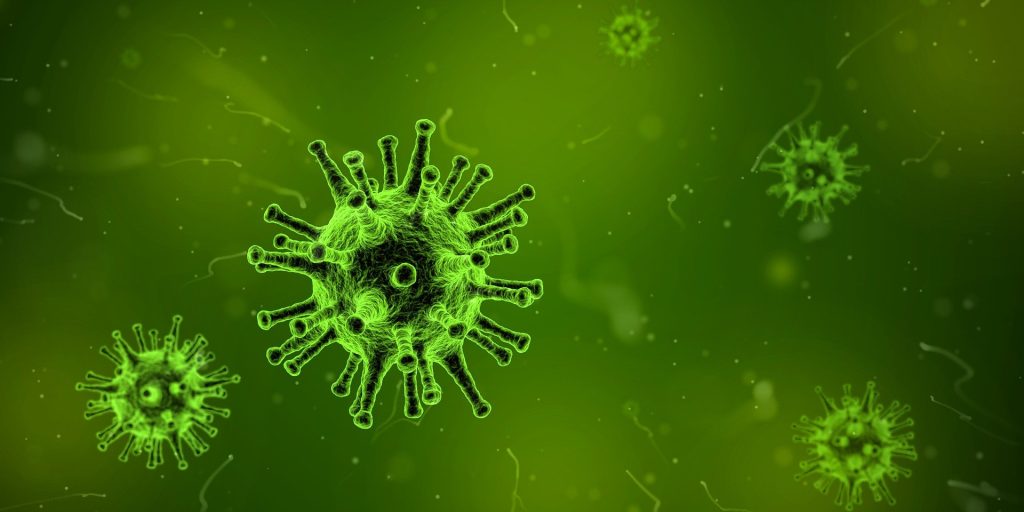
Image by Arek Socha from Pixabay

On Tuesday, China reported the world’s first human infection of the H10N3 avian flu strain but said the risk of its widespread transmission among people was low.

In the eastern city of Zhenjiang, a 41-year-old man was admitted to hospital with fever symptoms on April 28 and a month later was diagnosed with H10N3, China’s National Health Commission (NHC) said in an online statement.

The NHC said that “The risk of large-scale spread is extremely low,” and that the man was in a stable condition with his close contacts having reported no “abnormalities”.

The health body described H10N3 as being low pathogenic, ie less likely to cause death or severe illness, in birds. It said there had been no human cases of H10N3 previously reported anywhere in the world.

A number of strains of bird flu have been found among animals in China but mass outbreaks in humans are rare.

Five waves of the H7N9 influenza epidemic occurred in China between March 2013 and September 2017. Low pathogenicity H7N9 dominated in the first four waves, whereas highly pathogenic H7N9 influenza emerged in poultry and spread to humans during the fifth wave, causing widespread concern.  

H7N9 has infected 1668 people and claimed 616 lives since 2013, according to the United Nations’ Food and Agriculture Organization. In the wake of recent avian flu outbreaks in Africa and Eurasia, the head of China’s Centre for Disease Control and Prevention last week urged closer surveillance in poultry farms, markets and wild birds.

COVID was first detected at a wet market with food and live animals in the central Chinese city of Wuhan in late 2019. This is where, according to the most likely scenario from the WHO report on the virus’ origins, it is thought that the SARS-CoV-2 virus first jumped from animals to humans. 

Source: Medical Xpress

Study Reveals Natural Killer Cells’ Fuel Source

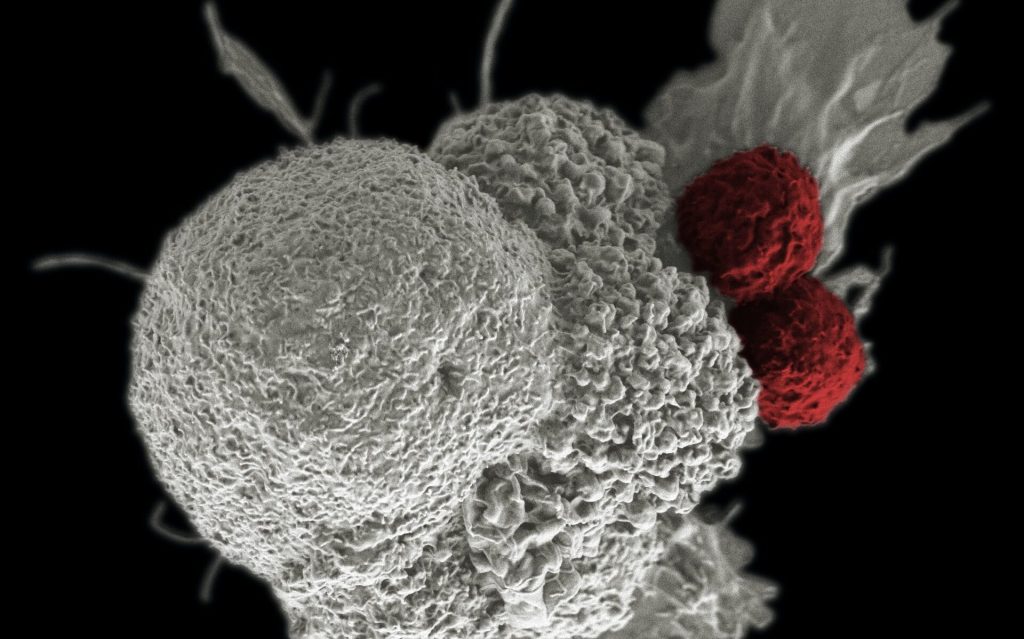
Pictured is a false-colour scanning electron micrograph of an oral squamous cancer cell (white) being attacked by two cytotoxic T cells (red), part of a natural immune response. Photo by National Cancer Institute on Unsplash

Scientists have discovered how natural killer (NK) cells fuel their activities when fighting infections, which will in turn help inform the development of immune therapies.

When it comes to dealing with infections and cancer, if T cells are like a team of specialist doctors in an emergency room, then NK cells are the paramedics: They arrive first on the scene and perform damage control until reinforcements arrive. Their existence was revealed in the 1970s when scientists were trying to characterise T cell cytotoxicity.

NK cells belong to our innate immune system, which dispatches these first responders, and they come with a built-in ability to recognise and respond to danger. Learning what powers NK cells is an ongoing area of immunology research, with important clinical implications.

“There’s a lot of interest right now in NK cells as a potential target of immunotherapy,” said Joseph Sun, an immunologist in the Sloan Kettering Institute. “The more we can understand what drives these cells, the better we can program them to fight disease.”

First responders

Previous studies have shown that aerobic glycolysis provides the energy for T cells to carry out their protective activities. But it was not known whether NK cells use this form of metabolism in performing their functions.

Dr Sun and his colleagues studied NK cells in animal models instead of in vitro, in order to find out, in a natural setting, what type of metabolism NK cells use and compare it to T cells. They discovered that NK cells increase aerobic glycolysis about five days before T cells respond with their own glycolytic surge.

“This fits with the idea that NK cells are innate immune cells that are really critical for mounting a rapid response,” said Research Fellow Sam Sheppard.

The findings are relevant to ongoing efforts to use NK cells as immunotherapy in people with cancer and other conditions. These are particularly relevant for procedures that make use of NK cells as a form of cell therapy—when cells are grown outside the body and then introduced back into the patient.

Finding a delicate balance

“If you’re growing these cells in a dish and you push them to divide too rapidly, they may not have as much potential to undergo aerobic glycolysis when you put them into a patient,” Dr Sheppard explained.

For researchers designing clinical trials, the goal is to find a balance between encouraging NK cells to multiply and preserving their stamina. These NK cells are the paramedics of our immune system, so it’s important to keep them speedy and responsive.

The findings were reported June 1, 2021, in the journal Cell Reports.

Source: Eureka Alert

Wastewater Analysis Shows KZN in Third Wave

Image source: CDC/Unsplash

Viral load analysis of wastewater suggests that KwaZulu-Natal may already have entered the third wave of COVID infections, according to research by DUT.

The Institute for Water and Wastewater Technology, based at DUT, has been monitoring viral loads of wastewater at the central treatment plant in eThekwini since July 2020, and found a clear correlation between clinical cases and viral loads detected in wastewater.

While clinical cases were reported to be on the increase in KZN since April 20 this year, they had found an increase in wastewater viral load some three weeks earlier.

The Institute for Water and Wastewater noted that the peak of the COVID second wave in South Africa occurred in January with an average of 40 000 cases in KwaZulu-Natal.

Over this period, the researchers measured average viral loads of 4.72 log copies per 100 millilitres at the central wastewater treatment plant. However, over the last four weeks, viral loads have averaged 5.57 log copies per 100 millilitres.

This has led the institute to suggest that there are far more cases than have been reported clinically, with a significant presence of asymptomatic individuals.

A report [PDF] on the third wave by the National Institute for Communicable Diseases indicated that there was a seroprevalence for SARS-CoV-2, a proxy for previous infection, of 30% to 40% after the third wave. This indicates that COVID infections were already widespread, and lends credence to the institute’s notion of extremely widespread asymptomatic cases. Projections for KZN showed a much lower peak for hospital admissions.

Source: Durban University of Technology

US Supreme Court Snubs Johnson & Johnson Talc Lawsuit Appeal

Photo by Bill Oxford on Unsplash

On Tuesday, the US Supreme Court declined to hear Johnson & Johnson’s appeal challenging a $2.12 billion ruling in favour of 20 women who developed ovarian cancer which they alleged was linked to the company’s talcum powder. 

The company was appealing a 2018 court ruling in favor of 22 women who alleged asbestos-contaminated talcum powder was linked to their cases of ovarian cancer. The women had said the company did not provide adequate warning of the risks associated with using their products. The initial settlement amount had initially been over $4 billion before being cut down.

The judge in that case ruled Johnson & Johnson had “misrepresented the safety of these products for decades” and the evidence shown at the trial demonstrated “particularly reprehensible conduct on the part of Defendants.”
Johnsons & Johnson has dominated the talcum powder market for over a century.
While there is no established link between talcum powder exposure and cancer, but talcum powder is often mined close to asbestos, a known carcinogen for which there is no safe level of exposure, and which can have a long latency period between exposure and cancer development.
Some studies have shown an increase in lung cancer risk for miners working underground when exposed to raw talc, which can be contaminated with asbestos, while others have found no effect. Use of talcum powder in the genital or perineal area is thought to contribute to ovarian cancer risk, but results are also mixed.
Companies have been directed not to use asbestos in cosmetic products since the 1970s, according to the American Cancer Society. According to the National Cancer Institute, “the weight of evidence does not support an association between perineal talc exposure and an increased risk of ovarian cancer.”


A 2018 investigation by Reuters uncovered documents showing that Johnson & Johnson was not only aware of the asbestos contamination problem, the company covered it up. It even tried to influence US regulatory policy over asbestos in cosmetic products. Lawyers representing the company have argued in court that the tests were unreliable, although recent independent lab tests of samples obtained from various time periods detected asbestos contamination.

In response to queries from Reuters, Johnson & Johnson’s outside litigation counsel Peter Bicks wrote: “The scientific consensus is that the talc used in talc-based body powders does not cause cancer, regardless of what is in that talc. This is true even if – and it does not – Johnson & Johnson’s cosmetic talc had ever contained minute, undetectable amounts of asbestos.”

Source: Forbes

Hearing Loss in Older People Can be Prevented While Young

Photo by JD Mason on Unsplash

Based on a new model, researchers have proposed a way to prevent hearing loss in older people by addressing socioeconomic inequalities encountered while young.

The model developed by University of Manchester researchers could have an impact on the estimated 466 million people worldwide with disabling hearing loss, which mostly affects the elderly.

Published in Trends in Hearing, this is the first study examining the mechanisms and explaining the relationship between a lifetime of socioeconomic inequalities and hearing health.

Previous studies have shown that people with hearing loss are more likely to have poorer educational achievement, higher rates of unemployment and lower annual family income compared to those with other health conditions.

They are also more likely to have long-term health conditions and a higher overall disease burden than older people without hearing loss.

Lead researcher Dr Dalia Tsimpida said: “Hearing deterioration is a lifelong process but not an inevitable result of aging. Understanding this process is an essential step in addressing the global burden of hearing loss.”

Dr Tsimpida, a postdoctoral researcher at the University’s Institute for Health Policy and Organization (IHPO), added: “The key determinants of poor hearing health in the course of a life and their interdependency as described by this model is a powerful way to intervene in this major problem.

“Our focus is not simply on the age of older adults but on factors which impact on people earlier in life, which if modified could reduce hearing loss in older age.”

“This approach in hearing health can lead to the development of appropriate interventions and public health strategies that can have significant health policy and practice implications.”

Study co-author Dr Maria Panagioti said: “This model provides now a visual representation of the several modifiable factors of hearing loss in distinct life stages and their evolution over time, which is new thinking in hearing loss research.

“Given the burden of adult-onset hearing loss, such a conceptual tool for hearing health inequalities has the potential of improving the physical, mental and social wellbeing of individuals.”

Source: Medical Xpress

Journal information: Dialechti Tsimpida et al, Conceptual Model of Hearing Health Inequalities (HHI Model): A Critical Interpretive Synthesis, Trends in Hearing (2021). DOI: 10.1177/23312165211002963

Spinal Stimulation Shines in Relief of Diabetic Neuropathic Pain

Photo by Zoltan Tasi on Unsplash

An implantable spinal cord stimulation device was effective at relieving diabetic neuropathy pain, according to a researcher presenting at an American Association of Clinical Endocrinology virtual meeting.

Presenting the trial results, Erika A Petersen, MD, of the University of Arkansas for Medical Sciences, said:  “This is the largest randomised controlled trial evaluating spinal cord stimulation for refractory painful diabetic neuropathy.”

In total, more than 85% of patients treated with 10 kHz stimulation were considered responders to treatment — experiencing 50% or greater reduction in pain. On top of that, 60% achieved remission, defined as a pain visual analog scale (VAS) of less than 3.0 cm for 6 consecutive months.

Meanwhile, those receiving only normal medical management saw no significant pain score reduction (7.0 at baseline vs 6.9 at 6 months). More than half of those conventionally treated experienced worsening of their pain, and only about 5% were responders to this type of treatment. Overall, only 1% of patients achieved pain remission with conventional medical management.

Beyond pain improvement, those receiving high frequency spinal cord stimulation plus medical management also saw a 62% improvement in neurological examination versus 3.3% of conventional treatment-only patients (P<0.001). The neurological examination included such as lower limb motor strength, light touch sensation and a 10-point foot assessment with a pinprick and 10-g monofilament.

Patients with the stimulation device also reported a reduction in dysesthaesias or uncomfortable sensations such as itching. They also reported a 62% improvement in sleep disturbances.

Overall, 92% patients in the stimulation group said they were satisfied with their treatment, compared with 6% of those on the conventional treatment group said the same.

The trial included 216 adults with painful analgesic-resistant diabetic neuropathy of the lower limbs. Half of participants received only conventional medical management, which included pharmacotherapies.

The other half of participants received 10-kHz SCS therapy. These participants received temporary stimulation for 5 to 7 days with percutaneous leads placed epidurally along T8 to T11. If 50% pain relief was achieved, they could have a permanent implantation of the pulse generator, usually in the low back.

In terms of safety, three infections occurred in the stimulation group, two of which required device removal.

There was no change in BMI or HbA1c in either group during the trial.

After the 6-month trial, 82% of patients on conventional treatment were eligible to crossover — meaning they had less than 50% pain relief, were dissatisfied with treatment, and the investigator agreed it was medically appropriate — and chose to receive the stimulation device.

In this extension phase, those with the stimulation device continued to experience pain relief, achieving an average VAS of 1.7 at 12 months out.

“The responder rate remained stable as well, with 86% at 12 months suggesting the attrition seen with other stimulation approaches is not a concern with 10 kHz stimulation,” said Petersen. “We will continue our follow-up to 24 months, with further evaluation of health economic data and other indicators.”

Source: MedPage Today

Journal information: Petersen E, et al “Neuromodulation for treatment of painful diabetic neuropathy – sustained benefits of 10kHz spinal cord stimulation in a randomized controlled trial” AACE 2021.

Global Warming Drives a Third of Heat-related Deaths

Photo by Kouji Tsuru on Unsplash

While the COVID pandemic will eventually die down, the health threat from global warming will only increase as long as countries fail to control their emissions. Between 1991 and 2018, more over of all deaths in which heat played a role were attributable to human-induced global warming, according to a groundbreaking new study.

Global warming is impacting human health in a number of ways, from direct effects linked to wildfires and extreme weather, to changes in the spread of vector-borne diseases. One of the most striking ways is in the increase in heat-associated mortality and morbidity. Climate projections predict a rise in average global temperature, with extreme events such as heatwaves adding to future health burden. However, until now no research has been conducted into what extent these impacts have already occurred in recent decades until now. Research to answer these questions was led by the London School of Hygiene & Tropical Medicine (LSHTM) and the University of Bern within the Multi-Country Multi-City (MCC) Collaborative Research Network. 

This new study focused on man-made global warming through a ‘detection & attribution’ study that identifies and attributes observed phenomena to weather and climate changes. Specifically, the team examined past weather conditions simulated under scenarios with and without anthropogenic emissions. This enabled the researchers to separate the warming and related health impact linked with human activities from natural trends. Heat-related mortality was defined as the number of deaths attributed to heat, occurring at exposures higher than the optimum temperature for human health, which varies across locations.

Published in Nature Climate Change, the study used data from 732 locations in 43 countries around the world. For the first time, it shows the actual contribution of man-made climate change in increasing mortality risks due to heat.

The study estimates that 37% of all heat-related deaths in the recent summer periods were attributable to the warming of the planet due to human activities. These deaths were highest in hot regions such as Central and South America (up to 76% in Ecuador or Colombia, for example) and South-East Asia (between 48% to 61%).

Estimates also showed the number of deaths from human-induced climate change that occurred in specific cities; 136 additional deaths per year in Santiago de Chile (44.3% of total heat-related deaths in the city), 189 in Athens (26.1%), 172 in Rome (32%), 156 in Tokyo (35.6%), 177 in Madrid (31.9%), 146 in Bangkok (53.4%), 82 in London (33.6%), 141 in New York (44.2%), and 137 in Ho Chi Minh City (48.5%).

The authors said their findings bolster evidence in favour of adopting strong mitigation policies to reduce future warming, and to implement interventions to protect populations from the adverse consequences of heat exposure.

First author Dr Ana M Vicedo-Cabrera, from the University of Bern, said: “We expect the proportion of heat-related deaths to continue to grow if we don’t do something about climate change or adapt. So far, the average global temperature has only increased by about 1°C, which is a fraction of what we could face if emissions continue to grow unchecked.”

While on average over a third of heat-related deaths are due to human-induced climate change, there is considerable regional variation. Climate-related heat casualties range from a few dozen to several hundred deaths each year per city, as shown above, depending on the local changes in climate in each area and the vulnerability of its population. Populations living in low and middle-income countries are those most affected yet produce the least global warming emissions.

Senior author Professor Antonio Gasparrini from LSHTM, and coordinator of the MCC Network, said: “This is the largest detection & attribution study on current health risks of climate change. The message is clear: climate change will not just have devastating impacts in the future, but every continent is already experiencing the dire consequences of human activities on our planet. We must act now.”

The authors acknowledge limitations of the study include a lack of empirical data from certain regions such as Africa.

Source: London School of Hygiene and Tropical Medicine

Journal information: Vicedo-Cabrera, A.M., et al. (2021) The burden of heat-related mortality attributable to recent human-induced climate change. Nature Climate Change. doi.org/10.1038/s41558-021-01058-x.

Alzheimer’s Disease Disrupts Blood Vessels in Vicious Circle

Researchers have discovered a new mechanism of Alzheimer’s disease, one that disrupts the blood vessels around the disease’s characteristic amyloid plaques and worsens the disease progression. 

Image source: Wikimedia

Presently, Alzheimer’s disease is the leading cause of dementia worldwide. As economies develop and people live longer lives, its incidence is increasing dramatically as the population ages and yet, unfortunately, the origin of the disease is still unknown and there is no truly effective treatment.

The study was published in the international journal Nature Communications, and led by Dr Alberto Pascual’s laboratory, from the Neuronal Maintenance Mechanisms Group at the Biomedicine Institute of Seville (IBiS) and was chiefly carried out by María Isabel álvarez Vergara and Alicia E Rosales-Nieves.

Blood vessel formation disrupted

The study focuses on the dysfunction of a physiological process called angiogenesis, which is important during development to form the vessels of the brain, and in adulthood to repair any damage to pre-existing vessels. The researchers found that Alzheimer’s disease induces angiogenesis dysfunction, resulting in the loss of vessels instead of the formation of new ones and worsening the progression of the disease. Identification of the molecular pathways involved will enable new therapeutic strategies to alleviate the effects of this disease can be rationally designed. Their data also links familial (genetic) Alzheimer’s to problems in the formation of new blood vessels, which demonstrates the importance of the vascular component of the disease.

A vicious circle

A characteristic feature of Alzheimer’s patients is the accumulation of highly toxic substances in their brains, known as senile plaques. Normally, the brain is capable of cleaning out these toxic substances by carrying them away in the bloodstream. Therefore, the loss of the vessels due to plaques creates a vicious circle: having fewer vessels reduces the brain’s cleaning ability and so allowing more toxic substances to accumulate, which in turn continue to destroy the vessels and worsen the situation further. Additionally, since the human brain is a major consumer of the body’s oxygen and nutrients a local reduction in the supply of these substances through the blood represents an additional strain on it.

Source: News-Medical.Net

Journal information: Alvarez-Vergara, M.I., et al. (2021) Non-productive angiogenesis disassembles Aß plaque-associated blood vessels. Nature Communications. doi.org/10.1038/s41467-021-23337-z.