Year: 2021

Financial Feasibility of NHI Challenged

Photo by cottonbro from Pexels

Health groups are seeking detailed information on the workings of South Africa’s new National Health Insurance (NHI) scheme, particularly on its financial feasibility.

The Khayelitsha and Klipfonetin health forums said in a presentation to parliament that a proper analysis is necessary to see if South Africa can even afford to fund the NHI. This is a concern that has been echoed by experts. The analysis should also find out if the public trusts the government to be able to deliver an NHI that is fully inclusive of community participation, the forums said.

“There is a view that perhaps we need to be building our public healthcare system as a priority to ensure a successful transition to an NHI Fund,” it said.

The forums also raised concerns around what the NHI will mean for existing healthcare systems – including the future of the country’s medical aids.

“Clarity is needed with respect to how the NHI Bill will address the transition between private medical aids and a universal healthcare system for all.

“The gap between private and public healthcare needs to be bridged and how this is done is important.”

Other critics have also pointed out that the scheme does nothing to address the serious gaps and flaws in South Africa’s healthcare system.

The fate of medical aids

The NHI Bill currently states that when the system is “fully implemented”, services that are paid for by the NHI will not be covered by medical aids.

Discovery Health has said that while it is in general supportive of the structural changes being introduced through the NHI, medical aids should not be limited.

“Our strong view is that limiting the role of medical schemes would be counterproductive to the NHI because there are simply insufficient resources to meet the needs of all South Africans.

“Limiting people from purchasing the medical scheme coverage they seek will seriously curtail the healthcare they expect and demand. It poses the risks of eroding sentiment, and of denuding the country of critically needed skills, and is impacting negatively on local and international investor sentiment and business confidence.”

Crucially, by preventing those who can afford it from using their medical scheme cover, and forcing them into the NHI system, this approach will also have the effect of increasing the burden on the NHI and will drain the very resources that must be used for people in most need, the scheme said. Significantly, there is no indication by government as to how the NHI will be paid for, or whether it can even be afforded, with only mention made to payroll taxes and other revenue streams being tapped.

Source: BusinessTech

Diet Affects both Breast Microbiome and Breast Cancer Tumours

Breast cancer cells. Image source: National Cancer Institute on Unsplash

The breast has its own microbiome of bacteria, and new research has shown it can be influenced by diet, as can breast cancer tumours.

In 2018, scientists at Wake Forest School of Medicine, part of Wake Forest Baptist Health, showed that diet, just like the gut microbiome, can influence the breast microbiome.

Now, new research shows that diet, including fish oil supplements, can alter not only the breast microbiome, but also breast cancer tumours. The findings were published online in Cancer Research.

To untangle the relationship between microbiome, diet and cancer risk, researchers undertook a multi-pronged approach to study both animal models and breast cancer patients.

“Obesity, typically associated with a high-fat diet consumption, is a well-known risk factor in postmenopausal breast cancer,” said Katherine L. Cook, PhD, assistant professor in the surgery – hypertension and cancer biology departments at Wake Forest School of Medicine. “But there’s still a lot we don’t know about the obesity link to microbiomes and the impact on breast cancer and patient outcomes.”

In the first part of the study, mice susceptible to breast cancer were fed either a high-fat or a low-fat diet. Mice consuming the high-fat diet had more tumours, which were also larger and more aggressive than the tumours in the low-fat diet group.

Next, to study the microbiome, researchers performed faecal transplants. Mice consuming the low-fat diet received the high-fat diet microbiome transplant, and mice consuming the high-fat diet received the low-fat diet microbiome transplant. Unexpectedly, mice that consumed the low-fat diet and received a high-fat diet microbiome had just as many breast tumours as mice on the high-fat diet.

“Simply replacing the low-fat diet gut microbiome to the microbiome of high-fat diet consuming animals was enough to increase breast cancer risk in our models,” Cook said. “These results highlight the link between the microbiome and breast health.”

Researchers also conducted a double-blind placebo-controlled clinical trial with breast cancer patients, with patients either receiving placebo or fish oil supplements for two to four weeks before lumpectomy or mastectomy.

Results showed that fish oil supplementation significantly modified the breast microbiome in both non-cancerous and malignant breast tissue. For example, scientists found longer-term administration of fish oil supplements (four weeks) increased the proportional abundance of Lactobacillus in the breast tissue near the tumour. Lactobacillus is a genus of bacteria shown to decrease breast cancer tumour growth, suggesting potential anti-cancer properties of this intervention. Researchers also found decreased proportional abundance of Bacteroidales and Ruminococcus microbes in the breast tumours of patients taking the supplements, though the significance of this is not understood.

“This study provides additional evidence that diet plays a critical role in shaping the gut and breast microbiomes,” concluded Dr Cook. “Ultimately, our study highlights that potential dietary interventions might reduce breast cancer risk.”

Dr Cook’s team is also conducting further studies to see if probiotic supplements can affect microbiome populations in mammary glands and in breast tumours.

Source: Wake Forest Baptist Medical Center

Ventricular Assist Device Pulled from Market due to Failures

Photo from Olivier Collett on Unsplash

The HeartWare system, a left ventricular assist device (LVAD) for advanced heart failure patients, is being discontinued immediately, according to the Food and Drug Administration.

The manufacturer, Medtronic, is halting global distribution and sale of its HeartWare system in the wake of observational evidence of increased neurological adverse events and mortality for its LVAD compared with similar mechanical circulatory support (MCS) devices.

Last December, some HeartWare LVADs were recalled because of complaints that the pump may delay or fail to start. So far 100 of these complaints have been received, including 14 patient deaths and 13 cases where an explant was necessary, the FDA noted.

“We have been carefully monitoring the adverse events associated with this device and support its removal from the marketplace,” said Bram Zuckerman, MD, director of the Office of Cardiovascular Devices at the FDA’s Center for Devices and Radiological Health, in a statement.

Medtronic now advises physicians to immediately stop new implants of the HeartWare device, but does not recommend explants.

The company is working on a plan for ongoing support of the some 4000 patients around the world who currently have this LVAD. It received commercial approval for use in the US in November 2012.

The FDA named Abbott’s HeartMate 3 as one alternative LVAD for patients with end-stage heart failure. This device features a magnetic levitation system that keeps the rotor separate without mechanical contact.

“The FDA is working closely with both Medtronic and Abbott to ensure patient care is optimised during this transition period and that there is an adequate supply of devices available to provide this patient population with options for end-stage heart failure treatment,” said Dr Zuckerman.

In a separate press release, Abbott reassured the public that it has the ability to meet increased demand for MCS devices as a result of HeartWare withdrawal from clinical use.

Source: MedPage Today

Free Will not Undermined by Neuroscience

Image by Falkurian Design on Unsplash

A new article argues that recent research undermines the notion that free will is an illusion, due to the buildup of brain activity before conscious movement.

Experiments from the 1960s to 1980s measured brain signals, leading many neuroscientists to believe that our brains make decisions before we do — that human actions were initiated by electrical waves, and therefore did not reflect free, conscious thought.

However, a new article in Trends in Cognitive Science argues that recent research undermines this contention against free will.

Study co-author Adina Roskies, and Helman Family Distinguished Professor, Dartmouth College, said: “This new perspective on the data turns on its head the way well-known findings have been interpreted. The new interpretation accounts for the data while undermining all the reasons to think it challenges free will.”

The debate over free will is mostly built on 1980s research using electroencephalograms to study brain activity. The EEG-based research measured when electrical signals begin to build in the brain, relative to when a person is aware of their desire to initiate a movement. The averaged data showed a buildup before movement that became known as the ‘readiness potential‘ (RP).

That research, conducted by neurophysiologist Benjamin Libet, contended that if the RP was present before a person had a conscious thought about moving, free will therefore could not be responsible for either the buildup of electrical signals or the subsequent movement.

This part of Libet’s logic was based on a likely false premise, the researchers argue.

“Because the averaged readiness potential reliably precedes voluntary movement, people assumed that it reflected a process specifically directed at producing that movement. As it turns out, and as our model has shown, that is not necessarily the case,” explained co-author Aaron Schurger, an assistant professor of psychology at Chapman University.

The article notes new research using computational modeling that indicates that the RP’s standard interpretation should be reassessed, especially in relation to the question of free will.

The study highlights findings suggesting that the RP — the pre-movement buildup of activity — reflects the neural activity that underlies the formation of a decision to move, as opposed to the outcome of a decision to move.

“These new computational models account for the consistent finding of the readiness potential without positing anything like an RP in individual trials. The readiness potential itself is a kind of artifact or illusion, one which would be expected to appear just as it does give the experimental design, but doesn’t reflect a real brain signal that begins with the RP onset or is read out by other areas,” said Prof Roskies.

Numerous challenges exist to the idea that the RP causes humans to act: isolating RP from other electrical signals in the brain; RP presence in tasks where motor activity is not needed; and ‘noise’ in analyses trying to confirm that RP initiates movement.

False positives, where RP is observed but fails to initiate movement, and inconsistencies in the lag between brain wave buildup and movement also complicate the understanding of the connection between the electrical activity in the brain and free will. Finally, there are philosophical implications to attempting to explore free will with brain data.

Source: Medical Xpress

Journal information: Aaron Schurger et al, What Is the Readiness Potential?, Trends in Cognitive Sciences (2021). DOI: 10.1016/j.tics.2021.04.001

Tiny Implant Shelters Diabetes-curing Cells

Photo by Photomix Company from Pexels

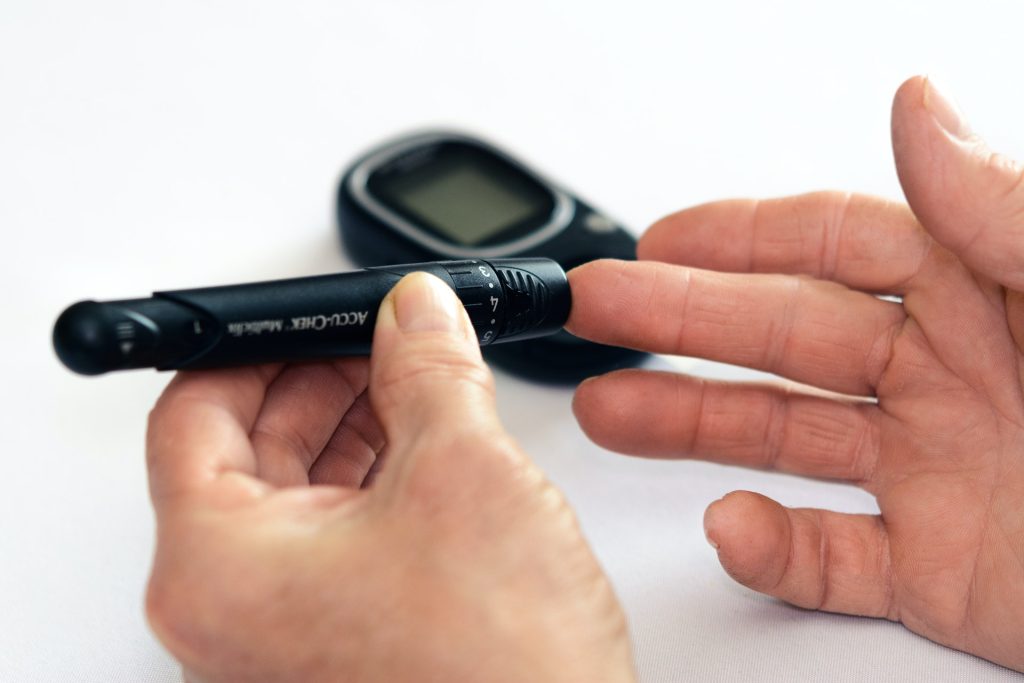
A team of researchers have developed a miniscule device that allows them to implant insulin-secreting cells into diabetic mice, which secrete insulin in response to blood sugar without being destroyed by the immune system.

The findings are published in the journal Science Translational Medicine.

“We can take a person’s skin or fat cells, make them into stem cells and then grow those stem cells into insulin-secreting cells,” said co-senior investigator Jeffrey R Millman, PhD, an associate professor of medicine at Washington University. “The problem is that in people with Type 1 diabetes, the immune system attacks those insulin-secreting cells and destroys them. To deliver those cells as a therapy, we need devices to house cells that secrete insulin in response to blood sugar, while also protecting those cells from the immune response.”

Prof Millman, also an associate professor of biomedical engineering, had previously developed and honed a method to make stem cells and then grow them into insulin-secreting beta cells. Prof Millman previously used those beta cells to reverse diabetes in mice, but it was not clear how the insulin-secreting cells might safely be implanted into people with diabetes.

Prof Millman explained why the new device’s structure was so important.

“The device, which is about the width of a few strands of hair, is micro-porous—with openings too small for other cells to squeeze into—so the insulin-secreting cells consequently can’t be destroyed by immune cells, which are larger than the openings,” he said. “One of challenges in this scenario is to protect the cells inside of the implant without starving them. They still need nutrients and oxygen from the blood to stay alive. With this device, we seem to have made something in what you might call a Goldilocks zone, where the cells could feel just right inside the device and remain healthy and functional, releasing insulin in response to blood sugar levels.”

Millman’s laboratory collaborated with researchers from the laboratory of Minglin Ma, PhD, an associate professor of biomedical engineering at Cornell and the study’s other co-senior investigator. Prof Ma has been working to develop biomaterials that can help implant beta cells safely into animals and, eventually, people with Type 1 diabetes.

In recent years a number of implants have been tried to varying degrees of success. For this study, the team led by Prof Ma developed a nanofibre-integrated cell encapsulation (NICE) device. They filled those implants with insulin-secreting beta cells grown from stem cells and then implanted the devices into the abdomens of diabetic mice.

“The combined structural, mechanical and chemical properties of the device we used kept other cells in the mice from completely isolating the implant and, essentially, choking it off and making it ineffective,” Prof Ma explained. “The implants floated freely inside the animals, and when we removed them after about six months, the insulin-secreting cells inside the implants still were functioning. And importantly, it is a very robust and safe device.”

The cells in the implants continued to secrete insulin and control blood sugar in the mice for up to 200 days — even without any immunosuppressive drugs being administered.
“We’d rather not have to suppress someone’s immune system with drugs, because that would make the patient vulnerable to infections,” Prof Millman said. “The device we used in these experiments protected the implanted cells from the mice’s immune systems, and we believe similar devices could work the same way in people with insulin-dependent diabetes.”

Profs Millman and Ma stress that a considerable amount of work is needed before the device can be trialled in a clinical setting.

Source: Washington University School of Medicine in St Louis

Journal information: X. Wang et al., “A nanofibrous encapsulation device for safe delivery of insulin-producing cells to treat type 1 diabetes,” Science Translational Medicine (2021)

Stronger Immune Systems in Women Protect against Skin Cancer

Photo by rfstudio on Pexels

Women may have a stronger immune response to a common form of skin cancer than men, according to a preliminary study on mice and human cells.

Men develop more skin squamous cell carcinoma (cSCC) than females and their tumours are more aggressive, though it is not clear if this is related to sunlight exposure. Using mouse models to answer the question, they found that male mice developed more aggressive tumours than females, despite receiving identical treatments.

In female mouse skin and tumours, the immune cell infiltration and gene expression related to the anti-cancer immune system were increased, suggesting a protective effect of the immune system.

In keeping with the animal study, 931 patient records collected from four hospitals in Manchester, London and France, the researchers identified that while women commonly have a more mild form of cSCC compared to men, immunocompromised women developed cSCC in a way more similar to men

That suggests the protective effect of their immune system may have been compromised.

These results were confirmed in a further cohort of sun-damaged skin from the US. In this cohort, human epidermal cells confirmed women’s skin activated immune-cancer fighting pathways and immune cells at sites damaged by sunlight.

The US cohort also that showed CD4 and CD8 T cells, which are important in our immune response to skin cancer, were twice as abundant in women as in men.

The researchers used RNA sequencing to examine differences in male and female immunosuppressed mice and human skin cells.

“It has long been assumed that men are at higher risk of getting non-melanoma skin cancer than women” said Dr Amaya Viros, from The University of Manchester.

“Other life-style and behavioural differences between men, such as the type of work or exposure to the sun are likely to be significant.

“However, we also identify for the first time the possible biological reasons, rooted in the immune system, which explains why men may have more severe disease.

“Although this is early research, we believe the immune response is sex-biased in the most common form of skin cancer, and highlights that female immunity may offer greater protection than male immunity.”

Dr Viros added: “We can’t yet explain why women have a more nuanced immune system than men.

“But perhaps it’s reasonable to speculate that women’s evolutionary ability to carry an unborn child of foreign genetic material may require their immunological system to be very finely tuned and have unique skills.

“Very little is known about how sex differences affect incidence and outcome in infectious diseases, autoimmune disorders and cancer. More work needs to be done. But we feel this study has opened a window into this area, and could one day have important implications on other types of immunologically based diseases.

“And it suggests if doctors are to offer personalised treatment of cancer, then biological sex should be one of the factors they take into account.”

Commenting on the study, Dr Samuel Godfrey, Research Information Manager at Cancer Research UK said: “Research like this chips away at the huge question of why people respond to cancer differently. Knowing more about what drives immune responses to cancer could give rise to new treatment options and show us a different perspective on preventing skin cancer.”

Source: Medical Xpress

Journal information: Timothy Budden et al, Female Immunity Protects from Cutaneous Squamous Cell Carcinoma, Clinical Cancer Research (2021). DOI: 10.1158/1078-0432.CCR-20-4261

Tobacco Industry Linked to Disproven COVID ‘Protective Effect’ of Nicotine

Photo by Sara Kurfeß on Unsplash

An investigation by The BMJ uncovered undisclosed financial links between certain authors and the tobacco and e-cigarette industry in a number of COVID research papers, which had suggested that smokers were less likely to develop COVID. 

In April 2020, two French studies (in preprint and not yet peer reviewed) suggested that nicotine might have a protective effect against COVID, which was coined the ‘nicotine hypothesis’.

The studies were reported on widely by the media, causing fears that it could undermine decades of tobacco control. What should have been an opportunity for promoting cessation of this practice which every year kills five million people around the world.

Since then, the ‘nicotine hypothesis’ has been soundly disproved, with several studies showing that, to the contrary, smoking is associated with an increased chance of COVID related death.

Journalists Stéphane Horel and Ties Keyze investigated the circumstances of these reports. They pointed out that one of the study authors, Professor Jean-Pierre Changeux, has a history of receiving funding from the Council for Tobacco Research, whose purpose was to fund research that would cast doubt on the dangers of smoking and focus on the positive effects of nicotine.

From 1995 to 1998, documents from the tobacco industry show that Changeux’s laboratory received $220,000 (£155,000; €180,000) from the Council for Tobacco Research.

When approached by The BMJ, Changeux assured them that he has not received any funding linked “directly or indirectly with the tobacco industry” since the 1990s.

In late April 2020, Greek researcher Konstantinos Farsalinos was the first to publish the ‘nicotine hypothesis’ formally in a journal, in an editorial in Toxicology Reports.

That journal’s editor in chief, Aristidis Tsatsakis was a co-author, as was A Wallace Hayes, who in 2013 had been a member of Philip Morris International’s scientific advisory board, and had served as a paid consultant to the tobacco company.

Another co-author is Konstantinos Poulas, head of the Molecular Biology and Immunology Laboratory at the University of Patras, where Farsalinos is affiliated.

The laboratory has been receiving funding from Nobacco, the market leader in Greek e-cigarettes and the exclusive distributor of British American Tobacco’s nicotine delivery systems since 2018. However, in their published scientific articles, neither Farsalinos nor Poulas had ever declared this Nobacco funding.

Yet the journalists showed that two grants were attributed in 2018 by the Foundation for a Smoke Free World—a non-profit established by tobacco company Philip Morris International in 2017—to ‘Patras Science Park’.

The grants, which according to tax documents came close to €83 000, went to NOSMOKE, a university start-up incubator headed by Poulas, which markets an ‘organic’ vaping product.

Last month, the European Respiratory Journal retracted a paper with Poulas and Farsalinos as co-authors, after two other authors failed to disclose conflicts of interest.

The retracted article had found that “current smoking was not associated with adverse outcome” in patients admitted to hospital with COVID, and it claimed that smokers had a significantly lower risk of acquiring the virus.

The foundation has invested heavily in the COVID/nicotine hypothesis, said Horel and Keyzer.

In June 2020 it set aside €900 000 for research “to better understand the associations between smoking and/or nicotine use, and COVID-19 infection and outcome.”

Its request stated that the pandemic offered “both an opportunity and a challenge for individuals to quit smoking or transition to reduced risk nicotine products.”

They concluded that, in 2021, “amid a global lung disease pandemic, tobacco industry figures are increasingly pushing the narrative of nicotine as the solution to an addiction that they themselves created, with the aim of persuading policy makers to give them ample room to market their “smoke-free” products. This makes studies on the hypothetical virtues of nicotine most welcome indeed.”

Source: Medical Xpress

Article information: Covid 19: How harm reduction advocates and the tobacco industry capitalised on the pandemic to promote nicotine, The BMJ, DOI: 10.1136/bmj.n1303 , www.bmj.com/content/373/bmj.n1303

Researchers Discover that Humans can Readily Develop Echolocation Ability

Photo by Pawel Czerwinski on Unsplash

The ability for humans to sense their surrounding space with reflected sounds might sound like a superhero’s ability, but it is a skill that is developed by some blind people, who use clicks as a form of echolocation.

Echolocation is an ability known in dolphins, whales and bat species, which occurs when such animals emit a sound that reflects off objects in the environment, returning echoes that provide information about the surrounding space.

Existing research has shown that some blind people may use click-based echolocation to judge spaces and improve their navigation skills. Armed with this information, a team of researchers led by Dr Lore Thaler explored how people acquire this skill.

Over the course of a 10-week training programme, the team investigated how blindness and age affect learning of click-based echolocation. They also studied how learning this skill affects the daily lives of people who are blind.

Both blind and sighted people between 21 and 79 years of age participated in this study, which provided a training course of 10 weeks. Blind participants also took part in a 3-month follow up survey assessing how the training affected their daily life.

Both sighted and blind people improved considerably on all measures, and in some cases performed as well as expert echolocators did at the end of training. A surprising result was that a few sighted people even performed better than those who were blind.

However, neither age nor blindness limited participants’ rate of learning or in their ability to apply their echolocation skills to novel, untrained tasks.

Furthermore, in the follow up survey, all participants who were blind reported improved mobility, and 83% reported better independence and wellbeing.

Age or vision not a limitation

Overall, the results suggest that the ability to learn click-based echolocation is not strongly limited by age or level of vision. This has positive implications for the rehabilitation of people with vision loss or in the early stages of progressive vision loss.

Click-based echolocation is not presently taught as part of mobility training and rehabilitation for blind people. There is also the possibility that some people are reluctant to use click-based echolocation due to a perceived stigma around  the click sounds in social environments.

Despite this, the results indicate that both blind people who use echolocation and people new to echolocation are confident to use it in social situations, indicating that the perceived stigma is likely less than believed.

Source: Durham University

Journal information: Human click-based echolocation: Effects of blindness and age, and real-life implications in a 10-week training program, PLOS ONE (2021)

First Detection of Zika Viral DNA in African Bats

Image source: Ekamalev at Unsplash

Researchers have, for the first time, detected Zika virus RNA in free-ranging African bats, which indicates that the bats were previously infected with Zika virus at the time the samples were taken. 

This discovery also marks the first time scientists have published a study on the detection of Zika virus RNA in any free-ranging bat.

The findings have ecological implications and raise questions about how bats are exposed to Zika virus in the wild. The study was led by Dr Anna Fagre, a veterinary postdoctoral fellow at Colorado State University’s Center for Vector-Borne Infectious Diseases. The findings were detailed in the journal Scientific Reports.

Dr Fagre said that while other studies have shown that bats are susceptible to Zika virus in controlled experimental settings, detection of nucleic acid in bats in the wild indicates that it was transmitted by bites from infected mosquitoes.

“This provides more information about the ecology of flaviviruses and suggests that there is still a lot left to learn surrounding the host range of flaviviruses, like Zika virus,” she said. Other flaviviruses that cause disease in humans include West Nile and dengue.

Wide-ranging samples

Senior author Rebekah Kading, Assistant Professor at CSU, said she, Dr Fagre and the research team were hoping the project would help them to find out more about potential reservoirs of Zika virus.

With 198 samples from bats gathered in the Zika Forest and surrounding areas in Uganda, the team confirmed Zika virus in four bats representing three species. The samples date back as far as 2009 from different parts of Uganda, which is years before the large Zika outbreaks in 2015 to 2017 in North and South America.

The Zika virus was declared a public health emergency by the World Health Organization in February 2016 owing to its association with the congenital deformities, particularly microcephaly in infants borne to the infected mothers

“We knew that flaviviruses were circulating in bats, and we had serological evidence for that,” said Prof Kading. “We wondered: Were bats exposed to the virus or could they have some involvement in transmission of Zika virus?”

The virus detected by the team in the bats was most closely related to the Asian lineage Zika virus, the strain that caused the epidemic in the Americas following outbreaks in Micronesia and French Polynesia. The Asian lineage Zika virus was in late 2016 first detected in Africa, in Angola and Cape Verde.

“Our positive samples, which are most closely related to the Asian lineage Zika virus, came from bats sampled from 2009 to 2013,” said Prof Fagre. “This could mean that the Asian lineage strain of the virus has been present on the African continent longer than we originally thought, or it could mean that there was a fair amount of viral evolution and genomic changes that occurred in African lineage Zika virus that we were not previously aware of.”

Likely incidental hosts, not reservoirs

Prof Fagre said that the relatively low prevalence of Zika virus found indicates that bats may only be incidental hosts of Zika virus infection, rather than amplifying hosts or reservoir hosts.

“Given that these results are from a single cross-sectional study, it would be risky and premature to draw any conclusions about the ecology and epidemiology of this pathogen, based on our study,” she said. “Studies like this only tell one part of the story.”

The research team also made an assay for the study which focuses on subgenomic flavivirus RNA, sfRNA, which flaviviruses possess. Testing for Zika normally uses PCR, polymerase chain reaction, to identify bits of genomic RNA, the nucleic acid that results in the production of protein, said Fagre.

The team’s next steps will be to characterise how long these RNA fragments persist in tissues, which will allow them to estimate how long ago these bats were infected with Zika virus, Prof Kadling said.

“There is always a concern about zoonotic viruses,” she said. “The potential for another outbreak is there and it could go quiet for a while. We know that in the Zika forest, where the virus was first found, the virus is in non-human primates. There are still some questions with that as well. I don’t think Zika virus has gone away forever.”

Source: Colorado State University

Journal information: Fagre, A. C., et al. (2021) Subgenomic flavivirus RNA (sfRNA) associated with Asian lineage Zika virus identified in three species of Ugandan bats (family Pteropodidae). Scientific Reports. doi.org/10.1038/s41598-021-87816-5.

Gift of The Givers Rescues Hospital by Drilling for Water

Photo by Anandan Anandan on Unsplash

Three weeks into Johannesburg’s water crisis, which has put tremendous strain on hospitals amid the pandemic, Gift of the Givers have said they will drill for water at Rahima Moosa Mother and Child Hospital.

“Having delivered bottled water on 28 and 31 May, Gift of the Givers drilling teams will be arriving at the hospital shortly, having been granted permission by the management and infrastructure team to drill for water,” said Imtiaz Sooliman, founder of the non-governmental disaster response organisation, the largest African one on the continent.

According to the Daily Maverick, Johannesburg Water’s infrastructure woes are the consequence of years of chronic under-funding. In its business plan for the year, the entity has “has an infrastructure renewal backlog of approximately R19.9-billion as a result of underfunding, which has also led to having 25% of the asset base (reservoirs, towers, pipes, etc) that has a remaining useful life of less than 10 years.”

Amidst concerns about knock-on effects on facilities such as Helen Joseph and Rahima Moosa hospitals, Gauteng health department spokesperson Kwara Kekana said that since last week, the hospitals’ management were trying to ease the pressure on the two worst affected facilities by transferring some patients to other hospitals and performing some theatre operations at sister hospitals.

Hospital staff and management had approached Gift of the Givers, requesting bottled water, portable toilets and any means to augment the water tankers arriving daily.

Rahima Moosa is one of the feeder hospitals for the temporarily closed Charlotte Maxeke Hospital and healthcare workers trying to work through a backlog of non-COVID patients between the second and third waves. It couldn’t have come at a worse time, said Sooliman,

“Add to that a desperate community thronging to the hospital in search of drinking water, clearly worsening COVID risk,” he said.

Sooliman said a drilling site had been identified.

“Existing, defunct boreholes will be assessed with a view to resuscitating them while drilling for new boreholes then pumping water directly into the hospital infrastructure using booster pumps and setting up taps outside the hospital for community use once the water has been tested and approved for human consumption,” said Sooliman.

Bottled water from companies will be welcomed while they waited for the work to be completed, he added.

Source: Times Live