Tag: public health

Children Struggle to Recognise Expressions of People with Facemasks

Image by pedro_wroclaw from Pixabay

sA new study has shown that children between the ages of 3 and 5 have difficulty in recognising the emotions of people wearing surgical masks. This collateral effect from this  measure to prevent COVID transmission could influence the correct development of children’s capabilities of social interaction.

To provide guidance for decision-makers, the World Health Organization (WHO) and UNICEF compiled a document discouraging exposure to the use of facemasks when dealing with children aged up to five years old. In addition, even for older children, WHO recommends weighing up the benefits of wearing facemasks in against potential negative impacts that could include social and psychological problems, and difficulties in communication and learning.

To investigate such possible negative impacts, a study was carried out by the U-Vip (Unit for Visually Impaired People) research team led by Monica Gori at the IIT- Istituto Italiano di Tecnologia (Italian Institute of Technology). The findings were published in Frontiers in Psychology.

A research team led by Monica Gori at the Istituto Italiano di Tecnologia (IIT) focused on the pre-school age group, helping define the measures that can be taken to reduce the impact of the use of surgical masks amongst children. While the wearing of facemasks is not mandatory from 3 to 5 years of age, children are in any case exposed to the use of such preventive measures in various everyday social and educational contexts.

The IIT researchers prepared a quiz containing images of people with and without facemasks, and displayed them on screens to 119 individuals comprising 31 children aged between 3 and 5 years old, 49 children between 6 and 8 years old, and 39 adults between 18 and 30 years old. The participants, independently or with parental assistance in the case of the youngest participants, were asked to try to recognise the faces’ expressions, with and without facemask, conveying different emotions such as happiness, sadness, fear and anger.

When those faces were covered with a facemask, the 3-5 years olds only managed to recognise facial expressions conveying happiness and sadness 40% of the time. The percentages were higher for other age groups: 6-8 years olds had a 55-65% success rate, and 70-80% adults. Generally, however, all age groups displayed some difficulty in interpreting these emotions expressed while the face was partially covered by a facemask. There were better results with other expressions, but the pre-school age children still had the greatest difficulty.

“The experiment was performed in the earliest phases of the 2020 pandemic, and at that time facemasks were still a new experience for everyone,” said Monica Gori. “Children’s brains are highly flexible, and at the moment we are performing tests to ascertain whether children’s understanding of emotions has increased or not.”

“In the study, we worked with children and adults with no forms of disability”, explained Maria Bianca Amadeo, IIT researcher, “of course, these observations are even more important when considering children affected by disabilities.” 
“Indeed”, added co-author Lucia Schiatti, IIT researcher, “for example visual impairment implies difficulties in social interaction. For such individuals in particular, it will be even more necessary to concentrate on possible preventive measures or specific rehabilitation activities”.

Further research is needed over the next few years to assess the actual impact of this mask wearing on the ability of children with and without disabilities to interact. In the meantime, the findings suggest the use of transparent facemasks for all operators in contact with children in the 3-5 year-old age group, or developing training activities to teach children how to recognise emotions by looking at the eyes.

Source: News-Medical.Net

Journal information: Gori, M., et al. (2021) Masking Emotions: Face Masks Impair How We Read Emotions. Frontiers in Psychology. doi.org/10.3389/fpsyg.2021.669432.

Urgent Vaccine Call as COVID Closes Free State Schools

Photo by Mary Taylor from Pexels


As COVID cases and deaths continue to rise in the Free State, with schools being closed, it is unclear when the province’s teachers will receive their vaccinations.

The deaths of six learners, 75 teachers, and three support staff from COVID have been reported in the Free State since March 2020.

While teachers await their vaccines, COVID still claims lives in the school system – and not just older teachers and staff. Quincy Tsoenyane lost a daughter to COVID-related complications, 18 year-old Nomthandazo Ngcoyi, who was a learner at Lephola Secondary school in Welkom. Nomthandazo was one of 11 learners at the school who tested positive for COVID in May. Tsoenyane, who is a father to two surviving children, said it pains him to know that his daughter got sick at school.

According to the Department of Basic Education (DBE), Nomthandazo developed a cough at school and was tested for COVID along with other learners. On 19 May, she tested positive and was sent home to self-isolate. She died at home six days later.

A rare case

Dr Cloete van Vuuren, an Infectious Disease Specialist in the Department of Internal Medicine at the University of Free State, said that Nomthandazo’s death is a rare case as it is uncommon for young people to die from the SARS-CoV-2 virus.

The DBE figures show that since March 2020, the Free State has recorded a total of 2101 positive cases among teachers in schools: 1377 among learners, and 461 among non-teaching staff. Outbreaks of COVID cases have forced several shutdowns of Free State schools.

Holding out for vaccines

As COVID numbers climb in Free State schools, teaching federations and unions are urging that teachers be vaccinated as soon as possible.

From 26 July, children from Grades R to 7 will return to in-person classes. In a media statement, the National Professional Teachers Organisation of South Africa (Naptosa) said that they are pleased to hear that the education sector will receive 500 000 doses of the Johnson & Johnson vaccine.

However, the union said they are still in limbo because the doses must still require verification by the Food and Drug Administration (FDA) and will expire on 28 July.

As of Thursday, there were 591 new COVID cases in Free State, with a new case incidence rate of 17.8 per 100 000 people.

Teachers need to protect themselves and others

Dr Kerrin Begg, Public Health Specialist in the Faculty of Health Sciences at the University of Cape Town reminded teachers that although it is understandable for them to be anxious about the vaccination, each and every person has the responsibility to educate themselves.

“Teachers need to be teaching themselves about the virus just like they do in their everyday line of work of teaching children.

“At the Colleges of Medicine of South Africa, we have produced school guidelines on measures to take to reduce the transmission of COVID in the school environment,” she said. She said that socialising outside of class was where most of the transmission took place, and that learners now no longer adhered to social distancing.

“We remind parents and teachers to remember that protecting themselves is not to be practiced during school hours only, but there are three major focal points of transmission which are before, during, and after school hours.

“Teachers need to understand that the environment of the classroom is very important. Fresh air is better than artificial air, outside is better than inside. Schools also need to continue to promote personal and physical distancing, and hygiene measures daily,” Dr Begg said.

Source: Spotlight

Lifestyle Changes Shown to Reduce Risk of Dementia

Photo by Ketut Subiyanto from Pexels

After almost two decades, a new drug for Alzheimer’s disease has been approved in the US. However, some experts say it doesn’t really work — only treating amyloid plaques which are thought to cause the disease — and worry that it may cost a lot.

The amount of attention around this news reflects the importance of preventing dementia, with its devastating toll on families and patients. But millions of adults could lower their chances of needing such a drug by taking preventative measures.

That’s why a national panel of experts including the University of Michigan’s Deborah Levine, MD, MPH, recently published a guide for primary care providers on this topic as an official Scientific Statement from the American Heart Association.

People dread Alzheimer’s disease, she said. Helping people understand that they can prevent or slow future dementia by taking specific steps now could motivate them to increase their healthy behaviours for a positive effect.

The first step is to recognise that dementia risk is higher among people with seven major modifiable risk factors.

These are: depression, hypertension, physical inactivity, diabetes, obesity, hyperlipidaemia, poor diet, smoking, social isolation, excessive alcohol use, sleep disorders and hearing loss. Addressing each of these factors can, to varying extents, help reduce the risk of developing dementia, a fact backed by decades of research.

The second step is using medication, lifestyle change and other interventions to help patients reduce their dementia risk.

“Dementia is not inevitable,” said Dr Levine, a primary care provider at the University of Michigan Health, part of Michigan Medicine. “Evidence is growing that people can better maintain brain health and prevent dementia by following healthy behaviours and controlling vascular risk factors.”

These strategies can help preserve cognitive function and lower risk for heart attacks and strokes, said Dr Levine, who heads the Cognitive Health Services Research Program and sees patients at the Frankel Cardiovascular Center.

“We need to address the significant disparities that lead women, Black, Hispanic and less-educated Americans to have a much higher risk of dementia,” said Levine, a member of the U-M Institute for Healthcare Policy and Innovation.

She added that it’s never too late in life to start working on cognitive risk factor control.

“We have no treatments that will halt dementia – so it’s important to protect your brain health.”

Source: University of Michigan

WHO Warns of African Third Wave

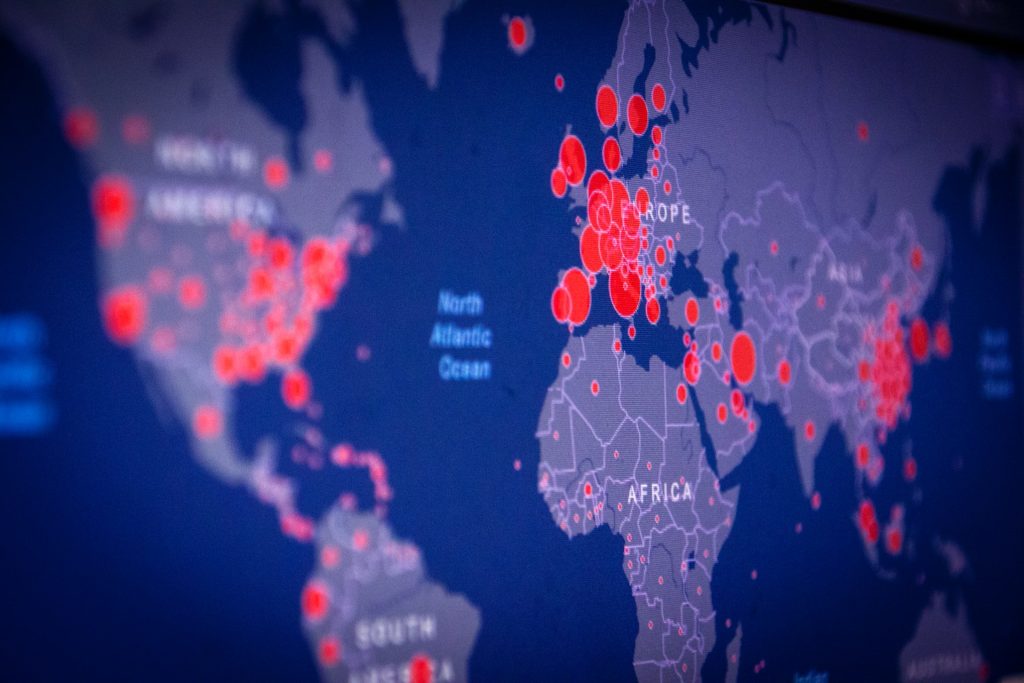
COVID cases map. Photo by Giacomo Carra on Unsplash

A surge in COVID cases in many parts of Africa could mean a continental third wave, the World Health Organization warned, posing a great threat for a continent where immunisation drives have been hamstrung by funding shortfalls and production delays for vaccine doses.

The WHO said that over the last week, test positivity had risen in 14 African countries, with eight reporting a surge of over 30% in new cases. Infections are steadily climbing in South Africa, where four of nine provinces are battling a third wave and the positivity rate was 14.2% as of Sunday. Uganda has also seen sharp increases, with hospitals overwhelmed with COVID patients and a lockdown being considered.

Weak compliance with social restrictions, increasing travel and the arrival of winter is behind the rise in cases, the WHO said. Experts also believe that new variants are also driving the numbers up.

Although Africa has reported less than 3 per cent of global coronavirus cases, the WHO said that the continent accounted for 3.7 percent of total deaths. This is likely an underestimate, given the lack of formal reporting for deaths.

“The threat of a third wave in Africa is real and rising,” said Dr Matshidiso Moeti, WHO regional director for Africa, in a statement. “It’s crucial that we swiftly get vaccines into the arms of Africans at high risk of falling seriously ill and dying of Covid-19.”

While many wealthier countries have vigorous vaccination campaigns and some are on track to fully reopen, many of Africa’s poorer countries face a huge challenge in accessing vaccines.

Out of 1.3 billion people on the continent, only 31 million have received at least one dose, Dr Moeti said, and only seven million are fully vaccinated. Just 1386 people in Kenya have received two doses of a vaccine, out of a population of 50 million.

Countries like Ghana and Rwanda have run through their first deliveries of vaccines through Covax, the global facility working to ensure the equitable distribution of vaccines.

In some countries, vaccine hesitancy has been so high that it even caused stocks of vaccines to expire. Possible contamination in Johnson & Johnson vaccine doses detected at a US manufacturing plant has resulted in yet another delay to South Africa’s immunisation programme.

Meanwhile, fake vaccines and PPE pose another problem; last November a police raid in South Africa found almost 2400 doses of fake vaccine.

The WHO warned that the surge of causes could swamp the limited capacities of healthcare systems. To stave off a full-blown crisis, Dr Moeti urged “countries that have reached a significant vaccination coverage to release doses and keep the most vulnerable Africans out of critical care.”

Only about two per cent of the population has received at least one vaccine dose, compared with the 24 per cent global figure.

“While many countries outside Africa have now vaccinated their high-priority groups and are able to even consider vaccinating their children, African countries are unable to even follow up with second doses for high-risk groups,” said Dr. Moeti. “I’m urging countries that have reached a significant vaccination coverage to release doses and keep the most vulnerable Africans out of critical care.”

Source: UN News

Financial Feasibility of NHI Challenged

Photo by cottonbro from Pexels

Health groups are seeking detailed information on the workings of South Africa’s new National Health Insurance (NHI) scheme, particularly on its financial feasibility.

The Khayelitsha and Klipfonetin health forums said in a presentation to parliament that a proper analysis is necessary to see if South Africa can even afford to fund the NHI. This is a concern that has been echoed by experts. The analysis should also find out if the public trusts the government to be able to deliver an NHI that is fully inclusive of community participation, the forums said.

“There is a view that perhaps we need to be building our public healthcare system as a priority to ensure a successful transition to an NHI Fund,” it said.

The forums also raised concerns around what the NHI will mean for existing healthcare systems – including the future of the country’s medical aids.

“Clarity is needed with respect to how the NHI Bill will address the transition between private medical aids and a universal healthcare system for all.

“The gap between private and public healthcare needs to be bridged and how this is done is important.”

Other critics have also pointed out that the scheme does nothing to address the serious gaps and flaws in South Africa’s healthcare system.

The fate of medical aids

The NHI Bill currently states that when the system is “fully implemented”, services that are paid for by the NHI will not be covered by medical aids.

Discovery Health has said that while it is in general supportive of the structural changes being introduced through the NHI, medical aids should not be limited.

“Our strong view is that limiting the role of medical schemes would be counterproductive to the NHI because there are simply insufficient resources to meet the needs of all South Africans.

“Limiting people from purchasing the medical scheme coverage they seek will seriously curtail the healthcare they expect and demand. It poses the risks of eroding sentiment, and of denuding the country of critically needed skills, and is impacting negatively on local and international investor sentiment and business confidence.”

Crucially, by preventing those who can afford it from using their medical scheme cover, and forcing them into the NHI system, this approach will also have the effect of increasing the burden on the NHI and will drain the very resources that must be used for people in most need, the scheme said. Significantly, there is no indication by government as to how the NHI will be paid for, or whether it can even be afforded, with only mention made to payroll taxes and other revenue streams being tapped.

Source: BusinessTech

Wastewater Analysis Shows KZN in Third Wave

Image source: CDC/Unsplash

Viral load analysis of wastewater suggests that KwaZulu-Natal may already have entered the third wave of COVID infections, according to research by DUT.

The Institute for Water and Wastewater Technology, based at DUT, has been monitoring viral loads of wastewater at the central treatment plant in eThekwini since July 2020, and found a clear correlation between clinical cases and viral loads detected in wastewater.

While clinical cases were reported to be on the increase in KZN since April 20 this year, they had found an increase in wastewater viral load some three weeks earlier.

The Institute for Water and Wastewater noted that the peak of the COVID second wave in South Africa occurred in January with an average of 40 000 cases in KwaZulu-Natal.

Over this period, the researchers measured average viral loads of 4.72 log copies per 100 millilitres at the central wastewater treatment plant. However, over the last four weeks, viral loads have averaged 5.57 log copies per 100 millilitres.

This has led the institute to suggest that there are far more cases than have been reported clinically, with a significant presence of asymptomatic individuals.

A report [PDF] on the third wave by the National Institute for Communicable Diseases indicated that there was a seroprevalence for SARS-CoV-2, a proxy for previous infection, of 30% to 40% after the third wave. This indicates that COVID infections were already widespread, and lends credence to the institute’s notion of extremely widespread asymptomatic cases. Projections for KZN showed a much lower peak for hospital admissions.

Source: Durban University of Technology

Global Warming Drives a Third of Heat-related Deaths

Photo by Kouji Tsuru on Unsplash

While the COVID pandemic will eventually die down, the health threat from global warming will only increase as long as countries fail to control their emissions. Between 1991 and 2018, more over of all deaths in which heat played a role were attributable to human-induced global warming, according to a groundbreaking new study.

Global warming is impacting human health in a number of ways, from direct effects linked to wildfires and extreme weather, to changes in the spread of vector-borne diseases. One of the most striking ways is in the increase in heat-associated mortality and morbidity. Climate projections predict a rise in average global temperature, with extreme events such as heatwaves adding to future health burden. However, until now no research has been conducted into what extent these impacts have already occurred in recent decades until now. Research to answer these questions was led by the London School of Hygiene & Tropical Medicine (LSHTM) and the University of Bern within the Multi-Country Multi-City (MCC) Collaborative Research Network. 

This new study focused on man-made global warming through a ‘detection & attribution’ study that identifies and attributes observed phenomena to weather and climate changes. Specifically, the team examined past weather conditions simulated under scenarios with and without anthropogenic emissions. This enabled the researchers to separate the warming and related health impact linked with human activities from natural trends. Heat-related mortality was defined as the number of deaths attributed to heat, occurring at exposures higher than the optimum temperature for human health, which varies across locations.

Published in Nature Climate Change, the study used data from 732 locations in 43 countries around the world. For the first time, it shows the actual contribution of man-made climate change in increasing mortality risks due to heat.

The study estimates that 37% of all heat-related deaths in the recent summer periods were attributable to the warming of the planet due to human activities. These deaths were highest in hot regions such as Central and South America (up to 76% in Ecuador or Colombia, for example) and South-East Asia (between 48% to 61%).

Estimates also showed the number of deaths from human-induced climate change that occurred in specific cities; 136 additional deaths per year in Santiago de Chile (44.3% of total heat-related deaths in the city), 189 in Athens (26.1%), 172 in Rome (32%), 156 in Tokyo (35.6%), 177 in Madrid (31.9%), 146 in Bangkok (53.4%), 82 in London (33.6%), 141 in New York (44.2%), and 137 in Ho Chi Minh City (48.5%).

The authors said their findings bolster evidence in favour of adopting strong mitigation policies to reduce future warming, and to implement interventions to protect populations from the adverse consequences of heat exposure.

First author Dr Ana M Vicedo-Cabrera, from the University of Bern, said: “We expect the proportion of heat-related deaths to continue to grow if we don’t do something about climate change or adapt. So far, the average global temperature has only increased by about 1°C, which is a fraction of what we could face if emissions continue to grow unchecked.”

While on average over a third of heat-related deaths are due to human-induced climate change, there is considerable regional variation. Climate-related heat casualties range from a few dozen to several hundred deaths each year per city, as shown above, depending on the local changes in climate in each area and the vulnerability of its population. Populations living in low and middle-income countries are those most affected yet produce the least global warming emissions.

Senior author Professor Antonio Gasparrini from LSHTM, and coordinator of the MCC Network, said: “This is the largest detection & attribution study on current health risks of climate change. The message is clear: climate change will not just have devastating impacts in the future, but every continent is already experiencing the dire consequences of human activities on our planet. We must act now.”

The authors acknowledge limitations of the study include a lack of empirical data from certain regions such as Africa.

Source: London School of Hygiene and Tropical Medicine

Journal information: Vicedo-Cabrera, A.M., et al. (2021) The burden of heat-related mortality attributable to recent human-induced climate change. Nature Climate Change. doi.org/10.1038/s41558-021-01058-x.

Reviewing 50 Years of Progress in Women’s Health

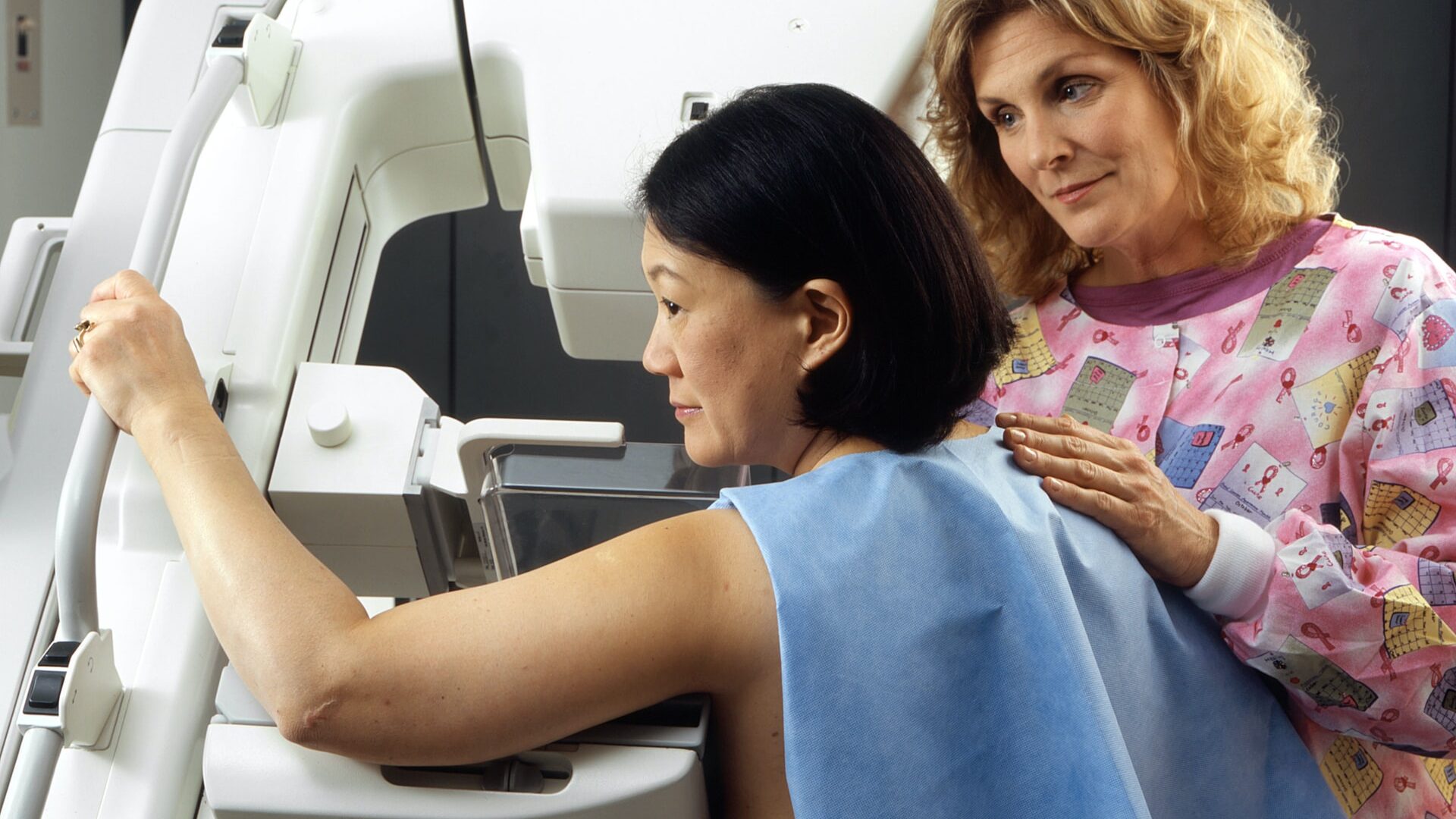
Woman receiving a mammogram. Photo by National Cancer Institute on Unsplash

As abortion comes under threat in the United States, a perspective article looks back at the progress made in women’s health, seeing significant improvements in areas like equitable access to health care and survivorship.

However, the article’s authors argue there is still a long road ahead, despite all of the progress.

The United States, for example, still has the highest rate of maternal death among high-income countries, particularly among African American women.

As the United States Supreme Court prepares to hear a Mississippi abortion case challenging the landmark 1973 Roe v. Wade decision, some experts are questioning whether the progress made in women’s health may be winding back.

Cynthia A Stuenkel, MD, clinical professor of medicine at University of California San Diego School of Medicine, and JoAnn E Manson, MD, DrPH, professor of epidemiology at Harvard TH Chan School Of Public Health, review 50 years of progress in women’s health in a perspective article published online in New England Journal of Medicine.

“Reproductive justice is broader than the pro-choice movement and encompasses equity and accessibility of reproductive health care, as well as enhanced pathways to parenthood,” wrote the authors.

In addition to Roe v. Wade, they authors reviewed advances in reproductive health including:

  • The 1972 US Supreme Court ruling on Eisenstadt vs Baird ensuring unmarried persons equal access to contraception
  • The 2010 Affordable Care Act in the US made contraceptives an insured preventive health benefit
  • The Reproductive technology advances, including in vitro fertilisation, genetic testing and fertility preservation by cancer specialists

Advances in women’s health encompass more than reproduction, the authors wrote. As interest and focus has expanded to all stages of a woman’s life, science has begun to catch up to the specialised needs of women and sex-specific risk factors for chronic diseases that disproportionately affect women’s health, such as autoimmune diseases, mental health, osteoporosis and coronary heart disease.

  • Progress in breast cancer care and prevention resulted in a five-year overall survival rate of 90%
  • The human papillomavirus (HPV) vaccine reduced cervical cancer mortality fell by 50%

“Moving forward, it will be essential to recognise and study intersectional health disparities, including disparities based on sex, race, ethnicity, gender identity, sexual orientation, income and disability status. Overcoming these challenges and addressing these inequities will contribute to improved health for everyone,” wrote the authors.

Source: News-Medical.Net

Journal information: Stuenkel, C. A., et al. (2021) Women’s Health — Traversing Medicine and Public Policy. New England Journal of Medicine. doi.org/10.1056/NEJMp2105292.

Gene Drive to Control Mosquito-borne Disease a Step Closer

Image source: Ekamalev at Unsplash

Scientists have developed a set of tools that will help create a gene drive to control mosquito-borne diseases such as the West Nile virus, which has received less attention than controlling mosquitoes that transmit malaria.

Since the advent of CRISPR genetic editing revolution, scientists have been working to use the technology to develop gene drives that target pathogen-spreading mosquitoes such as Anopheles and Aedes species, which spread malaria, dengue and other life-threatening diseases.

Much less genetic engineering work has focused on Culex genus mosquitoes, which spread devastating afflictions stemming from West Nile virus, as well as other viruses such as the Japanese encephalitis virus (JEV). Culex mosquitoes are a significant health risk in Africa and Asia, where they transmit the worm causing filariasis, a disease that can lead to a chronic debilitating condition known as elephantiasis.

University of California San Diego scientists have now developed a number of genetic editing tools that will help create a gene drive designed to stop Culex mosquitoes from spreading disease. Gene drives are designed to spread modified genes, in this case those that disable the ability to transmit pathogens, throughout the targeted wild population. The new study is published in the journal Nature Communications,

The researchers developed a Cas9/guide-RNA expression ‘toolkit’ designed for Culex mosquitoes. Since so little genetic engineering work has been done on Culex mosquitoes, the researchers were required to develop their toolkit from scratch, starting with a careful examination of the Culex genome.

“My coauthors and I believe that our work will be impactful for scientists working on the biology of the Culex disease vector since new genetic tools are deeply needed in this field,” said Gantz, an assistant research scientist in the Division of Biological Sciences at UC San Diego. “We also believe the scientific community beyond the gene drive field will welcome these findings since they could be of broad interest.”

The researchers also demonstrated the applicability of their tools in other insects.

“These modified gRNAs can increase gene drive performance in the fruit fly and could potentially offer better alternatives for future gene drive and gene-editing products in other species,” said Gantz.

Gantz and his colleagues have now tested their new tools to ensure proper genetic expression of the CRISPR components and are now on the verge of applying them to a gene drive in Culex mosquitoes. This could be used to stop pathogen transmission by Culex mosquitoes, or alternatively employed to suppress the mosquito population to prevent biting.

Source: University of California San Diego

Only 1 in 10 Getting Full Diabetes Care in Developing Countries

 Only 1 in 10 people with diabetes in low- and middle-income countries are getting evidence-based, low-cost comprehensive care proven to reduce diabetes-related problems, according to a study published in Lancet Healthy Longevity

That comprehensive package of care – low-cost medicines to reduce blood sugar, blood pressure and cholesterol levels; and counseling on diet, exercise and weight – can help lower the health risks of under-treated diabetes. Those risks include future heart attacks, strokes, nerve damage, blindness, amputations and other disabling or fatal conditions.

The authors analysed data from recent surveys, examinations and tests of over 680 000 people between 25 and 64 worldwide. More than 37 000 had diabetes; more than half of them had a key biomarker of elevated blood sugar but had not yet received a diagnosis.

The researchers have provided their findings to the World Health Organization, which is developing efforts to scale up delivery of evidence-based diabetes care globally as part of an initiative known as the Global Diabetes Compact. The forms of diabetes-related care used in the study are all included in the 2020 WHO Package of Essential Noncommunicable Disease Interventions.

“Diabetes continues to explode everywhere, in every country, and 80% of people with it live in these low- and middle-income countries,” said lead author David Flood, MD, MSc, a National Clinician Scholar at the U-M Institute for Healthcare Policy and Innovation. “It confers a high risk of complications such as including heart attacks, blindness, and strokes. We can prevent these complications with comprehensive diabetes treatment, and we need to make sure people around the world can access treatment.”

Flood worked with senior author Jennifer Manne-Goehler, MD, ScD, of Brigham and Women’s Hospital and the Medical Practice Evaluation Center at Massachusetts General Hospital, to lead the analysis of detailed global data.

In addition to the main finding that 90% of the people with diabetes studied weren’t getting access to all six components of effective diabetes care, the study also finds major gaps in specific care.

For instance, while about half of all people with diabetes were taking a drug to lower their blood sugar, and 41% were taking a drug to lower their blood pressure, only 6.3% were receiving cholesterol-lowering medications. Less than a third had access to counseling on diet and exercise.

These findings show the need to scale-up proven treatment not only to lower glucose but also to address cardiovascular disease risk factors, such as hypertension and high cholesterol, in people with diabetes.

“Diabetes continues to explode everywhere, in every country, and 80% of people with it live in these low- and middle-income countries. We need to make sure people around the world can access treatment.” David Flood, MD, MSc.

Even when the authors focused on the people who had already received a formal diagnosis of diabetes, they found that 85% were taking a medicine to lower blood sugar, 57% for blood pressure, but only 9% for cholesterol. Nearly 74% had received diet-related counseling, and just under 66% had received exercise and weight counseling.

Taken together, less than one in five people with previously diagnosed diabetes were getting the full package of evidence-based care.

Economy and availability of care

The researchers found that generally, the lower the average income of the country and region,  the less evidence-based diabetes care was available.

The nations in the Oceania region of the Pacific had the highest prevalence of diabetes – both diagnosed and undiagnosed – but the lowest rates of diabetes-related care.

However some low-income countries had higher-than-expected rates of good diabetes care, said Dr Flood. The Latin America and Caribbean region had the second highest diabetes prevalence, but had much higher levels of care than Oceania.

Finding out what the countries with high-performing achievements in diabetes care are doing well could provide valuable insights for improving care elsewhere, the authors said. That even extends to informing care in high-income countries like the United States, which does not consistently deliver evidence-based care to people with diabetes.

The study also highlights differences in diabetes diagnoses in different regions and countries. Access to diagnosis enables people to receive diabetes care.

Women, people with higher levels of education and higher personal wealth, and people who are older or had high body mass index were more likely to be receiving evidence-based diabetes care. Diabetes in people with ‘normal’ BMI is not uncommon in low- and middle-income countries, suggesting more need to focus on these individuals, the authors noted.

The fact that cheap diabetes-related medications are available, and that people can cut risk through lifestyle changes, mean that cost should not be a major barrier, said Flood. In fact, studies have shown that the medications are cost-effective as a preventative measure.

Source: University of Michigan

Journal information: David Flood et al, The state of diabetes treatment coverage in 55 low-income and middle-income countries: a cross-sectional study of nationally representative, individual-level data in 680 102 adults, The Lancet Healthy Longevity (2021). DOI: 10.1016/S2666-7568(21)00089-1