Tag: 1/6/26

Postpartum Psychosis Found to Have a Substantial Genetic Component

Study finds postpartum psychosis is strongly influenced by genetics and reveals links to cholesterol metabolism, immune biology, and psychiatric disorders

Photo by Alina Matveycheva

Researchers at the Icahn School of Medicine at Mount Sinai have uncovered a substantial genetic component to postpartum psychosis, a rare but severe psychiatric illness that occurs in the days to weeks after childbirth. The findings, published May 14 in Molecular Psychiatry, provide new evidence that the condition has a substantial biological and genetic basis and may help guide future research into prediction, prevention, and treatment. 

The study, which combined whole genome sequencing with population-level family data, identified rare damaging mutations in the gene HMGCR as associated with increased risk for postpartum psychosis. The researchers also found significant genetic overlap between postpartum psychosis and bipolar disorder, schizophrenia, and several autoimmune diseases, including rheumatoid arthritis, Sjögren’s syndrome, myasthenia gravis, and Crohn’s disease. 

Postpartum psychosis affects approximately 1 in 1000 mothers and is considered a psychiatric emergency because of the elevated risk of suicide and infanticide. Symptoms can include delusions, hallucinations, severe mood changes, confusion, and disorganised behaviour. 

“Our findings show that postpartum psychosis is a biological illness with a substantial genetic basis,” said Behrang Mahjani, PhD, Assistant Professor in the Departments of Psychiatry, Genetics and Genomic Sciences and Artificial Intelligence and Human Health at the Icahn School of Medicine and senior author of the paper. “It is not a parenting failure or a personal weakness, and women affected by it deserve the same medical seriousness afforded to other severe illnesses.”  

This condition has historically been understudied, particularly at the genetic level, and we hope these results help move the field toward a more mechanistic understanding of why some women become vulnerable during the postpartum period.” 

The study estimated that approximately 55 percent of risk for postpartum psychosis is attributable to inherited genetic factors based on family data, while whole genome sequencing analyses estimated heritability from common genetic variants at approximately 46 percent. 

Researchers were particularly surprised by the identification of HMGCR, which encodes the rate-limiting enzyme in cholesterol biosynthesis. The study also revealed broader-than-expected overlap between postpartum psychosis and immune-related conditions. Researchers say the findings are consistent with longstanding clinical observations that autoimmune disease activity often changes during the postpartum period and suggest that immune biology may play a role in the illness. 

“Cholesterol biosynthesis was not a pathway we had anticipated, but once HMGCR emerged, the biology became highly coherent in light of the changing dynamics of cholesterol during and after pregnancy, because cholesterol serves as the precursor for steroid hormone synthesis and prior reports linking low serum cholesterol to first episode psychosis and suicidal behaviour,” said Dr Mahjani. “The postpartum period is marked by dramatic hormonal and metabolic shifts, and this gene sits directly within pathways affected during that transition.” 

The research, with analyses performed by Seulgi Jung, PhD, a postdoctoral fellow in the Mahjani Lab at Mount Sinai, is the first study to apply whole genome sequencing to postpartum psychosis, allowing investigators to examine rare damaging mutations across the genome rather than focusing solely on common genetic risk variants. The team combined data from Swedish national health registers with genomic information from the National Institutes of Health’s All of Us Research Program, enabling researchers to study one of psychiatry’s rarest and least understood conditions at an unprecedented scale. 

“It is important to understand that multiple genes are involved in postpartum psychosis and that HMGCR can be used as a research tool for further scientific discovery,” said Veerle Bergink, MD, PhD, Director of the Women’s Mental Health Research Center at Mount Sinai and an author of the paper.  

Future work will focus on expanding sample sizes and improving ancestral diversity. The team is now pursuing functional studies of HMGCR and other candidate genes in neuronal and immune cell models relevant to pregnancy and the postpartum period. Researchers also plan to integrate genetic findings with hormonal and immunological changes associated with childbirth to better understand why the illness emerges during such a tightly defined window. 

“In the long term, our goal is to understand postpartum psychosis well enough to predict it, prevent it where possible, and develop treatments that target the underlying biology rather than symptoms alone,” said Dr Bergink. 

The investigators also emphasized the importance of large-scale collaborative research infrastructure in enabling discoveries for rare conditions. 

“This work would not have been possible without the NIH’s All of Us Research Program and the participants who contributed their data,” said Dr. Mahjani.  “For rare and historically neglected illnesses such as postpartum psychosis, equitable access to large genomic datasets is essential for scientific progress.” 

Source: Mount Sinai
Indigenous Plant Study Opens New Path in Cancer Treatment Research

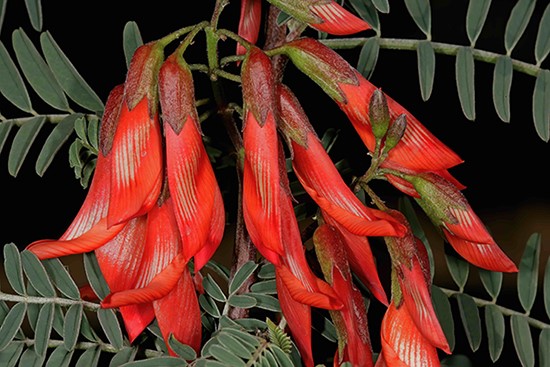
Prof. Chrisna Gouws and her team have been researching cancer bush for five years. Lessertia frutescens, commonly known as cancer bush.

by Phenyo Mokgothu

A plant long used in traditional medicine is now at the centre of research that could shape future cancer treatment options in South Africa and beyond.

Researchers at the North-West University(NWU) are investigating the anti-cancer potential of Lessertia frutescens, commonly known as cancer bush, after laboratory studies showed activity against several forms of cancer, including drug-resistant small cell lung cancer and colorectal cancer.

According to Prof Chrisna Gouws, a research professor in the Centre of Excellence for Pharmaceutical Sciences in the Faculty of Health Sciences, the research team tested extracts from the indigenous plant on cultured human cancer cells and more advanced laboratory-grown “mini-tumours” known as spheroids.

Lessertia frutescens has shown significant anticancer activity against several different cancer types in our research,” she says.

Targeting cancers considered incurable

She says the findings became more important when the team observed activity in cancers that no longer respond to conventional treatment.

“What is very interesting and exciting is the apparent activity in drug-resistant cancers such as resistant small cell lung cancer where known chemotherapies have limited to no activity,” Prof. Gouws says.

“This provides us with new avenues to investigate for treatment options to treat cancers currently considered incurable.”

The research team said another factor attracting attention is the plant’s longstanding use in traditional medicine and its safety profile.

“An important consideration is that this plant has a long history of use and is considered non-toxic and safe for use,” Prof. Gouws says.

“It’s anticancer activity comes without the significant side-effects known to occur with most standard chemotherapies.”

Other systems in the body may benefit

Researchers also found that the plant may support other systems in the body during treatment.

Lessertia has known boosting effects for the digestive and immune systems, and it can have mood-enhancing activities as well,” she says.

“It may therefore not only target the cancer but positively impact the patient as a whole at the same time.”

The team is now studying the plant’s phytochemicals to identify the molecules responsible for the anticancer activity and understand how they work.

“Although many molecules have been identified and shown to contribute to the anticancer activity of the plant, the mechanism of action remains mostly unclear,” says Prof. Gouws.

“We are therefore delving deeper now to try and understand how and why this plant works.”

The next phase of the study will include animal model testing later this year to confirm safety and efficacy before future clinical trials can be considered.

At the same time, the researchers are developing a complementary medicine product that may be available in pharmacies by 2027.

Prof. Gouws says the project could also create economic opportunities.

“Chemotherapy can be very expensive and inaccessible in rural areas. A new plant-based treatment will be much more cost-effective and may be more accessible because it can be manufactured locally,” she says. “An increase in demand for the plant material will also create economic opportunities through farming.”

More about Prof Chrisna Gouws

Prof Gouws leads the strategic project for Human-Based New Approach Methodologies for Biomedical Research. She holds a PhD in biochemistry and has more than 15 years’ experience in utilising cell culture-based models for human health and disease research, including developing new complex in vitro models for applications in drug research, including traditional medicinal remedies and plant materials for cancer treatment.

She is the founder and executive committee chair for the Society for Advanced Cell Culture Modelling for Africa, a board member of International Microphysiological Systems Society, and co-editor of the NAM Journal.

Source: North-West University

Low Vitamin D Levels Linked to More Pain After Breast Cancer Surgery

Patients with vitamin D deficiency may benefit from supplements before operations

Photo by Tima Miroshnichenko on Pexels

Vitamin D deficiency is associated with more moderate to severe pain following breast cancer surgery and an increased consumption of opioid drugs, finds research published online in the journal Regional Anesthesia & Pain Medicine. Breast cancer patients with low levels of vitamin D (below 30nmol/L) may benefit from taking supplements before undergoing a radical mastectomy, suggest researchers.

There is emerging evidence suggesting that vitamin D helps control how pain is felt and processed by the body. This is likely due to its anti-inflammatory effects and action on the immune system. Vitamin D deficiency is also commonly reported among patients with breast cancer. A team of researchers set out to examine the relationship between vitamin D deficiency and postoperative pain in patients undergoing breast cancer surgery.

Their prospective observational study, carried out at Fayoum University Hospital in Egypt between September 2024 and April 2025, included 184 breast cancer patients who were scheduled to undergo surgical removal of one entire breast.

Half of the patients were classified as vitamin D deficient (below 30 nmol/L) and half were classified as vitamin D sufficient (above 30nmol/L). Both groups had similar characteristics with an average age of 44 in the vitamin D deficient group and 42 in the vitamin D sufficient group.

Patients were managed according to the hospital’s routine protocol both during and after surgery. Clinical staff involved in their care were unaware of the patients’ vitamin D levels.

The opioid fentanyl was administered during the operation to manage acute pain. Following surgery, all patients were given paracetamol through a drip every 8 hours. In addition, patients could control how much tramadol (another opioid analgesic) they were given by directly pressing a button.

Patients reported their pain levels at zero, 6 hours, 12 hours, 18 hours and 24 hours after surgery. Nausea and vomiting, sedation score and days in hospital following surgery were also recorded.

Patients with vitamin D deficiency were three times more likely to report moderate to severe postoperative pain at any time point during the first 24 hours than those with sufficient vitamin D levels, the study found.

The researchers noted, however, that no patient in either group reported severe pain (7 or over on a scale of 0 to 10) so the difference was due entirely to a reduction in moderate pain (4-6 on the pain scale).

Vitamin D deficient patients received, on average, 8 μg more fentanyl during surgery, which the researchers described as a modest difference.

However, the study found those in the vitamin D deficient group used substantially more tramadol (112mg) after surgery than those who had sufficient vitamin D levels. This strong opioid was controlled directly by the patient up to a maximum dose of 50mg per hour.

Opioid drugs can cause a number of side effects including nausea, vomiting, drowsiness and confusion, while also carrying risks of dependency and addiction.

Postoperative nausea was more common in the vitamin D deficient group, and vomiting occurred only in that group, although the difference in vomiting was small and not statistically significant.

The study had some limitations. It was observational and conducted at a single centre, so no firm conclusion can be drawn about cause and effect. The researchers also did not assess inflammatory markers so could not explore the mechanisms underlying the relationship between vitamin D and pain. Data was also not collected on anxiety, depression, cancer stage, treatment or sleep disturbance before the surgery was carried out.

Nevertheless, the researchers conclude, “Vitamin D deficiency is associated with a higher occurrence of moderate to severe postoperative pain and increased opioid consumption in patients undergoing unilateral modified radical mastectomy.”

They suggest, “Preoperative vitamin D supplementation in breast cancer patients with vitamin D levels below 30 nmol/L may have a role in modulating postoperative pain.”

Source: The BMJ Group

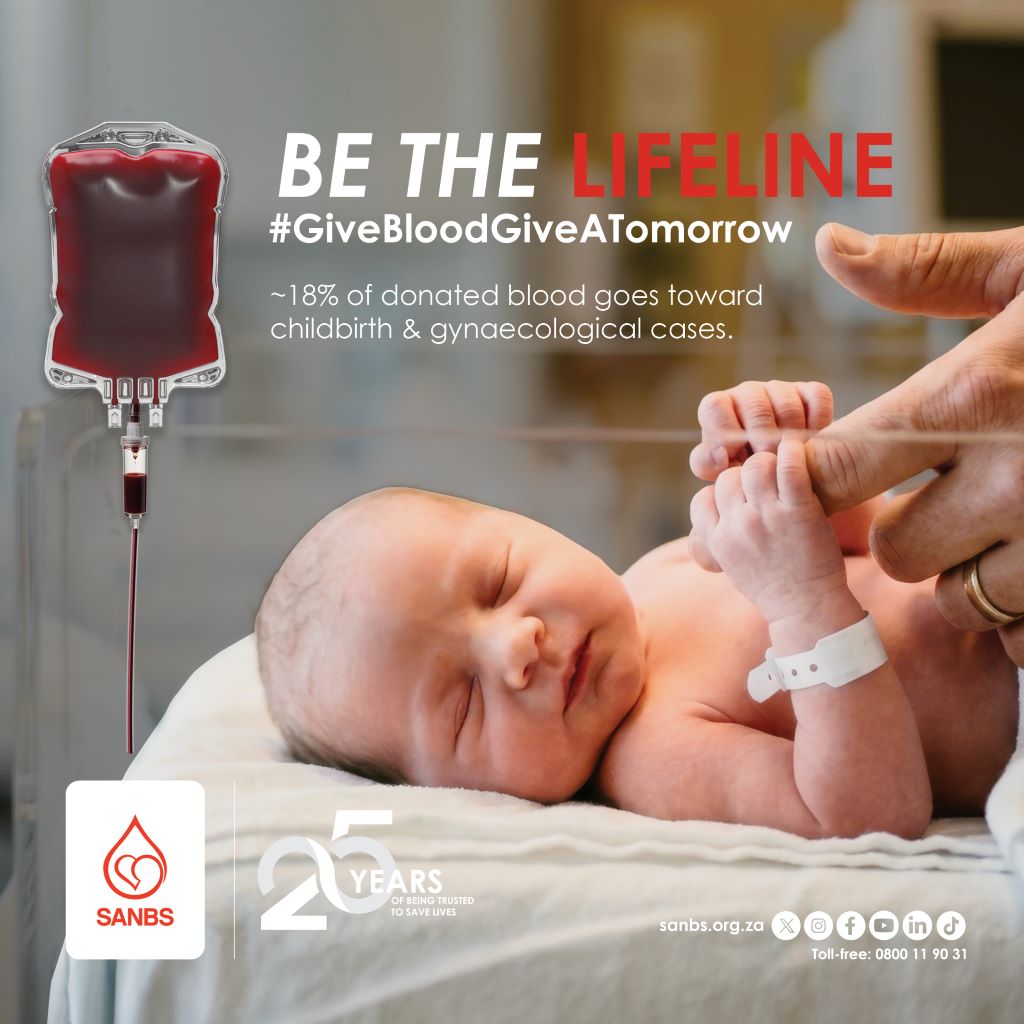
SANBS Launches “Be The Lifeline” Campaign to Honour 25 Years of Saving Lives Through Blood Donation this World Blood Donor Day

Johannesburg, 1 June 2026 – As the world prepares to commemorate World Blood Donor Day on 14 June, the South African National Blood Service (SANBS) is honouring the thousands of South Africans whose selfless blood donations continue to save lives every day.

Recognising June as a globally significant month for blood donor awareness, SANBS is proud to launch its bold new campaign, “Be The Lifeline – Give Blood. Give A Tomorrow.” The campaign forms part of this year’s World Blood Donor Day observance. It marks a dual milestone: celebrating 25 years of SANBS as a trusted lifeline for the nation, while paying tribute to the ordinary South Africans who have become extraordinary lifelines for patients and families across the country.

For SANBS, the campaign is a powerful reminder that behind every unit of blood donated is a future still unfolding.

From mothers safely holding their newborn babies for the first time, to accident victims receiving urgent emergency care, cancer patients continuing treatment, and children overcoming life-threatening illnesses, blood donors are the unseen force helping to protect countless tomorrows.

A tomorrow where a young adult learns to drive and experiences independence for the first time.

A tomorrow where a small business owner opens the doors to their first coffee shop.

A tomorrow where a child nervously walks into their first day of school.

Each moment made possible because someone chose to give blood.

According to SANBS CEO, Ravi Reddy, World Blood Donor Day serves as a powerful reminder of the impact of every donation.

“For 25 years, South Africans have consistently shown extraordinary generosity through blood donation. Every donor who walks through our doors becomes part of someone else’s tomorrow,” says Reddy. SANBS Reputation and Communication Manager, Sifiso Khoza, echoed this sentiment, highlighting the life-saving power of a single donation.

“World Blood Donor Day reminds us that behind every successful transfusion is a donor who chose to help someone they may never meet,” says Khoza. “Blood donation is one of the most powerful acts of humanity because a single donation can save multiple lives.”

This year’s campaign places a strong emphasis on trust, gratitude and recognition, honouring long-standing donors who have supported SANBS over the years, while encouraging more South Africans – particularly younger generations – to become regular blood donors.

Through the “Be The Lifeline” campaign, SANBS will spotlight real stories of donors, recipients, and healthcare workers whose lives have been transformed through blood donation, reinforcing the deeply human impact behind every unit collected.

Reddy says the organisation’s 25-year milestone extends beyond reflection, serving as a tribute to the millions of South Africans who have contributed to sustaining a reliable national blood supply. “We are deeply grateful to every donor who continues to choose compassion, kindness, and community through blood donation. Their contributions have helped SANBS remain a trusted lifeline for South Africans for the past 25 years,” he says.

As part of World Blood Donor Day, SANBS is calling on all eligible South Africans to join this life-saving legacy by donating blood and helping secure millions of tomorrows for patients in need.

“Blood cannot be manufactured. It can only come from people willing to give a part of themselves to save another life,” adds Khoza. “This World Blood Donor Day, we encourage South Africans to continue being the lifeline that so many patients depend on every day.”