Right side heart failure. Credit: Scientific Animations CC4.0
An early clinical study shows that a new oral drug is safe and well-tolerated in patients with chronic heart failure. The study, led by researchers at Karolinska Institutet, has been published in the scientific journal The Lancet.
Heart failure with reduced pumping capacity means that the heart struggles to pump blood effectively around the body. Despite current treatments, many patients’ condition worsens over time, and existing drugs that strengthen the heart’s contractions can cause serious side effects, such as heart rhythm disturbances and changes in blood pressure.
In the study, researchers investigated a new drug, AC01, which targets the body’s ghrelin receptor. Ghrelin is a hormone that influences metabolism and growth hormone release, and its receptor is also found in heart muscle. AC01 is intended to strengthen the heart’s pumping ability through a different biological mechanism from traditional heart‑stimulating drugs, thereby reducing the risk of side effects.
The study was a randomised, placebo‑controlled phase 1b/2a trial involving 58 patients with stable, chronic heart failure with reduced pumping capacity. Participants received different doses of AC01 or placebo for either seven or 28 days. The main aim was to assess safety and tolerability.
The drug was well tolerated
The results show that the drug was well tolerated. No serious side effects linked to AC01 were reported. The researchers also found no signs of harmful effects on heart rhythm or blood pressure. Exploratory analyses additionally indicated signs of improved heart function, such as increased stroke volume and cardiac output.
“This is an early study with a limited number of patients, but the results suggest that AC01 can be administered safely to people with heart failure. The findings now justify further studies to investigate whether the signals of improved heart function that we have observed can lead to clinical benefit in larger and longer studies,” says Lars Lund, first author and professor at the Department of Medicine, Solna, Karolinska Institutet, and senior consultant cardiologist at Karolinska University Hospital.
Students and dermatologists are determined to find how rosemary and rosemary extract can repair damaged skin without leaving scars
Penn undergraduate student Jiayi Pang (left) and Penn PhD candidate Emmanuel Rapp Reyes (right) found that rosemary can help skin wounds heal without causing scars.
The social media trend touting rosemary and rosemary extract as part of skincare routines is now backed by science. A compound found in rosemary leaves may significantly improve the healing of skin wounds and reduce scarring, according to new research published in JCI Insight from the Perelman School of Medicine at the University of Pennsylvania.
“Many skin injuries end in scars, and in some people, it can lead to long-term cosmetic and even functional issues,” said senior author Thomas Leung, MD, PhD, an associate professor of Dermatology at Penn. “Our findings suggest that rosemary extract, and specifically the antioxidant, carnosic acid, can shift the healing process from scarring to healthy skin regeneration. We don’t have proven ways to consistently do that in humans.”
The hypothesis behind the hype
The inspiration for this study stemmed from an unusual place: TikTok and Instagram. After seeing beauty influencers and other social-media users touting the skin-healing benefits of homemade rosemary extract serums and products with rosemary, Penn undergraduate student Jiayi Pang and Penn PhD candidate Emmanuel Rapp Reyes turned to Leung for expertise. Then, they did what all good scientists do: they went to the lab and ran their own tests.
“We hypothesized there was likely something real behind the hype because rosemary contains many antioxidants,” said Pang, co-lead author of the study. “But we knew in order to really uncover its potential, we needed to prove its healing properties and uncover how exactly it was facilitating healing.”
Conducting the research in mice, the researchers made cream with carnosic acid, a naturally occurring antioxidant mostly existing in rosemary, to accelerate wound closure and restore hair follicles, oil glands, and cartilage. They also found that a particular nerve sensor in the skin previously identified as essential to scarless healing, TRPA1, was critical for stimulating the healing in this instance, too. When tested in mice without the TRPA1 sensor, which previous research from Leung showed is responsible for scarless healing, carnosic cream lost its impact.
“We also identified other herbs, such as thyme and oregano, that may activate TRPA1. But rosemary stood out for its potency and safety,” said Rapp Reyes, co-lead author of the study. “Other natural ingredients, such as mustard oil, or the topical medication imiquimod are known to also stimulate the TRPA1 receptor, but unlike rosemary, those can cause irritation and inflammation,”
The researchers also found a localised effect from rosemary; scarless healing only occurred when carnosic acid cream was applied to the site of the injury but not when it was applied to skin far from the wound.
The team at Penn, however, notes that individuals should speak with their doctors before incorporating rosemary skincare products in their daily regimens or mixing up their own rosemary-based concoctions. Nevertheless, given rosemary’s accessibility and low cost, the researchers hope their findings will inspire further investigation into its use in human wound care, especially for patients at risk of excessive scarring.
“If rosemary is part of your skincare regimen and you think it’s working, it likely is,” said Leung. “I’m proud that the young scientists that led this research sought answers to questions in their everyday lives.”
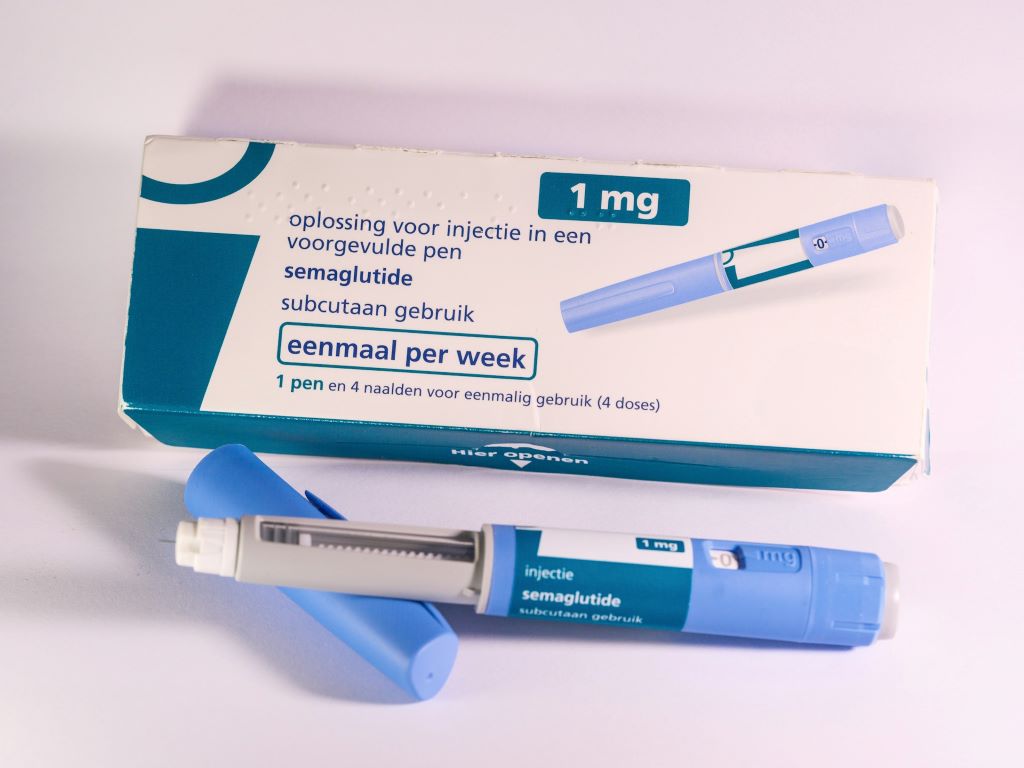
By calming inflammation and reducing excess fat, semaglutide may postpone several molecular signs of aging, pointing to the potential of GLP‑1 receptor agonists to help prevent age‑related diseases.
Semaglutide slowed biological aging across multiple epigenetic clocks in a randomised, double-blind, placebo-controlled clinical trial. The strongest signals were seen in epigenetic measures linked to inflammation, brain, heart, blood, kidney, liver and metabolic health, suggesting that the drug may influence aging-related biology across multiple body systems. The findings offer early clinical evidence that GLP-1 receptor agonists may influence aging biology.
Glucagon-like peptide-1 (GLP-1) receptor agonist medications have gained widespread attention for effectively treating obesity, lowering blood sugar and decreasing the risk of cardiovascular disease. Some researchers have proposed that these drugs may also influence the biology of aging, but direct evidence in humans has remained limited. Now, a new study provides the first randomised, placebo-controlled clinical evidence that semaglutide, a widely used GLP-1 drug, slows down the accumulation of biological aging markers in the DNA of adults with HIV. The study is published in Nature Communications.
Researchers at the University of California San Diego and several partner institutions analysed data from a previously published clinical trial of 108 adults with HIV‑associated lipohypertrophy, a condition in which excess fat builds up around the abdomen. About half of the participants received weekly injections of semaglutide, with the rest receiving placebo injections.
The team used a set of biological “epigenetic clocks” to track cellular aging over the 32-week treatment period. These clocks detect DNA methylation, chemical marks on DNA that help regulate how genes are turned on or off without changing the genetic sequence itself. By measuring changes in these marks, the team could assess whether the treatment was associated with a slower or faster biological aging pattern.
People with HIV often experience accelerated aging, even if it is well-controlled with antiretroviral therapy, according to first author Michael Corley, PhD, associate professor at UC San Diego School of Medicine and the Stein Institute for Research on Aging. However, the study found compared to the placebo group:
Participants treated with semaglutide exhibited a broad pattern of slower biological aging across epigenetic clocks linked to inflammation and blood, brain, heart, kidney, liver and metabolic health.
The drug slowed the pace of biological aging by 9 %, as measured by the DunedinPACE epigenetic clock.
The drug significantly slowed biological processes associated with the risk of all‑cause mortality and age-related disease, as measured by the PCGrimAge epigenetic clock.
Research suggests there are several mechanisms by which semaglutide may influence biological aging. By reducing inflammation and metabolic stress, GLP-1 drugs decreased chronic immune activation, a primary driver of accelerated aging in people with HIV. They also reduce visceral and ectopic fat that accumulates around the abdomen and organs, which may help curb the inflammatory and metabolic signals that promote aging.
“Emerging data also suggest that GLP-1 drugs may reprogram certain cells in different organs, which could help explain why we see effects across multiple aging clocks,” said Corley.
While the study focused on people with HIV‑associated lipohypertrophy, Corley says it may also offer lessons for the wider population.
“Many of the biological processes we study in HIV are also central to aging in the general population,” he said. “Because these processes can emerge earlier or be more pronounced in people with HIV, this community can help us identify interventions that may improve healthspan more broadly.”
In a related pilot study published in npj Aging, Corley and another team of researchers found that taking semaglutide for 24 weeks:
Reduced the rate of biological aging for 42% of participants with HIV and metabolic dysfunction-associated steatotic liver disease (MASLD) as measured by the DunedinPACE epigenetic clock. Those participants also had a greater reduction in liver fat compared with participants whose pace of aging sped up.
Slowed aging associated with the risk of all‑cause mortality in 34% of participants as measured by the PCGrimAge epigenetic clock.
Increased the length of telomeres in nearly 49 % of participants as measured by the PCDNAmTL epigenetic clock. Those participants also tended to walk faster after treatment, suggesting better physical function.
Together, these studies add to growing evidence that GLP-1 drugs may influence pathways involved in biological aging.
“We are not saying that semaglutide reverses aging or makes people younger. What we are seeing is a signal that it may slow some of the biological processes associated with aging.”
— Michael Corley, PhD
“We are not saying that semaglutide reverses aging or makes people younger,” said Corley. “What we are seeing is a signal that it may slow some of the biological processes associated with aging. With newer GLP-1–based therapies now emerging, the field has an opportunity to test whether different drugs in this class have distinct effects on aging biology and to identify which patients may benefit most.”
Larger clinical trials are needed to confirm the findings, determine how long treatment effects last, and establish optimal dosing and treatment duration for both people with HIV and the broader population. Future studies will also be needed to test whether the effects of GLP-1 effects on aging biology are enhanced when combined with lifestyle interventions such as diet, exercise and sleep optimization.
The Stein Institute for Research on Aging plans to translate these results into individualized “aging dashboards” to track biological aging with epigenetic clocks, enabling clinicians to design personalised therapies that target the underlying mechanisms of aging and help prevent age‑related diseases.
Data from more than 91 000 participants in the UK Biobank who wore activity monitors for seven days revealed an association between prolonged sedentary behaviour and the risk of cancer death
Each additional hour of prolonged, uninterrupted sedentary behaviour in a person’s day is associated with a 9% higher risk of cancer death, according to a study published July 2nd in the open access journal PLOS Medicineby Frederick Ho of the University of Glasgow, UK, and colleagues.
Previous studies have shown that spending more total time on sedentary behaviour, such as sitting, reclining or lying down while awake, is linked to poorer health outcomes. However, most sedentary behaviour guidelines focus on total time spent sedentary, rather than whether that time is accumulated in many short intervals or fewer prolonged intervals.
In the new study, researchers analysed data from 91 292 UK Biobank participants who had worn activity monitors for 7 days and were followed for a median of 12.38 years afterward. Activity was categorised as either prolonged sedentary (bouts of at least 30 minutes with at least 90% of time sedentary), interrupted sedentary behaviour (which lasted less than 30 minutes or was broken up with more than 10% non-sedentary time), or varying degrees of physical activity.
Prolonged sedentary behaviour was associated with a higher risk of cancer mortality (HR 1.09; 95% CI 1.06, 1.11), overall cancer incidence, obesity-related cancers (such as oesophageal, liver, kidney, pancreatic, colorectal, breast, ovarian, and thyroid cancers), and type 2 diabetes-related cancers. Interrupted sedentary behaviour showed the opposite pattern, associated with lower risk across all outcomes. Replacing one hour per day of prolonged sedentary behaviour with light physical activity was associated with a 12% lower risk of cancer death (HR 0.88; 95% CI 0.79, 0.99).
As a single-cohort study of UK Biobank volunteers, who have known health volunteer bias and higher physical activity levels than the general UK population, the findings may not be generalisable and do not prove causality. The researchers also had no data on the context of sedentary behaviour, such as whether it was during work or driving.
“Our findings suggest that the health effects of sedentary behaviour may depend not only on total sedentary time, but also on whether that time is accumulated in prolonged bouts or interrupted by activity,” the authors say. “This pattern is biologically plausible: experimental studies have shown that interrupting prolonged sitting with short bouts of activity can improve metabolic responses compared with uninterrupted sitting.”
The authors add, “Current health guidelines focus heavily on moderate or vigorous exercise, but our findings show that light movement shouldn’t be ignored. Moving forward, clinical trials will help us move beyond blanket advice and develop personalised strategies for breaking up sitting time.”
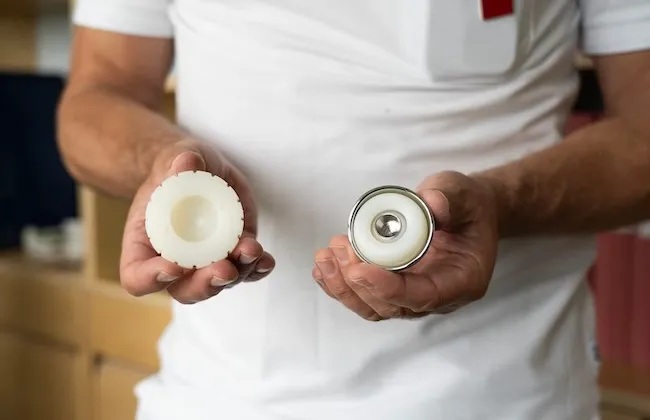
The new implant (to the right) consists of a small ball encased in a larger ball, which gives better stability. Photo: Sandra Gunnarsson. Credit: Queen Mary University of London
A major international clinical trial had found that an emerging type of hip replacement implant dramatically reduces complications in people with pelvic fracture. The study, published in The Lancet, involved 1600 patients across 44 hospitals in the UK and Sweden. The DUALITY trial is the largest clinical trial to compare dual mobility total hip replacements (DM-THR) with standard total hip replacements (THR). The team found that people treated with DM-THR were 70 per cent less likely to experience a dislocation post-surgery – the most common complication after hip replacement for fracture.
A broken hip in older people is one of the most common serious injuries worldwide, affecting more than 14 million individuals each year and accounting for 1.4% of total direct healthcare expenditure in established market economies. The type of hip fracture studied in the DUALITY trial represents approximately half of all hip fractures experienced globally.
A total hip replacement where both the ball and socket of the hip are replaced, is recommended for older, active individuals with some types of hip fracture. For most patients, the procedure improves mobility and quality of life, but dislocation post-surgery can be common and can have serious consequences for those affected. When dislocation occurs, patients often require emergency hospital admission, procedures to reset the joint, and sometimes further surgery. This can lead to longer recovery times, added distress, and increased risk of further health problems.
Dual mobility-THR uses a small ball encased in a much larger plastic ball, and was developed specifically to reduce the risk of dislocation. In the DUALITY trial, the team aimed to establish if DM-THR reduced the risk of dislocation compared to THR. The results showed that the DM-THR implant does improve stability in the hip joint, making it less likely to dislocate after surgery. They found that within one year of surgery, just 1.3 per cent of patients receiving DM-THR experienced a dislocation, compared with 4.2 per cent of those given a standard THR. Importantly, the study found no increase in other risks such as infection or death, and overall complication rates were lower in patients receiving DM-THR.
The researchers conclude that dual mobility implants should be considered the preferred option for suitable older patients undergoing total hip replacement after a broken hip. Crucially, DM-THR requires no new technology or training. Surgeons are already familiar with both implant types, meaning the change could be implemented immediately within existing practice.
Professor Xavier Griffin, study author and Chair of the Centre of Bone and Joint Health at Queen Mary University of London and Honorary Consultant Orthopaedic Surgeon at Barts Health NHS Trust, said:
“Dislocation is the most common major complication following hip replacement for a broken hip. People that experience this painful complication often require further surgery and the recovery following this is usually long, slow and painful. So, it has been an area that I, along with our surgeons around the world, have been wondering if there is any benefit to using these type of hip replacements in people with a broken hip. The fantastic news from DUALITY is that we can make a really substantial reduction in the risk. I hope that this research will make a real difference to many future patents who might avoid this catastrophic problem.
I’ve tried to run similar studies before but never been able to deliver one that is big enough to give us a reliable answer to the question. Meeting the team in Uppsala and making this international collaboration a reality has been a game changer for accelerating how quickly we can discover the answers to these sorts of questions.”
Professor Nils Hailer, study author, Chair of Orthopaedics at Uppsala University and Consultant Orthopaedic Surgeon at Uppsala University Hospital, said:
”After many years of analysing registry data and seeing both advantages and limitations of dual mobility hip replacements, I was eager to obtain solid evidence for or against the concept. Together with colleagues at Queen Mary, we succeeded in delivering a large, pragmatic, orthopaedic randomized trial involving both smaller hospitals and major referral centres across two countries.
“The results provide robust support for the use of dual mobility constructs in hip fracture patients in need of a total hip replacement. Beyond the findings themselves, I believe this collaboration sets a new benchmark for future randomized trials in European orthopaedic research, and we will jointly continue working towards that goal.”
Researchers say that beyond improving outcomes for patients, reducing dislocations could have a significant impact on healthcare systems. Complications such as post-surgery dislocations increase hospital stays, require additional operating time, and drive unplanned readmissions. Although dual mobility implants are currently more expensive than standard implants, researchers believe the reduction in complications could offset the higher upfront cost. A full economic analysis is underway.