Tag: antihypertensives

BP and Cholesterol in Over-40s with Obesity Are Trending to Normal Levels

Credit: Pixabay CC0

Over the last three decades, differences in unhealthy cholesterol levels and blood pressure between older adults with obesity and those with a normal Body Mass Index (BMI) have narrowed or disappeared in several high-income countries, suggests a study published in The Lancet. The authors propose that this trend is due to the greater, and possibly more intensive, use of cholesterol-lowering medication (such as statins) and blood pressure medication in people aged over 40 living with obesity in high-income countries. 

Obesity is known to increase blood pressure and unhealthy cholesterol levels, which can impact cardiovascular health and increase the risk of heart attack, heart failure, and stroke. However, prior to this study, there was little information on blood pressure and cholesterol levels, and how they have changed, for people with obesity compared with people with normal BMI.

Author Prof Majid Ezzati, from the School of Public Health at Imperial College London (UK), says: “Our study suggests that, in high-income countries, taking medication to lower blood pressure and cholesterol has helped middle-age and older adults lower their cardiovascular risk to levels that are similar to people with normal BMI.”

He continues, “At a time that weight-loss medications are becoming more widely used, our results give a picture of the cardiovascular health of people likely to be prescribed them, which allows the healthcare system to understand how blood pressure and cholesterol treatments benefit the population alongside weight-loss medications.”

The study analysed data on blood pressure and cholesterol in people with obesity, overweight, and normal BMI from 110 health datasets including almost one million participants from 1990 to 2024 in seven high-income countries: England, the USA, Japan, South Korea, Taiwan, Thailand and Finland. 

Converging cardiovascular risk markers

The study finds that in the 1990s adults with obesity generally had higher blood pressure and high-density lipoprotein (non-HDL) cholesterol levels [1] than people with a normal BMI.
 
Since 1990, in the majority of the seven countries studied including England and the USA, blood pressure and unhealthy cholesterol fell more steeply among middle-aged and older adults (40–79 years old) with obesity and overweight than among those with normal BMI, narrowing the gap over time. The exceptions were Taiwan and Thailand, which did not see this convergence as universally as other countries.
 
The findings were most striking in older adults (60–79 years old). In England and the USA, older adults with obesity, and especially with severe obesity, had similar or even lower blood pressure and unhealthy cholesterol levels at the end of the study period than older adults with normal BMI.

Heart medication likely driving the convergence

Over the past three decades, people with obesity were more likely to be prescribed cholesterol-lowering medication (such as a statin) and blood pressure medication than those with a normal BMI. 
 
This gap was especially pronounced in older adults. For example, in England and the USA, around 70–72% of older men with severe obesity (BMI ≥35) were taking cholesterol-lowering medication by the early 2020s, compared with 40–48% of older men with a normal BMI.
 
Author Lakshya Jain, from the School of Public Health at Imperial College London (UK), says “This latest analysis suggests that the observed convergence in cholesterol and blood pressure levels between people aged over 40 with obesity and those with a normal BMI is largely due to statins and other widely accessible medications to reduce cardiovascular risk. That is a significant public health success story, and one we should not lose sight of as new weight-loss medications enter the picture.” 

Cardiovascular risks remain for younger adults with obesity

In younger adults (under 40 years old), the study findings suggest little or no narrowing of the gap in blood pressure or cholesterol between those with obesity and those with a normal BMI. The data also suggests that use of cholesterol-lowering and blood pressure medication is low for this age group, adding further evidence that medication is the driver of the gap reduction in older adults. 

Author Ysé d’Ailhaud de Brisis, from the School of Public Health at Imperial College London (UK), says “While good news for older adults with obesity, our results suggest that cardiovascular health risks remain higher for adults under 40 than for their counterparts with a normal BMI. Early lifestyle interventions, screening and, when appropriate, medication in this younger group should be considered to prevent long-term cardiovascular complications linked to obesity.”

The researchers note some limitations of the study, including that their analysis was limited to seven countries which were all high-income, therefore the finding may not be applicable elsewhere, especially for low- and middle-income countries where the use of unhealthy cholesterol and blood pressure lowering medicines is likely to be lower. Additionally, it was not possible to look at the impact of different medication doses, which require data on prescriptions. 

Writing in a linked Comment, Dr Yuan Lu, Yale School of Medicine (USA), who was not involved in the study, says, “This study reframes obesity-related cardiovascular risk as reflecting not only excess adiposity, but also treatment access, health-system engagement, and timing of intervention. Convergence of risk factors should not be equated with elimination of obesity-related risk. Although treatment of high blood pressure and cholesterol might mitigate part of the cardiovascular harm associated with obesity, the persistent burden among younger adults and the broader multisystem consequences of obesity highlight the need for integrated prevention strategies that move beyond isolated risk factor treatment.”

Source: EurekAlert!

Certain Combinations of Antihypertensives Are More Tolerable, Study Finds

Credit: Pixabay CC0

Getting patients to adhere to antihypertensive drugs is a major obstacle in controlling hypertension and cardiovascular risk. To find out which drugs or combinations of drugs have the best adherence rates, researchers conducted a comprehensive network meta-analysis of the five primary classes of blood pressure-lowering medications. The research, published in JAMA Network, examined short-term tolerability and side-effect profiles in data from over 700 clinical trials, and identifies significant variations in treatment discontinuation rates across different drug categories and combinations.

The most well-tolerated options were angiotensin II receptor blockers (ARBs), both alone and paired with calcium channel blockers – often showing fewer withdrawals than placebos. While most therapies successfully reduced headaches, they simultaneously increased instances of dizziness and hypotension-related symptoms. These findings suggest that specific combination therapies may offer better patient outcomes and superior symptomatic improvement compared to traditional single-drug treatments. Ultimately, the study provides a robust framework for clinicians to better manage patient-reported adverse events during the initial months of hypertension care.

New Study Finds Common Blood Pressure Drug Boosts Cancer Treatment

Credit: Pixabay CC0

Dartmouth Cancer Center (DCC) researchers have discovered that an existing, widely used blood pressure medication may help improve the effectiveness of certain cancer treatments – potentially expanding their use to many more patients and reducing toxicities.

In a new study led by clinician-scientist Tyler J. Curiel, MD, MPH, FACP, investigators found that the FDA-approved blood pressure drug telmisartan can significantly enhance the cancer-killing activity of the targeted cancer therapy olaparib.

“This study shows that a common, safe, convenient, tolerable, and inexpensive once-daily pill may significantly improve how well an important class of cancer therapies works,” said Curiel.

Exploiting cancer’s weakness

PARP inhibitor drugs, such as olaparib, work by exploiting weaknesses in how some cancer cells repair damaged DNA. PARP inhibitors are particularly effective in tumours with certain gene mutations. However, many tumours lack these mutations, limiting the number of patients who can benefit from these drugs. Cancers can also eventually develop resistance to PARP inhibitors.

In early studies, Curiel’s team discovered that when combined with olaparib, telmisartan can make tumours more vulnerable to PARP inhibitors, even when the tumours lack the gene mutations that usually make this type of drug effective.

The combination also stimulated an immune response within the tumour. Specifically, the combination of the two drugs fuelled the production of a type of molecule that helps the immune system recognize and attack cancer.

“This immune activation appears to be a key reason the combination works so well,” Curiel said.

Unique among blood pressure drugs

Telmisartan belongs to a class of medications called “angiotensin II receptor blockers” (ARBs), commonly prescribed to treat hypertension, or high blood pressure. But the DCC study found that the cancer-treatment-enhancing effects were unique to telmisartan among all of the ARBs tested.

Telmisartan also reduced levels of a protein inside tumour cells that cancers use to evade immune attack – further increasing its therapeutic potential.

“This study was about PARP inhibitors,” Curiel said. “But we also have a lot of evidence that telmisartan makes certain other chemotherapies and immunotherapies more effective through related mechanisms. Its potential could therefore extend to many other types of cancers and treatments.”

Bench to bedside: clinical trials

Telmisartan’s widespread use and high tolerability, even in people without high blood pressure, make it ideal for clinical use. Curiel’s team is already using the combination strategy in patients through two ongoing clinical trials at DCC.

One trial is for men with metastatic, castration-resistant prostate cancer. The first patient enrolled in the study experienced what Curiel described as an exceptional response to treatment. The second trial is in platinum-resistant ovarian cancer, which just enrolled its first patient.

“We are encouraged by what we are seeing so far,” Curiel said. “We have multiple trials in development to determine whether this approach can help more patients benefit from more effective cancer treatments.”

Source: Dartmouth Cancer Center

Long-term Blood Pressure Control from Bariatric Surgery is Most Effective

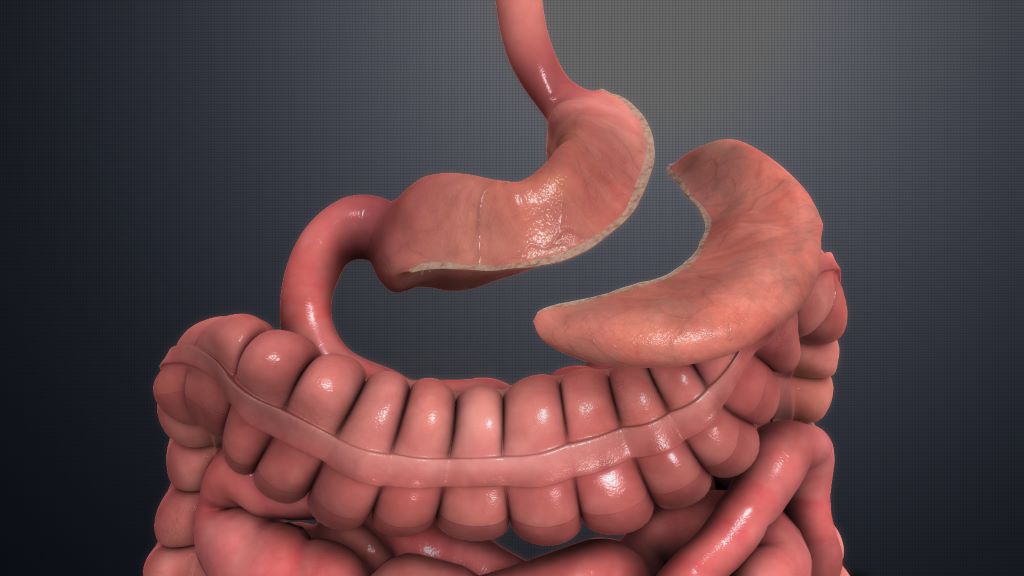
Sleeve gastrectomy. Credit: Scientific Animations CC4.0

Compared to antihypertensives alone, bariatric surgery is more effective in controlling hypertension rates in people with obesity and uncontrolled hypertension, according to a study published in the Journal of the American College of Cardiology. People who underwent bariatric surgery had lower BMI and were on fewer medications after five years while maintaining normal blood pressure levels than those who only used antihypertensive medications.

“In clinical practice, obesity is an overlooked condition. As a consequence, there is a frequent failure in approaching obesity as a crucial step for mitigating the risk of important cardiovascular risk factors including hypertension,” said Carlos Aurelio Schiavon, MD, FACS, lead author of the study and a surgeon specialising in bariatric surgery at Heart Hospital (hcor) and BP Hospital in Sao Paulo.

Researchers in this study looked at the impact of treating obesity to lower hypertension. While new weight loss drugs exist, long-term adherence to medication can be challenging.

This study looks at bariatric surgery as a better long-term solution to control obesity and, as a result, hypertension.

The GATEWAY trial included 100 people (76% of whom were female) who had a body mass index (BMI) of around 36.9kg/m2. All participants had hypertension and were using at least two medications. People with previous cardiovascular events and poorly controlled Type 2 diabetes were excluded.

Subjects were assigned to either Roux-en-Y gastric bypass with medical therapy or medial therapy alone and the primary outcome was reduction of at least 30% antihypertensive medications while maintaining blood pressure levels less than 140/90mmHg at five years.

At five years, BMI was 28.01kg/mfor those who received bariatric surgery and 36.40kg/mfor those on medical therapy alone.

People who had bariatric surgery had an 80.7% reduction in the number of medications they were taking compared to a 13.7% reduction in those only using medical therapy.

Hypertension remission, defined as controlled blood pressure without medications, was 46.9% in those who underwent bariatric surgery compared to 2.4% in those on medical therapy alone.

“Our results underscore the importance of approaching obesity in reducing hypertension rates,” Schiavon said.

Limitations of the study include that it was a single-center, open-label study with a small sample size and there was loss of follow up in some patients.

In an accompanying editorial comment, Michael Hall, MD, MSc, professor and chair of the Department of Medicine at the University of Mississippi Medical Center, said the study provides important long-term data on the benefits of gastric bypass on weight loss and blood pressure control, but questions remain.

“Further studies assessing the threshold for bariatric surgery in people with obesity, optimal timing of bariatric surgery in obese people with cardiometabolic diseases, type of bariatric surgery and comparative studies of obesity pharmacotherapies and bariatric surgery are needed to clarify the optimal treatment pathways for this common and growing disease,” he said.

Source: American College of Cardiology

Genetic Risks for ACE Inhibitor-induced Angioedema Identified

Credit: Pixabay CC0

Angioedema is a rare but potentially life-threatening adverse reaction to ACE inhibitors. In a joint analysis of eight European study collectives, researchers for the first time conducted a genome-wide association study (GWAS) with more than 1000 affected individuals, identifying a total of three risk loci in the genome. These included a new locus that had not previously been associated with the risk of ACE inhibitor-induced angioedema. The results of the study have now been published in the Journal of Allergy and Clinical Immunology.

Angiotensin-converting enzyme (ACE) inhibitors are effective antihypertensive drugs. They block the formation of the hormone angiotensin II, which plays a central role in the development of hypertension.

On the other hand, these drugs increase the concentration of the vasoactive signalling substance bradykinin. Among other things, this can lead to acute swelling of the skin or mucous membranes.

Such swellings are generally not life-threatening – but if they affect the tongue, throat or larynx, angioedema can be life-threatening for the patient due to the potential risk of suffocation.

Research to date suggests that susceptibility to such drug-induced angioedema is influenced by hereditary as well as lifestyle and environmental factors. This led researchers from the University Hospital Bonn (UKB), the University of Bonn and the Federal Institute for Drugs and Medical Devices (BfArM) to investigate potential genetic involvement.

“However, the understanding of the underlying biological processes, ie the pathophysiology, and thus the individual risk assessment is still limited. The identification of the responsible genes will provide completely new insights here,” says Prof Markus Nöthen at the University of Bonn.

Which biological processes play a role in ACE inhibitor-induced angioedema?

Based on data from eight European study collectives, the team from Bonn, together with cooperation partners, conducted the first GWAS with more than 1000 patients with ACE inhibitor-induced angioedema.

They identified a total of three loci in the genome that are associated with the risk of ACE inhibitor-induced angioedema.

“While two of the loci have already been described in previous studies, our study was the first to demonstrate a significant association for a new locus on chromosome 20,” explains corresponding author Prof.

Andreas Forstner from the Institute of Human Genetics at the UKB and the University of Bonn and at the Institute of Neuroscience and Medicine (INM-1) at the Research Center Jülich.

“Through further bioinformatic analyses, we were able to identify several candidate genes at the three risk loci indicating that genetic changes in the bradykinin, coagulation and fibrinolysis signalling play a role in the development of this type of angioedema,” adds first author Carina Mathey, doctoral student at the Institute of Human Genetics at the UKB and the University of Bonn.

Source: Universitatsklinikum Bonn

Intensive BP Target of Under 120mmHg Yields even Better Outcomes

Pexels Photo by Thirdman

An intensive three-year intervention to lower systolic blood pressure (BP) to less than 120mmHg was more effective at preventing death, heart attack, stroke and other cardiovascular events in adults at high risk for cardiovascular disease, compared to the standard treatment target of under 140mmHg, according to late-breaking science presented at the American Heart Association’s Scientific Sessions 2023.

“Our study provides evidence to support targeting systolic blood pressure to less than 120mmHg in hypertensive patients with high cardiovascular risk and normal or mild-reduced kidney function, regardless of their diabetes status (Type 1, Type 2 or none) or history of stroke,” said lead study author Jing Li, MD, PhD, director of the department of preventive medicine at the National Center for Cardiovascular Diseases in Beijing, China.

The researchers conducted a multi-centre, randomised controlled trial to evaluate the effects of an intensive blood pressure-lowering strategy on the incidence of major cardiovascular events, including heart attack, stroke, cardiovascular death, revascularisation, or hospitalisation or emergency room visit for heart failure, in participants with increased cardiovascular risk.

Participants in the ESPRIT trial were randomised to receive intensive antihypertensive treatment with a systolic BP target of less than 120mmHg (using higher doses and multiple classes of drugs) or standard treatment, with a target measurement of under 140mmHg over a three-year period. Safety was assessed between treatment groups by comparing serious adverse events among participants.

The researchers found that after two years, participants in the intensive treatment group had significantly better outcomes than those receiving standard care. Compared with the standard treatment, the intensive treatment strategy prevented:

  • 12% of heart attacks, stroke, revascularisation procedures, death from cardiovascular causes and hospitalisation or emergency room visit for heart failure;
  • 39% of deaths from cardiovascular causes; and
  • 21% of deaths from any cause.
  • There was no significant difference in serious adverse events of hypotension, electrolyte abnormality, fall resulting in an injury, acute kidney injury or renal failure.

Syncope, or fainting, was one of the serious adverse events used to evaluate safety. Syncope occurred at a rate of 0.4% per year in the intensive group and 0.1% in the standard group. This means that for every 1000 patients receiving the intensive treatment for 3 years, 3 patients would experience a serious adverse event of syncope, while 14 major vascular events and 8 deaths would be further prevented, Li noted.

“These results provide evidence that intensive hypertension treatment focused on achieving systolic blood pressure of less than 120mmHg is beneficial and safe for individuals with high blood pressure and increased cardiovascular risk factors,” Li said. “Implementing this intensive treatment strategy for high-risk adults has the potential to save more lives and reduce the public health burden of heart disease worldwide.”

Study details and background:

  • The ESPRIT trial included 11,255 adults in China. Participants had a baseline systolic blood pressure measurement of 130–180mmHg and either established cardiovascular disease or at least two major risk factors for cardiovascular disease.
  • Participants were an average age of 64.6 years; 41.3% women and 58.7% men.
  • Approximately 27% of the study participants had a history of stroke; approximately 29% had previous coronary heart disease; and approximately 39% had diabetes, Type 1 or Type 2.
  • The trial’s primary outcome was a composite outcome of heart attack, coronary or non-coronary revascularisation, hospitalisation/emergency room visit for heart failure, stroke or CV death. Secondary outcomes included CV outcomes, kidney outcomes and cognitive outcomes.

Study limitations included that the cardiovascular benefits of the intensive intervention emerged after two years, while the intervention only lasted three years, meaning the relatively short study period may underestimate the benefits, Li said. In addition, the study was conducted in China and therefore, the results may not be generalisable to people in other racial and ethnic groups or living in other countries. However, Li also noted that the results were consistent with similar studies in people of other racial and ethnic groups.

Future work will involve examining the longer-term effects of the intensive intervention strategy over the follow-up period.

Source: American Heart Association

Cold Weather may Make Blood Pressure Control More Challenging

Photo by Ian Keefe on Unsplash

Blood pressure among patients diagnosed with hypertension appeared to slightly increase and rates of systolic blood pressure being controlled during an outpatient visit appeared to slightly decrease during winter months, according to a new study presented at the American Heart Association’s Hypertension Scientific Sessions 2023.

Previous research has found that blood pressure varies with the seasons of the year, most of which is systolic blood pressure. The study authors sought to understand whether blood pressure control, defined in this study as less than 140/90mmHg among patients with hypertension, varied by season.

“Despite the smaller degree of systolic blood pressure variation in comparison to previous studies on seasonality in blood pressure, we were surprised to observe a large degree of change in blood pressure control between winter and summer months,” said lead study author Robert B. Barrett, a software engineer at the American Medical Association in Greenville, South Carolina. “Individuals with hypertension or values near the range of hypertension may benefit from periodic blood pressure monitoring and improvements in physical activity and nutritional patterns during winter months to offset adverse effects from seasonal blood pressure changes.”

The researchers reviewed electronic health records for 60 676 adults treated for hypertension between July 2018 and June 2023 at six health care centres. Each participant remained on their originally prescribed classes of antihypertensive drugs throughout the review period. The centres ranged from small health centres or clinics to large academic medical centres. Seasonal blood pressure readings were analysed to assess variations in blood pressure control during the northern hemisphere’s winter vs summer months (December through February vs June through August, respectively) as part of an American Medical Association-supported, quality-improvement program for clinicians and health care centres. Study participants were an average age of 62 years old; 52.3% identified as white race; 59.7% identified as female.

The analysis of the health records found that, on average, participants’ systolic blood pressure increased by up to 1.7mmHg in the winter months compared to the summer months. In addition, they found that blood pressure control rates decreased by up to 5% during the winter months.

Future directions for investigation might include analysing the frequency of heart disease and deaths during each season, the authors noted.

The study’s limitations include that the electronic health records did not capture a complete health history for each participant and that information collected for each patient was retrieved only from the institution where they were treated.

Source: American Heart Association

Treatment-resistant Hypertension Affects 1 in 10 Hypertensive Patients

Pexels Photo by Thirdman

In apparent resistant hypertension (aRH), more medication and medical management is needed than for normal hypertension. Novel research published in Hypertension found that aRH prevalence was lower in a real-world sample than previously reported, but still relatively frequent – affecting nearly 1 in 10 hypertensive patients. The researchers stressed the need for clinicians to be on the lookout for the condition.

In their analysis, the Cedars-Sinai investigators also learned that patients with well-managed aRH were more likely to be treated with mineralocorticoid receptor antagonist (MRA). These MRA treatments were used in 34% of patients with controlled aRH, but only 11% of patients with uncontrolled aRH.

“Apparent resistant hypertension is more common than many would anticipate,” said Joseph Ebinger, MD, assistant professor of Cardiology in the Smidt Heart Institute and corresponding author of the study. “We also learned that within this high-risk population, there are large differences in how providers treat high blood pressure, exemplifying a need to standardise care.”

Study findings were based on a unique design, which used clinically generated data from the electronic health records of three large, geographically diverse healthcare organisations. Of the 2 420 468 patients analysed in the study, 55% were hypertensive. Of these hypertension patients, 8.5%, or 113 992 individuals, met criteria for aRH.

According to Ebinger, treating aRH can be just as tricky as diagnosing it.

In fact, the “apparent” in apparent resistant hypertension stems from the fact that before diagnosis, medical professionals must first rule out other potential reasons for a patient’s blood pressure to be high.

These reasons might include medication non-adherence, inappropriate medication selection, or white coat hypertension from measurement in the doctor’s office.

“Large amounts of data tell us that patients with aRH, compared to those with non-resistant forms of hypertension, are at greatest risk for adverse cardiovascular events,” said Ebinger, director of Clinical Analytics in the Smidt Heart Institute. “Identifying these patients and possible causes for their elevated blood pressure is increasingly important.”

The takeaway, Ebinger says, is awareness – for both medical professionals and patients. He says providers should be mindful that if it’s taking four or more antihypertensive medications to control a patient’s blood pressure, they should consider evaluation for alternative causes of hypertension, or refer patients to a specialist.

Similarly, patients should press their healthcare providers to help them navigate the complex disease, including talking about strategies for remembering to take their medication and addressing possible treatment side effects.

Source: Cedars-Sinai Medical Center

Some Antihypertensives might Boost the Effectiveness of Cancer Immunotherapy

Photo by CDC on Unsplash

A study reported in the latest issue of Nature has shown that some molecules previously used to treat hypertension might also help the immune system to better target cancer cells. The researchers believe that these findings could eventually be applied to significantly improve the effectiveness and applicability of cancer immunotherapy.

“Immunotherapy today can effectively fight only 30% to 40% of cancers,” said Benoît Van den Eynde, at the Ludwig Institute for Cancer Research, co-director of the de Duve Institute and professor of Tumour Immunology at the University of Oxford. “Many cancers are resistant, largely because their T lymphocytes are not reactive enough. We discovered that drugs once used to treat hypertension could have a very interesting effect in combating these forms of immunotherapy-resistant cancers.”

T lymphocytes are active components in the immune system, recognising and destroying cells that appear foreign. Cancer cells, however, are not foreign and are therefore often not recognised and attacked by T lymphocytes. But about thirty years ago, Thierry Boon and his colleagues at the former Brussels Branch of the Ludwig Institute for Cancer Research at the de Duve Institute discovered specific markers on the surface of cancer cells – tumour antigens – that can be recognised by T cells that then destroy the cancerous cells.

This work paved the way for cancer immunotherapy, a treatment approach that helps T cells destroy cancerous cells. Thanks to T cells’ specificity and memory of tumour antigens, immunotherapy makes it possible to treat advanced cancers with some success. It is now used worldwide. However, such therapies are not equally effective in all patients or against all types of cancer.

In the current study, a team led by Jingjing Zhu in Van den Eynde’s laboratory shows that anti-hypertensive drug-molecules known as α2-adrenergic receptor (α2AR) agonists also influence the behaviour of macrophages. While doing that job, macrophages also alert T cells of any abnormalities they encounter, presenting suspicious antigens to the cells to trigger a possible immune response.

Zhu, Van den Eynde and colleagues discovered that alongside their known hypotensive and anaesthetic effects, α2AR agonists can also stimulate macrophages in their role as sentinels, making T cells more reactive and more effective at rejecting cancer cells. The effect extended, most notably, to cancer models that are resistant to standard immunotherapy. This suggests the new approach could boost the efficacy of clinical immunotherapy, even for the many types of cancer that are largely unresponsive to such interventions.

These findings also present a rationale for the development of new molecules that might be used in combination with immunotherapy to improve its efficacy.

“One could imagine using existing blood pressure-lowering drugs,” said Van den Eynde. “But that would be quite risky, owing to the undesired effects and the toxicity of these drugs at the necessary doses. Another approach would be to develop new molecules that would act in the same way on macrophages but would not have the unwanted toxic effects. We have already made significant progress in this direction.”

Source: Ludwig Cancer Research

Novel Antihypertensive Flounders in Early Trial Phase

Blood pressure cuff
BP cuff for home monitoring, Source: Pixabay

A phase II trial with the novel antihypertensive baxdrostat did not replicate the impressive results in a similar trial for the drug in treatment-resistant hypertension, failing to improve on placebo effect.

Deepak Bhatt, MD, MPH, of Mount Sinai Heart in New York City, presented the disappointing findings at the American College of Cardiology (ACC) annual meeting, but noted that the findings were not a complete write-off for the drug, hampered as the trial was by poor patient adherence and the confounding effect of other antihypertensives.

For baxdrostat, seated systolic blood pressure was lowered by 16.0–19.8mmHg across the doses tested, compared to 16.6mmHg for placebo, a nonsignificant difference. Diastolic blood pressure drops showed a similar pattern, even slightly favouring placebo.

HALO included 249 participants with a mean seated systolic blood pressure of 140–180 mmHg at baseline despite treatment with a stable regimen of an ACE inhibitor or one of those drugs plus a thiazide diuretic or a calcium channel blocker. They were randomised to placebo or a 0.5-, 1.0-, or 2.0-mg dose of baxdrostat for 8 weeks.

In the prior phase II BrighHTN trial, baxdrostat reduced systolic blood pressure by 11 and 8.1 mm Hg more than placebo in the two higher dose groups.

The drug, which is in a new class of highly selective aldosterone synthase inhibitors, did decrease serum aldosterone and increase plasma renin activity as expected compared with placebo in HALO.

A post hoc analysis to understand why the trial failed despite high pill-count based adherence showed that 36% of the baxdrostat patients in the highest, 2-mg dose group (20 of 54) were actually not adherent, based on plasma levels < 1% of expected.

ACC session moderator Kim Eagle, MD, of the University of Michigan in Ann Arbor wondered if the patients were flushing their pills, and Bhatt replied that these were clustered at a few sites, highlighting issues of site selection and providing patient support.

The adherence problem does not explain away the placebo effect, Eagle told MedPage Today. “The placebo effect may well be that by enrolling in a trial, the patient is also taking their other meds for hypertension. Recall that the patients were already supposed to be taking several antihypertensives.”

Nevertheless, he called it compelling that, in “patients who were taking the larger dose and who had evidence of adherence by blood levels, the drug clearly seems to work.”

Source: MedPage Today