BP and Cholesterol in Over-40s with Obesity Are Trending to Normal Levels
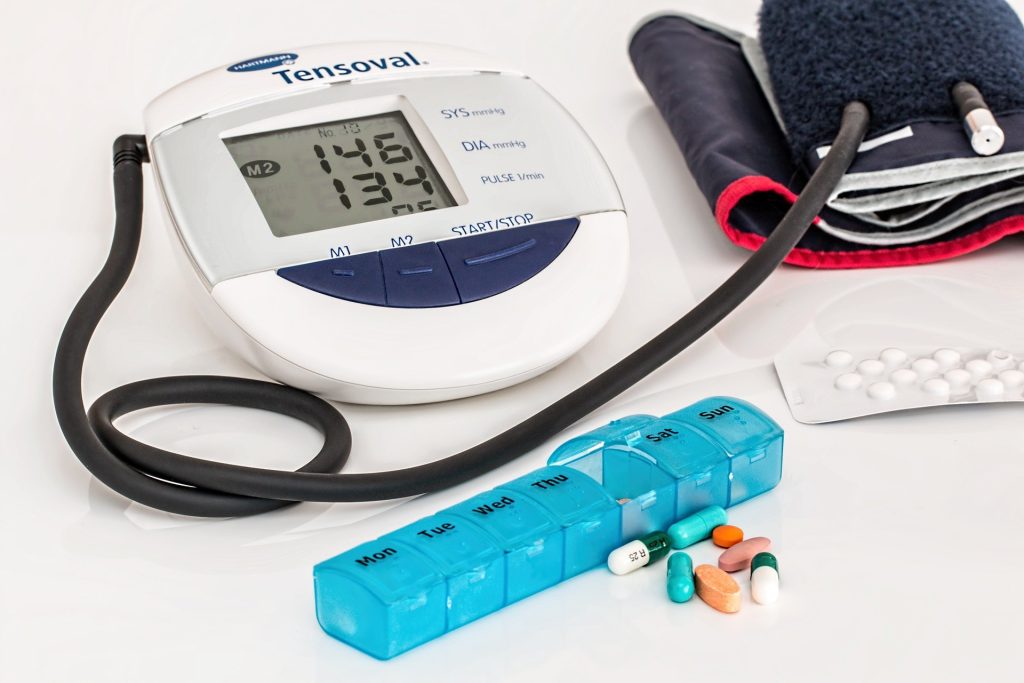
Over the last three decades, differences in unhealthy cholesterol levels and blood pressure between older adults with obesity and those with a normal Body Mass Index (BMI) have narrowed or disappeared in several high-income countries, suggests a study published in The Lancet. The authors propose that this trend is due to the greater, and possibly more intensive, use of cholesterol-lowering medication (such as statins) and blood pressure medication in people aged over 40 living with obesity in high-income countries.
Obesity is known to increase blood pressure and unhealthy cholesterol levels, which can impact cardiovascular health and increase the risk of heart attack, heart failure, and stroke. However, prior to this study, there was little information on blood pressure and cholesterol levels, and how they have changed, for people with obesity compared with people with normal BMI.
Author Prof Majid Ezzati, from the School of Public Health at Imperial College London (UK), says: “Our study suggests that, in high-income countries, taking medication to lower blood pressure and cholesterol has helped middle-age and older adults lower their cardiovascular risk to levels that are similar to people with normal BMI.”
He continues, “At a time that weight-loss medications are becoming more widely used, our results give a picture of the cardiovascular health of people likely to be prescribed them, which allows the healthcare system to understand how blood pressure and cholesterol treatments benefit the population alongside weight-loss medications.”
The study analysed data on blood pressure and cholesterol in people with obesity, overweight, and normal BMI from 110 health datasets including almost one million participants from 1990 to 2024 in seven high-income countries: England, the USA, Japan, South Korea, Taiwan, Thailand and Finland.
Converging cardiovascular risk markers
The study finds that in the 1990s adults with obesity generally had higher blood pressure and high-density lipoprotein (non-HDL) cholesterol levels [1] than people with a normal BMI.
Since 1990, in the majority of the seven countries studied including England and the USA, blood pressure and unhealthy cholesterol fell more steeply among middle-aged and older adults (40–79 years old) with obesity and overweight than among those with normal BMI, narrowing the gap over time. The exceptions were Taiwan and Thailand, which did not see this convergence as universally as other countries.
The findings were most striking in older adults (60–79 years old). In England and the USA, older adults with obesity, and especially with severe obesity, had similar or even lower blood pressure and unhealthy cholesterol levels at the end of the study period than older adults with normal BMI.
Heart medication likely driving the convergence
Over the past three decades, people with obesity were more likely to be prescribed cholesterol-lowering medication (such as a statin) and blood pressure medication than those with a normal BMI.
This gap was especially pronounced in older adults. For example, in England and the USA, around 70–72% of older men with severe obesity (BMI ≥35) were taking cholesterol-lowering medication by the early 2020s, compared with 40–48% of older men with a normal BMI.
Author Lakshya Jain, from the School of Public Health at Imperial College London (UK), says “This latest analysis suggests that the observed convergence in cholesterol and blood pressure levels between people aged over 40 with obesity and those with a normal BMI is largely due to statins and other widely accessible medications to reduce cardiovascular risk. That is a significant public health success story, and one we should not lose sight of as new weight-loss medications enter the picture.”
Cardiovascular risks remain for younger adults with obesity
In younger adults (under 40 years old), the study findings suggest little or no narrowing of the gap in blood pressure or cholesterol between those with obesity and those with a normal BMI. The data also suggests that use of cholesterol-lowering and blood pressure medication is low for this age group, adding further evidence that medication is the driver of the gap reduction in older adults.
Author Ysé d’Ailhaud de Brisis, from the School of Public Health at Imperial College London (UK), says “While good news for older adults with obesity, our results suggest that cardiovascular health risks remain higher for adults under 40 than for their counterparts with a normal BMI. Early lifestyle interventions, screening and, when appropriate, medication in this younger group should be considered to prevent long-term cardiovascular complications linked to obesity.”
The researchers note some limitations of the study, including that their analysis was limited to seven countries which were all high-income, therefore the finding may not be applicable elsewhere, especially for low- and middle-income countries where the use of unhealthy cholesterol and blood pressure lowering medicines is likely to be lower. Additionally, it was not possible to look at the impact of different medication doses, which require data on prescriptions.
Writing in a linked Comment, Dr Yuan Lu, Yale School of Medicine (USA), who was not involved in the study, says, “This study reframes obesity-related cardiovascular risk as reflecting not only excess adiposity, but also treatment access, health-system engagement, and timing of intervention. Convergence of risk factors should not be equated with elimination of obesity-related risk. Although treatment of high blood pressure and cholesterol might mitigate part of the cardiovascular harm associated with obesity, the persistent burden among younger adults and the broader multisystem consequences of obesity highlight the need for integrated prevention strategies that move beyond isolated risk factor treatment.”
Source: EurekAlert!