Our Hospital can’t Cope, Say Atlantis Residents

By Peter Luhanga for GroundUp

People living in Atlantis, Cape Town, say they are struggling to access healthcare. There are two clinics run by the City – Saxon Sea and Protea Park – offering limited care, concentrating on family planning, child health, basic antenatal care, and HIV care. For any other health issues, residents have to go to Wesfleur Hospital. People queue for treatment as early as 5am.

In 2017, we wrote about the long queues and other problems at Wesfleur Hospital.

Community activists have set up the Atlantis Community Health Organisation (ACHO), which submitted a memorandum of grievances in August last year to Western Cape MEC for Health Nomafrench Mbombo, and resident Allison Adams, (not part of the ACHO) set up an online petition that has garnered over 1,275 signatures.

Adams and ACHO want the two City clinics taken over by the province so that they can be upgraded to offer primary and not just general healthcare. This would take pressure off Wesfleur.

“Clinics would serve as a conduit to relieve the hospital from everyday attendance. The hospital can’t cope. We have limited number of doctors available every day,” says Ashley Poole of ACHO.

Adams says the doctors can’t cope with treating patients, doing ward rounds and conducting medical assessments for residents seeking disability grants. It takes days for people to get help at the hospital, she says, and everyone with even a minor illness has to go to the hospital.

“We have people traveling to Dunoon Community Health Center to seek medical attention,” she says.

ACHO wants a new hospital built in Atlantis, which in the 2011 Census already had nearly 70,000 people.

Mayoral committee member for health Patricia van der Ross said the City is open to transferring the clinics, but “the Western Cape health department must have the requisite budget available to continue running the clinics”. Then a handover agreement can be concluded.

She said a task team was established and “numerous meetings” were held explaining to the community the challenges involved in doing such a transfer.

One interim measure is that stable, chronic patients are seen at Protea Park three days a week on Mondays, Thursdays and Fridays between 8am and 4pm, and at Saxonsea clinic on Mondays between 8am and 1pm.

Provincial health department spokesperson Natalie Watlington said since receiving the memorandum in August 2022, the department’s district team has implemented short and medium-term interventions to improve matters at Wesfleur Hospital.

Republished from GroundUp under a Creative Commons Attribution-NoDerivatives 4.0 International License.

Source: GroundUp

Receptor Location is Key when Rebuilding Neural Connections with Psychedelic Drugs

Source: Pixabay CC0

When using psychedelic drugs to treat mental illness, it’s all down to location when rapidly rebuilding connections between nerve cells. In their paper published in Science, scientists show that engaging serotonin 2A receptors inside neurons promotes growth of new connections – but engaging the same receptor on the surface of nerve cells does not.

The findings will help guide efforts to discover new drugs for depression, PTSD and other disorders, according to senior author David E. Olson, associate professor at the University of California, Davis.

Drugs such as LSD, MDMA and psilocybin show great promise for treating a wide range of mental disorders that are characterised by a loss of neural connections. In laboratory studies, a single dose of these drugs can cause rapid growth of new dendrites from nerve cells, and formation of new spines on those dendrites.

Olson calls this group of drugs “psychoplastogens” because of their ability to regrow and remodel connections in the brain.

Earlier work from Olson’s and other labs showed that psychedelic drugs work by engaging the serotonin 2A receptor (5-HT2AR). But other drugs that engage the same receptor, including serotonin, do not have the same growth effects.

Maxemiliano Vargas, a graduate student in Olson’s lab, Olson and colleagues experimented with chemically tweaking drugs and using transporters to make it easier or harder for compounds to slip across cell membranes. Serotonin itself is polar, meaning it dissolves well in water but does not easily cross the lipid membranes that surround cells. The psychedelics, on the other hand, are much less polar and can easily enter the interior of a cell.

They found that the growth-promoting ability of compounds was correlated with the ability to cross cell membranes.

Drug receptors are usually thought of as being located on the cell membrane, facing out. But the researchers found that in nerve cells, serotonin 2A receptors were concentrated inside cells, mostly around a structure called the Golgi body, with some receptors on the cell surface. Other types of signalling receptors in the same class were on the surface.

The results show that there is a location bias in how these drugs work, Olson said. Engaging the serotonin 2A receptor when it is inside a cell produces a different effect from triggering it when it is on the outside.

“It gives us deeper mechanistic insight into how the receptor promotes plasticity, and allows us to design better drugs,” Olson said.

Source: University of California – Davis

Promising Results for Immunotherapy Drug Nivolumab in Advanced Skin Cancer

Female scientist in laboratory
Photo by Gustavo Fring on Pexels

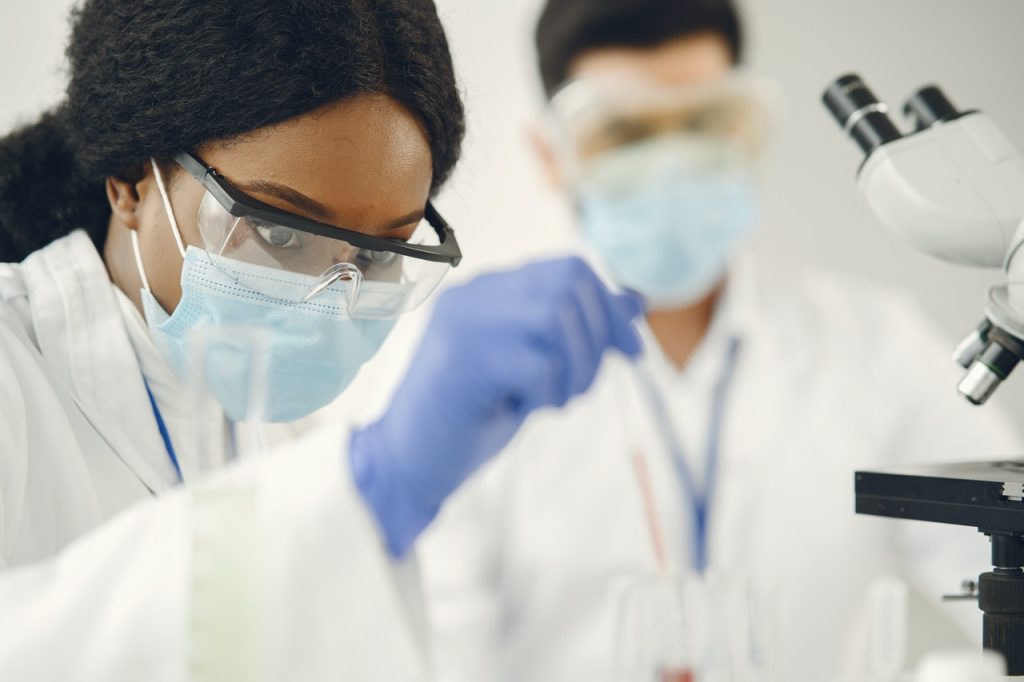
A phase II clinical trial has demonstrated that patients with advanced cutaneous squamous cell carcinoma can benefit from the immune checkpoint inhibitor nivolumab. The findings were published in the journal CANCER

Two other immune checkpoint inhibitors, cemiplimab and pembrolizumab, have been approved by the US Food and Drug Administration for the treatment of advanced cutaneous squamous cell carcinoma in recent years. This new study is the first to report clinical trial results for nivolumab. 

The single-arm trial included 24 patients who received nivolumab at 3mg/kg every two weeks until they experienced cancer progression, developed unacceptable toxicity, or had received 12 months of treatment.  

During the trial, 14 patients (58.3%) benefited from the treatment, with their cancers demonstrating a response. Treatment-related adverse events of any grade occurred in 21 patients (87.5%) and, for and grade ≥ 3, in six patients (25%). One patient discontinued nivolumab due to toxicities. Prior radiotherapy exposure was associated with a worse response. 

“This is the first study to investigate nivolumab in this patient population, and it provides further evidence supporting the use of immune checkpoint blockers as standard therapies in cutaneous squamous cell carcinoma,” said lead author Rodrigo R. Munhoz, MD, of the Hospital Sírio-Libanês, in Brazil. 

An accompanying editorial notes that although the trial was small, its results were similar to those reported with pembrolizumab and cemiplimab. “In addition to providing more assurance to the clinical activity of different [immune checkpoint] inhibitors in this disease, this replicated data may permit a more widespread utilisation of these agents in managing a common disease with global implications,” the authors wrote. 

Source: Wiley

Self-stigma Linked to Worse Blood Glucose Control in Type 1 Diabetes

Diabetes - person measures blood glucose
Photo by Photomix Company from Pexels

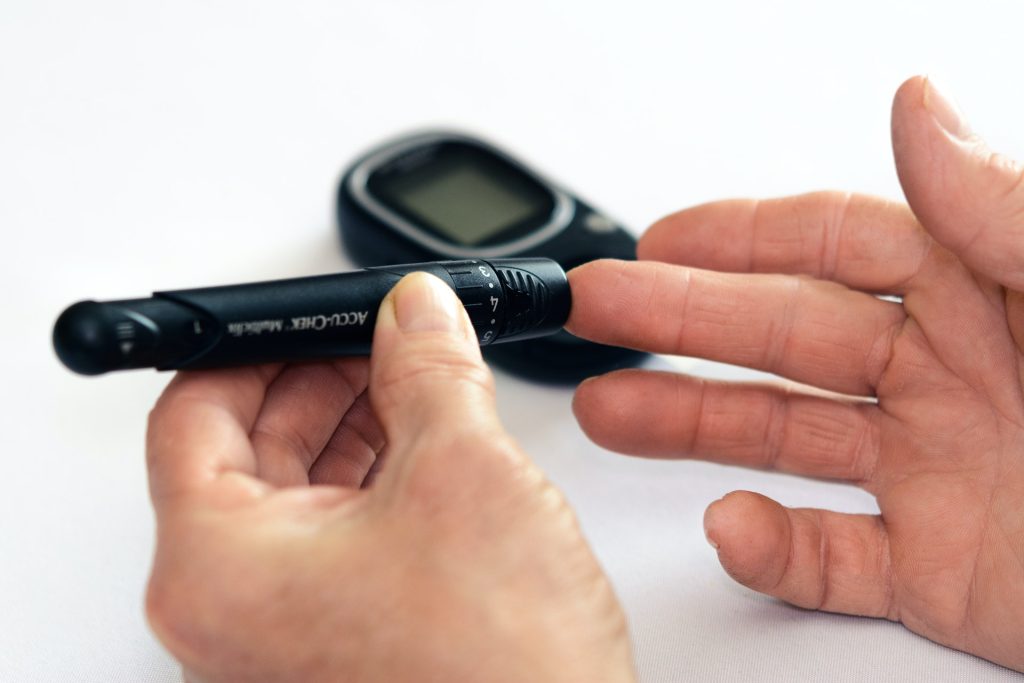
Because of their illness, patients with chronic medical conditions may experience self-stigma, or negative beliefs, emotional reactions, and behaviours towards themselves. New research published in the Journal of Diabetes Investigation found a link between self-stigma and glycated haemoglobin (HbA1c) in adults with type 1 diabetes.

The study included 109 adults in Japan with type 1 diabetes who completed questionnaires that generated scores based on a self-stigma scale. Although the findings support a link between self-stigma and sub-optimal HbA1c, additional studies are needed to show whether this is a causal relationship.

“We focused on this issue through clinical experiences with people with type 1 diabetes, whose glycaemic management improved markedly by social supports of eliminating diabetes-related stigma. Although the finding of an association between self-stigma and HbA1c is significant, further longitudinal research is required to determine whether self-stigma leads to sub-optimal HbA1c,” said corresponding author Yukiko Onishi MD, PhD, of the Institute of Medical Science, Asahi Life Foundation, in Tokyo. “This research does support and highlight the importance of eliminating self-stigma when treating people with type 1 diabetes.”

Source: Wiley

Some Dipeptides Found in Meat are Potent Antioxidants

Photo by Jose Ignacio Pompe on Unsplash

Imidazole dipeptides (IDPs), which are abundant in meat and fish, have been reported to be effective in relieving fatigue and preventing dementia. Researchers have discovered that most of these IDPs identified in beef, chicken and pork also have remarkably high antioxidant activity. They detailed their findings in the journal Antioxidants.

Professor Hideshi Ihara from the Osaka Metropolitan University Graduate School of Science led a research team that was the first to discover 2-oxo-imidazole-containing dipeptides (2-oxo-IDPs), which have one more oxygen atom than normal IDPs. Found at concentrations of  0.015–0.11% that of normal IDPs, these were also shown to be potent antioxidants.

In their study, the researchers came up with a method for selective and highly sensitive detection of five types of 2-oxo-IDPs using mass spectrometry, which enables quantitative detection of trace 2-oxo-IDPs in living organisms. Using this method, they revealed for the first time that beef, pork, chicken, and other meats contain antioxidants, not only IDPs but a variety of different 2-oxo-IDPs.

“We hope that this research method, which enables advanced analysis of 2-oxo-IDPs, will be applied not only to basic biology but also to medicine, agriculture, and pharmacy, where it will help improve peoples’ health and prevent diseases,” concluded Professor Ihara.

Source: Osaka Metropolitan University

Study Shows How Present Fathers Support Adolescent Resilience

Photo by Kaysha on Unsplash

A new study published in Psychological Reports has shed light on the way present fathers play a positive role in adolescent psychological development. The researchers observed that when adolescents grow up with fathers present, they experience more ‘failure learning’, which supports the development of resilience.

Adolescence is a difficult time, with new social and academic pressures emerging. Resilience, or the capacity to cope with and recover from challenges, has been identified as a critical component to success in adolescence.

They explored the mediating effects of four subfactors of failure learning: failure cognition, reflection and analysis, experience transformation, and prudent attempt.

Failure cognition is the understanding and perception of a failure event. It includes recognising the occurrence of a failure and understanding the causes.

Reflective analysis involves evaluation of the events leading to the failure, and critically analysing one’s own actions and decisions. This helps identification of mistakes and areas for improvement.

Experience transformation involves taking the insights from reflective analysis and transforming the experience of failure into a learning opportunity.

Prudent attempt involves putting the lessons learned into practice, and taking calculated risks to improve subsequent performance. This component emphasises the importance of persistence and not being put off by prior failures.

Using questionnaires, the researchers assessed 626 Chinese middle school students, average age 14. They measured levels of father presence, resilience, and failure learning. The researchers found that: (1) there was a significant association between father presence, failure learning, and resilience; (2) failure learning played a mediating role between father presence and adolescents’ resilience; (3) the mediating effect of experience transformation and prudent attempt between father presence and adolescents’ resilience was significant, but not failure cognition and reflective analysis.

The researchers posited that the presence of a father helped to mediate resilience, especially in the two aspects of failure learning most linked to resilience. By supporting the decisions made around the failure, they help their adolescent children to recognise that a prudent attempt was made and to accept the failure.

Limitations included being the adolescents being exclusively Chinese, with cultural factors that may not be applicable to adolescents of other cultures. Additionally, the effect of mothers was not accounted for, and it was possible that the positive effects were only possible through the co-parenting support of a mother,

Source: PsyPost

Fat Metabolism from Exercise Depends on Time of Day

Tired woman after exercise
Photo by Ketut Subiyanto on Pexels

Exercise at the right time of the day may increase fat metabolism, at least according to the results of a mouse study. Published in the journal PNAS, research shows that mice that did exercise in an early active phase, which corresponds to morning exercise in humans, increased their metabolism more than mice that did exercise at a time usually spent resting.

Physical activity at different times of the day can affect the body in different ways since the biological processes depend on the circadian rhythms of the cells. To ascertain the effect of exercise timing on the burning of fat, researchers at Karolinska Institutet and the University of Copenhagen studied the adipose tissue of mice after a session of high-intensity exercise performed at two points of the daily cycle, an early active phase and early rest phase (corresponding to a late morning and late evening session, respectively, in humans). The researchers studied various markers for fat metabolism and analysed which genes were active in adipose tissue after exercise.

Independent of food intake

The researchers found that physical activity at an early active phase increased the expression of genes involved in the breakdown of adipose tissue, heat production and mitochondria in the adipose tissue, indicating a higher metabolic rate. These effects were observed only in mice that exercised in the early active phase and were independent of food intake.

“Our results suggest that late morning exercise could be more effective than late evening exercise in terms of boosting the metabolism and the burning of fat, and if this is the case, they could prove of value to people who are overweight,” says Professor Juleen R. Zierath at Karolinska Institutet.

Improving the health benefits of exercise

Mice and humans share many basic physiological functions, and mice are a well-established model for human physiology and metabolism. However, there are also important differences, such as the fact that mice are nocturnal.

“The right timing seems to be important to the body’s energy balance and to improving the health benefits of exercise, but more studies are needed to draw any reliable conclusions about the relevance of our findings to humans,” says Professor Zierath.

Source: Karolinska Institutet

Certain Jobs may Increase Risk of Pregnancy Loss

Pregnant with ultrasound image
Source: Pixabay

In an analysis of 2010–2019 information on more than 1.8 million employed and non-employed pregnant women in South Korea, certain occupations were linked with higher risks of miscarriage and stillbirth.

Published in the Journal of Occupational Health, risks were calculated for three adverse outcomes: early abortive outcomes (miscarriage, ectopic pregnancy, and molar pregnancy), stillbirth, and no live birth (pregnancy with no record of live birth thereafter, which include early abortive outcomes and stillbirth).

Overall, 18.0%, 0.7%, and 39.8% of pregnancies ended in early abortive outcomes, still-births, and no live births, respectively. The risk of early abortive outcomes and stillbirths was higher in non-employed women than in employed women, while no live births were more frequent in employed women.

Women in the health and social work industry had the highest risk of no live births. Higher risks of no live births were also observed in the manufacturing, wholesale/retail trade, education, and public/social/personal service occupations. Manufacturing jobs and health/social work were associated with higher risks of early abortive outcomes compared with financial and insurance jobs.

“The good news is that the Ministry of Employment and Labor of South Korea is now revising the Industrial Accident Compensation Insurance Act to cover all the abortive outcomes in pregnant women workers. Our study contributed to the amendment of this Act, as we presented the impact of the occupational environment on adverse pregnancy outcomes,” said corresponding author Jung-won Yoon, MD, of the National Medical Center in Seoul.

Source: Wiley

Defensiveness Keeping People from Taking at-home Colorectal Cancer Stool Tests

Photo by Priscilla du Preez on Unsplash

Despite colorectal cancer being highly treatable, especially when detected early, many people do not undergo recommended screening, even with the availability of at-home stool faecal immunochemical test (FIT) kits. New research published in CANCER reveals that people who react defensively to the invitation to get screened are less likely to take part.

For the study, Nicholas Clarke, PhD, of Dublin City University in Ireland, surveyed individuals in Dublin who had been invited to participate in a FIT screening program in 2008–2012. Questionnaires were mailed in September 2015 to all individuals who were invited to participate (over two screening rounds) but had declined and a random sample of individuals who had participated. Following two reminders, questionnaires were completed by 1988 people who participated in screening and 311 who did not.

Those who did not do FIT-based screening were more likely to provide responses indicating greater defensiveness. This was apparent for all questions related to the different domains of what is called defensive information processing (DIP). The four domains of DIP include:

  • attention avoidance (reducing risk awareness by avoidance),
  • blunting (active mental disengagement through avoidance and accepted denial),
  • suppression (acknowledging others’ risk but avoiding personal inferences through self-exemption beliefs), and
  • counter-argumentation (arguing against the evidence).

“People who react defensively to the invitation to colorectal cancer screening are less likely to take part, and this seems to be due to such misconceptions that having a healthy lifestyle or having regular bowel movements means that they do not need to be screened. Similarly, some people believe testing can be delayed while they wait for a ‘better’ test (even though the current test works very well) or wait until their other health concerns are under control,” explained Dr Clarke. “Some people also react defensively because they believe cancer is always fatal, which is not true. All of these factors can result in people making a decision not to take the home-based screening test.”

Dr Clarke noted that the study’s findings indicate that even well-designed health communication campaigns and proactive screening programs may be hindered by individuals’ defensive beliefs. “The measures used in this study could be used to help identify people who may need extra support to take part in colorectal cancer screening programs worldwide,” he said. “The results suggest that screening programs need strategies to decrease procrastination and address misconceptions about colorectal cancer and screening.”

He also stressed the importance of trying to make colorectal cancer screening something that everyone routinely does when they reach middle age.

An accompanying editorial by Beverly Beth Green MD, MPH advocates for additional research to test different strategies, such as financial incentives, for decreasing DIP in participants.

Source: Wiley

Can Progressive Hearing Loss be Reversed?

Photo by Dylann Hendricks on Unsplash

In humans, hearing loss from exposure to loud noises is progressive because the primary cells which detect sound, cochlear hair cells, cannot regenerate if damaged or lost. People who have repeated exposure to loud noises, like military personnel, construction workers, and musicians, are most at risk for this type of hearing loss, though it can happen to anyone over time.

On the other hand, birds and fish can regenerate these hair cells, and now researchers report their advances in promoting this effect in mammals. Their work is published in Frontiers in Cellular Neuroscience.

“We know from our previous work that expression of an active growth gene, called ERBB2, was able to activate the growth of new hair cells (in mammals), but we didn’t fully understand why,” said Patricia White, PhD, professor of Neuroscience and Otolaryngology at the University of Rochester Medical Center. The 2018 study led by Jingyuan Zhang, PhD, a postdoctoral fellow in the White lab at the time, found that activating the growth gene ERBB2 pathway triggered a cascading series of cellular events by which cochlear support cells began to multiply and activate other neighbouring stem cells to become new sensory hair cells.

“This new study tells us how that activation is happening – a significant advance toward the ultimate goal of generating new cochlear hair cells in mammals,” said White.

Using single-cell RNA sequencing in mice, researchers compared cells with an overactive growth gene (ERBB2 signalling) with similar cells that lacked such signalling. They found the growth gene, ERBB2, promoted stem cell-like development by initiating the expression of multiple proteins – including SPP1, a protein that signals through the CD44 receptor. The CD44 receptor is known to be present in cochlear-supporting cells. This increase in cellular response promoted mitosis in the supporting cells, a key event for regeneration.

“When we checked this process in adult mice, we were able to show that ERBB2 expression drove the protein expression of SPP1 that is necessary to activate CD44 and grow new hair cells,” said Dorota Piekna-Przybylska, PhD, a staff scientist in the White Lab and first author of the study. “This discovery has made it clear that regeneration is not only restricted to the early stages of development. We believe we can use these findings to drive regeneration in adults.”

“We plan to further investigation of this phenomenon from a mechanistic perspective to determine whether it can improve auditory function after damage in mammals. That is the ultimate goal,” said White.

Source: University of Rochester Medical Center