Tag: antioxidants

Research Links High Doses of Antioxidants to Offspring Birth Defects

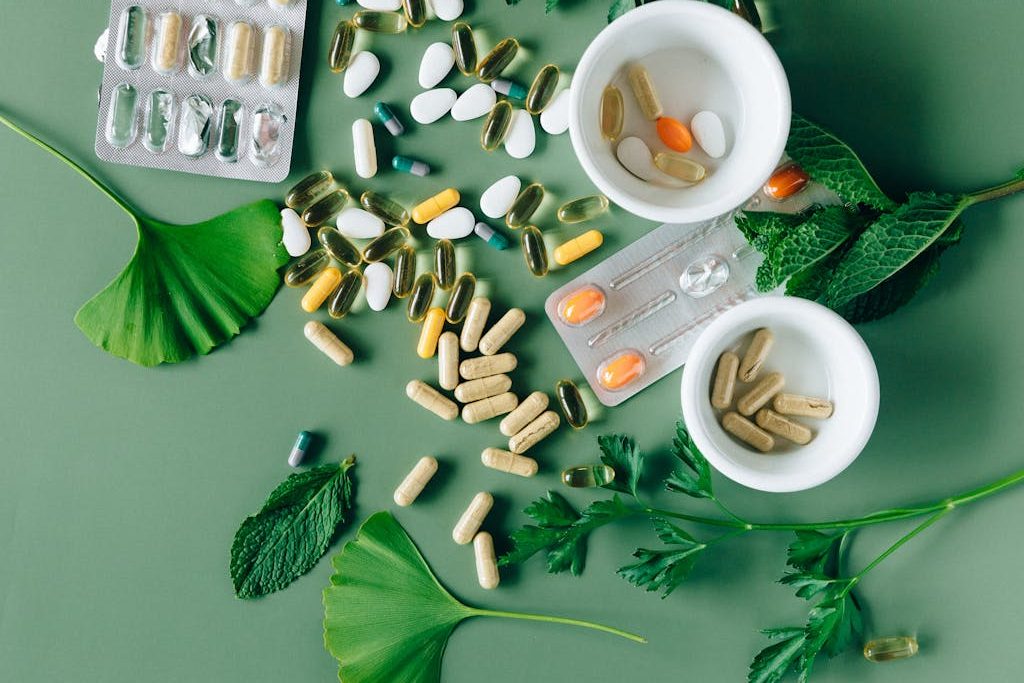
Photo by Nataliya Vaitkevich

Antioxidants have been marketed as miracle supplements, touted for preventing chronic diseases and cancers; treating COPD and dementia; and slowing aging. While antioxidant therapies are widely used to treat male infertility, a new study from the Texas A&M College of Veterinary Medicine and Biomedical Sciences (VMBS) found that regularly consuming high doses of antioxidants negatively influences sperm DNA and may lead to offspring born with differences in craniofacial development.

In a study, published in the journal Frontiers in Cell and Developmental Biology, a team of researchers led by Dr Michael Golding examined the effects of N-acetyl-L-cysteine (NAC) and selenium (Se) – two widely used antioxidants – in mouse models.

They found that offspring of male mice exposed to antioxidants for six weeks exhibited skull and facial shape differences, even while the father’s health didn’t change.

These findings suggest that men should exercise caution when consuming high doses of antioxidants, especially if they’re planning to have children in the near future.   

When good goes too far

Antioxidants like NAC — which is a key ingredient in many nutritional supplements, including multivitamins — are often used to treat oxidative stress, which can be caused by excessive alcohol consumption.

Because Golding’s lab has been studying the effects of parental alcohol consumption on offspring – and has successfully correlated this consumption to a whole host of issues in children born to males who consumed excessive amounts of alcohol, including craniofacial abnormalities – his team was interested in the impacts of adding NAC or Se to a male mouse’s diet.

“We know alcohol causes oxidative stress and we were looking to push back on it by adding a supplement known to lower oxidative stress,” said Golding, a professor in the VMBS’ Department of Veterinary Physiology and Pharmacology. “When we realised that offspring born to males that had only been given NAC were displaying skull and facial differences, it was a surprise because this molecule is universally thought to be good.

“When we sat down to think it through, we realised that it makes sense – you take a multivitamin to ensure that you’re in balance, but if the thing that you’re taking to ensure you’re in balance is unbalanced (the dose of antioxidants is too high), then you’re not doing a good thing.”

It is well established that high doses of antioxidants can have negative impacts; research has proven that antioxidants can diminish the effects of exercise in endurance athletes, for example, and, in the case of professional athletes, can lead to negative outcomes in performance metrics.

“Sperm health is another performance metric; it’s just not one that we think about in everyday life,” Golding said. “If you’re taking a high dose antioxidant, you could be diminishing your reproductive fitness and part of the journey toward the bad outcome is going to be the effects on the offspring.”

What the face reveals about the brain

Among their unanticipated findings was that female offspring, in particular, exhibited significantly closer-set eyes and smaller skulls, which are also symptoms of foetal alcohol syndrome.

“There’s a very commonly accepted truism in paediatric medicine that the face mirrors the brain, because the brain and the face form at the same time,” Golding said. “When your face migrates (during gestation), it’s using cues from your brain to know where to go, and if the two things are not aligned, there’s either a delay or some kind of abnormality in brain development.

“So, if you see abnormalities in the midline of the face, you’re probably going to see midline abnormalities in the brain,” he said. “People with these abnormalities typically have problems with impulse control, neurological conditions like epilepsy, and other developmental issues.”

Whether the offspring in this project will exhibit central nervous system dysfunction will require further study.

The dose makes the difference

While the lab continues to research this “unexplored frontier,” Golding says in the case of antioxidants, too much of a good thing can, in fact, be too much, especially in the absence of a medical reason to take an antioxidant supplement.

Because many men regularly take high doses of these supplements – including products that contain antioxidant-rich ingredients – it’s important to pay attention to how much of these compounds are listed on the label. This includes NAC, which is one of the key ingredients in many multivitamins and is often found in high doses in these pills.

“The larger message here is that there’s a balance,” Golding said. “Think of yourself as a plant — if you stick your plant out in the sun too long, it’s going to get dehydrated. If you overwater your plant, it gets root rot. But if you have the right balance of sunshine and water, that’s when growth occurs. Health is in that domain.

“If your vitamins are providing 1,000% of the recommended daily amount, you should be cautious,” he said. “If you stick to the 100% range, then you should be OK.”

Inaoside A, a New Antioxidant Derived from Mushrooms

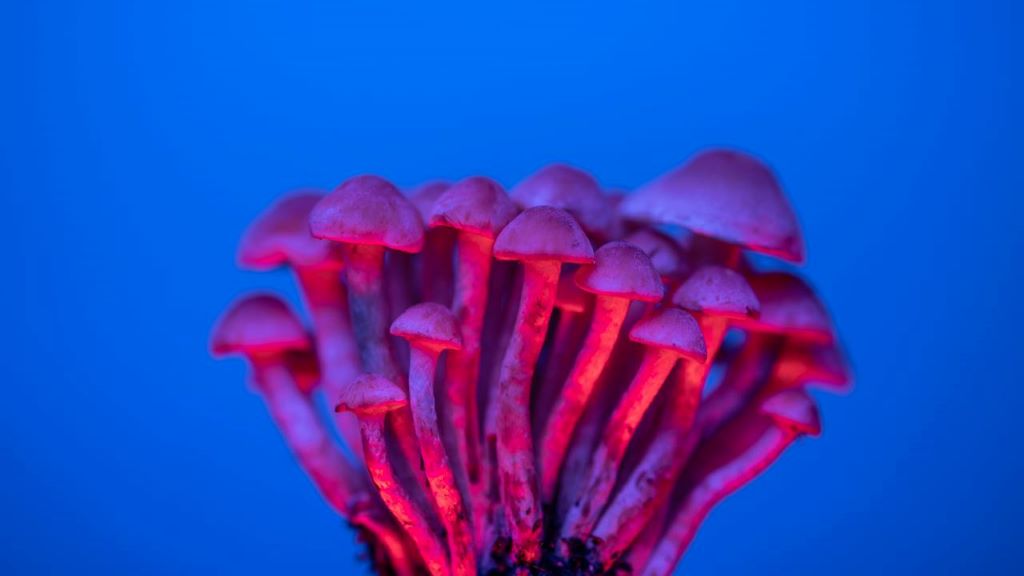
Photo by Marek Piwnicki

Natural products have unique chemical structures and biological activities and can play a pivotal role in advancing pharmaceutical science. In a pioneering study, researchers from Shinshu University discovered Inaoside A, an antioxidant derived from Laetiporus cremeiporus mushrooms. This breakthrough, published in the journal Heliyon, sheds light on the potential of mushrooms as a source of therapeutic bioactive compounds.

The search for novel bioactive compounds from natural sources has gained considerable momentum in recent years due to the need for new therapeutic agents to combat various health challenges. Among a diverse array of natural products, mushrooms have emerged as a rich reservoir of bioactive molecules with potential pharmaceutical and nutraceutical applications. The genus Laetiporus has attracted attention for its extracts exhibiting antimicrobial, antioxidant, and antithrombin bioactivities. The species Laetiporus cremeiporus, spread across East Asia, has also been reported to show antioxidant properties. However, the identification and characterisation of specific antioxidant compounds from this species have not been conducted.

In a groundbreaking study, researchers led by Assistant Professor Atsushi Kawamura from the Department of Biomolecular Innovation, Institute for Biomedical Sciences, Interdisciplinary Cluster for Cutting Edge Research, Shinshu University, along with Hidefumi Makabe from the Department of Agriculture, Graduate School of Science and Technology, Shinshu University, and Akiyoshi Yamada from the Department of Mountain Ecosystem, Institute for Mountain Science, Interdisciplinary Cluster for Cutting Edge Research, Shinshu University, recently discovered the antioxidant compound derived from L. cremeiporus.

The researchers collected fresh fruiting bodies of L. cremeiporus from the Ina campus of Shinshu University. The obtained extracts were concentrated and partitioned between water and ethyl acetate. After this, the extracts were subjected to advanced chromatographic techniques, which led to the successful isolation of Inaoside A, a new antioxidant phenolic compound, along with three other well-characterised bioactive compounds, i.e., 5′-S-methyl-5′-thioadenosine (MTA), nicotinamide, and adenosine.

“Our study marks the pioneering discovery of Inaoside A from an extract of the edible mushroom Laetiporus cremeiporus. To date, there has been only one prior report on the biological function of an extract of L. cremeiporus. We are the first to uncover the isolation of an antioxidant compound from L. cremeiporus,” states Professor Kawamura, highlighting the breakthrough research.

Next, the researchers wanted to determine the structure of the newly found antioxidant compound. For this, they utilised one and two- dimensional NMR and other spectroscopic analyses. The structure of Inaoside A revealed a planar configuration. With a molecular formula of C17H24O7, the compound was found to feature a distinctive ribose moiety, identified as α-ribofuranoside through stereochemical analysis. Subsequent investigation into the absolute stereochemistry confirmed the D-ribose configuration, thereby reinforcing the planar structure of this compound.

The mushroom extracts were then isolated into fractions to determine the antioxidant activities of the four isolated bioactive compounds. These fractions were then examined by DPPH radical scavenging and superoxide dismutase assays. The findings were noteworthy as the DPPH radical scavenging activity exhibited by Inaoside A was significant, showing 80% inhibition at 100μg/mL, indicative of its significant antioxidant properties. The IC50 value of Inaoside A was determined to be 79.9μM, further highlighting its efficacy as an antioxidant agent.

What are the objectives of the researchers following the discovery of Inaoside? Professor Kawamura reveals, “We are now focusing on investigating the chemical compositions and biological properties of natural compounds obtained from mushrooms. Our goal is to uncover the potential of edible mushrooms as functional foods through this discovery.”

The identification of Inaoside A as an antioxidant from Laetiporus cremeiporus marks a significant breakthrough in natural product research, highlighting the potential of mushrooms as a source of therapeutic bioactive compounds. These findings may lead to the development of novel antioxidant-based therapies for various health conditions. Further studies should focus on synthetic research and detailed investigations into the biological activity of Inaoside A, aiming to harness its potential as a pharmaceutical lead compound.

Source: Shinshu University

Could a Latté a Day Keep Inflammation Away?

Photo by Porapak Apichodilok on Pexels

A simple latté may have an anti-inflammatory effect in humans, according to a new study published in the Journal of Agricultural and Food Chemistry. The researchers found that a combination of proteins and antioxidants, such as in coffee with milk, doubles the anti-inflammatory properties in immune cells. The researchers hope to be able to study the health effects on humans.

Antioxidants known as polyphenols are found in humans, plants, fruits and vegetables. This group of antioxidants is also used by the food industry to slow the oxidation and deterioration of food quality and thereby avoid off flavours and rancidity. Polyphenols are also known to be healthy for humans, as they help reduce oxidative stress in the body that gives rise to inflammation, which can results from infection but also other causes such as muscle overuse or arthritis.

Despite this, understanding of polyphenols is lacking, and few studies have investigated what happens when polyphenols react with other molecules, such as proteins mixed into foods.

In a new study, researchers at the Department of Food Science, in collaboration with researchers from the Department of Veterinary and Animal Sciences, at University of Copenhagen investigated how polyphenols behave when combined with amino acids, the building blocks of proteins. The results have been promising.

“In the study, we show that as a polyphenol reacts with an amino acid, its inhibitory effect on inflammation in immune cells is enhanced. As such, it is clearly imaginable that this cocktail could also have a beneficial effect on inflammation in humans. We will now investigate further, initially in animals. After that, we hope to receive research funding which will allow us to study the effect in humans,” says Professor Marianne Nissen Lund from the Department of Food Science, who headed the study.

The study has just been published in the Journal of Agricultural and Food Chemistry. 

Twice as good at fighting inflammation

To investigate the anti-inflammatory effect of combining polyphenols with proteins, the researchers applied artificial inflammation to immune cells. Some of the cells received various doses of polyphenols that had reacted with an amino acid, while others only received polyphenols in the same doses. A control group received nothing.

The researchers observed that immune cells treated with the combination of polyphenols and amino acids were twice as effective at fighting inflammation as the cells to which only polyphenols were added.

“It is interesting to have now observed the anti-inflammatory effect in cell experiments. And obviously, this has only made us more interested in understanding these health effects in greater detail. So, the next step will be to study the effects in animals,” says Associate Professor Andrew Williams of the Department of Veterinary and Animal Sciences at the Faculty of Health and Medical Sciences, who is also senior author of the study.

Found in coffee with milk

Previous studies by the researchers demonstrated that polyphenols bind to proteins in meat products, milk and beer. In another new study, they tested whether the molecules also bind to each other in a coffee drink with milk. Indeed, coffee beans are filled with polyphenols, while milk is rich in proteins.

“Our result demonstrates that the reaction between polyphenols and proteins also happens in some of the coffee drinks with milk that we studied. In fact, the reaction happens so quickly that it has been difficult to avoid in any of the foods that we’ve studied so far,” says Marianne Nissen Lund.

Therefore, the researcher does not find it difficult to imagine that the reaction and potentially beneficial anti-inflammatory effect also occur when other foods consisting of proteins and fruits or vegetables are combined.

“I can imagine that something similar happens in, for example, a meat dish with vegetables or a smoothie, if you make sure to add some protein like milk or yoghurt,” says Marianne Nissen Lund.   

Spurred by polyphenols’ benefits, researchers and industry are working on how to add the right quantities of polyphenols in foods to achieve the best quality. The new research results are promising in this context as well:

“Because humans do not absorb that much polyphenol, many researchers are studying how to encapsulate polyphenols in protein structures which improve their absorption in the body. This strategy has the added advantage of enhancing the anti-inflammatory effects of polyphenols,” explains Marianne Nissen Lund.

Source: University of Copenhagen

Some Dipeptides Found in Meat are Potent Antioxidants

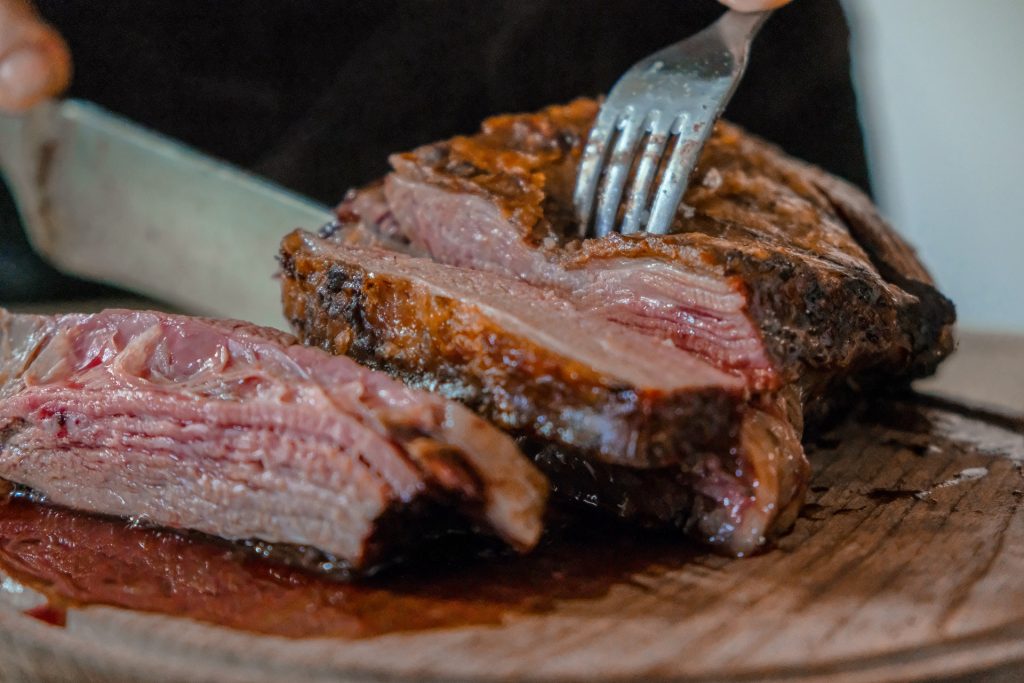
Photo by Jose Ignacio Pompe on Unsplash

Imidazole dipeptides (IDPs), which are abundant in meat and fish, have been reported to be effective in relieving fatigue and preventing dementia. Researchers have discovered that most of these IDPs identified in beef, chicken and pork also have remarkably high antioxidant activity. They detailed their findings in the journal Antioxidants.

Professor Hideshi Ihara from the Osaka Metropolitan University Graduate School of Science led a research team that was the first to discover 2-oxo-imidazole-containing dipeptides (2-oxo-IDPs), which have one more oxygen atom than normal IDPs. Found at concentrations of  0.015–0.11% that of normal IDPs, these were also shown to be potent antioxidants.

In their study, the researchers came up with a method for selective and highly sensitive detection of five types of 2-oxo-IDPs using mass spectrometry, which enables quantitative detection of trace 2-oxo-IDPs in living organisms. Using this method, they revealed for the first time that beef, pork, chicken, and other meats contain antioxidants, not only IDPs but a variety of different 2-oxo-IDPs.

“We hope that this research method, which enables advanced analysis of 2-oxo-IDPs, will be applied not only to basic biology but also to medicine, agriculture, and pharmacy, where it will help improve peoples’ health and prevent diseases,” concluded Professor Ihara.

Source: Osaka Metropolitan University