Among its many health benefits, brown rice has long been known to protect against oxidative stress – but it was not known which compound was responsible for this. Researchers in Japan have identified the compound that confers this protective effect, with their findings published in the International Journal of Molecular Sciences.
In a recent study led by Professor Yoshimasa Nakamura from the Graduate School of Environmental and Life Science, Okayama University, researchers from Japan have identified cycloartenyl ferulate (CAF) as the main “cytoprotective” or cell-protecting compound in brown rice. CAF is a unique compound owing to its hybrid structure. As Professor Nakamura explains, “CAF is a hybrid compound of polyphenol and phytosterol and is expected to be a potent bioactive substance with various pharmacological properties, such as antioxidant effect and blood fat-lowering effect.”
In this study, the researchers provide evidence of CAF’s antioxidant properties by demonstrating that it can protect cells from stress caused by hydrogen peroxide. Although hydrogen peroxide is a by-product of a cell’s metabolic processes, abnormal amounts of the compound can be toxic to cells and cause irreversible damage. Treatment of cells with CAF increased their resistance to toxic stress induced by hydrogen peroxide. Moreover, CAF provided greater protection from hydrogen peroxide-induced stress compared to alpha-tocopherol and gamma-tocopherol, two other prominent antioxidant compounds that were earlier speculated to be major contributors to the antioxidant capacity of brown rice.
According to the study’s estimates, the amount of CAF in the whole grain of brown rice is five-fold higher than that of other antioxidant compounds found in brown rice. Further, CAF increases the concentration of heme oxygenase-1 or HO-1, an enzyme that facilitates the production of antioxidants. “We demonstrated here that CAF significantly increased the mRNA level of HO-1, the small molecular weight antioxidant-producing enzyme, at concentrations similar to that required for cytoprotective effects in resistance to oxidative damage,” Professor Nakamura explains.
The researchers further explored this mechanism of action through experiments where blocking HO-1 activity using inhibitors reduced the antioxidant effect of CAF considerably. The high abundance and unique mechanism of action are evidence that CAF is the major contributing antioxidant in brown rice.
Through this study, the researchers have not only uncovered the secret to the health benefits of brown rice, but also locked down on the component that is majorly responsible for these benefits. This will allow the use of CAF in the development of better novel supplements and food products focused on consumer health. As an optimistic Professor Nakamura observes, “Our study can help in the development of new functional foods and supplements based on the functionality of CAFs, like CAF-based nutraceuticals.”
A new approach for treating systemic lupus erythematosus (SLE) could lie in targeting iron metabolism in immune system cells. Researchers found that blocking an iron uptake receptor reduces disease pathology and promotes the activity of anti-inflammatory regulatory T cells in a mouse model of SLE. The findings were published in the journal Science Immunology.
Treatments for lupus aim to control symptoms, reduce immune system attack of tissues, and protect organs from damage. Only one targeted biologic agent has been approved for treating SLE, belimumab in 2011.
“It has been a real challenge to come up with new therapies for lupus,” said Jeffrey Rathmell, PhD, Vanderbilt University professor. “The patient population and the disease are heterogeneous, which makes it difficult to design and conduct clinical trials.”
Rathmell’s group has had a long-standing interest in lupus as part of a broader effort to understand mechanisms of autoimmunity.
When postdoctoral fellow Kelsey Voss, PhD, began studying T cell metabolism in lupus, she noticed that iron appeared to be a “common denominator in many of the problems in T cells,” she said. She was also intrigued by the finding that T cells from patients with lupus have high iron levels, even though patients are often anaemic.
“It was not clear why the T cells were high in iron, or what that meant,” said Voss.
To explore T cell iron metabolism in lupus, Voss and Rathmell drew on the expertise of other investigators at VUMC.
First, Voss used a CRISPR genome editing screen to evaluate iron-handling genes in T cells. She identified the transferrin receptor, which imports iron into cells, as critical for inflammatory T cells and inhibitory for anti-inflammatory regulatory T cells.
The researchers found that the transferrin receptor was more highly expressed on T cells from SLE-prone mice and T cells from patients with SLE, which caused the cells to accumulate too much iron.
“We see a lot of complications coming from that – the mitochondria don’t function properly, and other signalling pathways are altered,” Voss said.
An antibody that blocks the transferrin receptor reduced intracellular iron levels, inhibited inflammatory T cell activity, and enhanced regulatory T cell activity. Treatment of SLE-prone mice with the antibody reduced kidney and liver pathology and increased production of the anti-inflammatory factor, IL-10.
“It was really surprising and exciting to find different effects of the transferrin receptor in different types of T cells,” Voss said. “If you’re trying to target an autoimmune disease by affecting T cell function, you want to inhibit inflammatory T cells but not harm regulatory T cells. That’s exactly what targeting the transferrin receptor did.”
In T cells from patients with lupus, expression of the transferrin receptor correlated with disease severity, and blocking the receptor in vitro enhanced production of IL-10.
Since the transferrin receptor mediates iron uptake in many cell types, the researchers want to develop transferrin receptor antibodies that bind specifically to T cells, to minimise off-target effects. They are also interested in studying the details of their unexpected discovery that blocking the transferrin receptor enhances regulatory T cell activity.
In a recent study published in The Journal of Advanced Nursing that included pregnant Black women from multiple US states, feeling upset by experiences of racism in the 12 months prior to delivery was associated with significantly higher odds of depression during pregnancy.
Perinatal depression is defined as major or minor depressive episodes that occur during pregnancy or in the first 12 months after birth. Mothers with perinatal depression often report symptoms including depressed mood; loss of interest or pleasure in daily activities; changes in weight, appetite and sleep; poor concentration; feelings of hopelessness; and suicidal ideations. Non-Hispanic Black women are twice as likely to experience symptoms of depression and suicidal ideations during the perinatal period than White women.
For this study, 7328 women answered survey questions. The findings showed that 11.4% of respondents reported feeling upset due to experiences of racism, and 11.4% reported experiencing depression during pregnancy. After adjusting for confounding factors, respondents who reported feeling upset due to the experience of racism had over two-fold higher odds of experiencing depression during pregnancy compared with respondents who did not report feeling upset due to the experience of racism.
“Our findings reinforce the importance of respectful maternity care, given the mental health impacts of experiences of racism during the perinatal period,” the authors wrote. “Racism is a powerful structural determinant of health with roots in a historical system of oppression that persists today in health care practices and policies. Perinatal health care providers, in collaboration with public health and other health disciplines, are ideally positioned to address inequities in maternal and child health that are rooted in racism.”
Credit: Darryl Leja / National-Human-Genome Research Institute / National Institutes of Health
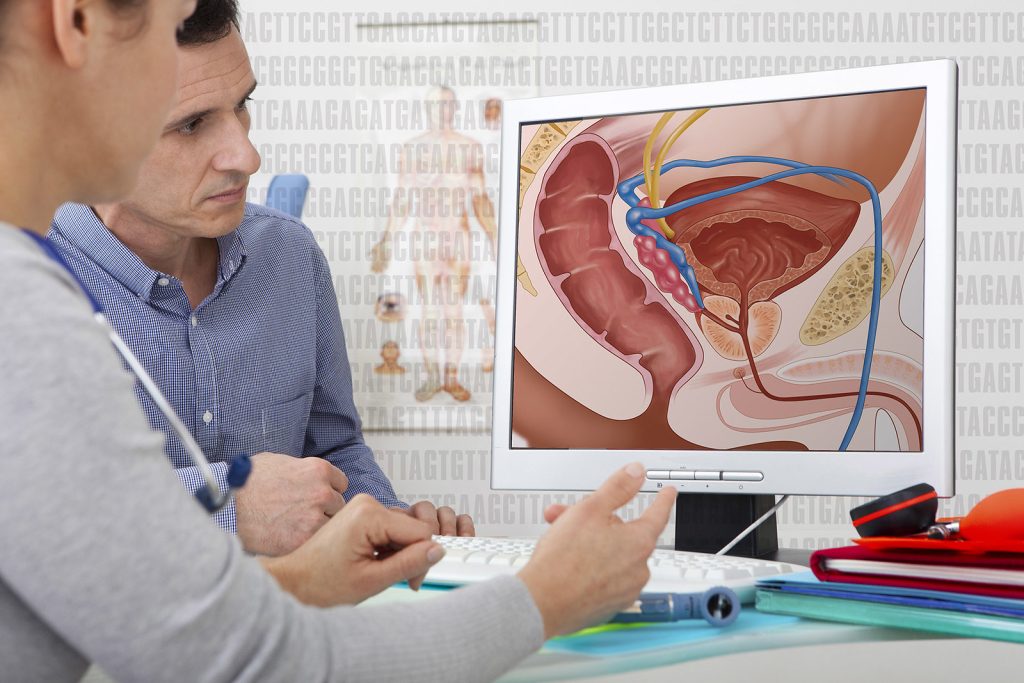
Men undergoing MRI-guided radiotherapy for localised prostate cancer, had fewer toxicities and better quality of life, according to new research published in JAMA Oncology. This was the first randomised phase III clinical trial to directly compare MRI-guided stereotactic body radiotherapy (SBRT) with the same therapy guided by CT.
“MRI guidance offers several advantages over standard CT guidance, most notably the ability to dramatically reduce planning margins, providing more focused treatment with less injury to nearby normal tissues and organs,” said lead author Amar Kishan, MD, a radiation oncologist. “MRI technology is more costly than CT, both in terms of upfront equipment expenses and longer treatment times, which is one reason our study set out to determine if MRI-guided technology offers tangible benefits for patients.”
SBRT for prostate cancer usually delivers radiation in five or fewer precisely targeted doses. It is an established and generally well tolerated form of treatment, but it can cause toxicities resulting in urinary, bowel and sexual dysfunction. This UCLA-led clinical trial included 154 analysable patients with prostate cancer who were randomised to either a CT-guidance arm (76 patients) or an MRI-guidance arm (78 patients).
This study included assessment by both physicians and patients. From both perspectives, MRI-guided therapy was associated with fewer side effects and better quality of life over at least three months of follow-up.
“In this trial, we demonstrated that the reduction in treatment volumes facilitated by MRI guidance leads to a significant reduction in moderate physician-scored toxicity and to a reduction in the proportion of patients noting significant decrements in patient-reported outcome metrics in the near term,” said Dr Kishan. “Although additional studies will need to confirm these benefits over time, we’re hopeful that these results will lead to better outcomes for men with prostate cancer.”
The 2mm margin used with MRI-guidance in the trial is narrower than has been used in any previous large study. Unlike CT, MRI technology can monitor prostate motion directly, and it offers improved soft tissue contrast, improving the accuracy of alignment prior to radiation.
A theatre recovery room at Boitumelo Regional Hospital. The photo was taken in January. The hospital says leaks have since been fixed. Photo: Rethabile Nyelele
Crumbling infrastructure is hampering patient care at Boitumelo Regional Hospital in Kroonstad, Free State.
We first visited the hospital two weeks ago. Buckets have been set out on the floors of some wards and theatre rooms to catch water leaking from broken ceilings.
An extension of the hospital building and upgrades started in 2010. In July 2014, further renovations were done. But staff, who spoke to GroundUp on condition of anonymity, said conditions at the hospital are deteriorating, with leaking ceilings, and broken windows covered with cardboard.
Last week, nurses and other staff downed tools over the poor condition of the hospital. They also demanded to be paid for overtime. Most staff resumed their duties on Monday night, pending further negotiations with management on 17 February.
Boitumelo is the only regional hospital in the Fezile Dabi District and caters for patients from about 19 surrounding towns. The hospital has six theatres but we were told of at least 80 patients whose surgeries had to be rescheduled between October and December 2022.
“I’ve been going to the hospital for surgery since 2018 … They keep postponing,” said Langelihle Makhoba.
Another patient, Mamiki Mnguni from Oranjeville, who lives about 100km from the hospital, said, “I was scheduled for a gallstone removal on 19 January 2023, but I was told the theatre is not working. I was told to return in April.”
Hospital CEO Sibongile Mthimkhulu referred our questions to the Free State Department of Health.
The department’s spokesperson, Mondli Mvambi, responded to our questions with a screengrab from a memo sent by Mthimkhulu which details progress made on infrastructure repairs. The memo stated that ceiling panels had been replaced and two theatres had been painted, among other things.
But when we visited the hospital again on 6 February, ceiling panels were still broken and we were told that some of the theatres were not yet fully functional.
For older patients in intensive care units (ICUs), COVID is more severe than bacterial or viral pneumonia, suggests new research published in the Journal of the American Geriatrics Society.
Among 11 525 patients aged 70 years and older who were admitted to Dutch ICUs, ICU-mortality and hospital-mortality rates of patients admitted with COVID were 39.7% and 47.6%, respectively. These rates were higher than the mortality of patients admitted because of pneumonia from causes other than COVID. (ICU- and hospital-mortality rates of patients admitted with bacterial pneumonia were 19.1% and 28.8%, respectively, and with viral pneumonia were 22.7% and 31.8%, respectively). Differences persisted after adjusting for several clinical characteristics and intensive care unit occupancy rate.
“In ICU-patients aged 70 years and older, COVID is more severe – with approximately double mortality rates – compared with bacterial or viral pneumonia. Nevertheless, more than half of these older patients admitted to Dutch ICUs with COVID survived the hospital,” said corresponding author Lenneke E. M. Haas, MD, PhD, of Diakonessenhuis, in the Netherlands. “Our findings provide important additional data to include in informed goals-of-care discussions.”
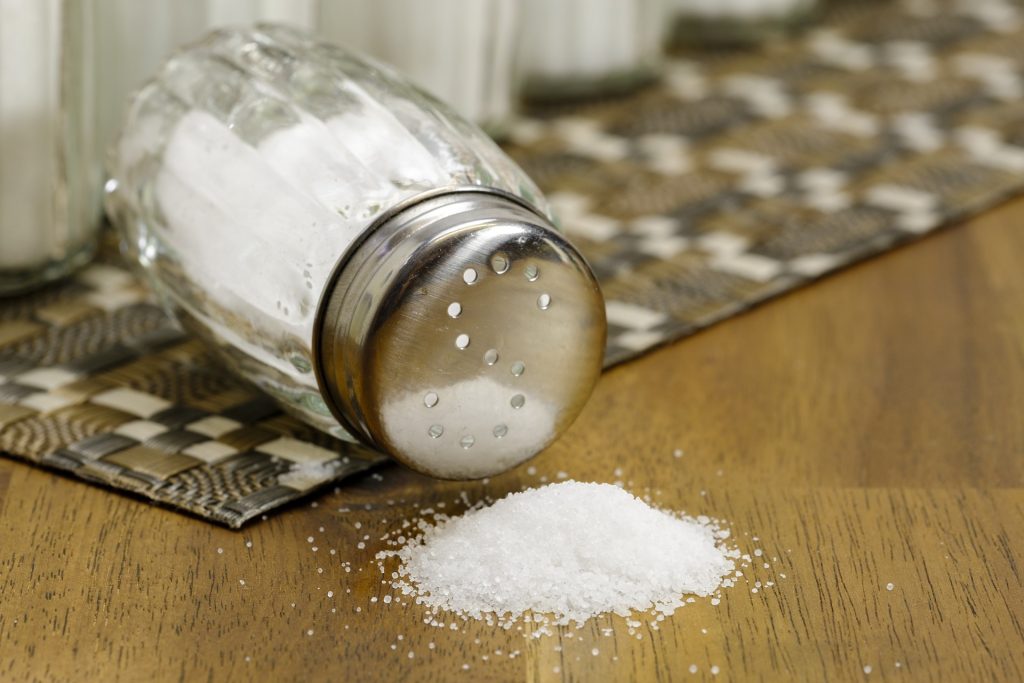
Regulatory T cells ensure that immune responses happen in a controlled way. But eating too much salt weakens these cells’ energy supply, thus rendering them temporarily dysfunctional. This salt-induced ‘load shedding’ may have implications for autoimmunity, researchers report in Cell Metabolism.
Excessive salt consumption not only causes cardiovascular problems, it could also adversely impact the immune system. The study found that salt can disrupt regulatory T cells by impairing their energy metabolism. The findings may provide new avenues for exploring the development of autoimmune and cardiovascular diseases.
A few years ago, research by teams led by Professor Dominik Müller and Professor Markus Kleinewietfeld revealed that excess salt in the diet can negatively affect the metabolism and energy balance in certain types of innate immune cells called monocytes and macrophages and stop them from working properly. They further showed that salt triggers malfunctions in the mitochondria. Inspired by these findings, the research groups wondered whether excessive salt intake might also create a similar problem in adaptive immune cells like regulatory T cells.
Important immune regulators
Regulatory T cells, also known as Tregs, are an essential part of the adaptive immune system. They are responsible for maintaining the balance between normal function and unwanted excessive inflammation.
Scientists believe that the deregulation of Tregs is linked to the development of autoimmune diseases like multiple sclerosis. Recent research has identified problems in mitochondrial function of Tregs from patients with autoimmunity, yet the contributing factors remain elusive.
“Considering our previous findings of salt affecting mitochondrial function of monocytes and macrophages as well as the new observations on mitochondria in Tregs from autoimmune patients, we were wondering if sodium might elicit similar issues in Tregs of healthy volunteers,” says Müller, who co-heads the Hypertension-Mediated End-Organ Damage Lab at the Max Delbrück Center and the ECRC.
Previous research has also shown that excess salt could impact Treg function by inducing an autoimmune-like phenotype. In other words, too much salt makes the Treg cells look like those involved in autoimmune conditions. However, exactly how sodium impairs Treg function had not yet been uncovered.
Salt interferes with mitochondrial function of Tregs
The new international study led by Kleinewietfeld and Müller has now discovered that sodium disrupts Treg function by altering cellular metabolism through interference with mitochondrial energy generation. This mitochondrial problem seems to be the initial step in how salt modifies Treg function, leading to changes in gene expression that showed similarities to those of dysfunctional Tregs in autoimmune conditions.
Even a short-term disruption of mitochondrial function had long-lasting consequences for the fitness and immune-regulating capacity of Tregs in various experimental models. The new findings suggest that sodium may be a factor that could contribute to Treg dysfunction, potentially playing a role in different diseases, although this needs to be confirmed in further studies.
“The better understanding of factors and underlying molecular mechanisms contributing to Treg dysfunction in autoimmunity is an important question in the field. Since Tregs also play a role in diseases such as cancer or cardiovascular disease, the further exploration of such sodium-elicited effects may offer novel strategies for altering Treg function in different types of diseases,” says Kleinewietfeld, who heads the VIB Laboratory for Translational Immunomodulation. “However, future studies are needed to understand the molecular mechanisms in more detail and to clarify their potential relationship to disease.”
A recent study found improved patient outcomes after receiving care based on scientific and clinical evidence, while also reducing costs. Published in Worldviews on Evidence-Based Nursing, the article also reviewed the extent and type of evidence-based practices (EBPs) performed across clinical settings.
A total of 636 published articles addressing EBP and patient outcomes met investigators’ inclusion criteria. There were many differences in approaches, designs, and outcomes measured among the articles included in the review.
Most articles (63.3%) were published in the United States, and 90% took place in the acute care setting. Various EBPs were implemented, with just over a third including some aspect of infection prevention, and most (91.2%) linked to reimbursement. The two most reported outcomes were length of stay (15%), followed by mortality (12%).
“Although our study revealed that EBP improves patient outcomes and reduces costs for healthcare systems, there is much opportunity to improve healthcare quality and safety with EBP as healthcare executives still do not invest enough in their budgets to ensure that all clinicians take this approach to care and that all care is evidence-based, not steeped in tradition, or outdated policies or procedures,” said corresponding author Linda Connor, PhD, RN, CPN, of The Ohio State University.
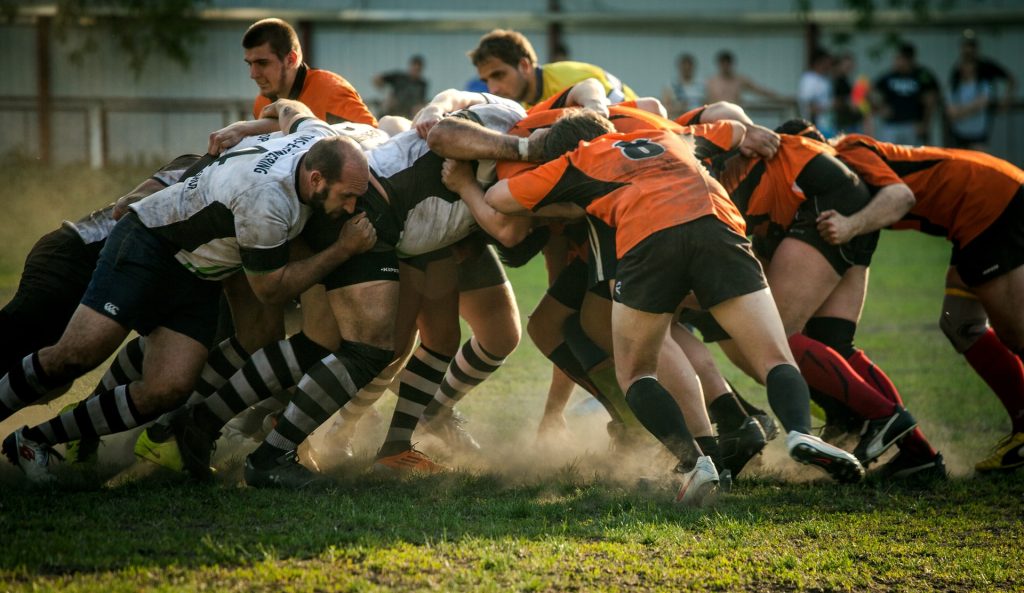
Over the past 17 years, evidence on chronic traumatic encephalopathy (CTE) has piled up. While some sports organisations like the National Hockey League and World Rugby still claim their sports do not cause CTE, a new review article in the journal Acta Neuropathologica strengthens the case that repetitive head impact (RHI) exposure is the chief risk factor for the condition.
CTE is characterised by a distinctive molecular structural configuration of p-tau fibrils that is unlike the changes observed with aging, Alzheimer’s disease, or any other diseases caused by tau protein.
Though CTE made US headlines in 2007, it wasn’t until 2016 that the National Institute of Neurological Disorders and Stroke/National Institute of Biomedical Imaging and Bioengineering (NINDS-NIBIB) criteria for the neuropathological diagnosis of CTE were published, and they were refined in 2021. Rare, isolated case studies reporting aberrant findings or using non-accepted diagnostic criteria have been disproportionately emphasised to cast doubt on the connection between RHI and CTE.
In the review, Ann McKee, MD, chief of neuropathology at VA Boston Healthcare System and director of the BU CTE Center, stresses that now over 600 CTE cases have been published in the literature from multiple international research groups. And of those over 600 cases, 97% have confirmed exposure to RHI, primarily through contact and collision sports. CTE has been diagnosed in amateur and professional athletes, including athletes from American, Canadian, and Australian football, rugby union, rugby league, soccer, ice hockey, bull-riding, wrestling, mixed-martial arts, and boxing.
What’s more, 82% (14 of the 17) of the purported CTE cases that occurred in the absence of RHI, where up-to-date criteria were used, the study authors disclosed that families were never asked what sports the decedent played.
According to the researchers, despite global efforts to find CTE in the absence of contact sport participation or RHI exposure, it appears to be extraordinarily rare, if it exists at all. “In studies of community brain banks, CTE has been seen in 0 to 3 percent of cases, and where the information is available, positive cases were exposed to brain injuries or RHI. In contrast, CTE is the most common neurodegenerative disease diagnosis in contact and collision sport athletes in brain banks around the world. A strong dose response relationship is perhaps the strongest evidence that RHI is causing CTE in athletes,” she added.
“The review presents the timeline for the development of neuropathological criteria for the diagnosis of CTE which was begun nearly 100 years ago by pathologist Harrison Martland who introduced the term “punch-drunk” to describe a neurological condition in prizefighters,” explained McKee, corresponding author of the study. The review chronologically describes the multiple studies conducted by independent, international groups investigating different populations that found CTE pathology in individuals with a history of RHI from various sources.”
Most people remember emotional events, like their wedding day, very clearly, but researchers are not sure how the human brain prioritises emotional events in memory. In a study published in Nature Human Behaviour, Joshua Jacobs, associate professor of biomedical engineering at Columbia Engineering, and his team identified a specific neural mechanism in the human brain that tags information with emotional associations for enhanced memory.
The team demonstrated that high-frequency brain waves in the amygdala, a hub for emotional processes, and the hippocampus, a hub for memory processes, are critical to enhancing memory for emotional stimuli. Disruptions to this neural mechanism, brought on either by electrical brain stimulation or depression, impair memory specifically for emotional stimuli.
Rising prevalence of memory disorders
The rising prevalence of memory disorders such as dementia has highlighted the damaging effects that memory loss has on individuals and society. Disorders such as depression, anxiety, and post-traumatic stress disorder (PTSD) can also feature imbalanced memory processes, especially with the COVID pandemic. Understanding how the brain naturally regulates what information gets prioritised for storage and what fades away could provide critical insight for developing new therapeutic approaches to strengthening memory for those at risk of memory loss, or for normalising memory processes in those at risk of dysregulation.
“It’s easier to remember emotional events, like the birth of your child, than other events from around the same time,” says Salman E. Qasim, lead author of the study, who started this project during his PhD in Jacobs’ lab at Columbia Engineering. “The brain clearly has a natural mechanism for strengthening certain memories, and we wanted to identify it.”
The difficulty of studying neural mechanisms in humans
Most investigations into neural mechanisms take place in animals such as rats, because such studies require direct access to the brain to record brain activity and perform experiments that demonstrate causality, such as careful disruption of neural circuits. But it is difficult to observe or characterise a complex cognitive phenomenon like emotional memory enhancement in animal studies.
To study this process directly in humans. Qasim and Jacobs analysed data from memory experiments conducted with epilepsy patients undergoing direct, intracranial brain recording for seizure localisation and treatment. During these recordings, epilepsy patients memorised lists of words while the electrodes placed in their hippocampus and amygdala recorded the brain’s electrical activity.
Studying brain-wave patterns of emotional words
Qasim found that participants remembered more emotionally rated words, such as “dog” or “knife,” better than more neutral words, such as “chair.” Whenever participants successfully remembered emotional words, high-frequency neural activity (30-128 Hz) would become more prevalent in the amygdala-hippocampal circuit, a pattern which was absent when participants remembered more neutral words, or failed to remember a word altogether. Analysing 147 participant, they found a clear link between participants’ enhanced memory for emotional words and the prevalence in their brains of high-frequency brain waves across the amygdala-hippocampal circuit.
“Finding this pattern of brain activity linking emotions and memory was very exciting to us, because prior research has shown how important high-frequency activity in the hippocampus is to non-emotional memory,” said Jacobs. “It immediately cued us to think about the more general, causal implications – if we elicit high-frequency activity in this circuit, using therapeutic interventions, will we be able to strengthen memories at will?”
Electrical stimulation disrupts memory for emotional words
In order to establish whether this high-frequency activity actually reflected a causal mechanism, Jacobs and his team formulated a unique approach to replicate the kind of experimental disruptions typically reserved for animal research. First, they analysed a subset of these patients who had performed the memory task while direct electrical stimulation was applied to the hippocampus for half of the words that participants had to memorise. They found that electrical stimulation, which has a mixed history of either benefiting or diminishing memory depending on its usage, clearly and consistently impaired memory specifically for emotional words.
Uma Mohan, another PhD student in Jacobs’ lab at the time and co-author on the paper, noted that this stimulation also diminished high-frequency activity in the hippocampus. This provided causal evidence that, by knocking out the brain activity pattern correlating with emotional memory, stimulation was also selectively diminishing emotional memory.
Depression acts similarly to brain stimulation
Qasim further hypothesized that depression, which can involve dysregulated emotional memory, might act similarly to brain stimulation. He analyzed patients’ emotional memory in parallel with mood assessments the patients took to characterize their psychiatric state. And, in fact, in the subset of patients with depression, the team observed a concurrent decrease in emotion-mediated memory and high-frequency activity in the hippocampus and amygdala.
“By combining stimulation, recording, and psychometric assessment, they were able to demonstrate causality to a degree that you don’t always see in studies with human brain recordings,” said Bradley Lega, a neurosurgeon and scientist at the University of Texas Southwestern Medical Center and not an author on the paper. “We know high-frequency activity is associated with neuronal firing, so these findings open new avenues of research in humans and animals about how certain stimuli engage neurons in memory circuits.”
Next steps
Qasim is now investigating how individual neurons in the human brain fire during emotional memory processes. Qasim and Jacobs hope that their work might also inspire animal research exploring how this high-frequency activity is linked to norepinephrine, a neurotransmitter linked to attentional processes that they theorise might be behind the enhanced memory for emotional stimuli. They also hope that future research will target high-frequency activity in the amygdala-hippocampal circuit to protect memory.
“Our emotional memories are one of the most critical aspects of the human experience, informing everything from our decisions to our entire personality,” Qasim added. “Any steps we can take to mitigate their loss in memory disorders or prevent their hijacking in psychiatric disorders is hugely exciting.”