Healthy Diet may Help Keep Low Grade Prostate Cancer from Progressing
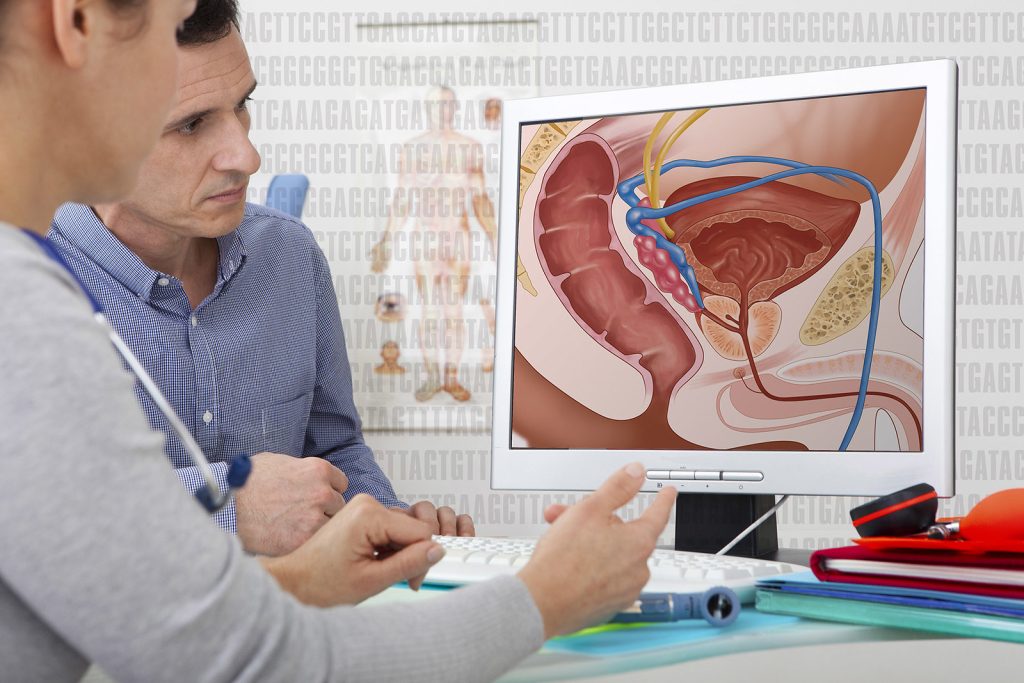
Credit: Darryl Leja National Human Genome Research Institute National Institutes Of Health

In a peer-reviewed study believed to be the first of its kind published, a research team led by Johns Hopkins Medicine provides scientific evidence that a healthy diet may reduce the chance of low risk prostate cancer progressing to a more aggressive state in men undergoing active surveillance – a clinical option in which men with lower risk cancer are carefully monitored for progression in lieu of treatments that could have undesired side effects or complications.

The findings are reported in the journal JAMA Oncology.

“Many men diagnosed with low grade prostate cancer are interested in changes they can make to reduce the risk of their tumour becoming more aggressive, and the role of diet and nutrition is one of the most commonly asked questions,” says study co-senior author Bruce Trock, PhD, a professor of urology, epidemiology and oncology at the Johns Hopkins University School of Medicine, and director of the Brady Urological Institute’s epidemiology division. “These men are motivated to make changes that may improve their prognosis, which is why we began collecting data on their diets, lifestyles and exposures 20 years ago. Hopefully, these latest findings will enable us to develop some concrete steps they can take to reduce the risk of cancer progression.”

When a patient is found after a biopsy to have developed prostate cancer, the sampled cells are assigned to a grade group based on comparison normal prostate tissue. Grade groups range from 1 to 5, with grade group 1 indicating indolent cancer cells that don’t look very different than normal tissue and do not metastasise. At the other end of the scale, grade group 5 indicates cancer cells that are quite abnormal in appearance, and can grow and metastasise if untreated

During active surveillance, biopsies are performed at regular intervals to see if prostate cancer should be move it to a higher grade group. Called grade reclassification, this often leads to a recommendation for treatment. It also is a common way for researchers to evaluate the effectiveness of therapies and lifestyle modifications.

“While there have been previous research studies looking at diet and its relationship to prostate cancer, we believe that ours is the first to provide statistically significant evidence that a healthy diet is associated with a reduction in risk of prostate cancer progressing to a higher grade group, as shown by a reduction in the percentage of men on active surveillance experiencing grade reclassifications over time,” says study co-senior author Christian Pavlovich, MD, a professor in urologic oncology at the Johns Hopkins University School of Medicine and director of the Brady Urological Institute’s prostate cancer active surveillance program.

In the newly published study, the researchers prospectively evaluated the histories of 886 men (median age at diagnosis: 66) diagnosed with grade group 1 prostate cancer from January 2005 to February 2017, all of whom were in the Johns Hopkins Medicine active surveillance program and whom, at the time of enrolment, completed a validated food frequency survey regarding their usual dietary patterns. Of the participants, 55 were Black (6.2%), 803 (90.6%) were white and 28 (3.2%) identified as other races and ethnicities.

Based on their responses to the questionnaire, a Healthy Eating Index (HEI) score was calculated for each patient. The HEI ranges from 0 to 100.

“The HEI is a validated measure of overall diet quality, quantifying how well an individual’s dietary pattern adheres to the recommendations of the U.S. Department of Agriculture’s Dietary Guidelines for Americans,” says study lead author Zhuo Tony Su, MD. “We looked at each patient’s HEI score – as calculated from their dietary information recorded at enrolment in our active surveillance programme – and assessed whether men with a higher quality diet were less likely to experience grade reclassification in the years afterward.”

Su says the researchers also evaluated the patients using an energy-adjusted HEI (E-HEI) score that takes into account a person’s daily caloric intake.

Along with those two metrics, Su says, the researchers calculated scores for each study participant using the Dietary Inflammatory Index (DII) and the energy-adjusted DII (E-DII).

“The DII and E-DII scores assess the inflammatory or anti-inflammatory potential of any diet, so higher scores indicate a diet that may cause more inflammation, which in turn, may contribute to the development and progression of prostate cancer,” says Su. “We evaluated whether higher inflammatory potential was associated with increased risk of grade reclassification.”

By a follow-up assessment at 6.5 years after diagnosis, 187 men (21%) had been reclassified as grade group 2 or greater, of whom 55 (6%) had extreme grade reclassification to grade group 3 or greater.

“When our team looked at the HEI and E-HEI scores in relation to the grade reclassification rates, we found a statistically significant inverse association between adherence to a high quality diet – as indicated by high HEI and E-HEI scores – and the risk of grade reclassification during active surveillance,” says Trock. “In other words, the higher the HEI and E-HEI scores, the more reduced the risk that a low grade prostate cancer had progressed to a higher grade disease that mandated curative treatment.”

Pavlovich says for patients adhering to a high quality diet, every increase of 12.5 points in the HEI score was associated with an approximately 15% reduction in reclassification to grade group 2 or greater, and a 30% reduction in reclassification to grade group 3 or greater.

The researchers say their findings also indicate that lower inflammation potential is among several possible risk lowering mechanisms as a result of a higher quality diet. However, they did not find an association between grade reclassification and baseline DII/E-DII scores.

“This lack of association with DII/E-DII may indicate that inflammation plays a role in driving the progression from a healthy prostate to one with cancer,” says Trock. “Whereas, in men who already have prostate cancer, the more subtle biological change from a lower to higher grade may reflect other mechanisms potentially influenced by diet.”

The researchers report several limitations in their study, including diet data based on patient self-reporting, results subject to potential nonresponse bias (bias occurring when respondents and nonrespondents differ in ways that impact the research, making the sample population less representative of the whole population) and not accounting for dietary changes over time. Additionally, they say the study population, consisting predominantly of white men with grade group 1 disease at diagnosis, may not be generalisable to all patients.

“Our findings-to-date should be helpful for the counselling of men who choose to pursue active surveillance and are motivated to modify their behaviours, including quality of diet,” says Pavlovich. “However, to truly validate the association between higher quality diet and reduced risk of prostate cancer progression, future studies with more diverse populations are needed.”

Source: John Hopkins Medicine
New Guideline: Preventing a First Stroke may be Possible

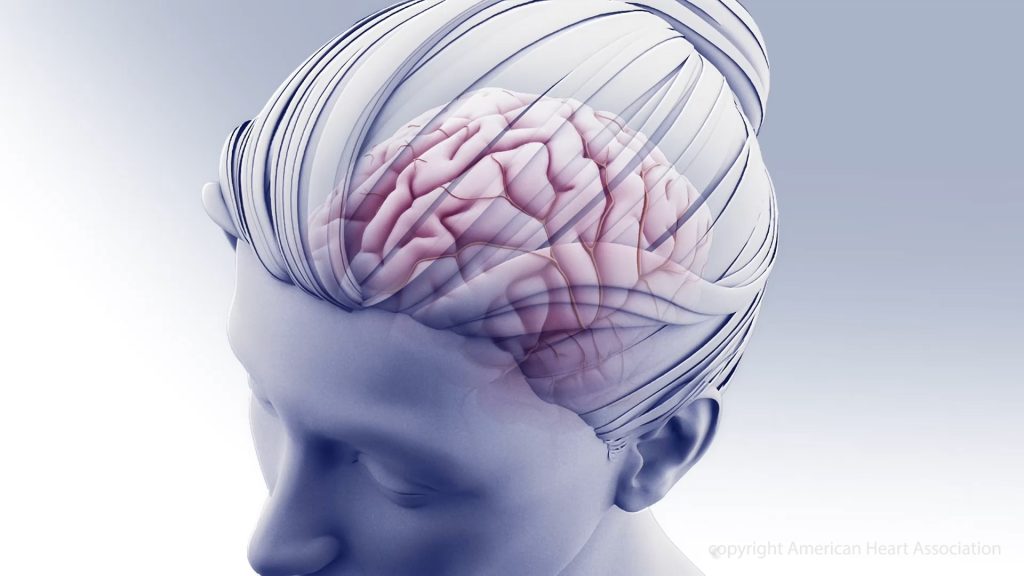
Updated clinical recommendations, including lifestyle changes, prevention strategies and treatment options, to reduce the risk of a first stroke outlined in a new guideline from the American Stroke Association

Credit: American Heart Association

Healthy lifestyle behaviours, such as good nutrition, smoking cessation and being physically active, along with routine health screenings and managing risk factors for cardiovascular disease and stroke with medication, can help prevent individuals from having a first stroke. Screening for stroke risk and educating people on how to lower their chances of having a stroke ideally begin with their primary care professional and include evidence-based recommendations, according to a new clinical guideline from the American Stroke Association, and published in the journal Stroke.

“The most effective way to reduce the occurrence of a stroke and stroke-related death is to prevent the first stroke – referred to as primary prevention,” said Chair of the guideline writing group, Cheryl D. Bushnell, MD, MHS, FAHA, professor and vice chair of research in the department of neurology at Wake Forest University School of Medicine. “Some populations have an elevated risk of stroke, whether it be due to genetics, lifestyle, biological factors and/or social determinants of health, and in some cases, people do not receive appropriate screening to identify their risk.”

The “2024 Guideline for the Primary Prevention of Stroke” replaces the 2014 version and is a resource for clinicians in implementing a variety of prevention strategies for individuals with no prior history of stroke. The new guideline provides evidence-based recommendations for strategies to support brain health and prevent stroke throughout a person’s lifespan by improving healthy lifestyle behaviours and getting preventive care.

“This guideline is important because new discoveries have been made since the last update 10 years ago. Understanding which people are at increased risk of a first stroke and providing support to preserve heart and brain health can help prevent a first stroke,” said Bushnell. 

Key stroke prevention recommendations include regular health screenings, identifying risk factors, lifestyle interventions and medications, when indicated.

Identifying and managing risk factors

Unidentified and unmanaged cardiovascular disease risk factors can cause damage to arteries, the brain and the heart years before cardiovascular disease and stroke occur. Primary care health professionals should promote brain health for patients through stroke prevention education, screenings and addressing risk factors from birth to old age.

Modifiable risk factors for stroke, such as high blood pressure, overweight and obesity, elevated cholesterol and elevated blood sugar, can be identified with physical exams and blood tests. These conditions should be addressed with healthy lifestyle and behavioural changes and may include medications for select patients. Antihypertensive medications to reduce blood pressure and statin medications to lower cholesterol can help to reduce the risk of first stroke in adults with increased cardiovascular disease risk and those receiving CVD care. A new recommendation is consideration of glucagon-like protein-1 (GLP-1) receptor agonist medications, which are FDA-approved to reduce the risk of cardiovascular disease in people with overweight or obesity and/or Type 2 diabetes.

Healthy lifestyle behaviours

The most common, treatable lifestyle behaviours that can help reduce stroke risk are detailed in the Association’s Life’s Essential 8 cardiovascular health metrics. They include healthy nutrition, regular physical activity, avoiding tobacco, healthy sleep and weight, controlling cholesterol, and managing blood pressure and blood sugar. The guideline recommends that adults with no prior cardiovascular disease, as well as those with increased risk, follow a Mediterranean dietary pattern. Mediterranean dietary programs have been shown to reduce the risk of stroke, especially when supplemented with nuts and olive oil.

Physical activity is also essential for stroke risk reduction and overall heart health. Physical activity can help to improve important health measures such as blood pressure, cholesterol, inflammatory markers, insulin resistance, endothelial function and weight. The guideline urges health care professionals to routinely screen patients for sedentary behaviour, a confirmed risk factor for stroke, and counsel them to engage in regular physical activity. The Association reinforces the U.S. Department of Health and Human Services Office of Disease Prevention and Health Promotion’s recommendation that adults get at least 150 minutes per week of moderate-intensity aerobic activity or 75 minutes per week of vigorous aerobic activity, or a combination of both, preferably spread throughout the week.  

Health equity and stroke risk

New to the guideline is an emphasis on social determinants of health and the impact they have on stroke risk. Social determinants of health are non-medical factors, including education, economic stability, access to care, discrimination, structural racism and neighborhood factors (such as the lack of walkability, lower availability of healthy food and fewer health resources), that contribute to inequities in care and influence overall health. Health care professionals should ensure patient education is available for various educational and language levels, and advocate for their patients by choosing treatments and medications that are effective and affordable.

Health care professionals are also encouraged to connect patients to resources that help address health-related social needs such as food and housing insecurity, refer them to programs that support healthy lifestyle changes and direct them to support programs that may help defray health care costs including medication expenses.

New sex- and gender-specific recommendations

The guideline also includes some new gender- and sex-specific recommendations for women. Health professionals should screen for conditions that can increase a woman’s risk of stroke, including use of oral contraceptives, high blood pressure during pregnancy, other pregnancy complications such as premature birth, endometriosis, premature ovarian failure and early onset menopause. Treatment of elevated blood pressure during pregnancy and within six weeks of delivery is recommended to reduce the risk of maternal intracerebral haemorrhage.

Transgender women and gender-diverse individuals taking oestrogens for gender affirmation may also be at an increased risk of stroke. Evaluation and modification of any existing risk factors are needed to reduce the risk of stroke for these individuals.

“Implementing the recommendations in this guideline would make it possible to significantly reduce the risk of people having a first stroke. Most strategies that we recommend for preventing stroke will also help reduce the risk of dementia, another serious health condition related to vascular issues in the brain,” said Bushnell.

The writing group notes that writing recommendations focused on preventing a first stroke was challenging. There are limitations to some of the evidence that informed the guideline, including that many clinical trials enrolled adults who have already had a cardiovascular event that may include a stroke. The writing group also identified knowledge gaps to help inform topics for future research.

The guideline highlights the need for risk assessment in primary stroke prevention and includes the use of risk prediction tools to estimate risk for atherosclerotic cardiovascular disease so that patients receive timely prevention and treatment strategies. The Association has recently developed a new Predicting Risk of Cardiovascular Disease Events (PREVENT) risk calculator as a screening tool that can help inform preventive treatment decisions. The PREVENT calculator can estimate 10-year and 30-year stroke and heart disease risk in individuals starting at age 30 – a decade earlier than the Pooled Cohort Equations, another CVD risk calculator.

According to the American Stroke Association, learning the warning signs of stroke and preventative measures are the best way to avoid strokes and keep them from happening again. The abbreviation F.A.S.T. – for face drooping, arm weakness, speech difficulty, time to call 911 – is a useful tool to recognise the warning signs of stroke and when to call for help.

This guideline was prepared by the volunteer writing group on behalf of the American Stroke Association and is endorsed by the Preventive Cardiovascular Nurses Association and the Society for Vascular Surgery. The American College of Obstetricians and Gynecologists supports the clinical value of this document as an educational tool.

Since 1990, the American Stroke Association has translated scientific evidence into clinical practice guidelines with recommendations to improve cerebrovascular health. The “2024 Guideline for the Primary Prevention of Stroke” replaces the 2014 “Guidelines for the Primary Prevention of Stroke.” This updated guideline is intended to be a resource for clinicians to use to guide various prevention strategies for individuals with no history of stroke. The Association supports the development and publication of clinical practice guidelines without commercial support, and members volunteer their time to the writing and review efforts.

Source: American Heart Association

Who will Live to 100?

Photo by Ravi Patel on Unsplash

Those who wish to live to 100 cannot rely on chance. Instead, it is essential to keep biomarkers associated with ageing and disease in check. By the age of 60, it may already be too late.

Text by: Maja Lundbäck, first published in Medical Science No 3 2024

Swedes are increasingly living to older ages. Thirty years ago, 85-90- year-olds were rare, but now the majority reach that age ‒ and two percent even get to see 100 candles on their birthday cake.

“Centenarians are the age group that is increasing the most now,” says Karin Modig, Associate Professor at the Institute of Environmental Medicine at Karolinska Institutet, who researches ageing and health.

In a study published in the journal GeroScience, she and her colleagues show that it is possible to predict who has the greatest chance of becoming very old already during early ageing. The study is based on approximately 44 000 Swedes who underwent health examinations between 1985 and 1996, aged between 64 and 99. Of these, 1224 individuals lived to 100.

“The results suggest that becoming very old is not solely a matter of chance; it also seems to be linked to lifestyle,” says Karin Modig.

Known biomarkers 

By looking at known biomarkers previously associated with ageing and disease, the researchers found that the centenarians had better health than their peers already in their 60s. All but two of twelve biomarkers examined could be linked to increased chances of reaching 100 years. Low iron levels reduce the chance, as does low total cholesterol, which can be a marker of disease processes in the body.

Four of the biomarkers stood out as particularly important: creatinine levels, which indicate kidneys health, were almost always normal at age 60 in those who lived to 100. The same was true for liver markers and uric acid levels, a marker for inflammatory processes. Individuals with the lowest uric acid levels had a four percent chance of living to 100, while those with the highest levels had a 1.5 percent chance. Blood sugar levels were also rarely above 6.5mmol/litrw.

The results suggest that it may be possible to increase one’s chances of living to 100 by changing your lifestyle, she believes.

“At the same time, life is not about living according to an algorithm; everyone must find their own balance between risk factors and health factors,’ she says.

Source: Karolinska Institutet

Intestinal Nutrient Sensors Create ‘Gut Instincts’ for Digestion

Source: CC0

Rare hormone producing cells in the gut secrete hormones in response to incoming food and play key roles in managing digestion and appetite. Researchers have now developed new tools to identify potential ‘nutrient sensors’ on these hormone producing cells and study their function. This could result in new strategies to interfere with the release of these hormones and provide avenues for the treatment of a variety of metabolic or gut motility disorders.

The work, led by led by the Hubrecht Institute and Roche’s Institute of Human Biology, is reported in Science.

The intestine acts as a vital barrier. It protects the body from harmful bacteria and highly dynamic pH levels, while allowing nutrients and vitamins to enter the bloodstream. The gut is also home to endocrine cells, which secrete many hormones that regulate bodily functions. These enteroendocrine cells (endocrine cells of the gut) are very rare cells that release hormones in response to various triggers, such as stretching of the stomach, energy levels and nutrients from food. These hormones in turn regulate key aspects of physiology in response to the incoming food, such as digestion and appetite. Thus, enteroendocrine cells are the body’s first responders to incoming food, and instruct and prepare the rest of the body for what is coming.

Understanding hormone release

Medications that mimic gut hormones, most famously GLP-1, are promising for the treatment of multiple metabolic diseases. The ability to directly manipulate endocrine cells to adjust hormone secretion could open up new therapeutic options. However, it has been challenging to understand how gut hormone release can be influenced effectively. Researchers have had trouble identifying the sensors on cells.

Enteroendocrine cells represent less than 1% of cells in the intestinal epithelium. In addition, the sensors on these cells are expressed in low amounts. Current studies mainly rely on mouse models, but the signals to which mouse cells respond are likely different from those to which human cells respond. Therefore, new models and approaches were required to study these signals.

Enteroendocrine cells in organoids

The Hubrecht team has previously developed methods to derive large quantities of enteroendocrine cells in human organoids. Organoids contain the same cell types of the organ they are derived from. Therefore, they are useful to explore the development and function of cells. Using a special protein, Neurogenin-3, the researchers could generate high numbers of endocrine cells in organoids of the intestine.

Enteroendocrine cells have different sensors and hormone profiles in different regions of the gut. In order to study these rare cells, the researchers needed to make organoids of all these different regions.

Stomach organoids

In the current study, the team managed to enrich enteroendocrine cells in organoids of other parts of the digestive system, including the stomach. Like the real stomach, stomach organoids respond to known inducers of hormone release and secrete large amounts of the hormone Ghrelin. Ghrelin is also called the ‘hunger hormone’ because it plays a key role in signaling hunger to the brain. The Ghrelin production of the stomach organoids confirms that these organoids can be used to study hormone secretion in enteroendocrine cells.

Enteroendocrine cell sensors

Since enteroendocrine cells are rare, researchers have struggled to profile many of these cells. In the current study, the team identified a so-called surface marker, called CD200, on human cells. The researchers used this surface marker to isolate a large number of human enteroendocrine cells from organoids and study their sensors. This revealed numerous receptor proteins that had not yet been identified in enteroendocrine cells.

The team stimulated the organoids with molecules that would activate these receptors and identified multiple new sensory receptors that control hormone release. When the researchers inactivated these receptors using CRISPR-based gene editing, hormone secretion was often blocked.

Therapeutic applications

With these data, the researchers can now predict how human enteroendocrine cells respond when certain sensory receptors are activated. Their findings thus pave the way for additional studies to explore the effects of these receptor activations. The enteroendocrine cell-enriched organoids will allow the team to perform larger, unbiased studies to identify new regulators of hormone secretion. These studies may eventually lead to therapies for metabolic diseases and gut motility disorders.

Source: Hubrecht Institute

Family Physicians Poised for Bigger Role in Public Healthcare – after Years on the Sidelines

Family physicians undergo an extra four years of training, with an emphasis on clinical governance and knowledge of social factors influencing people’s health. Photo by cottonbro studio

By Chris Bateman

Around twenty years ago, family physicians seemed set to take up roles as critical cogs across South Africa’s public healthcare system, but in the years since, doctors trained in this speciality have largely been underutilised. That is now finally set to change, according to the Department of Health, Chris Bateman reports.

The National Department of Health has signalled that they want to see more family physicians appointed as clinical managers tasked with leading multi-disciplinary district hospital teams. This follows years of lobbying by the South African Academy of Family Physicians (SAAFP) advocating for the greater utilisation of family physicians in the country’s public healthcare system.

The SAAFP has long argued the cost and clinical effectiveness of these “super generalists”, who undergo an extra four years of training, with an emphasis on clinical governance and knowledge of social factors influencing people’s health. And it seems their patience has been rewarded with a five-year district health blueprint from government.

This was confirmed to Spotlight by Dr Luvuyo Bayeni, Chief Director of Human Resources for Health at the National Department of Health.

Advocates for the speciality argue that family physicians have been neglected, with posts thin on the ground and their potential contribution under-estimated. The discipline was registered with the HPCSA in 2007.

Professor Bob Mash, Distinguished Professor at Stellenbosch University where he heads the Division of Family Medicine and Primary Care, describes the specialty as “one of the most underutilised solutions to many of the problems facing district health service delivery”. Mash is the immediate past president of the SAAFP.

Bayeni, a former clinician/administrator in the Eastern Cape, was appointed to lead the health department’s human resource operations in July last year. Since then, he attended the last two annual SAAFP conferences and has been meeting regularly with the academy’s leadership.

With austerity measures being the catch-all rebuttal by provincial heads of department whenever the wisdom of freezing posts is questioned, Bayeni is trying to persuade his provincial counterparts to adopt a policy of appointing family physicians to clinical manager posts as a highly cost-efficient move, citing successes in the Western Cape. The idea is that family physicians are able to quickly diagnose and treat patients while mentoring junior colleagues. They also help design or tweak hospital and referral clinic systems for efficiency and identify preventative health interventions at community level.

Blueprint approved

In a wide-ranging interview with Spotlight, Bayeni said his family medicine oriented blueprint had been approved by the Presidency’s Department of Policy Planning, Monitoring and Evaluation for inclusion in all future health indicators. His plan is to initially get family physicians as clinical managers into all medium to large district hospitals (150 beds and above), before ensuring they are placed in every health district, including at lower level hospitals and community health centres, at all times leading a multi-disciplinary team.

“Instead of waiting for HR plans and organograms, this is going into the mid-term framework for monitoring. It’s a strategic opportunity, where we ask ourselves, ‘how do we define a multi-disciplinary team for a district hospital?’ and then work through and with them. We’ll define and map where our priority district hospitals are, starting with the medium to large district hospitals,” he said.

Bayeni said he met with his provincial counterparts and military health service chiefs last week, (14-18 October), where he said he was going to, “make sure they all know about this. Organograms are all fine and well and necessary, but I want this top of mind when they consider them.”

“Personally, by April next year, (the new financial year), I want to see more family physicians being appointed, either in the district or in the position of clinical managers wherever there are vacancies. I’ll ask the provinces to help me with monitoring and evaluation,” he said.

He said his ambition is to change the mindset of provincial healthcare leaders “wherever necessary” about family physicians being regarded as “just another specialty” when creating and enumerating posts.

Positive responses

Several top family medicine academics and clinicians around the country who have been at the forefront of providing data and lobbying for a more pragmatic healthcare delivery approach, welcomed the renewed focus on family physicians.

Professor Steve Reid, a veteran rural family physician and head of Primary Health Care at the University of Cape Town (UCT), told Spotlight the main problem was what he called a framing issue.

“The way we think about medicine is to just go to the doctor and get it sorted, rather than how a huge number of diseases can be managed and prevented early on – it’s been a major shift over the last fifty years. I mean we now have studies that link pre-natal health to later chronic diseases. The whole idea of social medicine went out of vogue, and the idea that health has far more to do with the social determinants of health than it has to do with the health system had too little purchase,” he said.

Reid observed that no family physician can work in isolation – they made the most difference when they had a multi-disciplinary team around them.

Labelling family physicians “boundary-spanners par excellence”, he said “they join the dots rather than work in silos like other specialties who tend to guard their turf jealously.”

“Brazil is a middle-income country just like South Africa and their simple model of one doctor, a nurse and four to six community health workers per 4 000 population has got 80% of their population covered, including vast urban areas like Sao Paulo and Rio de Janeiro,” he said. In South Africa’s case, having a family physician as the leader will further enhance this model.

‘Around 400 needed’

Mash said South Africa’s previous health policies saw family physicians as a sub-specialty of internal medicine or as specialists who should work at tertiary hospitals and within primary care teams. Currently, chiefly due to the lack of posts, only a third of family medicine graduates were retained in the public sector, with ten percent emigrating and eleven percent giving up medicine altogether. Most were employed in the Western Cape, where the health system had committed to appointing family medicine practitioners at district hospitals and primary care facilities, Mash added.

The SAAFP recommends a mid-term goal of one family physician at every district hospital, community health centre or sub-district.

To achieve this, said Mash, another 400 family physicians are needed, but at current training rates this could take up to two decades, (not accounting for the current shortage of posts).

He agreed with Public Health Medicine Specialist Tracey Naledi, that only when there’s wider and stronger investment in primary healthcare across provinces will better deployment of Family Medicine practitioners begin to make a real difference to district level health and wellness. Naledi is Associate Professor in Public Health Medicine and Deputy Dean of Social Accountability and Health Systems at UCT’s Faculty of Health Sciences.

Naledi said that while there are many highly skilled veteran ‘utility’ Medical Officers in the district health system, the greater utility of family medicine is in clinical governance, health systems strengthening initiatives and capacity development. Besides teaching, monitoring, and evaluating healthcare delivery, she said family physicians also more appropriately and timeously refer patients to secondary and tertiary care.

Specialist support

“The family physicians should not just be seeing sixty patients at their door daily. They are specialist support – the Medical Officers should be calling them for advice. If family physicians were optimized, we’d see far less referral to tertiary level services,” she said.

The problem is structural, she believes.

“There are not enough human resources for health in general, so at district level people get pulled into doing what’s needed on the shop floor. There’s not enough time to do the strategic work,” she said.

“You can’t just talk about family medicine without talking about full staff requirements. When a family physician goes on outreach, it should not just be about dealing with difficult cases but building the capacity of the outlying areas. They need to ask themselves what they’re leaving behind. Otherwise, you’re cleaning the floor but not closing the tap,” she added.

Mash agreed that family medicine practitioners are “not the magic bullet – but introducing them into district health services can go quite a way towards strengthening the system”.

“We’ve trained them to work independently, to be the senior clinician with the full spectrum of needed skills, on top of which they provide the confidence for the doctors who are there to practice the skills they have. It’s very reassuring having a senior person to help if things go wrong, so it’s a combination of increased confidence and bringing in additional skills,” he said.

“A primary health nurse and community health worker can provide coverage and connection to the community, but a [family medicine] FM practitioner brings in a level of expertise so the team has both coverage and quality,” he added.

History and training

As Mash tells it, from the nineties into the first decade of the 2000s, no medical schools exposed undergraduates to Family Medicine. However, nearly thirty years on, curricula have completely turned around.

Mash says some twenty to thirty family medicine practitioners graduate from the ten South African campuses every year, among the chief disincentives to the specialisation being the paucity of available posts. He said it’s critical to create more family medicine posts “if we are to attract people into that career path. If managers believe a family physician’s contribution is worthwhile, they can outmanoeuvre these restrictive budgets.”

He said public health was being “hugely damaged” by an austerity mindset.

Professor Shabir Moosa, Family Physician in the Department of Family Medicine at Wits University, suggested offering a two-year distance learning diploma in family medicine to get family medicine practitioners into practice faster and then offering in-service further tuition to a full post-graduate degree. Moosa is a former President of the World Organization of Family Doctor’s Africa region.

“Right now, you have family physicians in community healthcare centres which see a thousand people a day. Their job is capacity building, but they’re stuck with menial tasks. Also, right now qualified Family Medicine practitioners, at Wits at least, have a thirty percent teaching commitment so they’re being pulled in many different directions.”

Like Mash, he said “turnstile leadership” in the provinces wrecked progress while leadership in primary healthcare at district and lower levels was mainly by nurses, who were uncomfortable sharing space with family physicians whom they saw as a “power threat”.

Moosa says most family medicine practitioners in rural South Africa (with the exception of the Western Cape), are foreign qualified doctors who found studying it an “easy entrance route”. He takes issue with the emphasis on training family physicians exclusively for use in rural areas, saying that with accelerating urbanisation, this is short-sighted.

Parallel with clinical associates

Associate Professor Tasleem Ras, President of the SAAFP and Postgraduate Programme Director of Family Medicine at UCT, drew a parallel with clinical associates which some provinces had adopted and others not, saying they had no career pathways which has become “a political hot potato”. (Spotlight previously reported under the under-utilisation of clinical associates here and here.)

Ras was alluding to the provincially disparate usage of both categories of healthcare professionals. In the case of family physicians at least, senior medical officer and registrar posts are being creatively used by some provinces to place them, with salary adjustments built in. Clinical associates have no such luxury.

Naledi says she suspects that healthcare delivery leaders in individual provinces have widely differing views on how to use family physicians, with commensurately differing patient care outcomes. She says the grading of healthcare facilities by the Office for Healthcare Standards Compliance eloquently illustrates an overemphasis on curative service-based funding, with lower-level primary healthcare facilities scoring worst, followed by secondary or district hospitals with tertiary hospitals scoring the highest. Unless this changes, she says “we will continue failing to get bang for buck”.

She adds: “If you look at the district health system, it doesn’t have the full cadre of staff. I mean palliative care, mental health, dental services – these are all structural and broader resource issues for me. You can’t look at family medicine in isolation.”

The argument is that building more capacity for prevention and health promotion would begin to dismantle a self-perpetuating cycle of predominantly curative services. Family medicine training, Naledi says, focuses a lot more on the social determinants of health, prevention, rehabilitation, and palliative care. “It’s not just about clinical abilities but about them being family and community doctors,” she adds.

Republished from Spotlight under a Creative Commons licence.

Read the original article

Why Breakdancing can Give You a Cone-shaped Head

Photo by Zac Ong on Unsplash

Adam Taylor, Lancaster University

For those of a certain age, Coneheads is an iconic 90s film. But for breakdancers, it seems, developing a cone-shaped head can be an occupational hazard.

According to a 2024 medical case report, a breakdancer who’d been performing for 19 years was treated for “headspin hole”, a condition also known as “breakdancer bulge” that’s unique to breakdancers. It entails a cone shaped mass developing on top of the scalp after repetitive head-spinning. Additional symptoms can include hair loss and sometimes pain around the lump.

Approximately 30% of breakdancers report hair loss and inflammation of their scalp from head-spinning. A headspin hole is caused by the body trying to protect itself. The repeated trauma from head-spinning causes the epicranial aponeurosis – a layer of connective tissue similar to a tendon, running from the back of your head to the front – to thicken along with the layer of fat under the skin on top of the head in an attempt to protect the bones of skull from injury.

The body causes a similar protective reaction to friction on the hands and feet, where callouses form to spread the pressure and protect the underlying tissues from damage. Everyday repetitive activities from holding smartphones or heavy weights through to poorly fitting shoes can result in callouses.

But a cone-shaped head isn’t the only injury to which breakdancers are prone, however. Common issues can include wrist, knee, hip, ankle, foot and elbow injuries, and moves such as the “windmill” and the “backspin” can cause bursitis – inflammation of the fluid filled sacs that protect the vertebrae of the spine. A headspin hole isn’t the worst injury you could sustain from breakdancing either. One dancer broke their neck but thankfully they were lucky enough not to have any major complications.

Others, such as Ukrainian breakdancer Anna Ponomarenko, have experienced pinched nerves that have left them paralysed. Ponomarenko recovered to represent her country in the Paris 2024 Olympics.

As with other sports, it’s unsurprising to hear that the use of protective equipment results in the reduction of injuries in breakdancing too.

But breakdancers aren’t the only ones to develop cone shaped heads.

Newborns

Some babies are born with a conical head after their pliable skull has been squeezed and squashed during the journey through the vaginal canal and the muscular contractions of mother’s uterus.

A misshapen head can also be caused by caput secundum, where fluid collects under the skin, above the skull bones. Usually, this condition resolves itself within a few days. Babies who’ve been delivered using a vacuum assisted cup (known as a Ventouse) – where the cup is applied to the top of the baby’s head to pull them out – can develop a similar fluid lump called a chignon.

Vacuum assisted delivery can also result in a more significant lump and bruising called a cephalohematoma, where blood vessels in the bones of the skull rupture. This is twice as common in boys than in girls and resolves within two weeks to six months.

If you’ve ever seen newborns wearing tiny hats in the first few hours of their life, then one of these conditions may be the reason.

Some children may also present with “cone-head” due to craniosynostosis, which occurs in about one in every 2000-2500 live births.

Newborn skulls are made up of lots of small bony plates that aren’t fused together, which enables babies’ brains to grow without restriction. Usually, once the brain reaches a slower growth pace that the bones can keep up with, the plates fuse together. In craniosynostosis, the plates fuse together too early creating differently shaped heads. Surgery can prevent brain growth restriction but is usually unnecessary if the child hasn’t been identified as having an shaped head by six months of age.

Adam Taylor, Professor and Director of the Clinical Anatomy Learning Centre, Lancaster University

This article is republished from The Conversation under a Creative Commons license. Read the original article.

New Research Reveals Why Breast Cancer Metastasises to Bone

Colourised scanning electron micrograph of a breast cancer cell. Credit: NIH

Researchers from Tampere University, Finland, and Izmir Institute of Technology, Turkey, have developed an in vitro cancer model to investigate why breast cancer spreads to bone. Their findings, published in PLOS One, hold promise for advancing the development of preclinical tools to predict breast cancer bone metastasis.

Breast cancer is a significant global public health challenge, with 2.3 million new cases and 700 000 deaths every year. Approximately 80% of patients with primary breast cancer can be cured, if they are diagnosed and treated promptly. However, in many cases, the cancer has already metastasised at the time of diagnosis. 

Metastatic cancer is incurable and accounts for more than 90% of cancer-related deaths. Currently, there are no reliable in vitro models to study how breast cancer spreads to secondary organs such as bone, lung, liver or brain. Now, researchers from the Precision Nanomaterials Group at Tampere University in Finland, and the Cancer Molecular Biology Lab at Izmir Institute of Technology in Turkey, have used lab-on-a-chip platforms to create a physiologically relevant metastasis model to study the factors controlling breast cancer bone metastasis. 

“Breast cancer most frequently spreads to bone, with an estimated rate of 53%, resulting in severe symptoms such as pain, pathological bone fractures, and spinal cord compressions. Our research provides a laboratory model that estimates the likelihood and mechanism of bone metastasis occurring within a living organism. This advances the understanding of molecular mechanisms in breast cancer bone metastasis and provides the groundwork for developing preclinical tools for predicting bone metastasis risk,” says Burcu Firatligil-Yildirir, postdoctoral researcher at Tampere University and the first author of the paper.

According to Nonappa, Associate Professor and leader of the Precision Nanomaterials Group at Tampere University, developing sustainable in vitro models that mimic the complexity of the native breast and bone microenvironment is a multidisciplinary challenge.

“Our work shows that physiologically relevant in vitro models can be generated by combining cancer biology, microfluidics and soft materials. The results open new possibilities for developing predictive disease, diagnostic and treatment models,” he says.

Source: Tampere University

Scientists Definitively Reveal the Brain’s Elusive Glymphatic System

Erin Yamamoto, MD, and Juan Piantino, MD, are among the co-authors of a new study from Oregon Health & Science University that used imaging of neurosurgery patients to definitively reveal the existence of waste-clearance pathways in the human brain known as the glymphatic system. (OHSU/Christine Torres Hicks)

Scientists have long theorised about a network of pathways in the brain that are believed to clear metabolic proteins that would otherwise build up and potentially lead to Alzheimer’s and other forms of dementia. But they had never definitively revealed this network in people – until now.

A new study involving five patients undergoing brain surgery at Oregon Health & Science University provides imaging of this network of perivascular spaces (fluid-filled structures along arteries and veins) within the brain for the first time.

“Nobody has shown it before now,” said senior author Juan Piantino, MD, associate professor of pediatrics (neurology) in the OHSU School of Medicine and a faculty member of the Neuroscience Section of the Papé Family Pediatric Research Institute at OHSU. “I was always skeptical about it myself, and there are still a lot of skeptics out there who still don’t believe it. That’s what makes this finding so remarkable.”

The findings appear in the Proceedings of the National Academy of Sciences.

The study combined the injection of an inert contrasting agent with a special type of magnetic resonance imaging to discern cerebrospinal fluid flowing along distinct pathways in the brain 12, 24 and 48 hours following surgery. In definitively revealing the presence of an efficient waste-clearance system within the human brain, the new study supports the promotion of lifestyle measures and medications already being developed to maintain and enhance it.

“This shows that cerebrospinal fluid doesn’t just get into the brain randomly, as if you put a sponge in a bucket of water,” Piantino said. “It goes through these channels.”

More than a decade ago, scientists at the University of Rochester first proposed the existence of a network of waste-clearance pathways in the brain akin to the body’s lymphatic system, part of the immune system. Those researchers confirmed it with real-time imaging of the brains of living mice. Due to its dependence on glial cells in the brain, they coined the term “glymphatic system” to describe it.

However, scientists had yet to confirm the existence of the glymphatic system through imaging in people.

Pathways revealed in patients

The new study examined five OHSU patients who underwent neurosurgery to remove tumours in their brains between 2020 and 2023. In each case, the patients consented to having a gadolinium-based inert contrasting agent injected through a lumbar drain used as part of the normal surgical procedure for tumour removal. The tracer would be carried with cerebrospinal fluid into the brain.

Afterward, each patient underwent magnetic resonance imaging, or an MRI, at different time points to trace the spread of cerebrospinal fluid.

Rather than diffusing uniformly through brain tissue, the images revealed fluid moving along pathways — through perivascular spaces in clearly defined channels. Researchers documented the finding with a specific kind of MRI known as fluid attenuated inversion recovery, or FLAIR. This type of imaging is sometimes used following the removal of tumors in the brain. As it turns out, it also revealed the gadolinium tracer in the brain, whereas the standard MRI sequences did not.

“That was the key,” Piantino said.

“You can actually see dark perivascular spaces in the brain turn bright,” said co-lead author Erin Yamamoto, MD, a resident in neurological surgery in the OHSU School of Medicine. “It was quite similar to the imaging the Rochester group showed in mice.”

Clearing waste from the brain

Scientists believe this network of pathways effectively flushes the brain of metabolic wastes generated by its energy-intensive work. Wastes include proteins such as amyloid and tau, which have been shown to form clumps and tangles in brain images of patients with Alzheimer’s disease.

Emerging research suggests medications that may be useful, but much of the focus around the glymphatic system has revolved around lifestyle-based measures to improve the quality of sleep, such as maintaining a regular sleep schedule, establishing a relaxing routine, and avoiding screens in the bedroom before bed. Especially at night during deep sleep, researchers believe a well-functioning glymphatic system efficiently carries waste proteins toward veins exiting the brain.

“People thought these perivascular spaces were important, but it had never been proved,” Piantino said. “Now it has.”

The authors credited the late Justin Cetas, MD, PhD, who initiated the study as an OHSU neurosurgeon before leaving the university to become chair of neurological surgery at his alma mater, the University of Arizona Health Sciences Center in Tucson. He died in a motorcycle accident in 2022.

Source: Oregon Health & Science University

Risk Factor for Autism Linked to Y Chromosome

Chromosomes. Credit: NIH

Increased risk for autism appears to be linked to the Y chromosome, a Geisinger study found, offering a new explanation for the greater prevalence of autism in males. The results were published in Nature Communications.

Autism spectrum disorder (ASD) is nearly four times more prevalent among males than females, but the reason for this disparity is not well understood. One common hypothesis involves the difference in sex chromosomes between males (XY) and females (XX).

“A leading theory in the field is that protective factors of the X chromosome lower autism risk in females,” said Matthew Oetjens, PhD, assistant professor at Geisinger’s Autism & Developmental Medicine Institute.

The Geisinger research team, led by Dr Oetjens and Alexander Berry, PhD, staff scientist, sought to determine the effects of the X and Y chromosomes on autism risk by examining ASD diagnoses in people with an abnormal number of X or Y chromosomes, a genetic condition known as sex chromosome aneuploidy.

The team analysed genetic and ASD diagnosis data on 177 416 patients enrolled in the Simons Foundation Powering Autism Research (SPARK) study and Geisinger’s MyCode Community Health Initiative.

They found that individuals with an additional X chromosome had no change in ASD risk, but that those with an additional Y chromosome were twice as likely to have an ASD diagnosis.

This suggests a risk factor associated with the Y chromosome instead of a protective factor associated with the X chromosome.

“While these may seem like two sides of the same coin, our results encourage us to look for autism risk factors on the Y chromosome instead of limiting our search to protective factors on the X chromosome,” Dr. Berry said.

“However, further research is needed to identify the specific risk factor associated with the Y chromosome.”

This analysis also confirms prior work by showing that the loss of an X or Y chromosome, known as Turner syndrome, is associated with a large increase in ASD risk. Further research is needed to determine whether the ASD risk factors associated with sex chromosome aneuploidy explains the sex difference in ASD prevalence.

Source: Geisinger Health System via Science Daily

Crop-destroying Fungus Yields a Potential Colorectal Cancer Treatment

Plant fungus provides new drug with a new cellular target

Human colon cancer cells. Credit: National Cancer Institute

Novel chemical compounds from a fungus could provide new perspectives for treating colorectal cancer, one of the most common and deadliest cancers worldwide. The fungus, Bipolaris victoriae, is otherwise known as a fungal plant pathogen which in the 1940s caused the “Victoria blight”, decimating oats and similar grains in the US.

In the journal Angewandte Chemie, researchers reported on the isolation and characterisation of a previously unknown class of metabolites (terpene-nonadride heterodimers). One of these compounds effectively kills colorectal cancer cells by attacking the enzyme DCTPP1, which thus may serve as a potential biomarker for colorectal cancer and a therapeutic target.

Rather than using conventional cytostatic drugs, which have many side effects, modern cancer treatment frequently involves targeted tumour therapies directed at specific target molecules in the tumour cells. The prognosis for colorectal cancer patients remains grim however, demanding new targets and novel drugs.

Targeted tumour therapies are mostly based on small molecules from plants, fungi, bacteria, and marine organisms. About half of current cancer medications were developed from natural substances. A team led by Ninghua Tan, Yi Ma, and Zhe Wang at the China Pharmaceutical University (Nanjing, China) chose to use Bipolaris victoriae S27, a fungus that lives on plants, as the starting point in their search for new drugs.

The team first analysed metabolic products by cultivating the fungus under many different conditions (OSMAC method, one strain, many compounds). They discovered twelve unusual chemical structures belonging to a previously unknown class of compounds: terpene-nonadride heterodimers, molecules made from one terpene and one nonadride unit. Widely found in nature, terpenes are a large group of compounds with very varied carbon frameworks based on isoprene units. Nonadrides are nine-membered carbon rings with maleic anhydride groups. The monomers making up this class of dimers termed “bipoterprides” were also identified and were found to contain additional structural novelties (bicyclic 5/6-nonadrides with carbon rearrangements).

Nine of the bipoterprides were effective against colorectal cancer cells. The most effective was bipoterpride No. 2, which killed tumour cells as effectively as the classic cytostatic drug Cisplatin. In mouse models, it caused tumours to shrink with no toxic side effects.

The team used a variety of methods to analyse the drug’s mechanism: bipoterpride 2 inhibits dCTP-pyrophosphatase 1 (DCTPP1), an enzyme that regulates the cellular nucleotide pool. The heterodimer binds significantly more tightly than each of its individual monomers. The activity of DCTPP1 is elevated in certain types of tumours, promoting the invasion, migration, and proliferation of the cancer cells while also inhibiting programmed cell death. It can also help cancer cells to resist treatment. Bipoterpride 2 inhibits this enzymatic activity and disrupts the now pathologically altered amino acid metabolism in the tumour cells.

The team was thus able to identify DCTPP1 as a new target for the treatment of colorectal cancer and bipoterprides as new potential drug candidates.

Source: Wiley