Tag: sex chromosomes

X-chromosomes: A New Lens on Autism’s Sex Bias

Autism has a significant and enduring sex bias, with roughly four boys diagnosed for every girl. For many years, experts have believed this disparity arises primarily from diagnostic inequities because much of autism research – and the screening tools that grew out of it – has historically focused on boys, effectively setting a male standard for what autism “looks like.” As a result, girls and women are more likely to be overlooked, misdiagnosed, or diagnosed much later in life.

This disparity has also shaped the science around autism. When fewer females with the condition are identified, fewer are included in research studies, creating a feedback loop where scientific understanding of autism in females remains limited. Because of this underrepresentation of females, it has been difficult for scientists to disentangle how much of the sex bias in autism reflects social inequities versus underlying biological differences between the sexes. 

While the search for biological explanations has largely lagged behind, one leading theory, known as the “female protective effect,” proposes that females may be biologically buffered against developing autism in a way males aren’t. 

The idea can be traced back to studies showing that females diagnosed with autism tend to carry a higher number of genetic mutations or “hits” than males with the condition, meaning that they require a higher load of the same genetic mutations for autism to manifest. But, until now, there’s been little clarity on the exact biological mechanism behind this apparent resilience.

Now, a perspective from the lab of Whitehead Institute Member David Page, published March 30 in Nature Geneticsproposes a genetic explanation for the female protective effect and suggests that biological differences between males and females contribute to autism’s strong sex bias.

The work is one of many projects from the Page lab uncovering the biological underpinnings of sex bias in everything from heart health and autoimmune disease to certain cancers. 

“The fact that we see sex biases in disease all across the body gives credence to the notion that the sex bias in autism isn’t simply emerging from diagnostic inequities and gendered expectations of what the conditions looks like,” says Page, who is also a professor of biology at Massachusetts Institute of Technology and an investigator at the Howard Hughes Medical Institute (HHMI).

The researchers propose that this protective effect extends beyond autism, and could help explain why 17 other congenital and developmental disorders predominately affect males. By characterizing the biological factors that make one sex more or less likely to develop certain health conditions, scientists see an opportunity to improve how these conditions are diagnosed and how people receive care.

“The fact that we see sex biases in disease all across the body gives credence to the notion that the sex bias in autism isn’t simply emerging from diagnostic inequities and gendered expectations of what the conditions looks like,” says Page.

Page and Harvard-MIT MD-PhD student Maya Talukdar trace the female protective effect to the X chromosome. Talukdar is a graduate student in Page’s lab and the lead author of the perspective. 

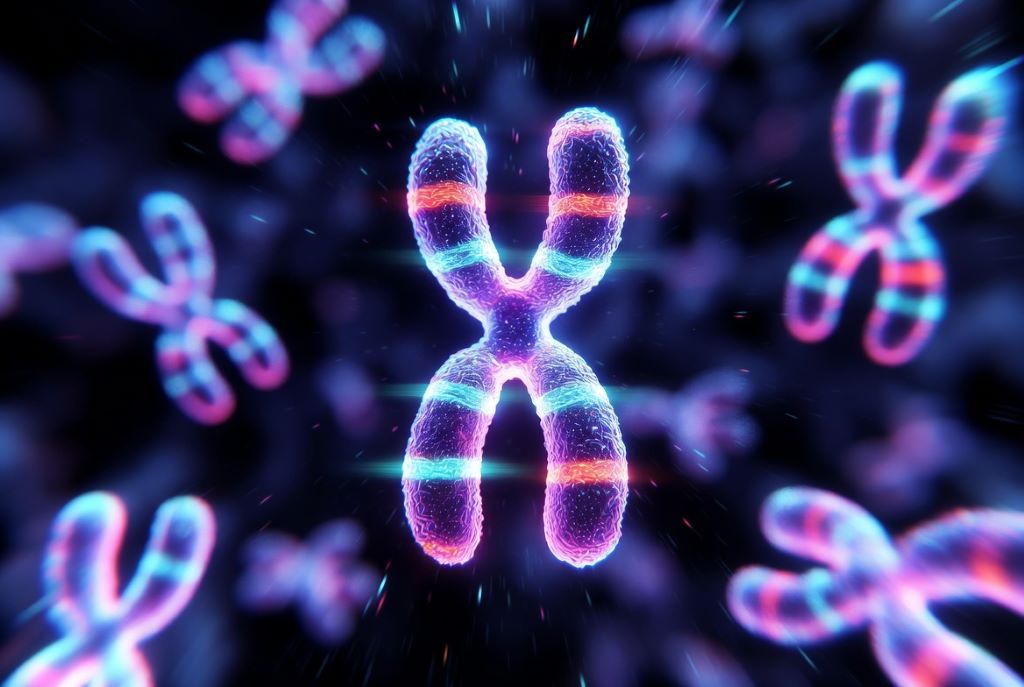
Most females have two X chromosomes (XX) while most males have one X and one Y chromosome (XY). Sex chromosomes can dial up and down the expression of thousands of genes on the other 22 pairs of chromosomes in a cell, impacting cell function across the entire body. 

Historically, scientists believed that the second X chromosome in females is largely inactive. But, in recent years, research out of the Page lab has shown that the so-called “inactive X,” also called Xi, plays a crucial role in regulating gene expression on the active X chromosome, and the rest of the chromosomes.

In this perspective, the researchers point to a subset of genes that are expressed from both the active and inactive X chromosome — often known as genes that “escape” X chromosome inactivation. Many of these genes are dosage-sensitive regulators of key cellular processes. These processes influence thousands of other genes across the genome, including many linked to autism. 

Because females have an extra copy of these regulatory genes expressed from Xi, Page and Talukdar propose that they may be better able to buffer the effects of autism-associated mutations than males.

The female protective effect beyond autism

This mechanism, the researchers say, extends beyond autism to a range of congenital and developmental diseases with a male bias. 

“Many of the other congenital or developmental conditions we’re pointing to aren’t subject to diagnostic inequities in the way autism is,” says Talukdar. “This strengthens the idea that the female protective effect is emerging from genetic differences in males and females.”

One example is pyloric stenosis, which like autism, affects four boys for every girl. Infants with the condition experience severe vomiting due to thickening of the pyloric sphincter, the passage between the stomach and small intestine. As with autism, girls with pyloric stenosis appear to require more genetic “hits” in order to develop the condition.

The researchers’ new framework of looking at Xi to understand sex differences in disease could impact treatment and care not just for conditions that predominately affect males, but also for those that are more common in women, such as autoimmune diseases. 

“Our biology isn’t one-size-fits-all,” Talukdar says “Sex differences clearly play a huge role in health, and it’s so important that we understand them.”

By Shafaq Zia

Source: Whitehead Institute for Biomedical Research

X-Chromosome Gene Behind Greater MS and Alzheimer’s Risk in Women

Mouse study reveals how females’ double X chromosomes drives brain inflammation and identifies diabetes drug as potential treatment

Photo by Karolina Grabowska on Pexels

New research by UCLA Health has identified a sex-chromosome linked gene that drives inflammation in the female brain, offering insight into why women are disproportionately affected by conditions such as Alzheimer’s disease and multiple sclerosis as well as offering a potential target for intervention. 

The study, published in the journal Science Translational Medicine, used a mouse model of multiple sclerosis to identify a gene on the X chromosome that drives inflammation in brain immune cells, known as microglia. Because females have two X chromosomes, as opposed to only one in males, they get a “double dose” of inflammation, which plays a major role in ageing, Alzheimer’s disease and multiple sclerosis.  

When the gene, known as Kdm6a, and its associated protein were deactivated, the multiple sclerosis-like disease and neuropathology were both ameliorated with high significance in female mice.  

“It has long been known that there are sex differences in the brain. These can impact both health and neurological diseases,” said study lead author Dr Rhonda Voskuhl, director of the Multiple Sclerosis Program at UCLA Health and lead neurologist for the UCLA Comprehensive Menopause Program. “Multiple sclerosis and Alzheimer’s disease each affect women more often than men, about two to three times as often. Also, two-thirds of healthy women have ‘brain fog’ during menopause. These new findings explain why and point to a new treatment to target this.”  

When first author Dr Yuichiro Itoh of the Voskuhl lab genetically “knocked out” the gene Kdm6a in brain immune cells, the inflammatory molecules shifted from being activated to a resting state. Additionally, the Voskuhl team performed a pharmacologic “knock down” of the protein made by this gene using metformin. Metformin is widely used as a treatment for diabetes, but is currently being researched for potential anti-ageing properties.  

While these interventions were highly significant in female mice, their effect was almost undetectable in males, Voskuhl said. 

“This is consistent with there being ‘more to block’ in females due to having two copies of the X-linked gene,” said Voskuhl, who is also a professor of neurology at UCLA Health. “It’s also why females are more likely to get MS and AD than males. This has implications for the clinic. Women may respond differently to metformin treatment than men.” 

Voskuhl said the findings may also have implications for explaining a connection to brain fog in healthy women during menopause.  

“Sex chromosomes and sex hormones achieve a balance through evolution,” Voskuhl said. “There is a selection bias to do so. Females have a balance between X chromosome-driven inflammation that can be good to fight infections at child-bearing ages. This is held in check by oestrogen, which is anti-inflammatory and neuroprotective. As women age, menopause causes loss of oestrogen, unleashing the proinflammatory and neurodegenerative effects of this X chromosome the brain immune cell.”  

Voskuhl says together, these findings may support use of oestrogens that target the brain to keep the balance, and thereby protect the brain, during menopause.

Source: UCLA Health

Missing Gene on Y Chromosome Linked to Male Infertility

Chromosomes. Credit: NIH

University of Hawaiʻi at Mānoa scientists have uncovered a direct link between a missing Y chromosome gene and male infertility. Their new research reveals that deleting this single gene in mice not only caused infertility but also disrupted hundreds of other genes vital for healthy sperm. The findings, published August 27 in Cell Death and Differentiation, offer significant implications for understanding reproductive health.

The role of Zfy

The study, led by Monika Ward of UH Mānoa’s John A. Burns School of Medicine and the Yanagimachi Institute for Biogenesis Research (YIBR), focused on the Zfy gene, found on the Y chromosome in both humans and mice. In mice, there are two versions of this gene: Zfy1 and Zfy2.

Using CRISPR gene-editing, the team created mice missing one or both versions. Males without both, known as Zfy double knockouts, were completely infertile, with severely abnormal or absent sperm.

“This work really pushes forward our understanding of how this important Zfy gene works,” said Ward. “We identified pathways and other genes that are affected and we can now study how exactly Zfy regulates them.”

To continue investigations, the researchers turned to assisted reproduction techniques pioneered at UH, including intracytoplasmic sperm injection (ICSI) and round spermatid injection (ROSI). This allowed them to examine the molecular consequences of Zfy loss.

When one gene disrupts hundreds

The results revealed that without Zfy, hundreds of genes became misregulated – some too active, others too weak. Many of these genes are responsible for sperm production, DNA packaging, and cell survival.

As a result, sperm precursor cells in the testes died off early, and the sperm that did form carried fragile DNA that wasn’t properly condensed.

The study details can be found in an article published in Cell Death and Differentiation, a leading peer-reviewed journal.

Source: University of Hawai’i

Y Chromosome Loss in Immune Cells Creates Opportunity for Cancers

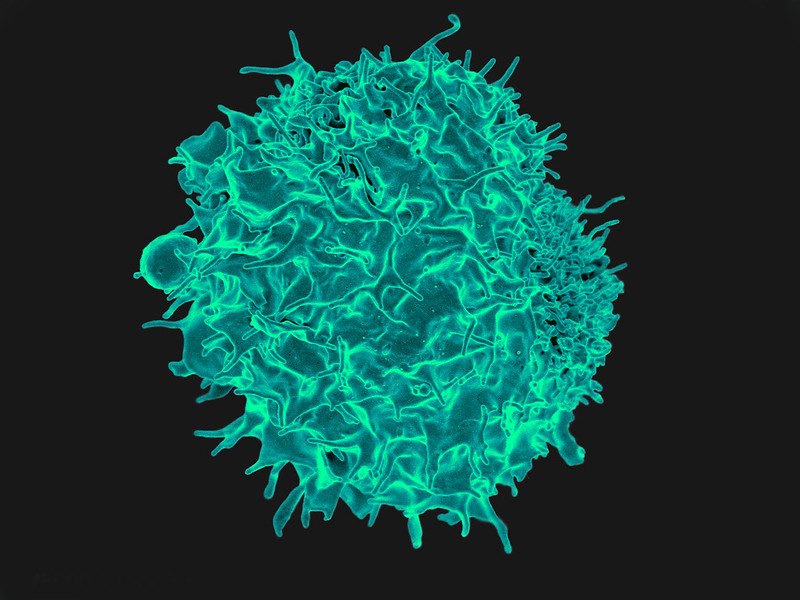
Scanning electron micrograph of a T cell lymphocyte. Credit: NIH / NIAID

A study initiated by a University of Arizona Comprehensive Cancer Center physician-scientist has for the first time defined how loss of the Y chromosome in male immune cells negatively affects immune system function. The findings, published in Nature, may explain why loss of Y is associated with lower cancer survival rates.

In males, each cell in the body usually contains one X and one Y chromosome. “Loss of Y” is a common, nonhereditary genetic change in men in which an immune cell in the blood loses its Y chromosome. It is often associated with aging. Loss of Y has been linked to increased mortality from carcinomas for many years, though no one knew why.

This study is the first to identify and define the relationship between loss of Y in white blood cells, immune cells and tumours, providing insights as to why men with loss of Y have increased cancer risks and poorer outcomes.

“These findings represent a big step forward in our understanding of why men with loss of Y in their blood cells have a higher mortality from cancer. It turns out it’s because these cells make the immune system infiltrating the cancer less effective,” said Dan Theodorescu, MD, PhD, director of the Cancer Center and a professor in the College of Medicine – Tucson

“We hope this provides a solid lead and framework for the nascent Y chromosome field to pursue so we can collectively better understand all the possible biological implications of this finding and how to use them to develop more effective approaches in prevention, treatment resulting in higher survival rates for patients.”

The research team discovered that loss of the Y chromosome – previously identified in malignant epithelial cells by the Theodorescu lab – also occurred in nearby noncancerous tissues, including connective tissue and immune cells.

Most notably, the team found that this chromosomal loss in helper and cytotoxic T cells, which are responsible for attacking cancer cells, was associated with a reduced ability to kill those cancerous cells. The findings suggest a mechanism by which tumours may evade immune detection and suppression.

Finally, the research team found that loss of Y in epithelial cells, combined with loss of Y in T cells, resulted in more aggressive cancers and lower survival rates in patients.

“The study has potential implications for current immunotherapies, including CAR T therapy,” Theodorescu said. “Further research is clearly needed but perhaps immunotherapies using cells from a patient’s immune system could be screened for loss of Y before being used in treatment.”

Source: University of Arizona

Risk Factor for Autism Linked to Y Chromosome

Chromosomes. Credit: NIH

Increased risk for autism appears to be linked to the Y chromosome, a Geisinger study found, offering a new explanation for the greater prevalence of autism in males. The results were published in Nature Communications.

Autism spectrum disorder (ASD) is nearly four times more prevalent among males than females, but the reason for this disparity is not well understood. One common hypothesis involves the difference in sex chromosomes between males (XY) and females (XX).

“A leading theory in the field is that protective factors of the X chromosome lower autism risk in females,” said Matthew Oetjens, PhD, assistant professor at Geisinger’s Autism & Developmental Medicine Institute.

The Geisinger research team, led by Dr Oetjens and Alexander Berry, PhD, staff scientist, sought to determine the effects of the X and Y chromosomes on autism risk by examining ASD diagnoses in people with an abnormal number of X or Y chromosomes, a genetic condition known as sex chromosome aneuploidy.

The team analysed genetic and ASD diagnosis data on 177 416 patients enrolled in the Simons Foundation Powering Autism Research (SPARK) study and Geisinger’s MyCode Community Health Initiative.

They found that individuals with an additional X chromosome had no change in ASD risk, but that those with an additional Y chromosome were twice as likely to have an ASD diagnosis.

This suggests a risk factor associated with the Y chromosome instead of a protective factor associated with the X chromosome.

“While these may seem like two sides of the same coin, our results encourage us to look for autism risk factors on the Y chromosome instead of limiting our search to protective factors on the X chromosome,” Dr. Berry said.

“However, further research is needed to identify the specific risk factor associated with the Y chromosome.”

This analysis also confirms prior work by showing that the loss of an X or Y chromosome, known as Turner syndrome, is associated with a large increase in ASD risk. Further research is needed to determine whether the ASD risk factors associated with sex chromosome aneuploidy explains the sex difference in ASD prevalence.

Source: Geisinger Health System via Science Daily

Genetic Variants may Predict X Chromosome Loss in Older Women

Photo by Loren Joseph on Unsplash

Researchers have identified inherited genetic variants that may predict the loss of one copy of a woman’s two X chromosomes as she ages, a phenomenon known as mosaic loss of chromosome X, or mLOX. These genetic variants may play a role in promoting abnormal blood cells (that have only a single copy of chromosome X) to multiply, which may lead to several health conditions, including cancer. The study, co-led by researchers at the National Cancer Institute, part of the National Institutes of Health, was published in Nature.

To better understand the causes and effects of mLOX, researchers analysed circulating white blood cells from nearly 900 000 women across eight biobanks, of whom 12% had the condition. The researchers identified 56 common genetic variants – located near genes associated with autoimmune diseases and cancer susceptibility – that influenced whether mLOX developed. In addition, rare variants in a gene known as FBXO10 were associated with a doubling in the risk of mLOX.

In women with mLOX, the investigators also identified a set of inherited genetic variants on the X chromosome that were more frequently observed on the retained X chromosome than on the one that was lost. These variants could one day be used to predict which copy of the X chromosome is retained when mLOX occurs. This is important because the copy of the X chromosome with these variants may have a growth advantage that could elevate the woman’s risk for blood cancer.

The researchers also looked for associations of mLOX with more than 1,200 diseases and confirmed previous findings of an association with increased risk of leukemia and susceptibility to infections that cause pneumonia.

The scientists suggest that future research should focus on how mLOX interacts with other types of genetic variation and age-related changes to potentially alter disease risk.

Source: NIH/National Cancer Institute

X-chromosome Inactivation may Reduce Females’ Autism Risk

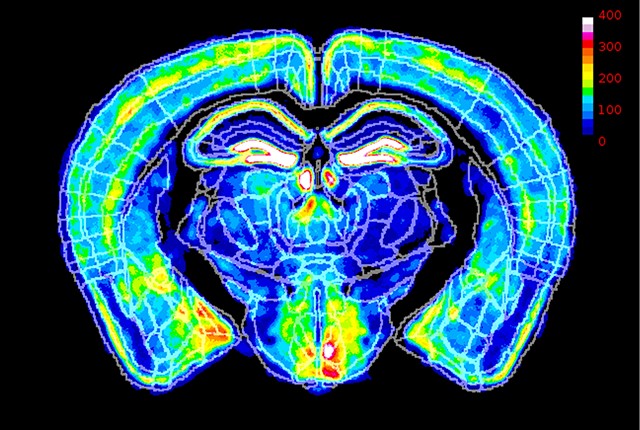
X-chromosome inactivation varies across different areas of brains. Here, fluorescent imaging data from a mouse reveal where the father’s X chromosome is most active (white) and least active (blue). Credit: Eric Szelenyi

A study using mice published in the journal Cell Reports suggests how chromosome inactivation may protect women from autism disorder inherited from their father’s X chromosome.

Because cells do not need two copies of the X chromosome, the cells inactivate one copy early in embryonic development, a well-studied process known as X chromosome inactivation. As a result of this inactivation, every female is made up of a mix of cells, some have an active X chromosome from her father and others from her mother, a phenomenon known as mosaicism. 

For many years, it has been thought that this was random and would result, on average, in a roughly 50/50 mix of cells, with 50% having an active paternal X chromosome and 50% an active maternal X chromosome.

Now a new study finds that, in the mouse brain at least, this is not the case. Instead, there appears to be a bias in the process that results in the paternal X chromosome being inactivated in 60% of the cells rather than the expected 50%.

When the X-linked mutation that is the most common cause of autism spectrum disorder is inherited from the father, the pattern of X-chromosome inactivation in the brain circuitry of females can prevent the effects of that mutation, the study found.

“This bias may be a way to reduce the risk of harmful mutations, which occur more frequently in male chromosomes,” said corresponding author Eric Szelenyi, acting assistant professor of biological structure at the University of Washington School of Medicine in Seattle.

The X-chromosome is of particular interest because it carries more genes involved in brain development than any other chromosome. Mutations in the chromosome are linked to more than 130 neurodevelopmental disorders, including fragile X syndrome and autism.

In the study, the researchers first determined the ratio of X chromosome inactivation in healthy mice by analyzing roughly 40 million brain cells per mouse. The scientists did this by using high-throughput volumetric imaging and automated counting. This analysis revealed a systematic 60:40 ratio across all possible anatomical regions.

They then examined what would happen if they genetically added a mouse model for fragile X syndrome. This syndrome is the most common form of inherited intellectual and developmental disability in humans.

They first tested the mice for behaviors thought to be analogous to those impaired in people with fragile X syndrome. These tests evaluate such things as their sensorimotor function, spatial memory and tendencies towards anxiety and sociability.

They found that the mice who inherited the mutation on their mother’s X chromosome, which are less likely to be inactivated in the 60:40 ratio, were more likely to exhibit behaviour analogous to fragile X syndrome. They exhibited more signs of anxiety, less sociability, poor performance in spatial learning, and deficits in sensorimotor function. 

But mice that inherited the mutation from one their father’s X chromosomes, which were more likely to be inactivated, did not appear impaired. 

“What was most interesting is that using each animal’s behavioural performance was most accurately predicted by X chromosome inactivation in brain circuits, rather than just looking at the brain as a whole, or single brain regions,” said Szelenyi. “This suggests that having more mutant X-active cells due to maternal inheritance increases overall disease risk, but specific mosaic pattern within brain circuitry ultimately decides which behaviors are impacted the most.”

“This suggests that the 20% difference in mutant X-active cells created by the bias can be protective against X mutations from the father, which occur more commonly,” he said.

The findings may also explain why symptoms of X-linked syndromes, like X-linked autism spectrum disorder, vary more in females than males.

Source: University of Washington

Sex-specific DNA Fragment Explains Lupus’s Prevalence in Women

A woman with Systemic Lupus Erythematosus. Source: Wikimedia CC0

The autoimmune condition lupus occurs in women at a rate nine times higher than in men. Some of the factors that cause the disease’s high prevalence in women have eluded discovery, but in a new study published in the Journal of Clinical Investigation Insight, Johns Hopkins Medicine researcher investigated the immune system processes in lupus and the X chromosome, and uncovered answers about the disease’s frequency in females.

A number of dysregulated genetic and biological pathways contribute to the development of lupus and its varied symptoms of muscle and joint pain, skin rashes, kidney problems and other complications throughout the body. One such pathway involves a protein in the immune system called toll-like receptor 7 (TLR7), which, in lupus, reacts to the body’s own RNA, molecules that act as messengers of genetic information. TLR7’s reaction to RNA triggers an immune response that damages healthy tissue.

In the full article, researchers honed in on this TLR7 immune response in lupus, looking specifically at how a piece of genetic material only found in women, known as X-inactive specific transcript (XIST), could trigger TLR7’s immune system response. XIST is a type of RNA that plays a crucial role in inactivating one of the two X chromosomes found in female cells so that females do not have imbalanced gene expression.

“XIST has previously been implicated in autoimmunity, but more as something that could prevent autoimmune conditions like lupus, rather than drive the disease’s development,” says study author and lead researcher Erika Darrah, PhD. “Our findings show the opposite, that XIST actually plays a role in promoting autoimmunity – increasing the susceptibility to lupus and its severity in women.”

The research team first tested whether XIST could bind to TLR7 and initiate the receptor’s immune response using cellular experiments. They observed that XIST could strongly bind to TLR7 and trigger the production of molecules called interferons, an immune system protein seen at high levels in lupus that contributes to tissue damage in this disease. Rather than protect from TLR7 and interferon’s negative effects on the body, these tests illustrated that XIST drove the process of an overactive immune response and therefore contributed to lupus development.

“XIST has now taken on a different role, an alarm signal related to autoimmunity,” says study author Brendan Antiochos, MD. “The immune system activation through XIST and TLR7 is female-specific, helping explain the observation that lupus is so much more common in women compared to men.”

To further study XIST’s role in lupus, researchers also examined XIST levels in patients from two lupus cohorts. The team tested blood samples from patients at the Johns Hopkins Lupus Center for XIST levels, and also used publicly available data from another study that showed XIST and interferon levels in white blood cells taken from the kidneys of people with lupus. They assessed that not only did the levels of XIST in the kidney correlate with higher interferon levels, but also, those with more XIST in their blood cells experienced greater disease severity and worsened lupus symptoms.

Darrah and Antiochos say these findings may implicate XIST in other autoimmune conditions that are more often seen in women, and that more research should be conducted to investigate this female-specific process.

Researchers also say that understanding XIST’s role in lupus development may lead to creative therapies that target the XIST-TLR7 pathway, as well as offer an additional explanation for patients who may wonder about the origins of their disease.

Source: Johns Hopkins Medicine

Losing the Y Chromosome to Age Drives Bladder Cancers but Improves Immunotherapy

Chromosomes. Credit: NIH

As men age, some of their cells lose their Y chromosome and this loss hampers the body’s ability to fight cancer, according to new research from Cedars-Sinai Cancer. The study, published in Nature, found that loss of the Y chromosome helps cancer cells evade the immune system, resulting in aggressive bladder cancer. Somehow, this also renders the disease more responsive to immune checkpoint inhibitors.

Based on their research, investigators are developing a test for loss of the Y chromosome in tumours with the goal of helping clinicians tailor immune checkpoint inhibitor treatment for male patients with bladder cancer.

“This study for the first time makes a connection that has never been made before between loss of the Y chromosome and the immune system’s response to cancer,” said corresponding author Dan Theodorescu, MD, PhD, who initiated the research. “We discovered that loss of the Y chromosome allows bladder cancer cells to elude the immune system and grow very aggressively.”

Lead collaborators on the study also included Johanna Schafer, a postdoctoral fellow, and Zihai Li, MD, PhD, medical oncologist and immunologist, both at The Ohio State University Comprehensive Cancer Center-James Cancer Hospital and Solove Research Institute.

In men, loss of the Y chromosome has been observed in several cancer types, including 10%–40% of bladder cancers. Loss of the Y chromosome also has been associated with heart disease and Alzheimer’s disease.

The Y chromosome contains the blueprints for certain genes. Based on the way these genes are expressed in normal cells in the bladder lining, investigators developed a scoring system to measure loss of the Y chromosome in cancers.  

The investigators then reviewed data on two groups of men. One group had muscle invasive bladder cancer and had their bladders removed, but were not treated with an immune checkpoint inhibitor. The other group participated in a clinical trial and were treated with an immune checkpoint inhibitor. They found that patients with loss of the Y chromosome had poorer prognosis in the first group and much better overall survival rates in the latter.

To determine why this happens, investigators next compared growth rates of bladder cancer cells from laboratory mice.

Cancer cells were grown in vitro and not exposed to immune cells. The researchers also grew the diseased cells in mice that were missing T-cells. In both cases, tumours with and without the Y chromosome grew at the same rate.

In mice with intact immune systems, tumours lacking the Y chromosome grew at a much faster rate than did tumours with the intact Y chromosome.

“The fact that we only see a difference in growth rate when the immune system is in play is the key to the ‘loss-of-Y’ effect in bladder cancer,” Theodorescu said. “These results imply that when cells lose the Y chromosome, they exhaust T-cells. And without T-cells to fight the cancer, the tumor grows aggressively.”

Based on their results derived from human patients and laboratory mice, Theodorescu and his team also concluded that tumours missing the Y chromosome, while more aggressive, were also more vulnerable and responsive to immune checkpoint inhibitors. This therapy, one of the two mainstay bladder cancer treatments available to patients today, reverses T-cell exhaustion and allows the body’s immune system to fight the cancer.

“Fortunately, this aggressive cancer has an Achilles’ heel, in that it is more sensitive than cancers with an intact Y chromosome to immune checkpoint inhibitors,” said co-first author Hany Abdel-Hafiz, PhD, associate professor at Cedars-Sinai Cancer.

Preliminary data not yet published shows that loss of the Y chromosome also renders prostate cancers more aggressive, Theodorescu said.

“Our investigators postulate that loss of the Y chromosome is an adaptive strategy that tumour cells have developed to evade the immune system and survive in multiple organs,” said Shlomo Melmed, MB, ChB, dean of the Medical Faculty at Cedars-Sinai. “This exciting advance adds to our basic understanding of cancer biology and could have far-reaching implications for cancer treatment going forward.”

Further work is needed to help investigators understand the genetic connection between loss of the Y chromosome and T-cell exhaustion.

“If we could understand those mechanics, we could prevent T-cell exhaustion,” Theodorescu said. “T-cell exhaustion can be partially reversed with checkpoint inhibitors, but if we could stop it from happening in the first place, there is much potential to improve outcomes for patients.”

While women do not have a Y chromosome, Theodorescu said these findings could have implications for them as well. The Y chromosome contains a set of related genes, called paralogue genes, on the X chromosome, and these might play a role in both women and in men. Additional research is needed to determine what that role might be.

“Awareness of the significance of Y chromosome loss will stimulate discussions about the importance of considering sex as a variable in all scientific research in human biology,” Theodorescu said. “The fundamental new knowledge we provide here may explain why certain cancers are worse in either men or women, and how best to treat them. It also illustrates that the Y chromosome does more than determine human biologic sex.”

Source: Cedars-Sinai Medical Center

X Chromosome is Shut Down in Some Male Cancers

Source: NIH

Researchers report in Cell Systems that they have discovered another difference between cancer cells and normal cells besides mutations: the X chromosome, typically only inactivated in XX female cells, can also be inactivated across different male-derived cancers.

“To balance the expression of genes between the sexes, in normal development, one copy of the female X chromosome is inactivated at random across the human body. We wanted to know if this process that occurs in normal development goes awry in genetically unstable male or female cancer cells,” says senior author Srinivas Viswanathan, a cancer geneticist and medical oncologist at the Dana-Farber Cancer Institute.

By using publicly available datasets comprising of thousands of DNA samples from cancer patients around the world, the team of researchers stumbled upon the high expression of XIST – the gene responsible for shutting down gene expression on the X chromosome – in about 4% of the male cancer samples analysed.

While XIST may be expressed in very early development in all sexes, X inactivation is thought to be a female-specific process later in development. It was previously shown that some female cancer cells may lose the ability to turn off one of the X chromosomes, leading to increased X-linked gene expression, but this ability of X inactivation had still only been studied primarily in female cells.

Within the 4% of anomalous male cancer samples identified, 74% were from reproductive cancers already shown to inactivate the X chromosome, but that left 26% of samples from other cancer types. These included liver, brain, skin, heart, lung, and thyroid cancers.

“We were very surprised by this result since XIST is a transcript typically used to classify female cancers, and so we wanted to ensure that this was not merely a result of mis-annotation. Yet, we do in fact see that some male cancers of diverse subtypes activate XIST and display features of X inactivation,” says Viswanathan.

“We have to be aware of the caveats of working with these types of datasets. These samples have been in many people’s hands, and there is more room for human error,” said co-corresponding author Cheng-Zhong Zhang, cancer biologist at the Dana-Farber Cancer Institute. “This is the biggest source of uncertainty for us; we have to be creative in how we look at the data and find controls.”

One possible explanation for why this phenomenon is occurring is genetic instability. Cancers often have multiple copies of chromosomes, and if two X chromosomes happen to be in one cell, then it may be necessary to inactivate one of them by activating XIST, regardless of whether that cell is in a female or male individual.

“Another possibility is there are some important genes on the X chromosome that, when silenced, enable the cancer to grow. We will investigate this in future studies,” says Viswanathan.

“In some ways, sex is the ultimate biomarker in that it subdivides the human population, but we often don’t think about how genetic differences between the sexes may inform cancer prognosis or response to therapy,” says Viswanathan.

Source: Cell Press